Fine Motor Skills Extra Challenge Worksheets for Ages 4-6 - Page 2
44 filtered results
-
From - To
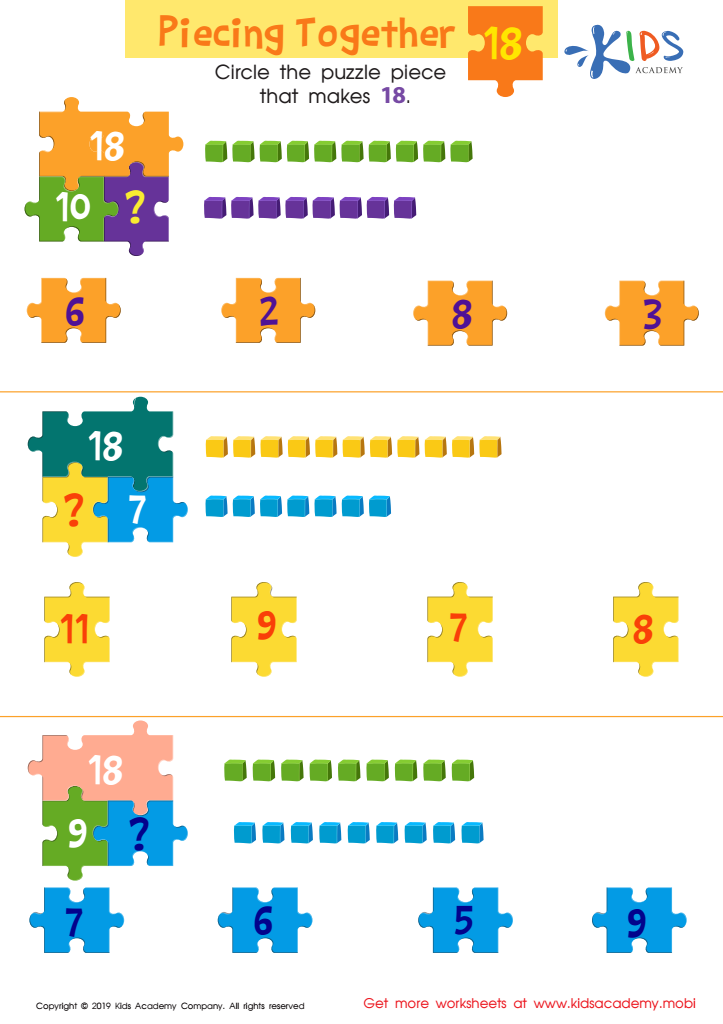
Piecing Together 18 Worksheet
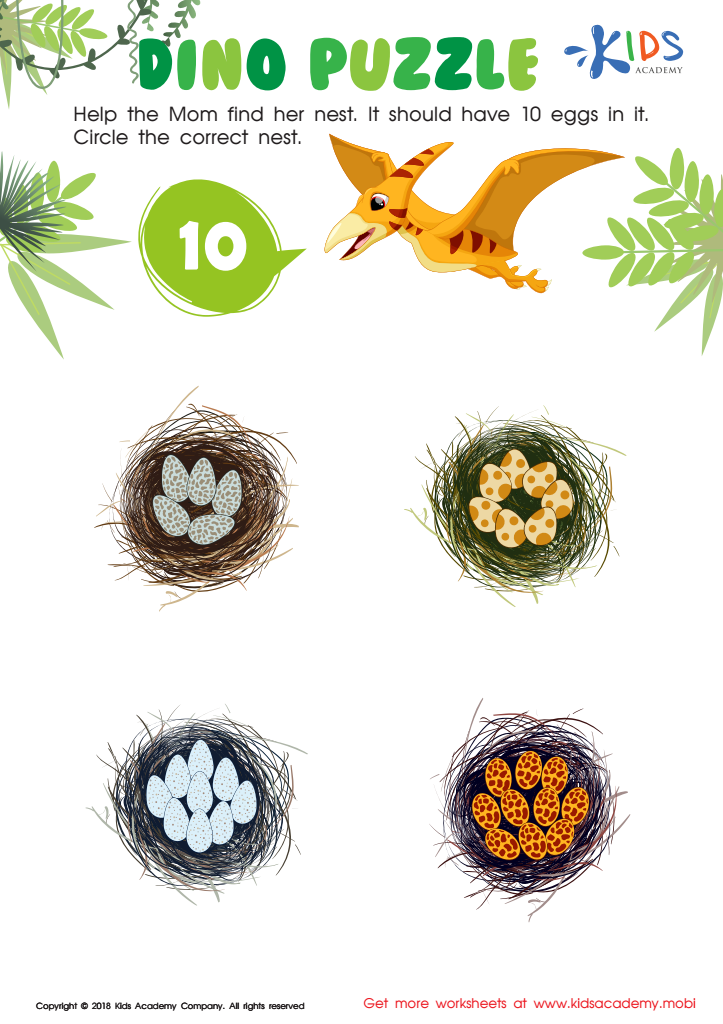
Learn Number For Kindergarten Worksheet
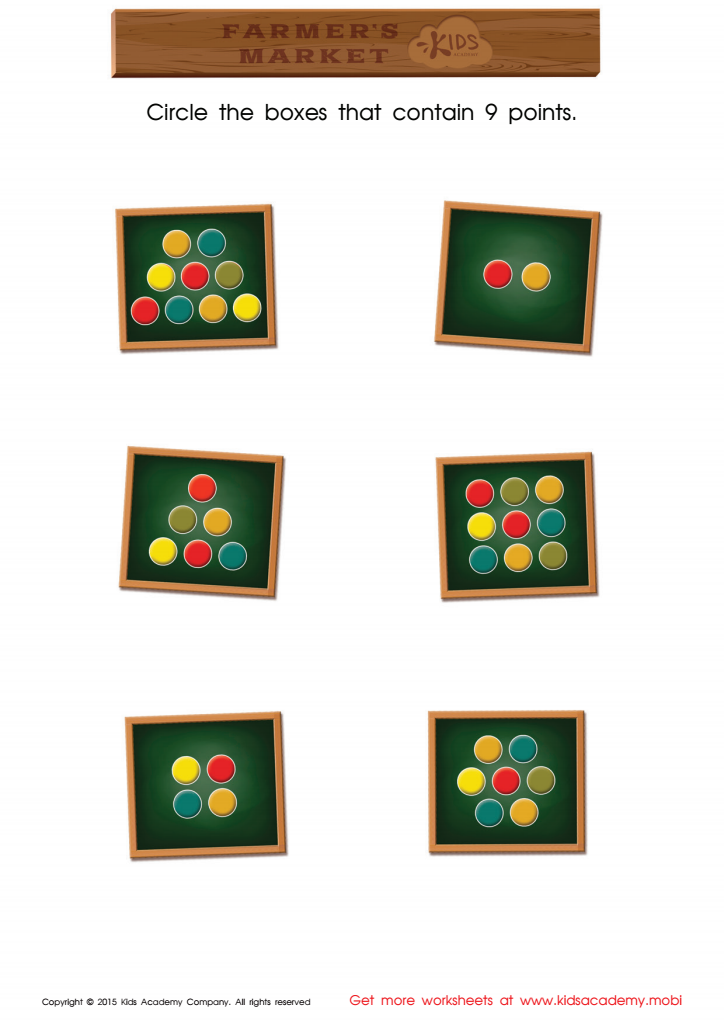
Count and Match Points 9 Math Worksheet
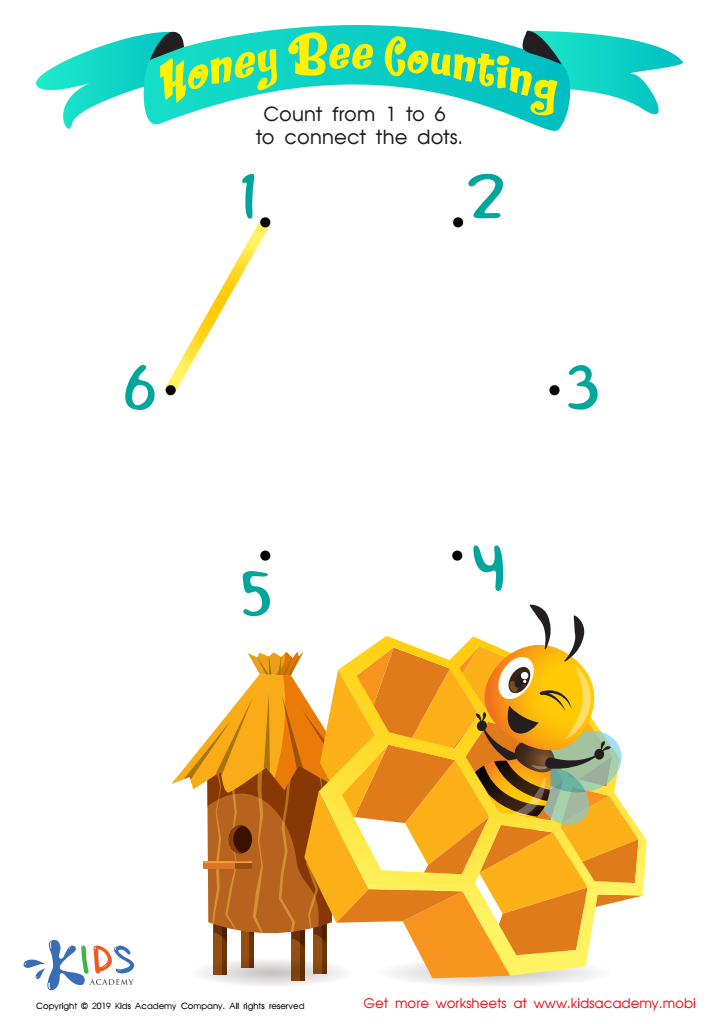
Honey Bee Counting Worksheet

Count Santa's Presents Worksheet
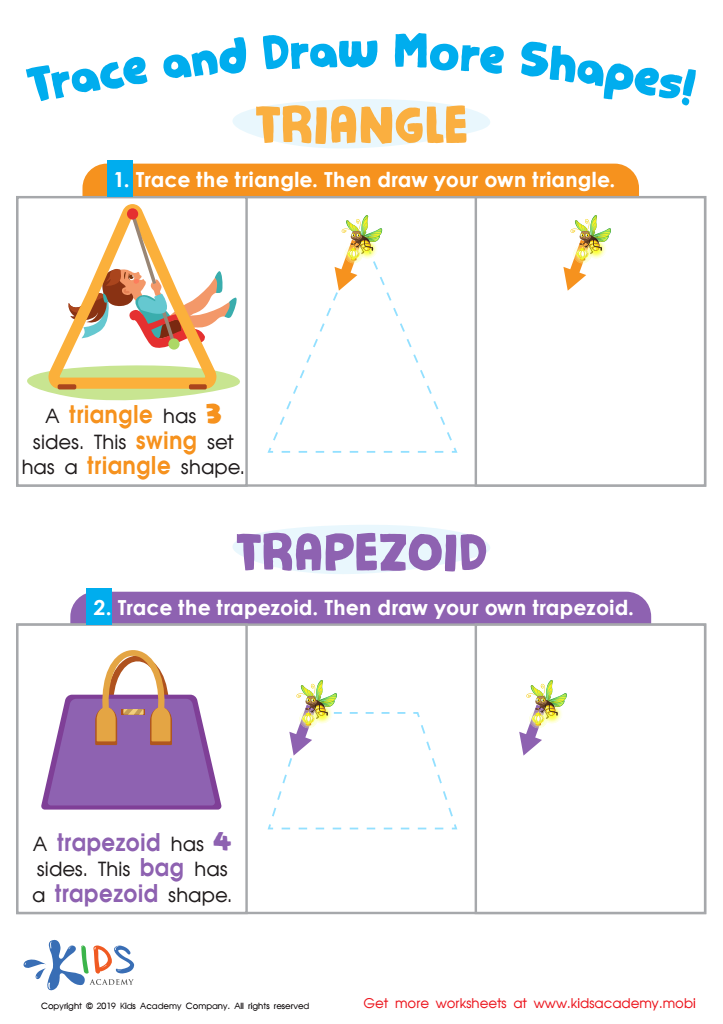
Trace and Draw More Shapes Worksheet
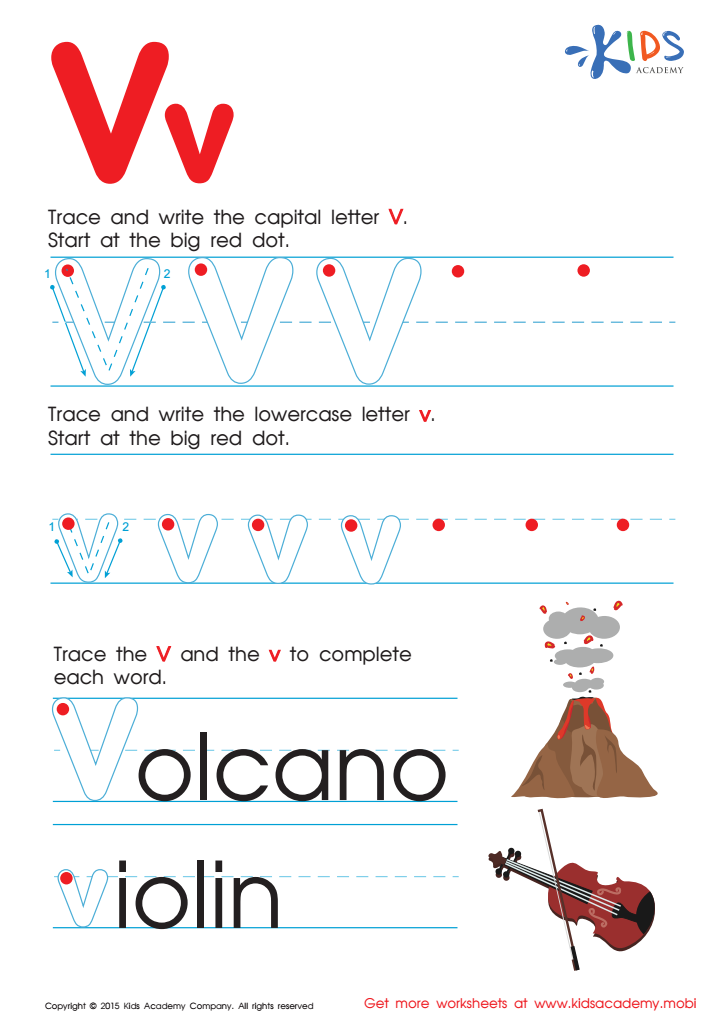
Letter V Tracing Page
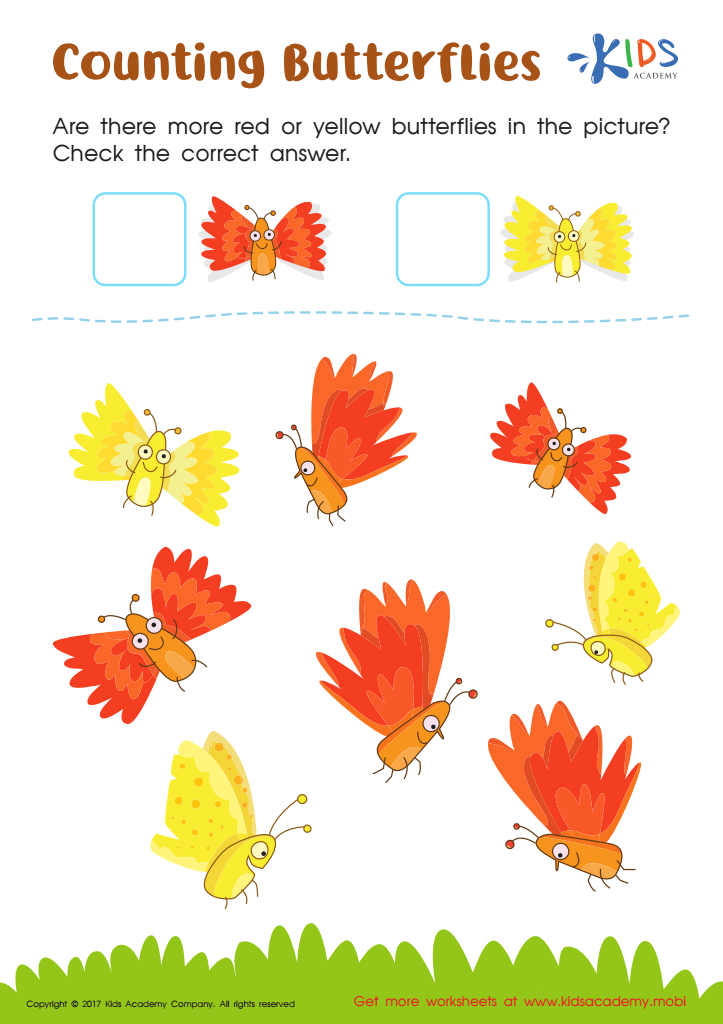
Counting Butterflies Worksheet
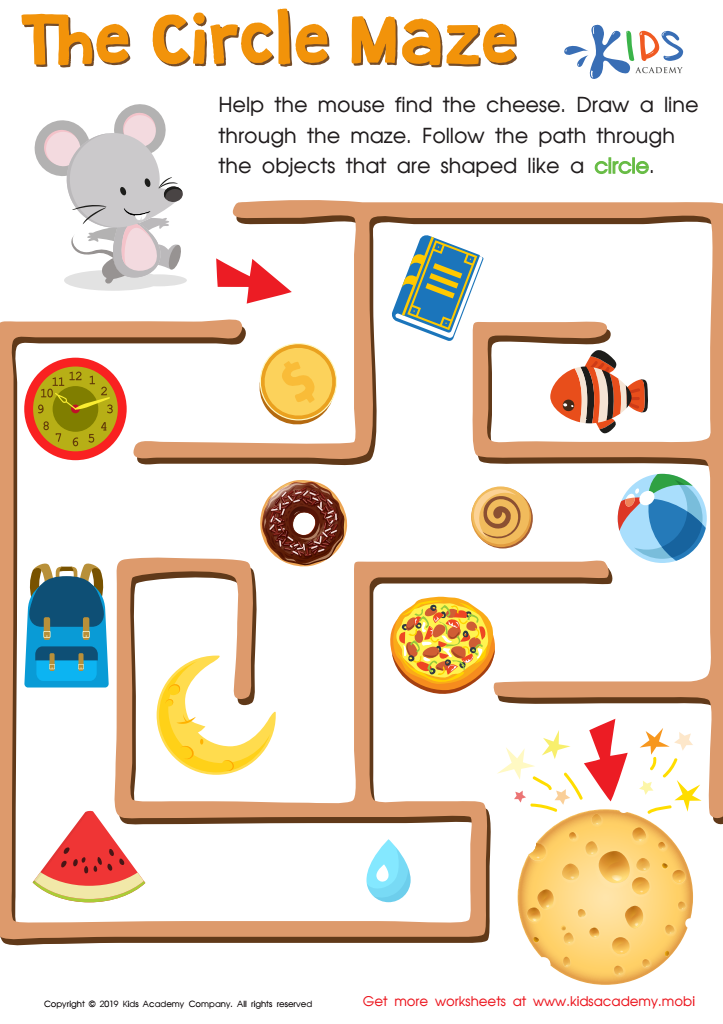
The Circle Maze Worksheet

Santa Claus Tracing Winter Words Worksheet
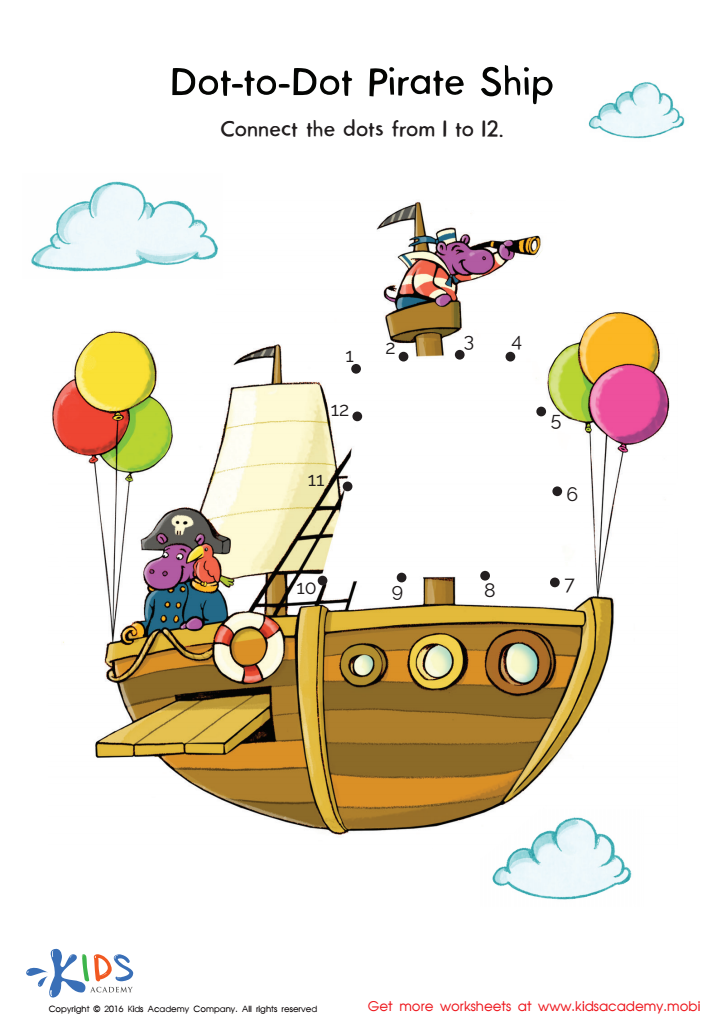
Pirate Ship Connect Dots Worksheet
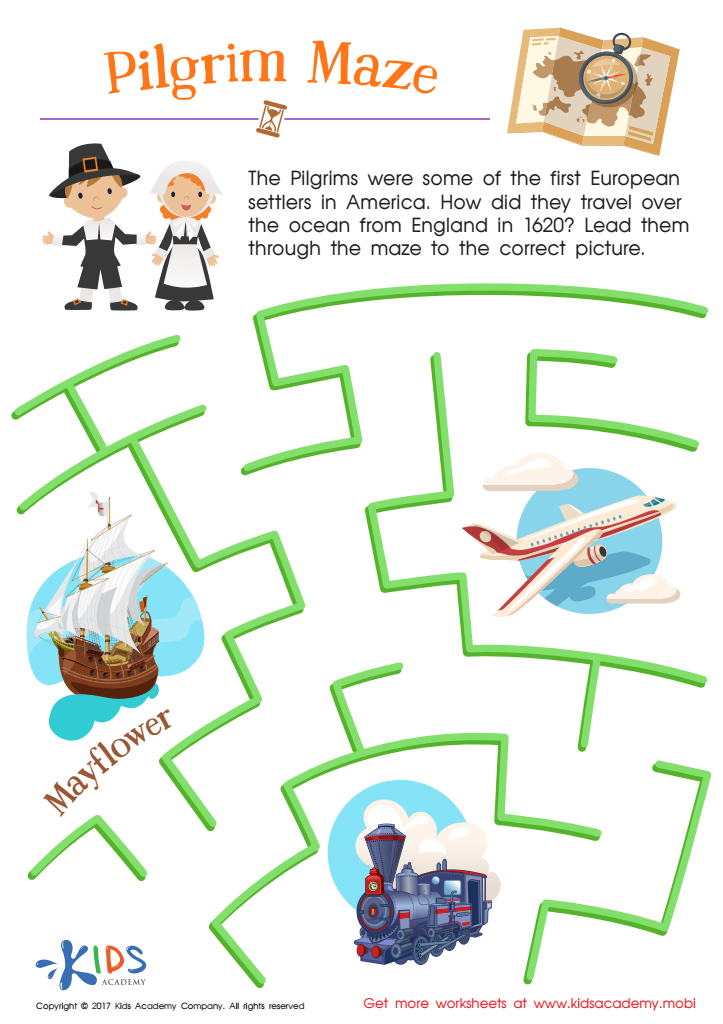
Pilgrim Maze Worksheet
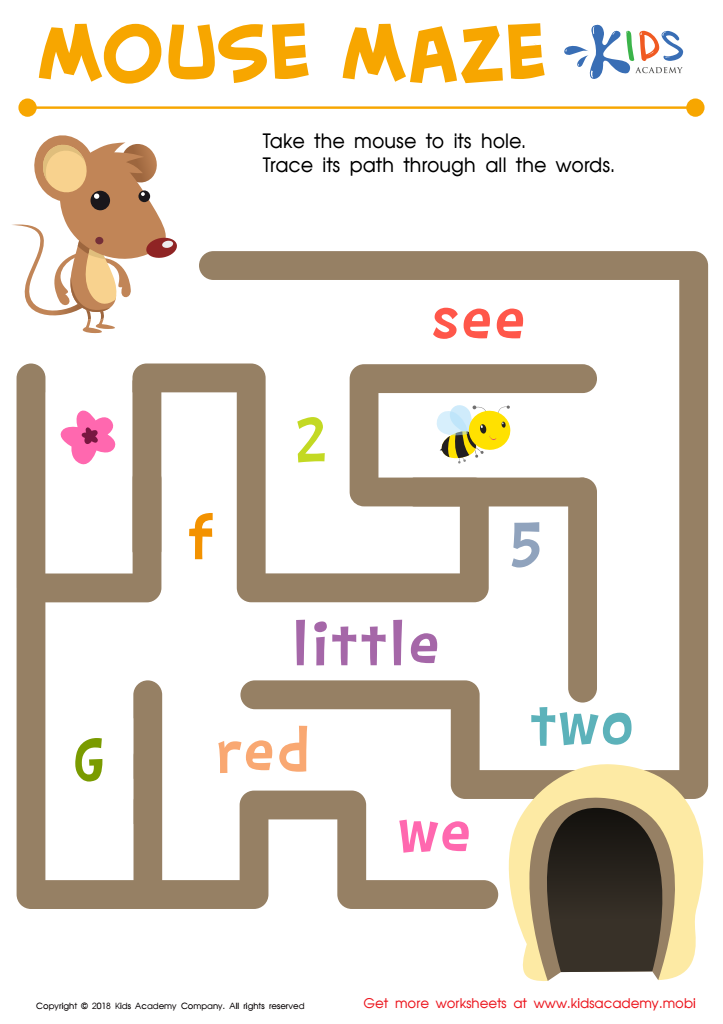
Find Words Mouse Maze Worksheet
Three Little Piggies Printable Coloring Page
 Assign to My Students
Princess Connect Dots Worksheet
Letter T Tracing Page
Big Bad Wolf Printable Coloring Page
Assign to My Students

Count and Match: Feed the Animals Worksheet




.jpg)


Fine motor skills are essential for young children, particularly those aged 4-6, as they form the foundation for numerous daily activities and future learning. Parents and teachers should care about the Fine Motor Skills Extra Challenge because these skills are crucial for a child's overall development. Fine motor skills involve the coordination of small muscle movements, typically involving the hands, fingers, and wrists. Proficiency in these skills enables children to perform tasks such as writing, drawing, using scissors, and fastening buttons, which are vital for both self-care and academic success.
Engaging in activities designed to enhance fine motor skills helps to boost a child's cognitive development. Following instructions, developing hand-eye coordination, and improving concentration are key benefits. Additionally, mastering these skills can improve self-esteem as children gain independence and confidence in their abilities.
Moreover, early practice of fine motor activities can help mitigate future challenges in writing and other tasks needing dexterity. This extra challenge can also foster an interest in creative activities, promote social skills through group tasks, and pave the way for smoother transitions into more advanced learning environments. By prioritizing fine motor skill development, parents and educators can set the stage for lifelong learning and success.








