Number Sequencing Extra Challenge Numbers Worksheets for Ages 4-6
5 filtered results
-
From - To
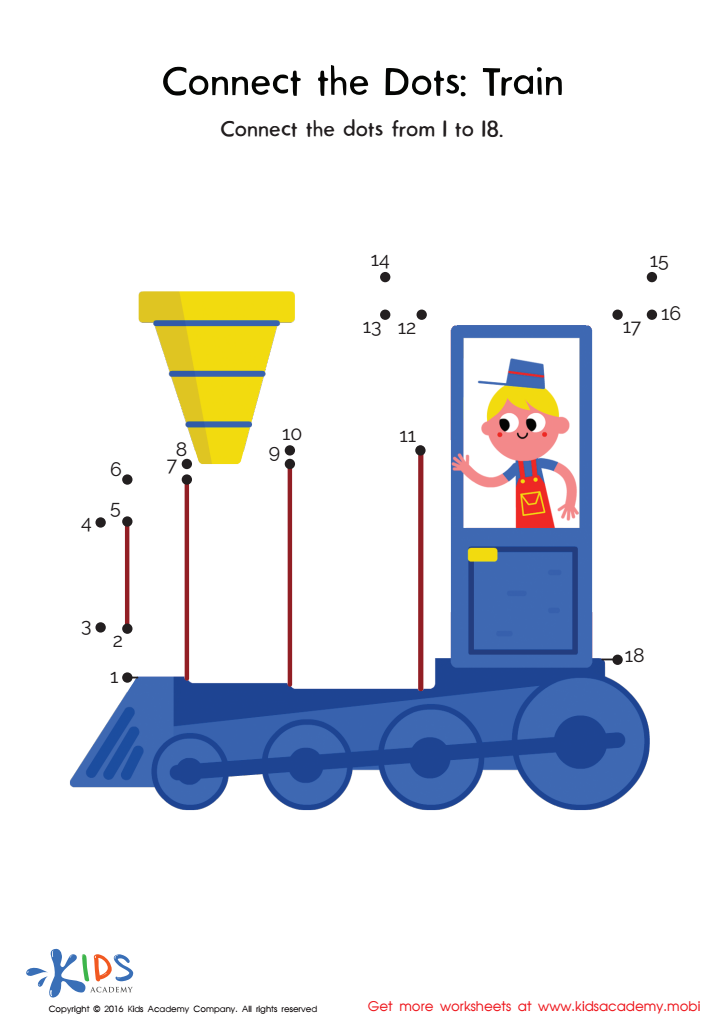
Unlock your child’s potential with our "Number Sequencing Extra Challenge Worksheets" designed for ages 4-6! These engaging printable worksheets enhance number recognition and sequencing skills, making learning both fun and effective. Each worksheet offers a unique challenge, promoting critical thinking and problem-solving abilities through hands-on activities. Perfect for parents and educators, our resources help children master essential math concepts while enjoying interactive learning experiences. Watch as your little ones develop confidence in their numerical understanding, laying a strong foundation for future academic success. Dive into our collection and inspire a lifelong love for learning today!
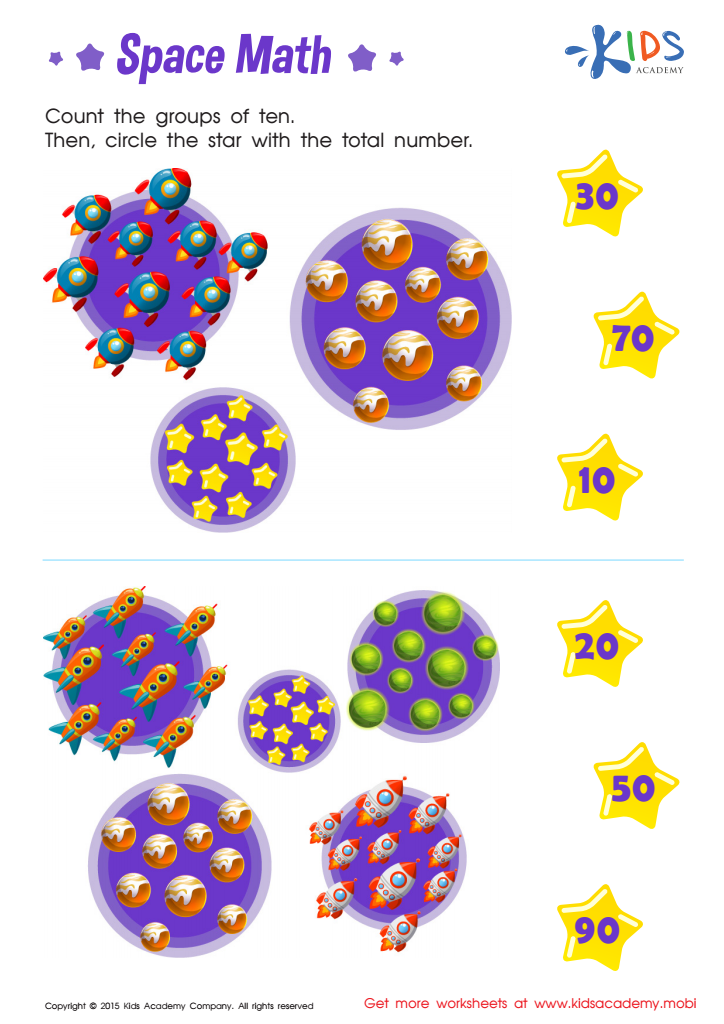
Learn dozens: Space math Worksheet
 Assign to My Students
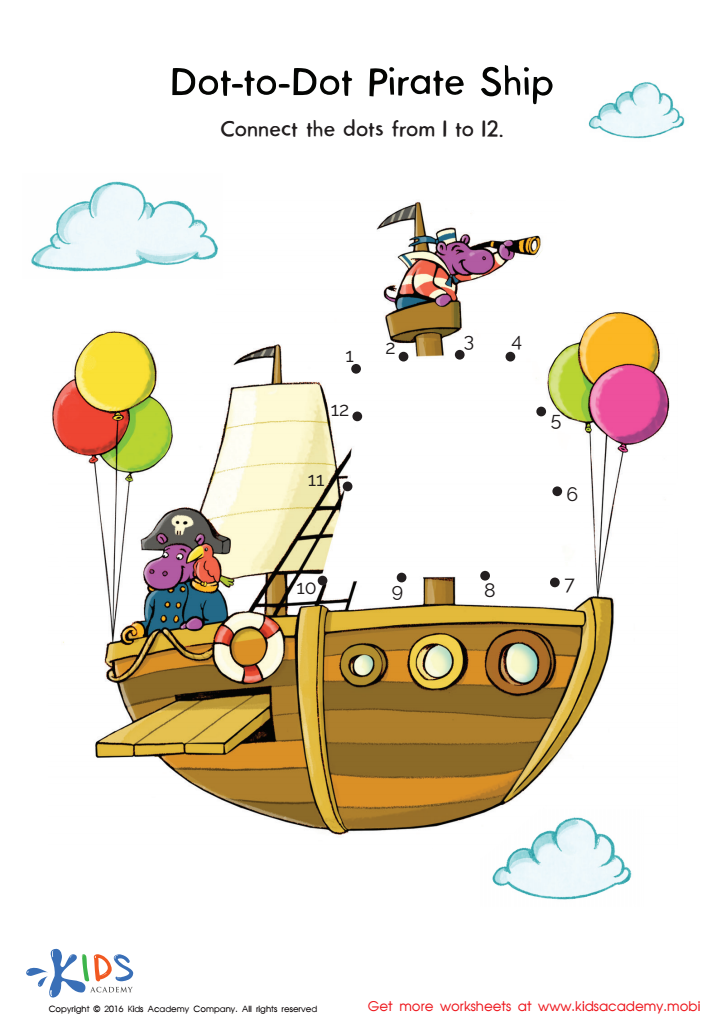
Pirate Ship Connect Dots Worksheet
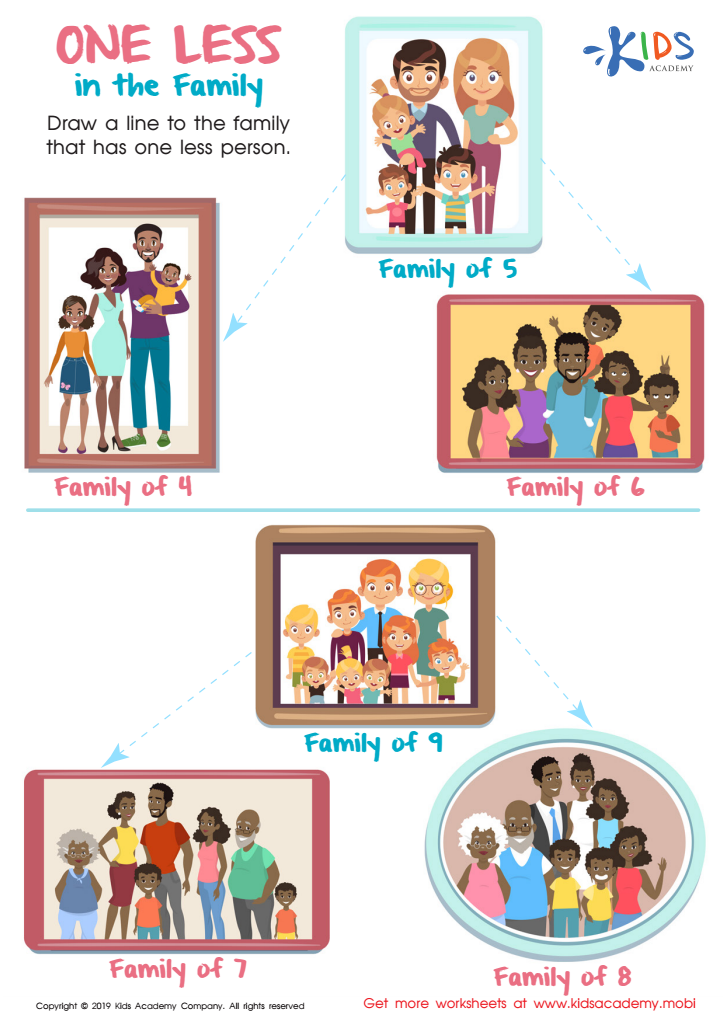
One Less in the Family Worksheet
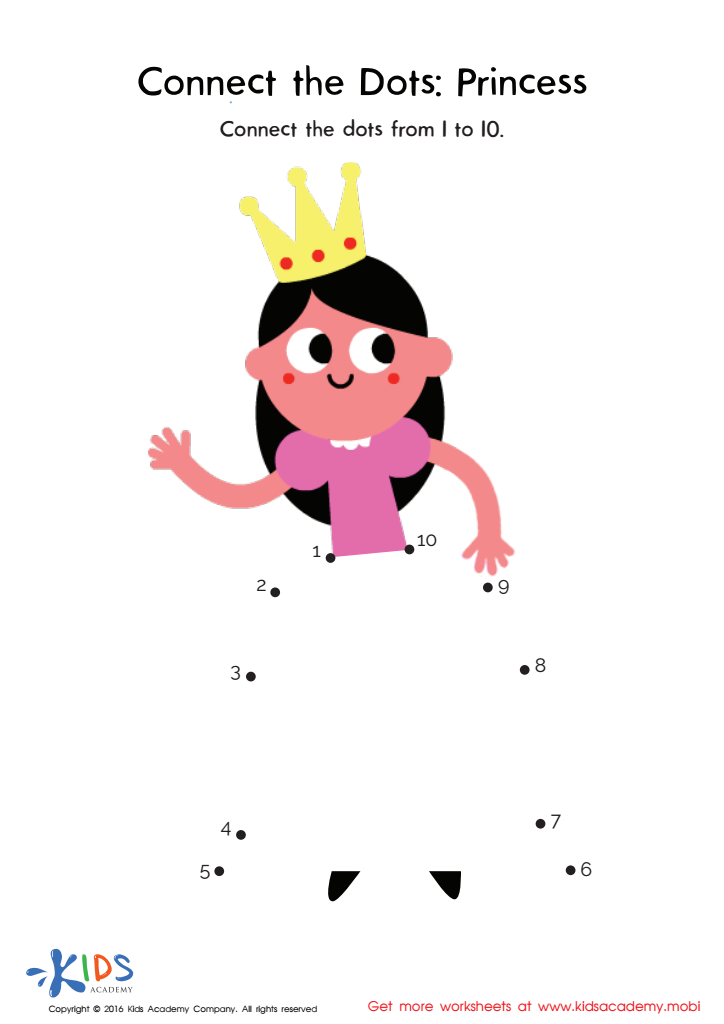
Princess Connect Dots Worksheet








Number Sequencing Extra Challenge Numbers for ages 4-6 play a crucial role in early childhood education and development. These activities not only enhance children's understanding of numerical concepts but also foster essential cognitive skills necessary for future academic success. By engaging in number sequencing, children learn to recognize patterns, which lays the foundation for arithmetic and problem-solving abilities later on.
Furthermore, these challenges can significantly boost a child's confidence in mathematics. Early mastery of sequencing bolsters their willingness to tackle more advanced topics as they progress in school. It encourages a growth mindset; children learn that with practice, they can improve their skills.
For teachers and parents, supporting number sequencing activities demonstrates an investment in a child's foundational education. It ensures that they are equipped with essential skills for their educational journey ahead. Engaging in these activities also opens opportunities for communication, allowing caregivers to identify and address individual learning needs. Finally, number sequencing activities can be fun, helping to develop a love for learning in young learners. Ultimately, investing in these challenges promotes critical thinking, a deeper understanding of mathematics, and supports healthy social and emotional development in children.