Pattern recognition Extra Challenge Worksheets for Ages 4-7
7 filtered results
-
From - To
Unlock your child's potential with our engaging Pattern Recognition Extra Challenge Worksheets, specifically designed for ages 4-7. These printable worksheets offer a fun and stimulating way to enhance critical thinking and analytical skills through colorful patterns and engaging activities. Perfect for young learners, our worksheets encourage creativity while reinforcing essential concepts in both math and visual learning. Each sheet presents a series of challenges that teach children how to identify, extend, and create patterns in an enjoyable format. Boost your child's confidence and skill set today with these excellent resources that blend learning with play!
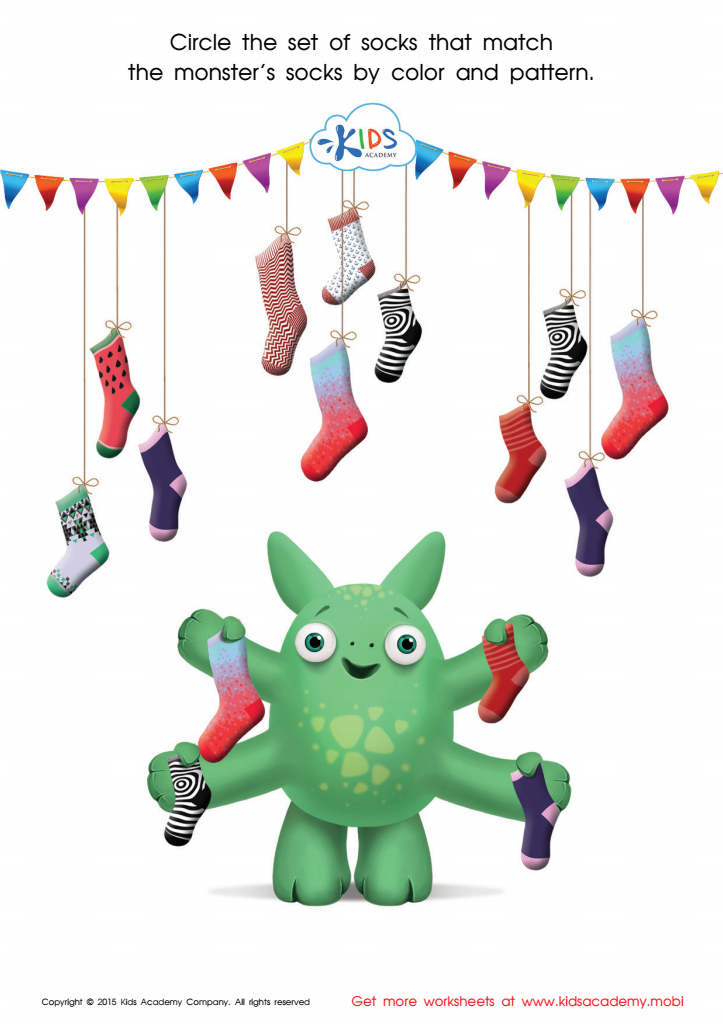
Sort the Monster's Socks Worksheet
 Assign to My Students
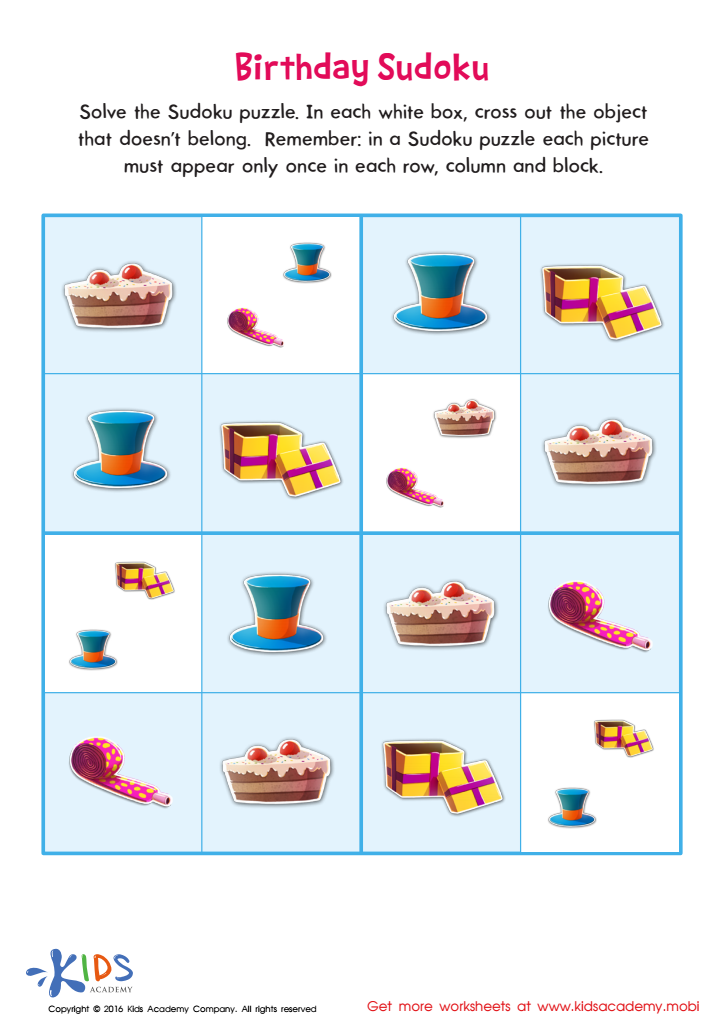
Birthday Sudoku Sorting Worksheet
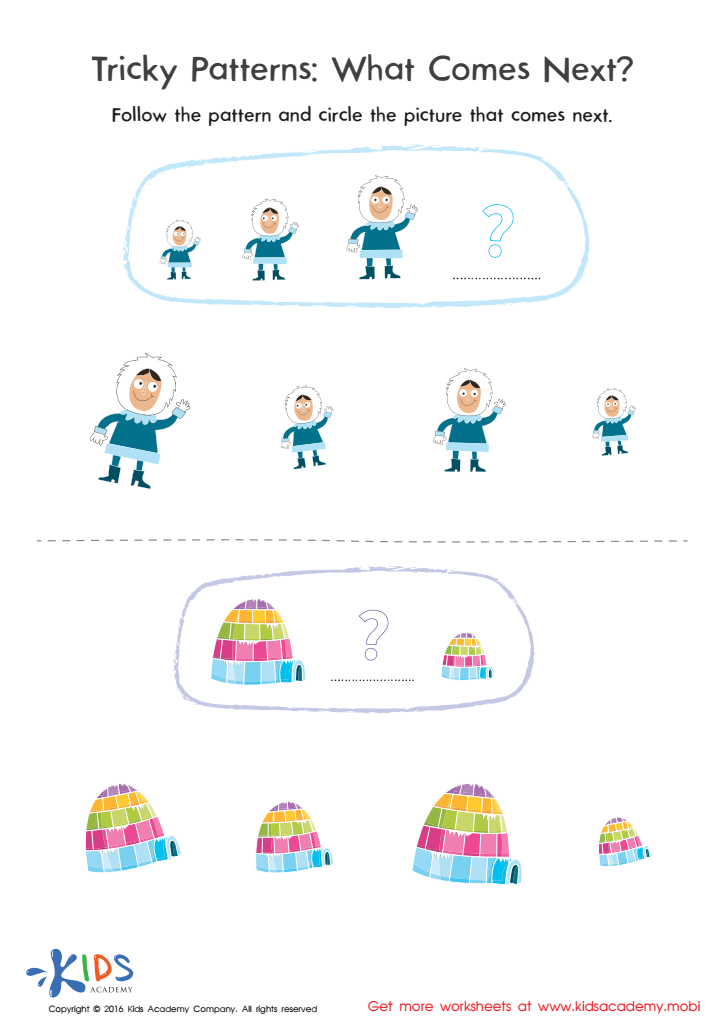
Tricky Patterns Size Worksheet
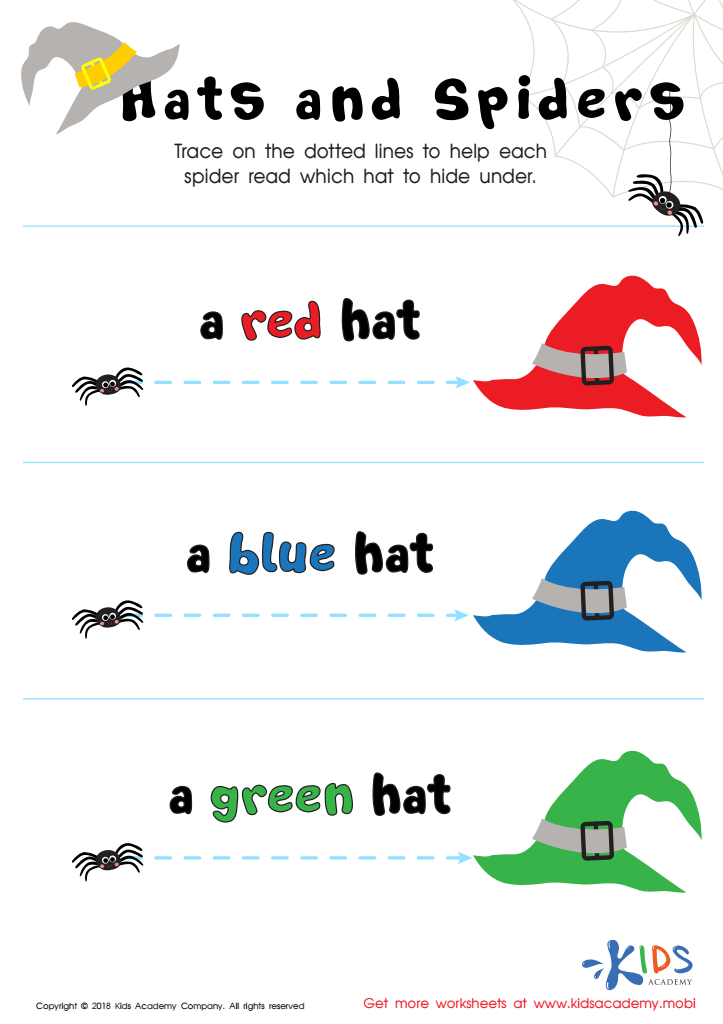
Read from Left to Right: Hats and Spiders Worksheet
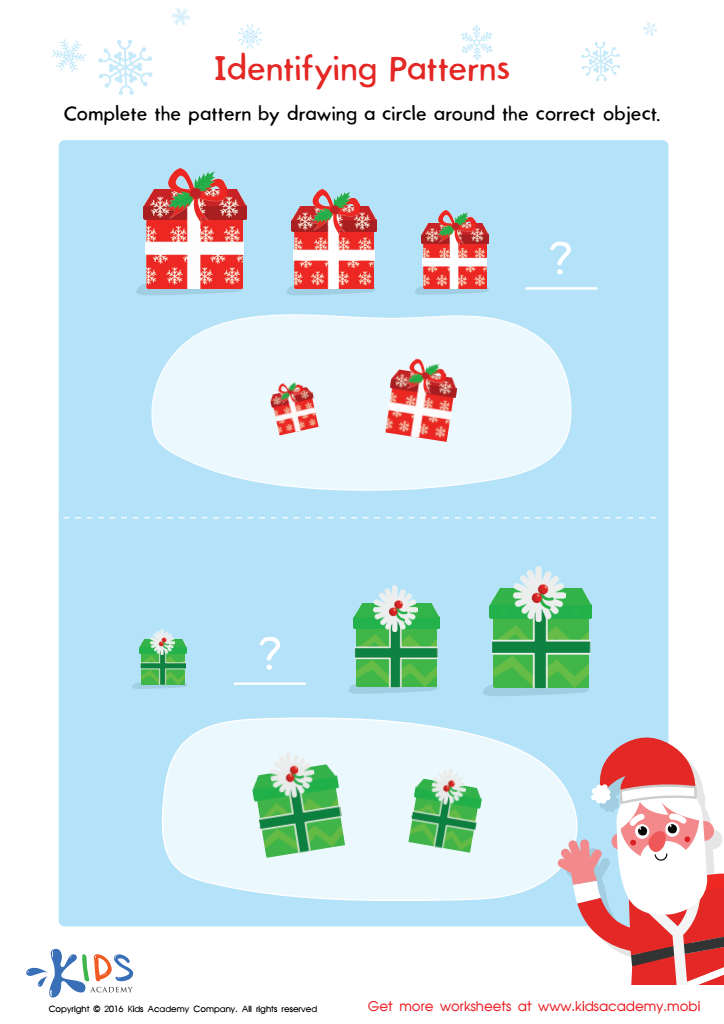
Identifying Patterns Worksheet
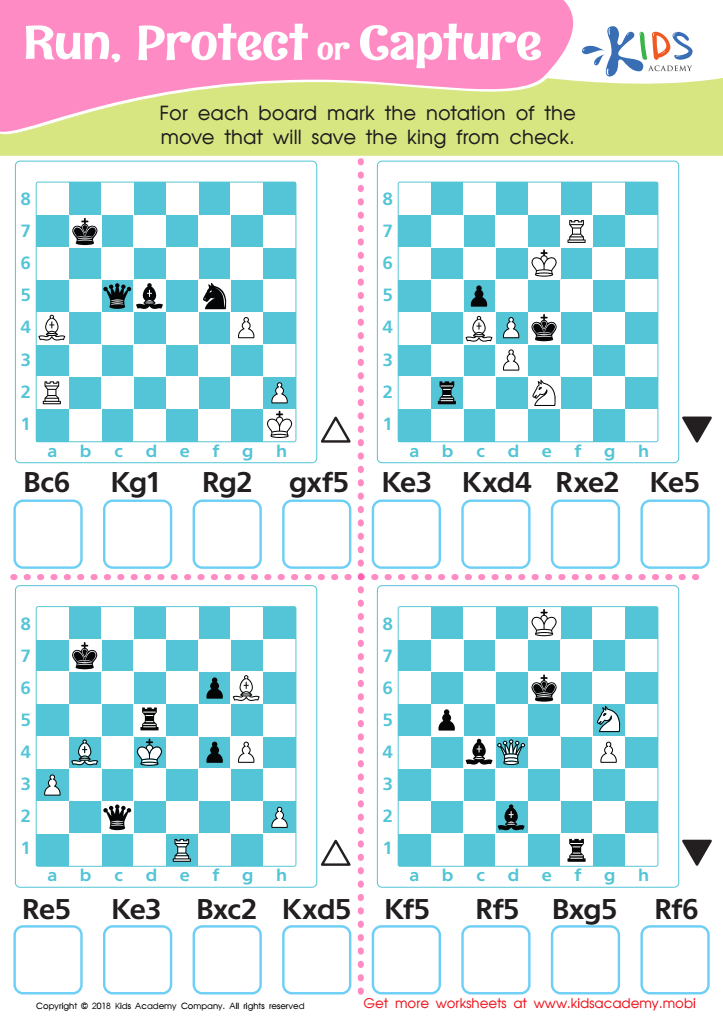
Run, Protect or Capture Worksheet
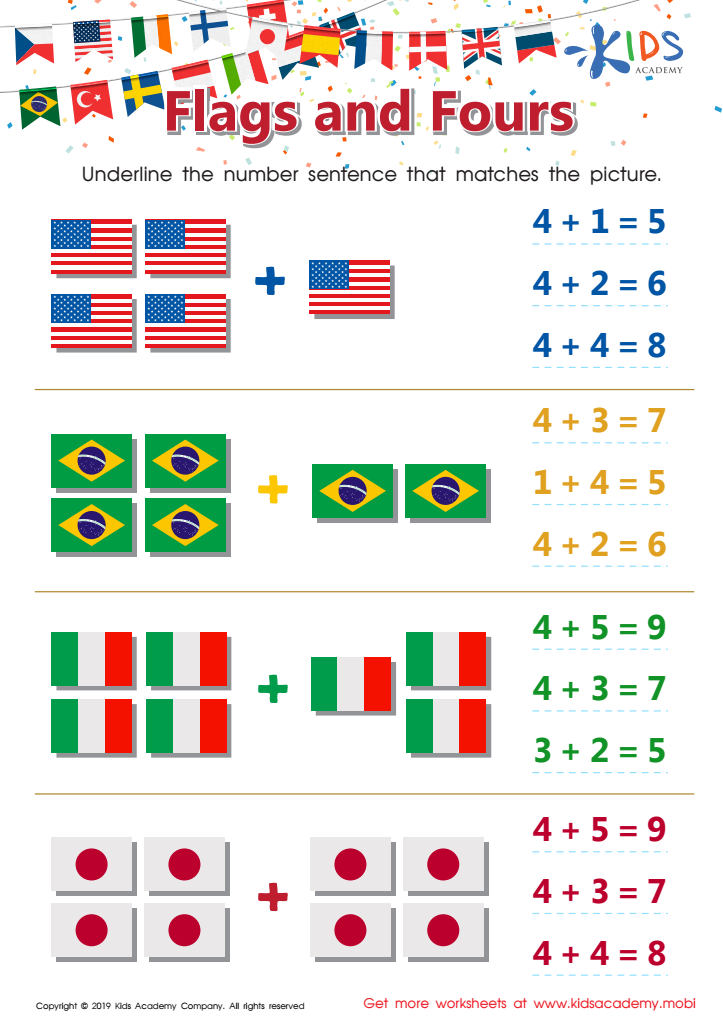
Flags and Fours Worksheet





.jpg)

Pattern recognition is a fundamental cognitive skill that plays a critical role in early childhood development. For parents and teachers of children aged 4-7, fostering this ability, particularly through extra challenges, can significantly enhance a child's learning experience. Engaging children in pattern recognition activities helps them develop critical thinking, problem-solving skills, and mathematical reasoning.
By recognizing patterns, children learn to predict outcomes and make connections between concepts, laying the groundwork for future skills in math, science, and even reading. Understanding patterns fosters logical reasoning and enhances memory retention as children learn to categorize and organize information more effectively.
Incorporating extra challenges in pattern recognition activities also encourages creativity and perseverance. As children tackle increasingly complex patterns, they cultivate a growth mindset, learning to embrace struggles as part of the learning process. Moreover, these challenges can be adapted to different interests, making learning more engaging and interactive.
Ultimately, for parents and teachers, prioritizing pattern recognition through extra challenges not only equips children with vital skills but also instills a love for learning, setting the stage for academic success and lifelong curiosity. Investing time in these activities creates a strong foundation for children's future educational experiences.








