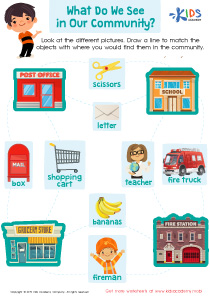
Hand-eye Coordination Extra Challenge Math Worksheets for Ages 4-7
9 filtered results
-
From - To
Enhance your child's learning experience with our "Hand-Eye Coordination Extra Challenge Math Worksheets" designed specifically for ages 4-7! These engaging worksheets combine fun math activities with hand-eye coordination exercises, helping young learners strengthen their motor skills while mastering essential math concepts. Each worksheet features colorful images and engaging problems to keep children motivated and focused. Perfect for reinforcing classroom lessons or providing additional learning at home, these worksheets offer a unique way to blend physical coordination with cognitive development. Watch as your child enjoys building confidence in their math abilities! Download and start your adventure in learning today!
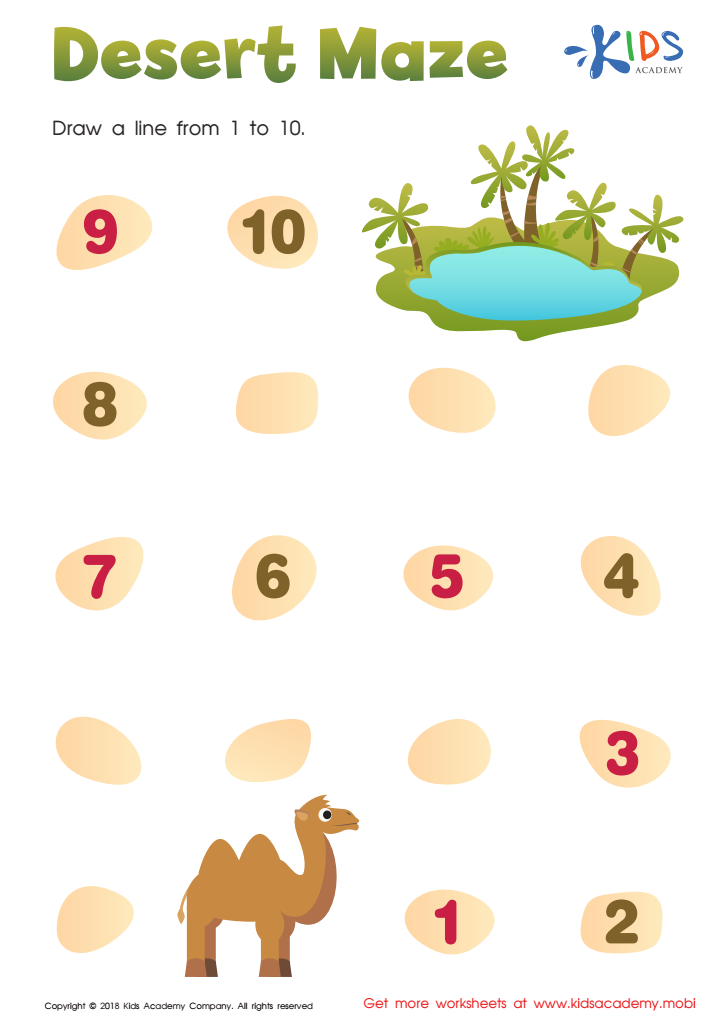
Desert Maze Worksheet
 Assign to My Students
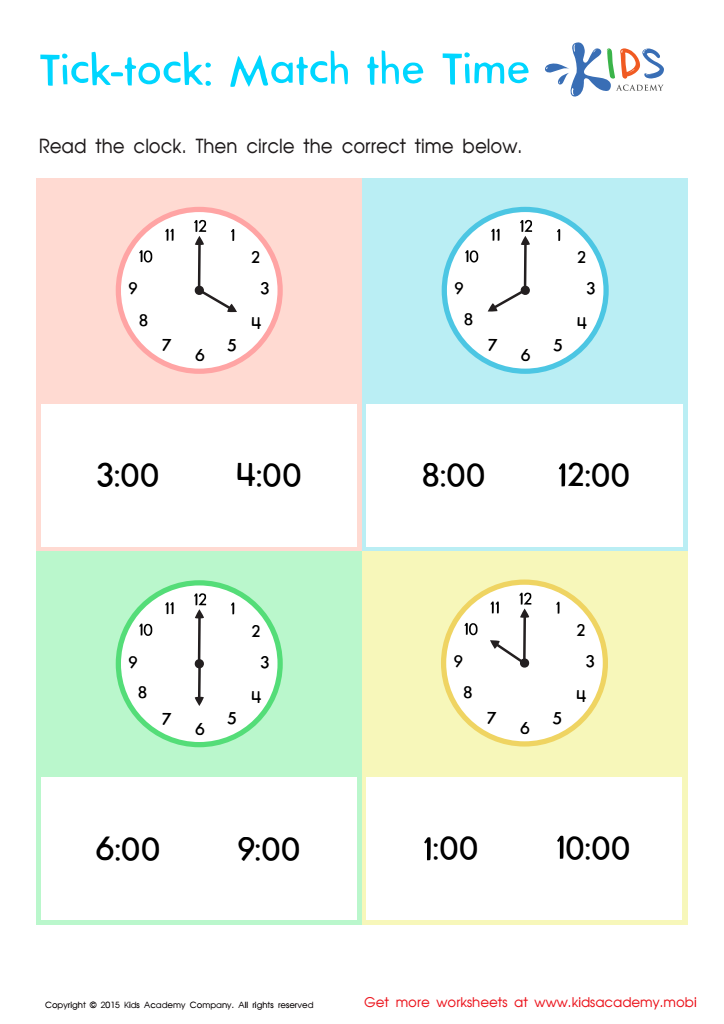
Telling The Time Worksheet: Part 4
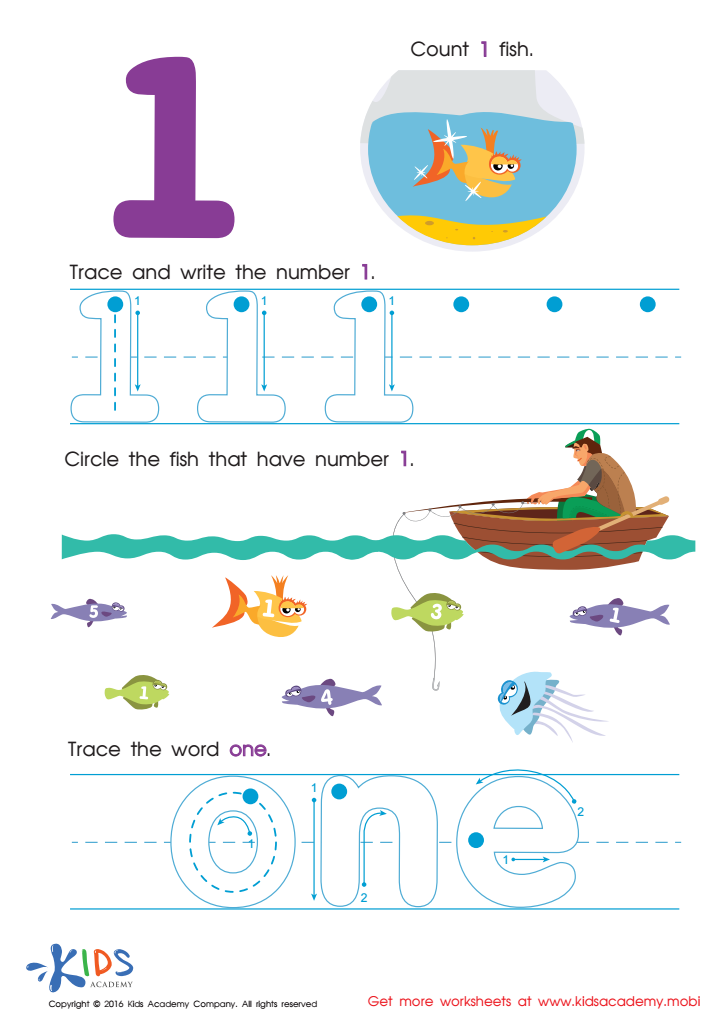
Learning to Write 1 Worksheet
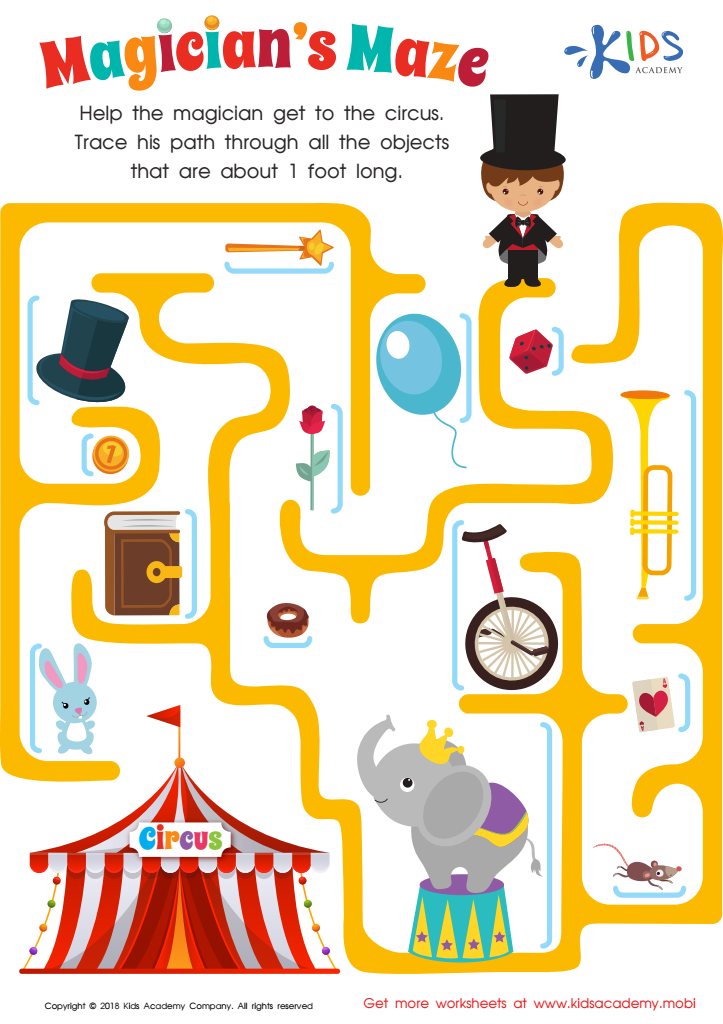
Estimating Length: Magician's Maze Worksheet
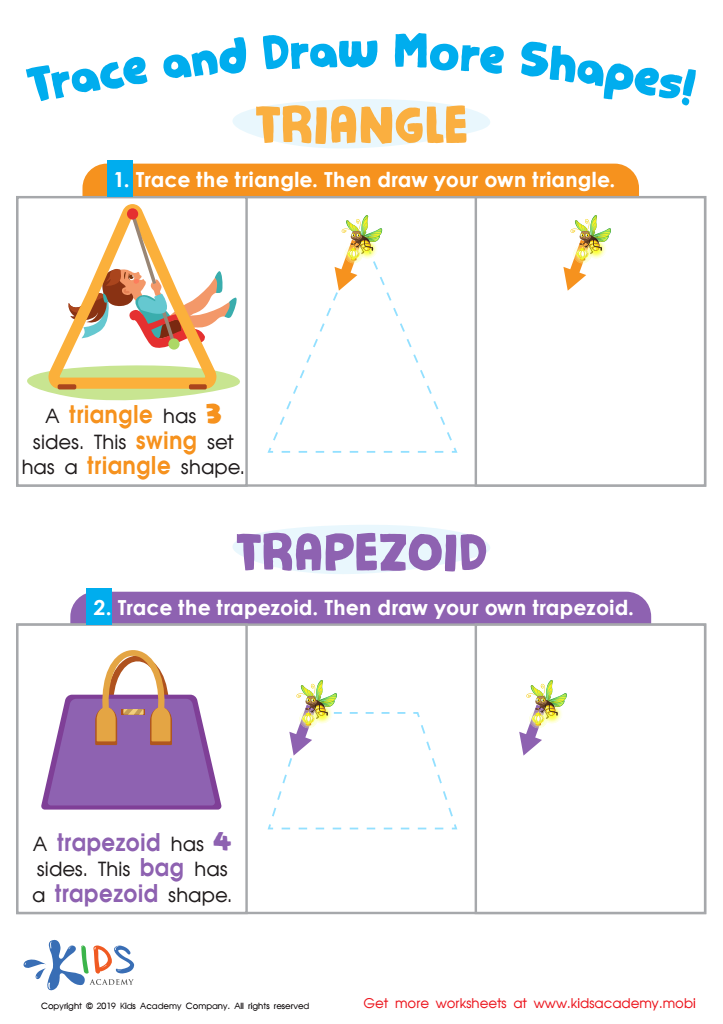
Trace and Draw More Shapes Worksheet
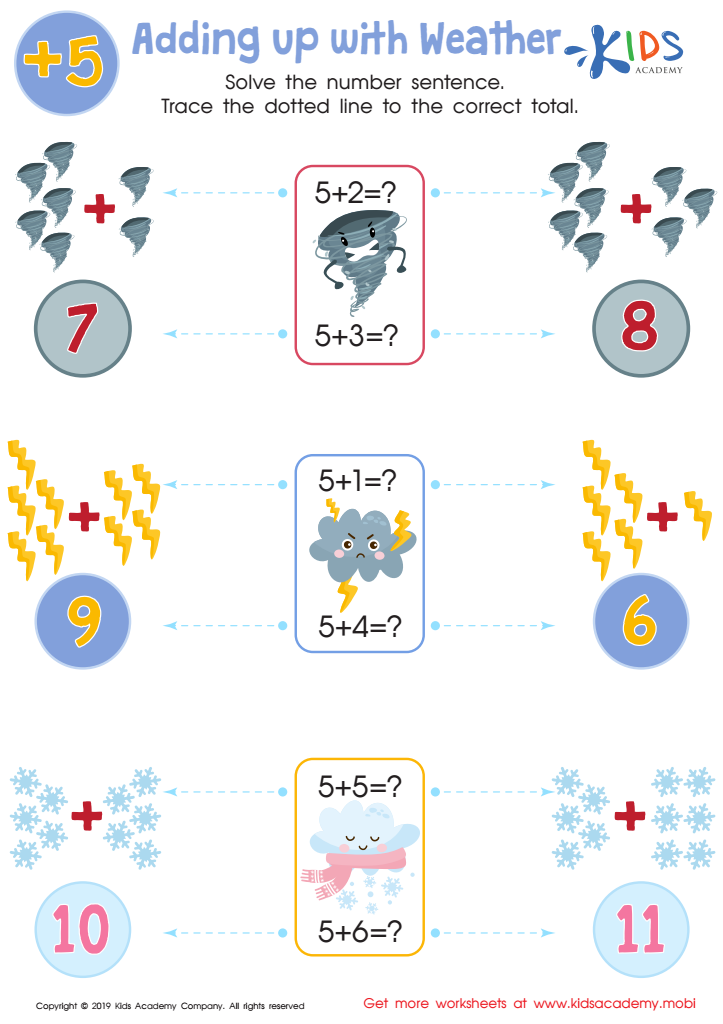
Adding up With Water Worksheet
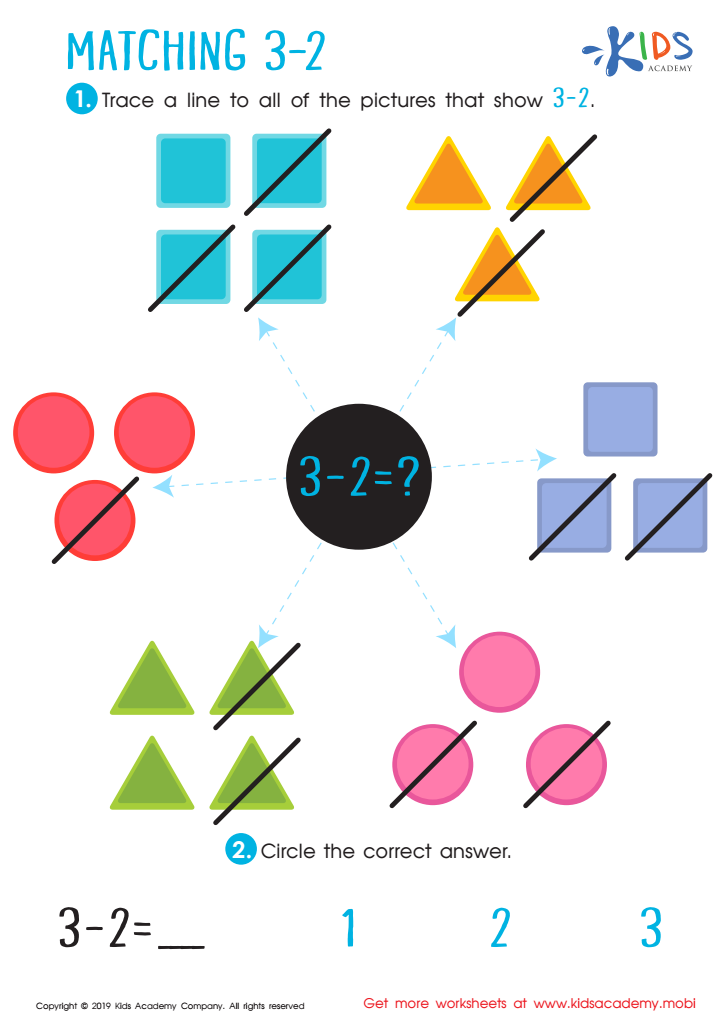
Matching 3-2 Worksheet
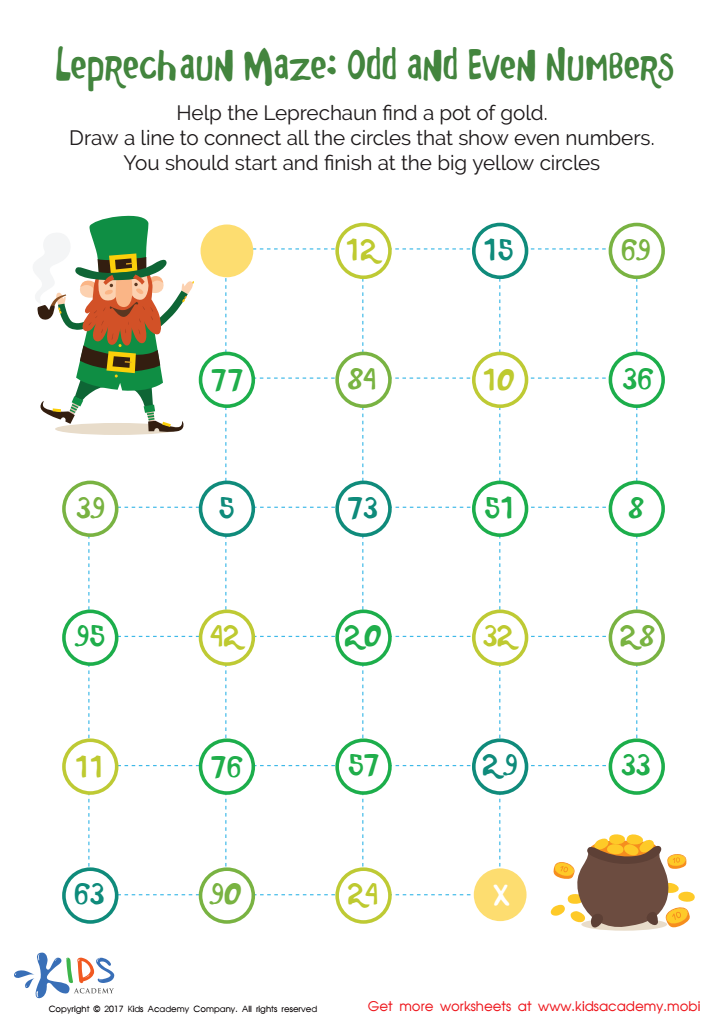
Leprechaun Maze Printable
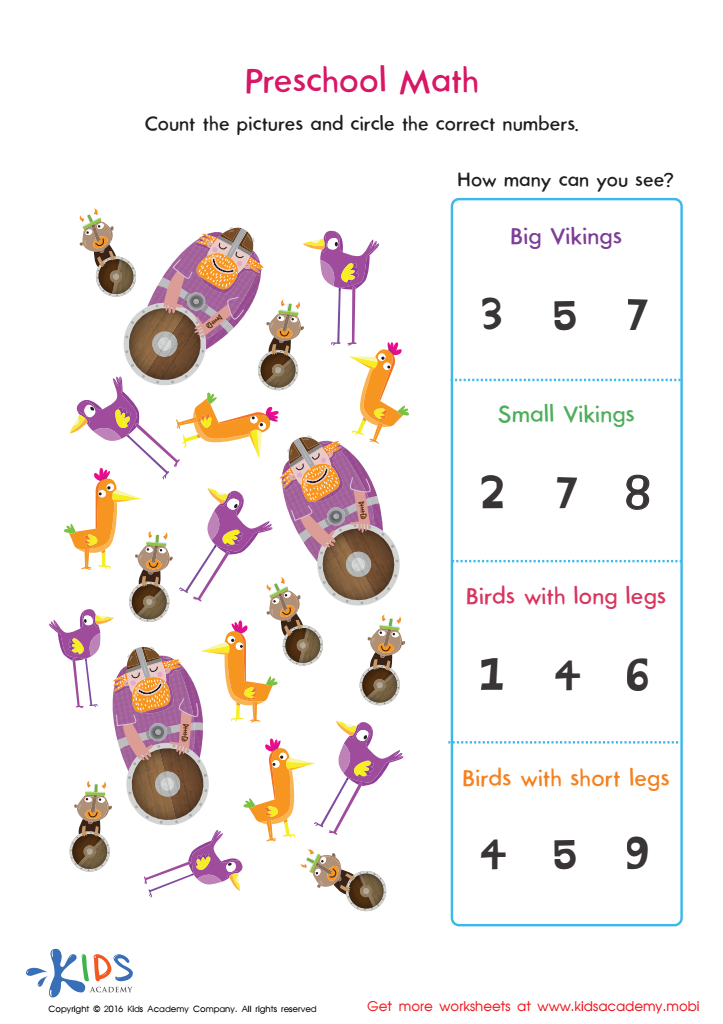




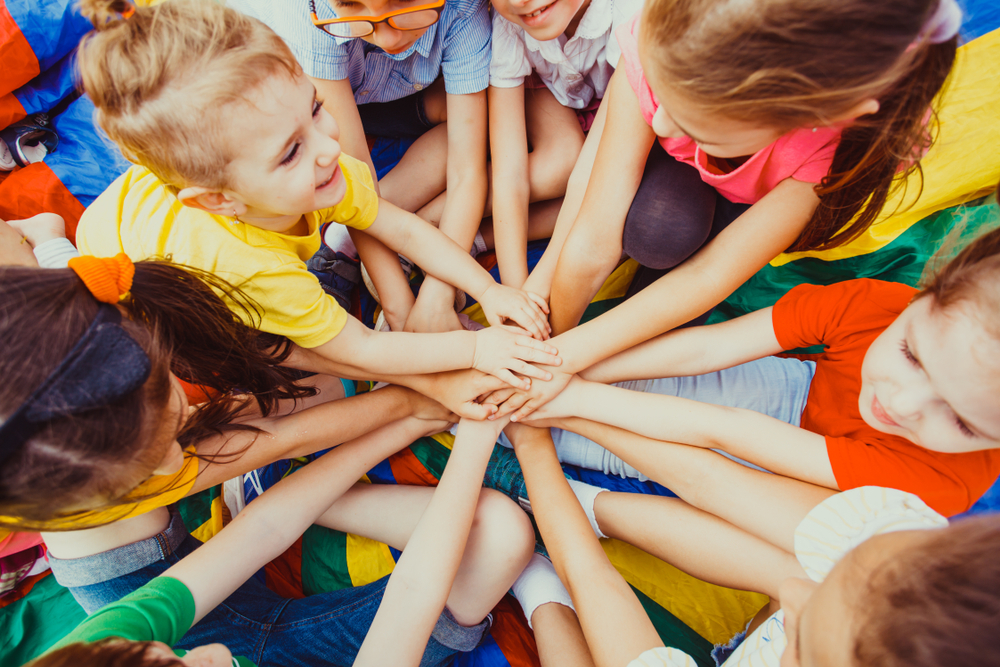


Hand-eye coordination is a crucial developmental skill that significantly impacts a child's learning and performance across a variety of areas, including math. For children aged 4-7, activities that blend eye-hand coordination with mathematical concepts provide a unique opportunity for enhancement. Engaging in tasks that require kids to manipulate objects while solving math challenges promotes spatial awareness, fine motor skills, and cognitive development.
Parents and teachers should care about Hand-eye Coordination Extra Challenge Math activities because they support the holistic growth of a child. These activities can help students better understand mathematical concepts by connecting them to physical movement, making learning more interactive and less abstract. For instance, using counting games with physical objects promotes both numeracy and motor skills, making learning fun and effective.
Moreover, strong hand-eye coordination contributes positively to a child's confidence. Children who master these skills are more likely to participate actively in class and other learning environments. By fostering their hand-eye coordination through math challenges, caregivers can cultivate a love for learning and instill essential skills that go beyond academics. Emphasizing these developmental areas ensures children are better prepared for future educational demands and daily activities.