Basic Addition Extra Challenge Worksheets for Ages 4-8
13 filtered results
-
From - To
Introducing our "Basic Addition Extra Challenge Worksheets for Ages 4-8"! Perfect for young learners eager to strengthen their math skills, these worksheets provide a fun and engaging way to practice addition concepts. Designed to challenge budding mathematicians, each worksheet features a variety of problems that will push the limits of their understanding while promoting critical thinking. With creative visuals and activities, children will enjoy honing their addition skills, building confidence, and preparing for future learning. These printable resources are perfect for home, classroom, or extracurricular activities, ensuring children have access to enriching math challenges that make learning exciting!
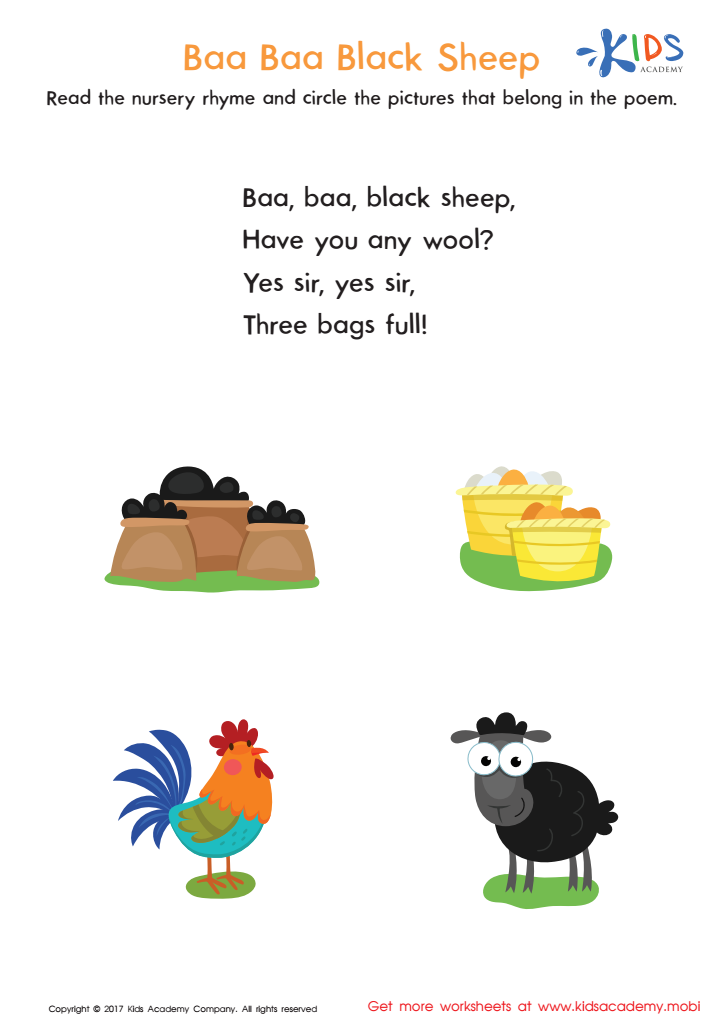
Baa Baa Black Sheep Printable
 Assign to My Students
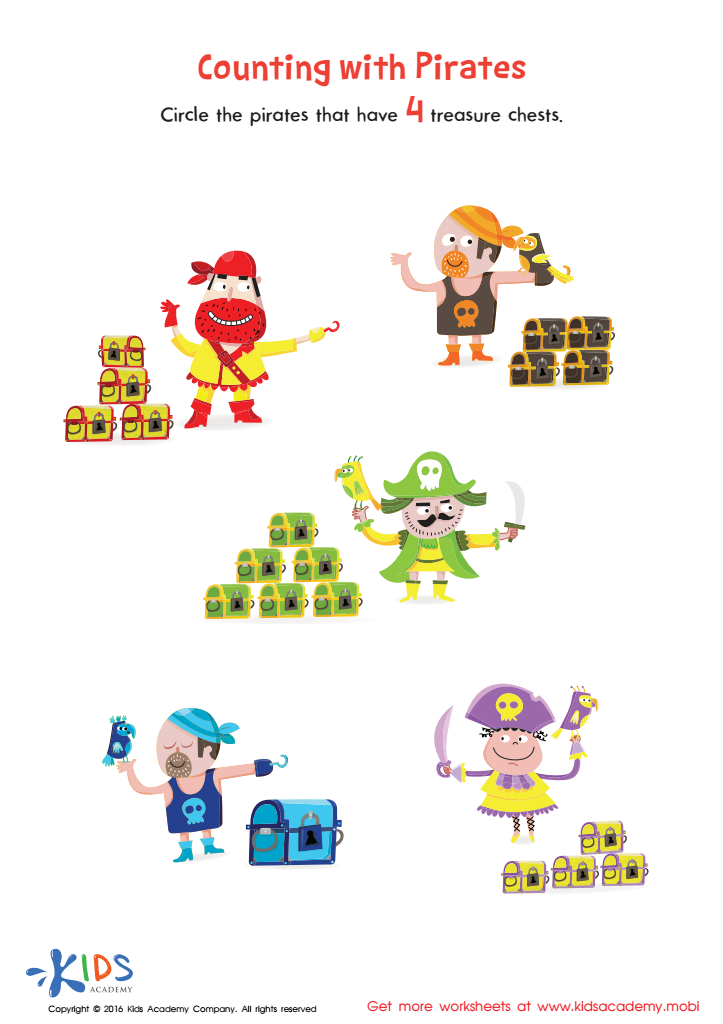
Counting With Pirates Worksheet
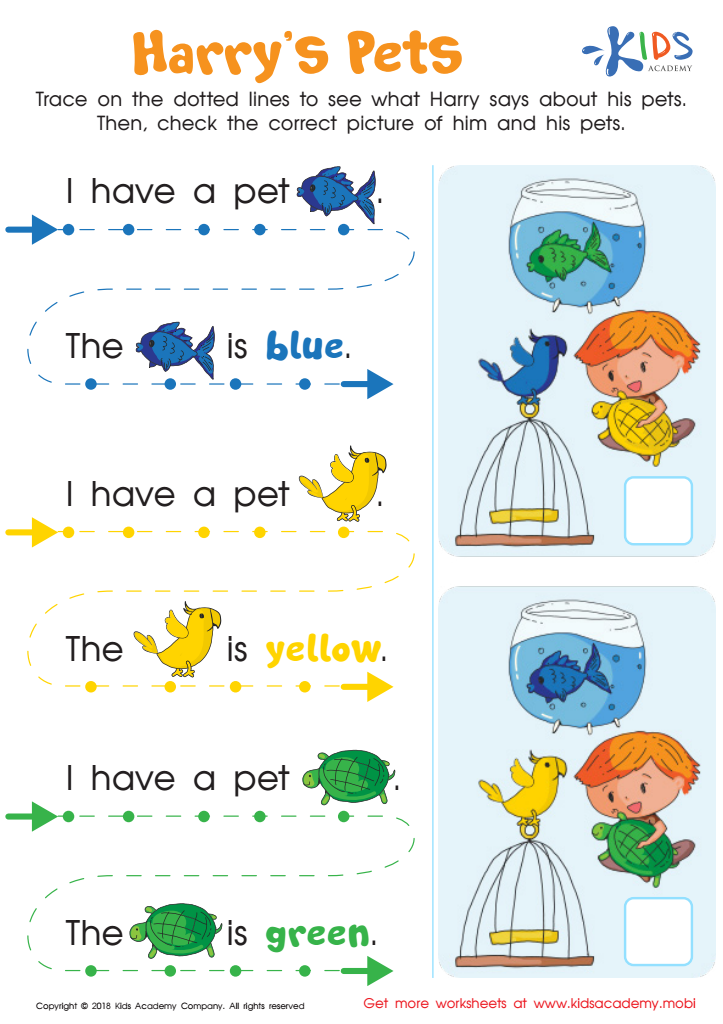
Read from Left to Right: Harry's Pets Worksheet
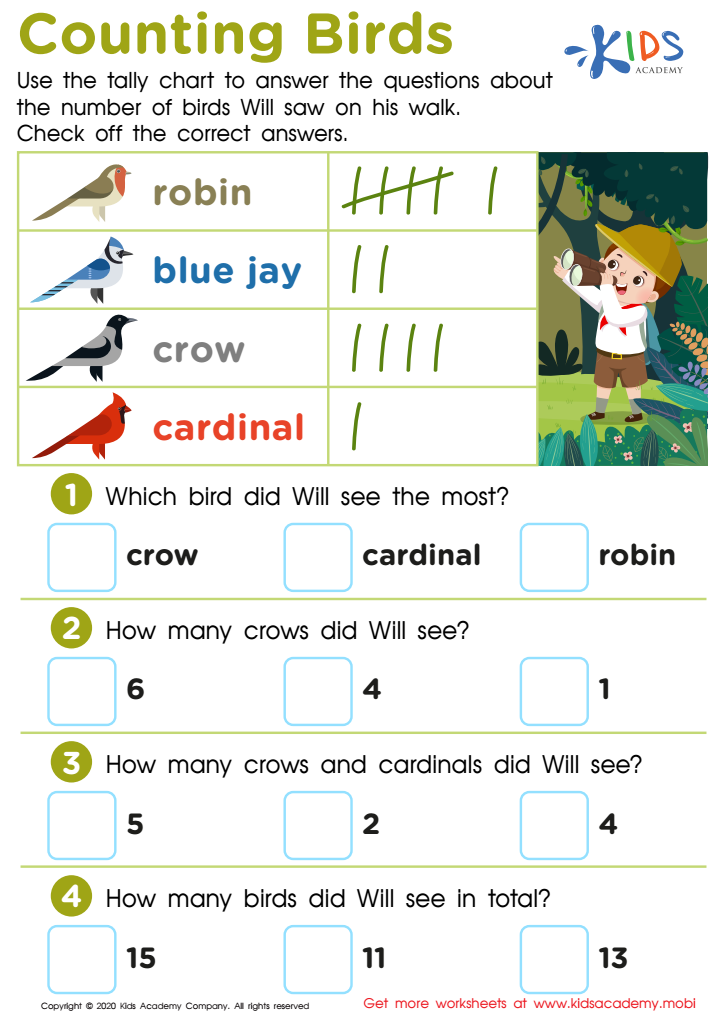
Counting Birds Worksheet
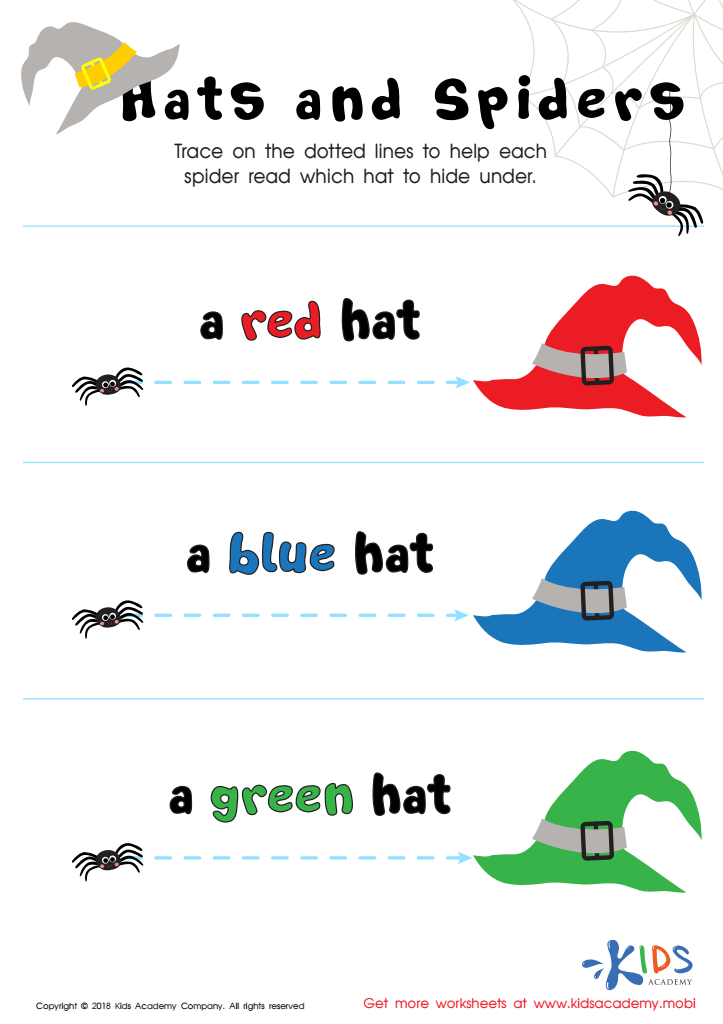
Read from Left to Right: Hats and Spiders Worksheet
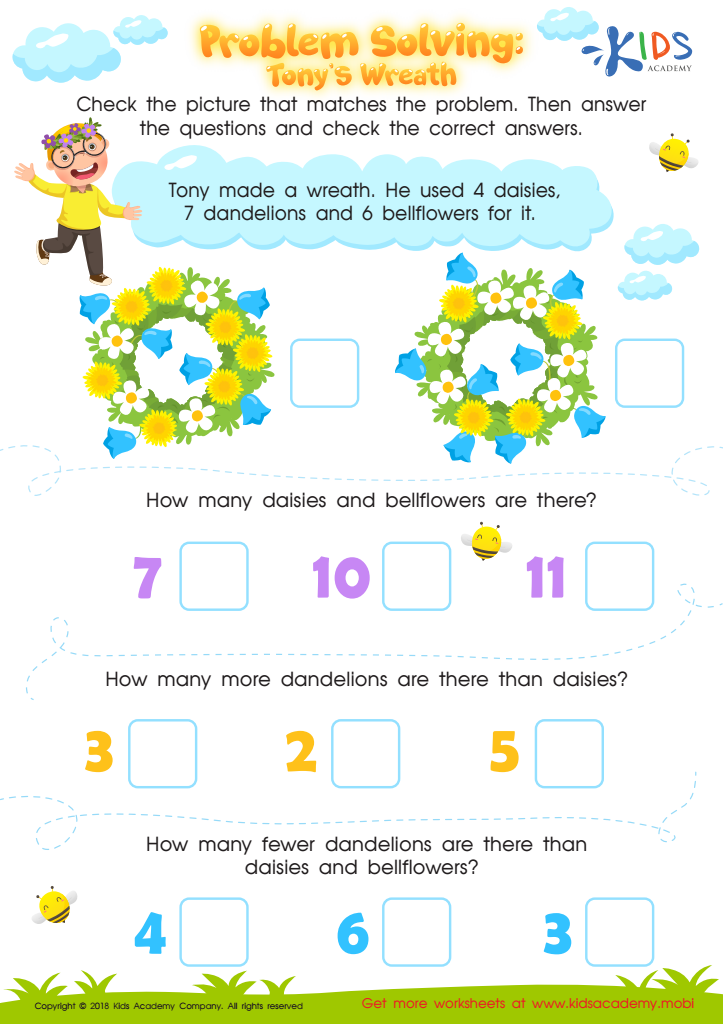
Problem Solving: Tony's Wreath Worksheet
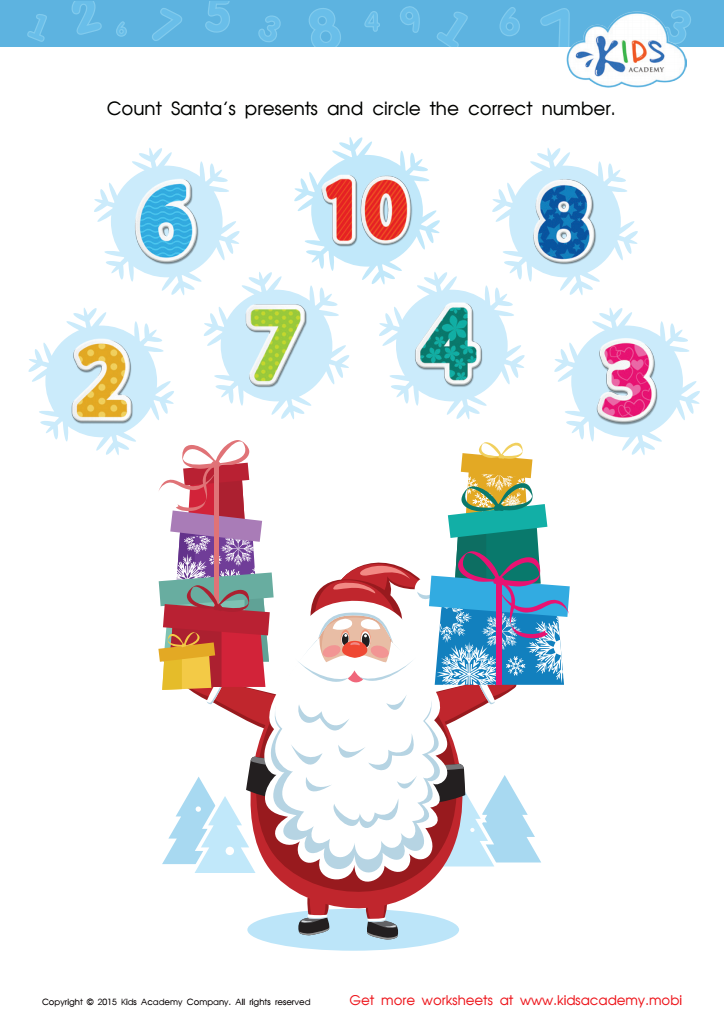
Count Santa's Presents Worksheet
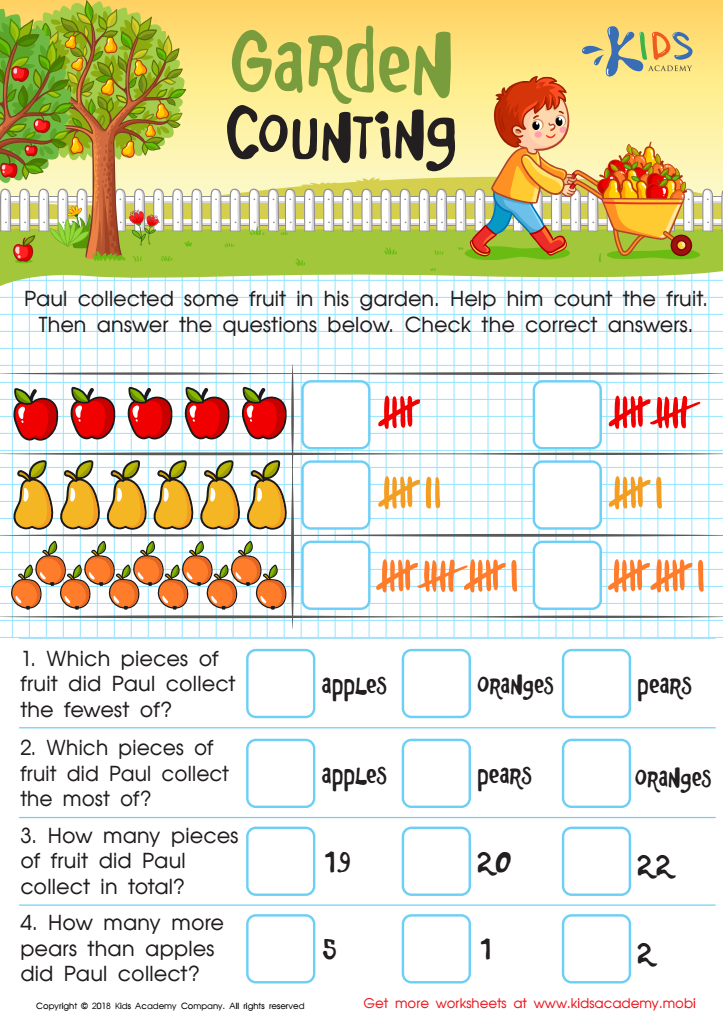
Garden Counting Worksheet
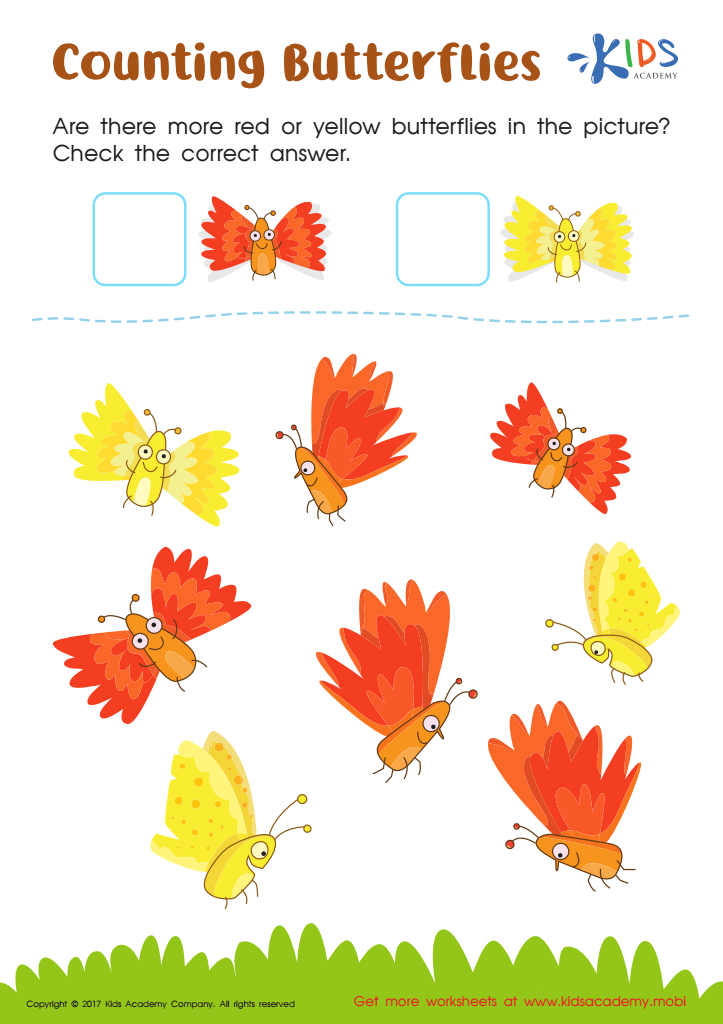
Counting Butterflies Worksheet
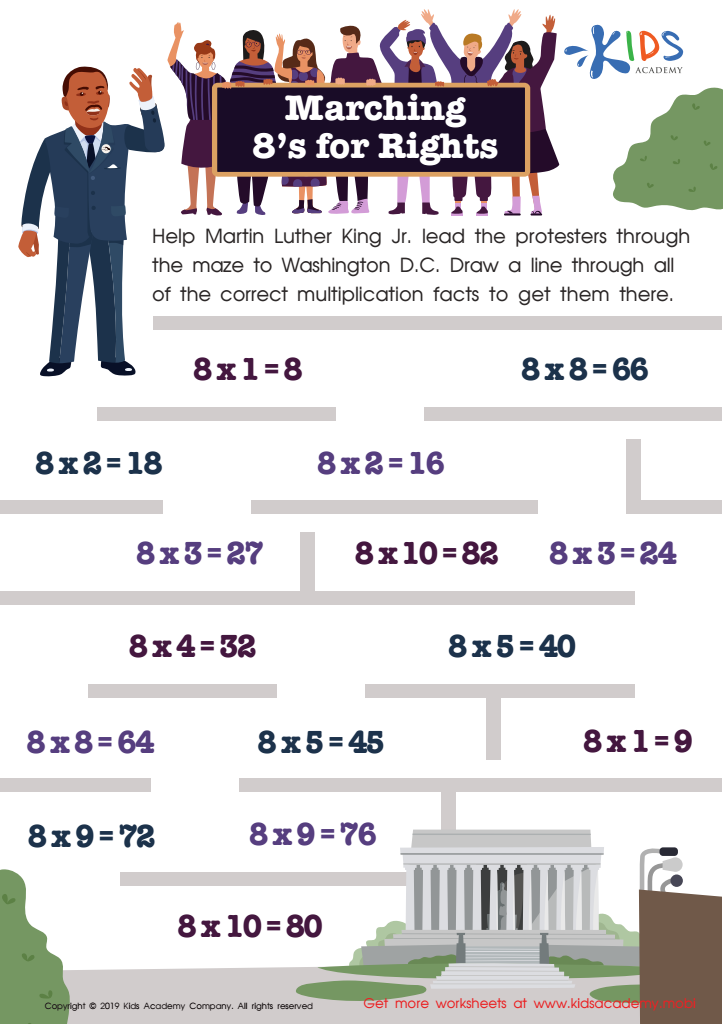
Marching 8’s for Rights Worksheet
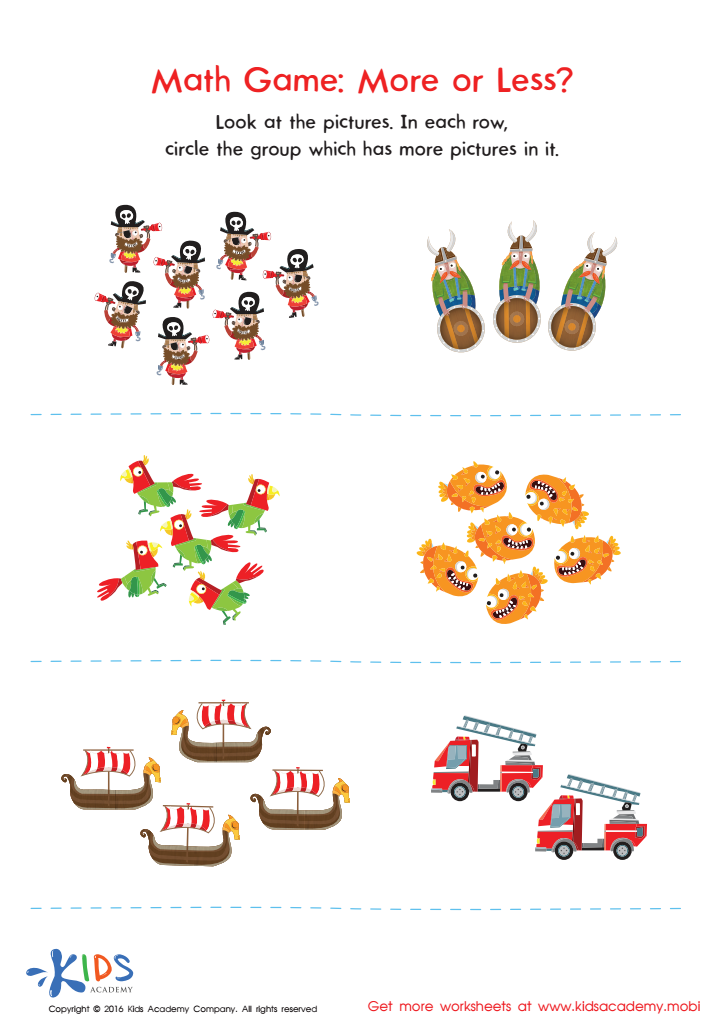
More or Less Worksheet
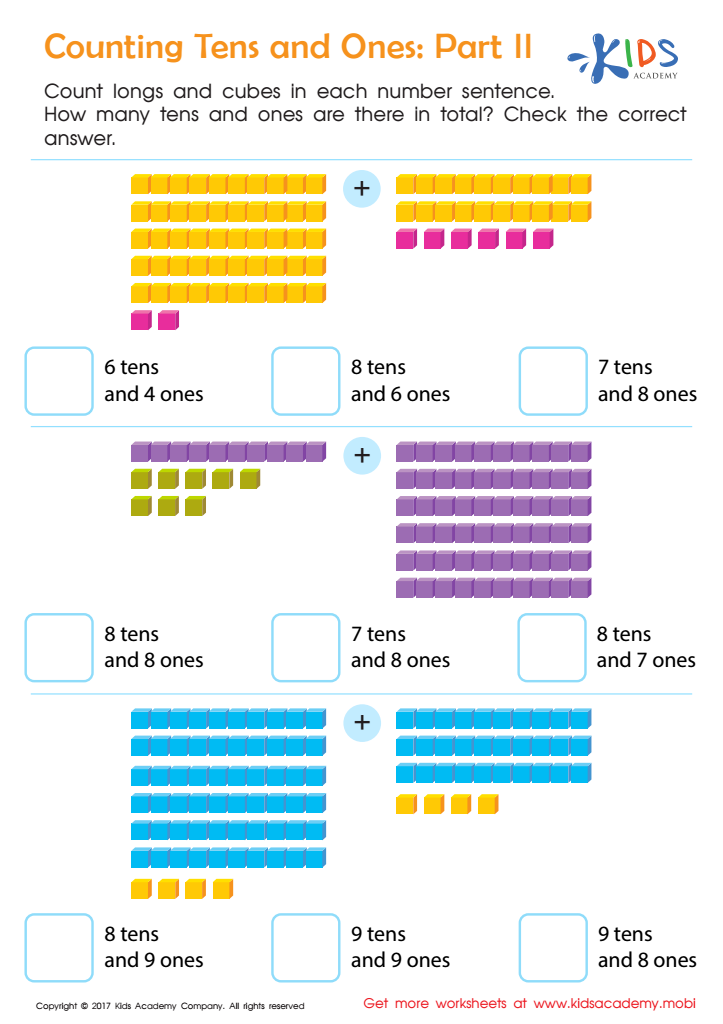
Counting Tens and Ones: Part 2 Worksheet
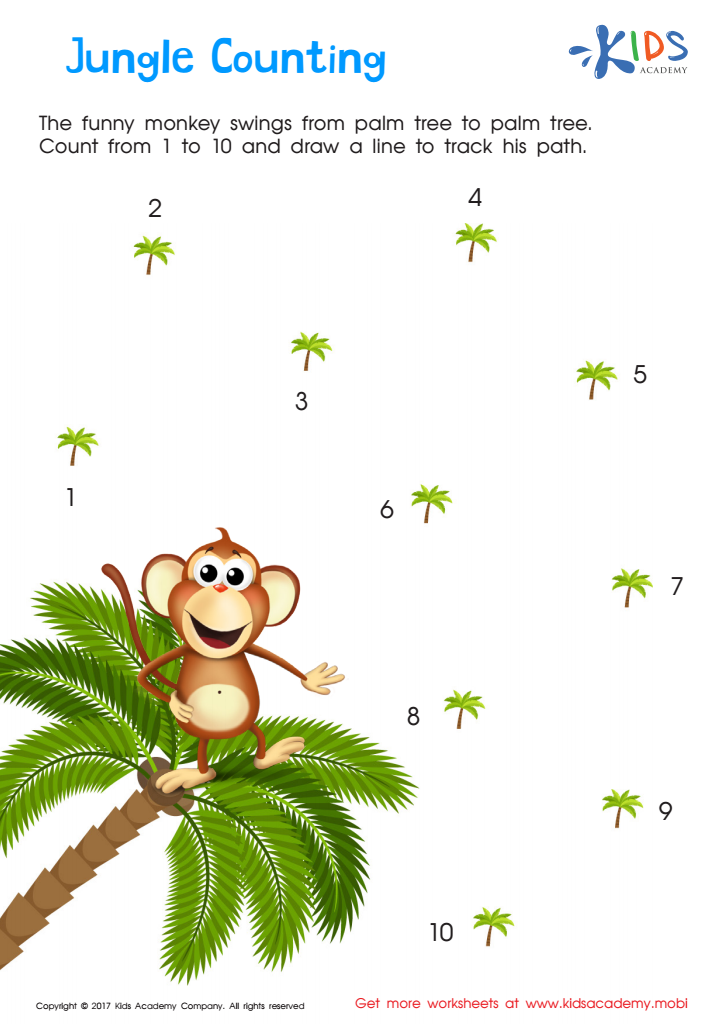
Jungle Counting Connect Dots Worksheet







Basic Addition Extra Challenge for Ages 4-8 is essential for fostering a solid mathematical foundation among young learners. At this developmental stage, children are naturally curious and eager to explore concepts like numbers and simple addition. Engaging them in such challenges not only enhances their arithmetic skills but also builds a positive attitude toward math as a discipline.
Investing time in basic addition challenges sharpens problem-solving abilities and encourages critical thinking. These activities stimulate cognitive growth, enabling children to grasp fundamental concepts that will support their learning in more advanced mathematical topics later on. Additionally, they promote perseverance and resilience, essential traits when facing academic challenges.
Parents and teachers play a crucial role in creating a supportive environment for these early experiences. By incorporating fun, interactive challenges into learning, they can cater to various learning styles and keep children motivated. Furthermore, these challenges stimulate family involvement, allowing parents to engage with their children’s learning journey.
Ultimately, Basic Addition Extra Challenge activities lay the groundwork for lifelong math skills, ensuring that children approach mathematics not just as a subject but as an enjoyable part of their lives. This early engagement significantly influences their future academic success and overall confidence in learning.








