Hand-eye Coordination Extra Challenge Worksheets for Ages 4-8
10 filtered results
-
From - To
Introducing our "Hand-Eye Coordination Extra Challenge Worksheets" designed specifically for children aged 4-8! These engaging, printable worksheets help enhance essential motor skills through fun and interactive activities. By completing a variety of exercises such as tracing, matching, and connecting dots, kids will improve their hand-eye coordination while boosting their confidence and concentration. Ideal for preschoolers and early elementary students, these worksheets support foundational learning in a playful way. Parents and teachers can effortlessly incorporate them into home or classroom activities, ensuring that children enjoy productive screen-free time while developing essential skills for future success. Explore our worksheets today and watch your child's skills flourish!
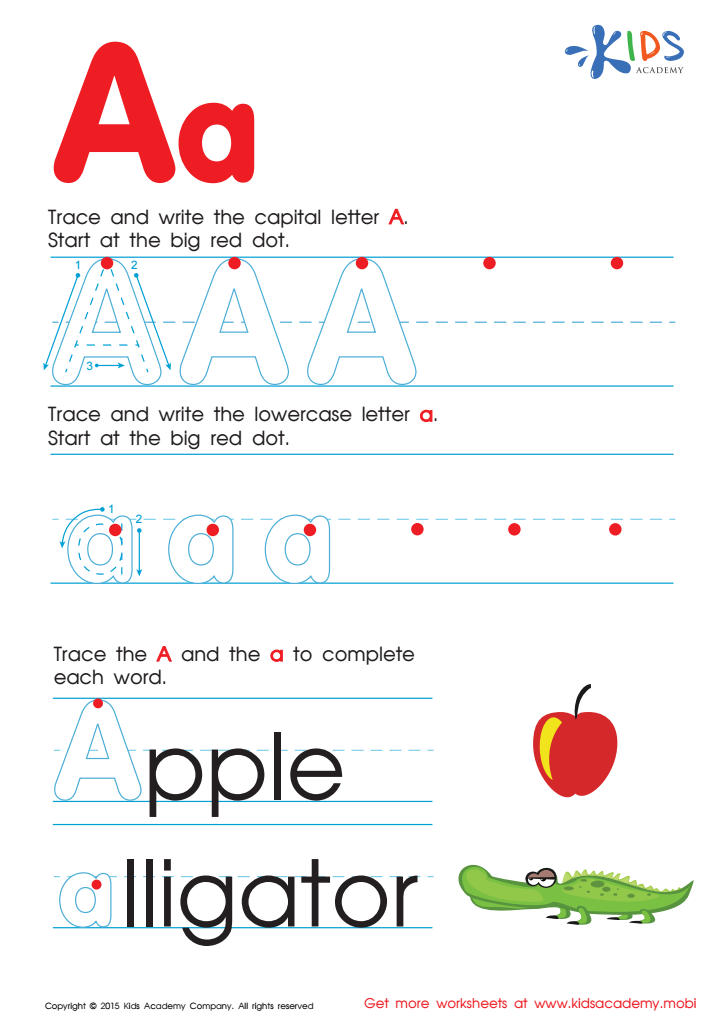
Letter A Tracing Page
 Assign to My Students
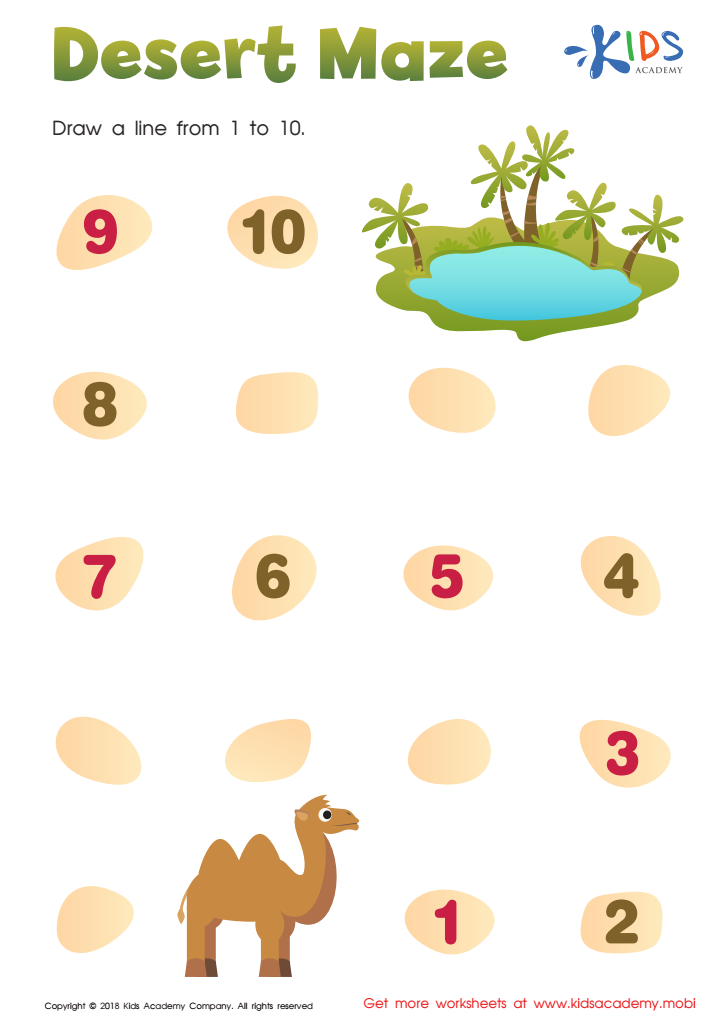
Desert Maze Worksheet
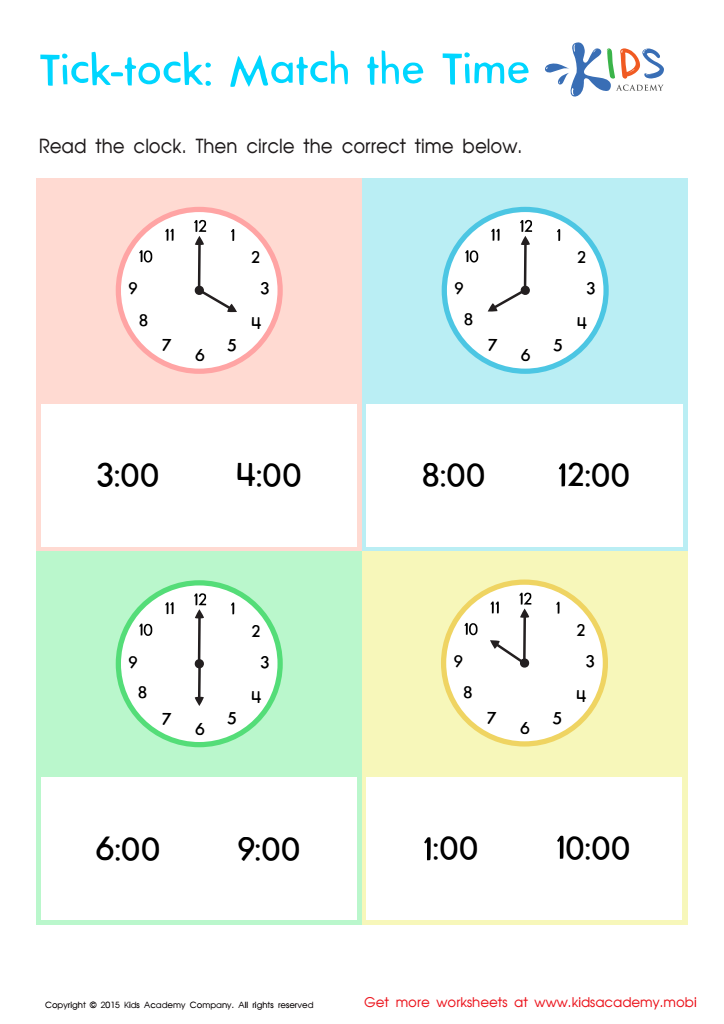
Telling The Time Worksheet: Part 4
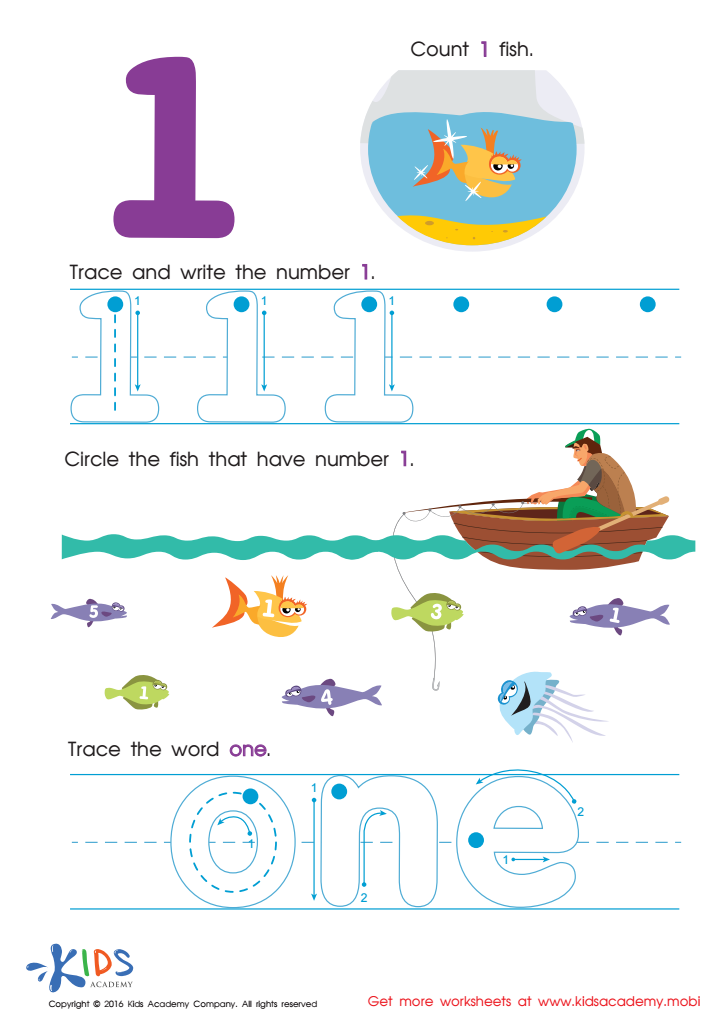
Learning to Write 1 Worksheet
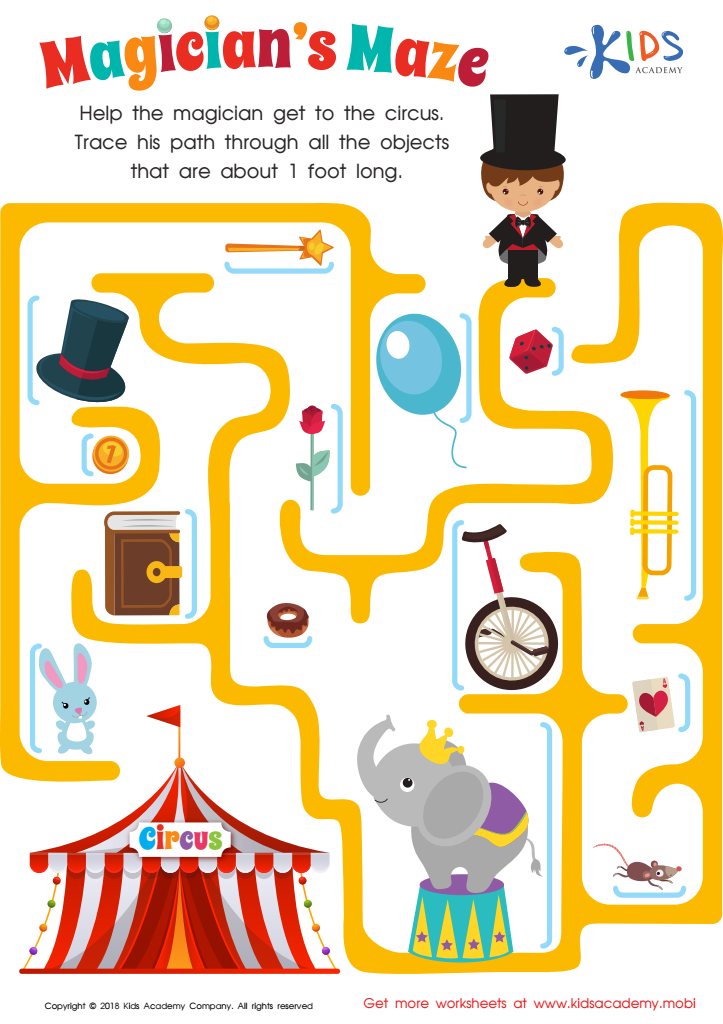
Estimating Length: Magician's Maze Worksheet
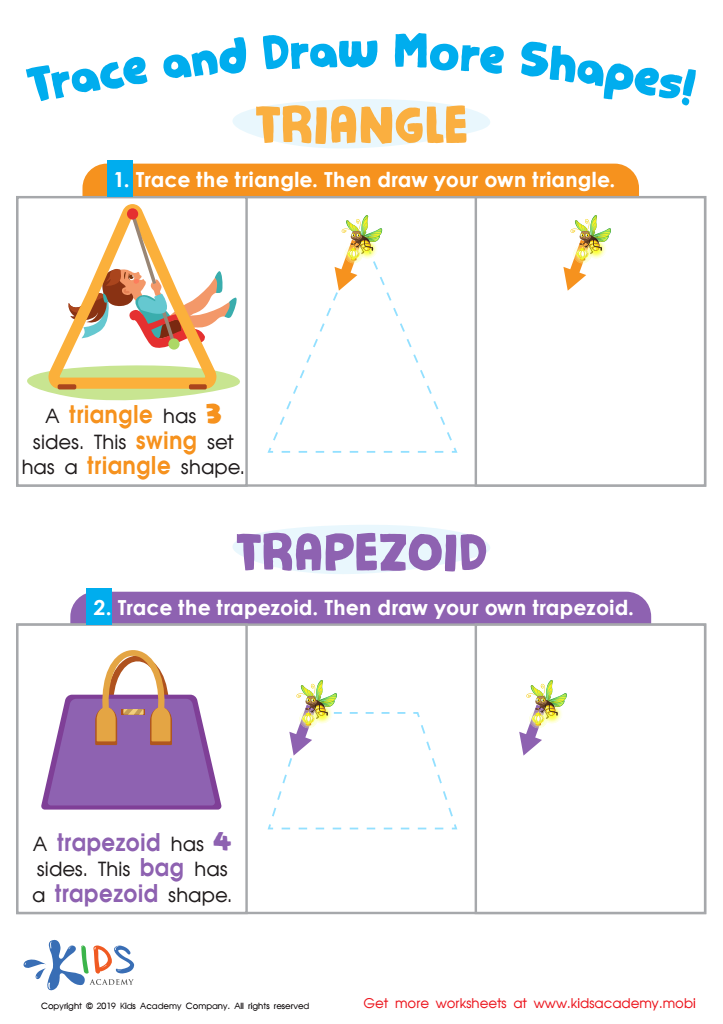
Trace and Draw More Shapes Worksheet
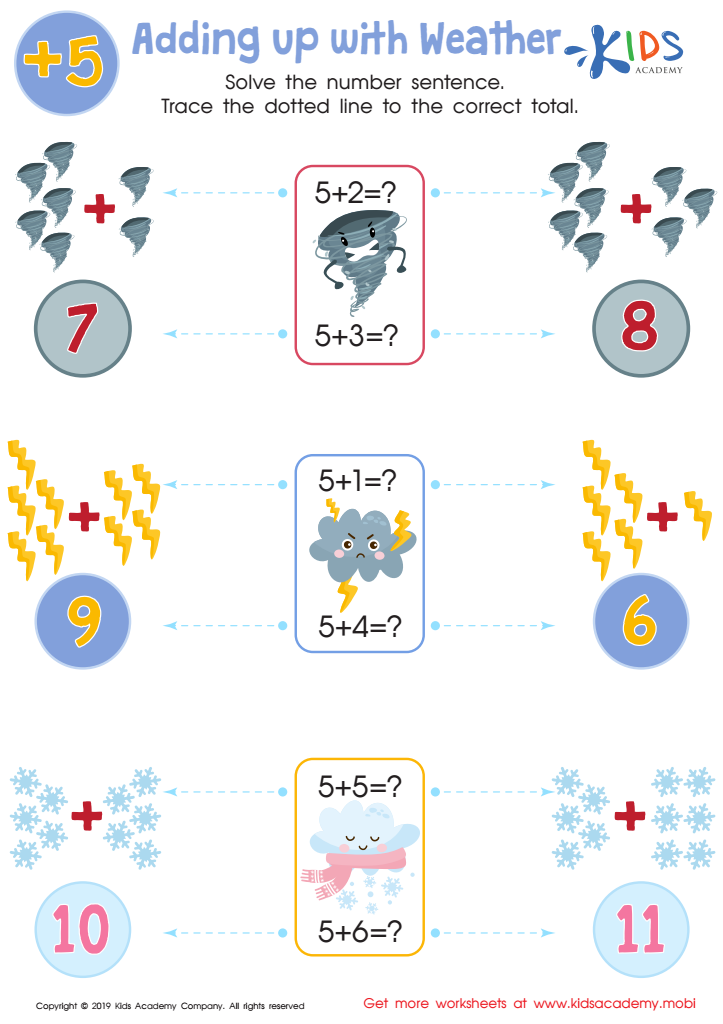
Adding up With Water Worksheet
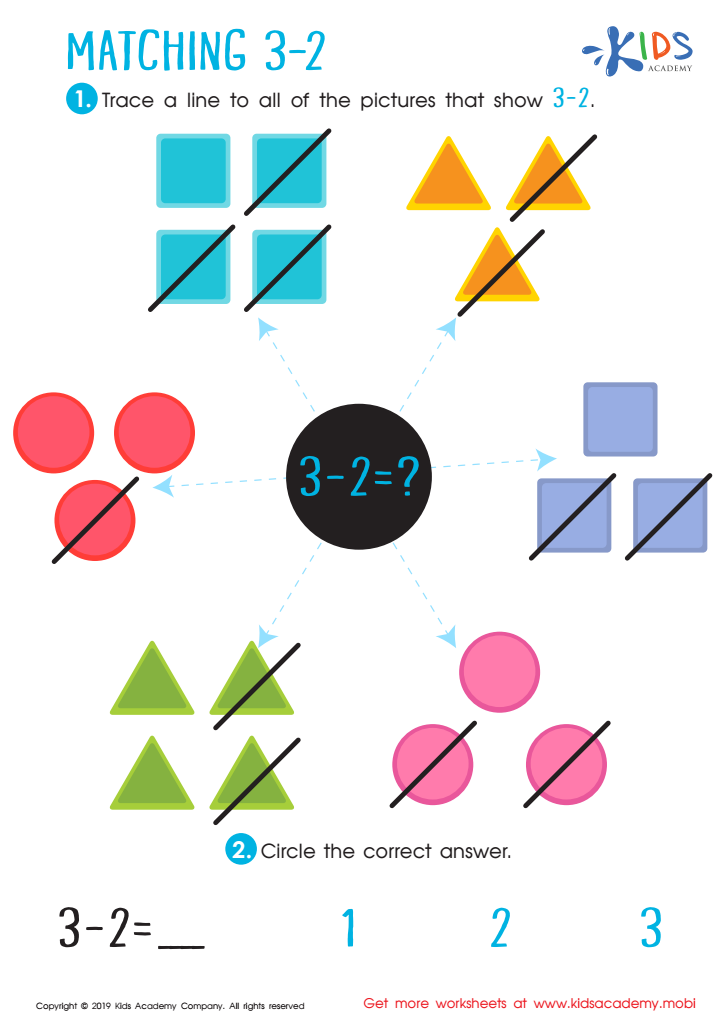
Matching 3-2 Worksheet
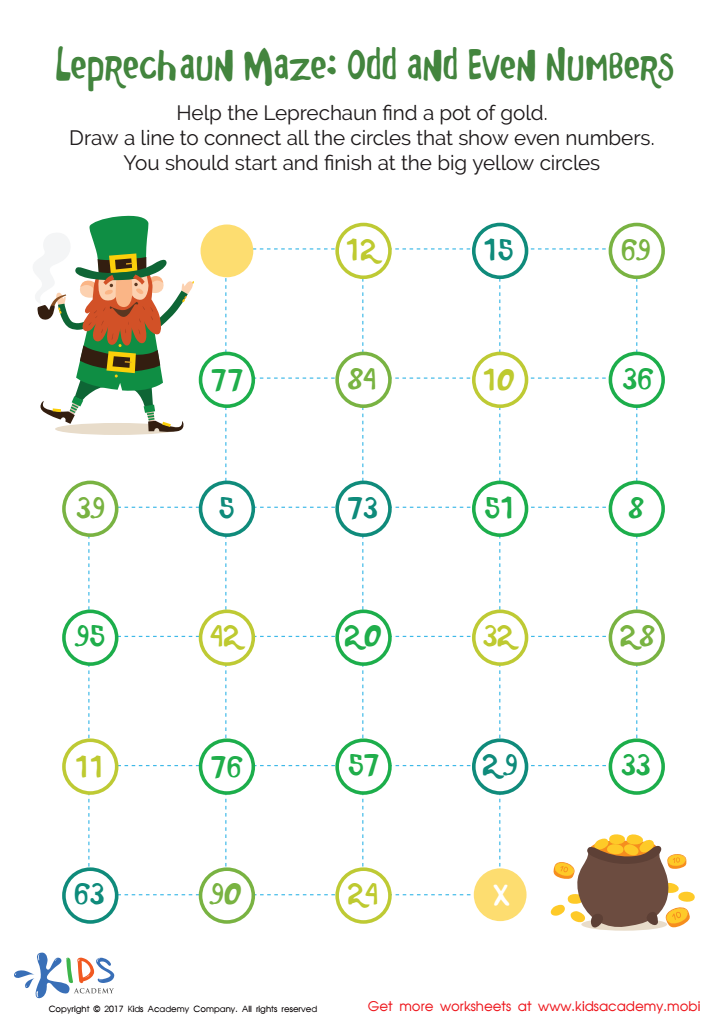
Leprechaun Maze Printable
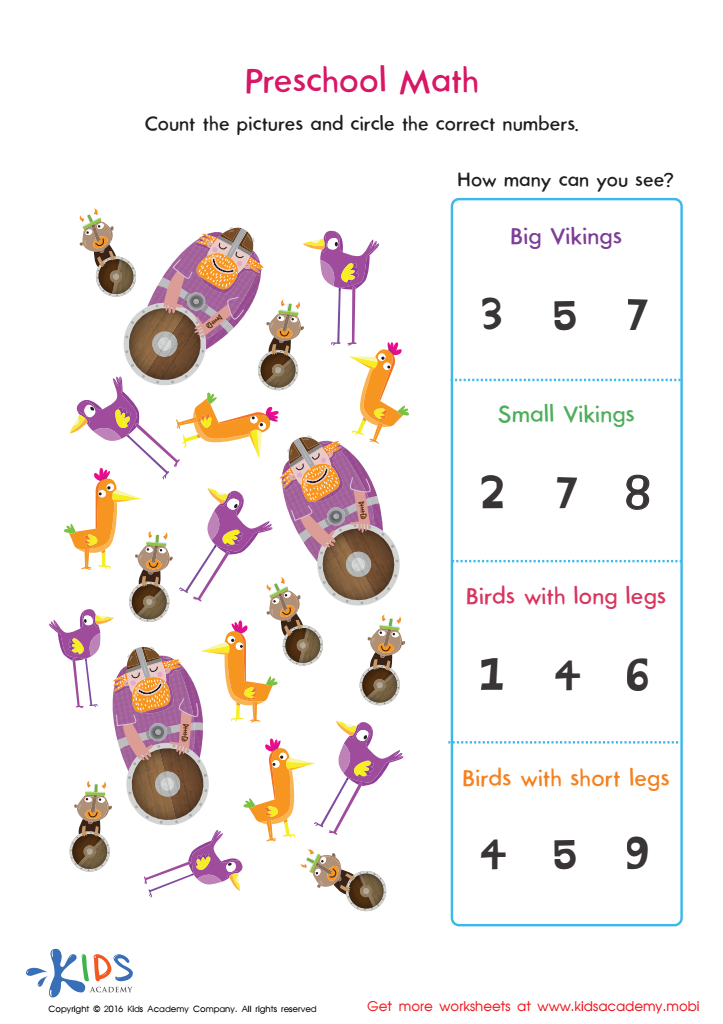








Hand-eye coordination is a crucial skill for young children, significantly influencing their overall development and learning abilities. From ages 4-8, kids experience rapid physical and cognitive growth, making this an ideal time to introduce activities that enhance coordination. The "Hand-eye Coordination Extra Challenge" engages children through fun and interactive tasks, improving their ability to process visual information and coordinate it with motor actions.
Parents and teachers should care about this challenge for several reasons. First, improved hand-eye coordination can boost a child’s performance in a variety of activities, from writing and drawing to sports, fostering a sense of accomplishment and confidence. Additionally, it enables children to engage in STEM (science, technology, engineering, and math) learning that often incorporates dexterity, such as building and problem-solving tasks.
Furthermore, developing hand-eye coordination is linked to social skills. Activities that require teamwork and communication enhance cognitive functions and encourage collaborative play, fostering important social interactions. Finally, a strong foundation in hand-eye coordination can help avert frustrations when children encounter more complex tasks later in life. Thus, investing time in these challenges can positively impact a child's academic and social success, ensuring they have the tools needed for lifelong learning.








