Handwriting practice Extra Challenge Alphabet Worksheets for Ages 4-9
5 filtered results
-
From - To
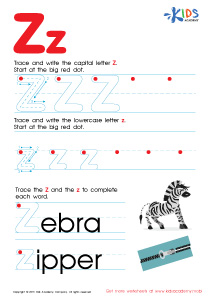
Enhance your child's handwriting skills with our "Handwriting Practice Extra Challenge Alphabet Worksheets," designed specifically for ages 4-9. These engaging worksheets offer a fun way to improve letter formation, spatial awareness, and fine motor skills. Each sheet is packed with exciting exercises, encouraging children to practice their uppercase and lowercase letters through tracing, writing, and creative activities. Perfect for home or classroom use, our worksheets foster confidence and enthusiasm in learning. Whether your child is just starting out or needs a little extra challenge, these resources will make handwriting practice enjoyable and effective. Unlock your child's potential today!
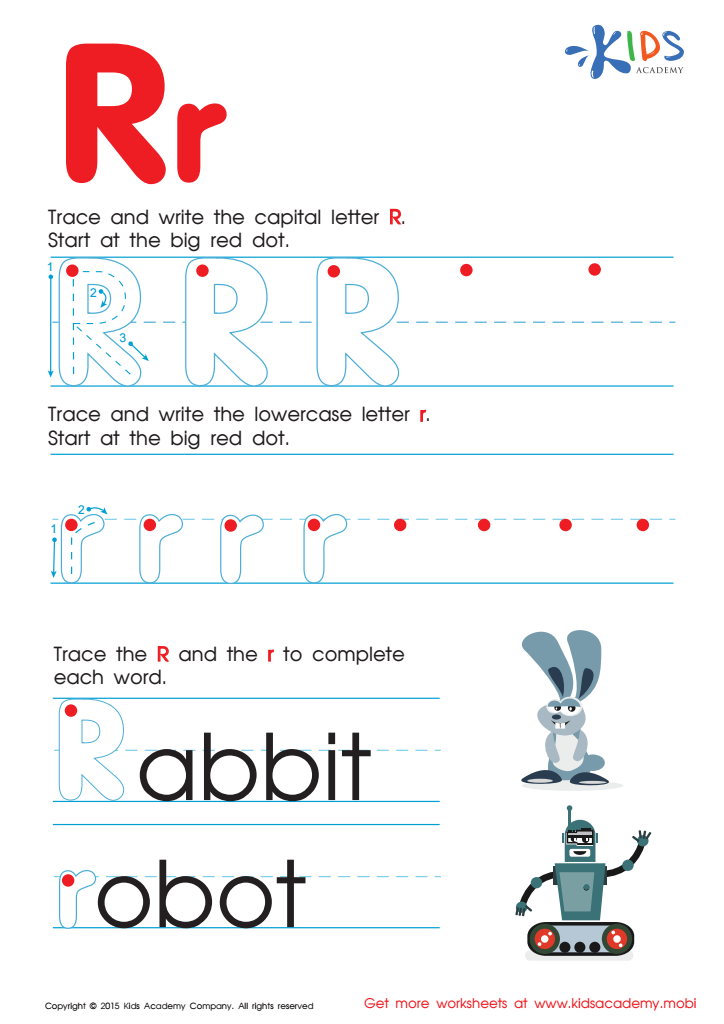
Letter R Tracing Page
 Assign to My Students
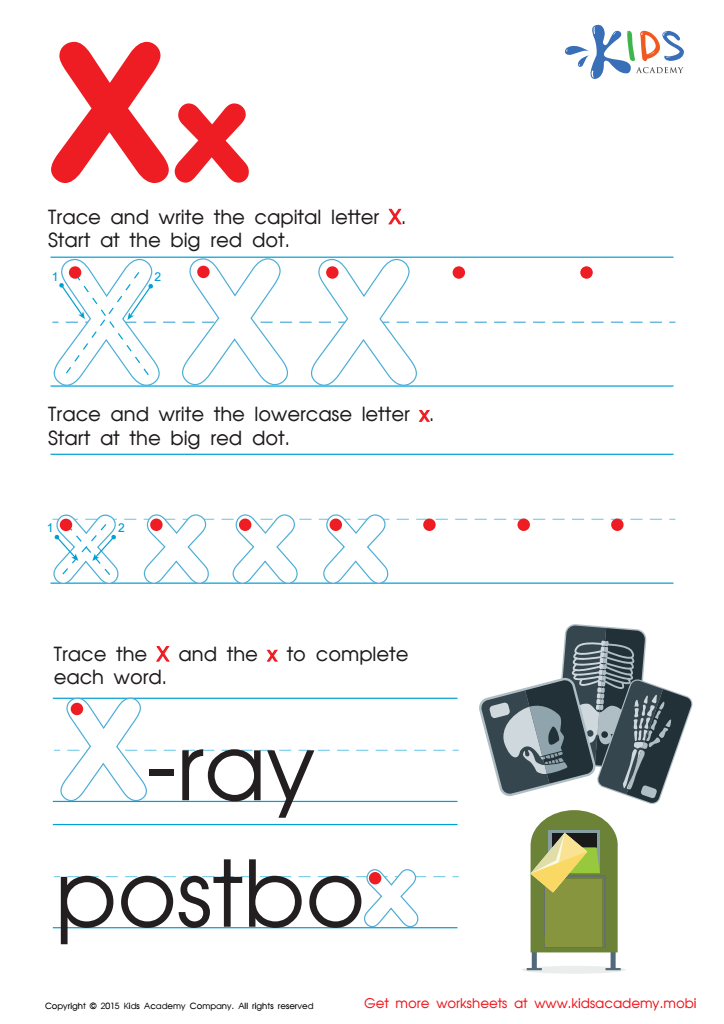
Letter X Tracing Page
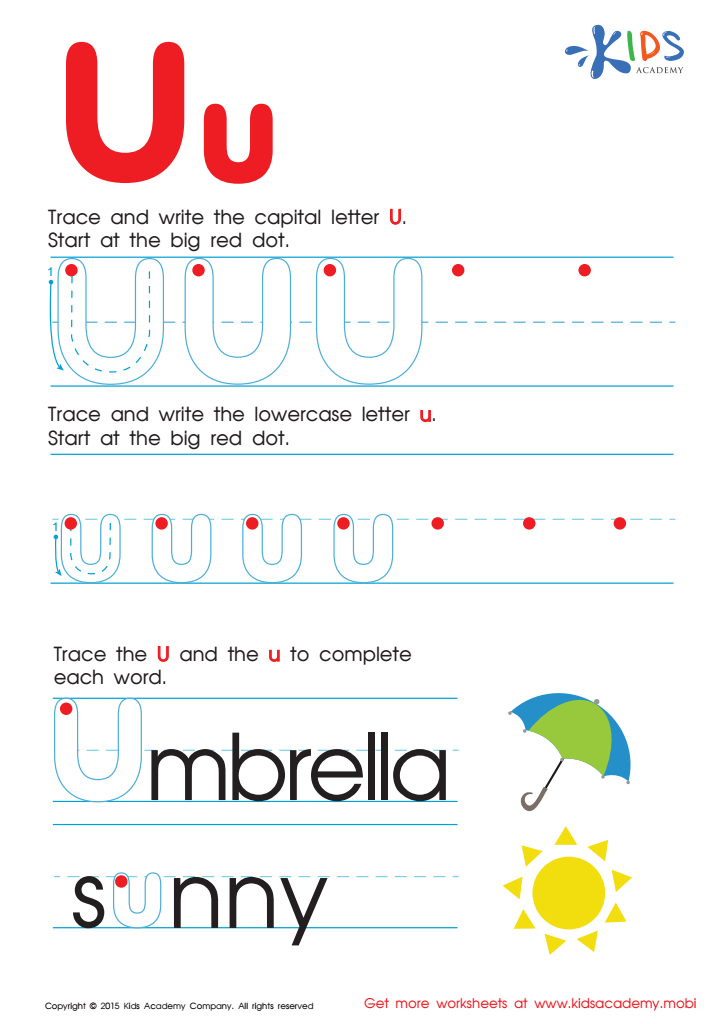
Letter U Tracing Page
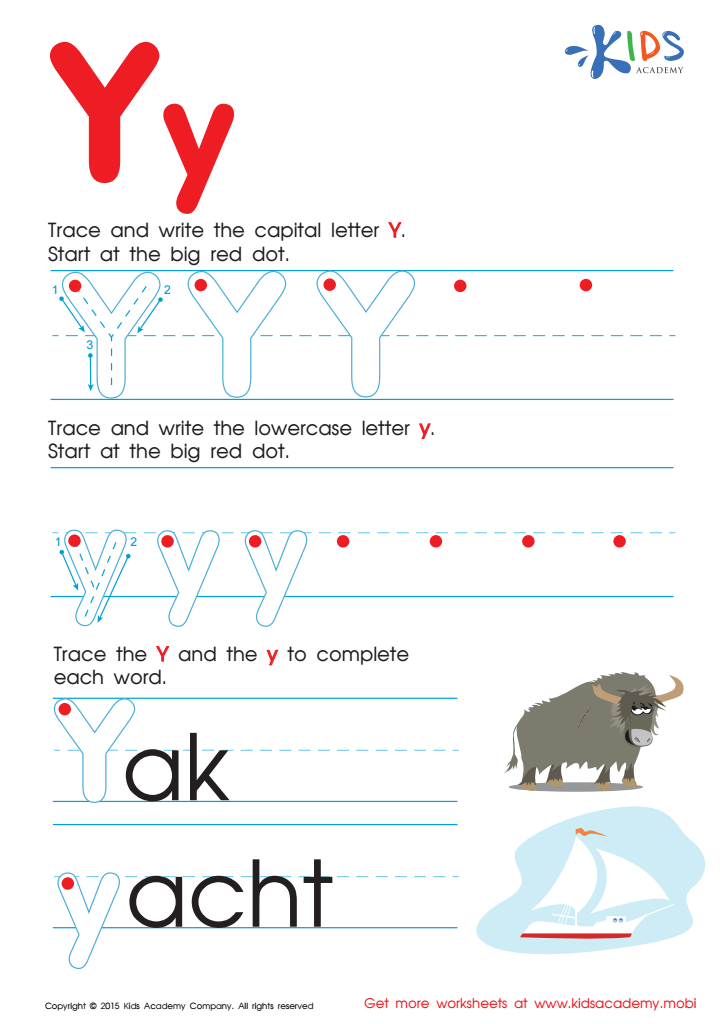
Letter Y Tracing Page
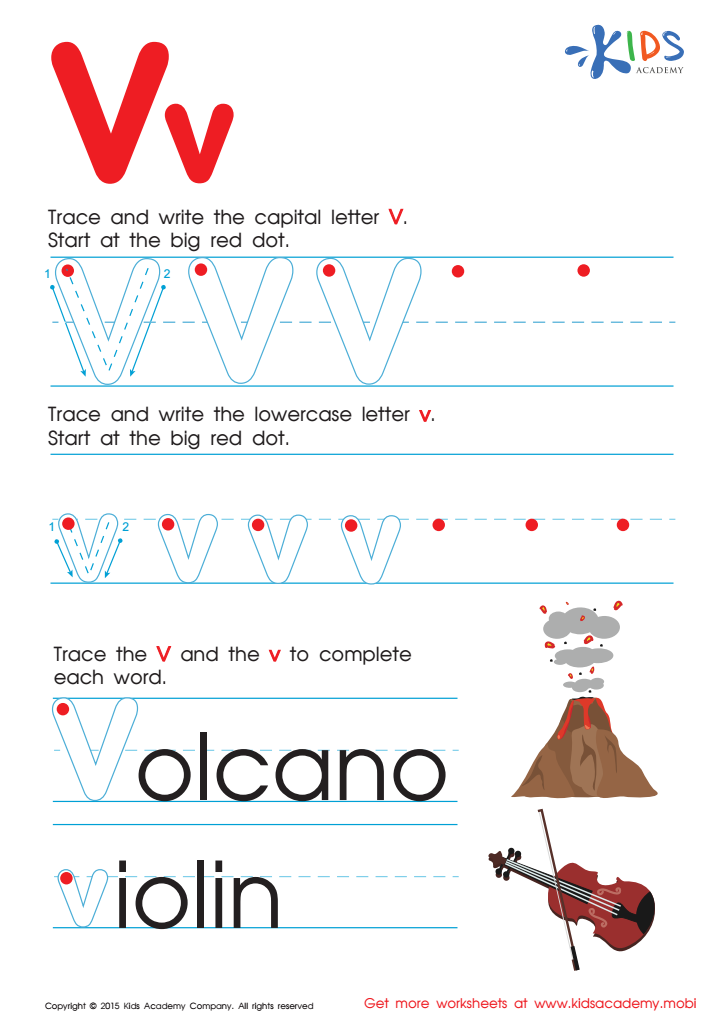
Letter V Tracing Page






.jpg)
Handwriting practice, particularly programs like the Extra Challenge Alphabet, is essential for children ages 4-9 due to its multifaceted benefits. First and foremost, developing fine motor skills is crucial during these formative years. Handwriting engages young children in activities that refine their hand-eye coordination, control, and dexterity, which are essential for various daily tasks.
Additionally, effective handwriting skills contribute to literacy development. As children practice writing letters and words, they often reinforce their understanding of language, phonetics, and spelling. This connection between handwriting and literacy encourages better reading skills and helps build a foundation for effective communication.
Furthermore, handwriting can significantly impact a child's self-esteem and confidence. Mastering a skill like handwriting provides children with a sense of accomplishment and pride, motivating them to further engage in learning processes. Pain points such as frustration with poor handwriting can discourage young learners, which is why structured practice programs like the Extra Challenge Alphabet are crucial.
In a technology-driven world, maintaining handwriting skills is also important for personal expression. Handwritten notes and letters foster emotional connections, allowing children to communicate thoughtfully and meaningfully. Therefore, investing time in handwriting practice is vital for well-rounded development and lifelong skills.