Improving reading comprehension Extra Challenge Worksheets for Ages 4-9
3 filtered results
-
From - To
Unlock your child's potential with our "Improving Reading Comprehension Extra Challenge Worksheets" designed specifically for ages 4-9. These engaging, interactive worksheets offer fun and varied activities that help young learners build essential comprehension skills. From story analysis to vocabulary enhancement, our resources foster critical thinking and deepen understanding of texts. Perfect for parents and teachers alike, these worksheets can complement any literacy curriculum, ensuring a humorous and enriching learning experience. With vibrant illustrations and age-appropriate challenges, your kids will master reading comprehension while enjoying the process. Download now and watch your child's confidence and skills soar!
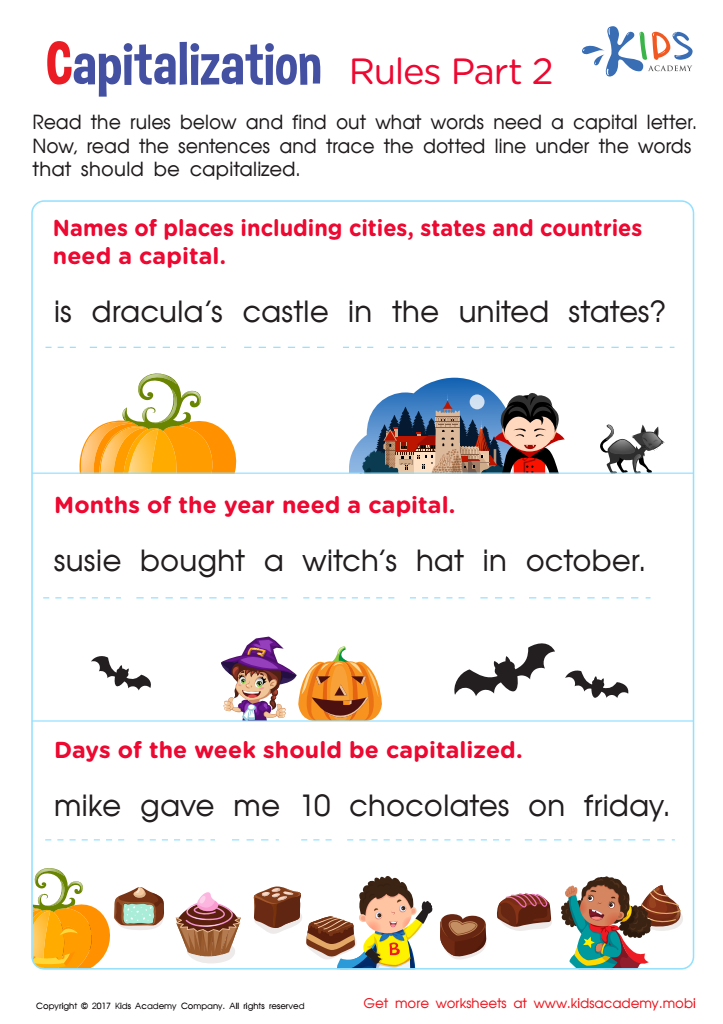
Capitalization Rules: Part 2 Worksheet
 Assign to My Students
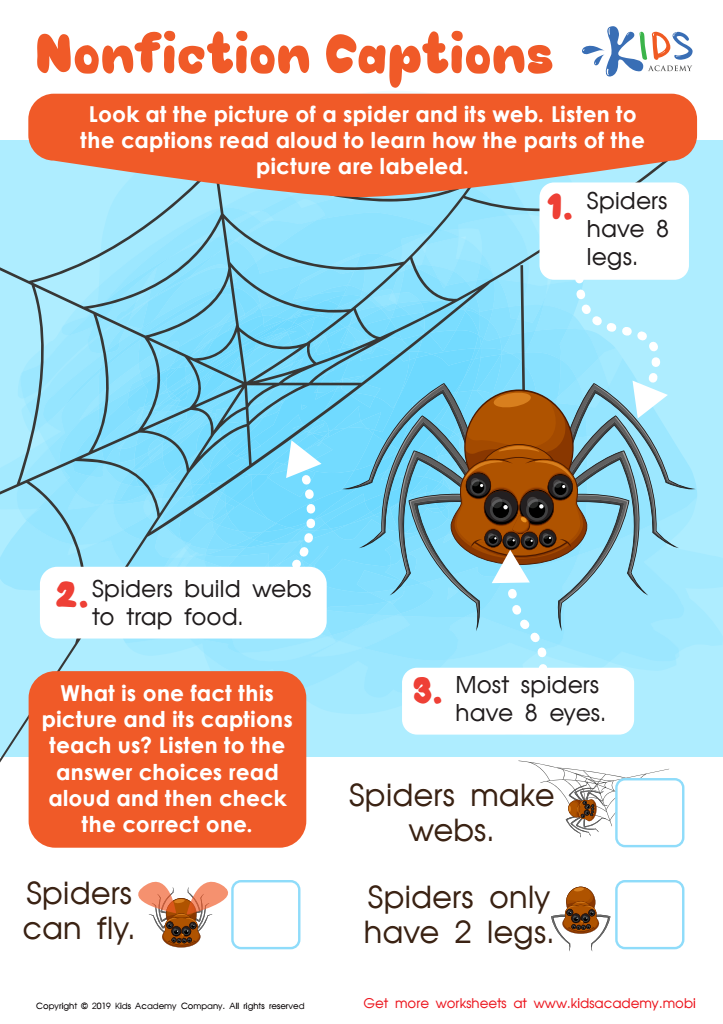
Nonfiction Captions Worksheet
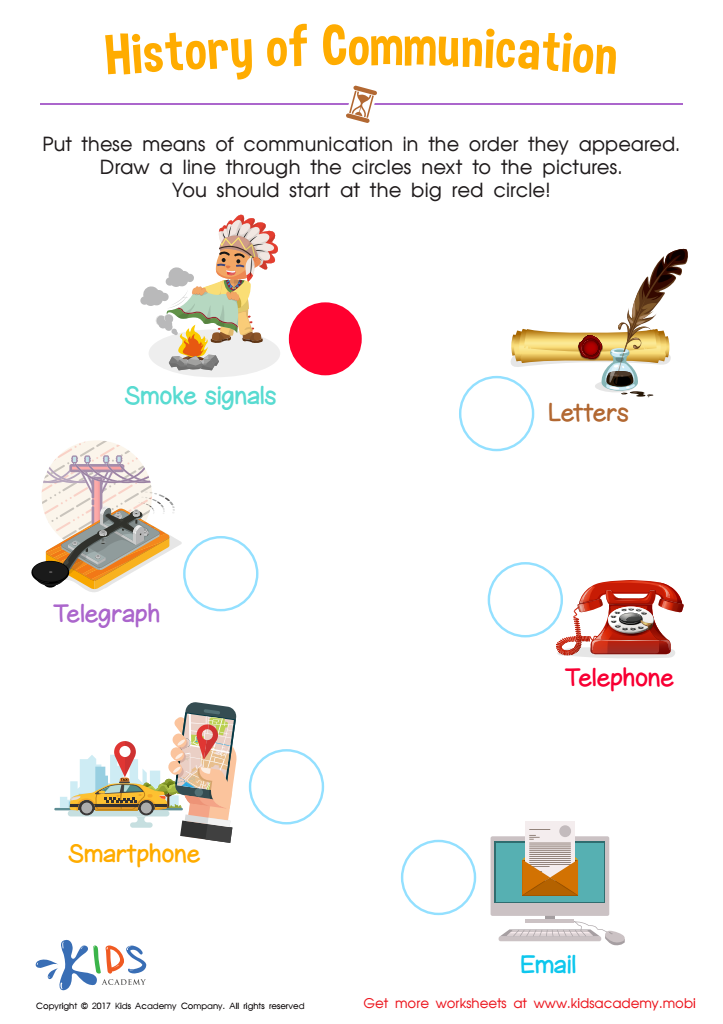
History of Communication Worksheet






Improving reading comprehension in young children is essential for foundational academic success and lifelong learning. For ages 4 to 9, this skill goes beyond decoding words; it encompasses understanding, synthesizing, and interpreting information. When parents and teachers focus on enhancing reading comprehension, they equip children with the tools necessary to engage with texts critically and confidently.
Strong reading comprehension helps children connect stories to their own experiences, fostering empathy and broadening their perspectives. Additionally, research shows that proficient readers often perform better across subject areas, including math and science, because they can understand complex instructions and scenarios.
For parents, reading comprehension activities can also strengthen the parent-child bond through shared exploration of books and discussions about content. Teachers can use targeted strategies, such as asking open-ended questions or incorporating storytelling techniques, to make comprehension a shared classroom goal.
Engaging in reading comprehension activities cultivates curiosity and a love for learning, making children more likely to enjoy reading as they grow. Ultimately, investing time and effort into improving reading comprehension in early grades lays a robust foundation for children's future academic achievements and personal growth.








