Fine Motor Skills Extra Challenge Worksheets for Ages 5-6 - Page 2
44 filtered results
-
From - To
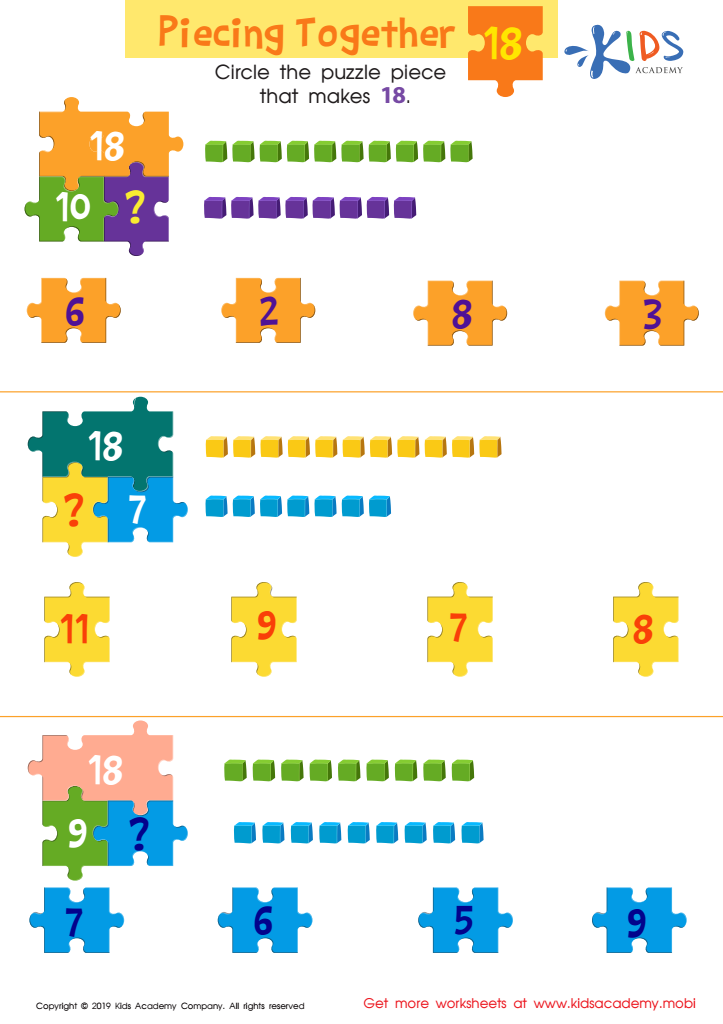
Piecing Together 18 Worksheet

Learn Number For Kindergarten Worksheet
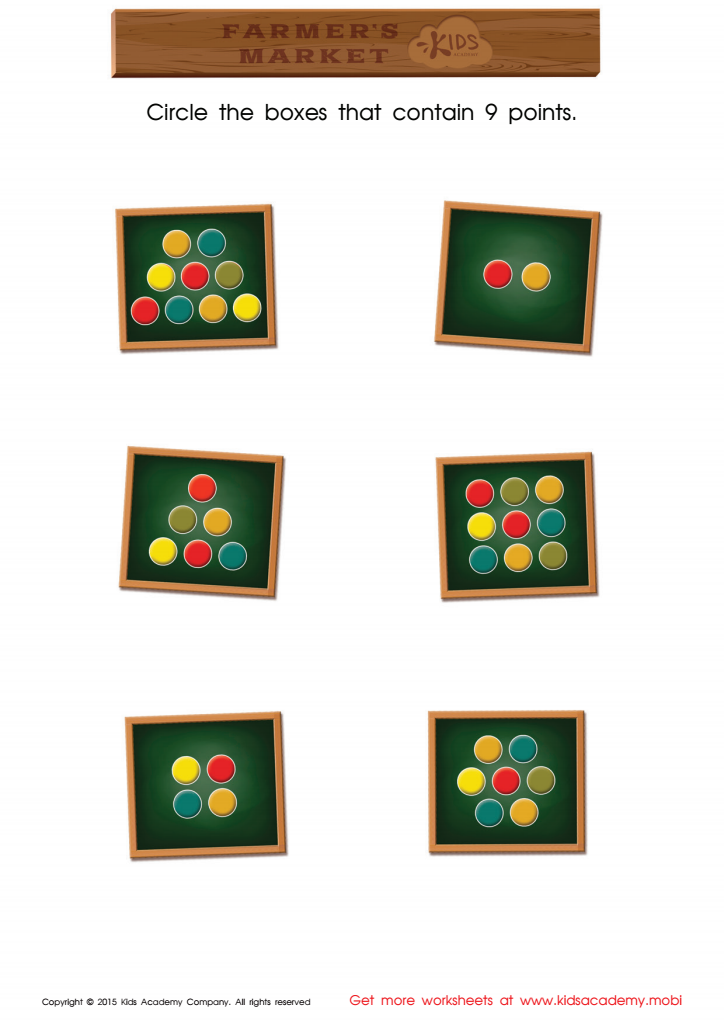
Count and Match Points 9 Math Worksheet
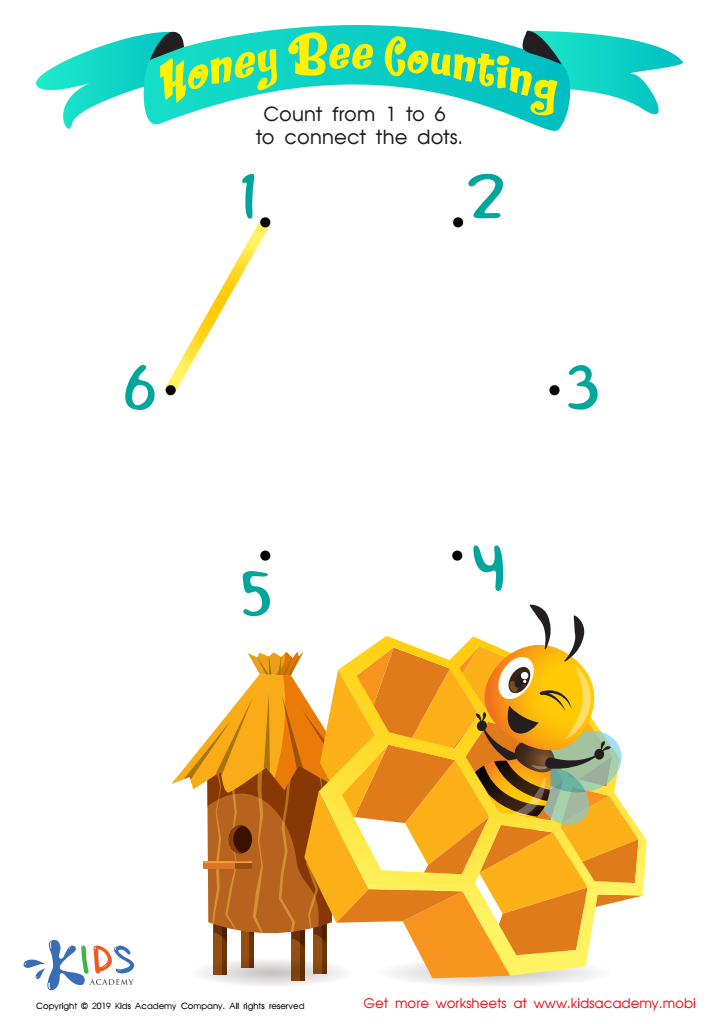
Honey Bee Counting Worksheet

Count Santa's Presents Worksheet
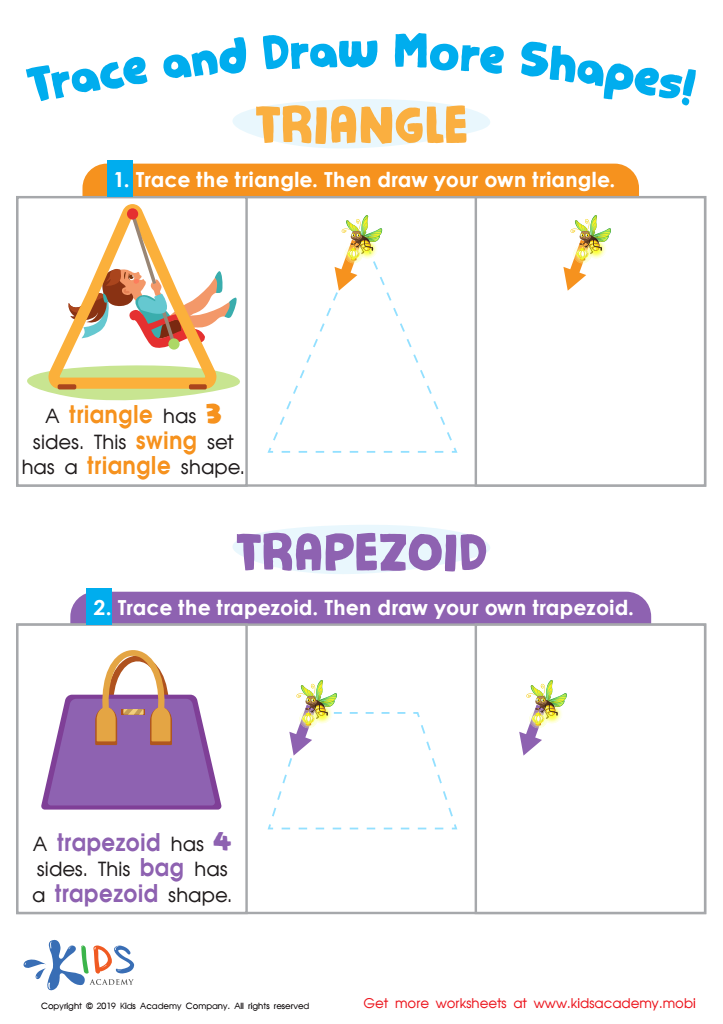
Trace and Draw More Shapes Worksheet
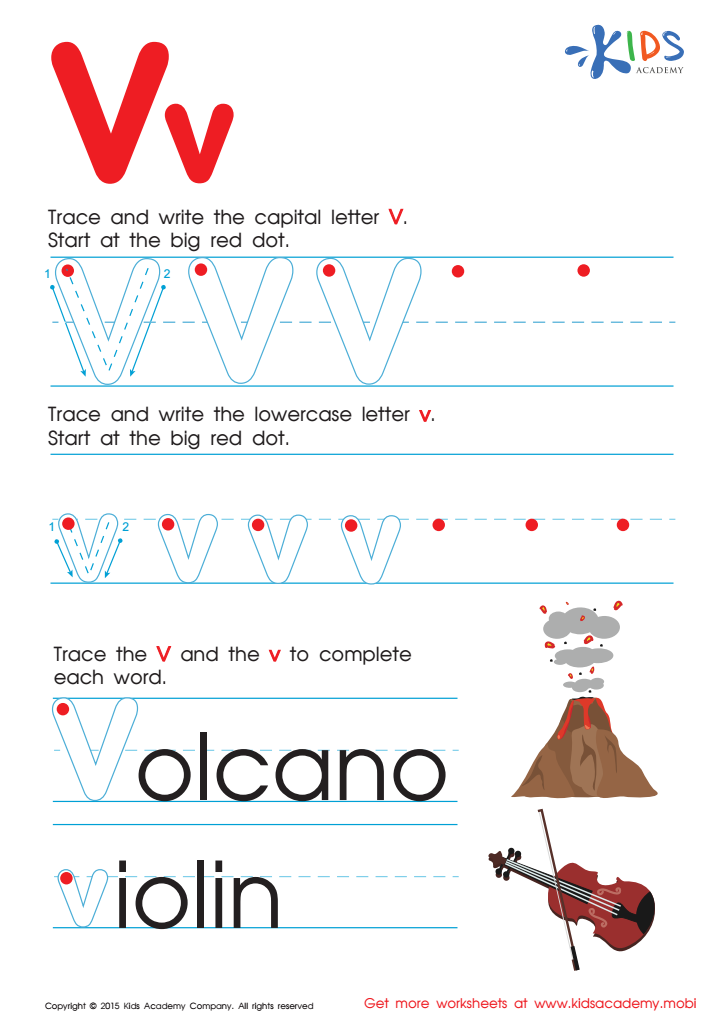
Letter V Tracing Page
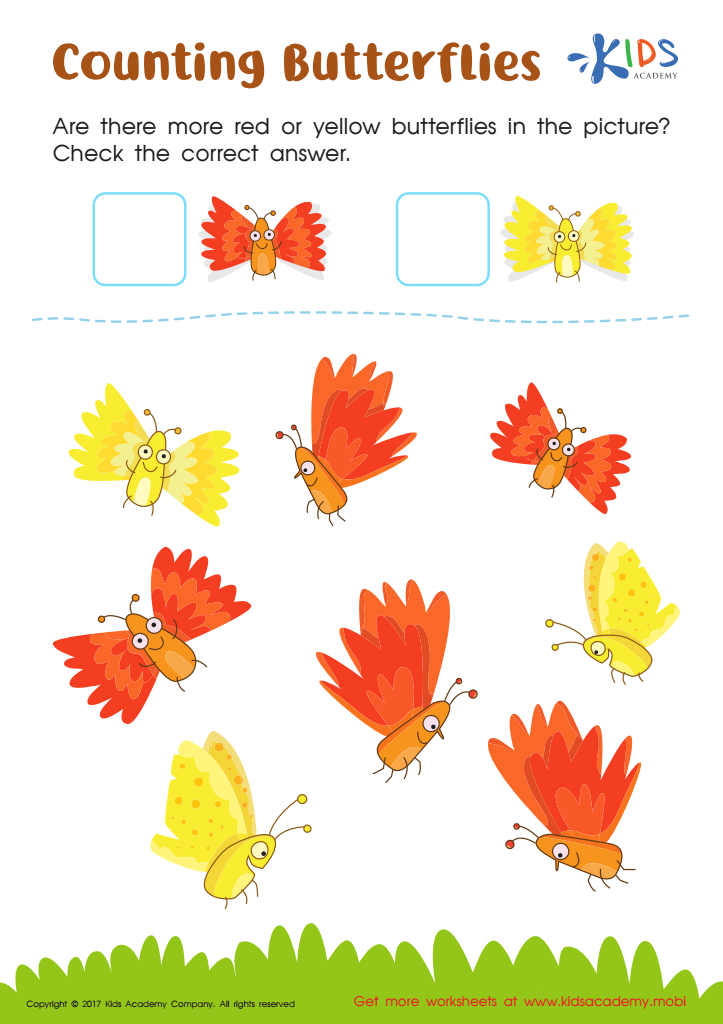
Counting Butterflies Worksheet
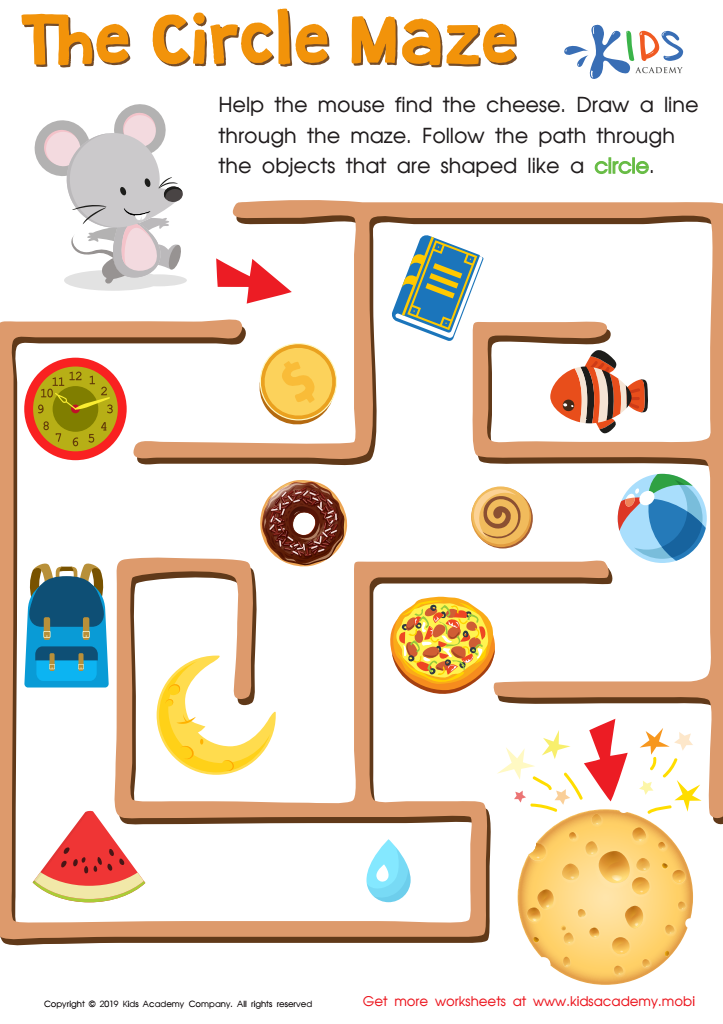
The Circle Maze Worksheet

Santa Claus Tracing Winter Words Worksheet

Pirate Ship Connect Dots Worksheet
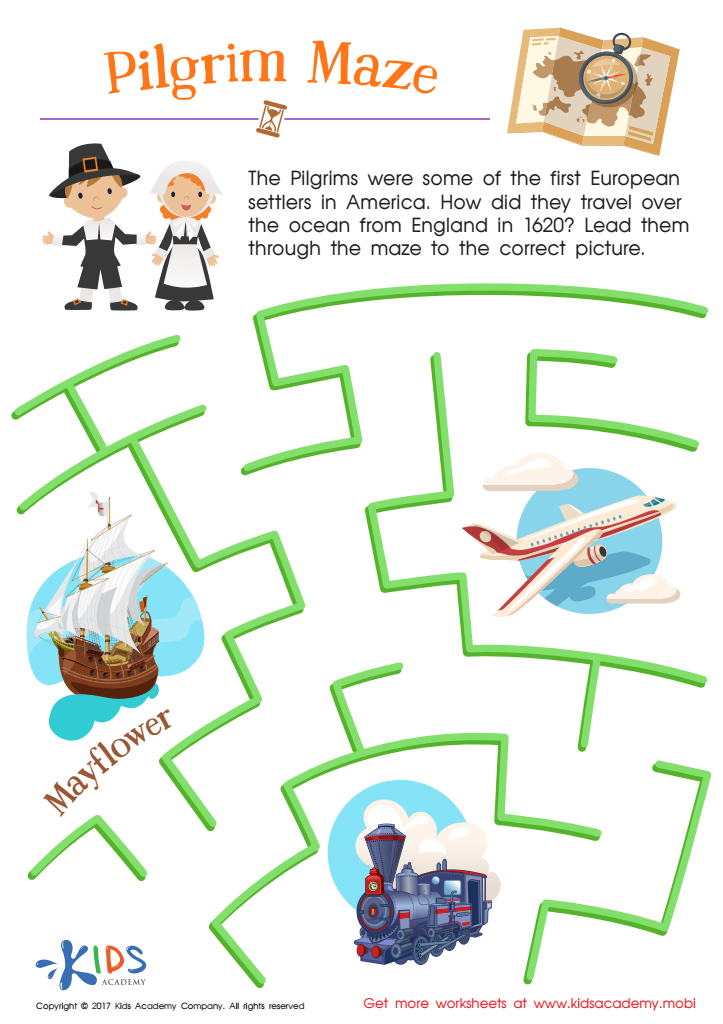
Pilgrim Maze Worksheet
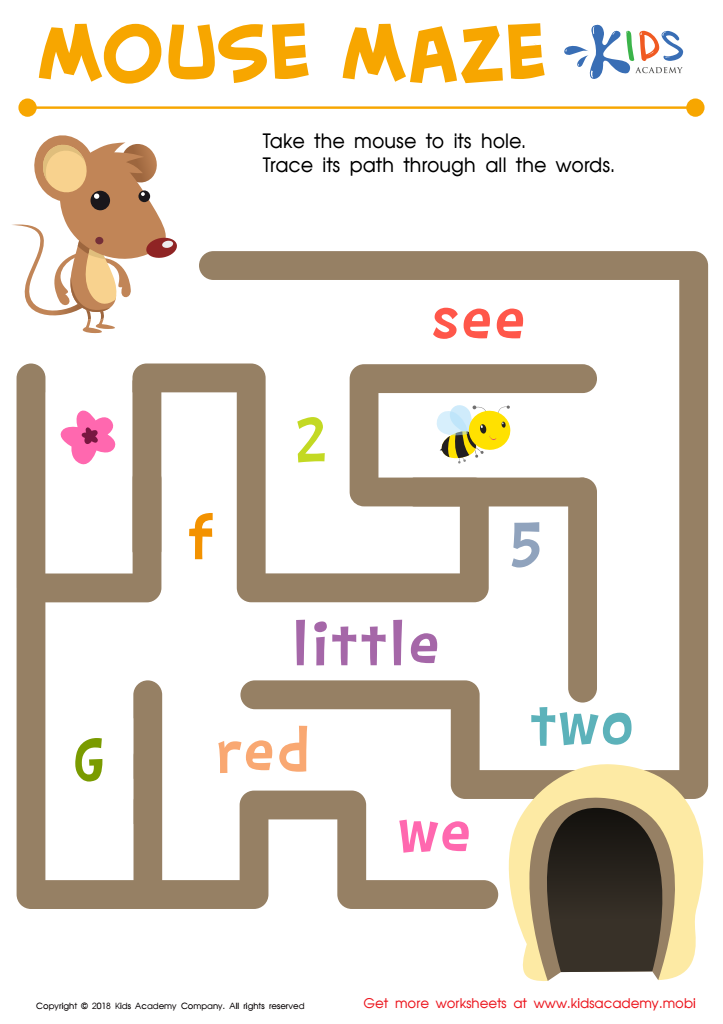
Find Words Mouse Maze Worksheet

Three Little Piggies Printable Coloring Page
 Assign to My Students
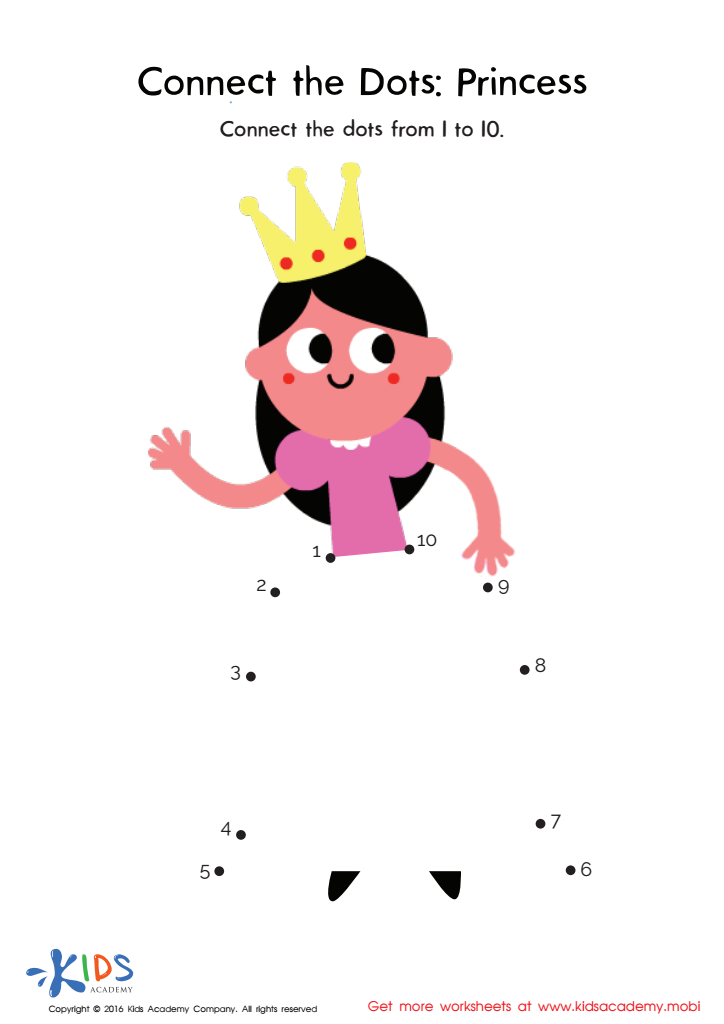
Princess Connect Dots Worksheet
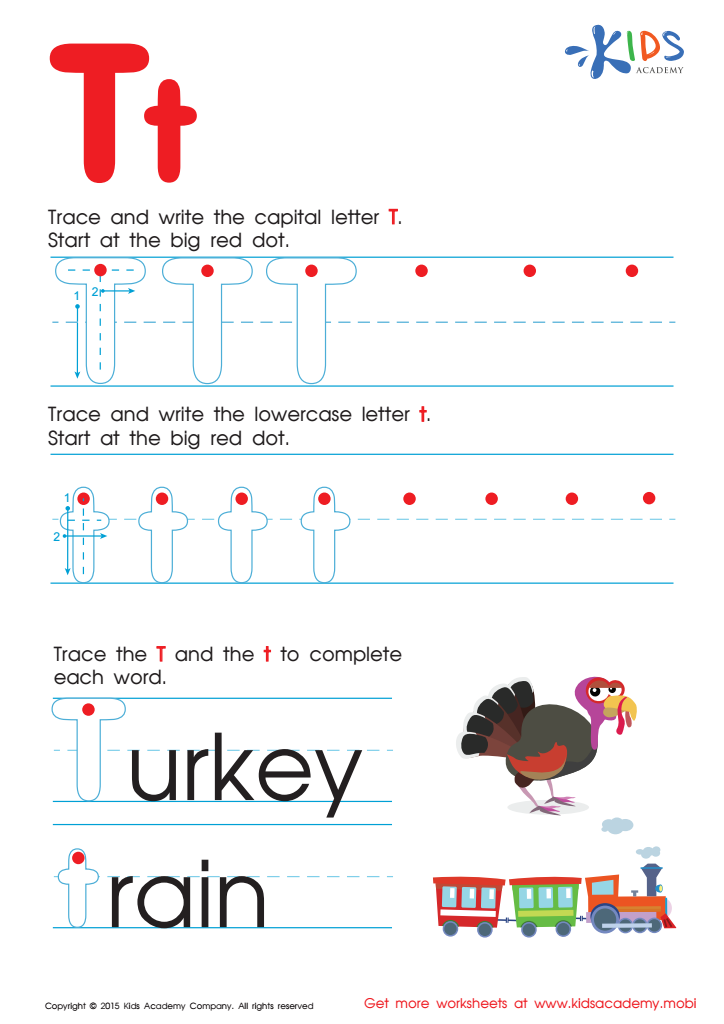
Letter T Tracing Page

Big Bad Wolf Printable Coloring Page
Assign to My Students
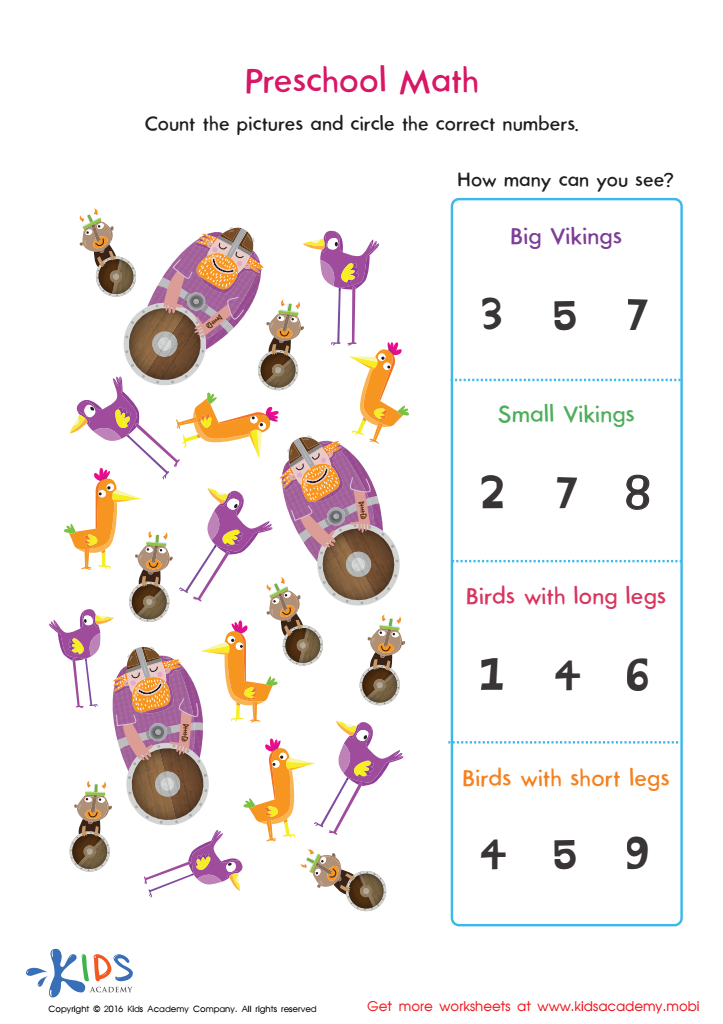

Count and Match: Feed the Animals Worksheet








Fine motor skills are essential for young children's overall development, particularly in the crucial ages of 5 to 6. Parents and teachers should prioritize fine motor skill challenges because they play a significant role in promoting hand-eye coordination, dexterity, and control. These skills are vital for everyday tasks such as writing, drawing, cutting, and manipulating small objects, which form the foundation for more complex academic and life activities later on.
Engaging in fine motor skill challenges encourages children to practice focusing and problem-solving, helping them build patience and perseverance. This not only boosts their self-confidence but also fosters a sense of achievement as they master new skills. Furthermore, strong fine motor skills can enhance cognitive development, as many activities require critical thinking and planning.
Additionally, these challenges can be designed to be interactive and fun, thereby attracting children's interest and making learning enjoyable. Playing with playdough, threading beads, or engaging in arts and crafts promotes creativity while honing these essential skills. Inculcating fine motor skill development early lays a strong foundation for future academic success, ultimately preparing children for writing tasks in school and other essential skills needed throughout life. Therefore, investing time into fine motor skills is a powerful step towards holistic child development.








