Extra Challenge Worksheets for Ages 5-8 - Page 19
523 filtered results
-
From - To
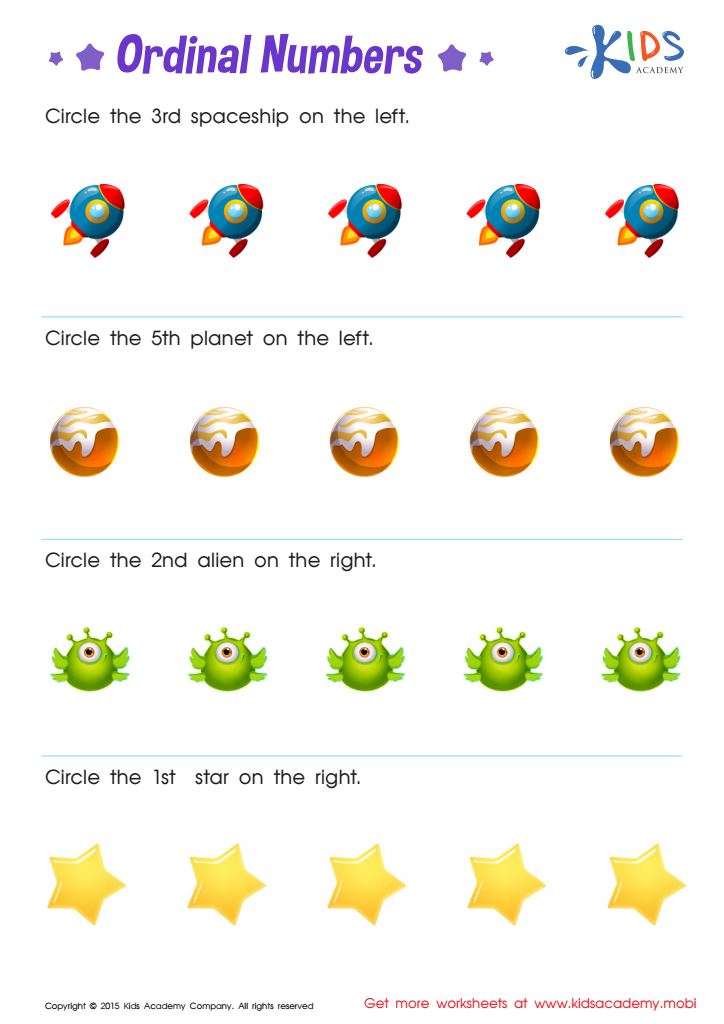
Ordinal Numbers: Space Ordinals Worksheet
 Assign to My Students
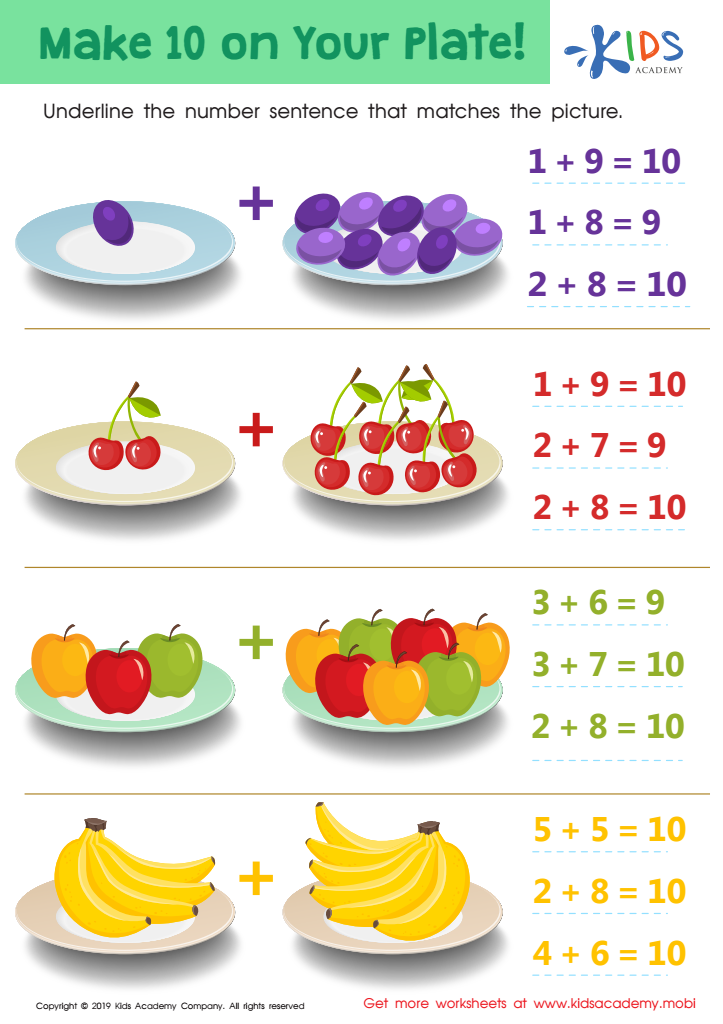
Make 10 on Your Plate! Worksheet
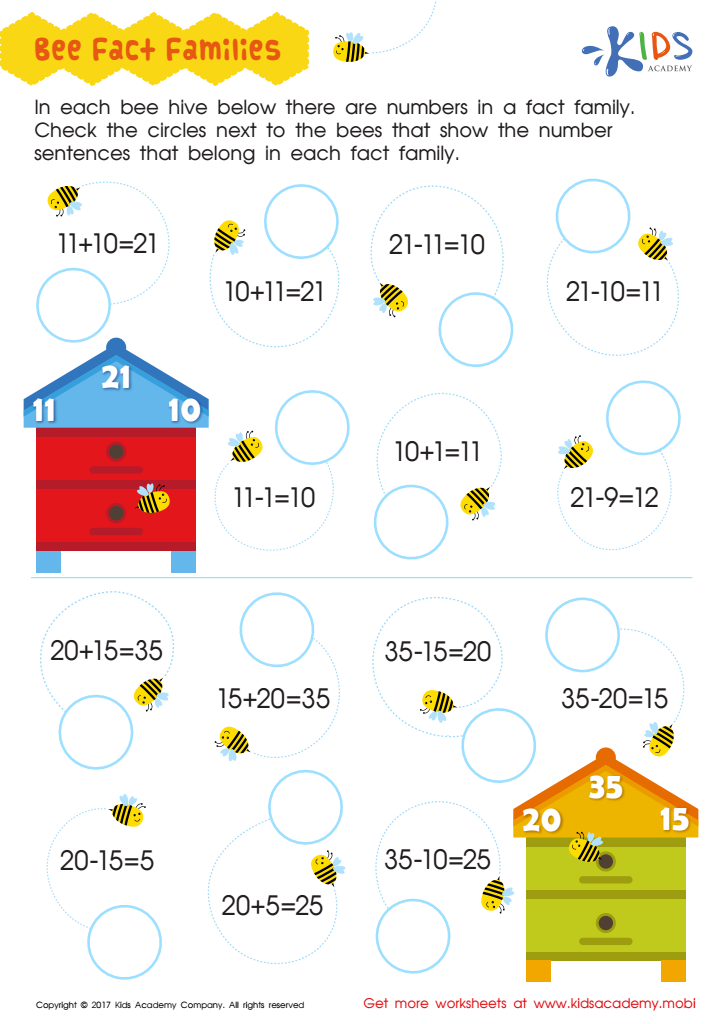
Fact Families Worksheet
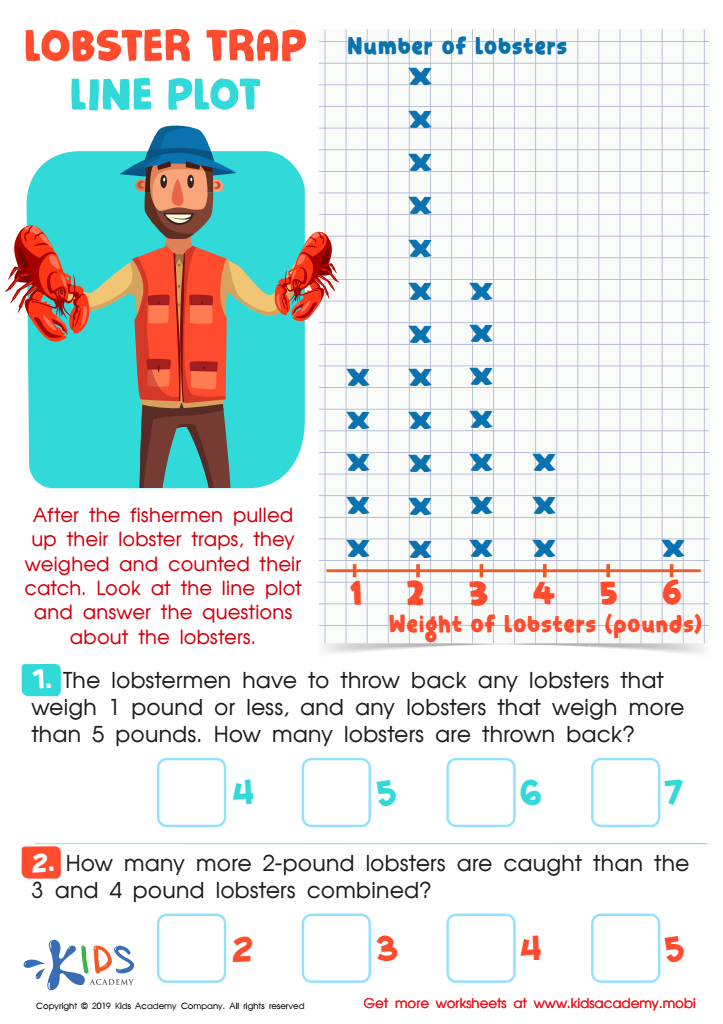
Lobster Trap Line Plot Worksheet

Two Rook Mate Practice Worksheet
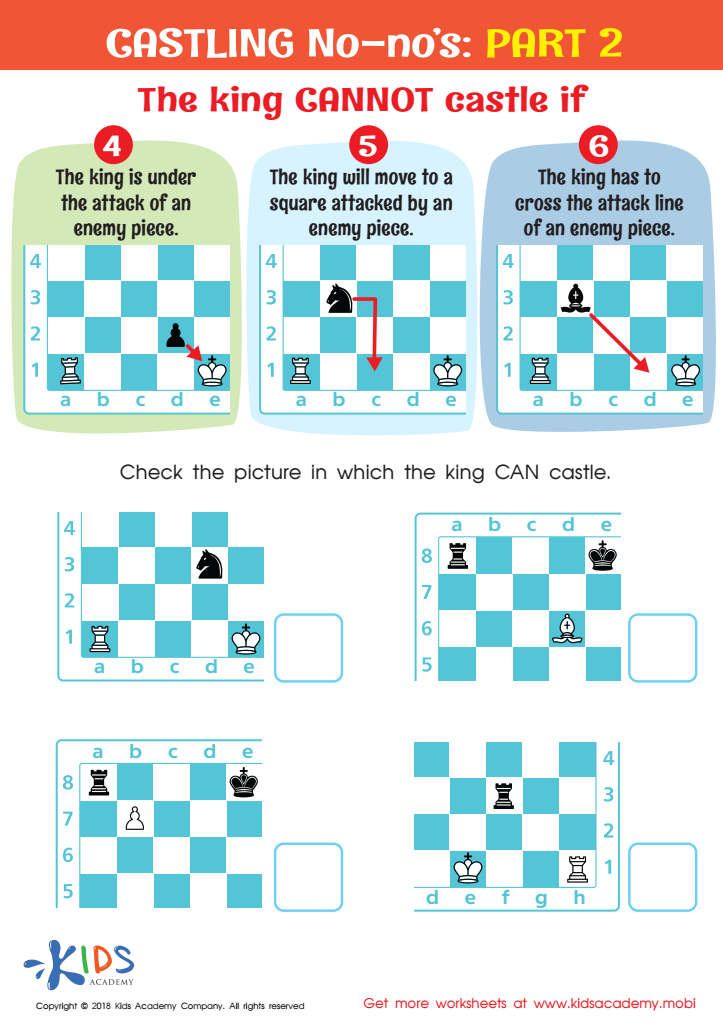
Castling No - no's: Part 2 Worksheet
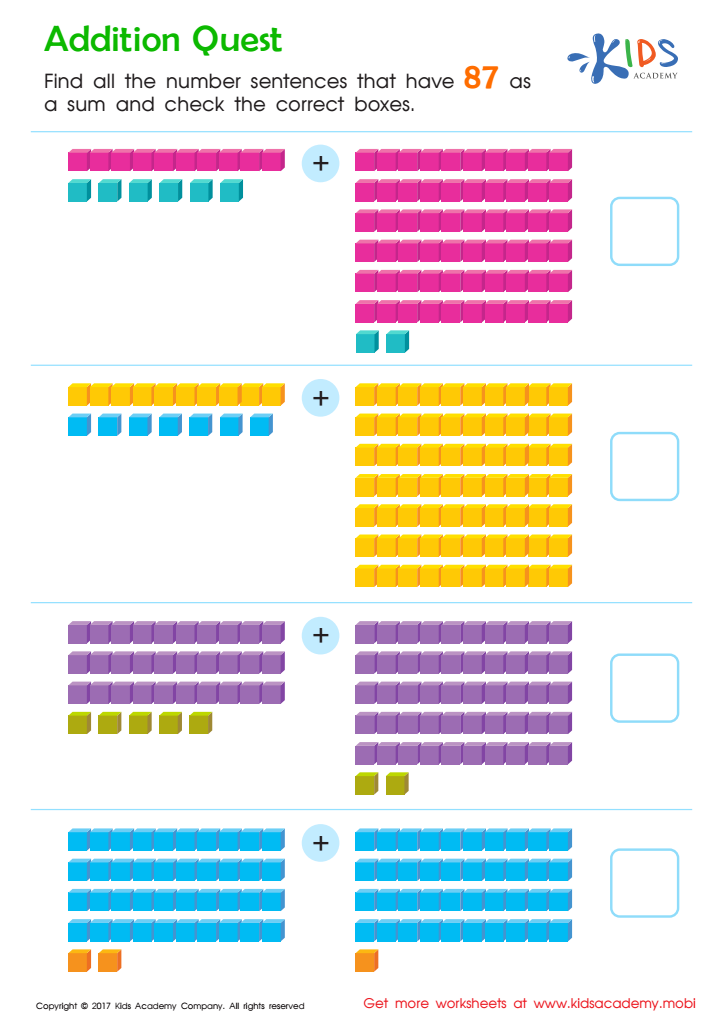
Addition Quest Worksheet: Part 1
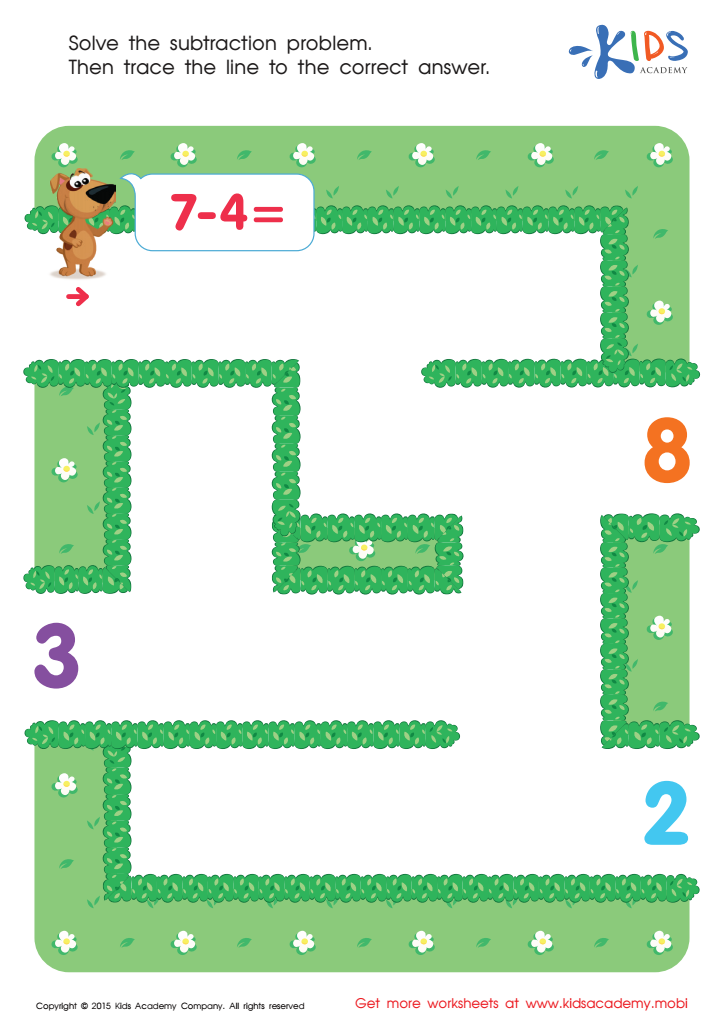
Subtraction Seven Minus Four Worksheet

Jungle Counting Connect Dots Worksheet
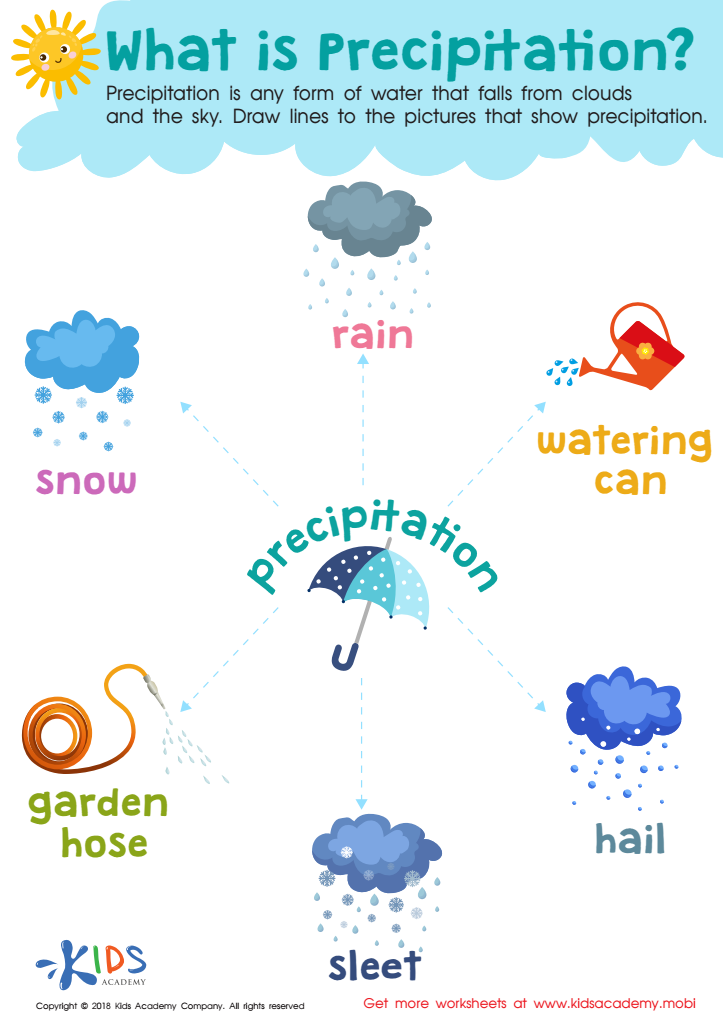
What Is Precipitation? Worksheet
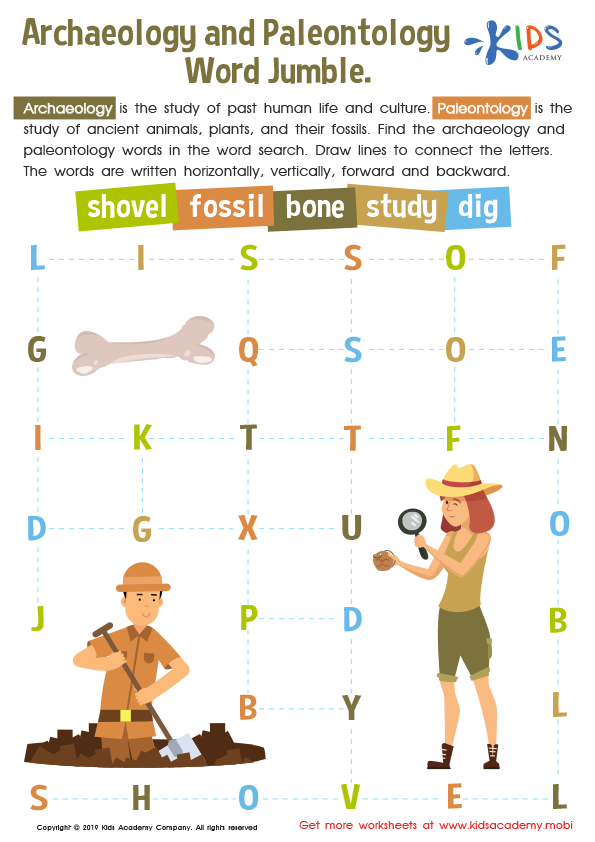
Archaeology and Paleontology Word Jumble Worksheet
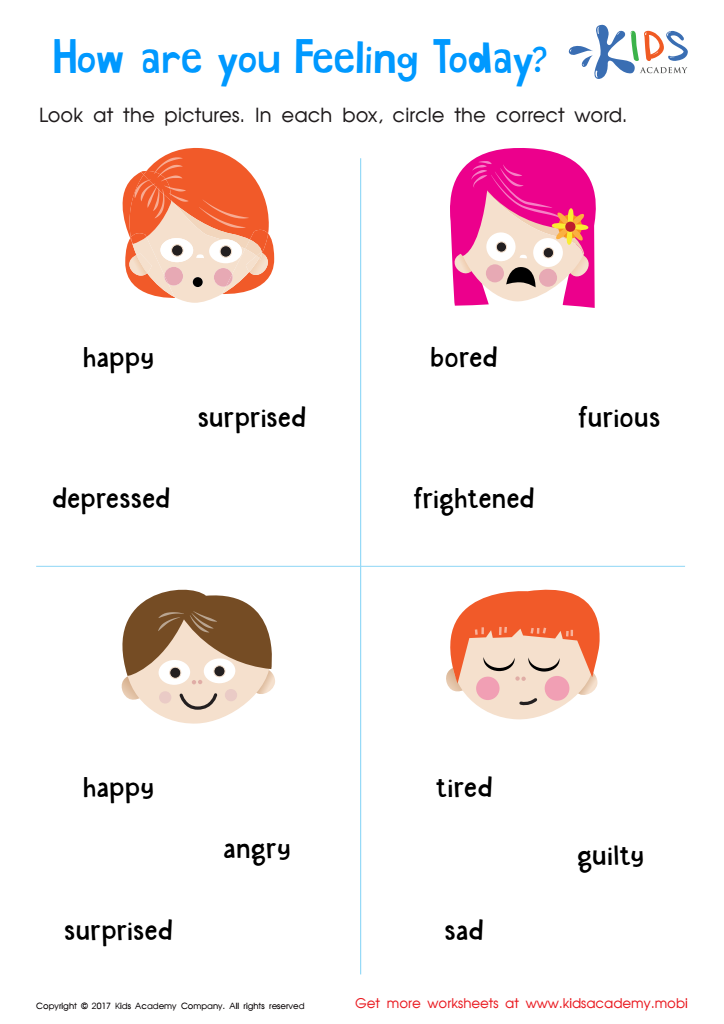
Understanding Feelings Worksheet
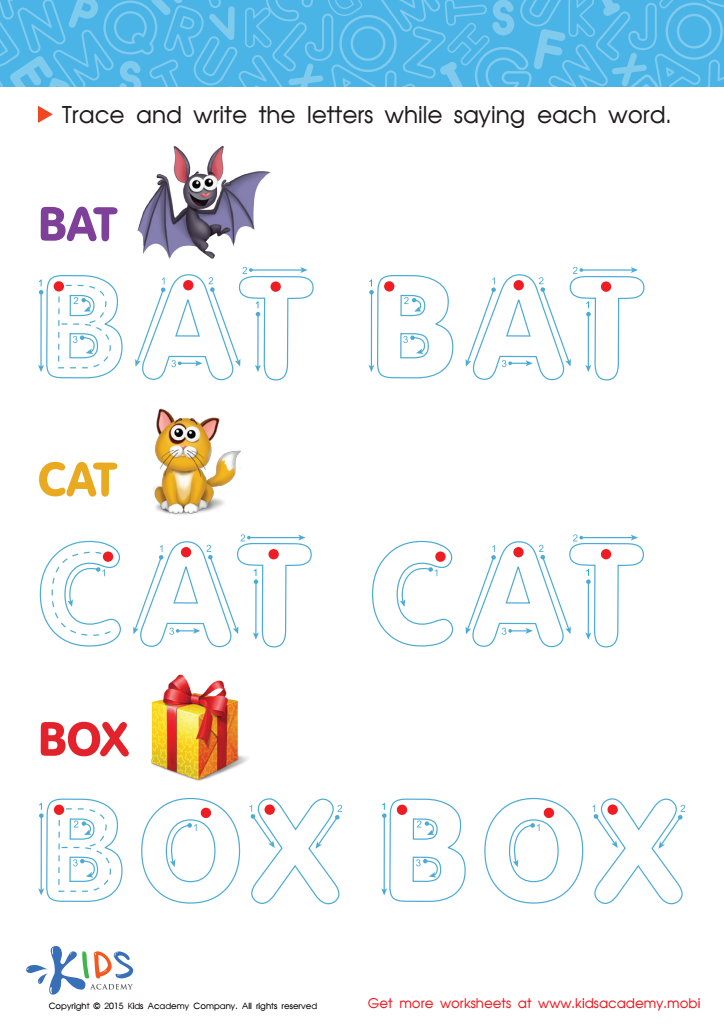
A Bat, a Cat and a Box Spelling Worksheet
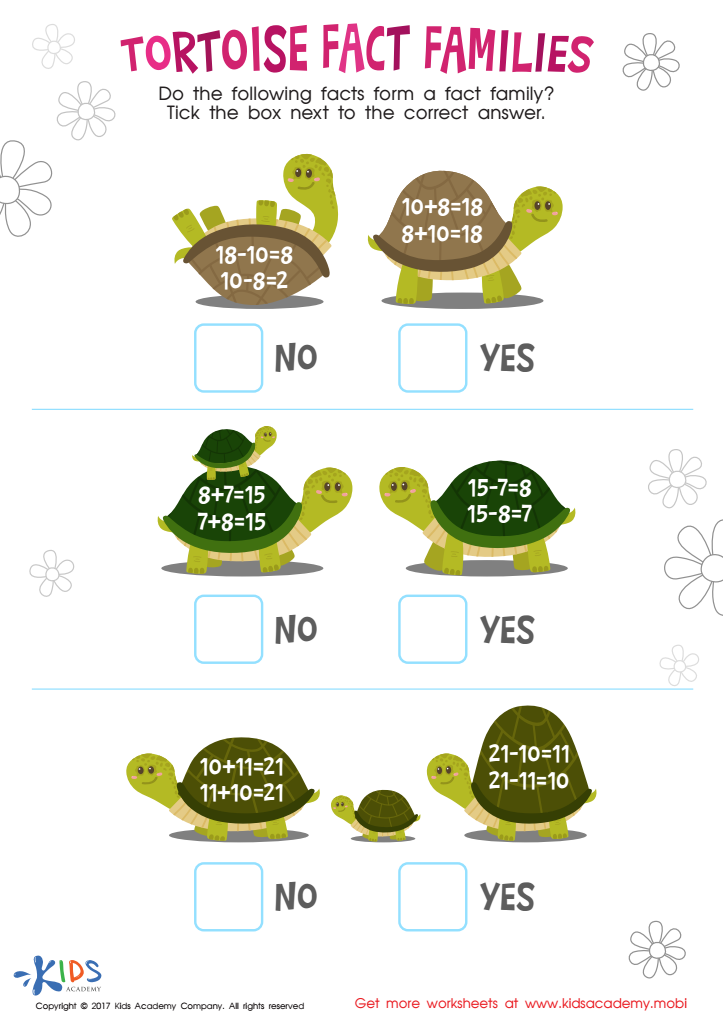
Tortoise Fact Families Printable
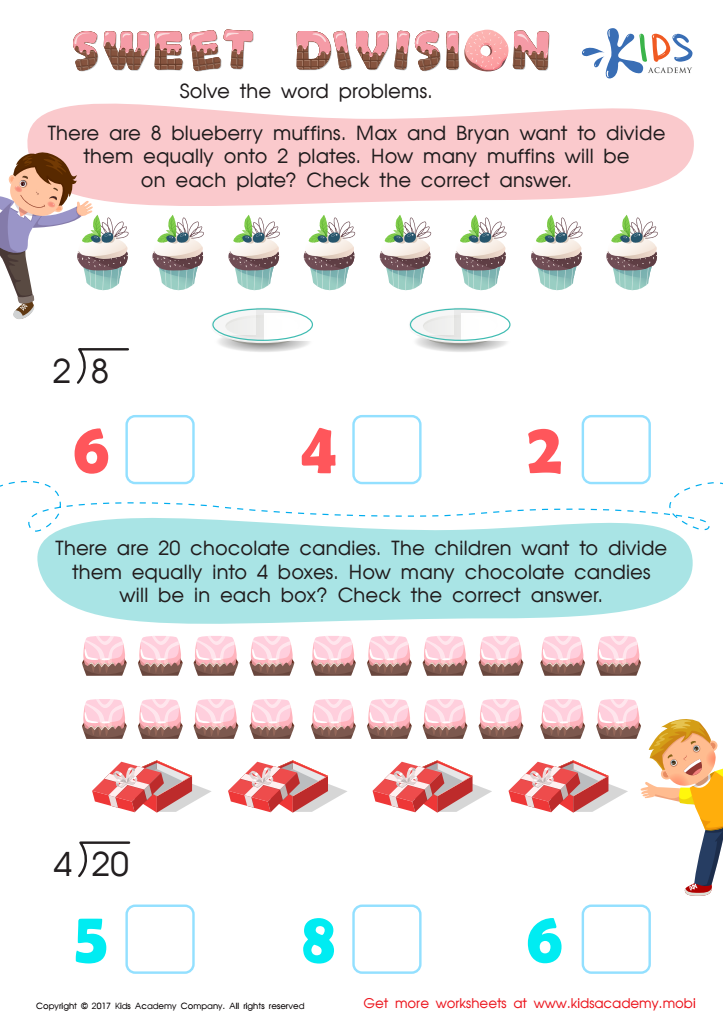
Division Word Problems Worksheet
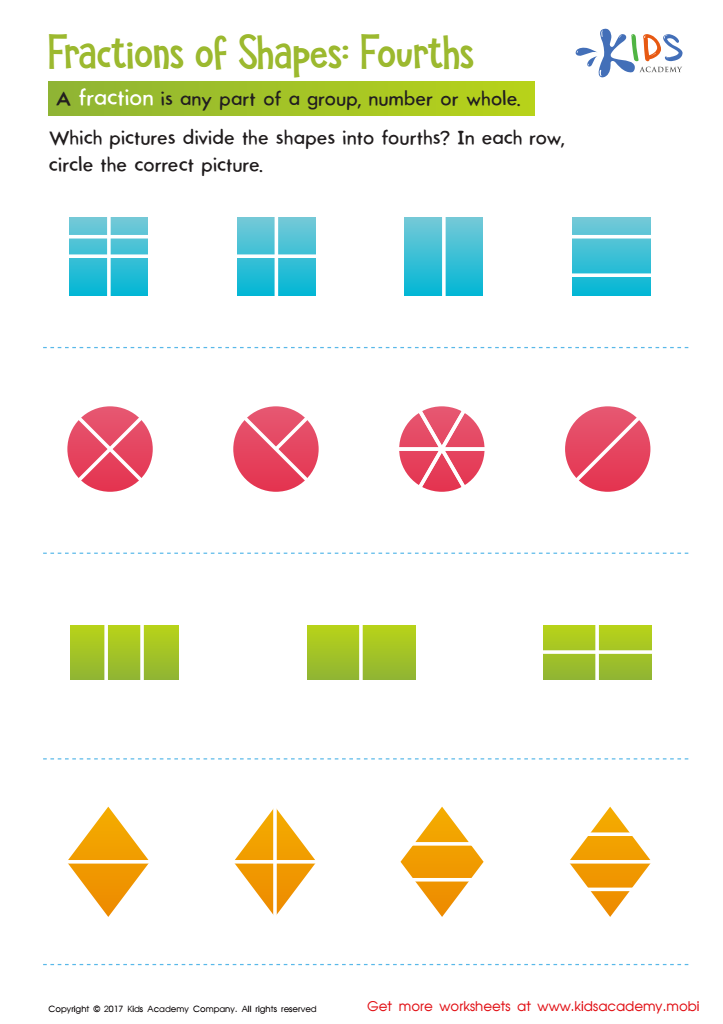
Fractions of Shapes Worksheet
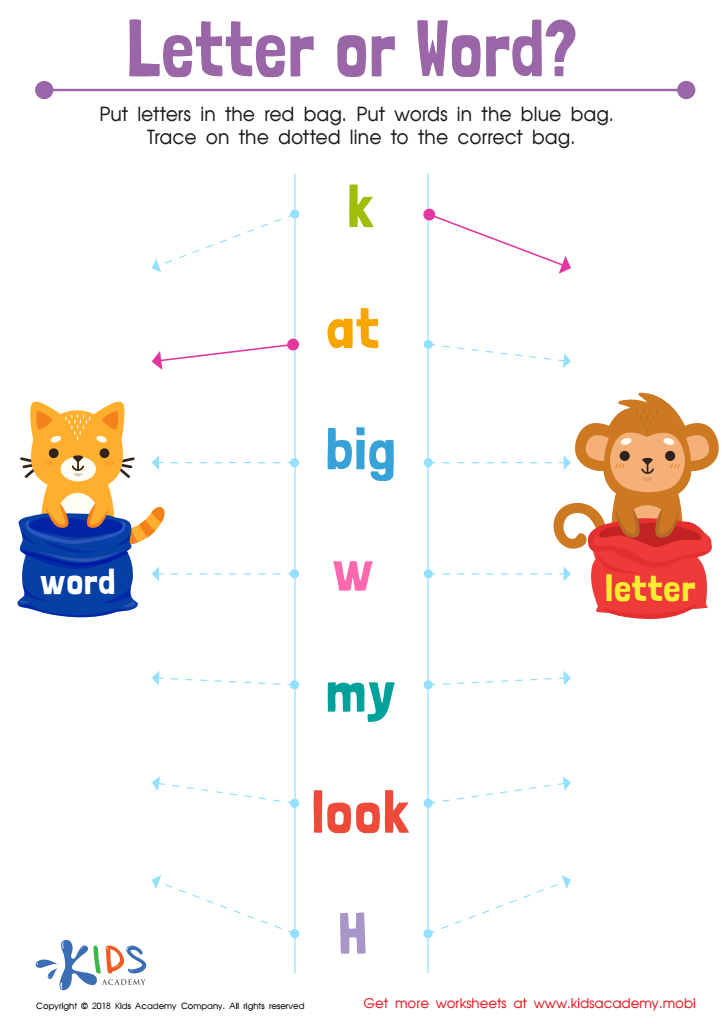
Letter or Word? Worksheet

First Words Worksheet
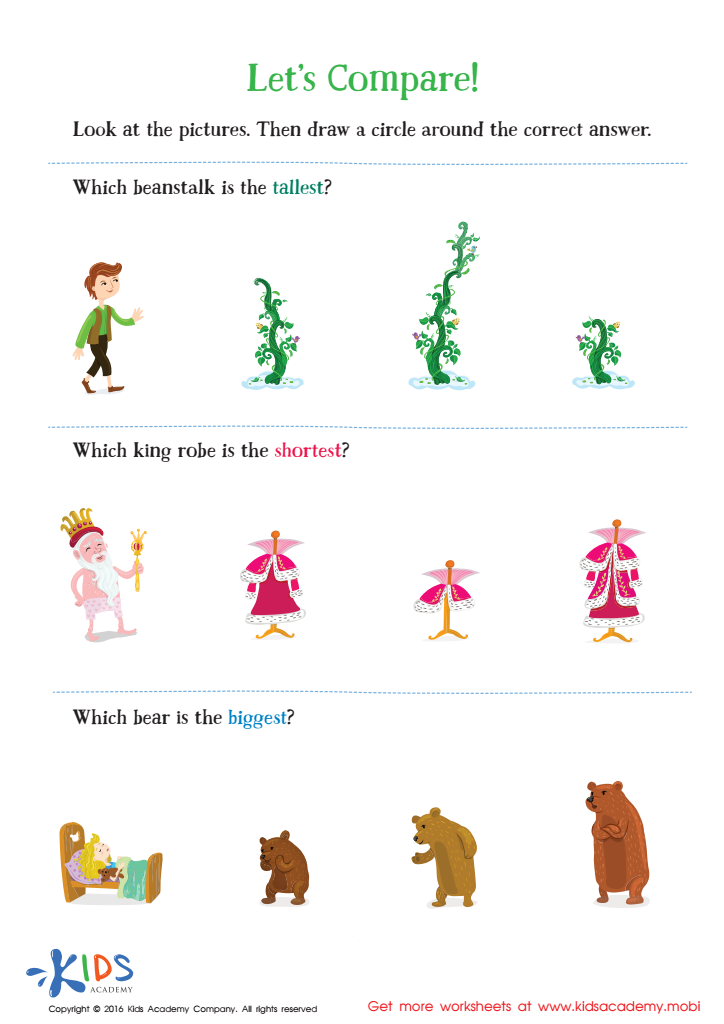
Fairy Tale Worksheet: Let's Compare
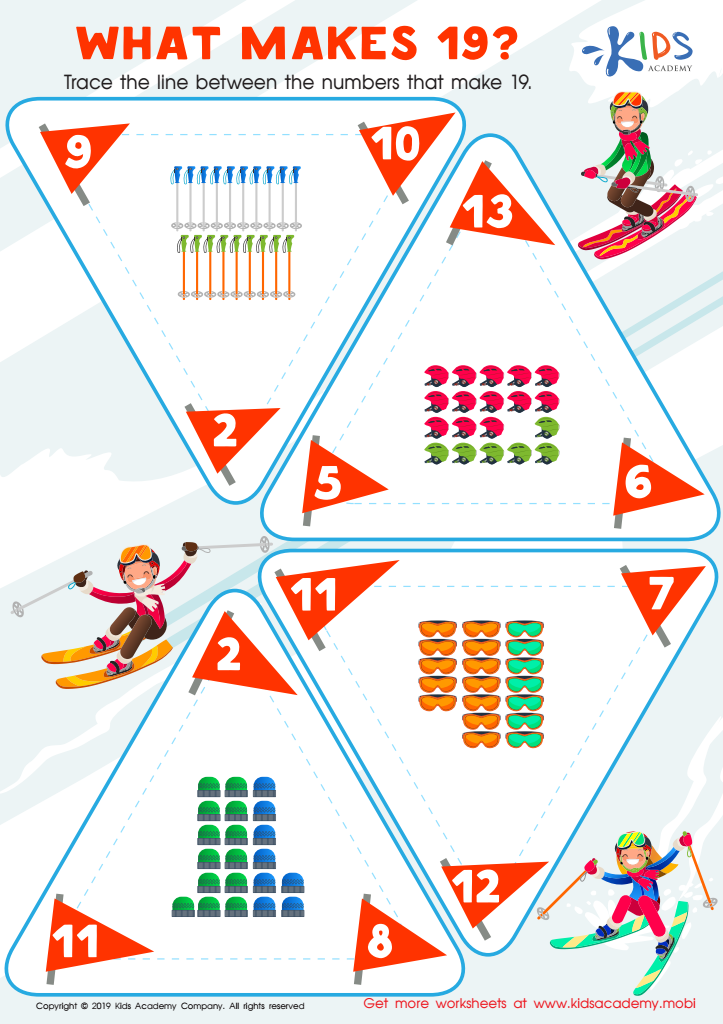
What Makes 19? Worksheet

Princess Connect Dots Worksheet
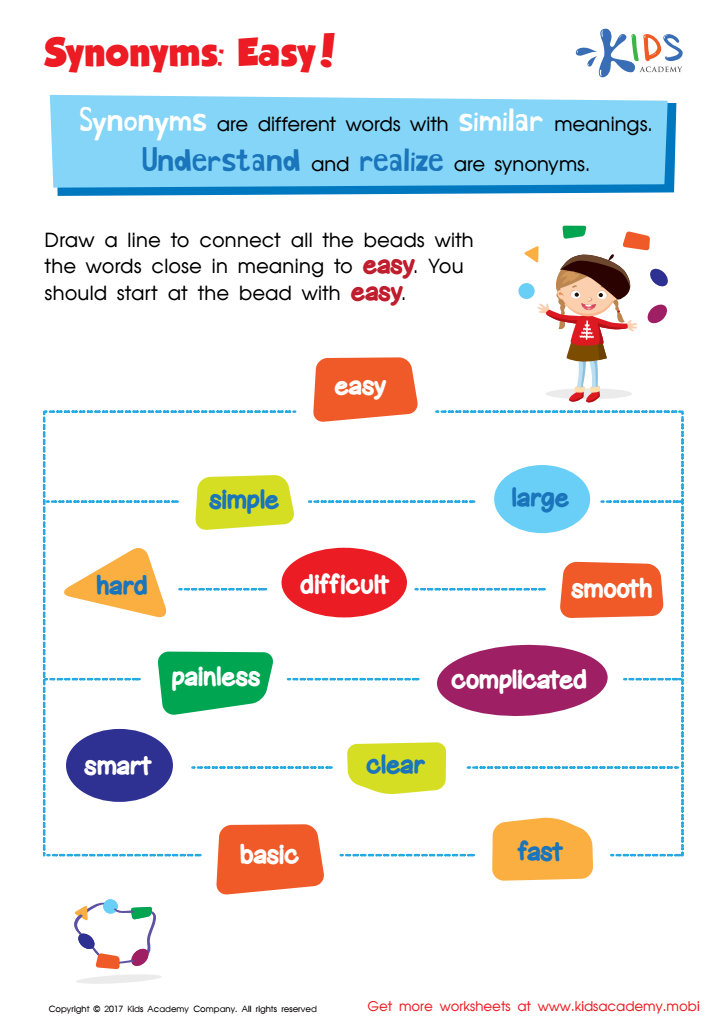
Free Synonym Worksheet
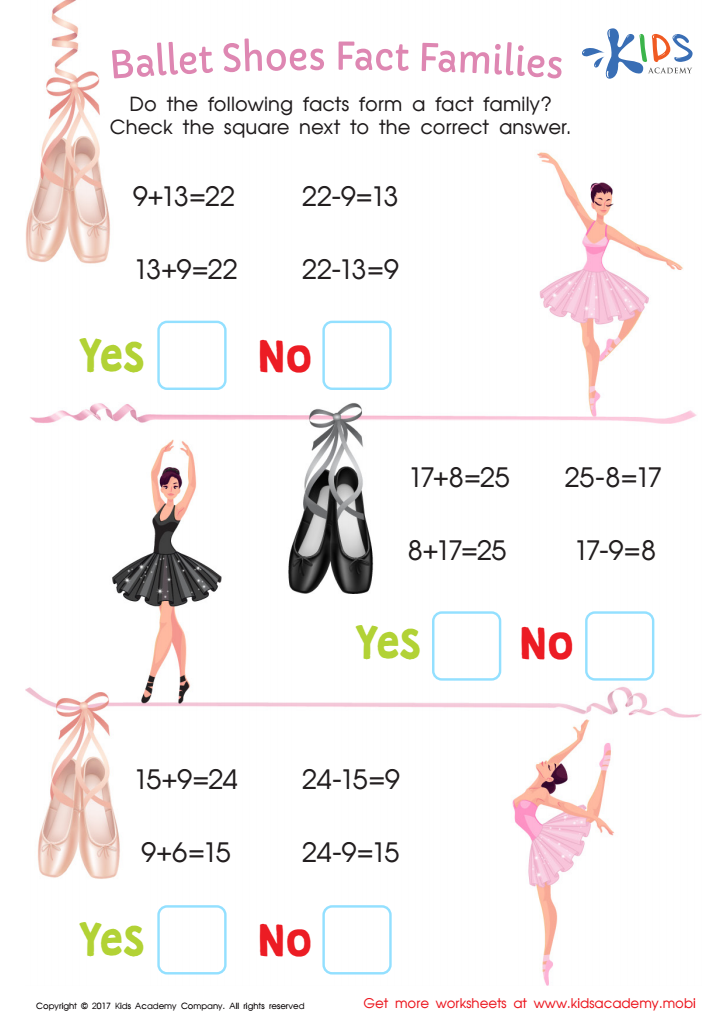
Ballet Shoes Fact Family Printable
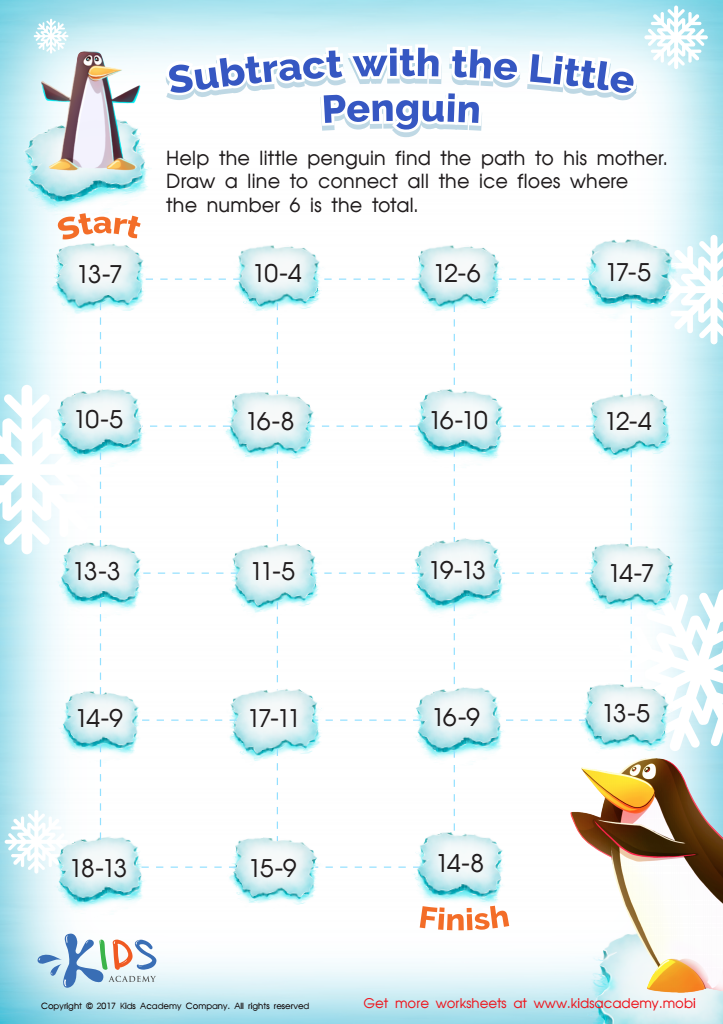
Subtract With The Little Penguin Substraction Worksheet








Introducing extra challenges for children ages 5-8 is beneficial for several reasons. Firstly, at this stage, children's brains are developing rapidly, making it an optimal time for cognitive growth. Extra challenges stimulate their critical thinking and problem-solving skills, fostering a foundation for lifelong learning. Involvement in age-appropriate complex tasks helps children build confidence as they experience success and learn from failures.
Furthermore, extra challenges cater to a child's curiosity, encouraging a love for learning. They learn perseverance and understand that effort leads to achievement, which is crucial for their academic journey. Differentiating tasks ensure that children who may excel beyond the standard curriculum remain engaged and motivated. This personalized approach helps in identifying unique talents and strengths early on, allowing for tailored support.
Socially, when working on collaborative tasks or challenges, children develop teamwork, communication skills, and empathy as they interact with peers. These social skills are pivotal for their overall development and future interactions.
By incorporating extra challenges, parents and teachers promote a growth mindset, resilience, and adaptability in children. These attributes not only benefit academic performance but also prepare them for diverse life experiences, making them well-rounded individuals. Hence, implementing extra challenges is an investment in their holistic development.








