Problem-Solving Skills Extra Challenge Worksheets for Ages 5-8 - Page 4
80 filtered results
-
From - To
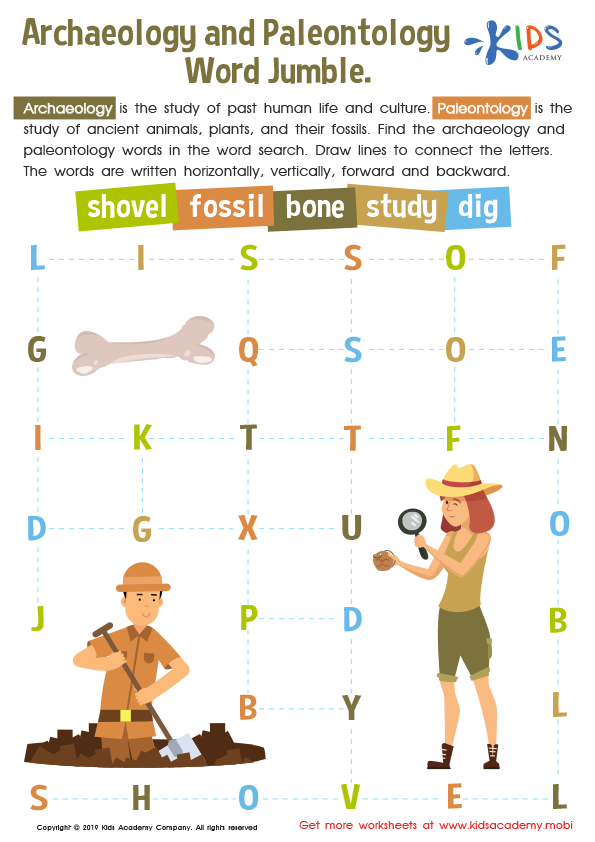
Archaeology and Paleontology Word Jumble Worksheet
 Assign to My Students
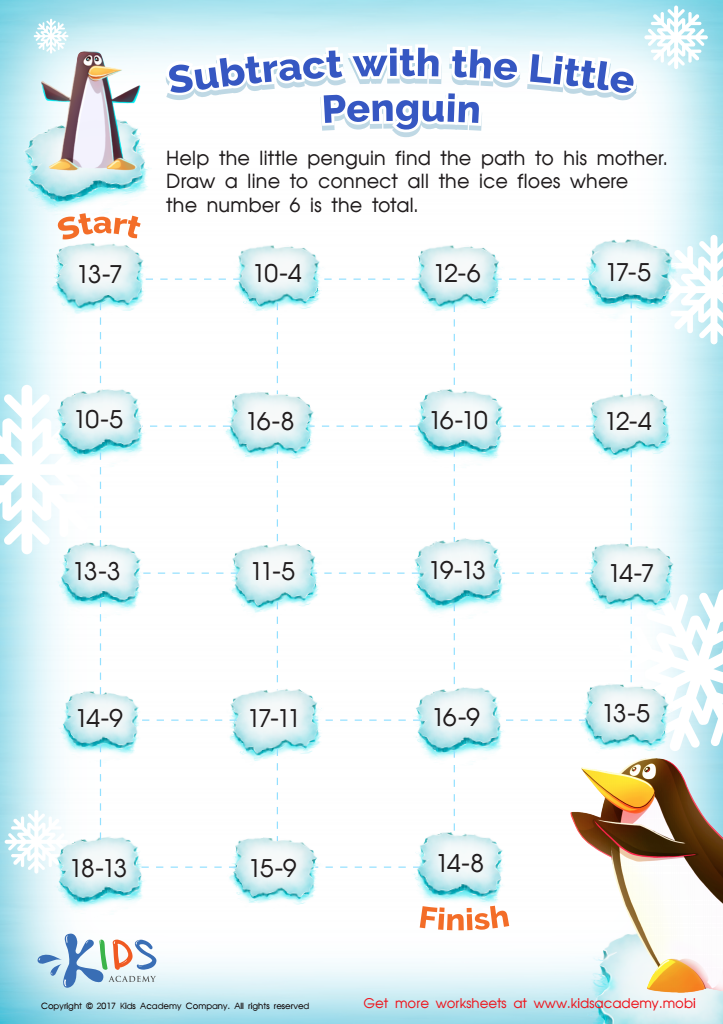
Subtract With The Little Penguin Substraction Worksheet
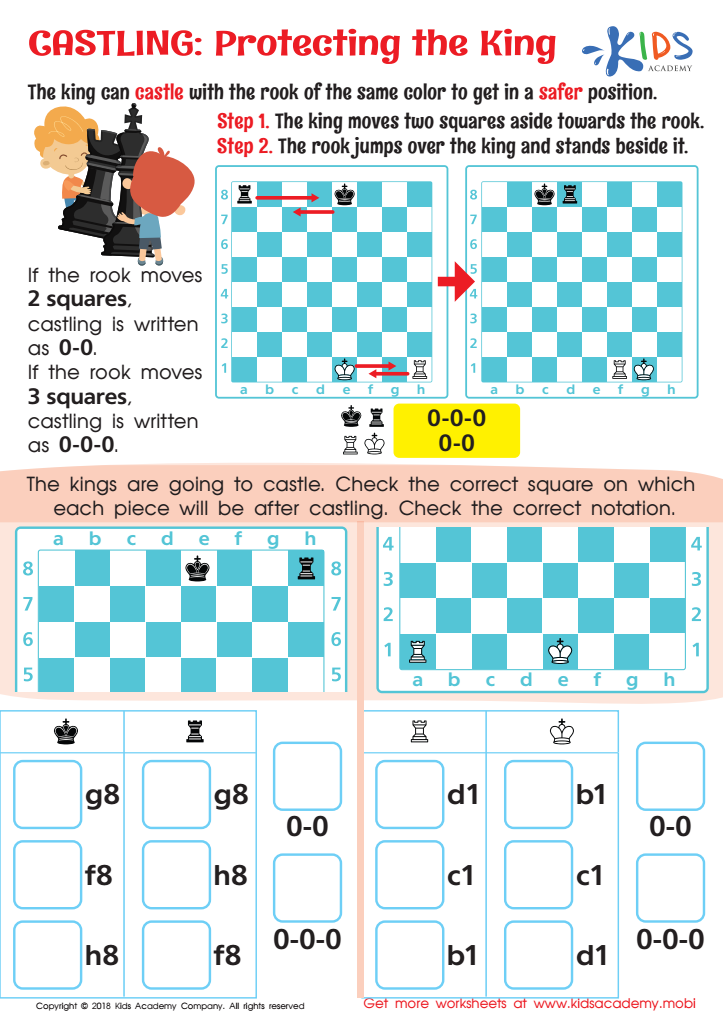
Castling: Protecting the King Worksheet
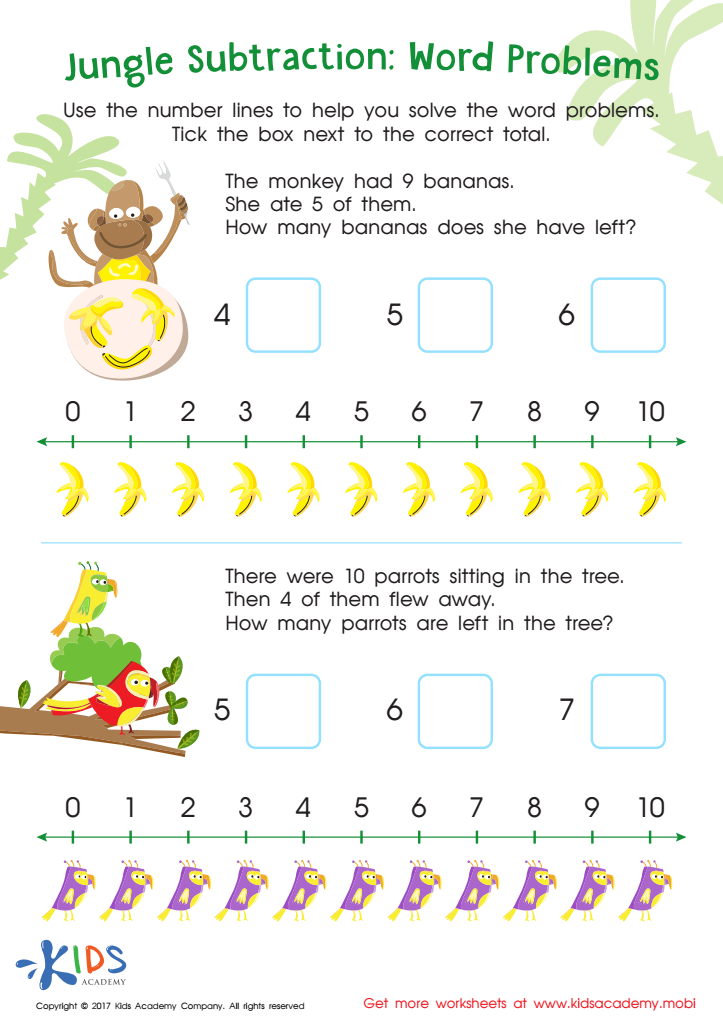
Jungle Subtraction Word Problems Substraction Worksheet
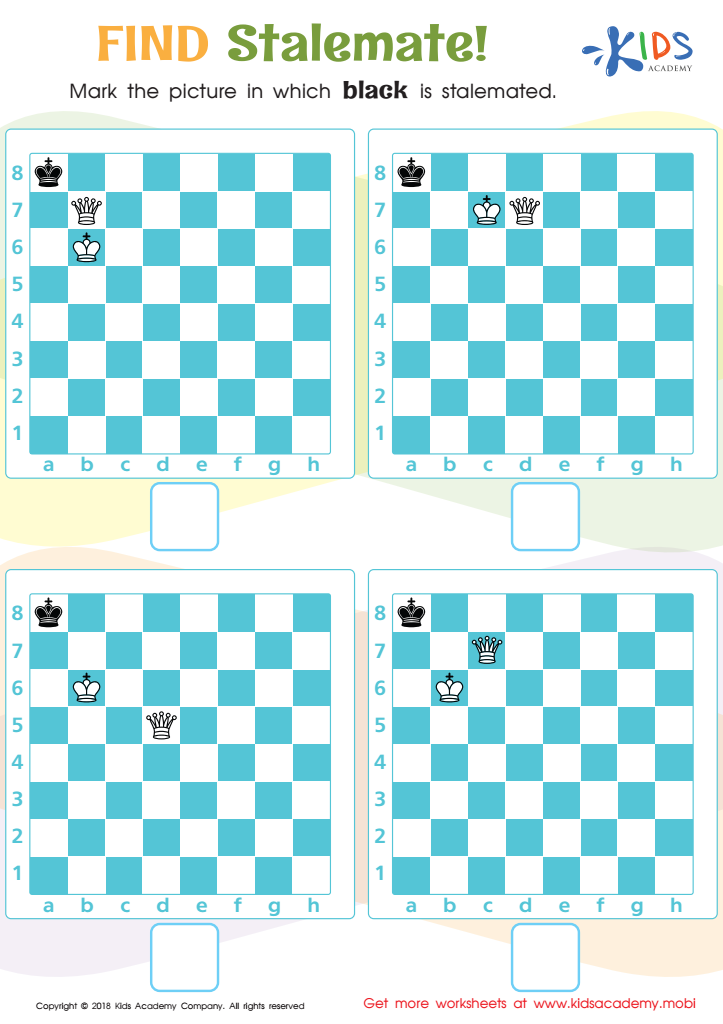
Find Stalemate! Worksheet
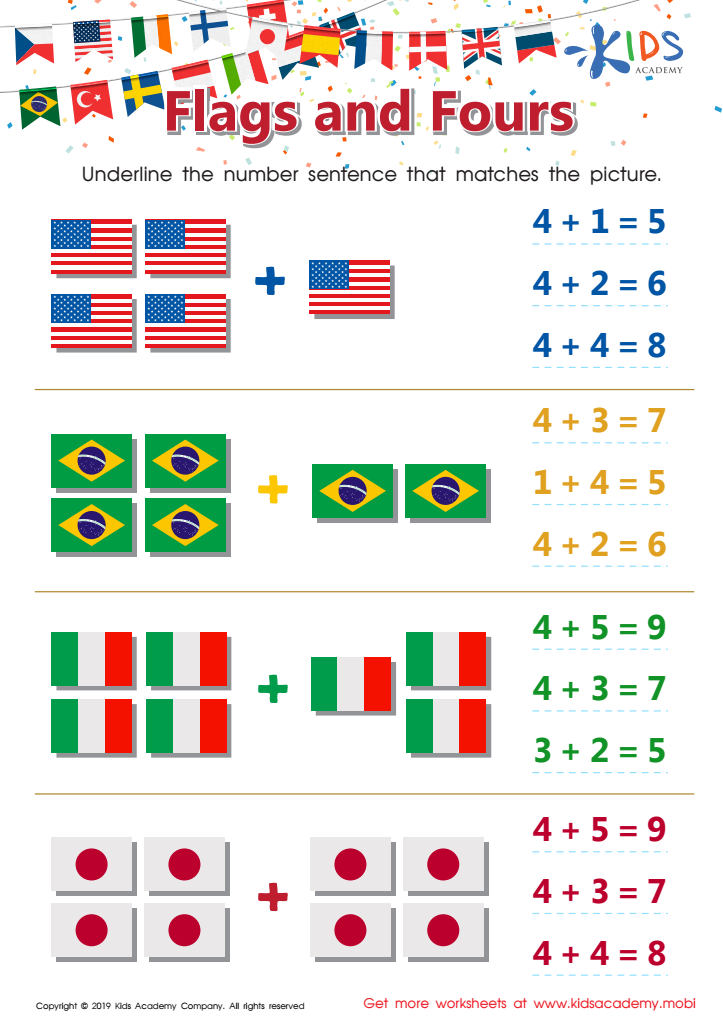
Flags and Fours Worksheet
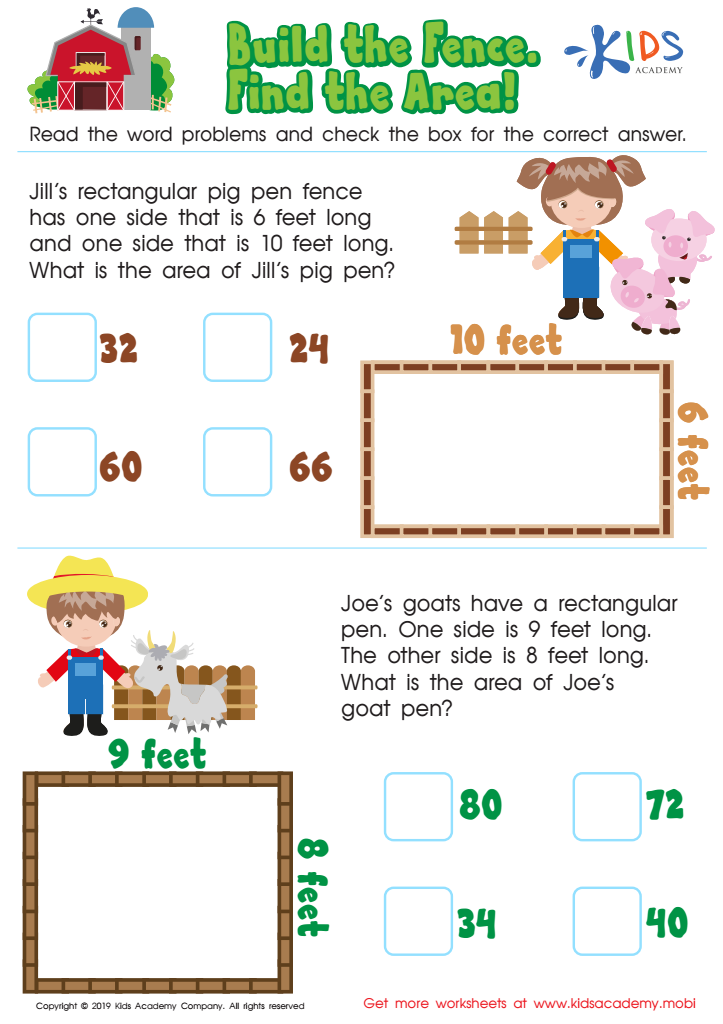
Build the Fence, Find the Area Worksheet
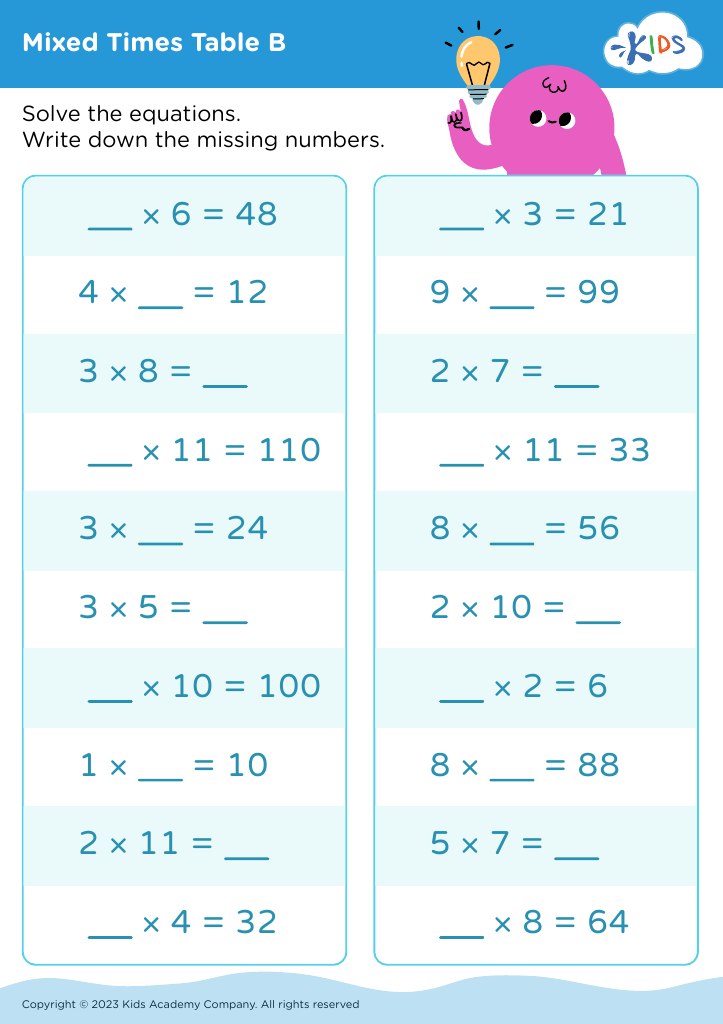





Parents and teachers should prioritize Problem-Solving Skills Extra Challenge for children ages 5-8 because these skills form the foundation of critical thinking and independence. At this age, children are naturally curious and eager to explore their environment, making it an ideal time to foster problem-solving abilities. Engaging them in structured challenges not only helps in developing their cognitive skills but also encourages perseverance and creativity.
Problem-solving activities promote teamwork and communication, essential skills for collaborative learning. When children work together to find solutions, they learn how to articulate their thoughts, respect different perspectives, and refine their ideas. Moreover, these challenges can enhance emotional intelligence; children learn to manage frustration and celebrate successes, fostering a growth mindset.
Enhanced problem-solving skills translate to real-life applications, enabling children to navigate future academic tasks and social situations effectively. Overall, focusing on these skills not only empowers children but also prepares them for an increasingly complex world, where adaptability and critical thinking are paramount. By recognizing the long-term benefits, parents and teachers can create enriching experiences that equip children with essential life skills, instilling confidence in their young learners.








