Shape Recognition Extra Challenge Worksheets for Ages 5-8
14 filtered results
-
From - To
Welcome to our Shape Recognition Extra Challenge Worksheets designed for children ages 5-8! These engaging worksheets provide an exciting way for young learners to enhance their shape identification skills while having fun. Packed with various activities, our worksheets challenge students to recognize, name, and categorize different shapes, transforming learning into an enjoyable adventure. Ideal for classroom or at-home practice, these resources foster critical thinking and boost confidence in math skills. Encourage your child to explore the diverse world of geometry through interactive challenges designed to stimulate curiosity and promote lasting knowledge. Unlock the wonders of shapes with fun and educational experiences!
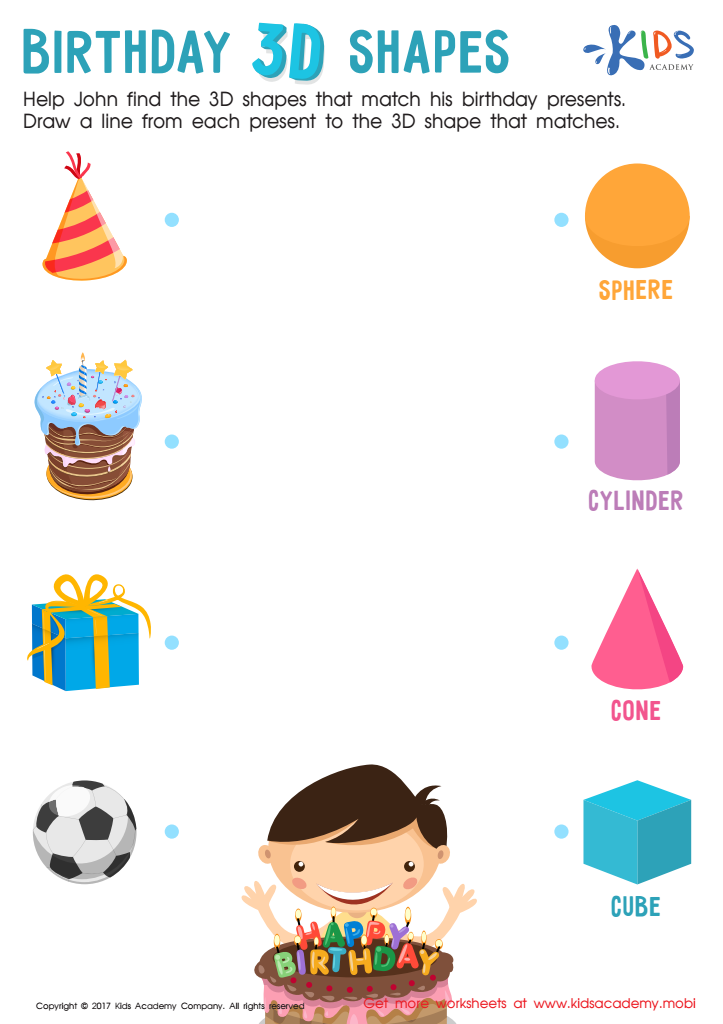
Birthday 3D Shapes Worksheet
 Assign to My Students
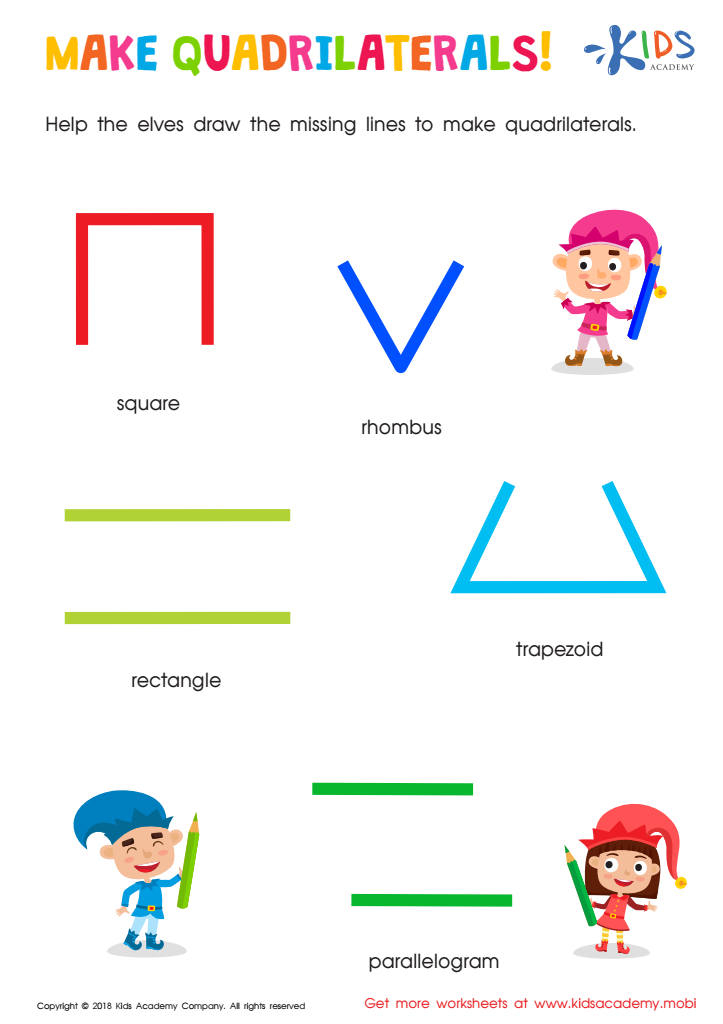
Make Quadrilaterals Worksheet
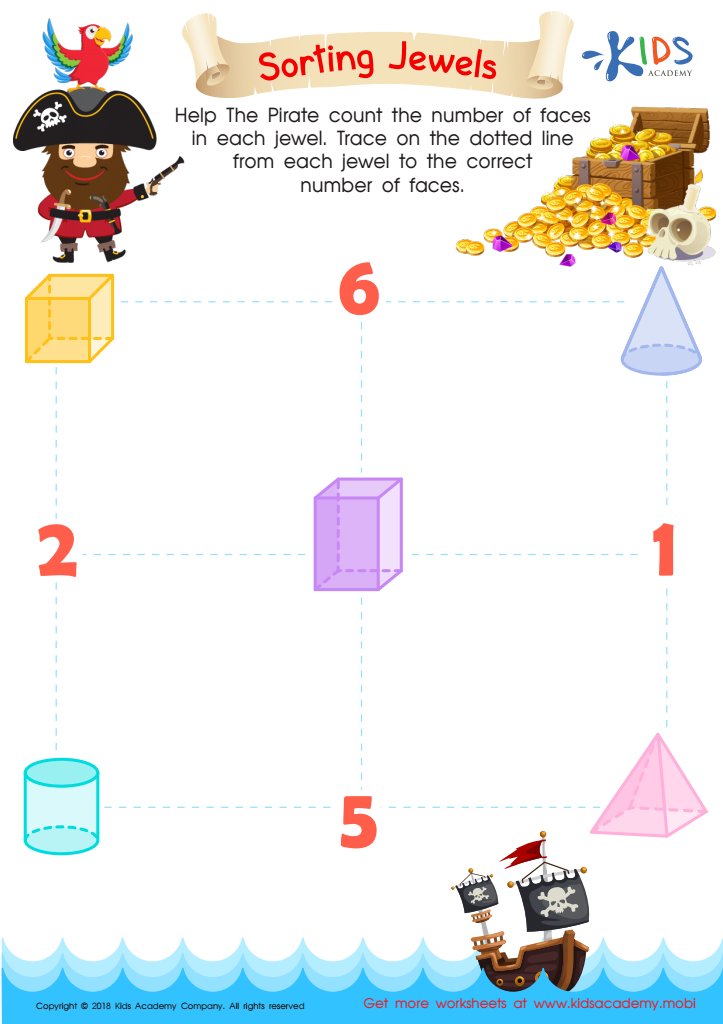
Sorting Jewels Worksheet
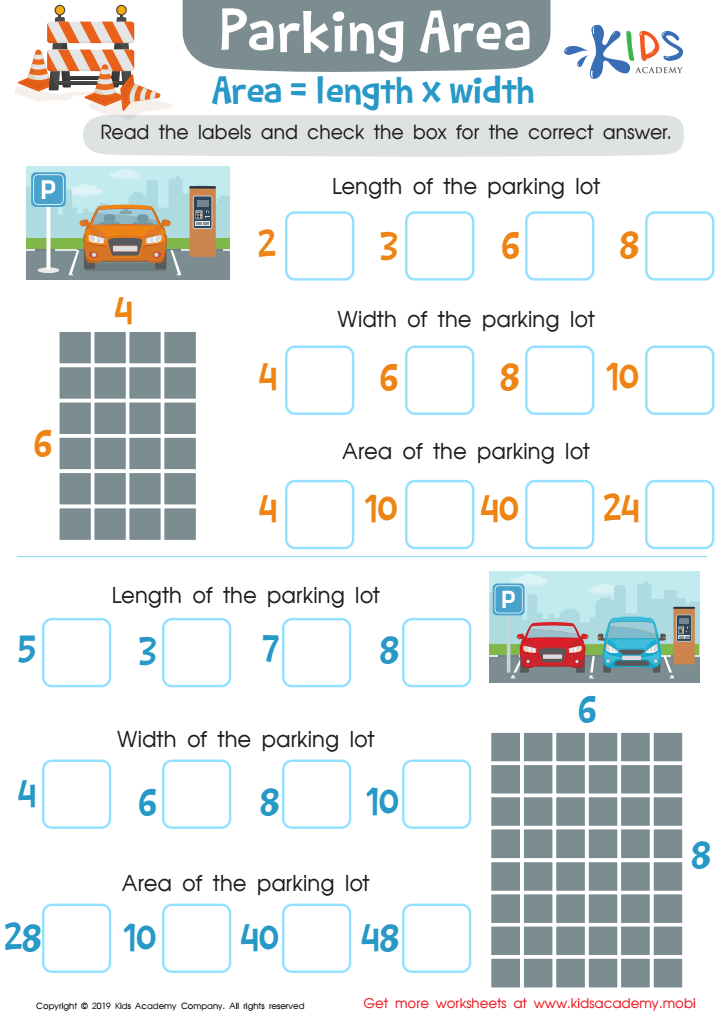
Parking Area Worksheet
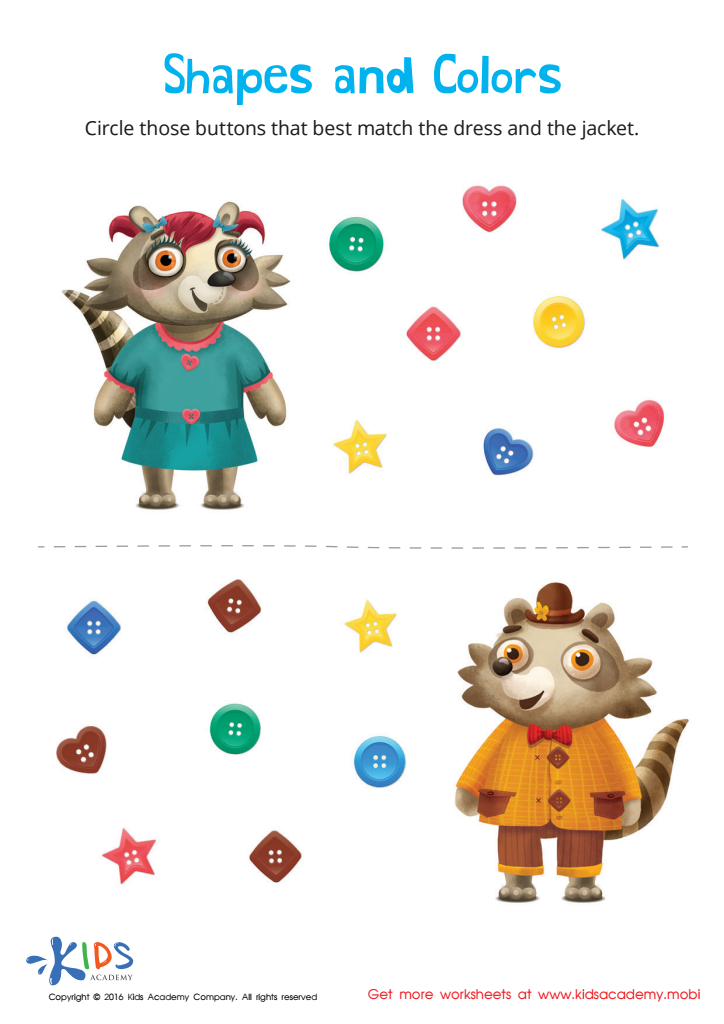
Matching: Shapes and Colors Worksheet
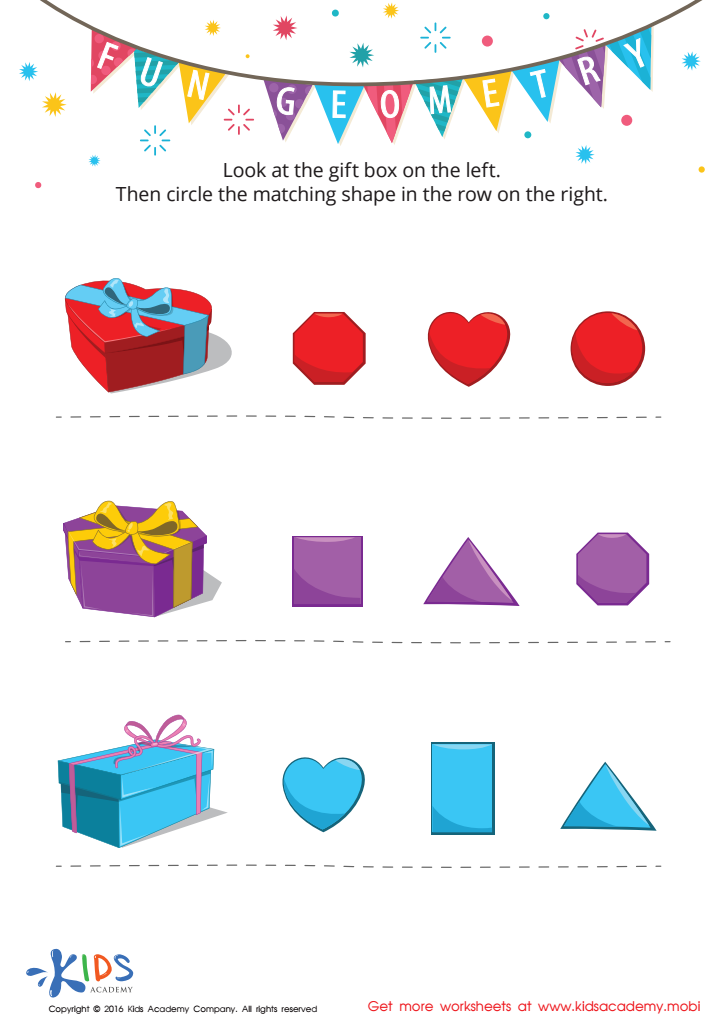
Fun Geometry Worksheet
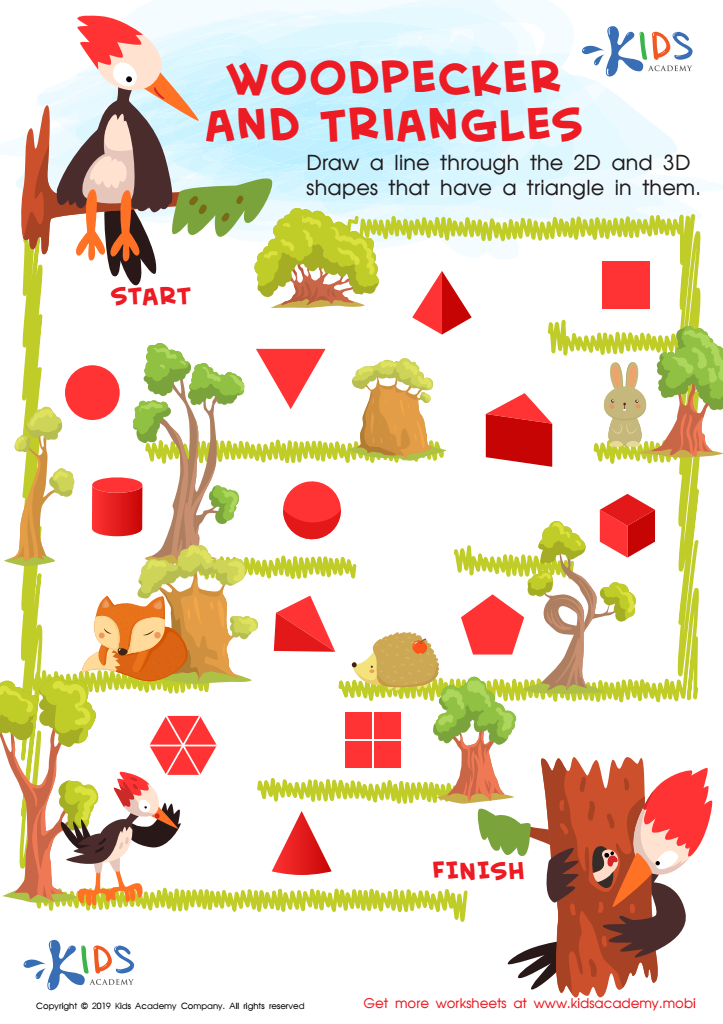
Woodpecker and Triangles Worksheet
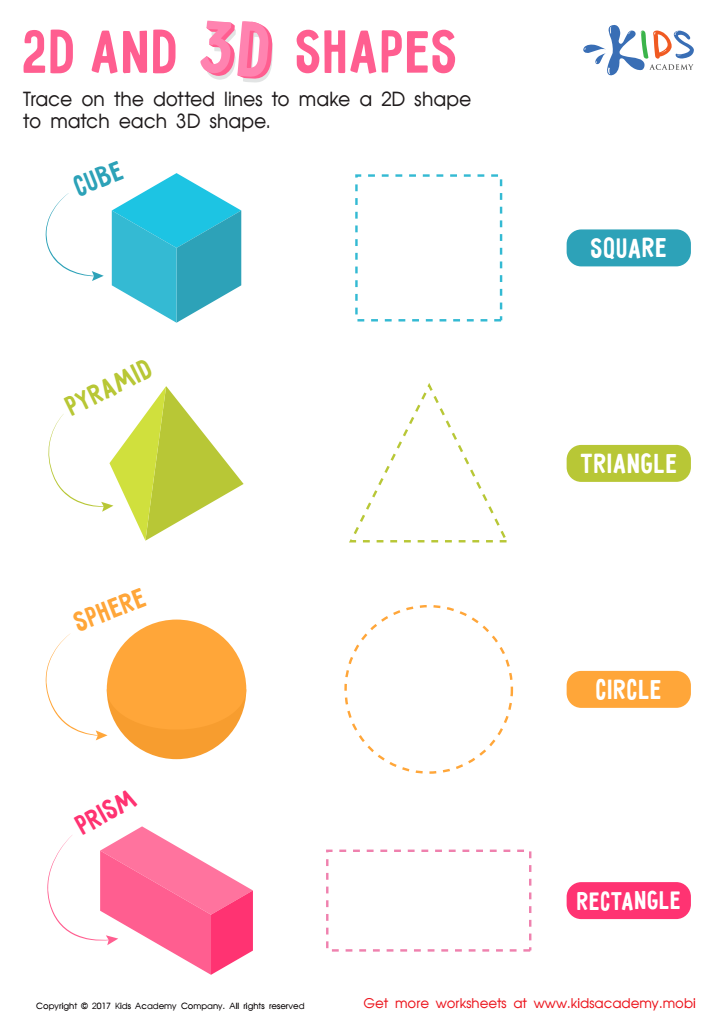
2D and 3D Shapes Worksheet
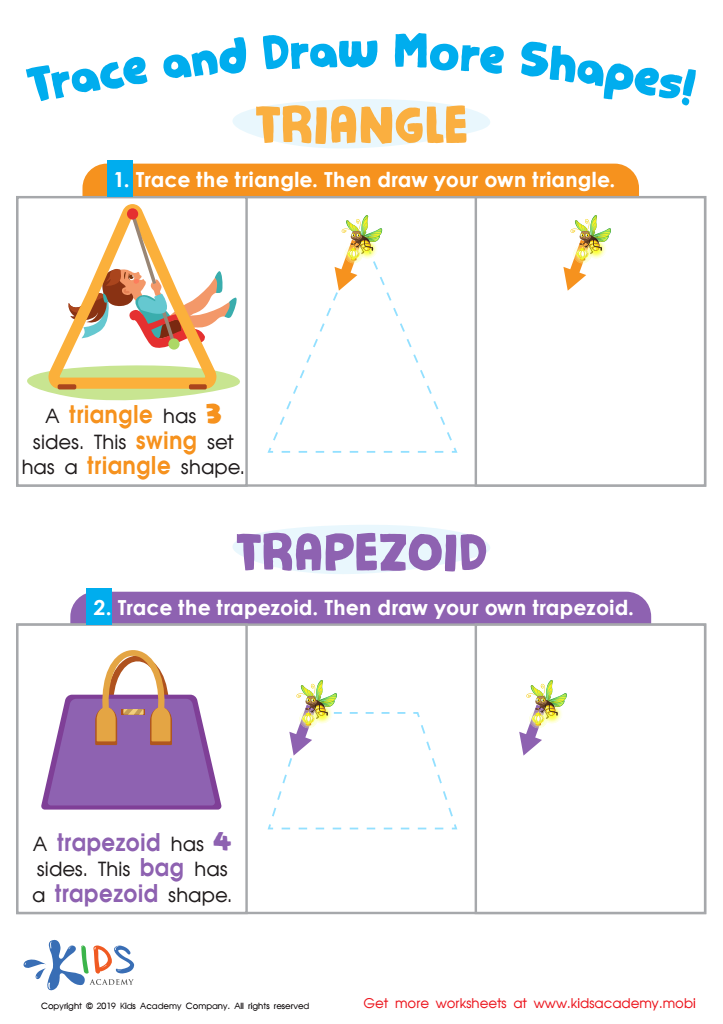
Trace and Draw More Shapes Worksheet
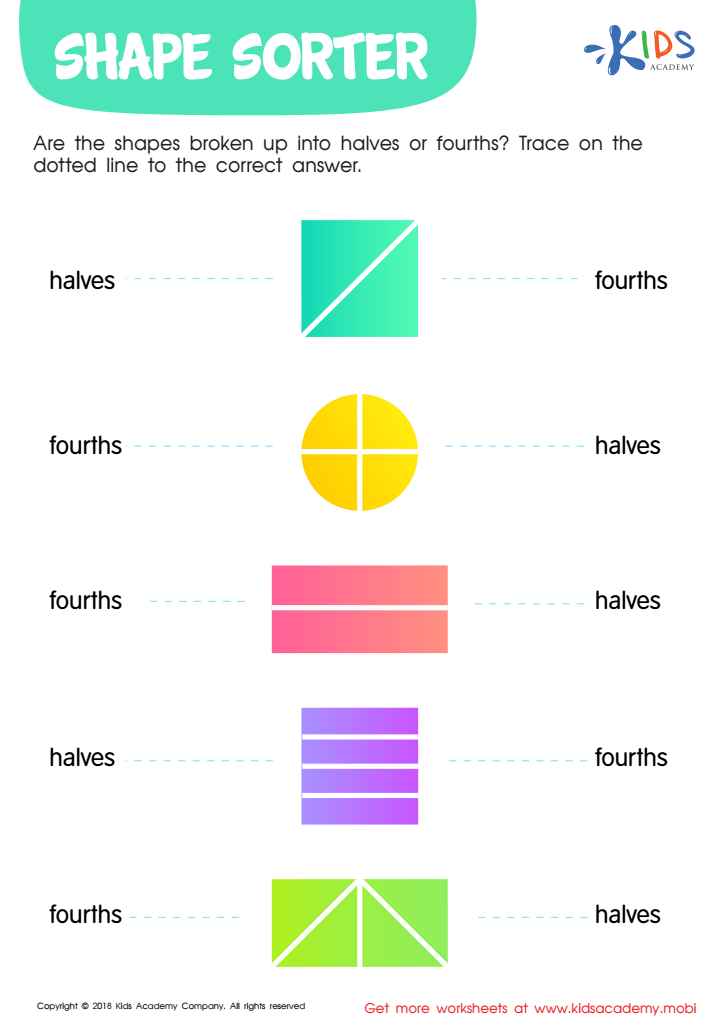
Shape Sorter Worksheet
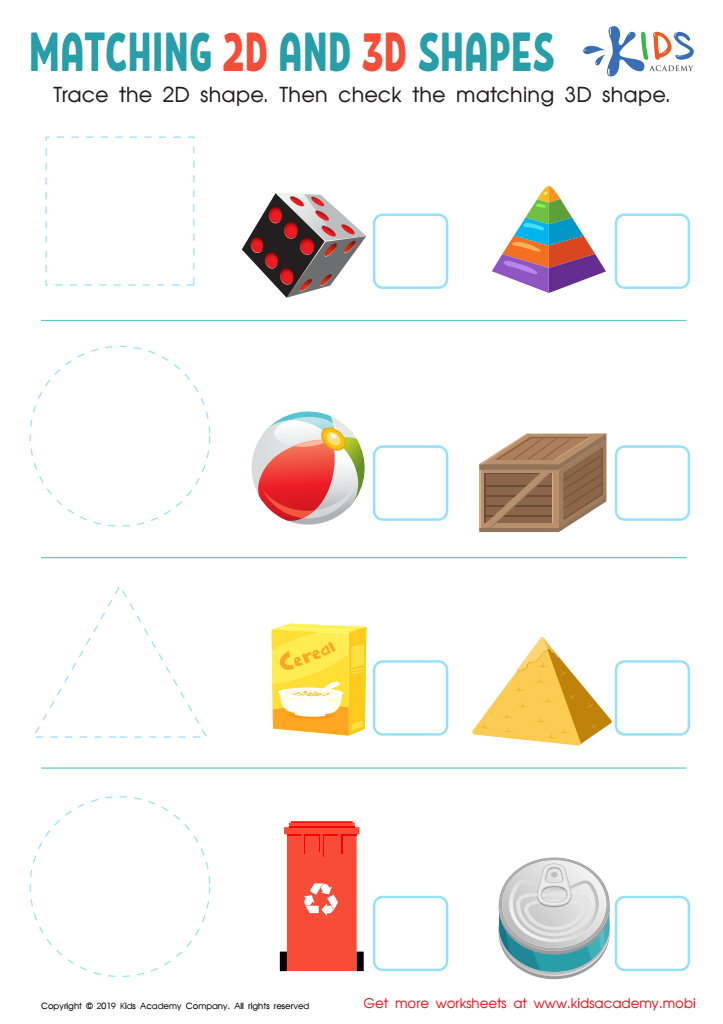
Matching 2D and 3D Shapes Worksheet
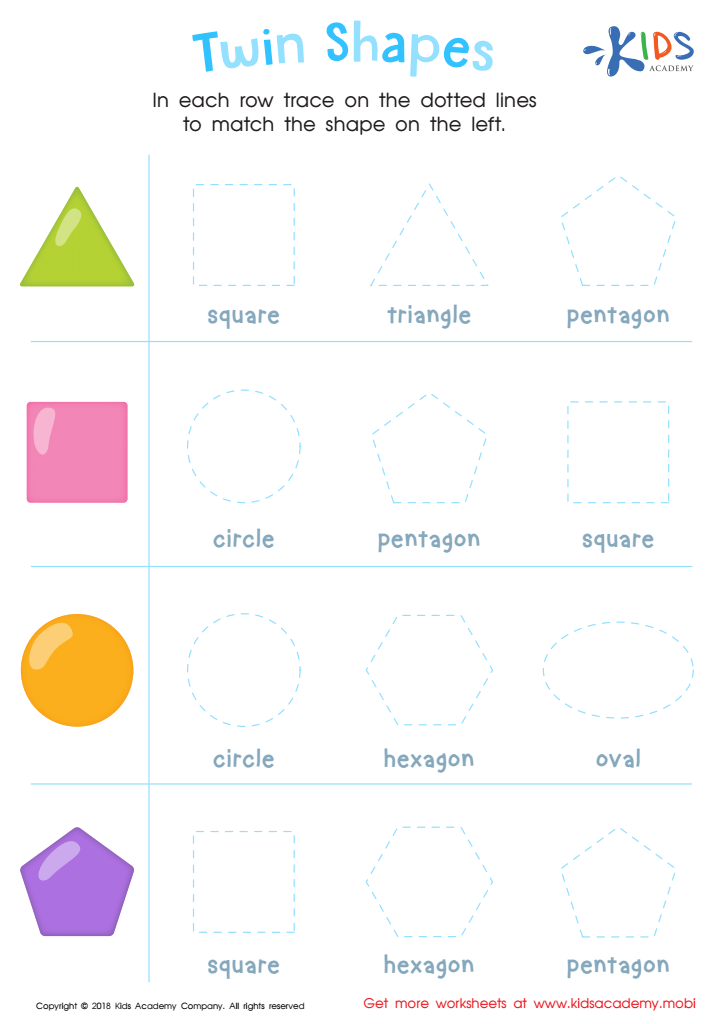
Twin Shapes Dot-to-Dot Worksheet
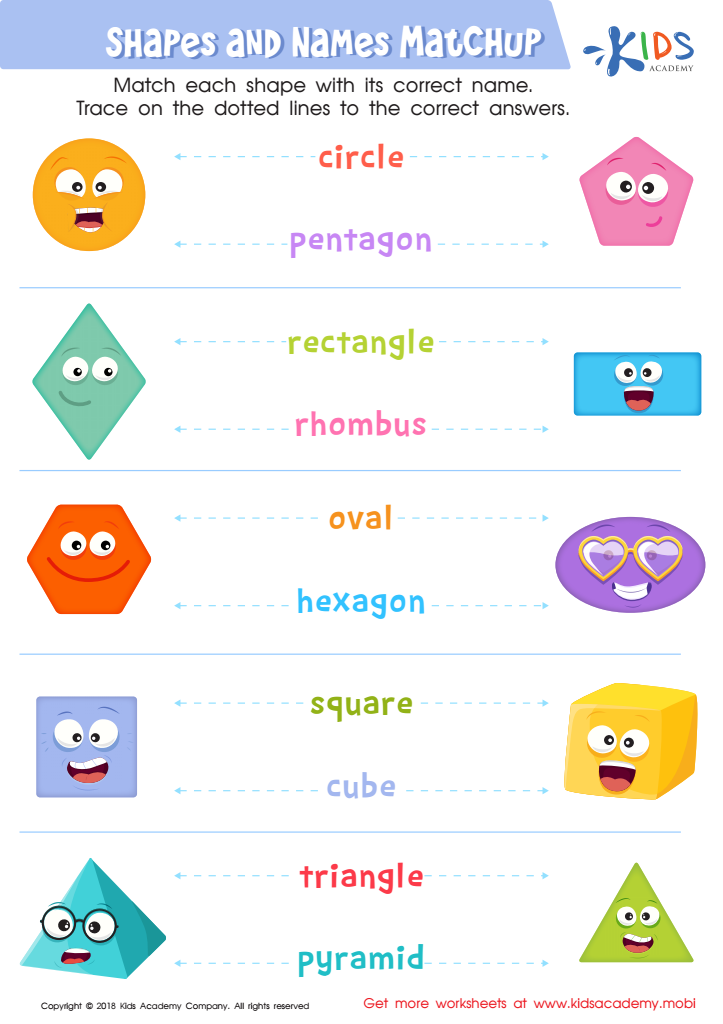
Shapes and Names Matchup Worksheet
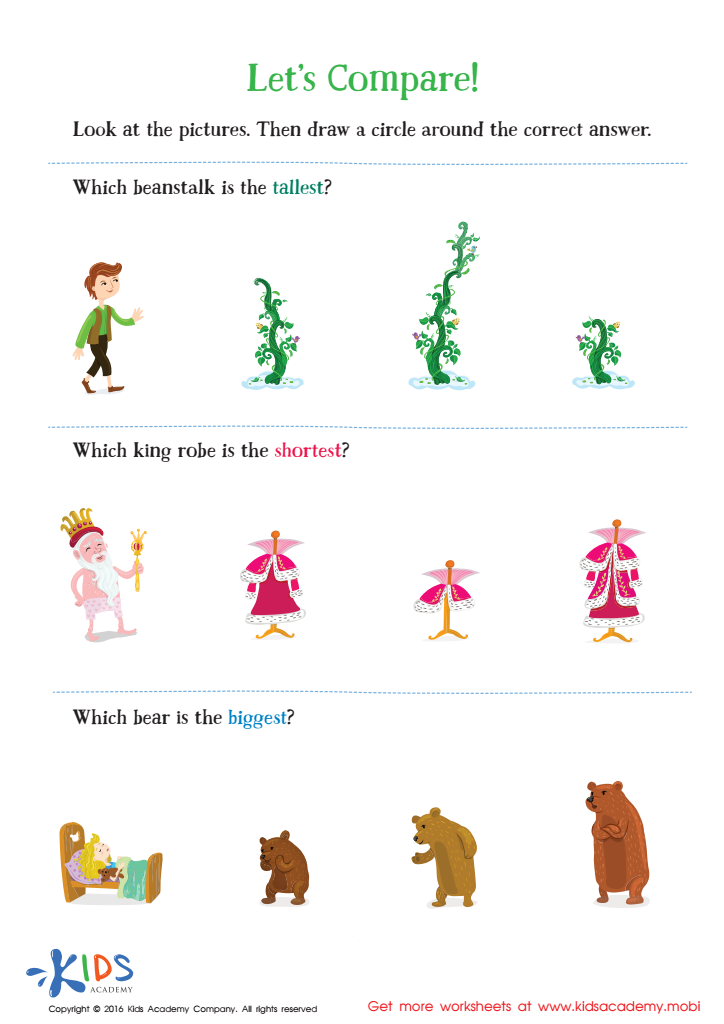
Fairy Tale Worksheet: Let's Compare








Shape recognition is crucial for young children aged 5-8 as it serves as a foundational skill in mathematics and spatial awareness. Engaging in shape recognition challenges during this age can significantly enhance a child's cognitive development, problem-solving abilities, and critical thinking skills. These challenges encourage children to identify, compare, and classify different geometric shapes, fostering an early appreciation for mathematics.
Moreover, shape recognition is intertwined with literacy skills; understanding shapes helps children make sense of letters and numbers. By incorporating extra challenges, parents and teachers can provide opportunities for enrichment beyond the typical curriculum, ensuring that children who grasp the concepts quickly remain engaged and challenged.
Encouraging children to explore shapes through fun activities also supports their creativity and fine motor skills, essential for future academic success. Furthermore, mastery of shape recognition lays the groundwork for more complex mathematical concepts, such as symmetry, patterns, and spatial reasoning.
Ultimately, participating in Shape Recognition Extra Challenges creates an engaging environment that promotes kinesthetic learning, boosts self-confidence, and nurtures a lifelong love of learning. For parents and teachers, investing in these challenges means setting children up for future success both inside and outside the classroom.








