Number Recognition Extra Challenge Addition & Subtraction Worksheets for Ages 5-8
31 filtered results
-
From - To
Elevate your child's math journey with our Number Recognition Extra Challenge Addition & Subtraction Worksheets designed for ages 5-8! These engaging worksheets not only reinforce essential addition and subtraction skills but also enhance number recognition. Perfect for aspiring young mathematicians, each activity is a fun mix of learning and creativity, ensuring that kids grasp foundational concepts through practice. With varying difficulty levels, these worksheets provide tailored challenges suitable for every learner. Foster confidence and a love for math while helping your child build a solid mathematical foundation. Explore our vibrant, printable resources today and watch their skills flourish!
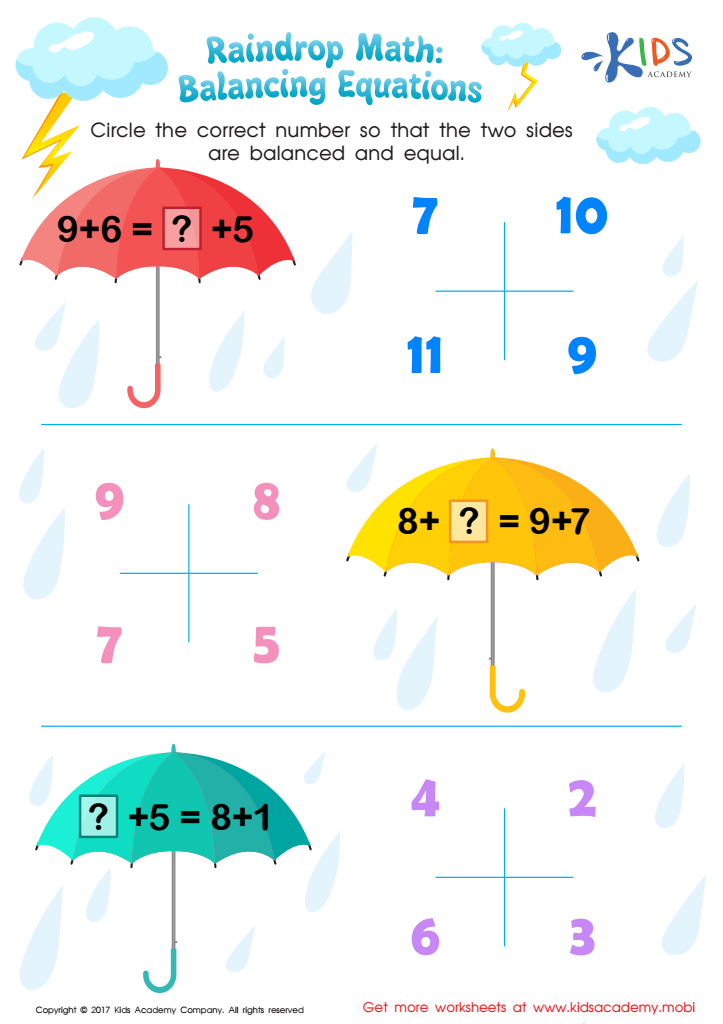
Raindrop Math Printable
 Assign to My Students
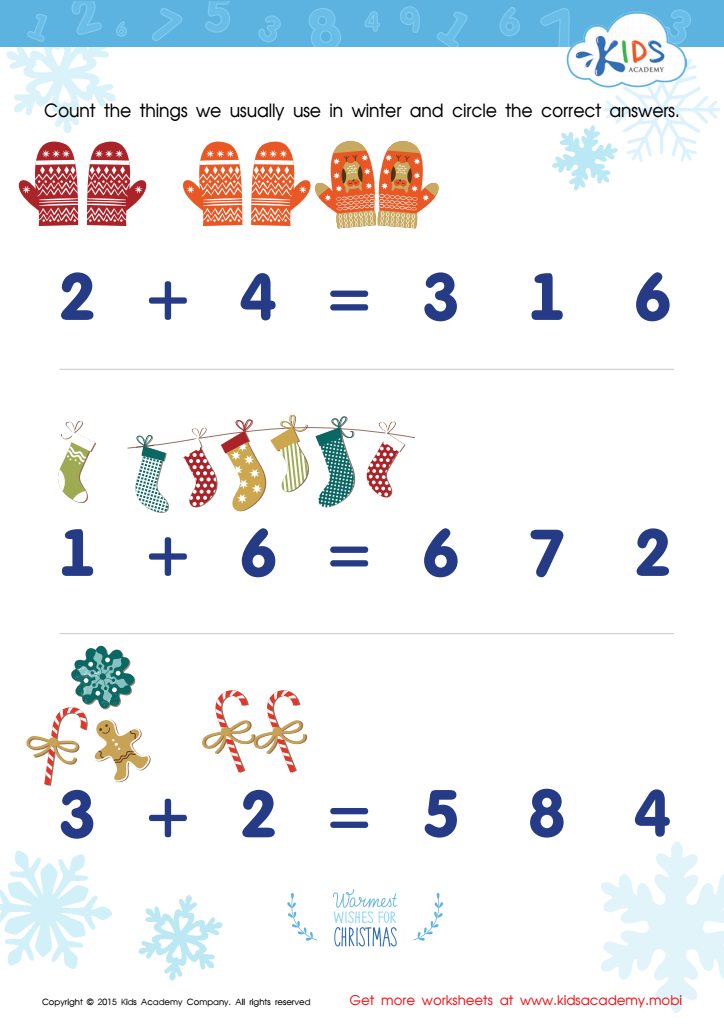
Count Winter Things Worksheet
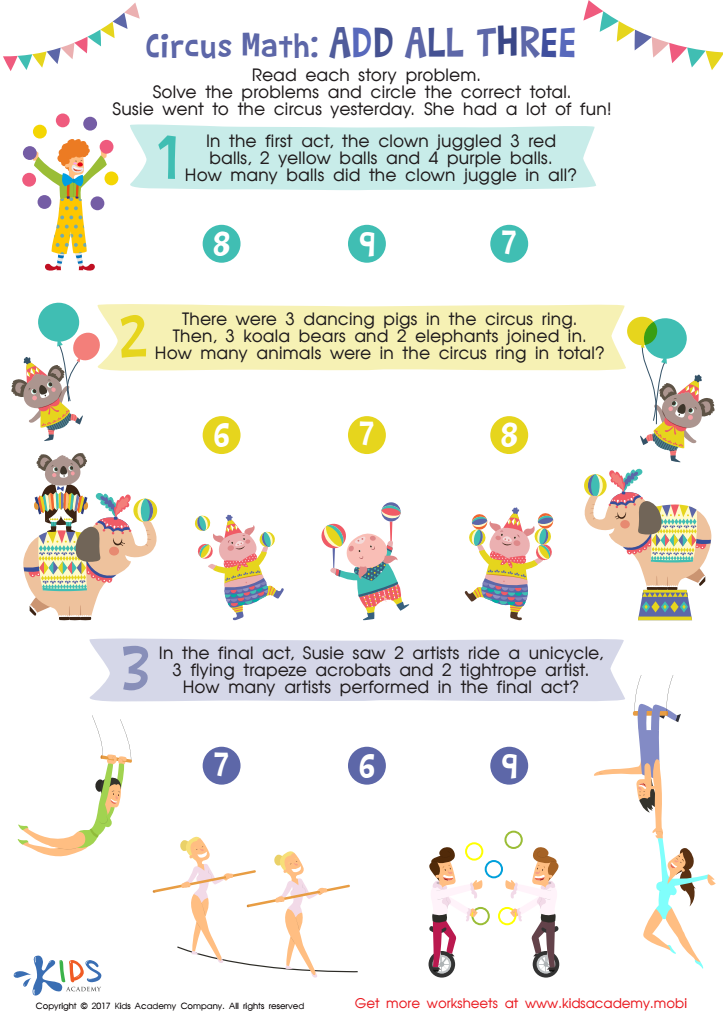
Circus Math Printable
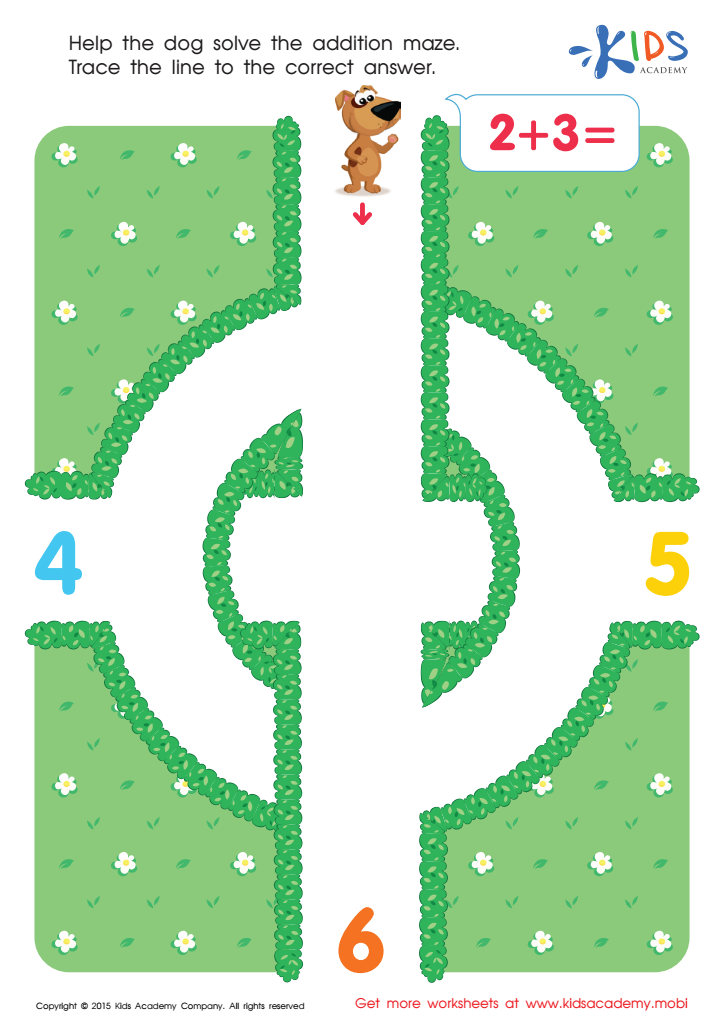
Two And Three Addition Worksheet
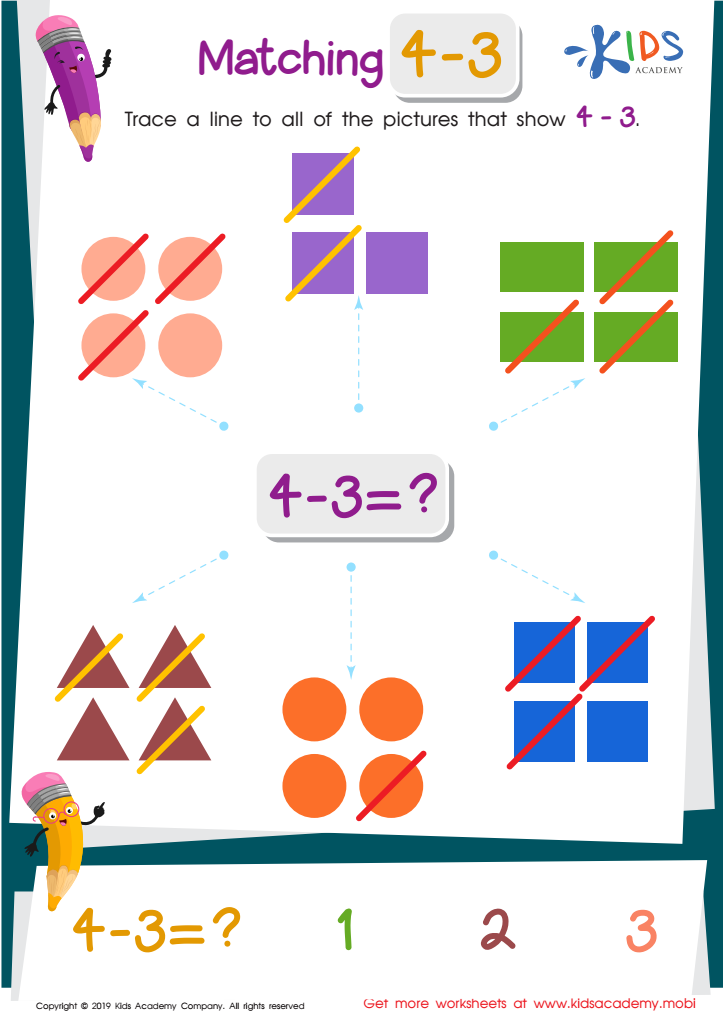
Matching 4 – 3 Worksheet
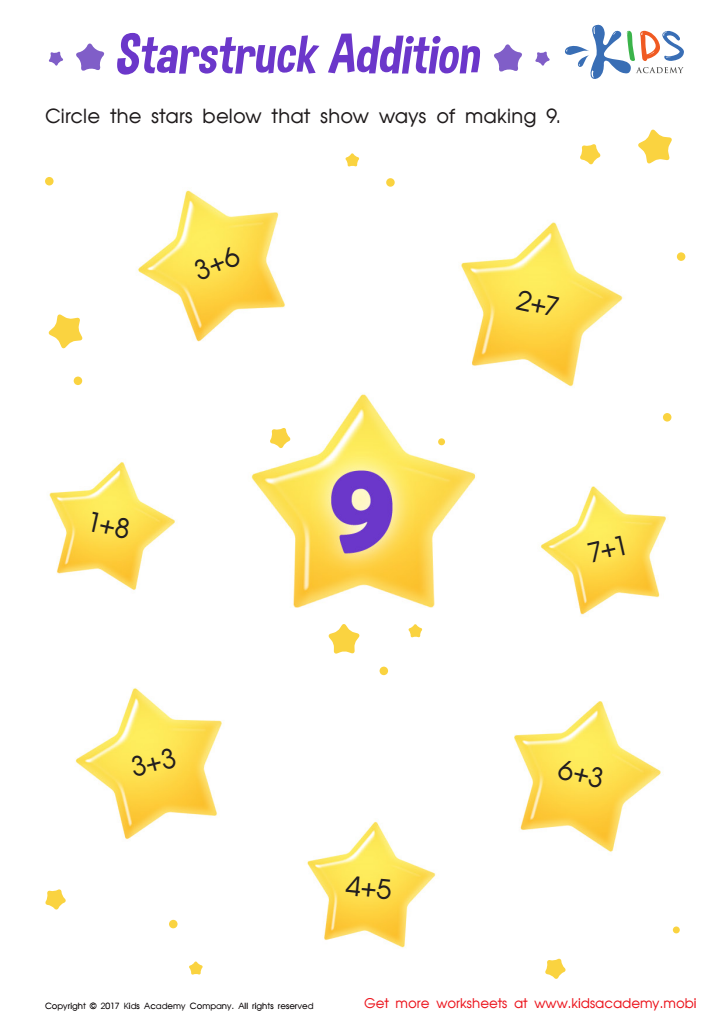
Starstruck Addition Printable
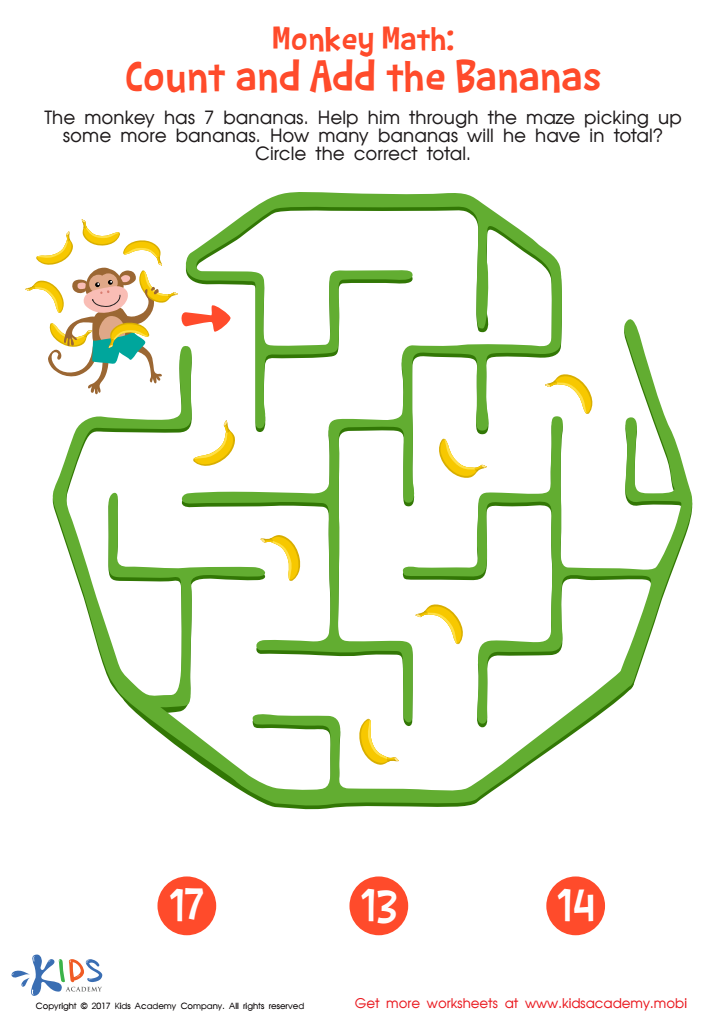
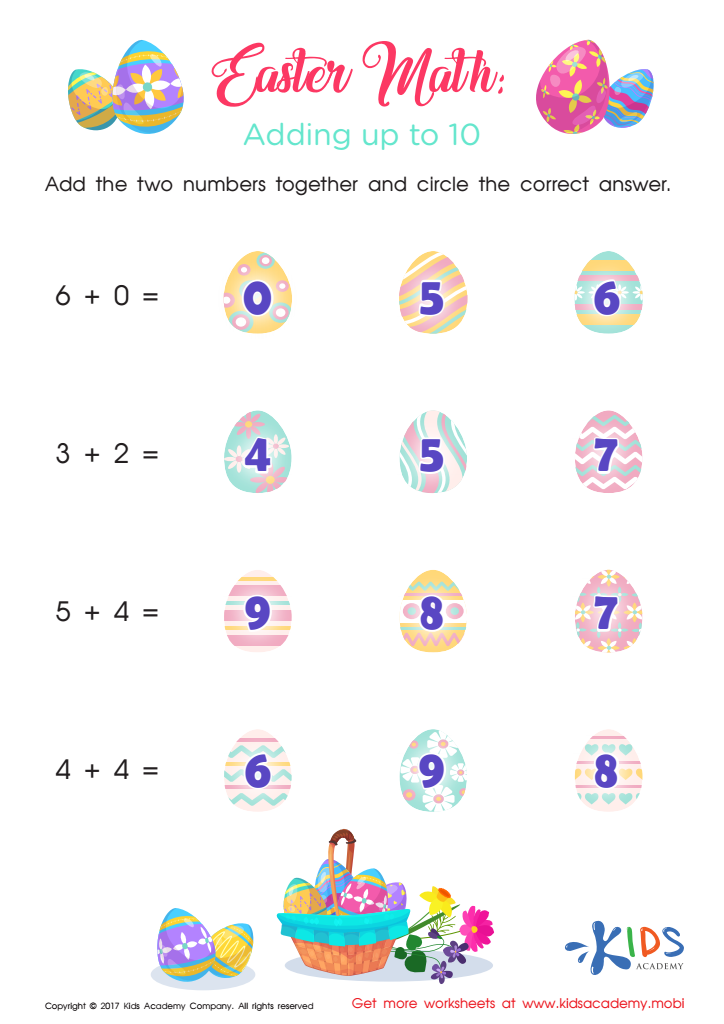
Addition Up To 10 Worksheet
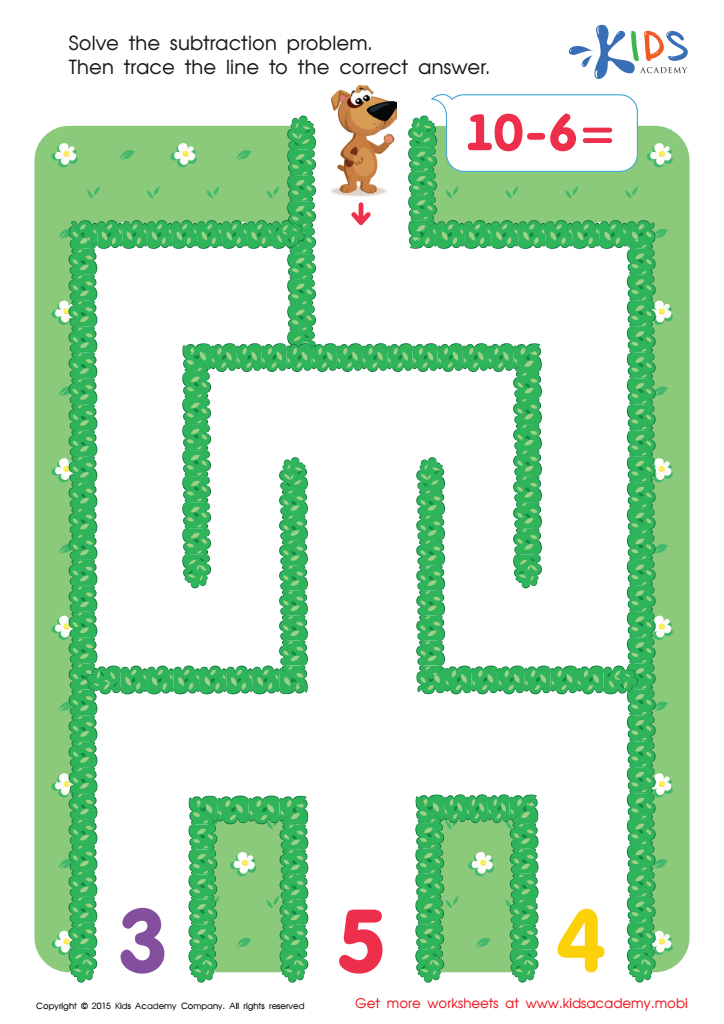
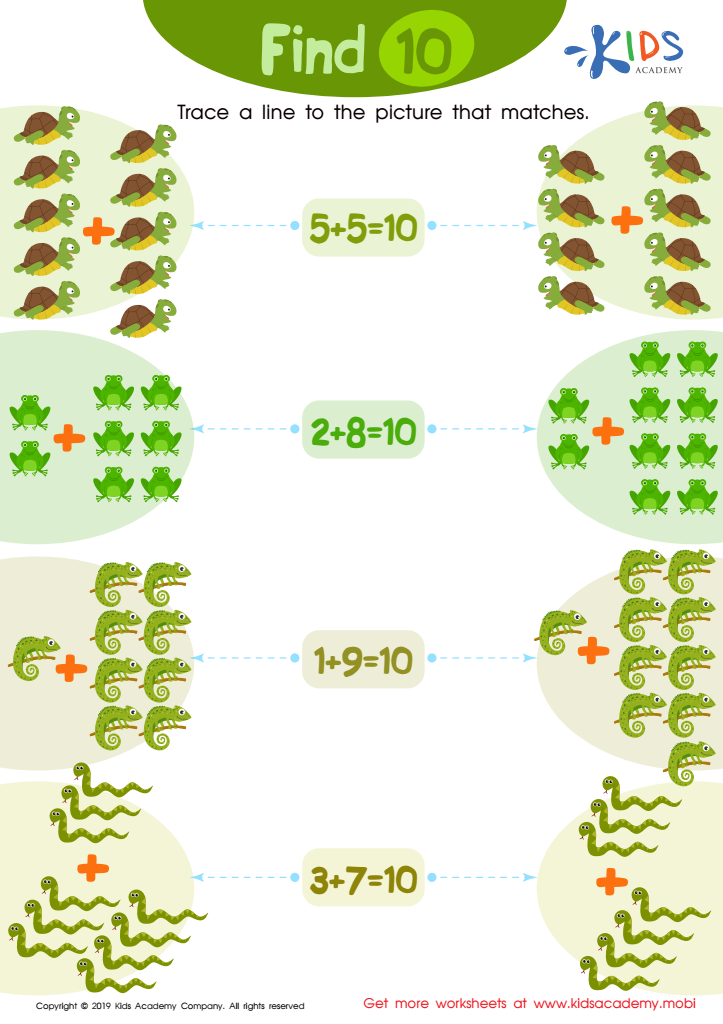
Find 10 Worksheet
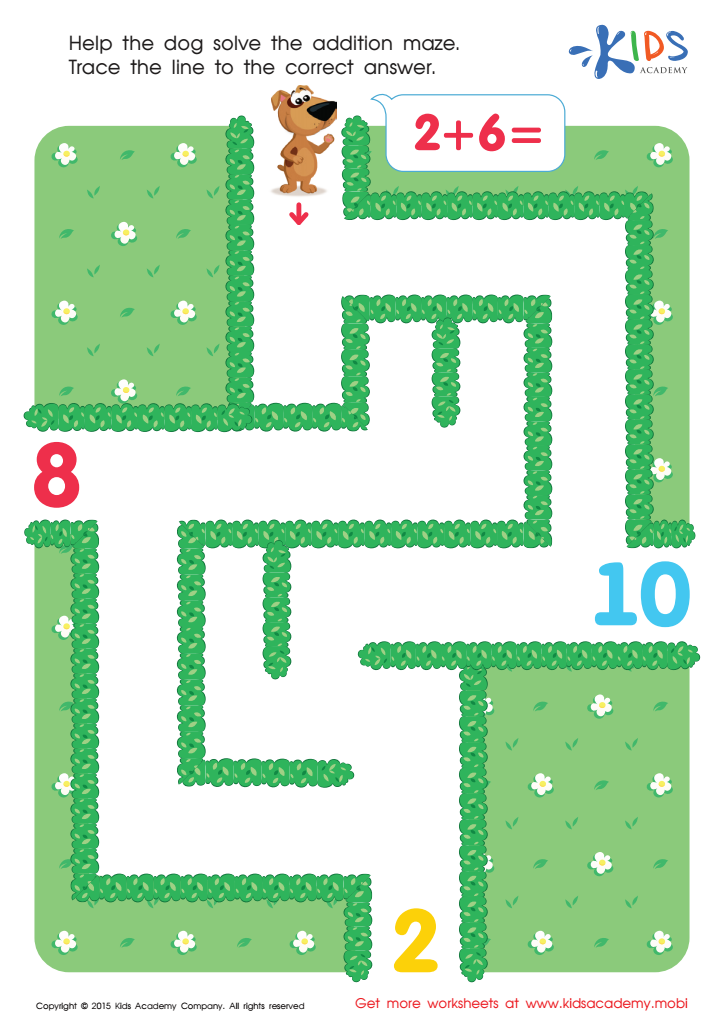
Two Plus Six Addition Worksheet
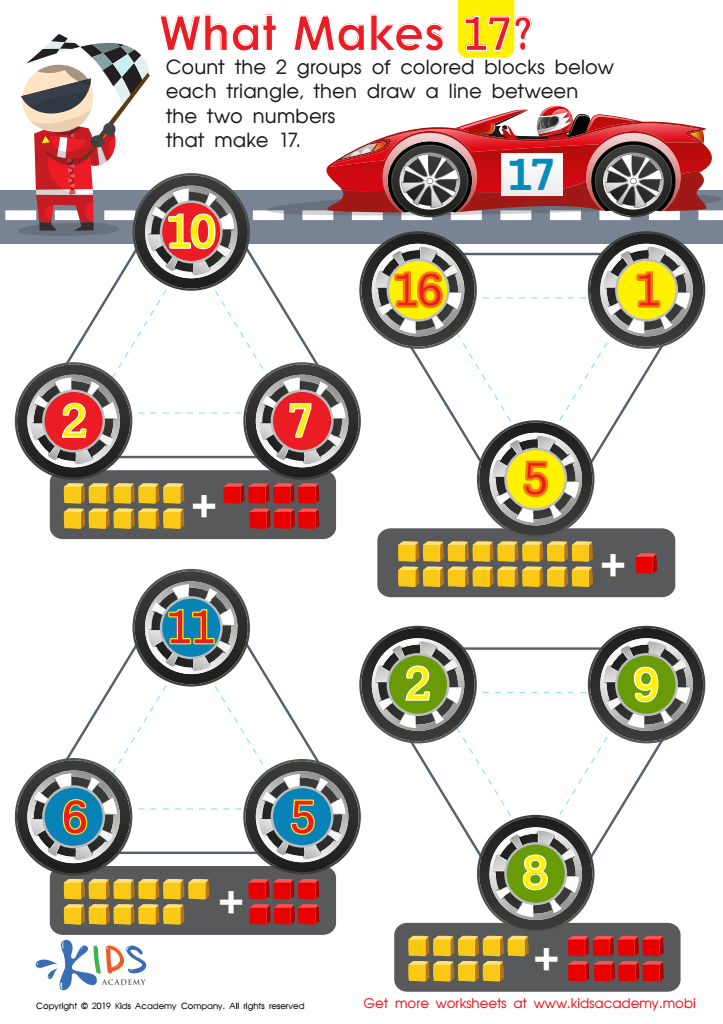
What Makes 17 Worksheet
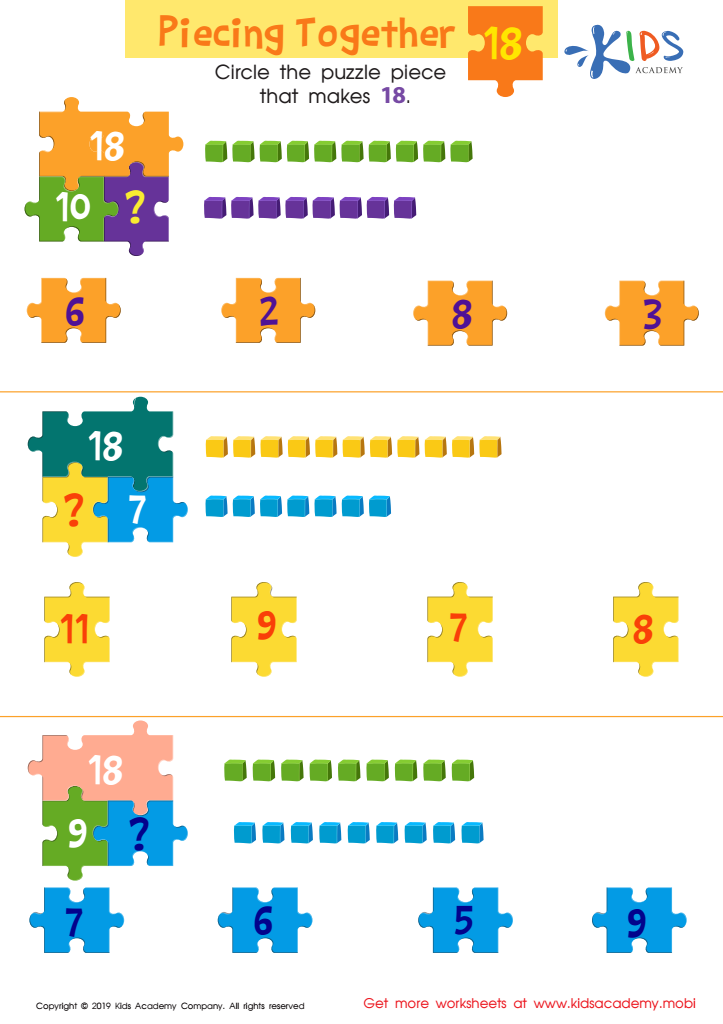
Piecing Together 18 Worksheet
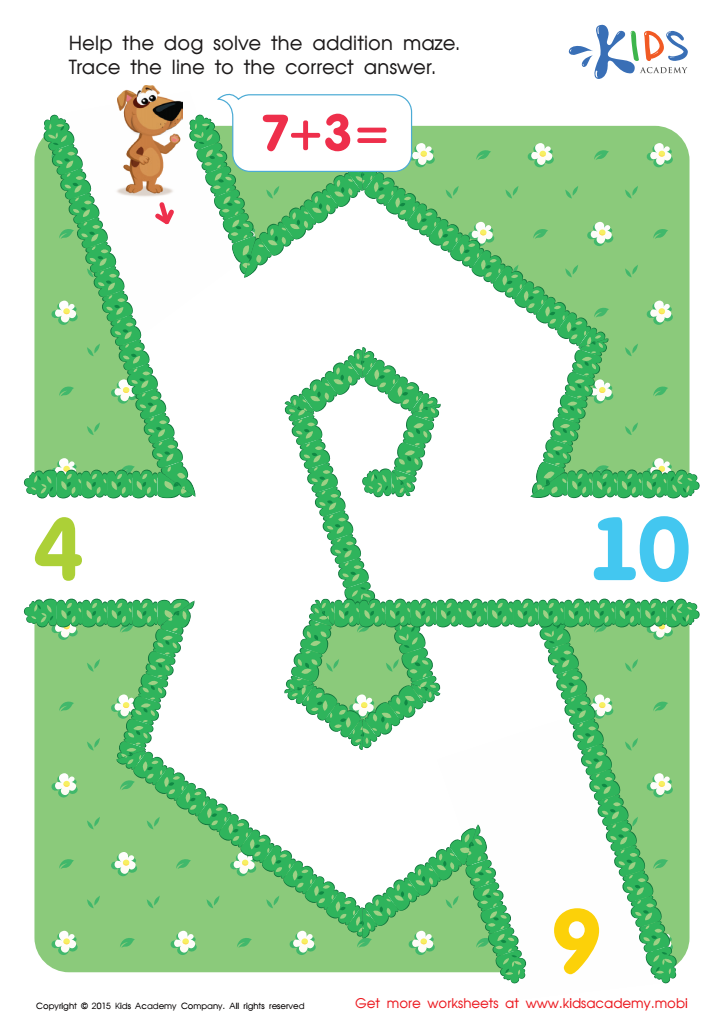
Seven Plus Three Worksheet
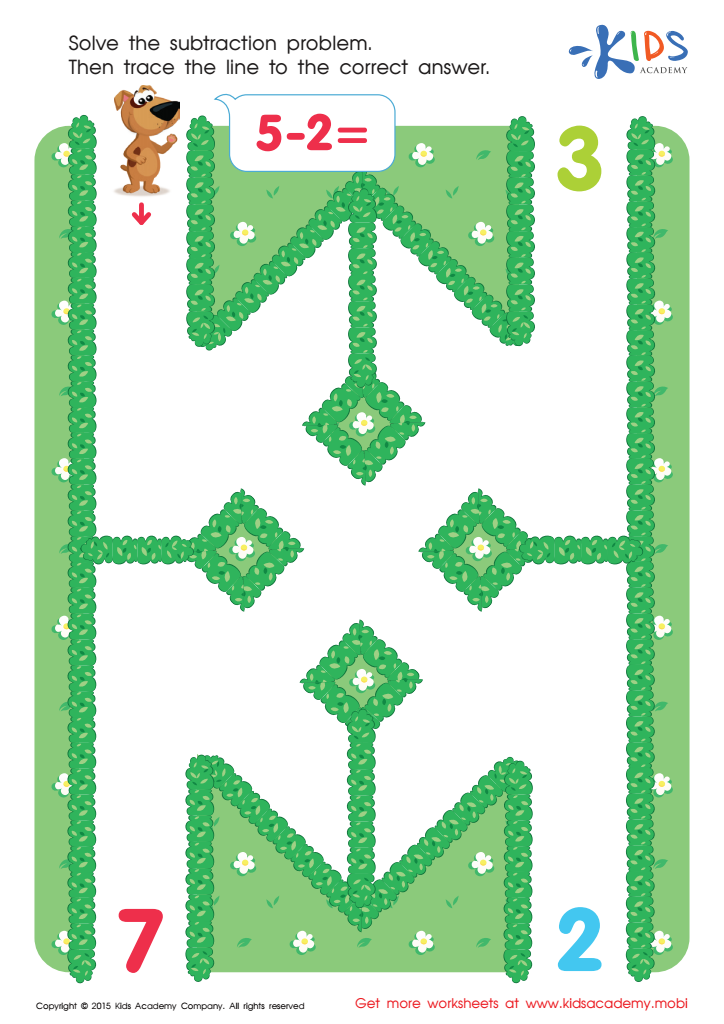
Five Minus Two Worksheet
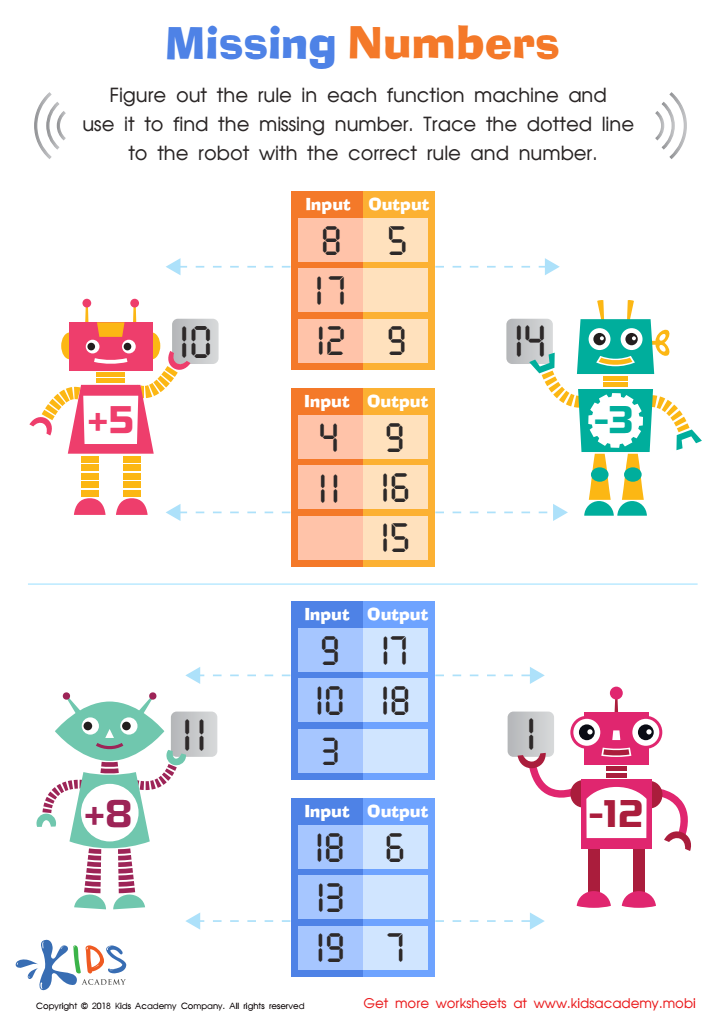
Missing Numbers Worksheet
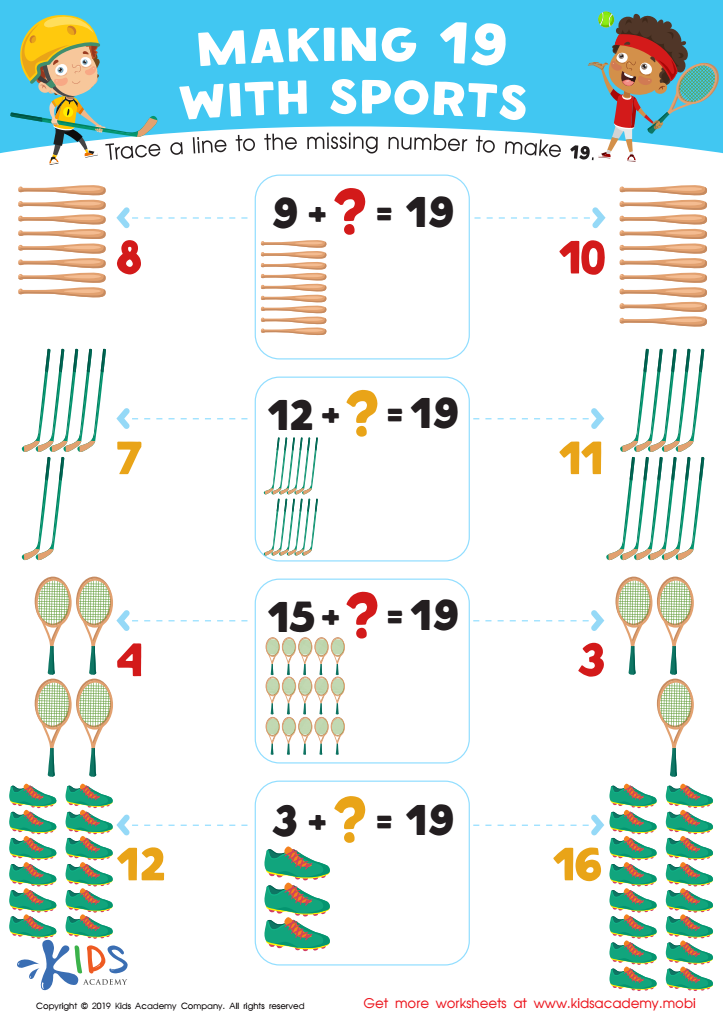
Making 19 with Sports Worksheet
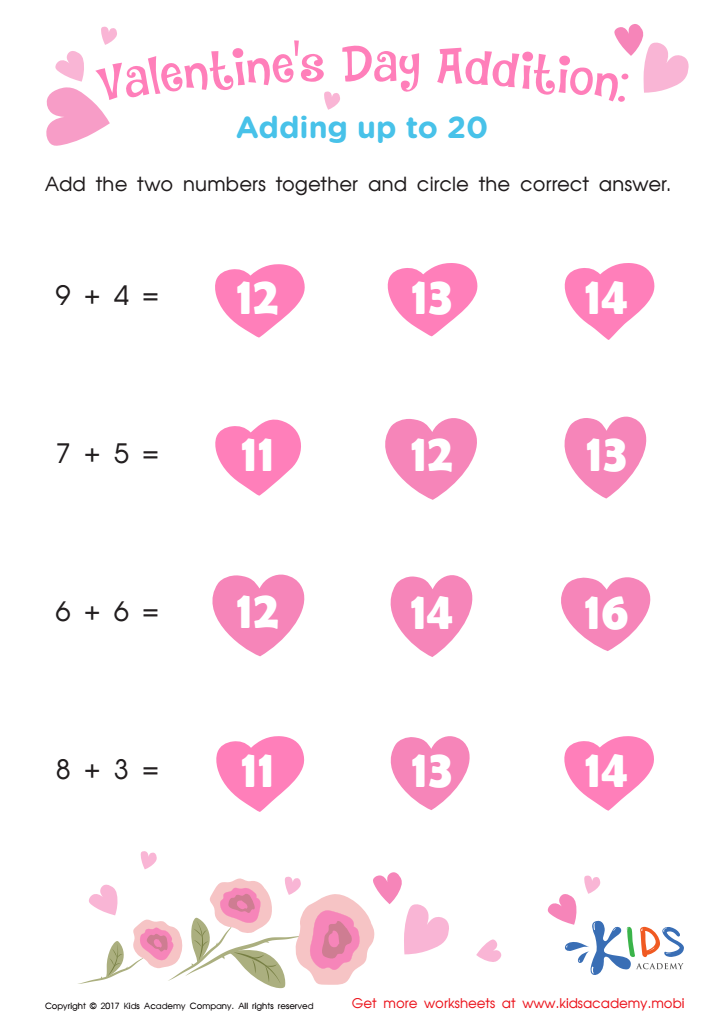
Valentine's Day Addition Worksheet
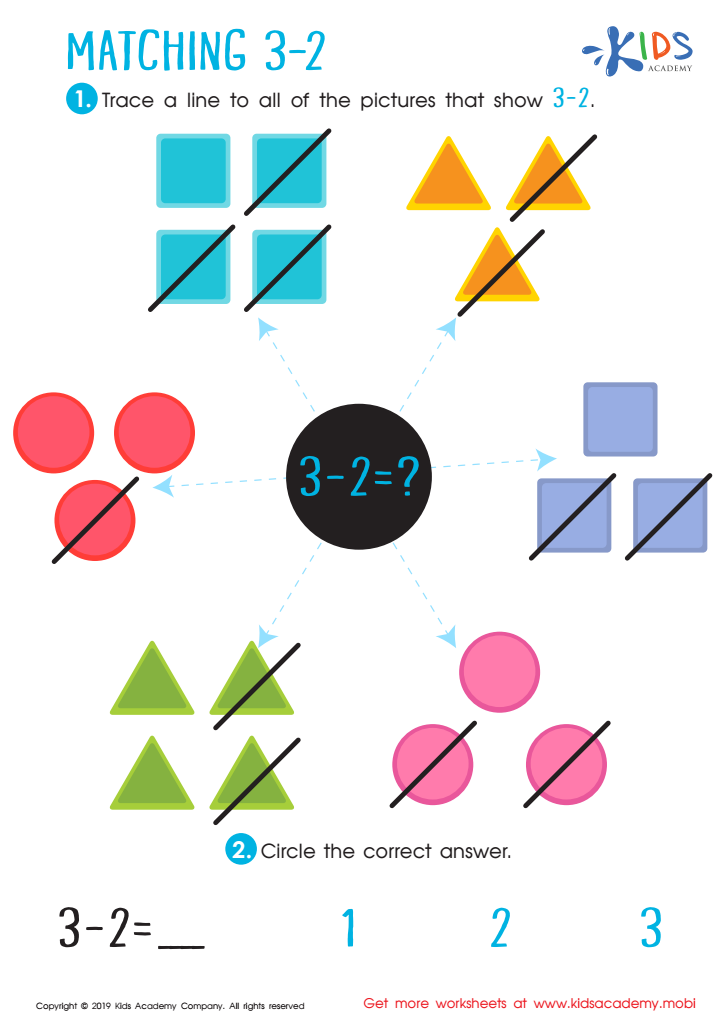
Matching 3-2 Worksheet
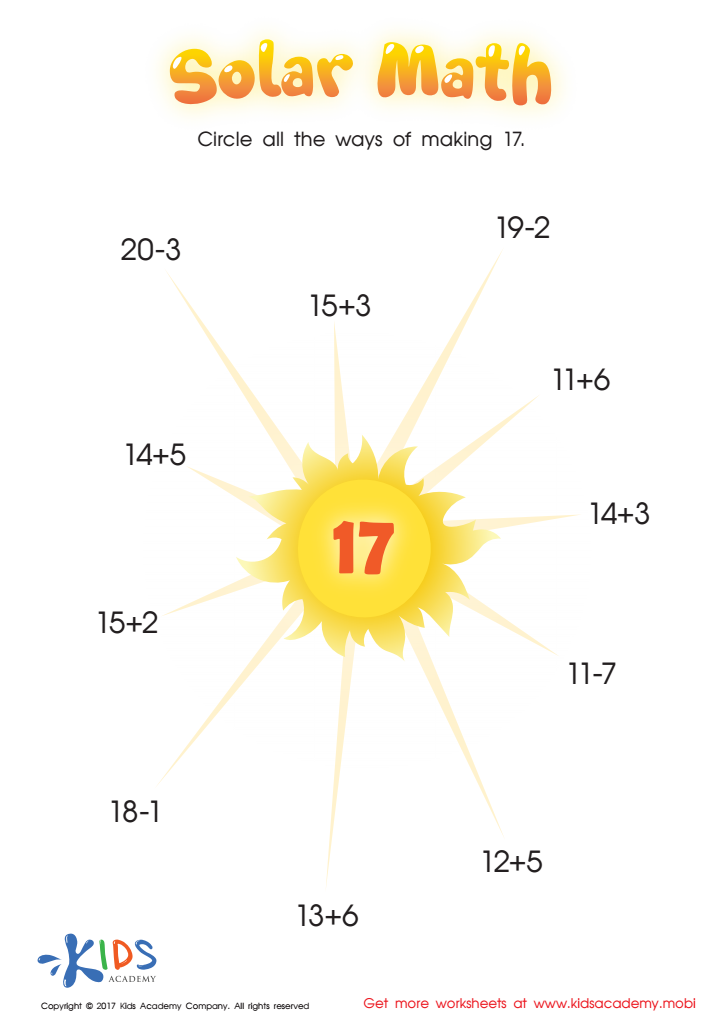
Solar Math Substraction Worksheet
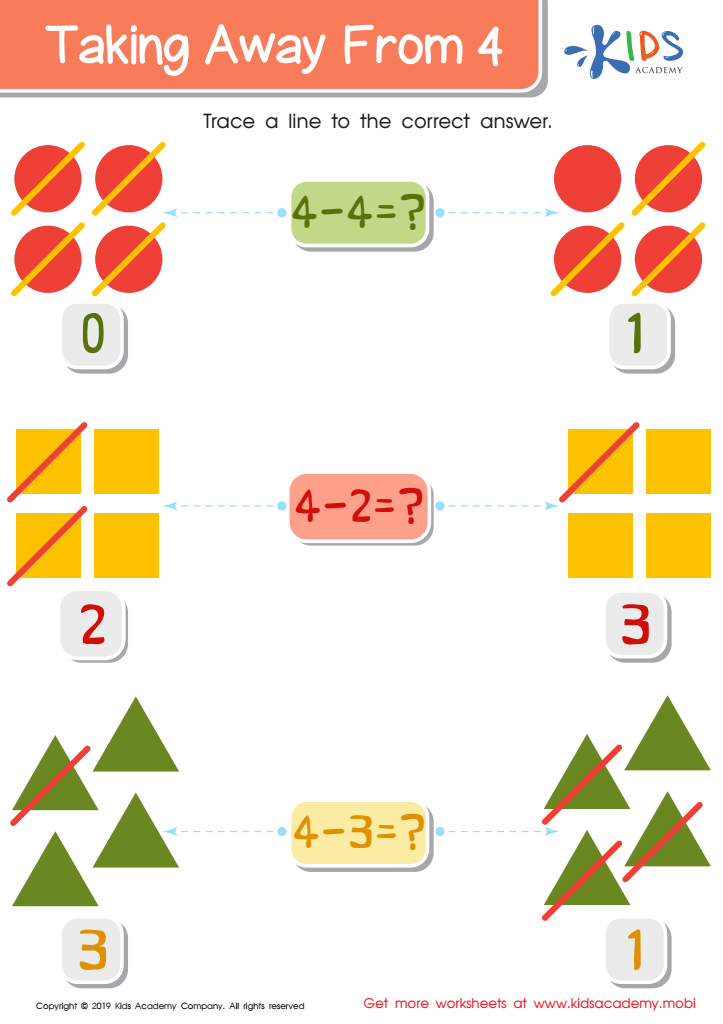
Taking Away from 4 Worksheet
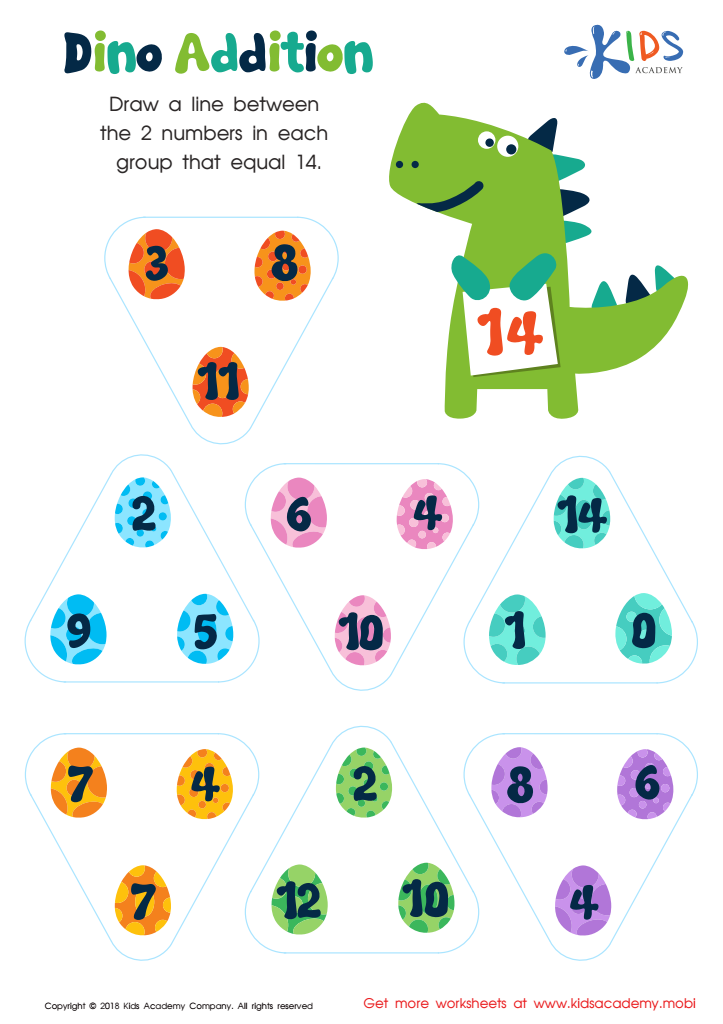
Dino Addition Worksheet
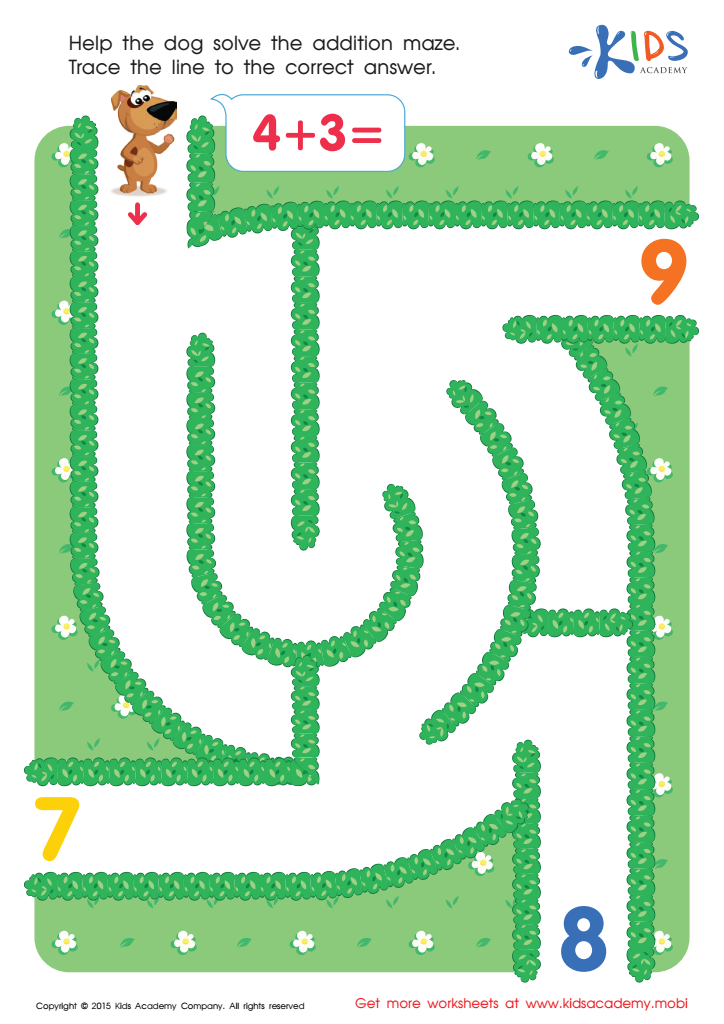
Addition Four And Three Worksheet








Number recognition and the ability to perform added challenges like extra addition and subtraction tasks are foundational skills crucial for children aged 5 to 8. These skills serve as stepping stones for more advanced mathematical concepts. When children can recognize numbers, they gain confidence in identifying quantities and beginning to understand the relationships between them.
Engaging students in extra challenges enhances critical thinking and problem-solving abilities, fostering a growth mindset. Such exercises encourage perseverance and the joy of problem-solving, teaching children to approach challenges in a positive, constructive manner. Parents and teachers who emphasize number recognition and foundational math skills help children build valuable cognitive skills that extend beyond mathematics, including logical reasoning and analytical thinking.
Moreover, early mastery of addition and subtraction prepares students for future success in math-related subjects, affecting their confidence and performance in school. Developing these skills now sets a strong foundation for standardized testing, real-life applications, and future academic pursuits. Therefore, parents and teachers must encourage number recognition and challenges, paving the way for both immediate comprehension and long-term educational achievement. Ultimately, fostering these essential skills aligns with a broader goal: preparing creative thinkers who are confident in their abilities to navigate the world around them.








