Understanding fractions Extra Challenge Addition & Subtraction Worksheets for Ages 5-8
4 filtered results
-
From - To
Welcome to our "Understanding Fractions Extra Challenge Addition & Subtraction Worksheets" tailored for children ages 5-8! These engaging and interactive worksheets are designed to reinforce essential math skills by introducing young learners to the concepts of fractions, addition, and subtraction. Each activity provides a fun, hands-on approach to understanding how fractions work, making tricky concepts easier to grasp. With vibrant illustrations and easy-to-follow instructions, students can build confidence while challenging themselves with unique problems. Help your child develop a solid foundation in mathematics by integrating these worksheets into their learning routine—perfect for home schooling, tutoring, or supplementary practice!
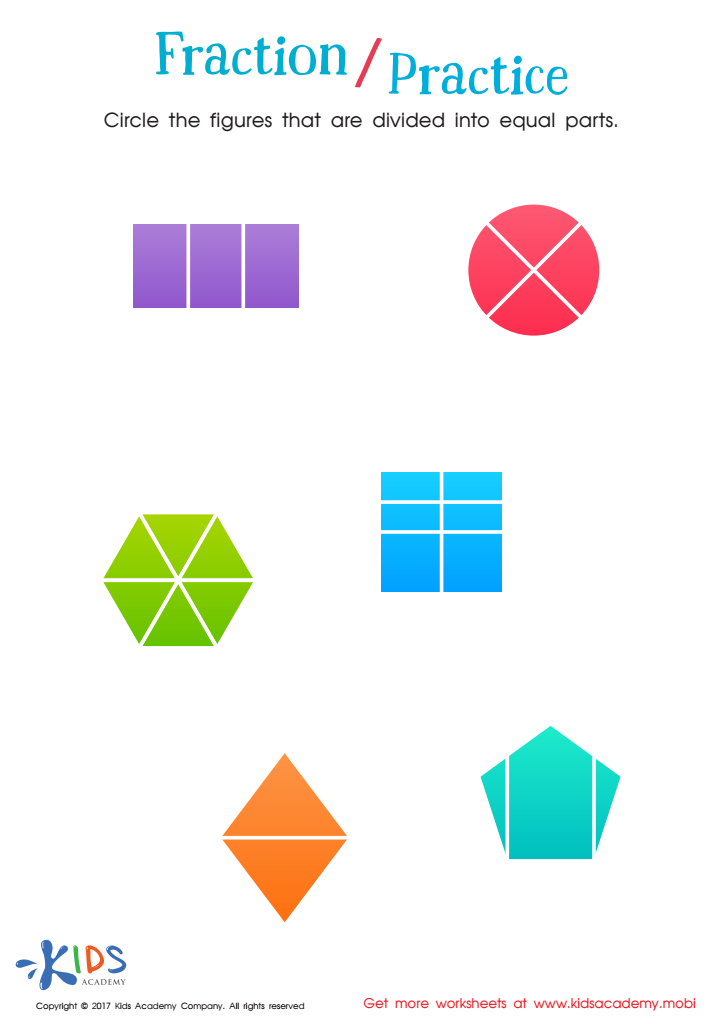
Fractions: Shapes Worksheet
 Assign to My Students
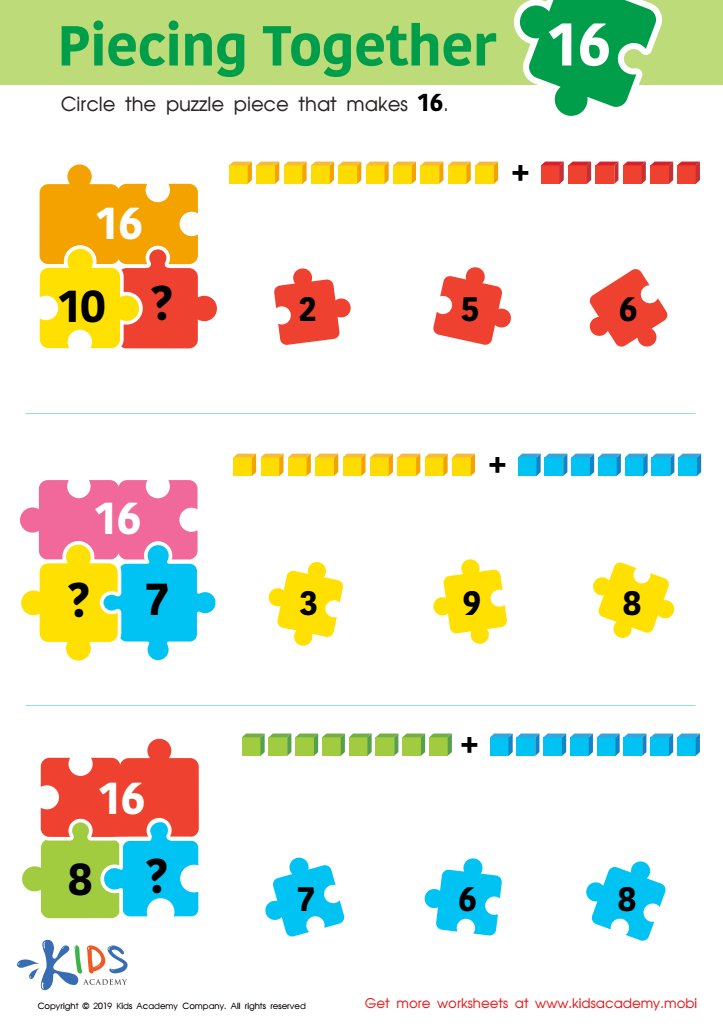
Piecing Together 16 Worksheet
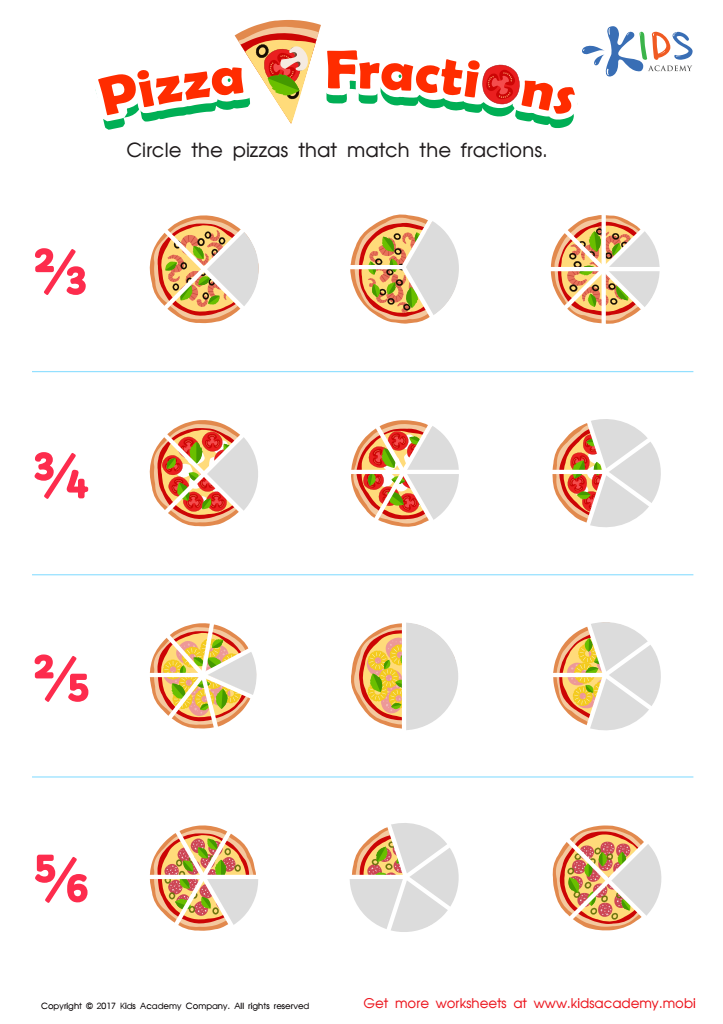
Fractions: Pizza Printable
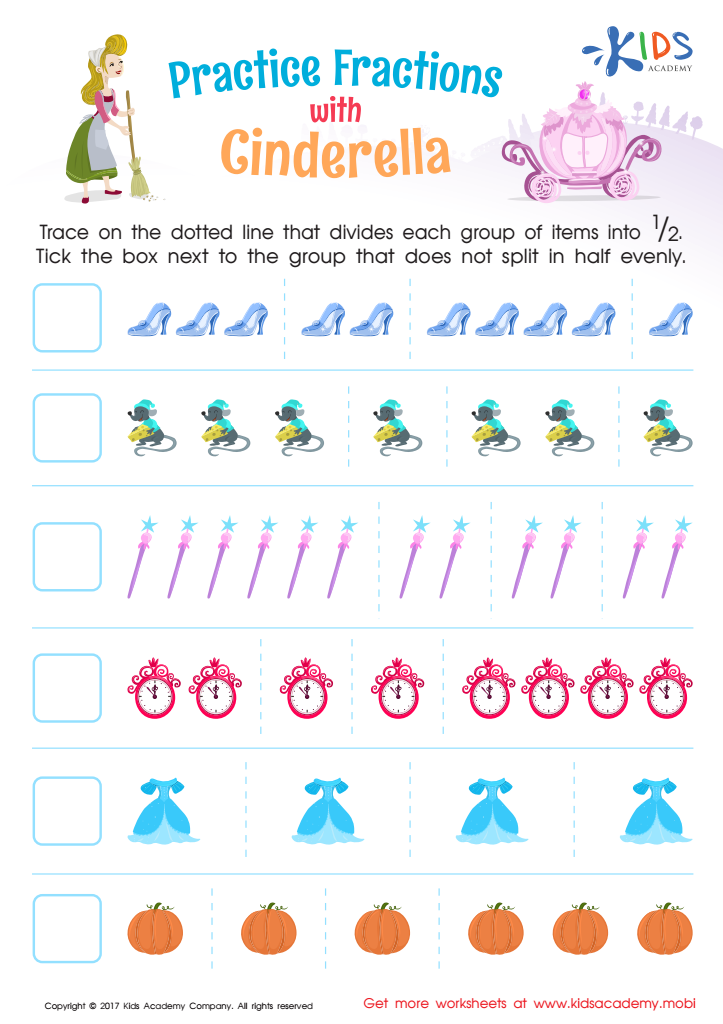
Fractions: Cinderella Printable








Understanding fractions is a fundamental mathematical concept that significantly impacts a child's overall math proficiency and critical thinking skills. For parents and teachers of children aged 5-8, focusing on fractions, including extra challenges related to addition and subtraction, is vital for several reasons.
Firstly, early exposure to fractions helps children develop a strong conceptual framework for more advanced math later on. Fractions appear in everyday life, from sharing pizza slices to measuring ingredients in cooking. By introducing fractions at a young age, parents and teachers enable children to grasp these practical applications.
Additionally, engaging students with extra challenges provides an opportunity for deeper comprehension and fosters a growth mindset. Children learn to approach problems creatively, developing resilience and problem-solving skills. The process of understanding addition and subtraction with fractions can also reinforce earlier concepts in whole numbers, enabling a seamless transition of skills.
Moreover, the foundational knowledge of fractions can enhance a child’s confidence in math, reducing anxiety around the subject. By instilling a solid understanding of fractions early on, parents and teachers can contribute to a lifelong appreciation of mathematics, preparing students for future academic success. Ultimately, investing time in these concepts sets the stage for balanced mathematical development.