Vowel Recognition Extra Challenge Worksheets for 5-Year-Olds
7 filtered results
-
From - To
Boost your child's vowel recognition skills with our "Vowel Recognition Extra Challenge Worksheets for 5-Year-Olds"! Designed for young learners ready to tackle more advanced exercises, these worksheets focus on enhancing phonetic awareness and letter-sound relationships. Each worksheet presents engaging, age-appropriate activities that challenge children to identify and differentiate between vowels. Perfect for both classroom and home practice, these exercises support early reading development and literacy skills. Help your 5-year-old master vowels through fun and educational challenges that make learning an enjoyable adventure. Download and print today to get started on building a strong foundation in reading!
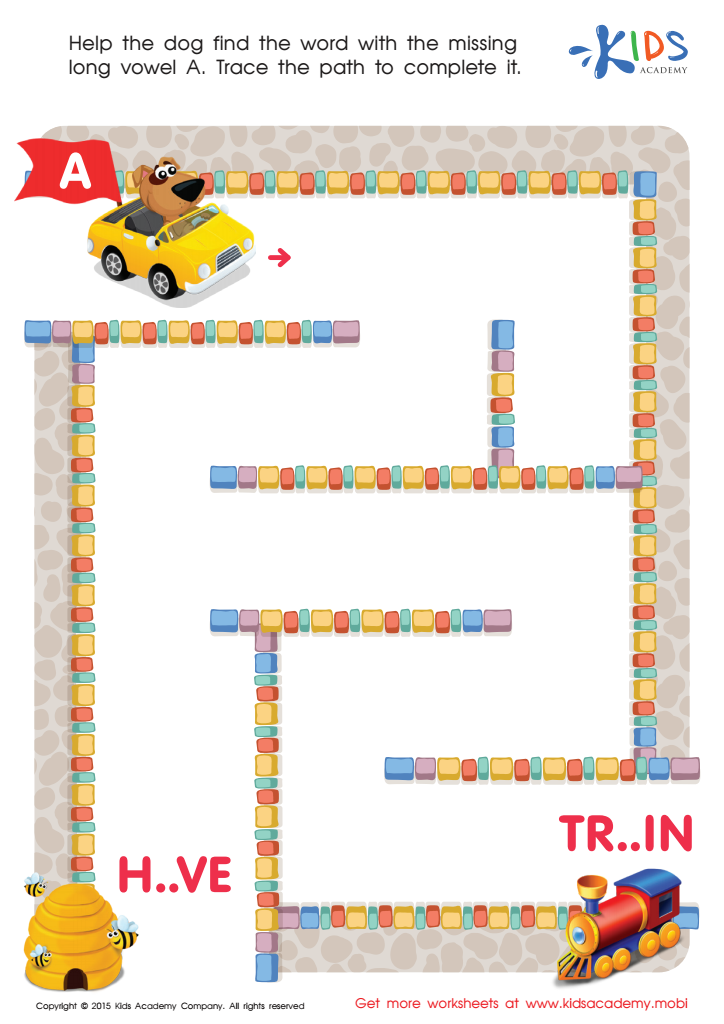
Long Vowel Sound A Worksheet
 Assign to My Students
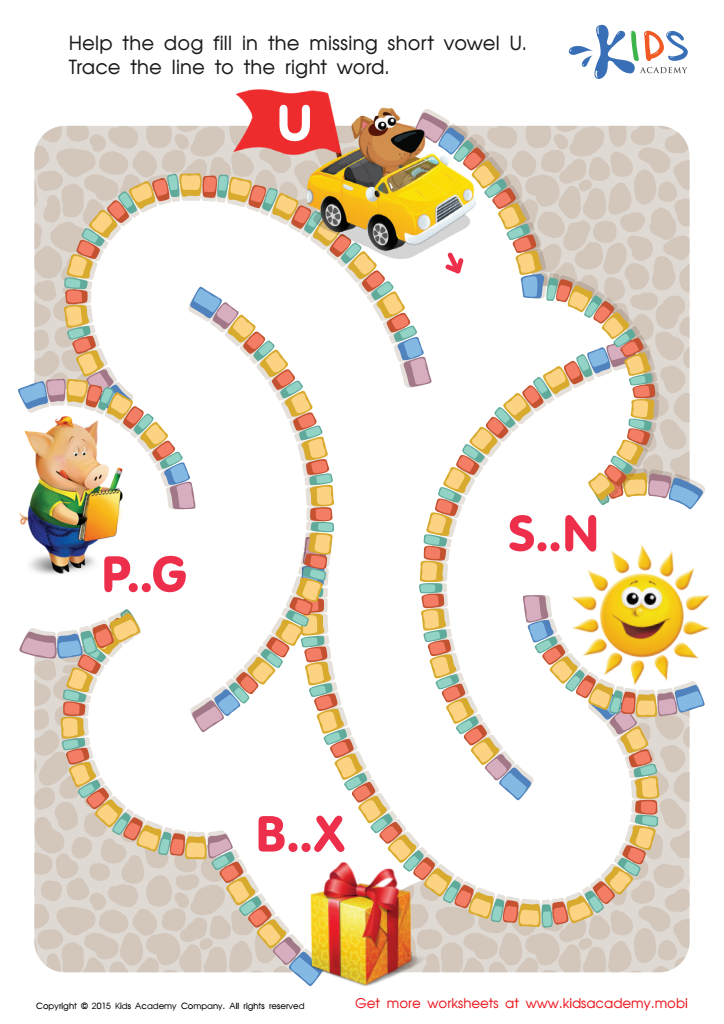
Short Vowel Sound U Worksheet
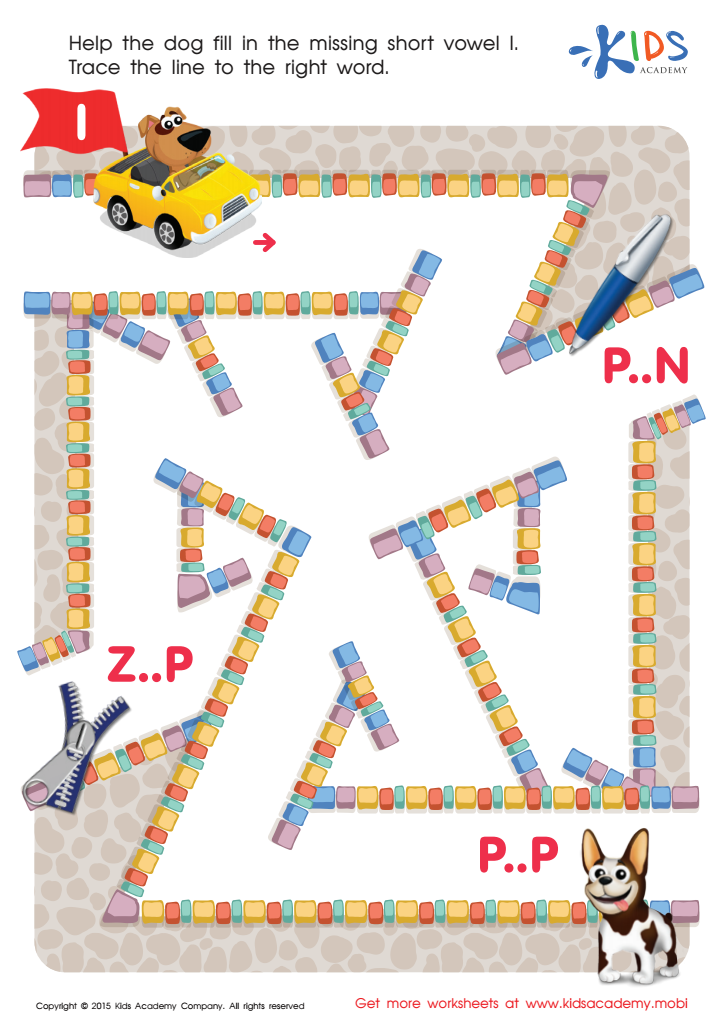
Short Vowel Sound I Worksheet
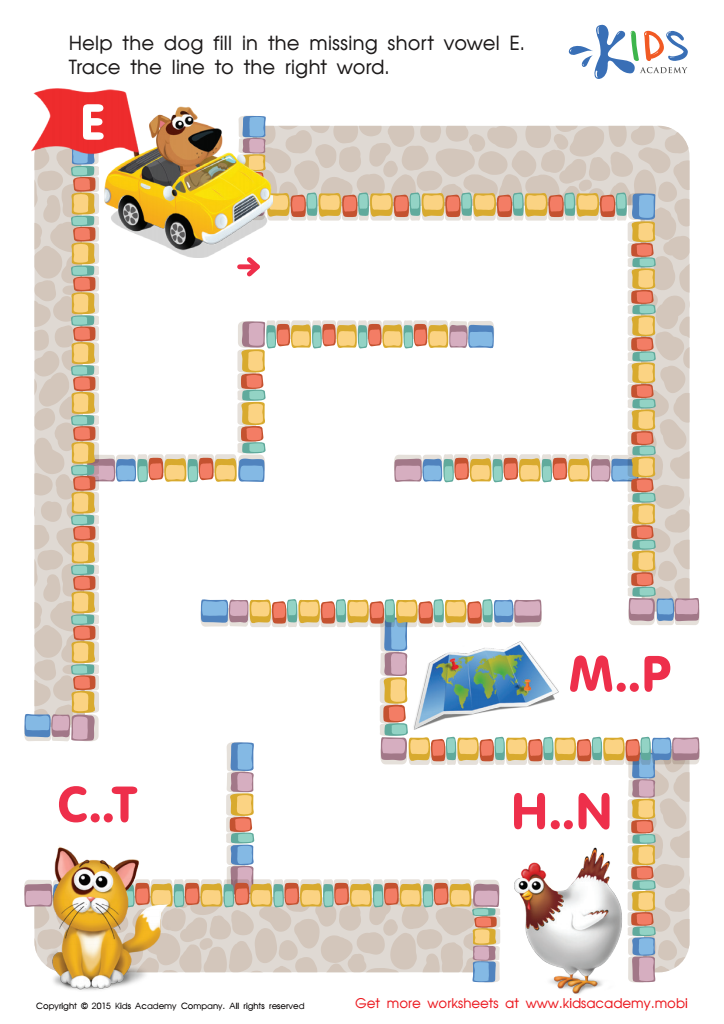
Short Vowel Sound E Worksheet
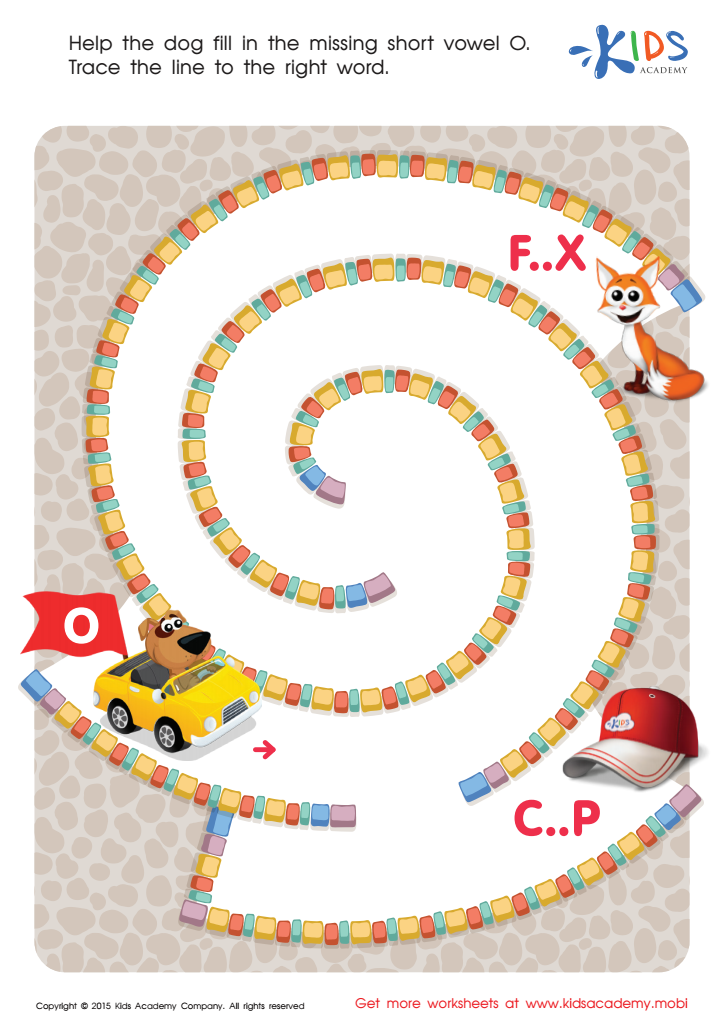
Short Vowel Sound O Worksheet
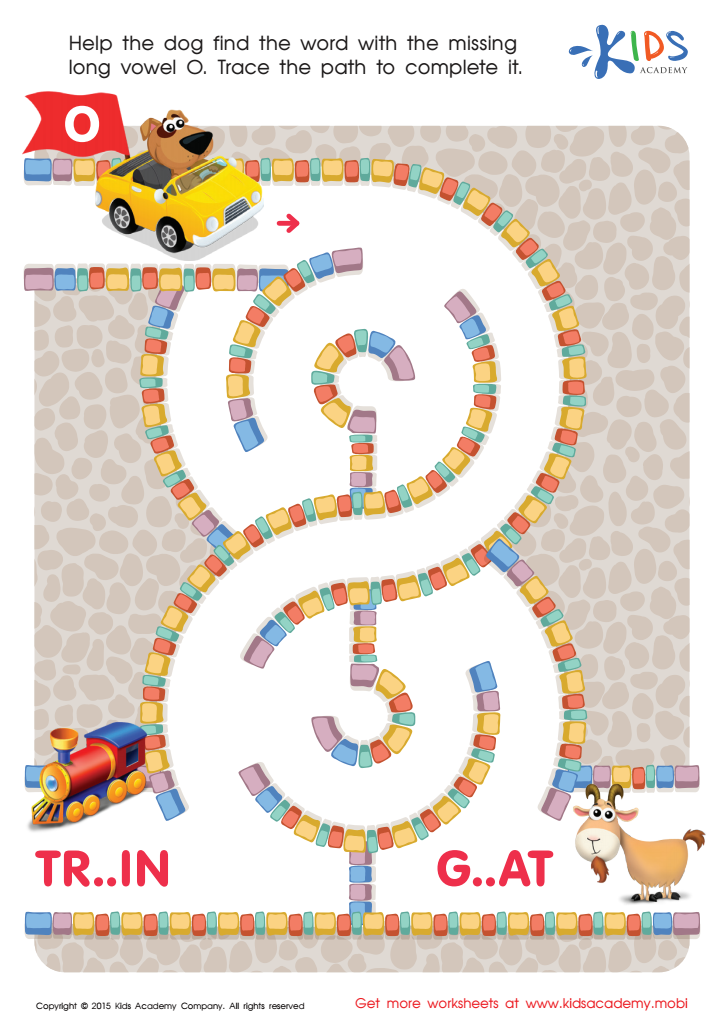
Long Vowel Sound O Worksheet
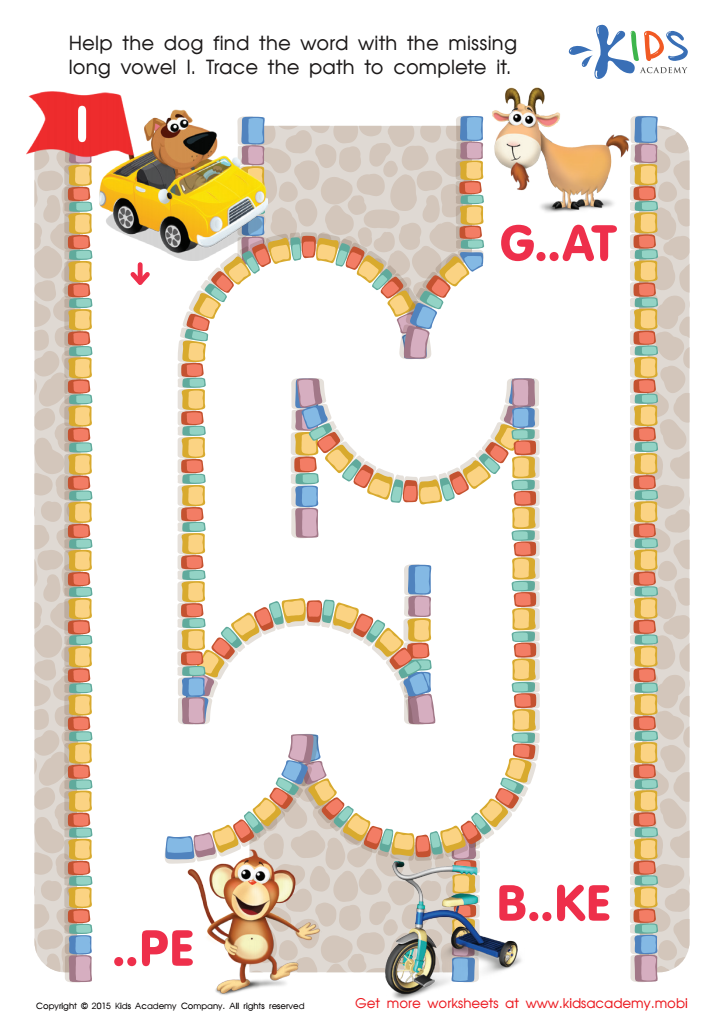
Long Vowel Sound I Worksheet








Vowel recognition is a foundational skill in early literacy, and prioritizing the Vowel Recognition Extra Challenge for 5-year-olds is crucial for several reasons. Recognizing vowels accurately helps children decode words more efficiently, an essential step in learning to read. Vowels are a core component of English phonics, appearing in nearly every word, which means that grasping their sounds can significantly improve a child's ability to pronounce and understand words correctly.
Moreover, mastering vowel sounds lays the groundwork for spelling and writing skills. When children are proficient in identifying and using vowels, they can more easily learn spelling patterns and form words, fostering their confidence and competence in writing simple sentences.
Beyond phonetic skills, engaging in vowel recognition challenges can enhance a child's listening skills and auditory discrimination, as they learn to discern subtle sound differences. This fine-tuned listening capability extends to later academic successes in other subjects, catalyzing overall cognitive development.
Finally, incorporating vowel recognition activities into a child's education can make learning enjoyable and interactive, sustaining their interest and motivation. By early intervention and promoting vowel recognition, parents and teachers equip children with critical language skills that form the bedrock of their future academic achievements and lifelong communication abilities.








