Critical thinking skills Extra Challenge Worksheets for Ages 6-7
3 filtered results
-
From - To
Boost your child's critical thinking skills with our engaging Extra Challenge Worksheets designed specifically for ages 6-7! These worksheets encourage children to think independently and solve problems creatively, enhancing their cognitive abilities. Each activity promotes logical reasoning, analysis, and decision-making in a fun and interactive way. Whether it's puzzles, mazes, or pattern recognition, our carefully crafted challenges aim to stimulate young minds and cultivate a love for learning. Perfect for classroom use or home practice, these worksheets are an excellent resource for parents and educators looking to enrich their students' educational experience. Unlock your child's potential today!
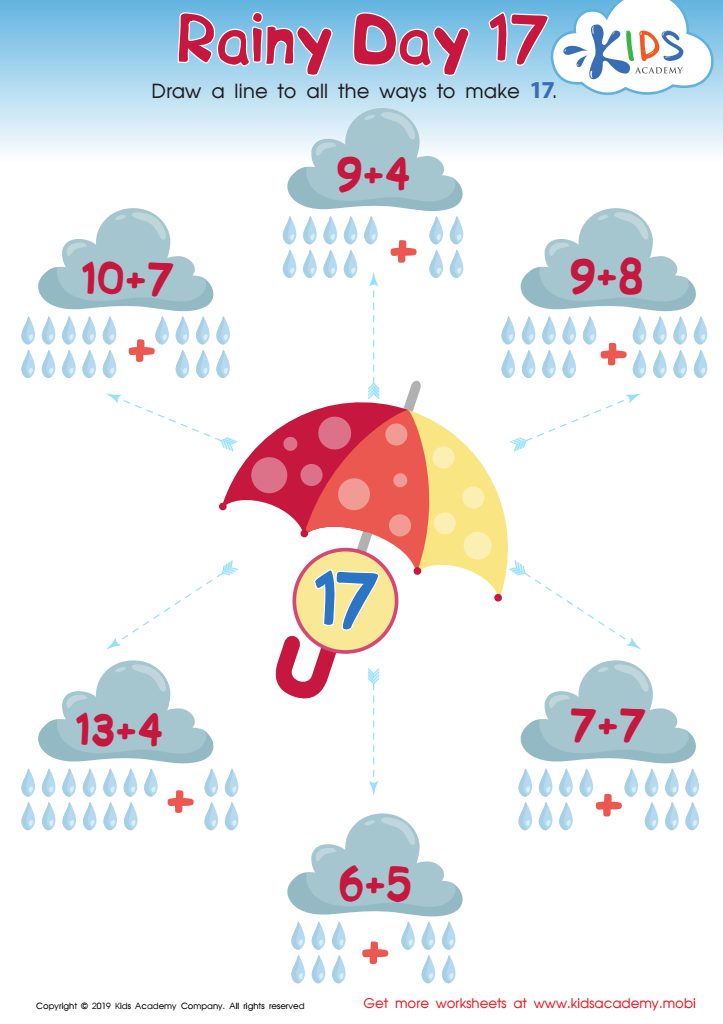
Rainy Day 17 Worksheet
 Assign to My Students
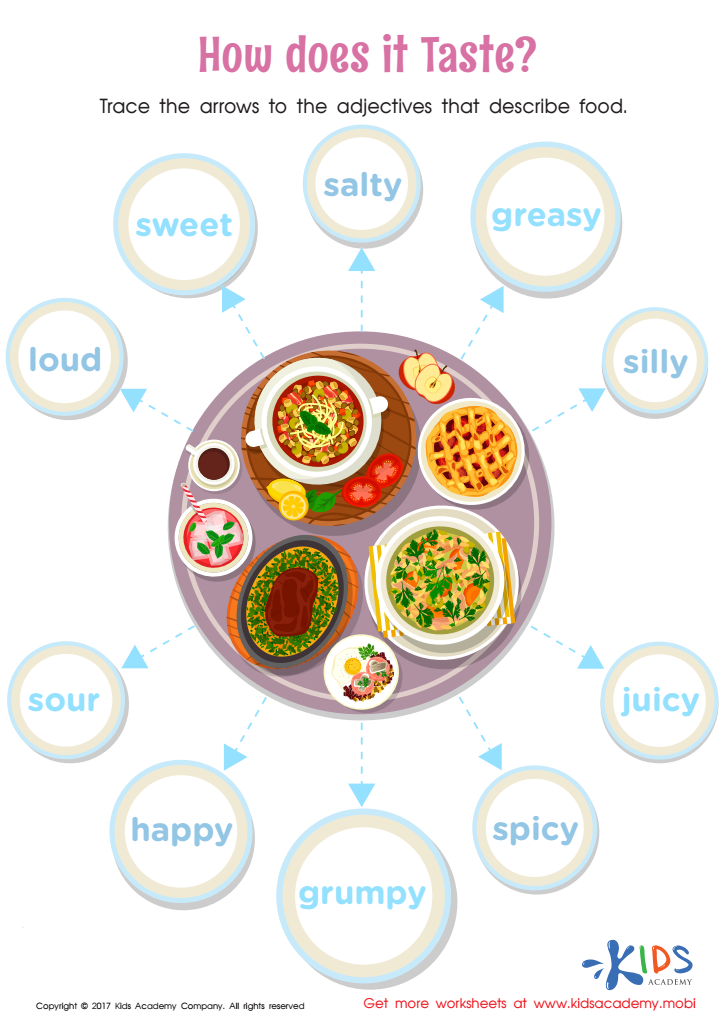
Food Adjectives Worksheet
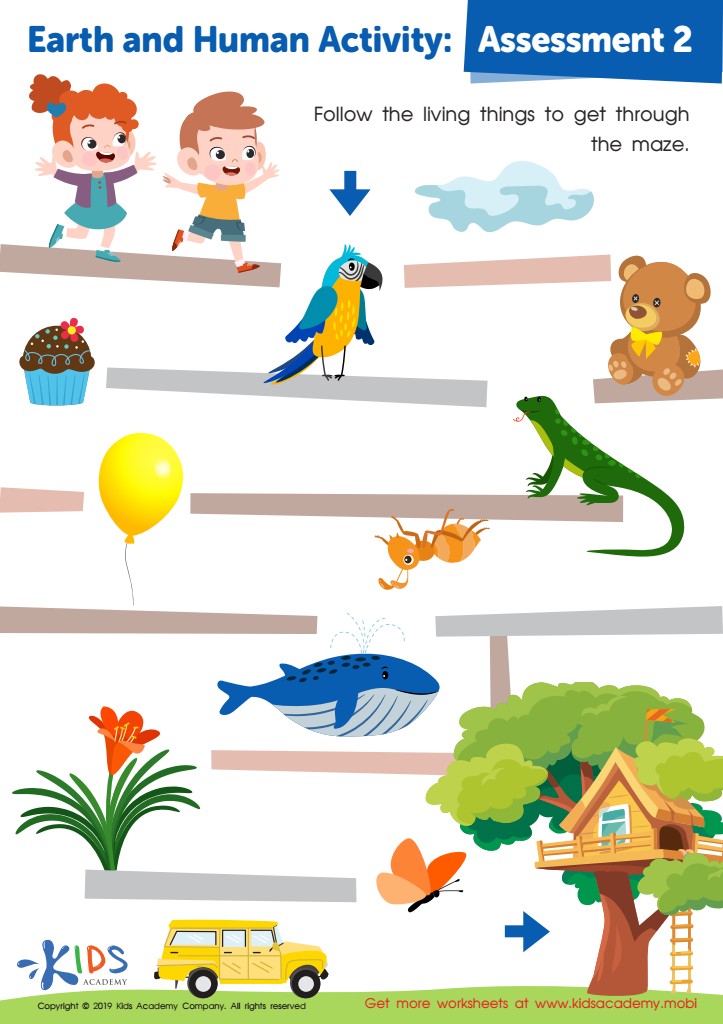
Earth and Human Activity: Assessment 2 Worksheet








Critical thinking skills are essential for children aged 6-7 as they form the foundation for lifelong learning and problem-solving abilities. At this age, children begin to explore their environment more independently and encounter complex situations that require them to analyze, evaluate, and create responses. By nurturing critical thinking skills, parents and teachers can empower children to ask questions, consider different perspectives, and make informed decisions.
Developing critical thinking helps children enhance their cognitive abilities, boosts creativity, and fosters resilience. In an increasingly complex world, the capability to think critically allows them to navigate challenges and engage in discussions effectively. Children who can think critically are better equipped to collaborate with peers, resolve disputes, and approach problems systematically.
Moreover, teaching critical thinking skills at a young age prepares children for academic success. Skills such as reasoning, deduction, and interpretation, learned through critical thinking, can enhance their academic performance across subjects. As educators and caregivers, cultivating these skills is essential to help children become thoughtful, independent thinkers who contribute positively to society. By focusing on critical thought, we are not just teaching curriculum but preparing children for future challenges in life.








