Shape Recognition Extra Challenge 2D Shapes Worksheets for Ages 6-7
6 filtered results
-
From - To
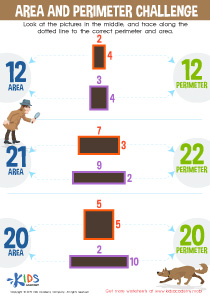
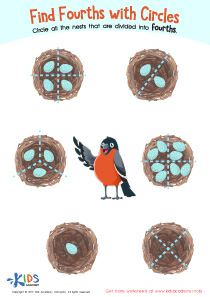
Introducing our "Shape Recognition Extra Challenge 2D Shapes Worksheets for Ages 6-7"! Perfectly crafted to engage and educate young minds, these worksheets offer exciting ways to identify and differentiate a variety of 2D shapes. Tailored for children aged 6-7, the activities enhance visual learning, critical thinking, and fine motor skills while keeping kids entertained. Both fun and educational, our worksheet collection assists in mastering essential math skills, preparing your child for future academic success. Available now at Kids Academy, where learning comes to life through captivating exercises and interactive challenges!
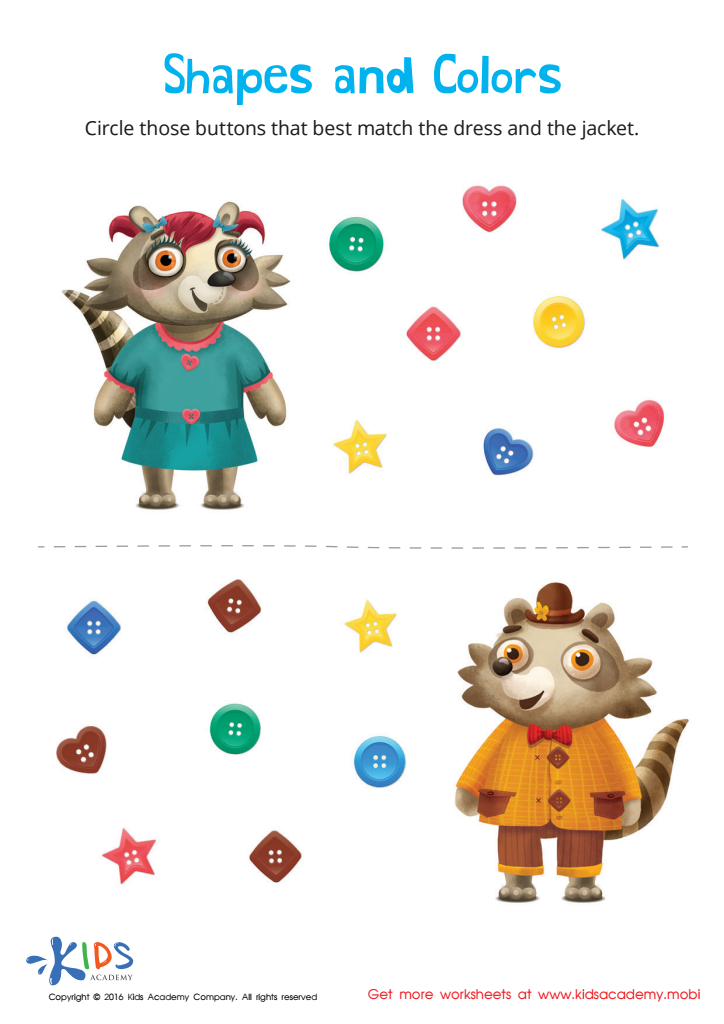
Matching: Shapes and Colors Worksheet
 Assign to My Students

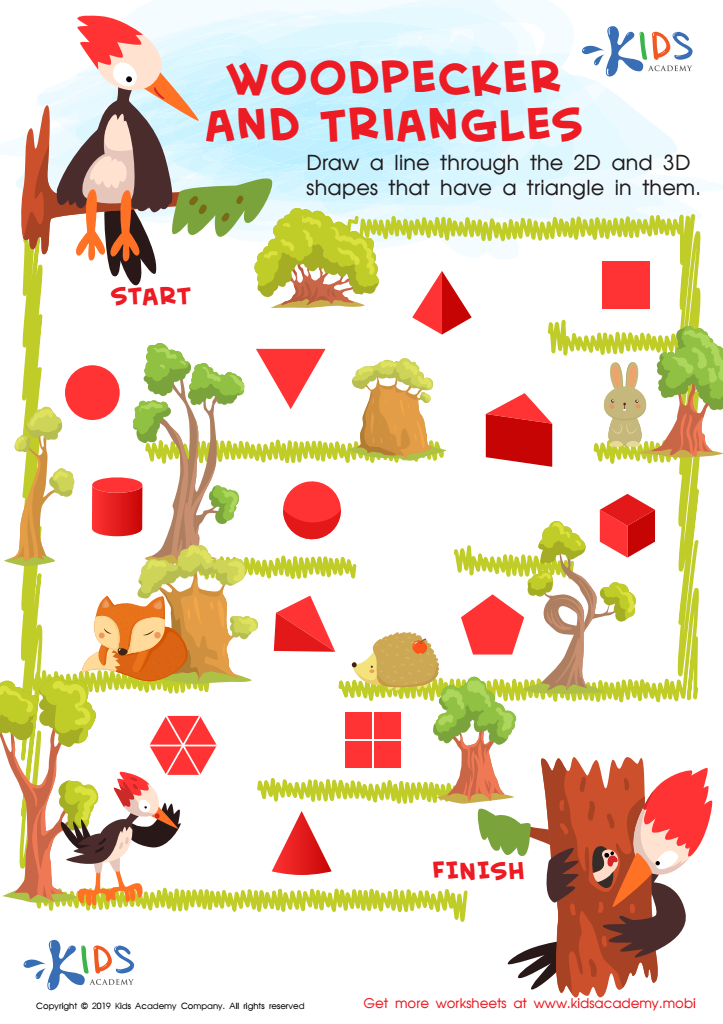
Woodpecker and Triangles Worksheet
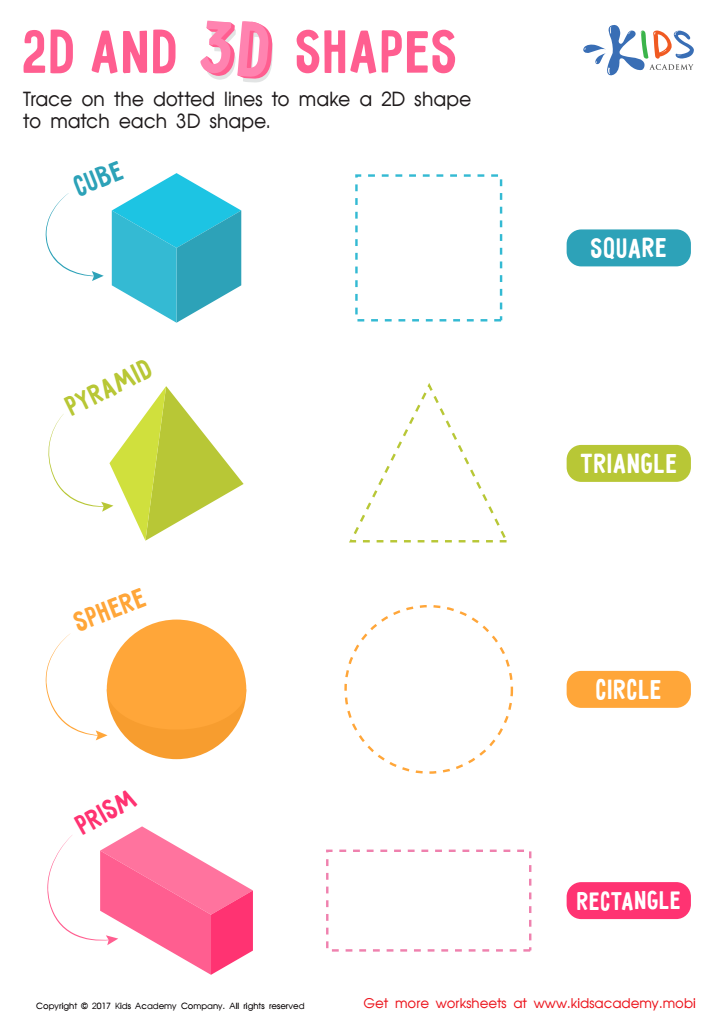
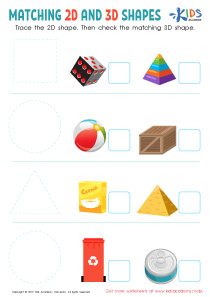
2D and 3D Shapes Worksheet
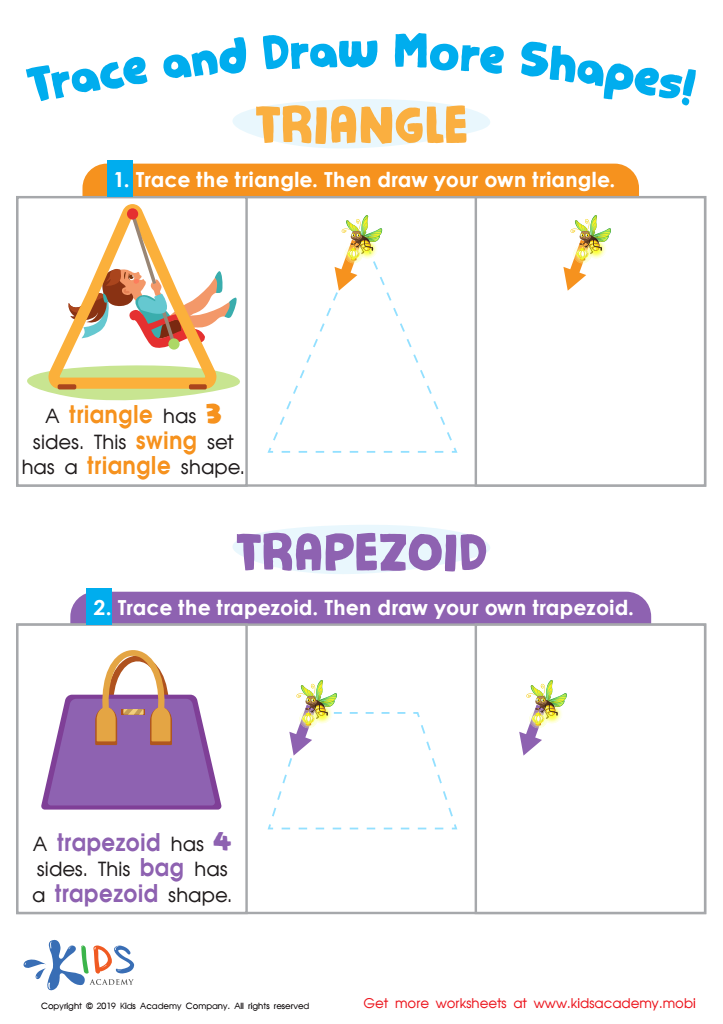
Trace and Draw More Shapes Worksheet
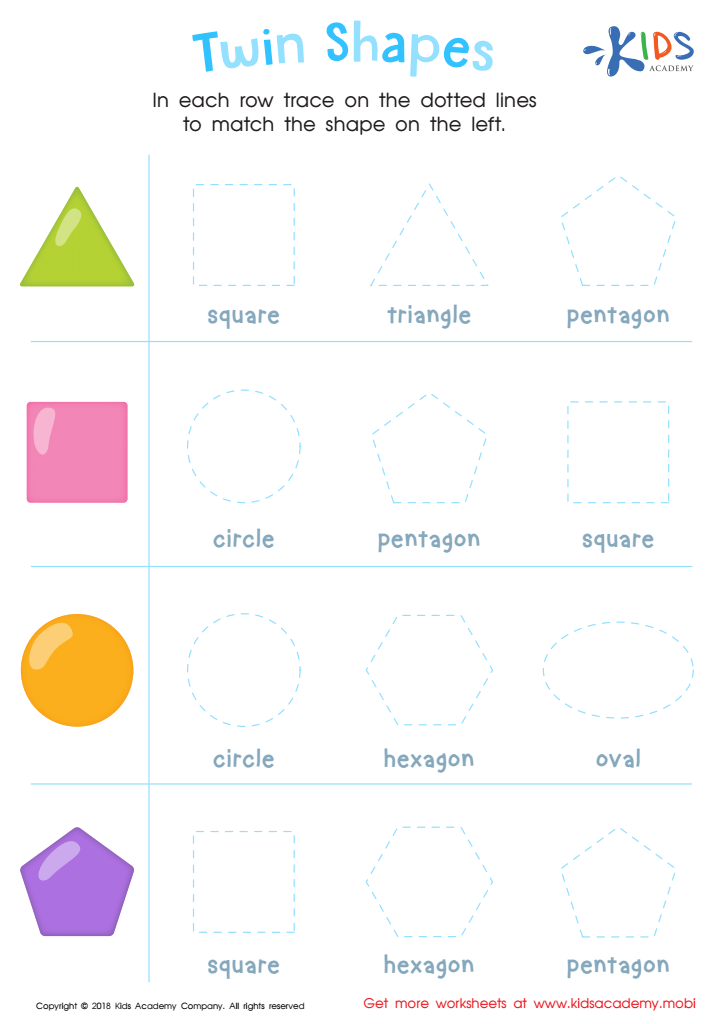
Twin Shapes Dot-to-Dot Worksheet
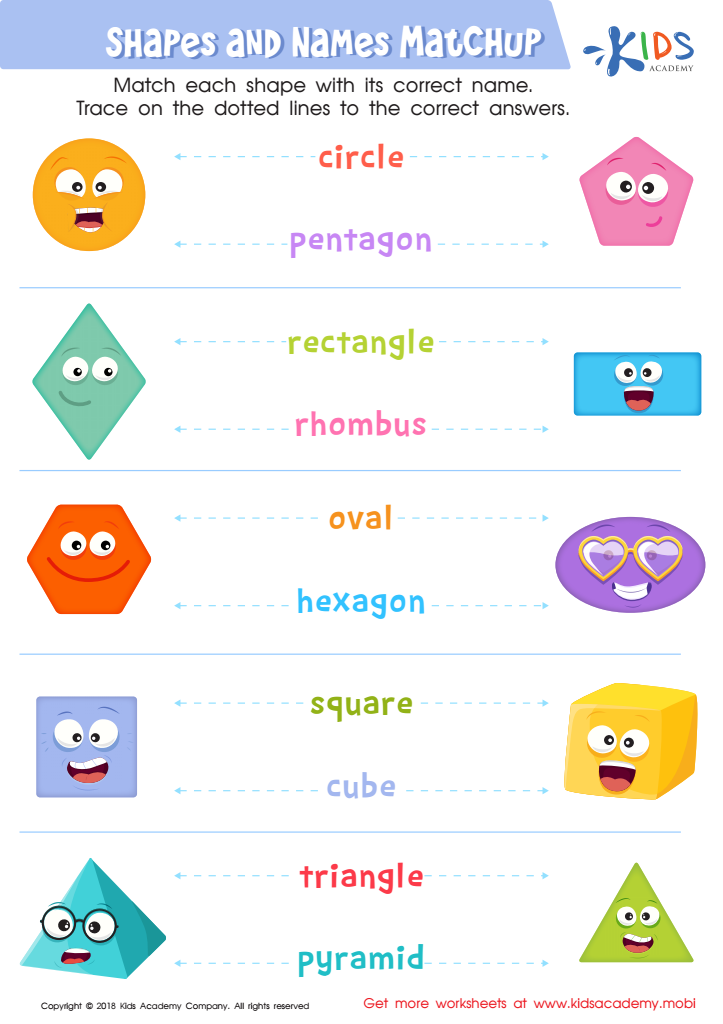
Shapes and Names Matchup Worksheet








Parents and teachers should care about Shape Recognition Extra Challenge 2D Shapes for ages 6-7 because this skill is fundamental to a child's early development in mathematics and spatial awareness. At this age, children are beginning to explore the world in more structured ways, and recognizing shapes is integral to understanding more complex mathematical concepts that they will encounter in the future, such as geometry, measurement, and problem-solving skills.
Learning to identify and describe 2D shapes helps children recognize patterns, make predictions, and categorize objects in their environment, thereby enhancing cognitive development. Engaging in shape recognition activities also supports the development of fine motor skills as children draw, trace, or manipulate shape-related materials. These activities can boost a child's visual discrimination skills, helping them notice differences between shapes and improving their ability to focus on details.
Furthermore, mastering 2D shape recognition aids in real-world applications, such as understanding traffic signs, art, and architecture, fostering logical thinking and spatial reasoning. When children are given extra challenges in shape recognition, it keeps them engaged and motivated, promoting a sense of accomplishment and encouraging a positive attitude towards learning. Thus, parents and teachers incorporating these relevant challenges can lay a strong foundation for future academic and everyday success.