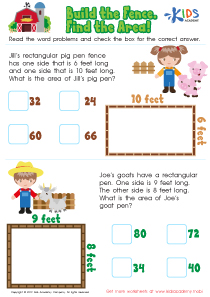
Counting skills Extra Challenge Numbers Worksheets for Ages 6-7 - Page 2
30 filtered results
-
From - To
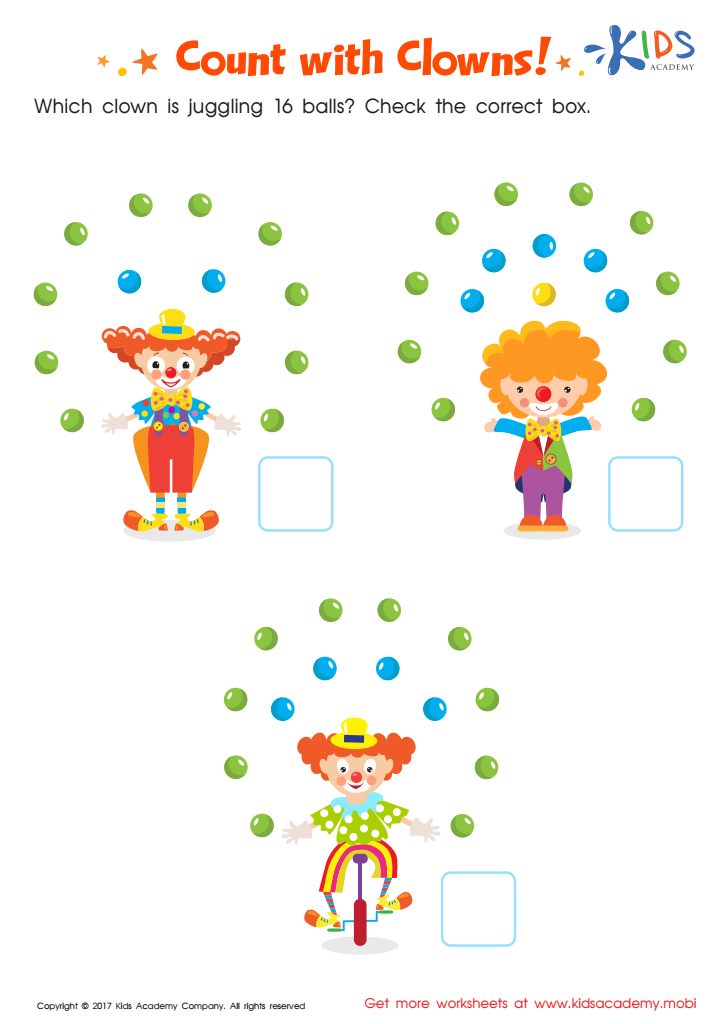
Count with Clowns Worksheet
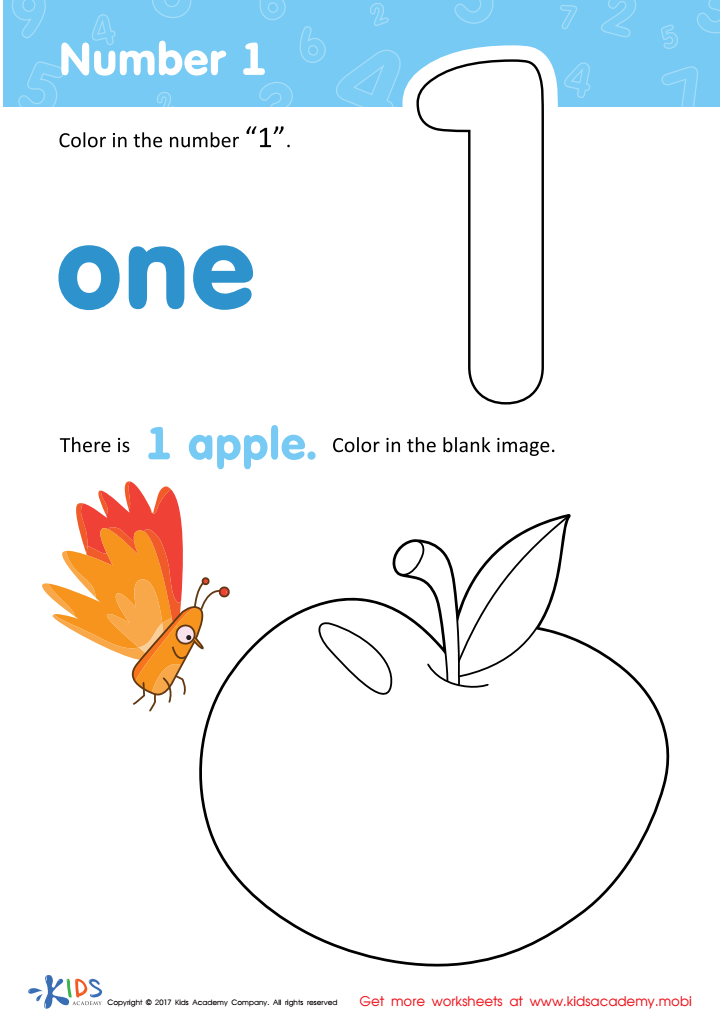
Number 1 Printable
 Assign to My Students
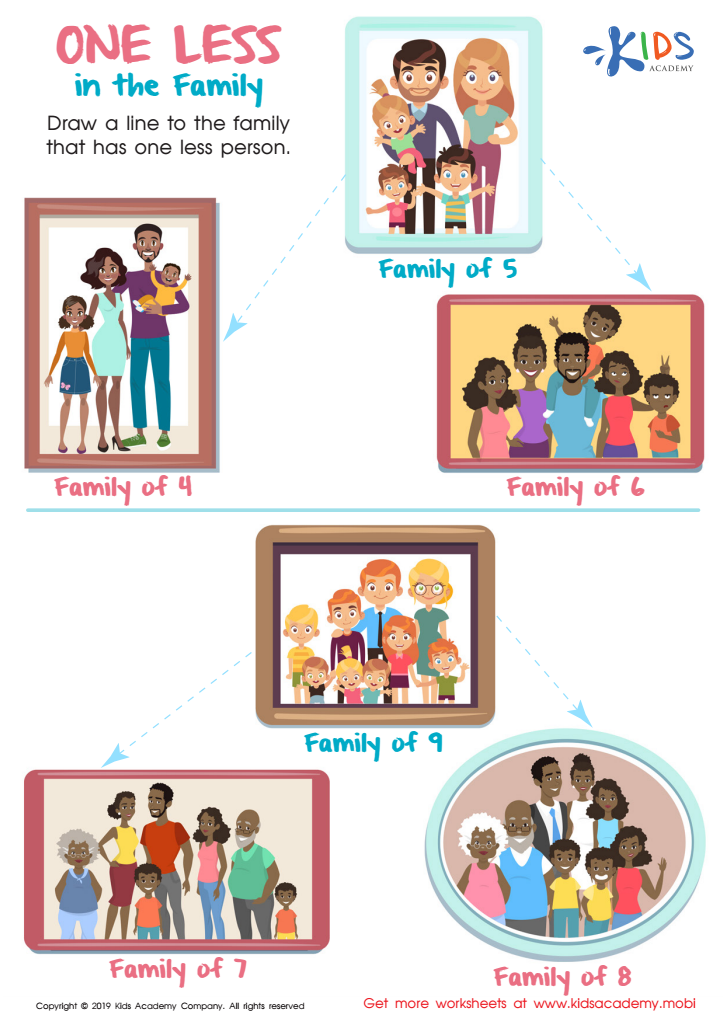
One Less in the Family Worksheet
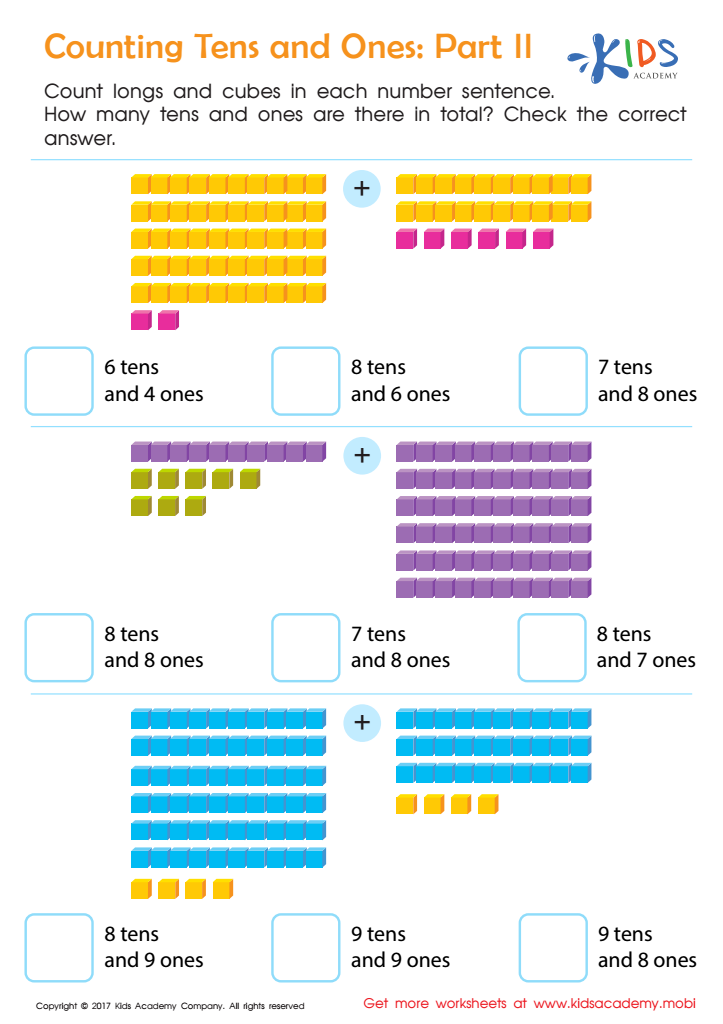
Counting Tens and Ones: Part 2 Worksheet
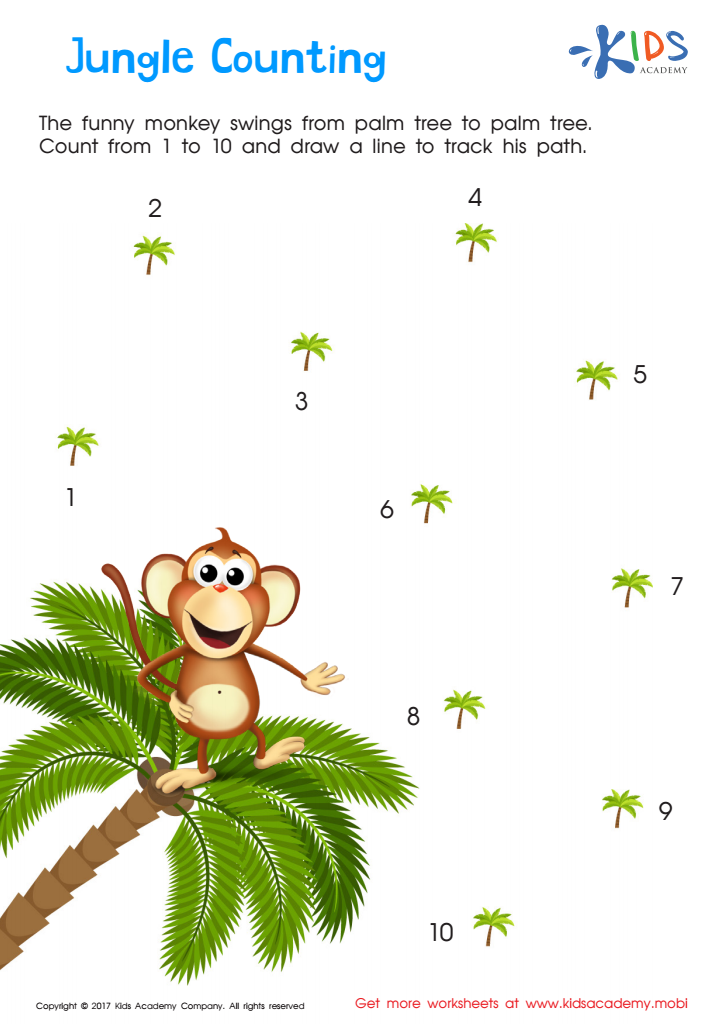
Jungle Counting Connect Dots Worksheet
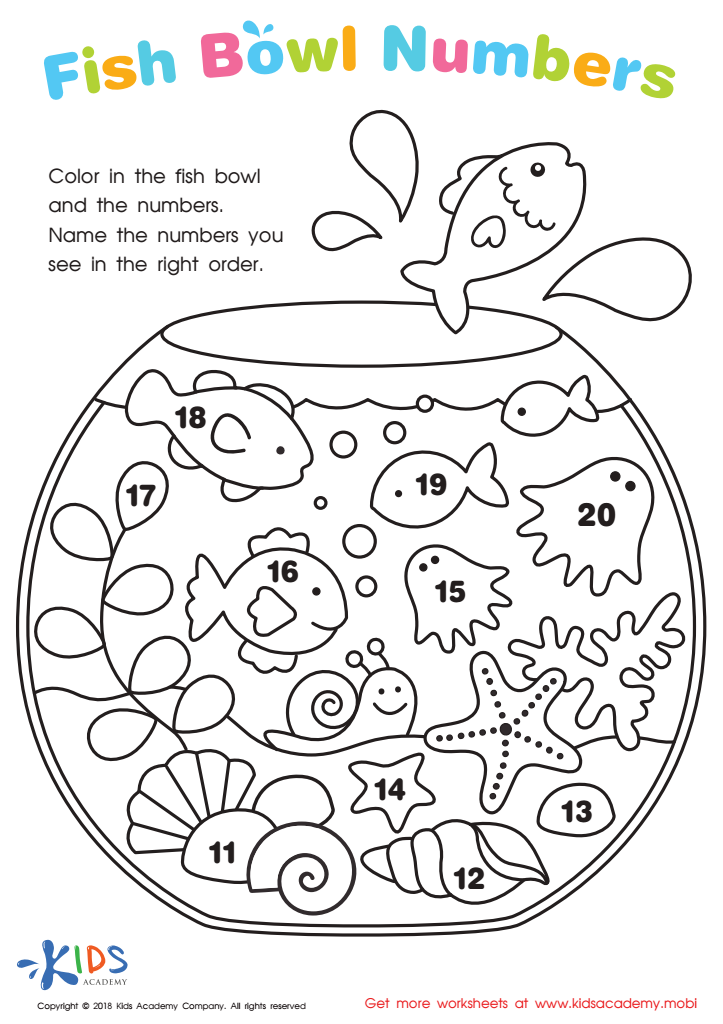
Fish Bowl Numbers Worksheet
Assign to My Students








Counting skills are fundamental aspects of early childhood education that set the groundwork for more advanced math concepts. For children aged 6-7, developing and enhancing these skills through extra challenges is crucial. Here’s why parents and teachers should care:
-
Foundation for Future Learning: Counting is the bedrock for various arithmetic operations like addition, subtraction, multiplication, and division. It helps children understand the number sequences and build confidence in handling numbers.
-
Problem-Solving Skills: Encountering extra challenges in counting encourages critical thinking and problem-solving skills. As children navigate through these challenges, they learn to strategize and arrive at solutions, which fosters analytical thinking.
-
Cognitive Development: Counting activities stimulate brain development. Engaging in complex counting tasks accelerates cognitive processes, improving memory, attention, and processing speed.
-
Engages Curiosity and Interest: Extra challenges can make counting fun and engaging. They transform the learning experience from mundane to intriguing, sparking children’s curiosity and continuous interest in math.
-
Boosts Confidence and Perseverance: Successfully solving challenging tasks enhances a child’s self-esteem and promotes a growth mindset. It cultivates perseverance, teaching them that effort leads to improvement.
By incorporating counting skill challenges for ages 6-7, parents and teachers ensure that children not only learn to count but also grasp essential life skills, making them well-rounded learners.