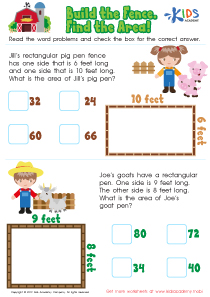
Number Sequencing Extra Challenge Numbers Worksheets for Ages 6-9
6 filtered results
-
From - To
Enhance your child's number sequencing skills with our Extra Challenge Worksheets, designed for kids ages 6-9. These engaging worksheets encourage critical thinking and problem-solving while providing extra practice in recognizing and arranging number sequences. Ideal for reinforcing classroom learning or for home study, our carefully crafted activities keep young learners motivated and challenged. With a variety of formats, including fill-in-the-blanks and multiple-choice questions, each worksheet is tailored to boost confidence and mastery in number sequences. Perfect for teachers and parents looking to supplement learning—download our fun, educational resources today and watch your child excel in mathematics!
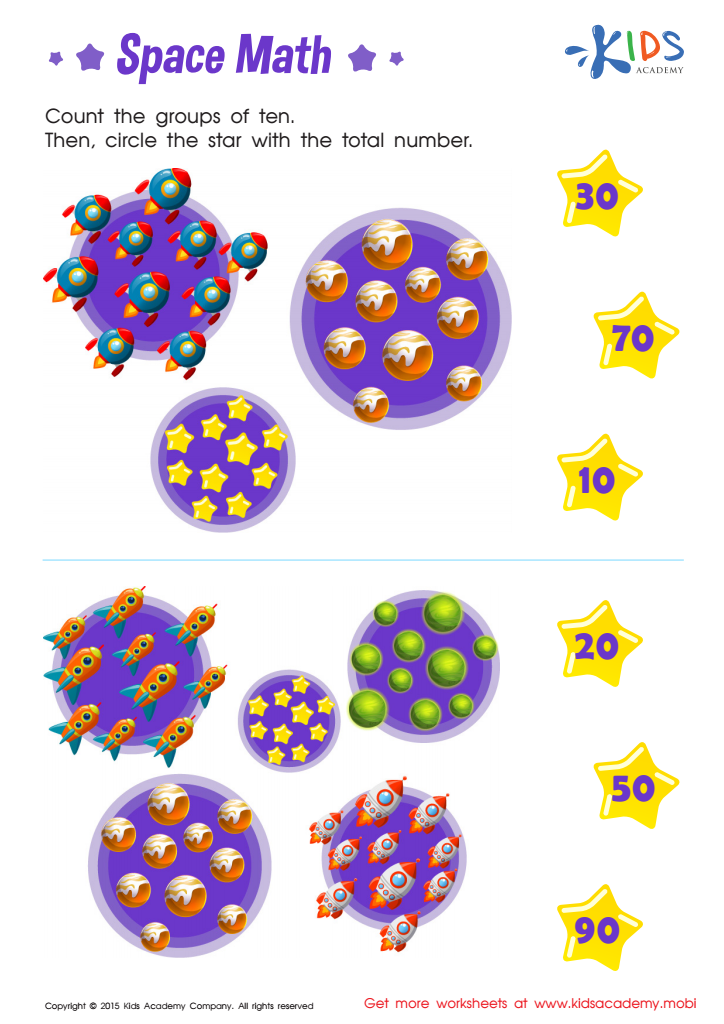
Learn dozens: Space math Worksheet
 Assign to My Students
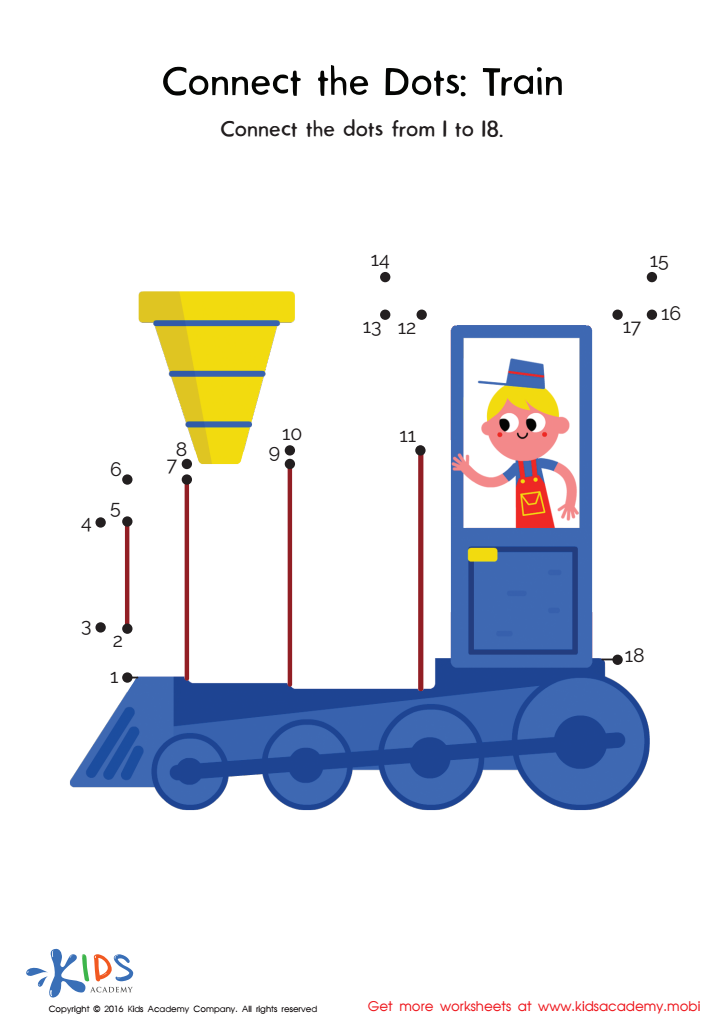
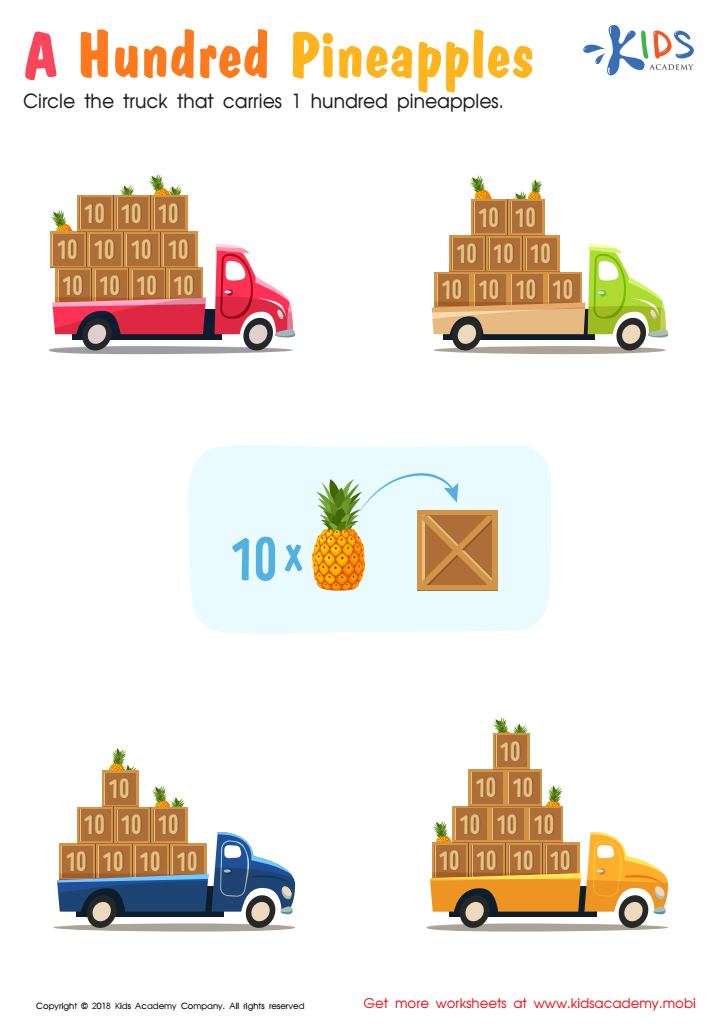
A Hundred Pineapples Worksheet

Pirate Ship Connect Dots Worksheet
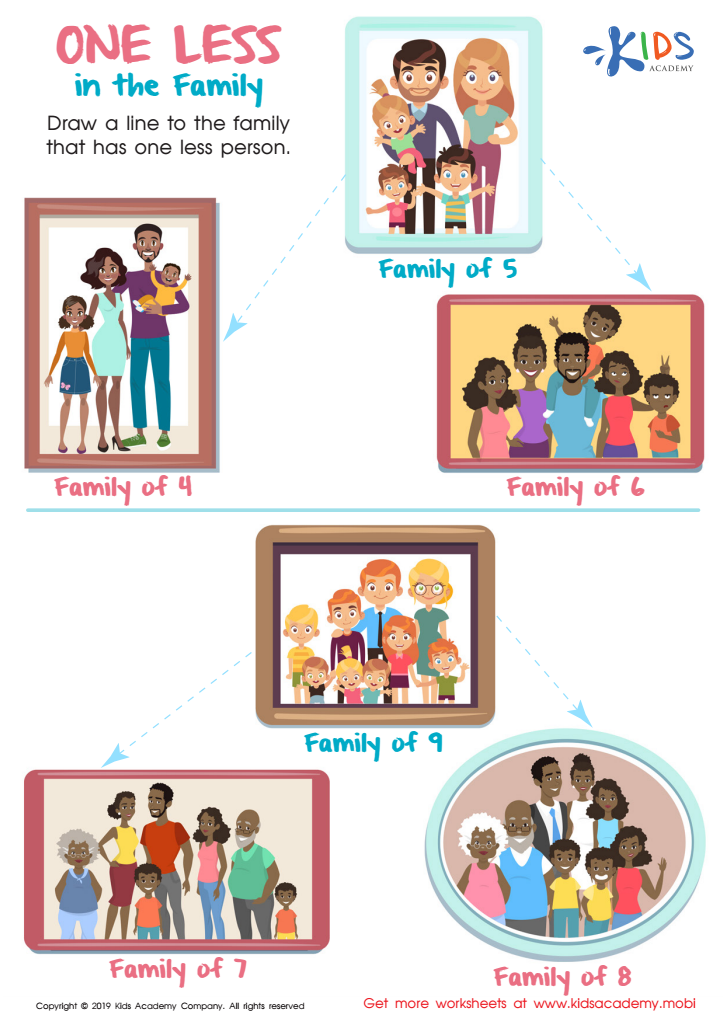
One Less in the Family Worksheet
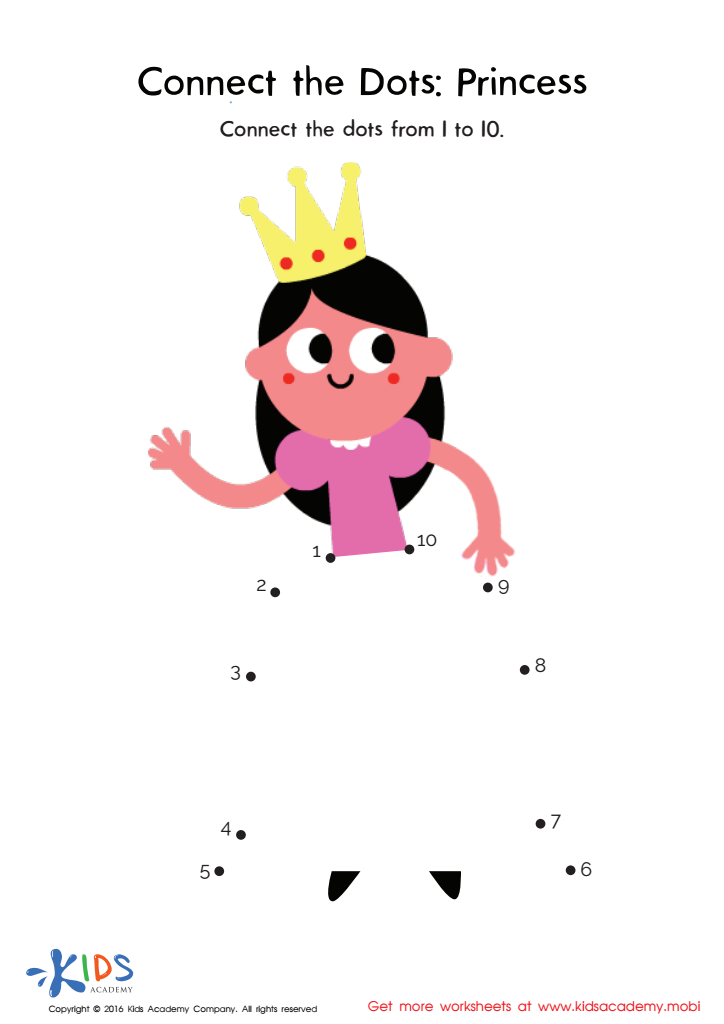
Princess Connect Dots Worksheet








Number sequencing is a crucial skill for young learners aged 6-9, and understanding its importance can greatly benefit parents and teachers. Mastering number sequencing helps children develop a foundation for mathematical concepts, such as addition, subtraction, and patterns, which are vital for their academic journey.
Engaging in extra challenge numbers enhances cognitive skills, promoting critical thinking and problem-solving abilities. When children are introduced to sequencing challenges, they learn to recognize patterns and make connections, improving their overall numeric fluency. This knowledge not only fosters improved confidence but also encourages adaptive thinking, equipping them to tackle more complex mathematical tasks in the future.
Moreover, by focusing on number sequencing, educators and parents create opportunities for meaningful interactions that stimulate a child's curiosity and enthusiasm for math. These activities can serve as a bridge to real-world applications, demonstrating the relevance of math in everyday life.
Ultimately, investing time in number sequencing challenges can lay the groundwork for a lifelong appreciation of mathematics, supporting better performance in school and building essential skills that are critical in everyday situations. By prioritizing this aspect of learning, parents and teachers play an essential role in shaping confident and competent young mathematicians.