Story sequencing Extra Challenge Worksheets for 6-Year-Olds
5 filtered results
-
From - To
Discover our Story Sequencing Extra Challenge Worksheets designed specifically for 6-year-olds! These engaging and interactive activities enhance critical thinking and storytelling skills, allowing young learners to arrange story elements in the correct order. Each worksheet encourages creativity and supports literacy development, making learning fun and effective. Ideal for both classroom settings and at-home practice, these worksheets cater to young readers eager to improve their comprehension and analytical abilities. Challenge your child with exciting scenarios, promote vocabulary growth, and strengthen their understanding of narrative structure. Explore our thoughtfully crafted resources today and watch your child's storytelling skills flourish!
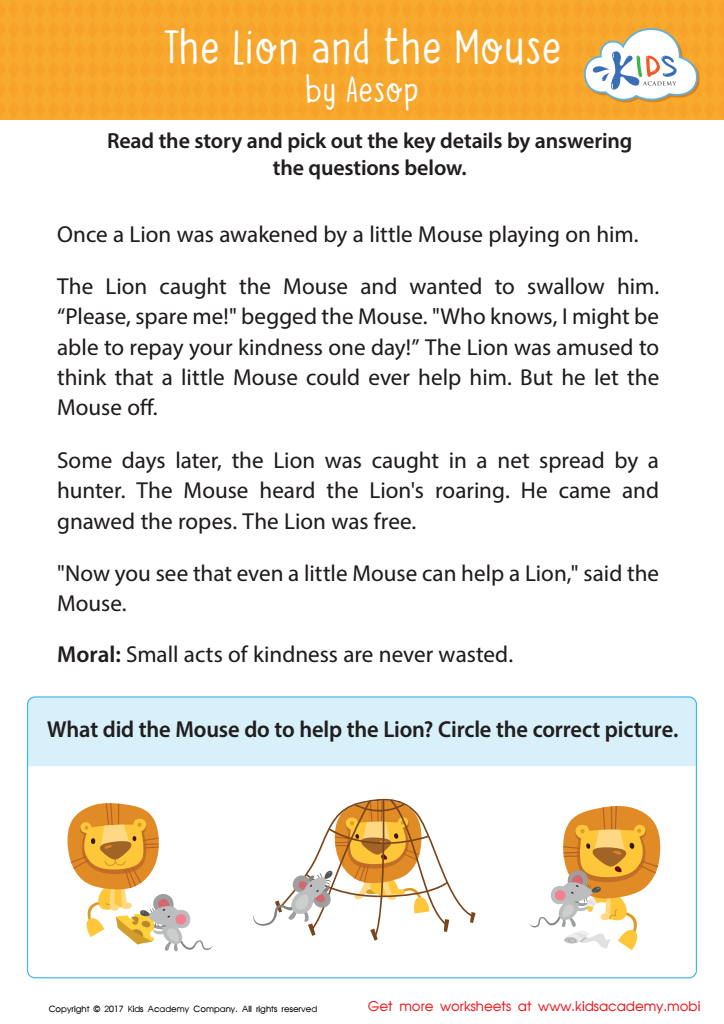
The Lion and The Mouse Sequencing Worksheet
 Assign to My Students
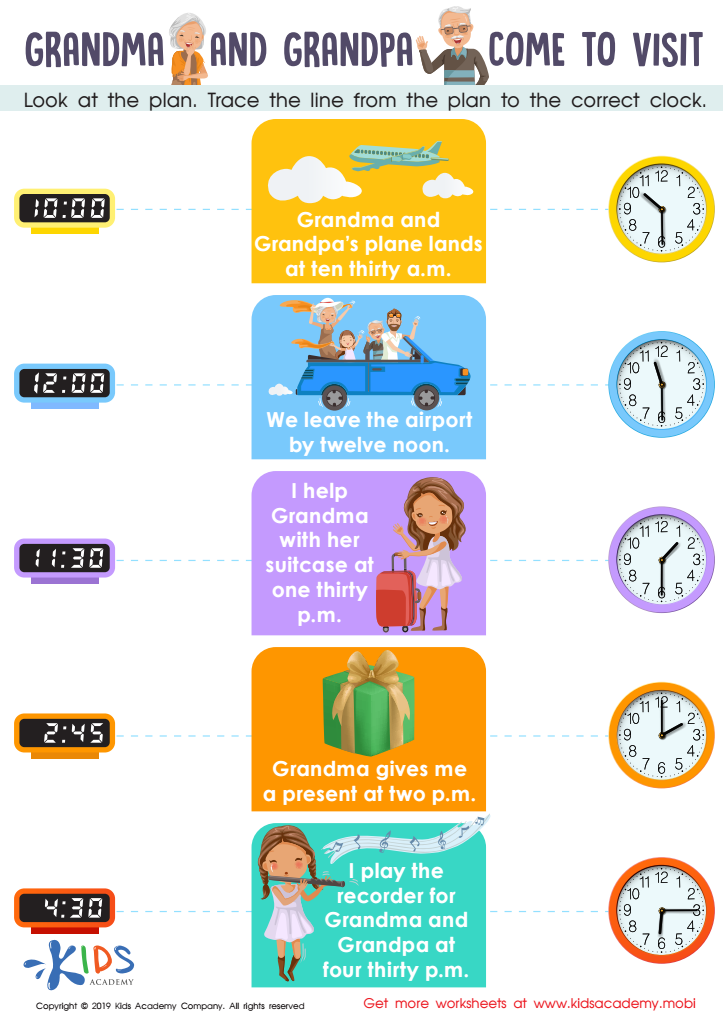
Grandpa and Grandma Come to Visit Worksheet
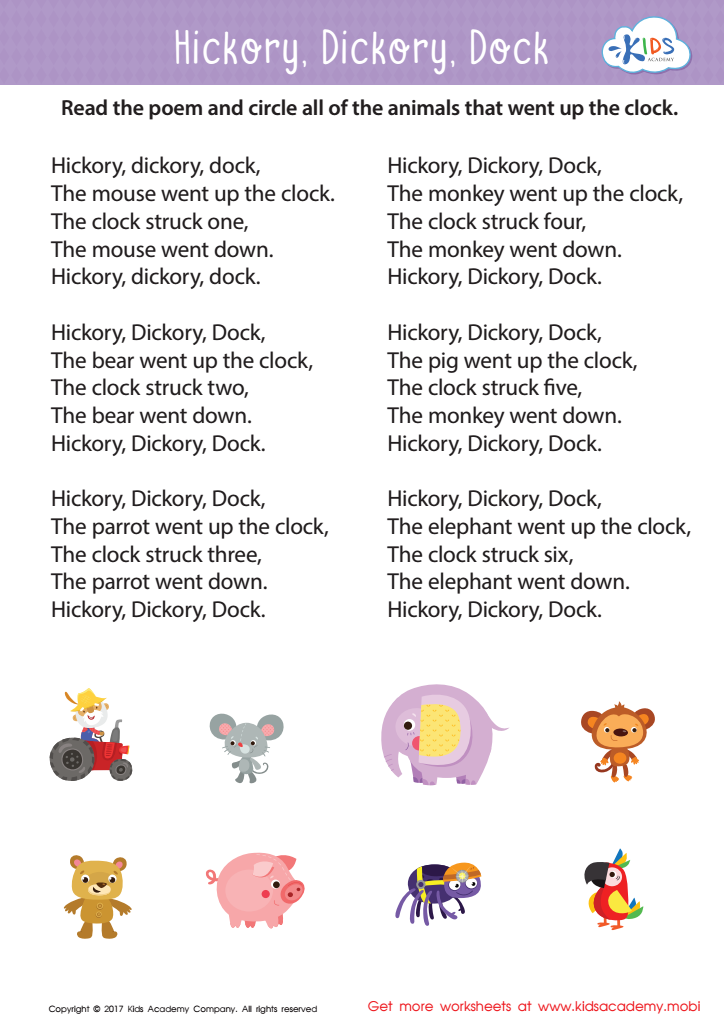
Hickory Dickory Dock Sequencing Worksheet
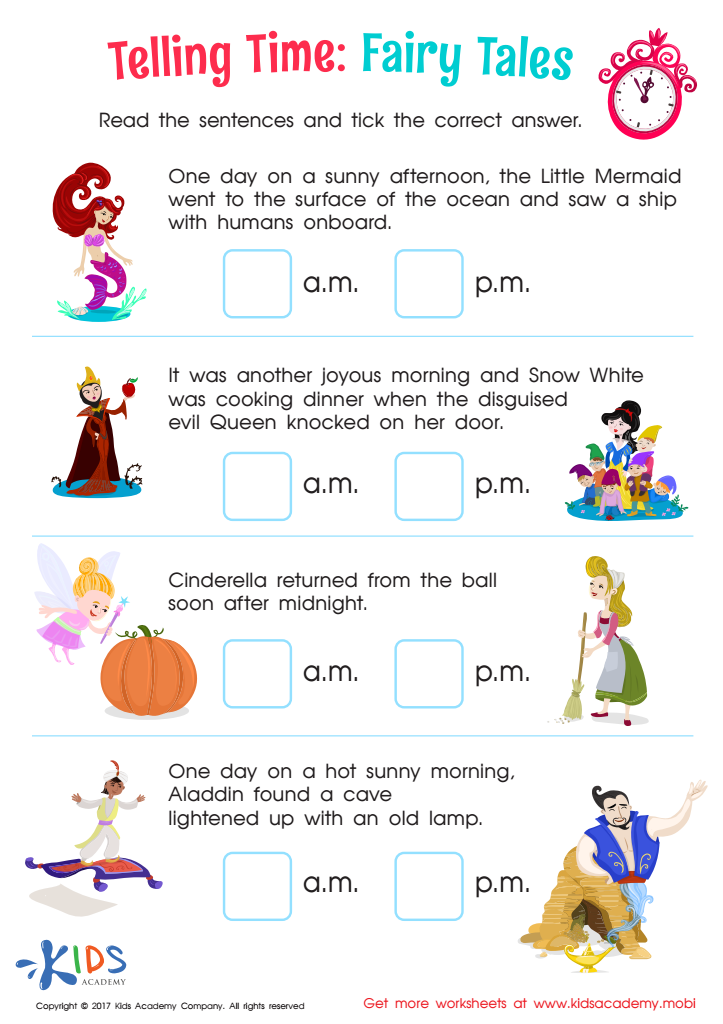
Telling Time: Fairy Tales Worksheet
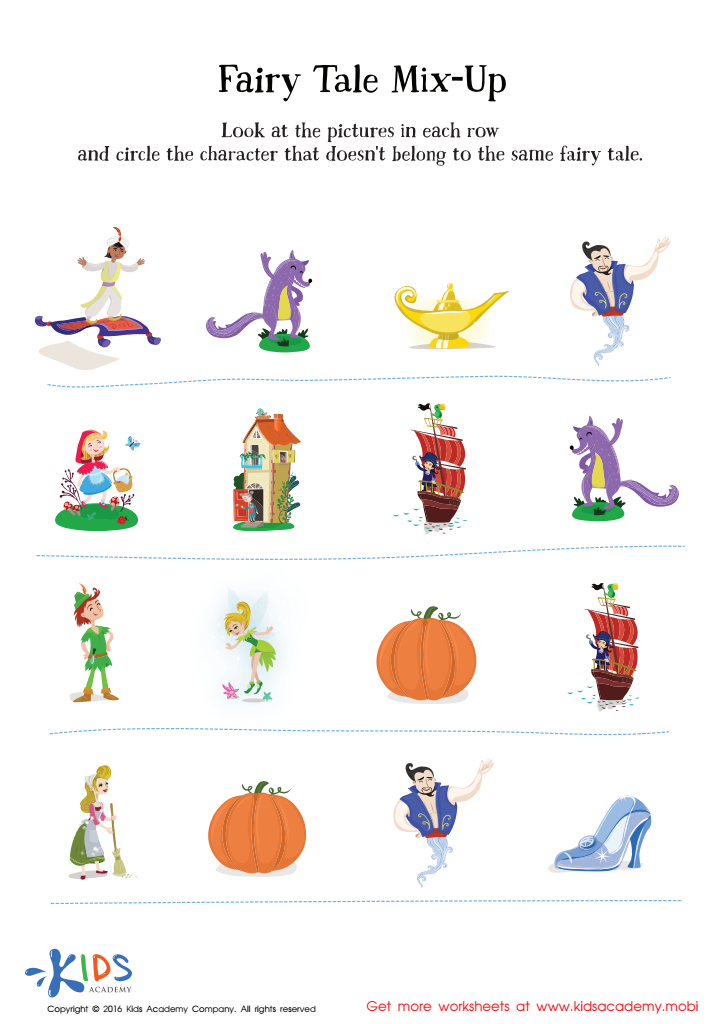
Fairy Tale Worksheet: Story Mix Up







Story sequencing is a crucial skill for 6-year-olds that enhances not only literacy development but also cognitive and social skills. For parents and teachers, fostering this skill can significantly benefit a child's understanding of narrative structure, such as beginning, middle, and end, allowing them to comprehend stories more deeply.
When children arrange events from a story in sequence, they are practicing critical thinking and problem-solving, as they need to analyze and organize information logically. This activity also boosts their vocabulary and storytelling skills, as they learn to articulate the sequence of events clearly.
Story sequencing encourages creativity and imagination, as children may want to create their own stories, imagining how different scenarios could unfold. It also enhances their listening and following directions, crucial skills for effective communication and collaboration with peers and adults.
Moreover, engaging in these activities offers parents and teachers a fun and interactive way to bond with children, as they can discuss the story together and even act it out. Ultimately, prioritizing story sequencing reinforces essential skills that set a solid foundation for future learning. Incorporating story sequencing challenges into play or classroom activities benefits developmental growth in multiple areas.








