Extra Challenge Chess Worksheets for Ages 7-8 - Page 2
37 filtered results
-
From - To
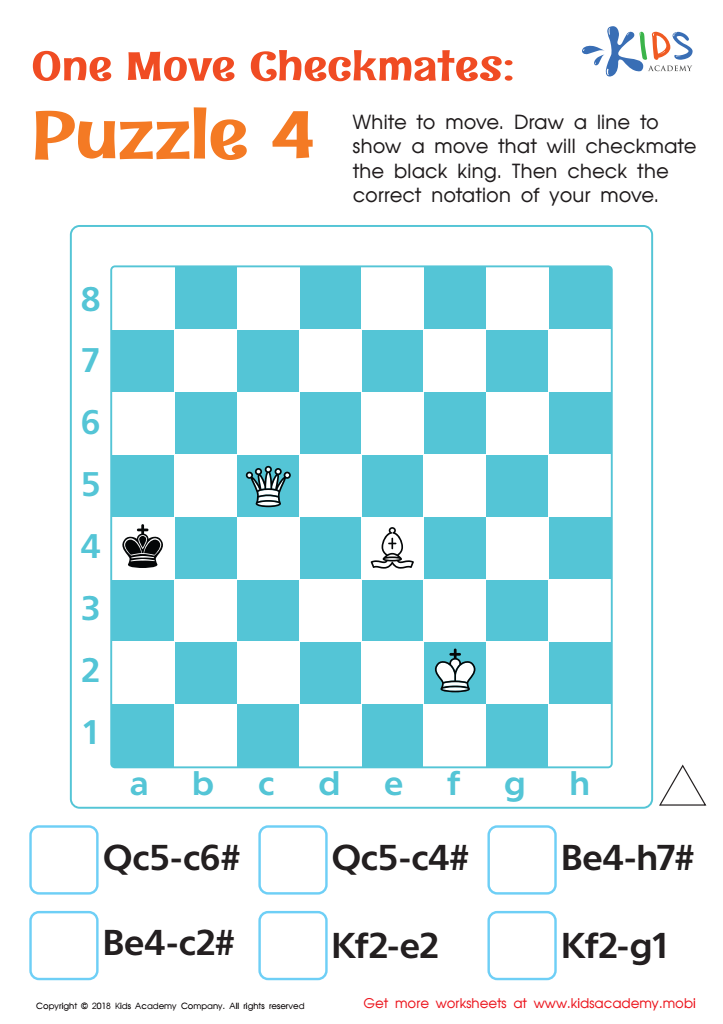
One Move Checkmates: Puzzle 4 Worksheet
 Assign to My Students
Chess Facts Bingo Worksheet
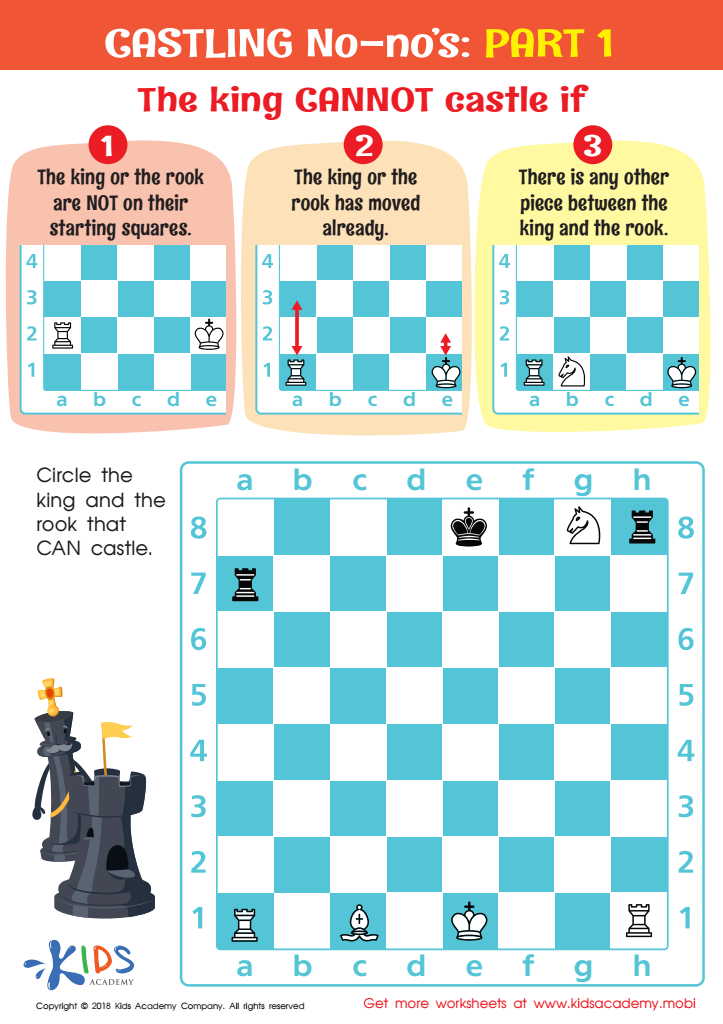
Castling No–no's: Part 1 Worksheet
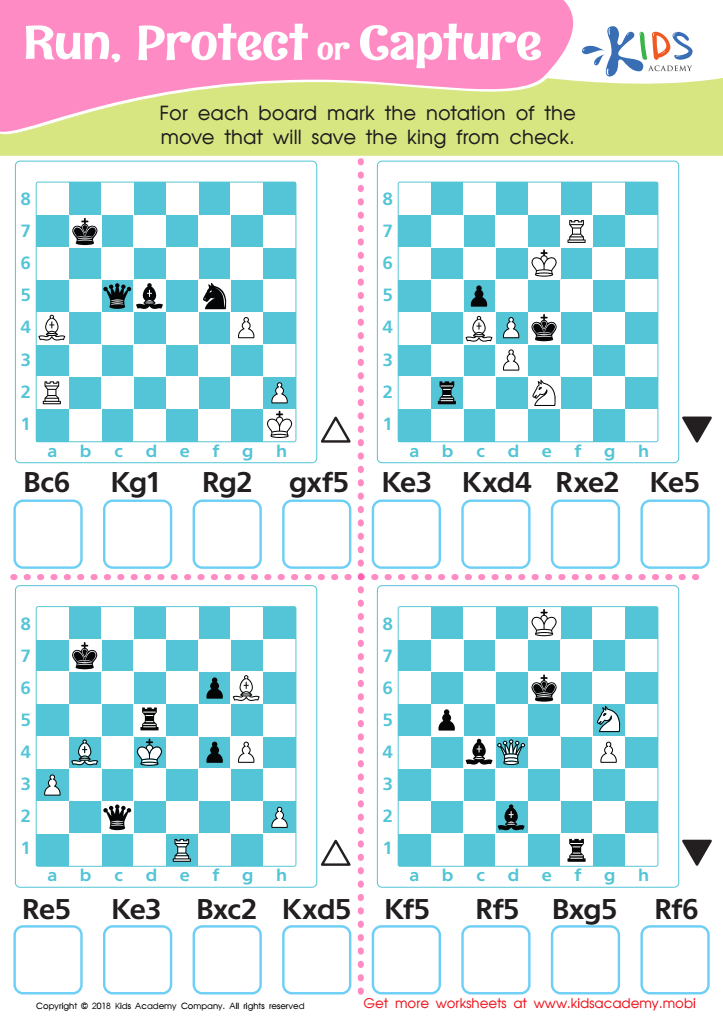
Run, Protect or Capture Worksheet
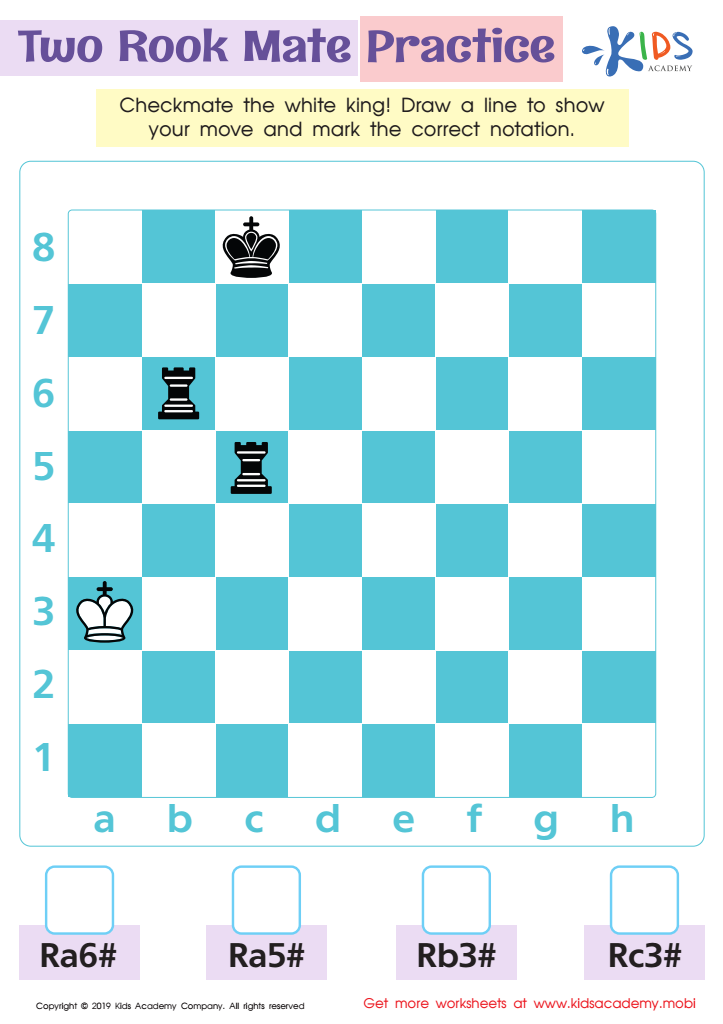
Two Rook Mate Practice Worksheet
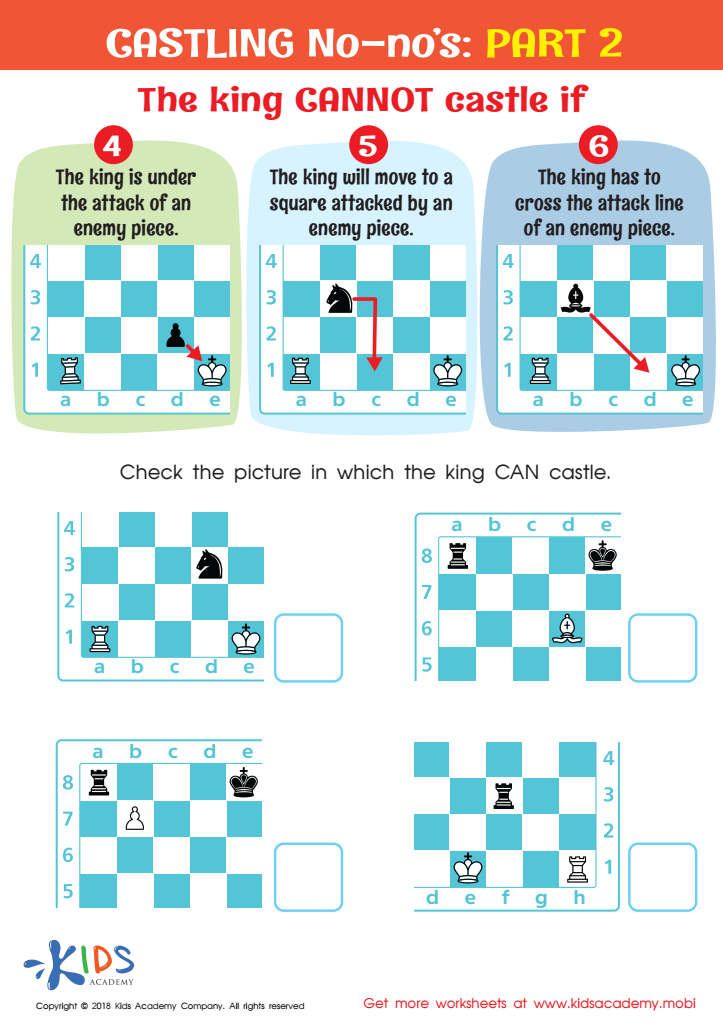
Castling No - no's: Part 2 Worksheet
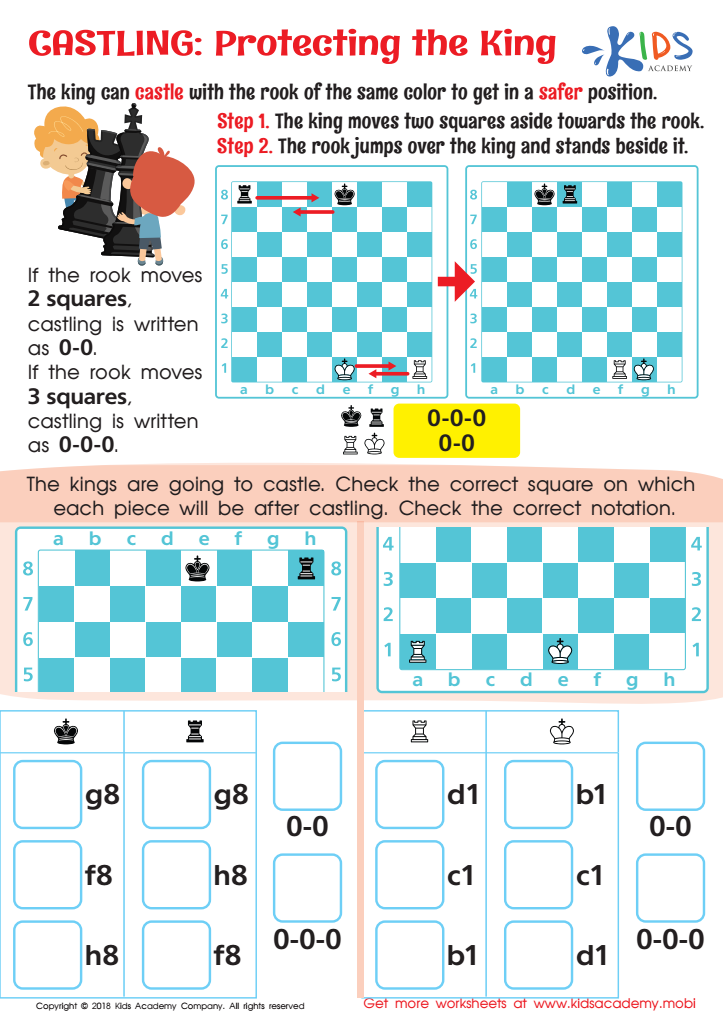
Castling: Protecting the King Worksheet
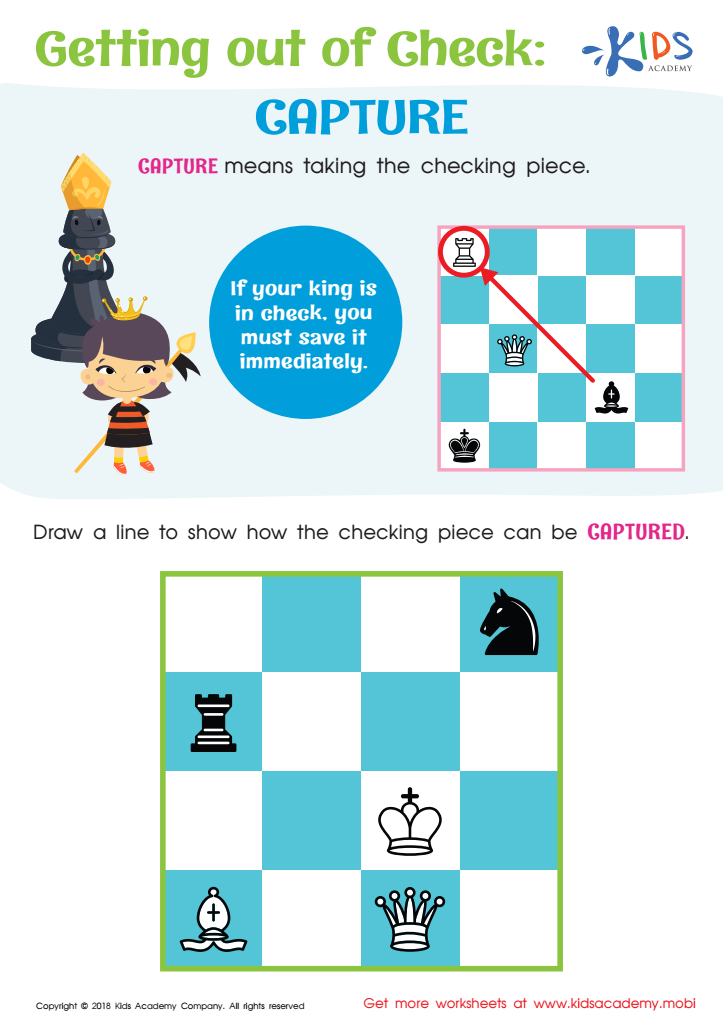
Getting out of Check: Capture
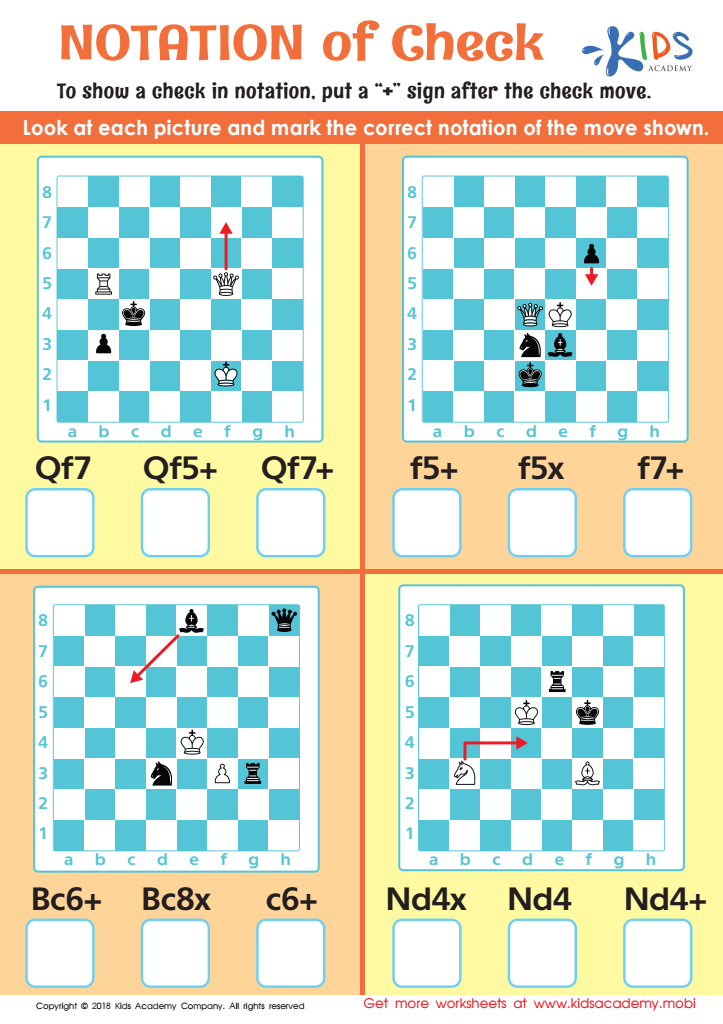
Notation of Check Worksheet
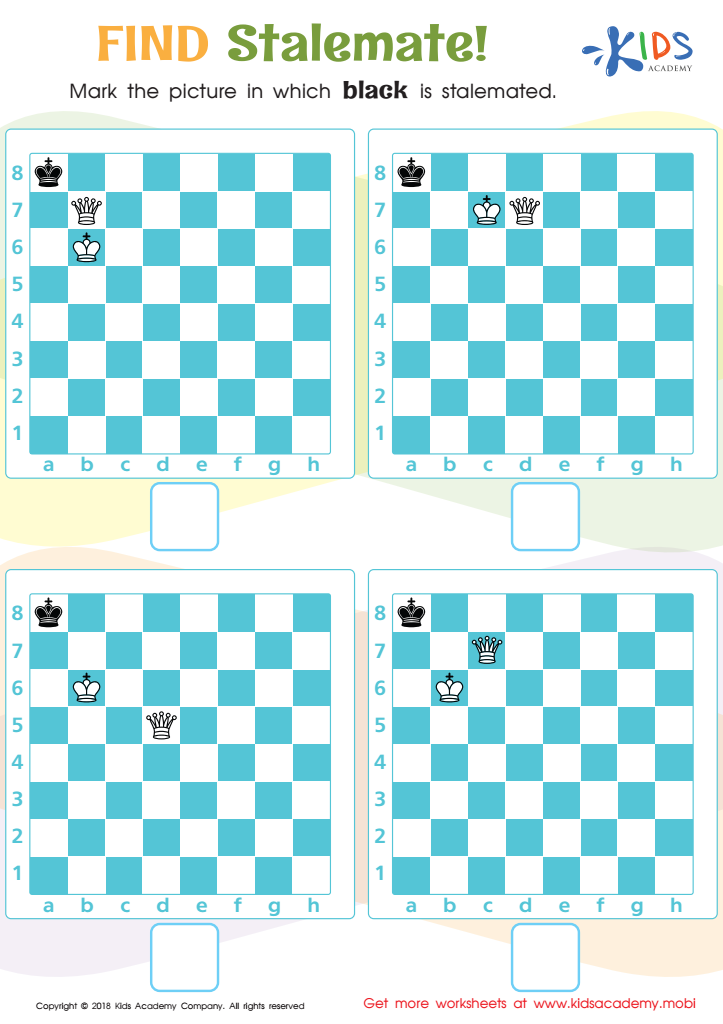
Find Stalemate! Worksheet
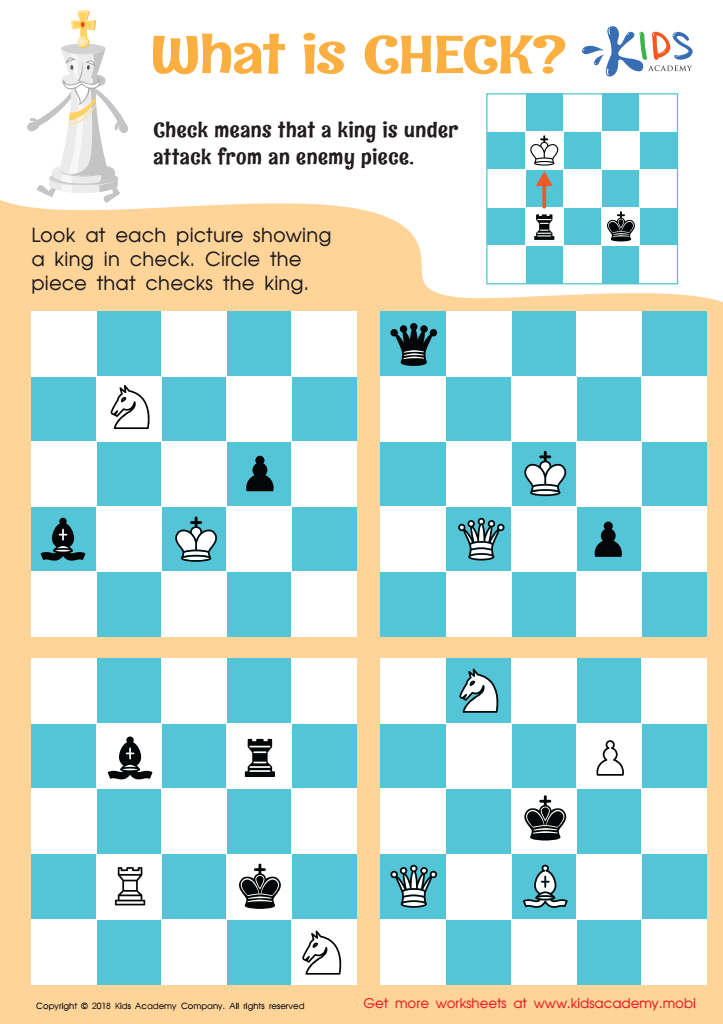
What is Check? Worksheet
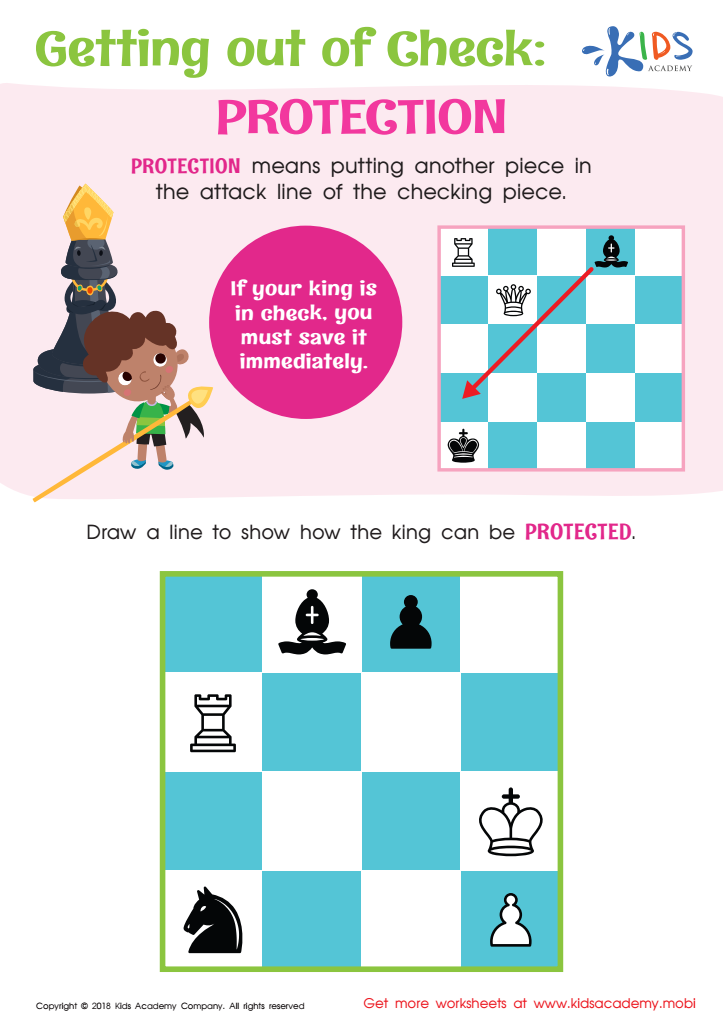
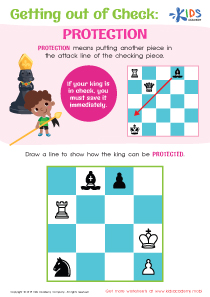
Getting out of Check: Protection
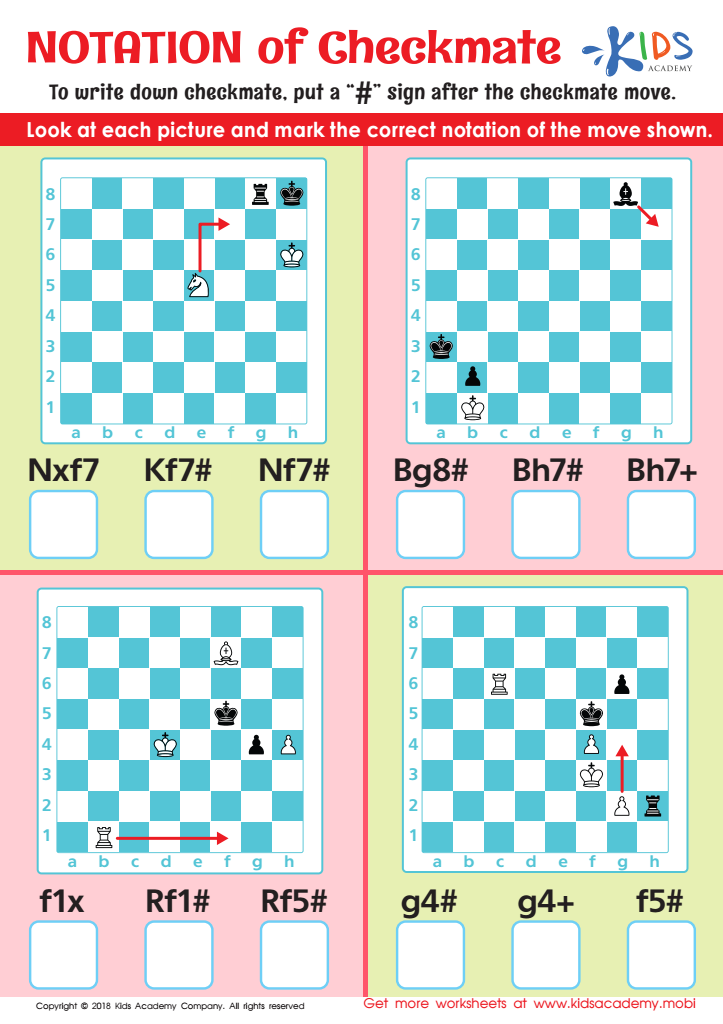
Notation of Checkmate Worksheet





Extra Challenge Chess for Ages 7-8 offers numerous benefits that parents and teachers should prioritize. First and foremost, chess is a game that fosters critical thinking and problem-solving skills. At this formative age, children are developing cognitive abilities, and engaging with chess encourages them to think strategically, anticipate outcomes, and evaluate various possibilities before making decisions. This can translate into better academic performance in subjects such as math and science.
Additionally, chess enhances focus and concentration. In a world filled with distractions, teaching children to sit and concentrate on a game can improve their attention spans. Moreover, participating in chess promotes patience and the ability to handle setbacks, as every player faces losses or challenges. Learning resilience in chess can help children develop coping mechanisms for handling challenges in real life.
Socially, chess provides an opportunity for collaboration and interaction, whether through friendly competitions or organized tournaments. These interactions help nurture communication skills and foster a sense of community among peers.
In summary, promoting Extra Challenge Chess equips children with valuable life skills, enhances their mental capabilities, encourages social development, and instills a sense of perseverance – all crucial for their overall growth and success. Therefore, it merits the attention of both parents and educators.