Critical Thinking Extra Challenge Worksheets for Ages 7-9
10 filtered results
-
From - To
Unlock your child's potential with our "Critical Thinking Extra Challenge Worksheets for Ages 7-9." Designed to stimulate young minds, our worksheets provide engaging and challenging activities that enhance problem-solving and analytical skills. Tailored to fit the developmental needs of children aged 7 to 9, these worksheets encourage logical reasoning, reading comprehension, and mathematical thinking. With a variety of puzzles, word problems, and creative tasks, these worksheets make learning both fun and effective. Perfect for home or classroom use, they offer an excellent way to boost your child’s academic achievement and critical thinking capabilities. Get started today!
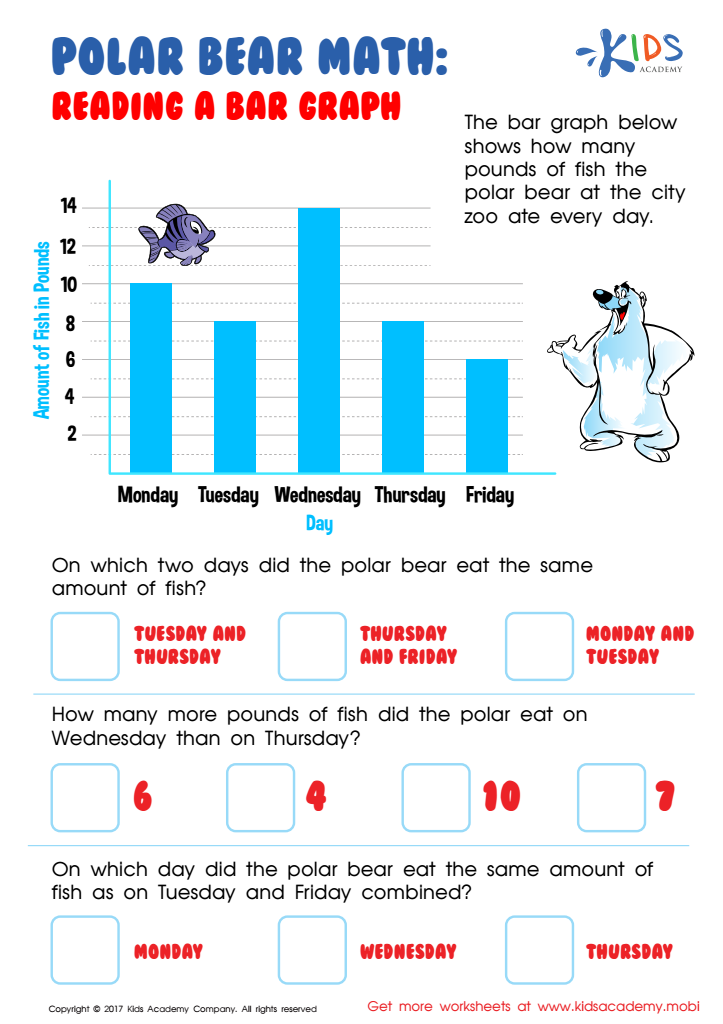
Reading Bar Graph Worksheet
 Assign to My Students

Odd Word Out Rhyming Worksheet
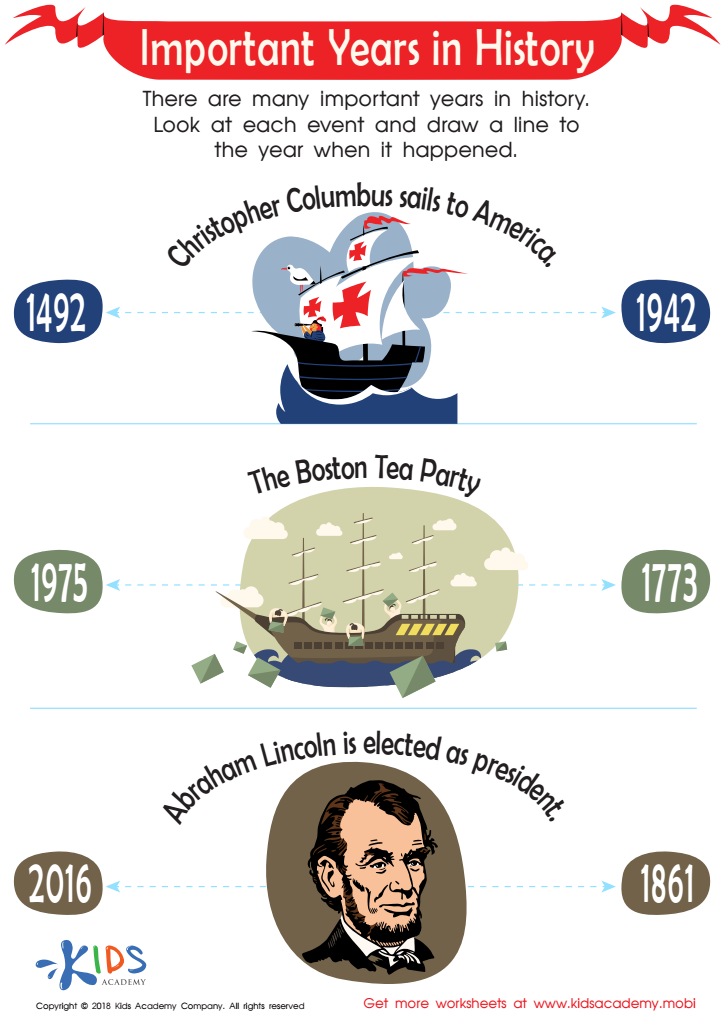
Important Years in History Worksheet

Capitalization: Fix the Story Worksheet
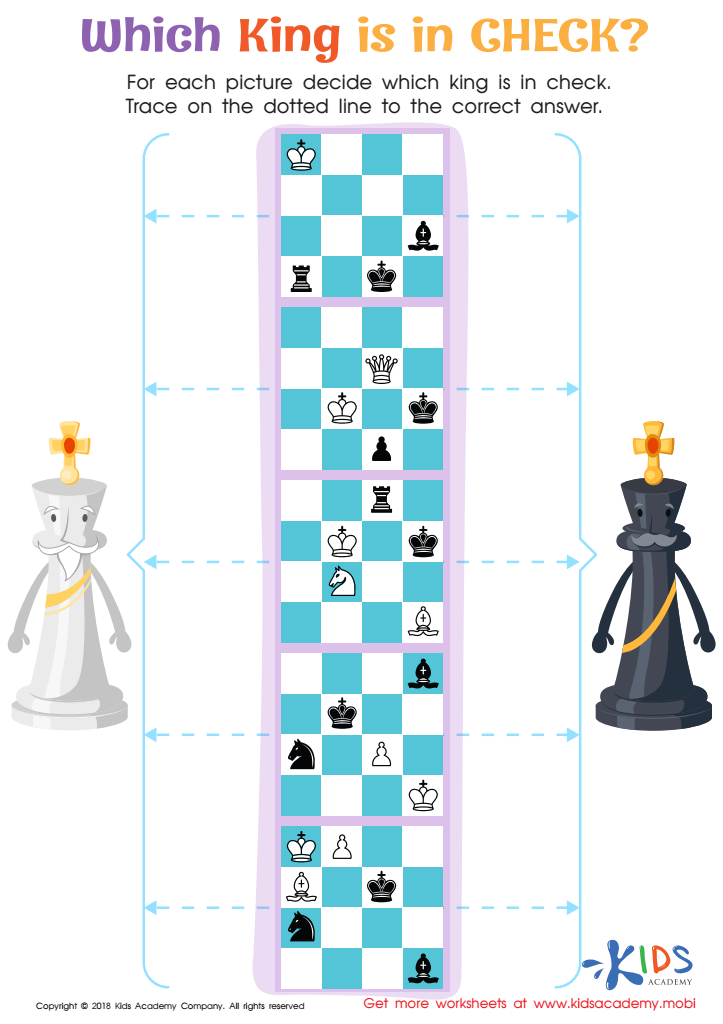
Which King is in Check? Worksheet
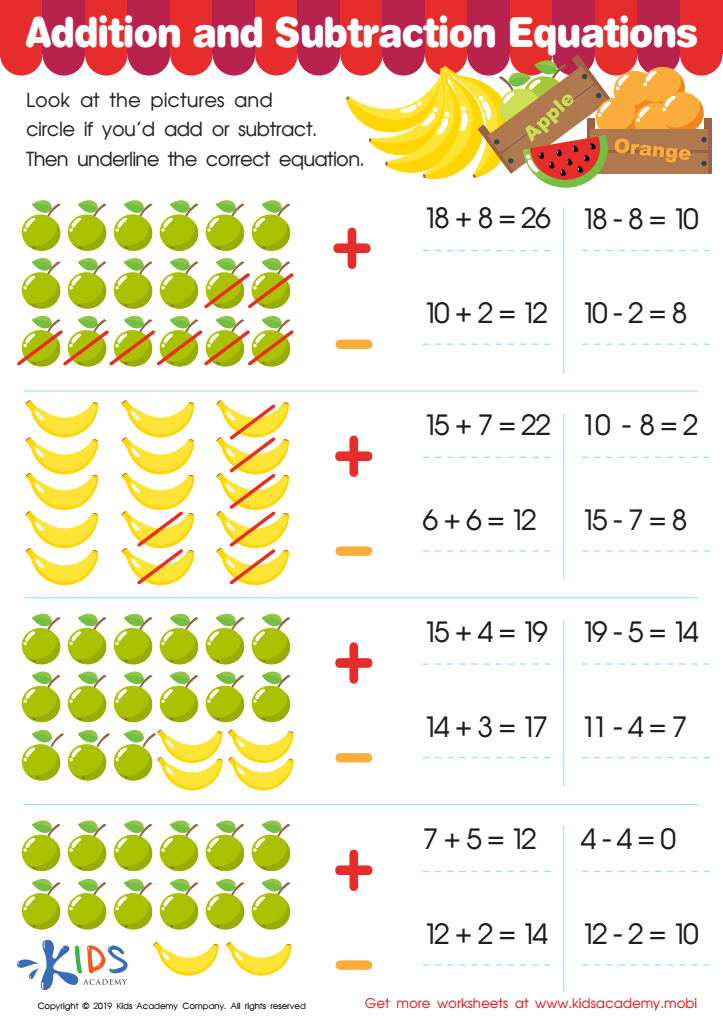
Addition and Subtraction: Equations Worksheet

Leprechaun Maze Printable
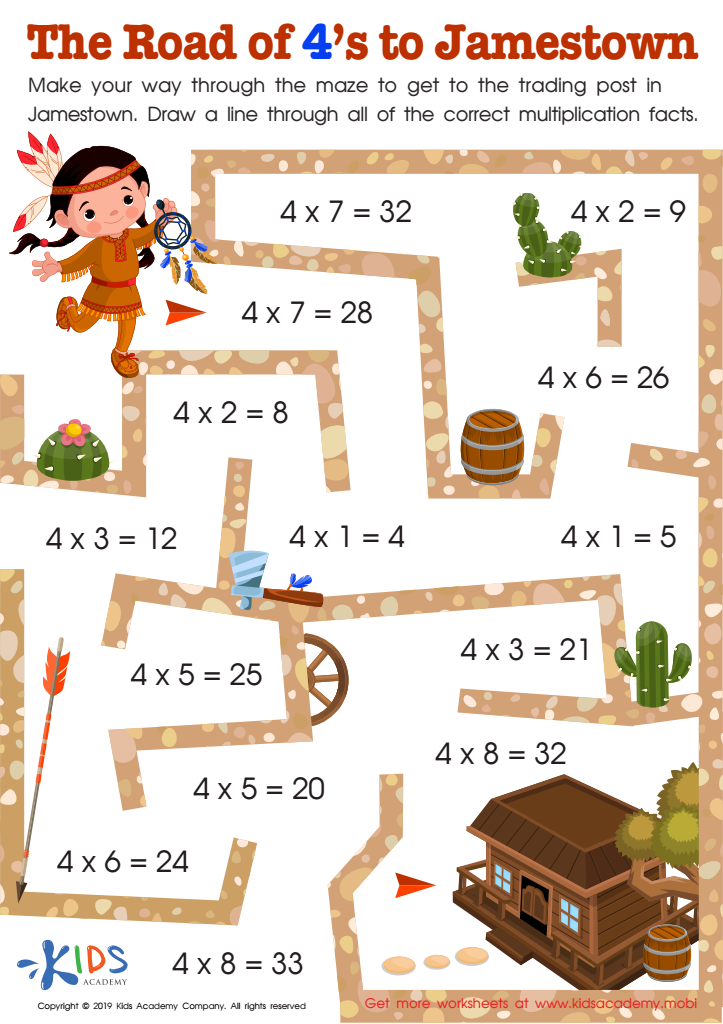
The Road of 4’s to Jamestown Worksheet

African Animal Safari Worksheet
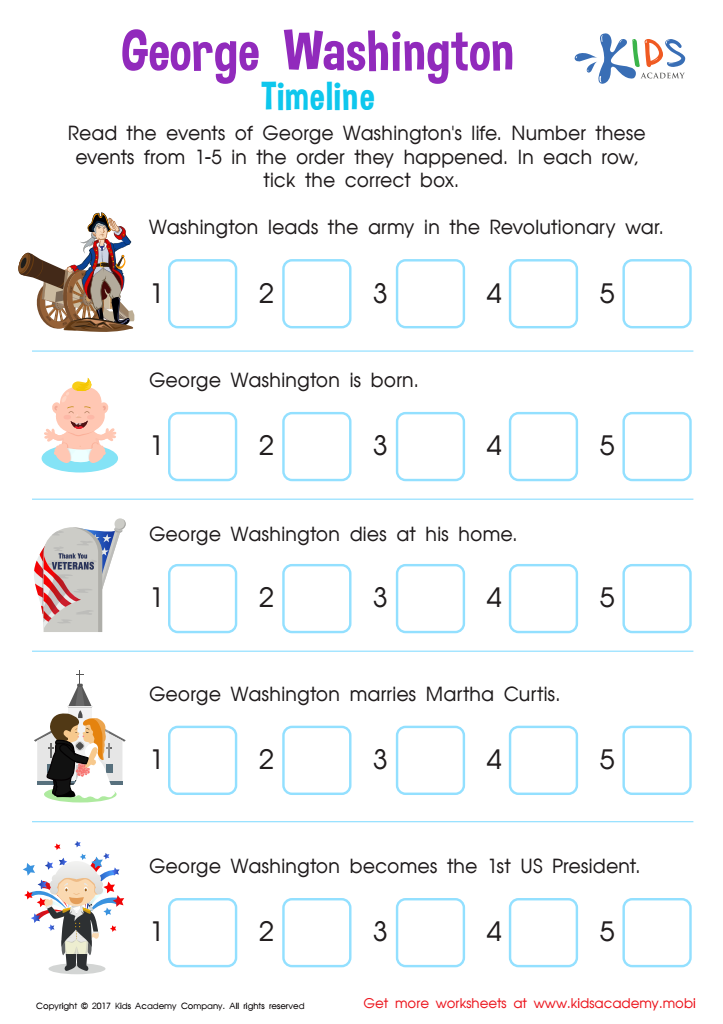
George Washington Timeline Worksheet






.jpg)

Introducing Critical Thinking Extra Challenges for children aged 7-9 is crucial for their intellectual development. At this formative age, children's brains are highly receptive to learning and absorbing new information. Engaging in structured critical thinking exercises helps them develop essential cognitive skills such as problem-solving, reasoning, and analytical thinking. These exercises encourage children to question assumptions, think logically, and consider multiple perspectives when faced with new situations.
Additionally, critical thinking activities foster creativity and curiosity. When children tackle these challenges, they learn to brainstorm and come up with innovative solutions independently. This not only strengthens their mental agility but also builds confidence in their ability to overcome obstacles.
Teachers and parents play pivotal roles in nurturing these skills by providing a supportive and stimulating environment. When educators incorporate critical thinking tasks into the curriculum, they enrich the learning experience beyond traditional rote memorization. Parents who emphasize such activities at home contribute to a well-rounded education, preparing their children for future academic and life challenges.
Moreover, early development of critical thinking skills lays a strong foundation for lifelong learning. These skills are transferable to all subjects and practical everyday situations, ultimately equipping children with the tools to navigate an increasingly complex world confidently and competently.








