Fine Motor Skills Extra Challenge Geometry Worksheets for Ages 7-9
5 filtered results
-
From - To
Enhance your child's fine motor skills with our Extra Challenge Geometry Worksheets designed specifically for ages 7-9! These engaging worksheets provide a perfect blend of geometric concepts and hands-on activities. As children color, trace, and construct geometric shapes, they not only develop essential fine motor abilities, such as grip and precision, but also enhance their understanding of key geometry concepts. Ideal for home or classroom use, these worksheets are perfect for reinforcing geometry knowledge while promoting dexterity. Encourage your young learners to tackle exciting challenges that will make fine motor practice both fun and educational! Explore our collection today!
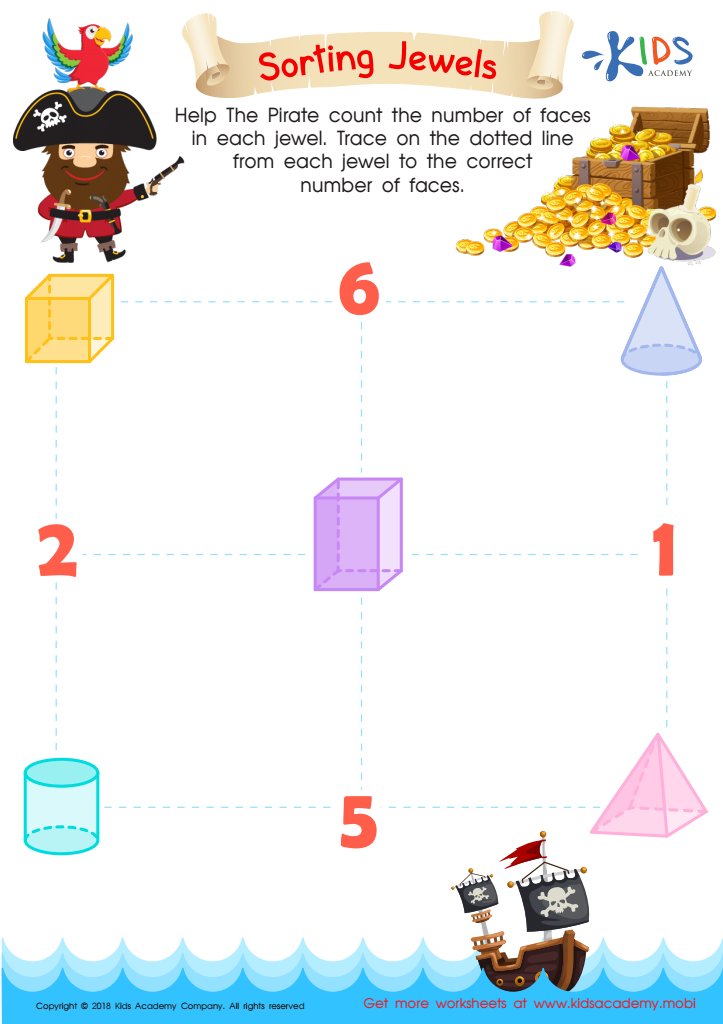
Sorting Jewels Worksheet
 Assign to My Students











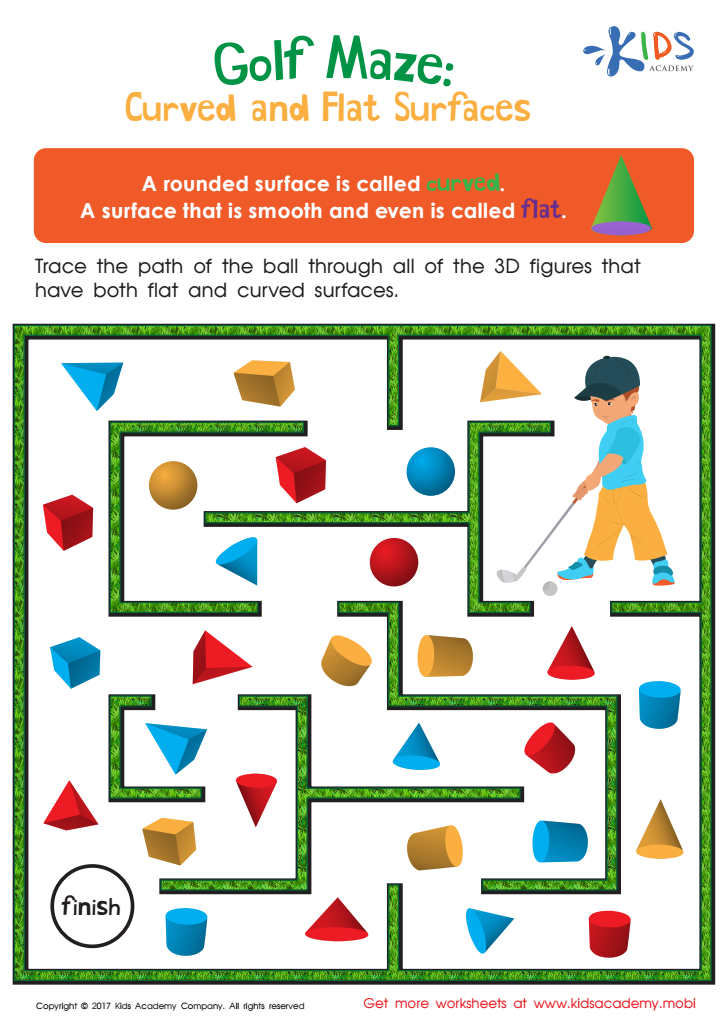
Golf Maze: Curved and Flat Surfaces Worksheet
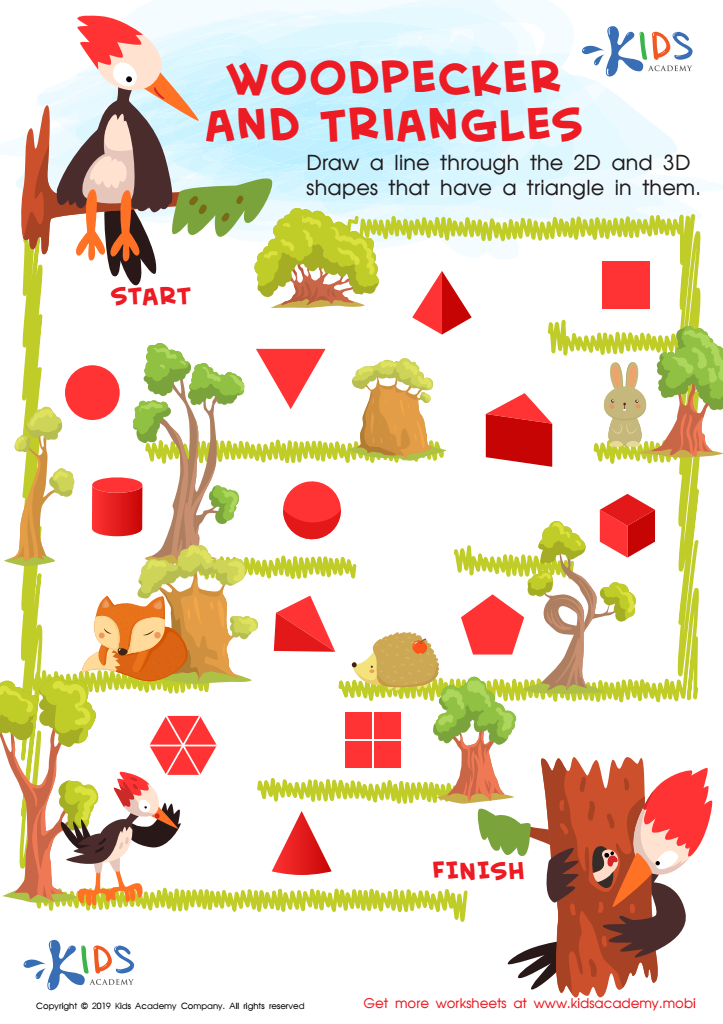
Woodpecker and Triangles Worksheet
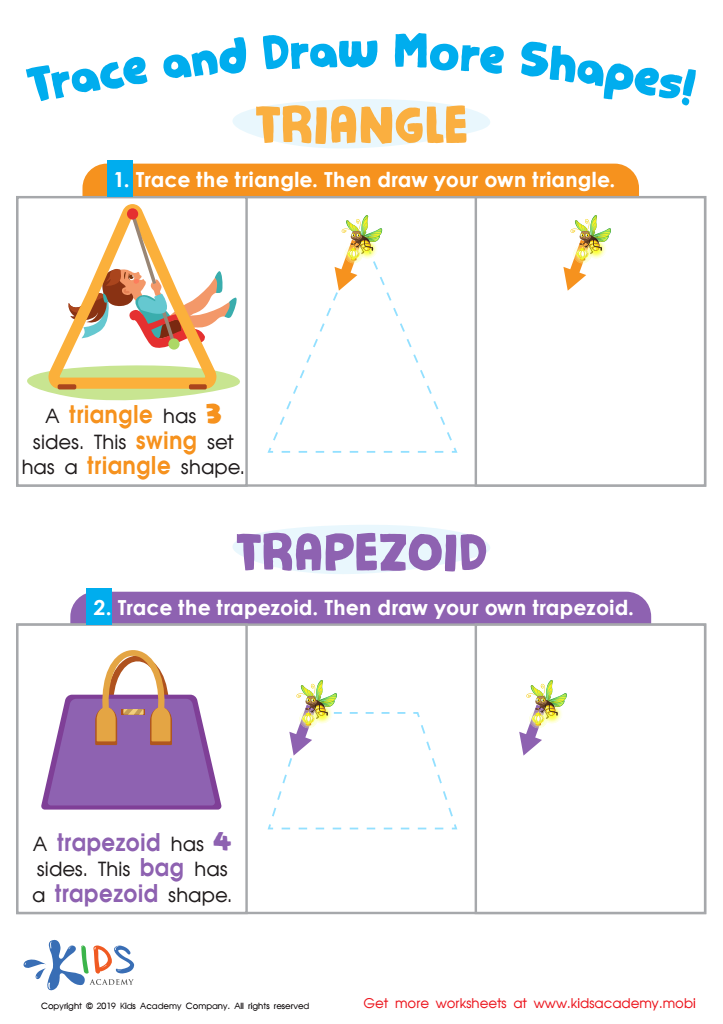
Trace and Draw More Shapes Worksheet
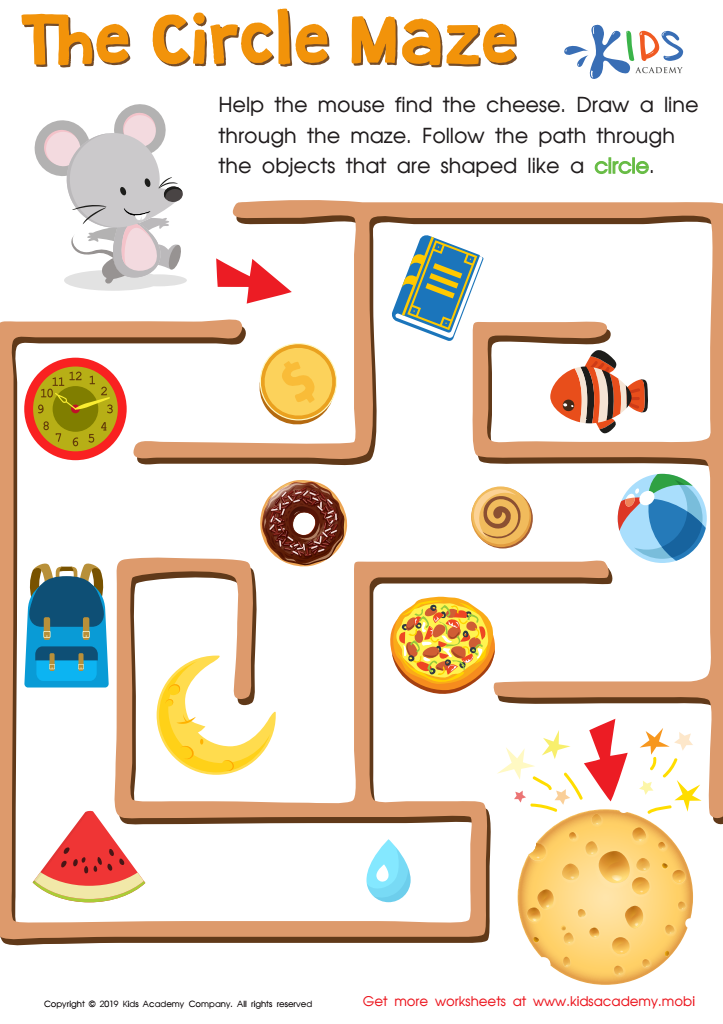
The Circle Maze Worksheet








Fine motor skills are essential for children aged 7-9, as they directly influence a child's ability to perform tasks requiring hand-eye coordination, dexterity, and precision. The Fine Motor Skills Extra Challenge in Geometry is a vital resource because it bridges the gap between physical development and cognitive understanding of shapes and spatial relationships. Engaging in activities that challenge these skills fosters a child's ability to manipulate tools, navigate geometric concepts, and develop problem-solving abilities.
Parents and teachers should prioritize this challenge as it reinforces the importance of fine motor development in early learners. Activities designed to enhance fine motor skills, such as drawing shapes, cutting, or assembling geometric puzzles, not only support academic learning but also contribute to overall developmental milestones. Through these hands-on experiences, children learn to be more meticulous and confident in their abilities.
Moreover, proficiency in fine motor skills enhances a child’s performance in a variety of contexts, from handwriting to crafting. As children engage in these stimulating geometrically themed challenges, they simultaneously build social skills through collaboration and communication. Recognizing the link between fine motor skills and academic success empowers caregivers and educators to foster an enriching learning environment, ultimately supporting a child's holistic development.