Spatial awareness Extra Challenge Math Worksheets for Ages 7-9
8 filtered results
-
From - To
Unlock a world of dimensional thinking with our Spatial Awareness Extra Challenge Math Worksheets designed specifically for ages 7-9. These engaging worksheets help young learners advance their spatial reasoning skills through complex puzzles and advanced challenges. Perfect for students who thrive on visual learning and enjoy hands-on activities, these resources are tailored to enhance critical thinking, problem-solving, and geometry understanding. Ideal for classroom use or supplemental at-home activities, our worksheet collection is crafted to stimulate cognitive growth and encourage a deeper comprehension of spatial relationships, ensuring your child is well-prepared for future mathematic endeavors.
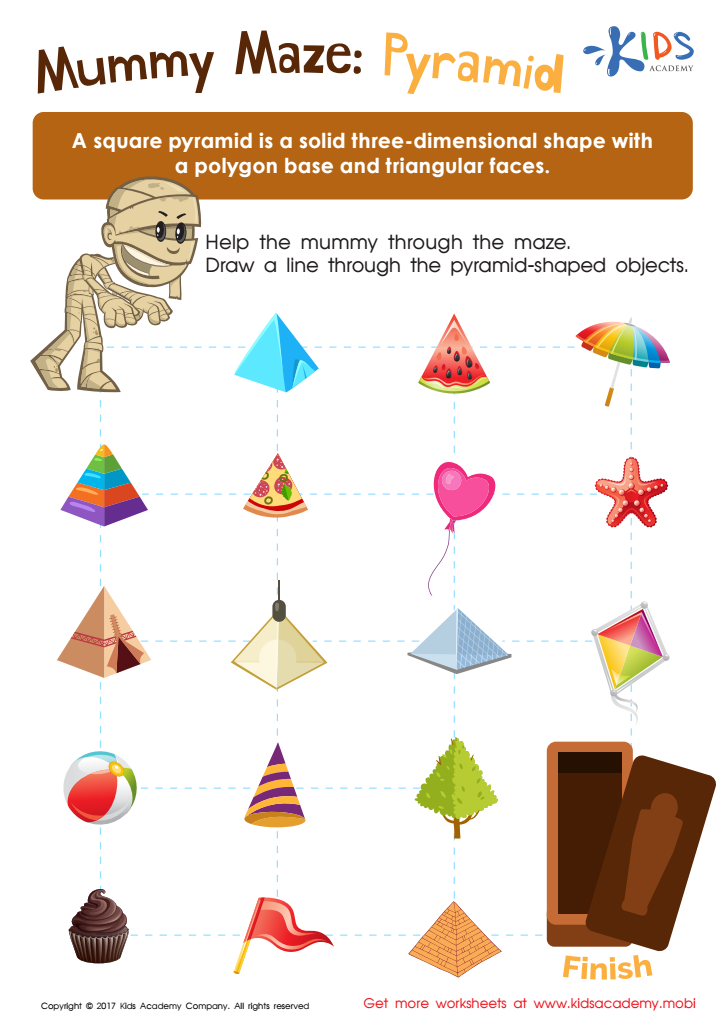
Mummy Maze: Pyramid Printable
 Assign to My Students
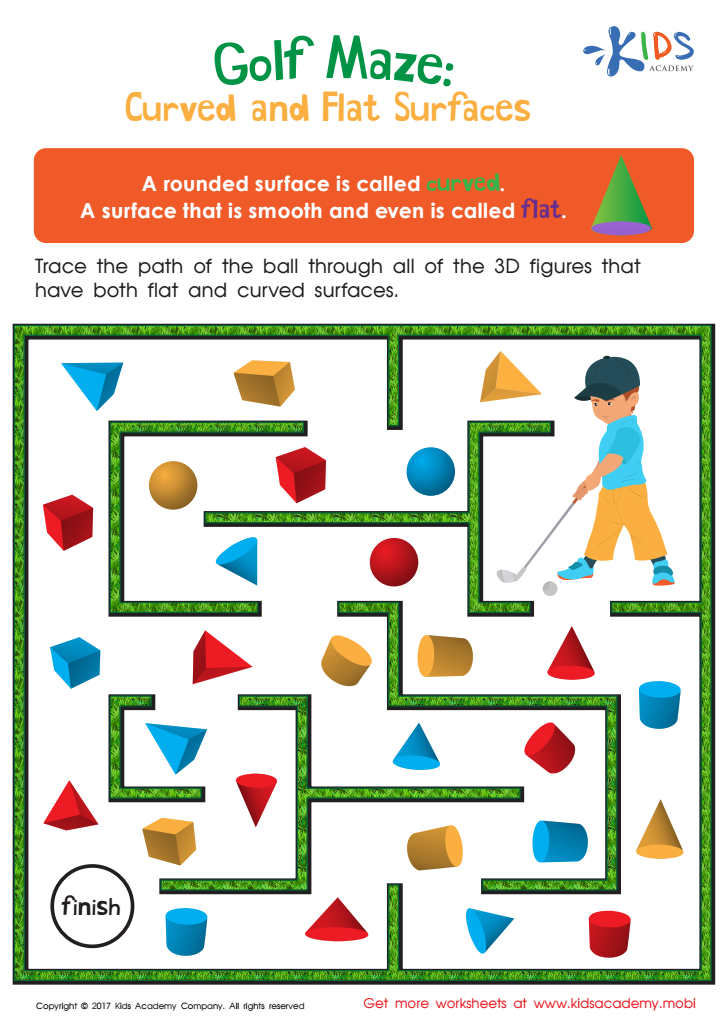
Golf Maze: Curved and Flat Surfaces Worksheet
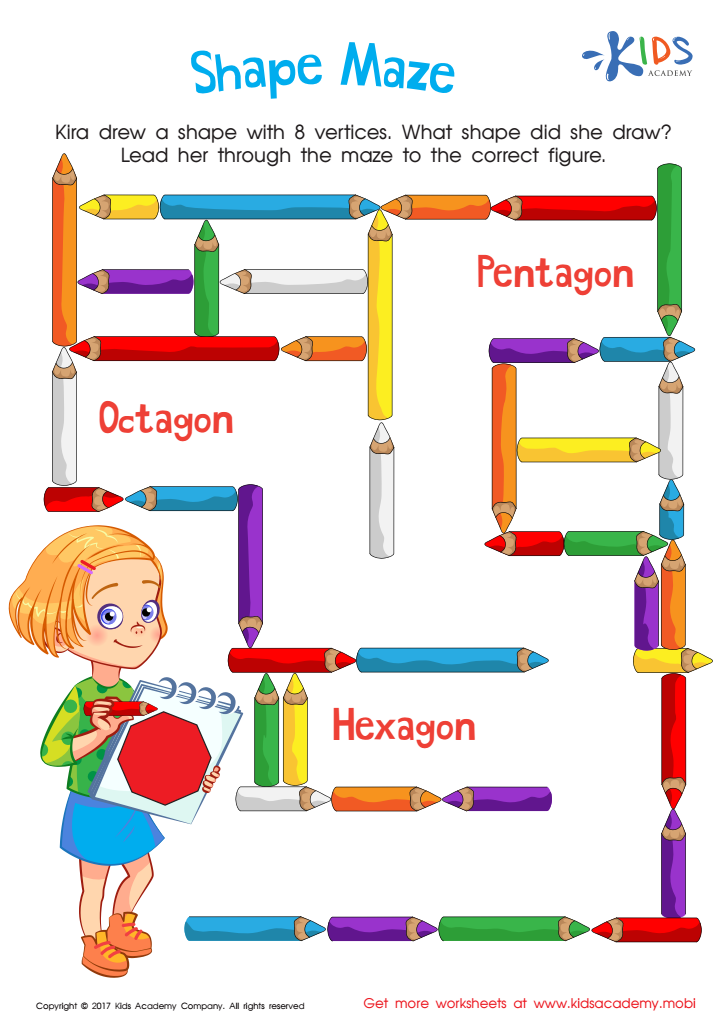
Shape Maze Worksheet
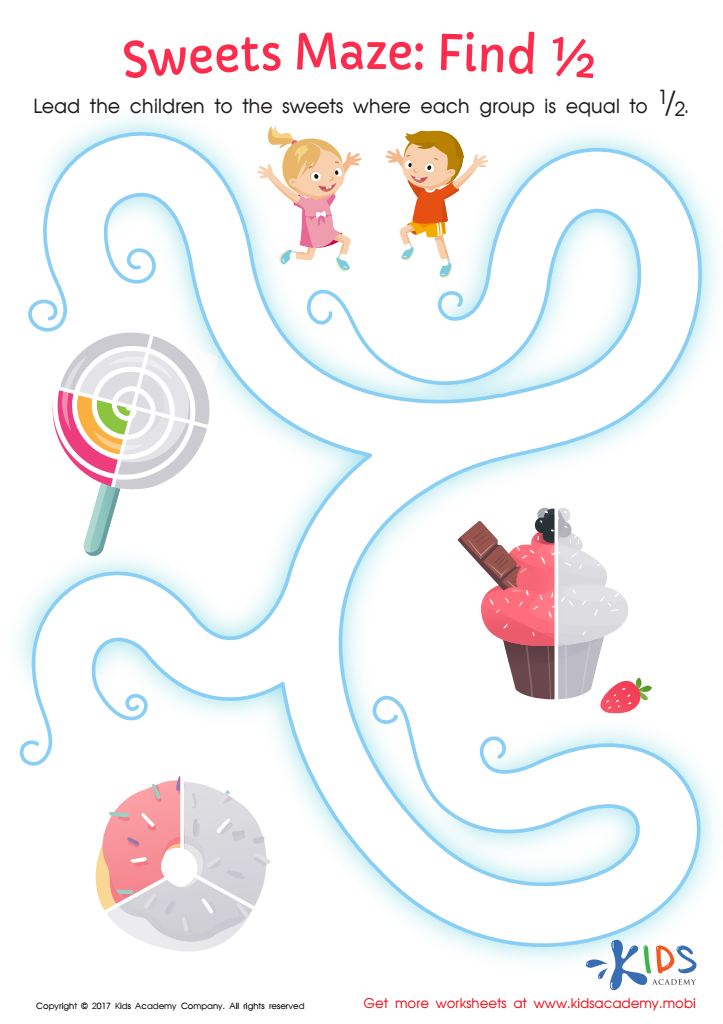
Fractions: Sweets Maze Worksheet
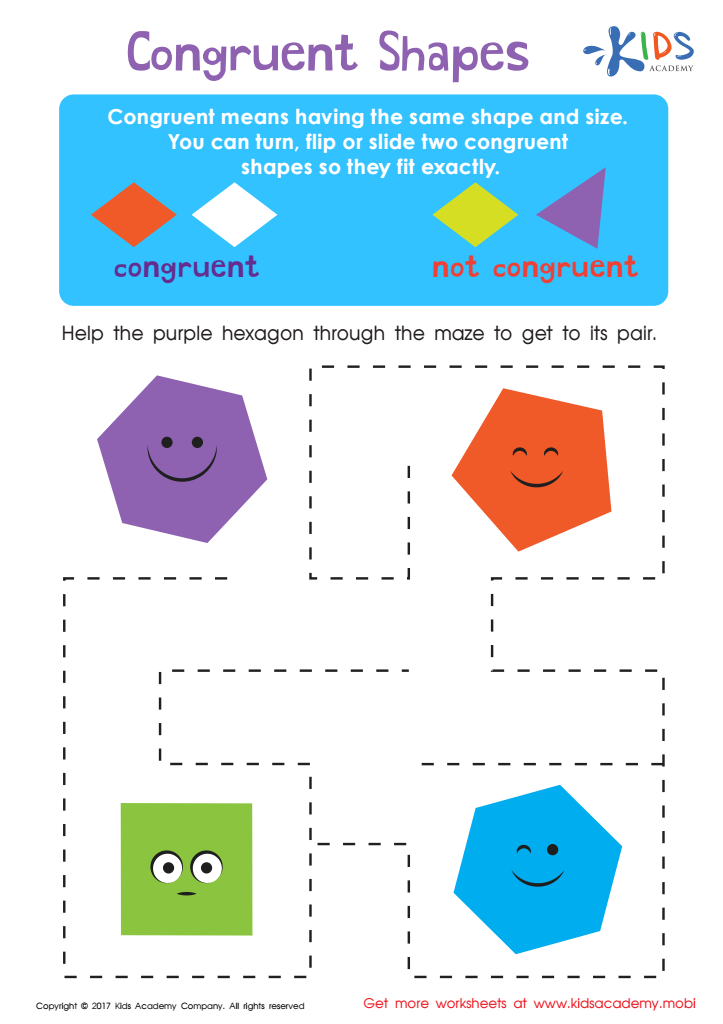
Congruent Shapes Worksheet
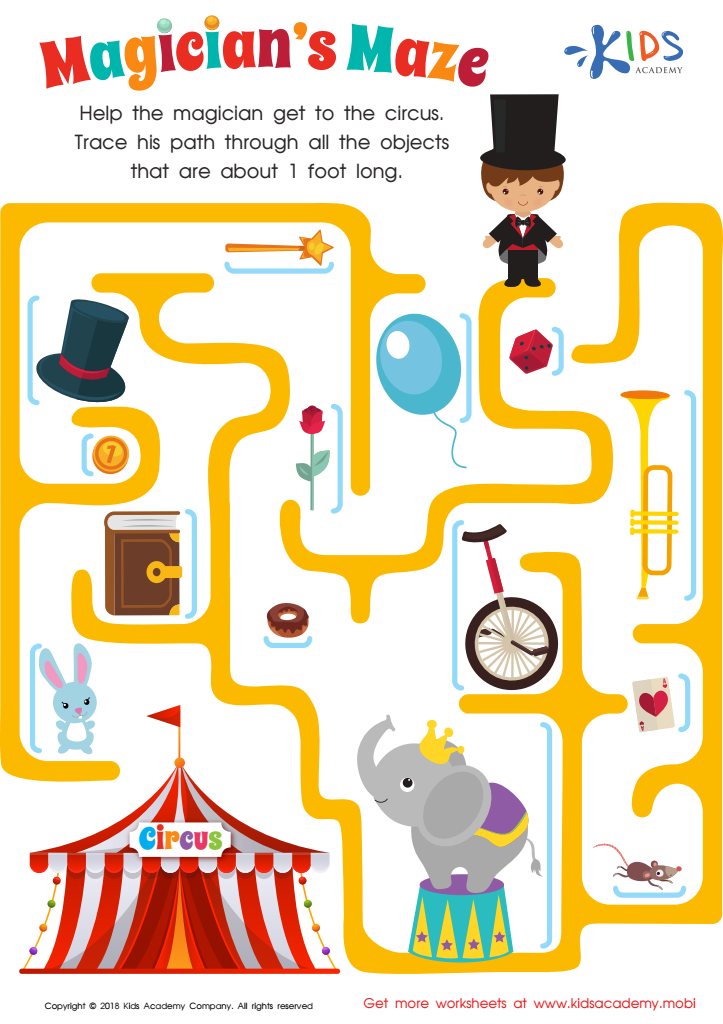
Estimating Length: Magician's Maze Worksheet
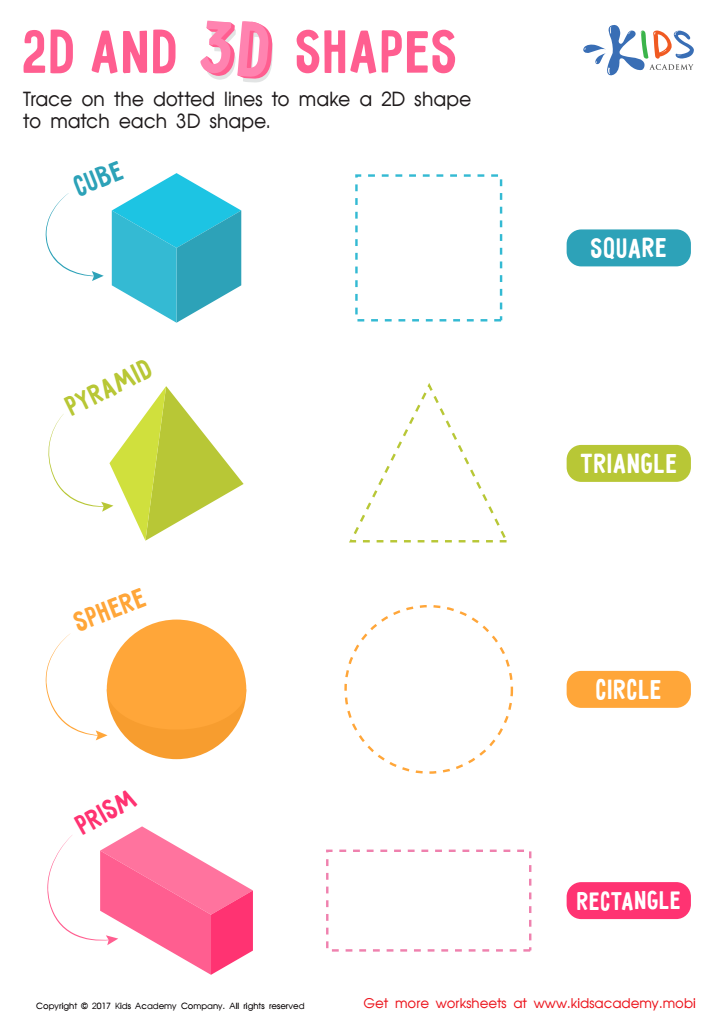
2D and 3D Shapes Worksheet
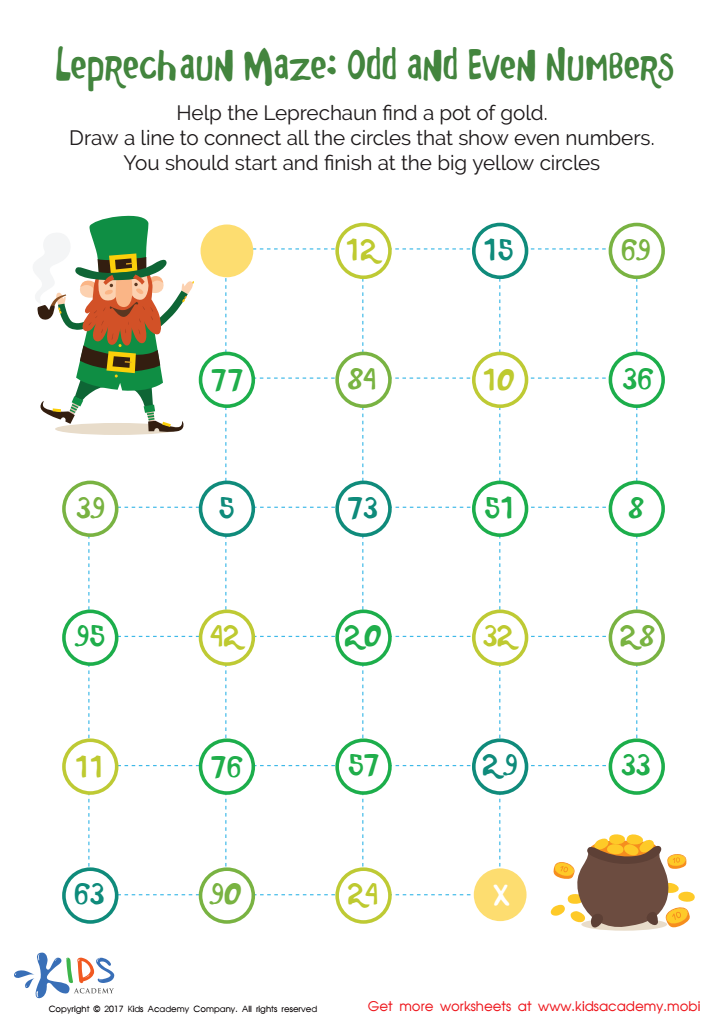
Leprechaun Maze Printable








Spatial awareness is a crucial skill that lays the foundation for numerous cognitive and academic abilities. When children aged 7-9 engage in Spatial Awareness Extra Challenge Math activities, they are not only learning about shapes, sizes, and the positional relationships between objects, but they are also enhancing their problem-solving abilities, critical thinking, and mathematical reasoning.
These exercises encourage children to visualize and manipulate objects in their minds, which is important for subjects beyond mathematics. For instance, improved spatial awareness can aid in understanding science concepts, navigating maps in social studies, and even in physical activities and sports where coordination and an understanding of space are integral.
Moreover, spatial awareness challenges often require kids to break down complex problems into manageable parts, fostering perseverance and attention to detail — skills that are beneficial in all areas of life. The ability to think spatially has been linked to future success in STEM (Science, technology, engineering and math) fields, making early investment in these skills worthwhile.
From an educational standpoint, parents and teachers should care about these challenges because they make learning dynamic and interactive, keeping young minds engaged and enthusiastic about math. By prioritizing spatial awareness in early education, we equip children with versatile tools for academic success and everyday decision-making.








