Counting skills Extra Challenge Worksheets for 7-Year-Olds
20 filtered results
-
From - To
Unlock new levels of counting skills with our Extra Challenge Worksheets designed especially for 7-year-olds! These printable resources go beyond basic counting, offering engaging and stimulating exercises that develop your child’s numerical understanding and problem-solving abilities. From skip counting by 2s, 5s, and 10s to mastering counting backward and recognizing patterns, each worksheet is crafted to push your young learner ahead. Perfect for supplementing classroom lessons or enhancing homeschooling activities, these challenges will pave the way for advanced mathematical thinking. Encourage confidence and excitement in math by diving into Counting Skills Extra Challenge Worksheets today!
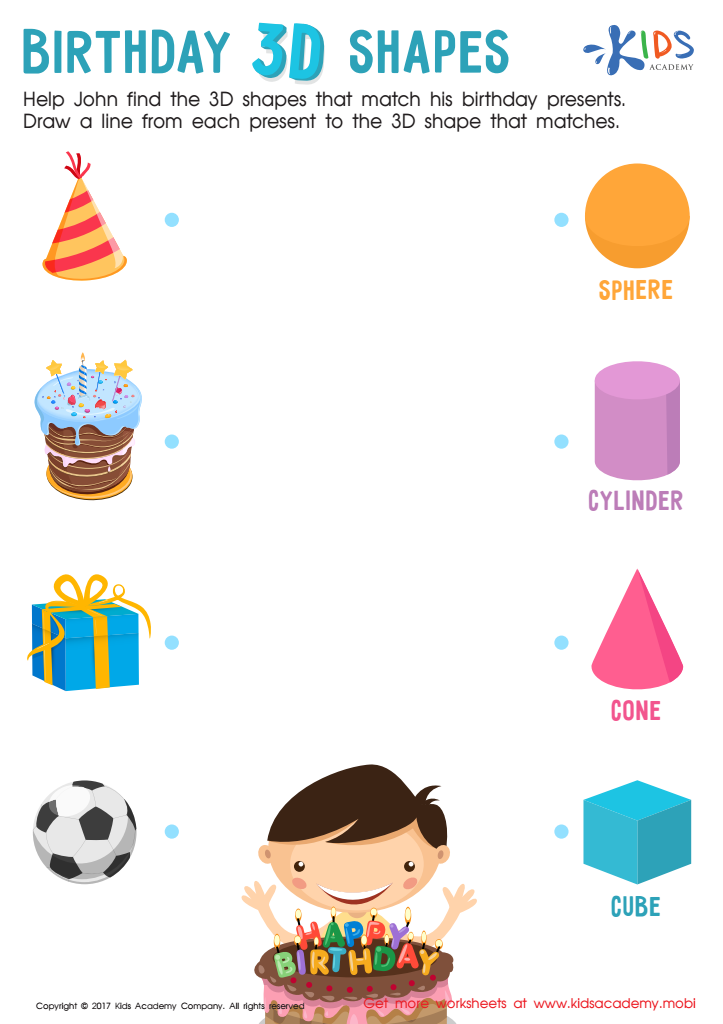
Birthday 3D Shapes Worksheet
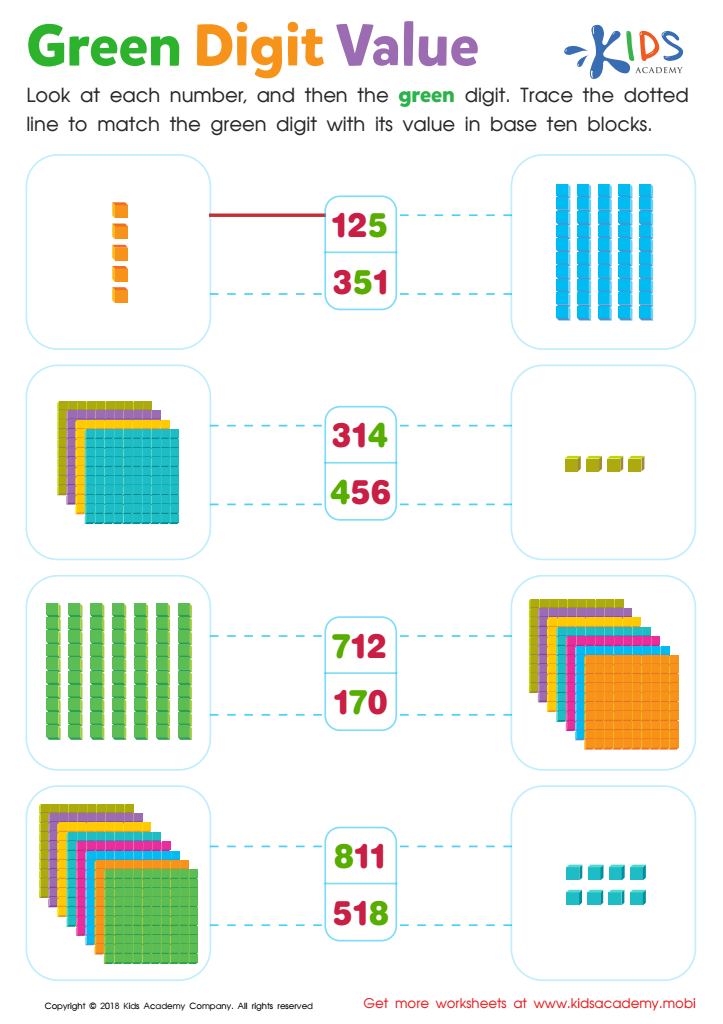
Green Digit Value Worksheet
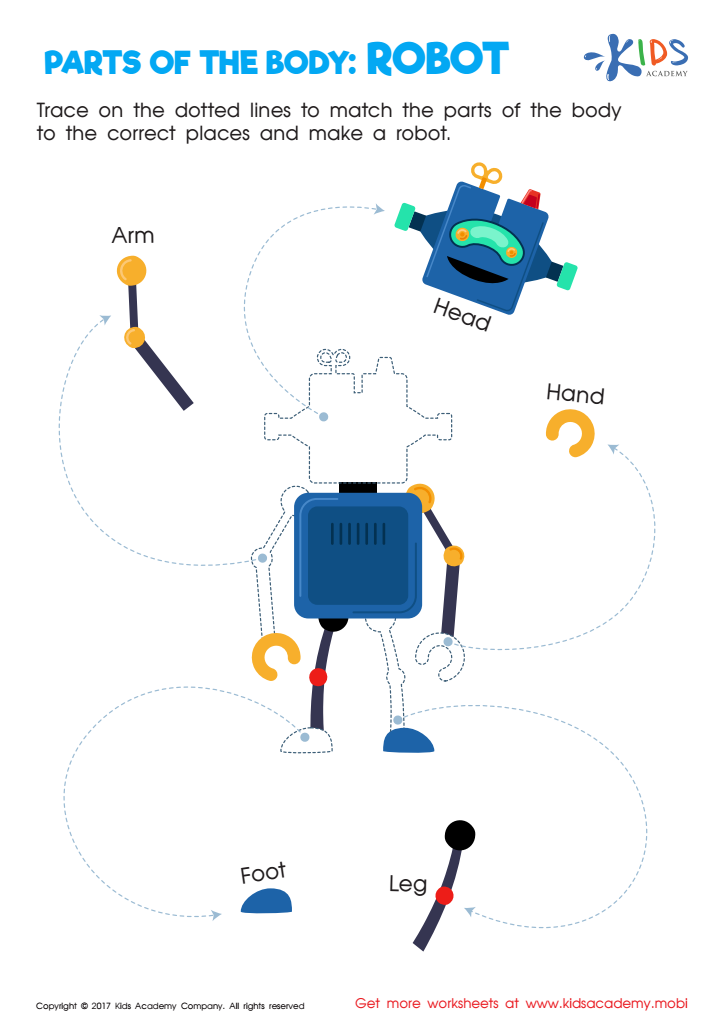
Robot Printable
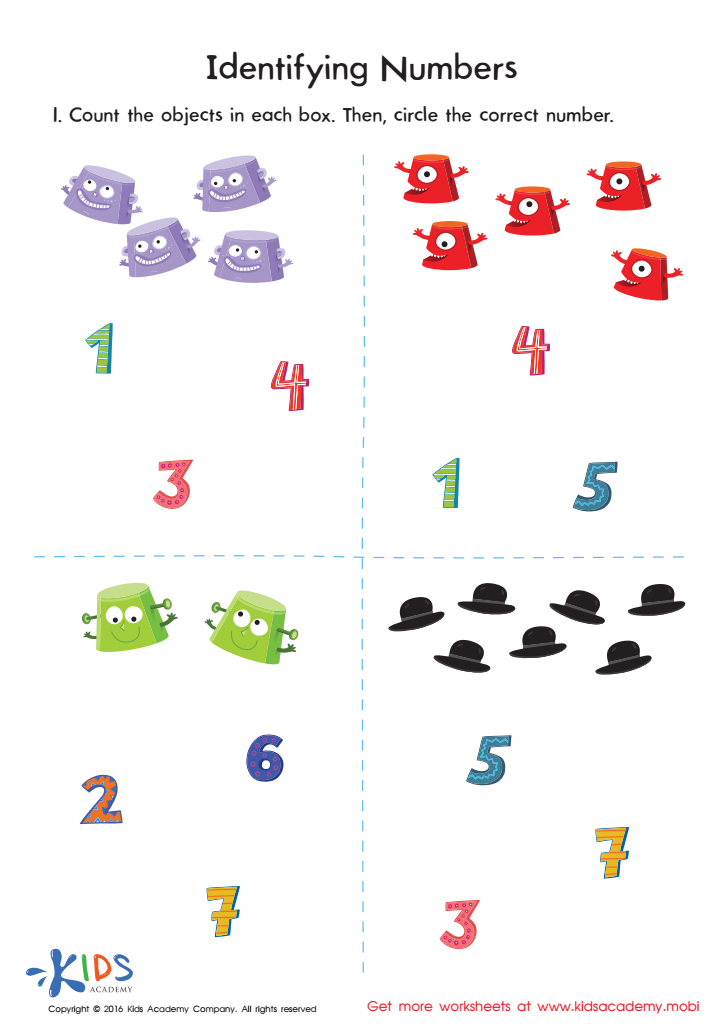
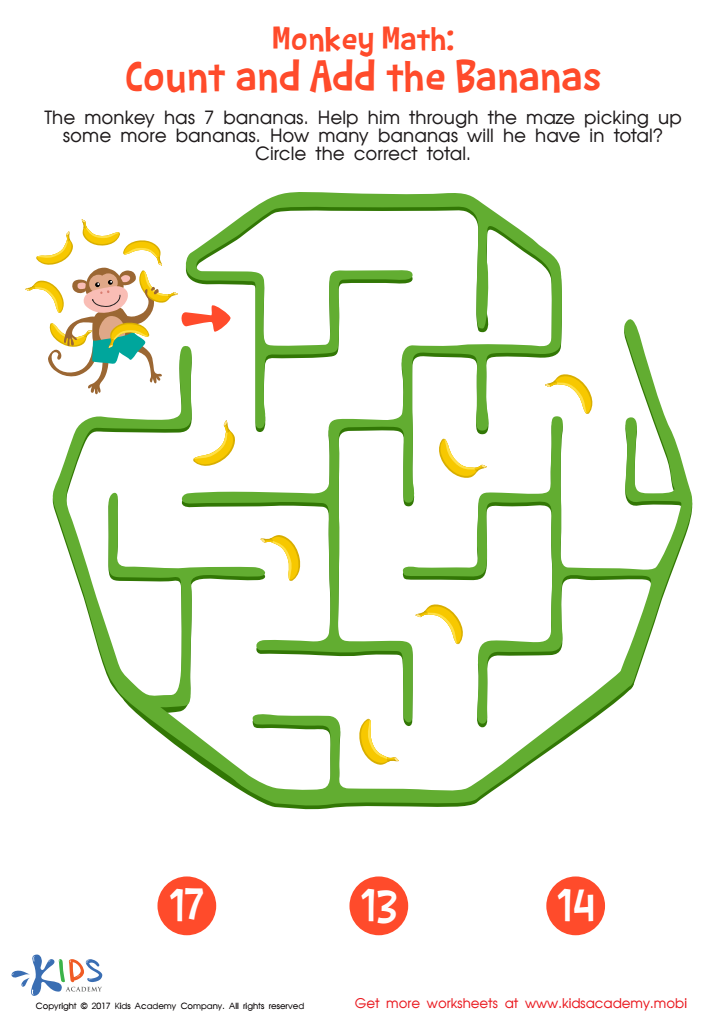
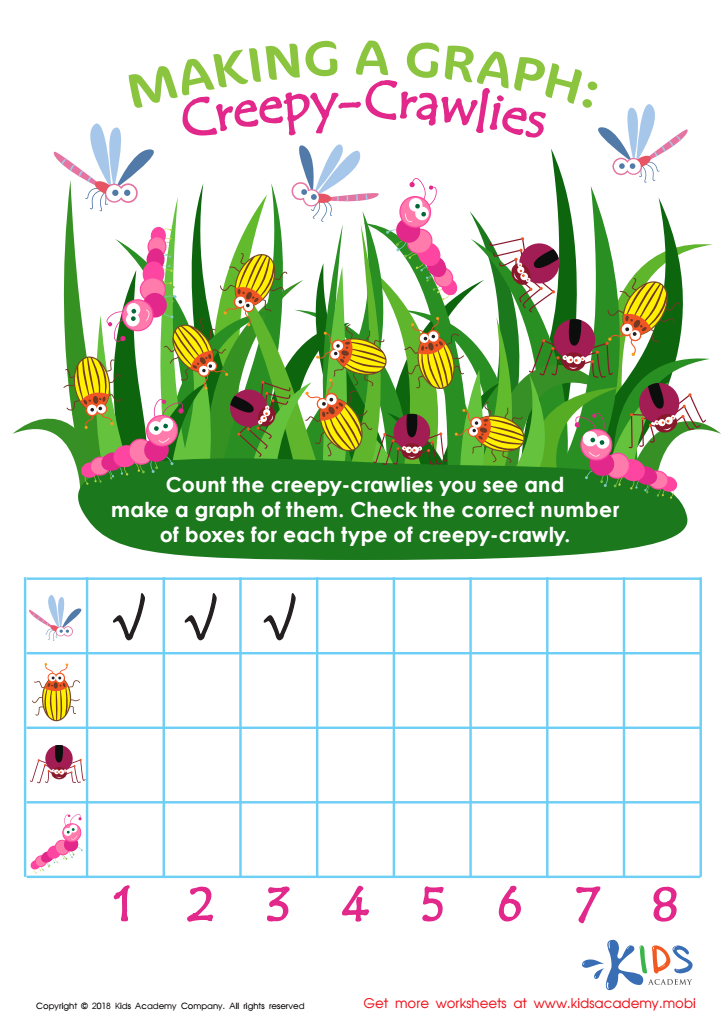
Making a Graph: Creepy Crawlies Worksheet
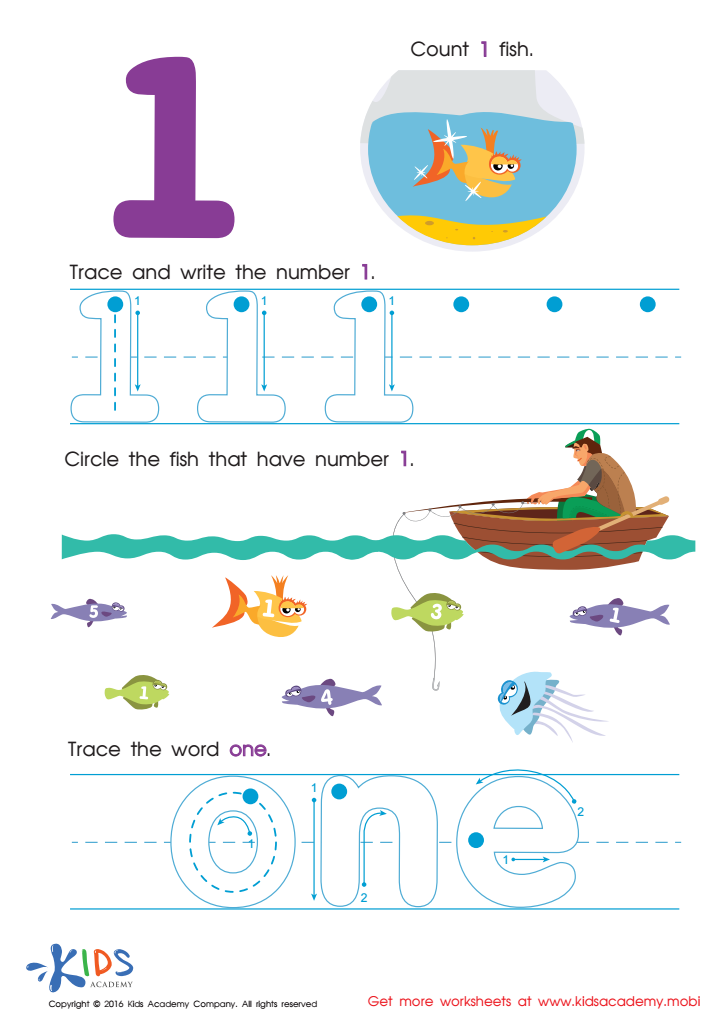
Learning to Write 1 Worksheet
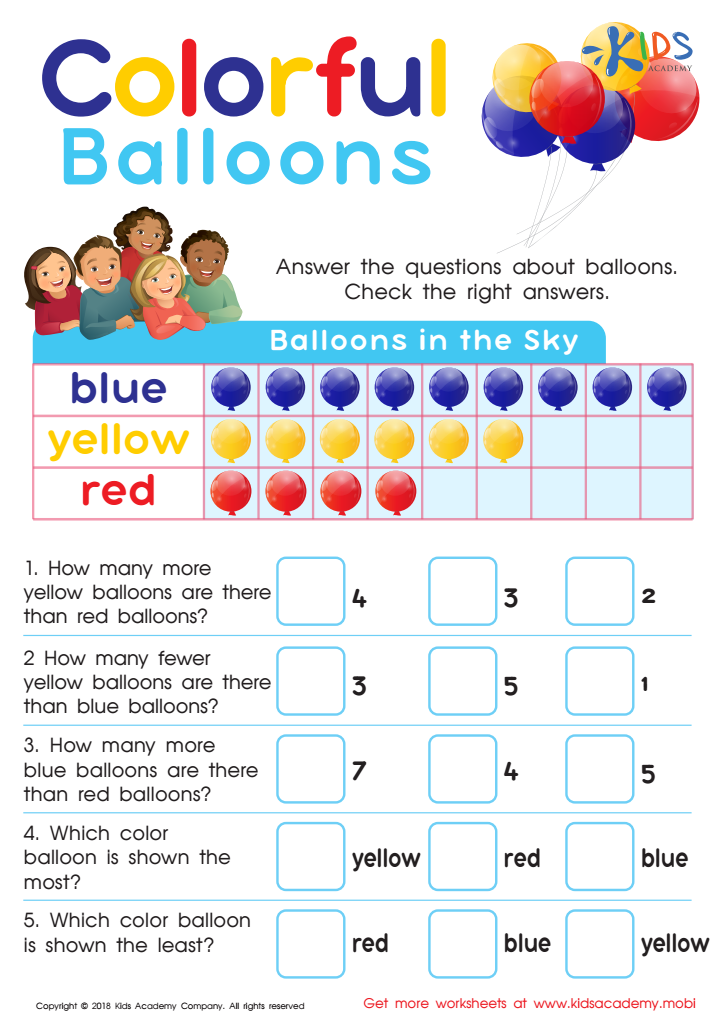
Picture Graphs: Colorful Balloons Worksheet
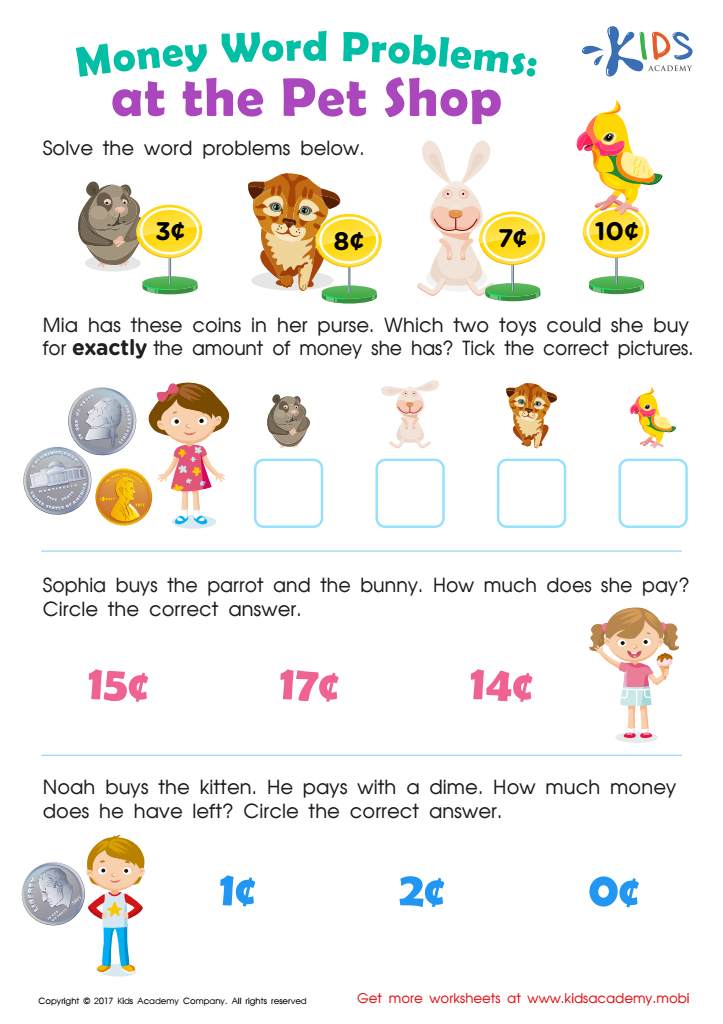
Pet Shop Worksheet
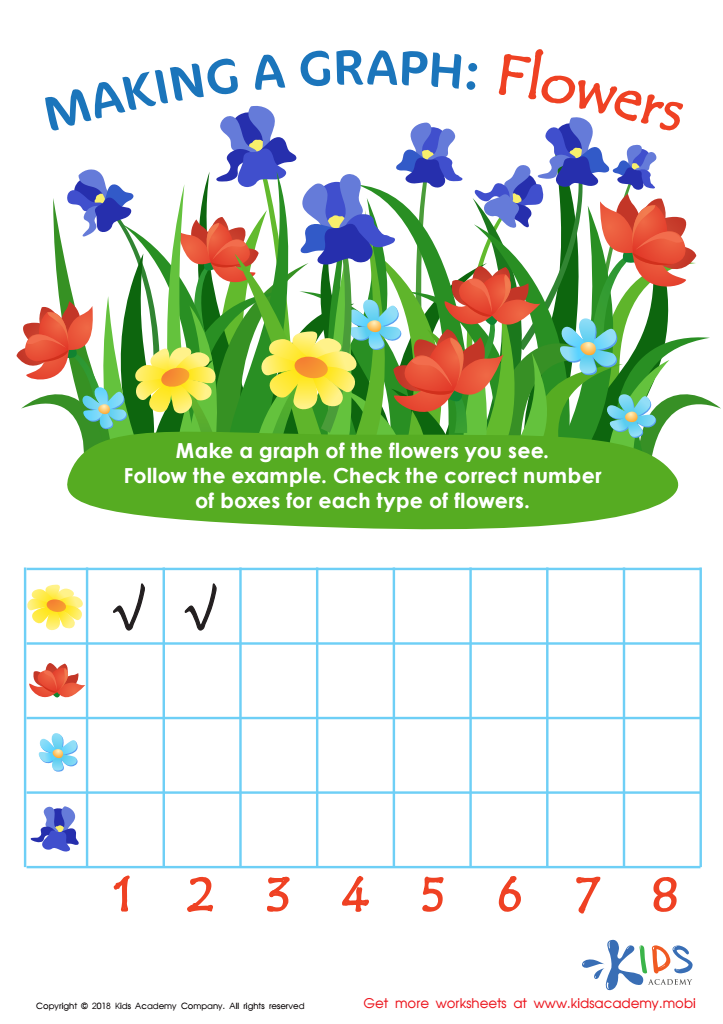
Making a Graph: Flowers Worksheet
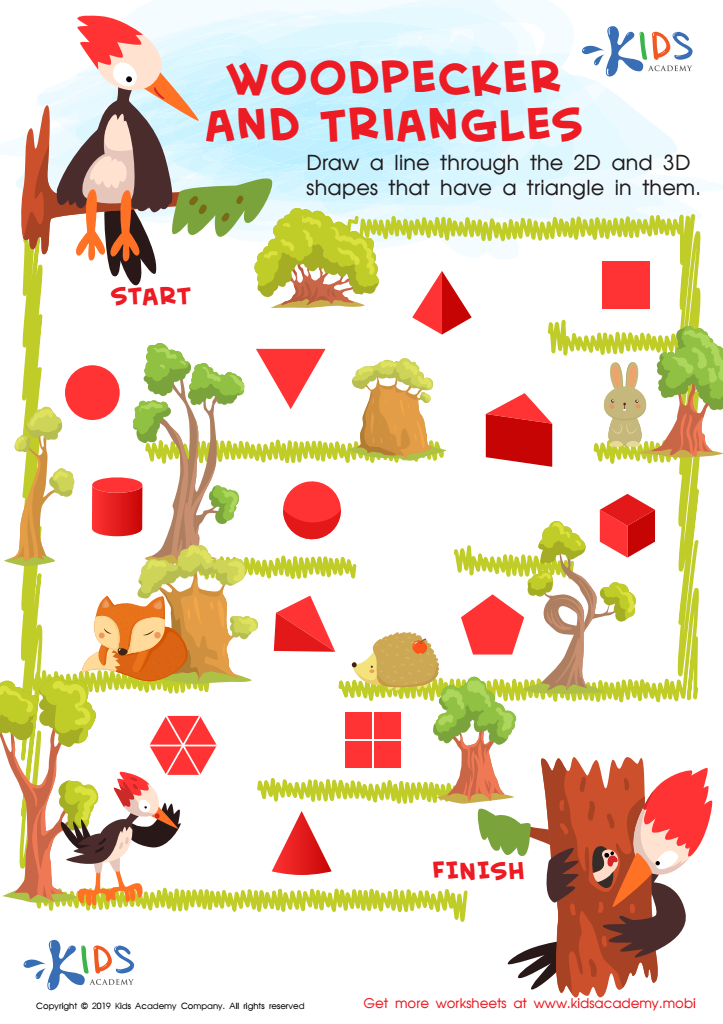
Woodpecker and Triangles Worksheet
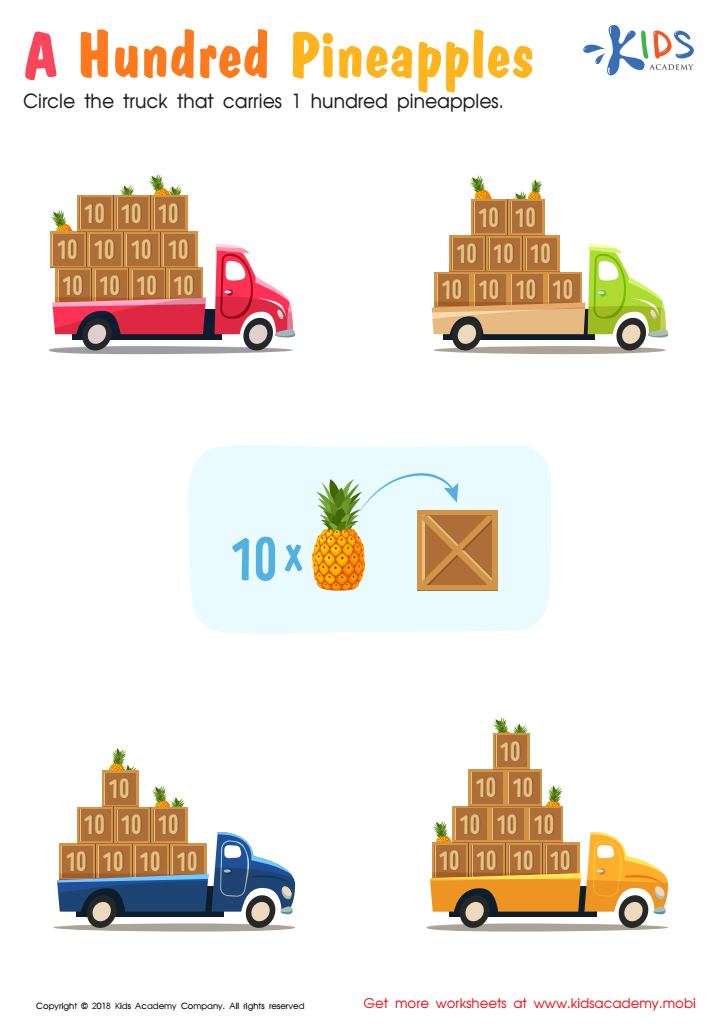
A Hundred Pineapples Worksheet
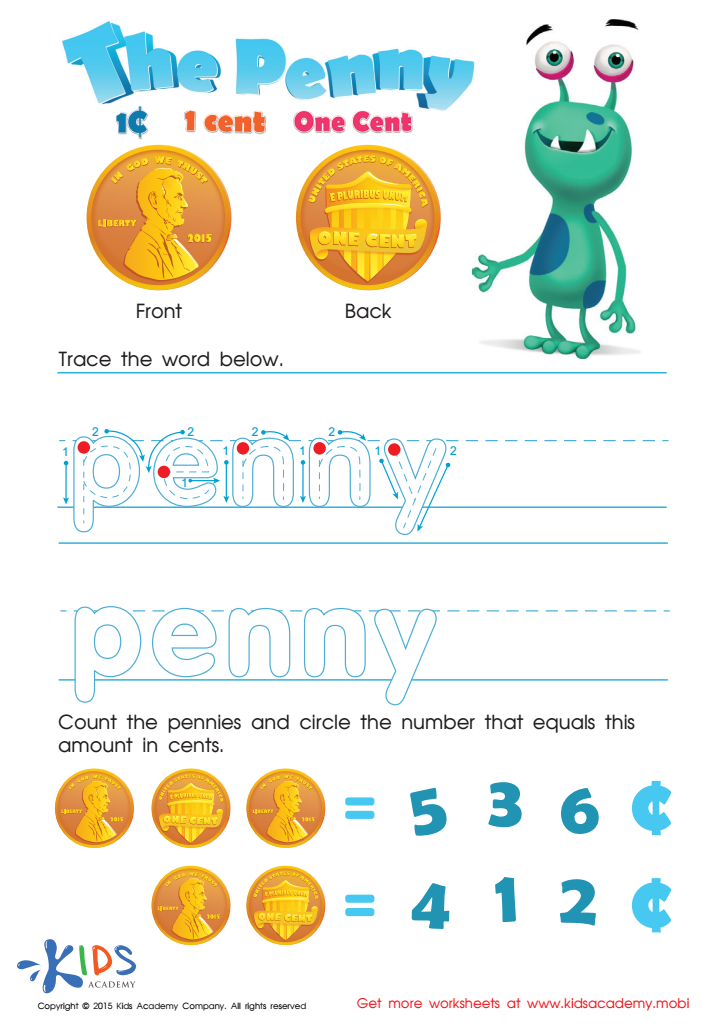
One Cent or the Penny Money Worksheet
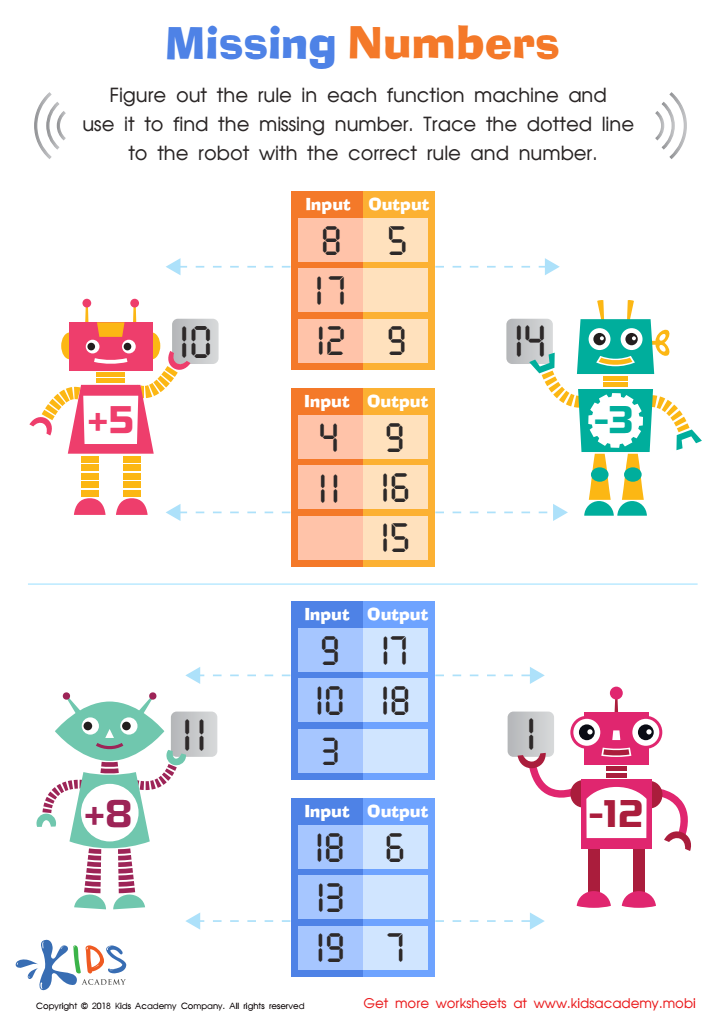
Missing Numbers Worksheet
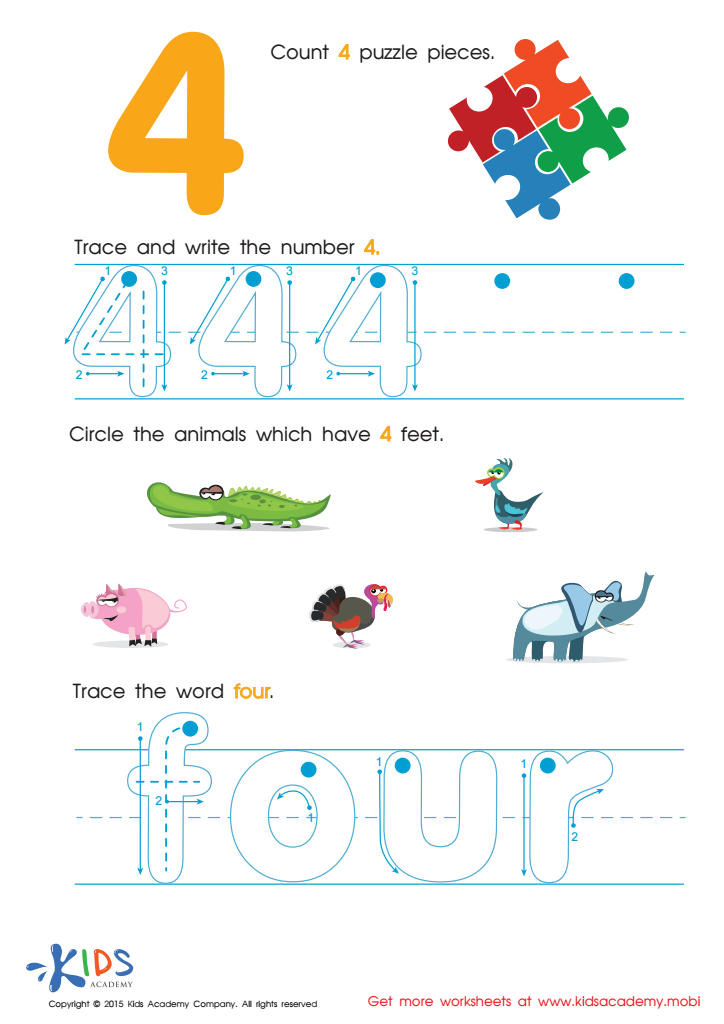
Teaching Children to Write Number 4 Worksheet
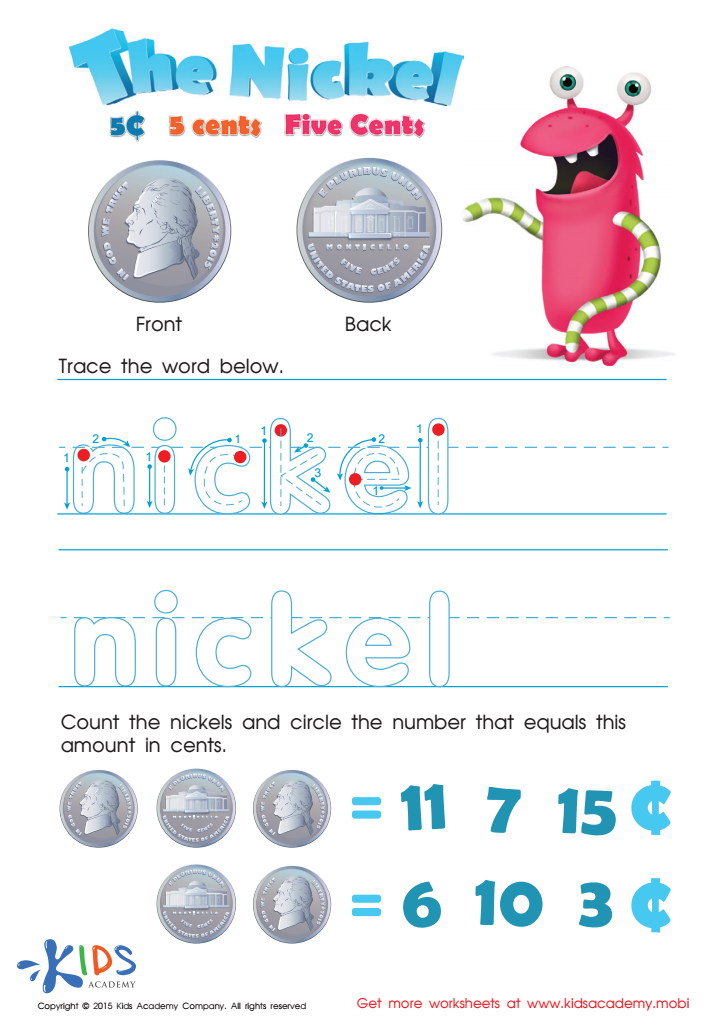
Five Cents or the Nickel Money Worksheet
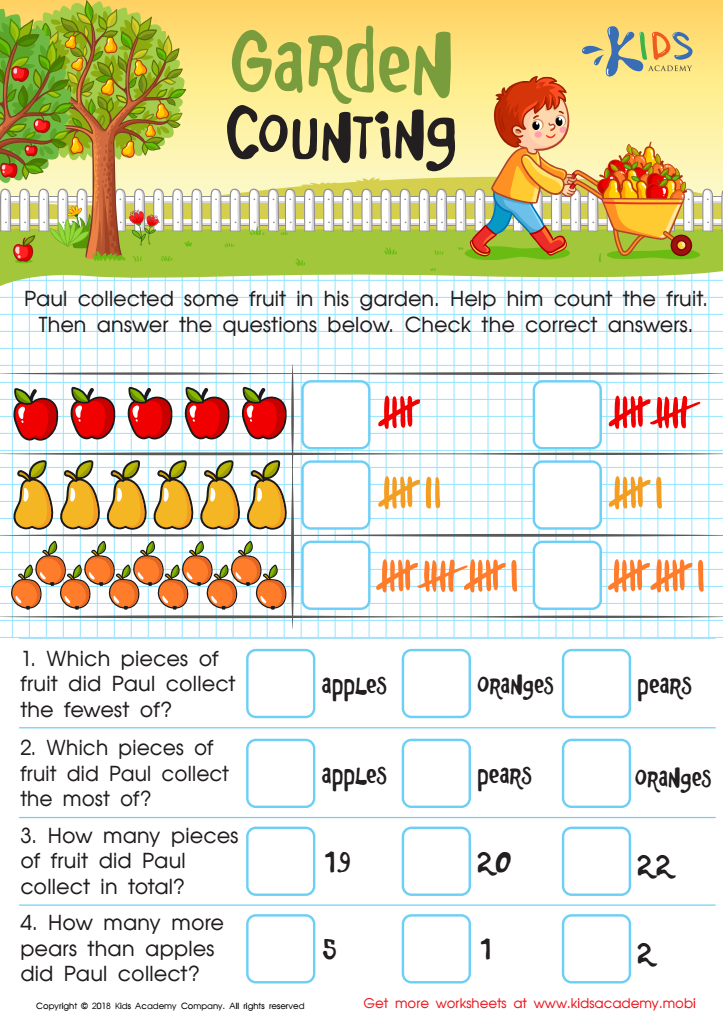
Garden Counting Worksheet
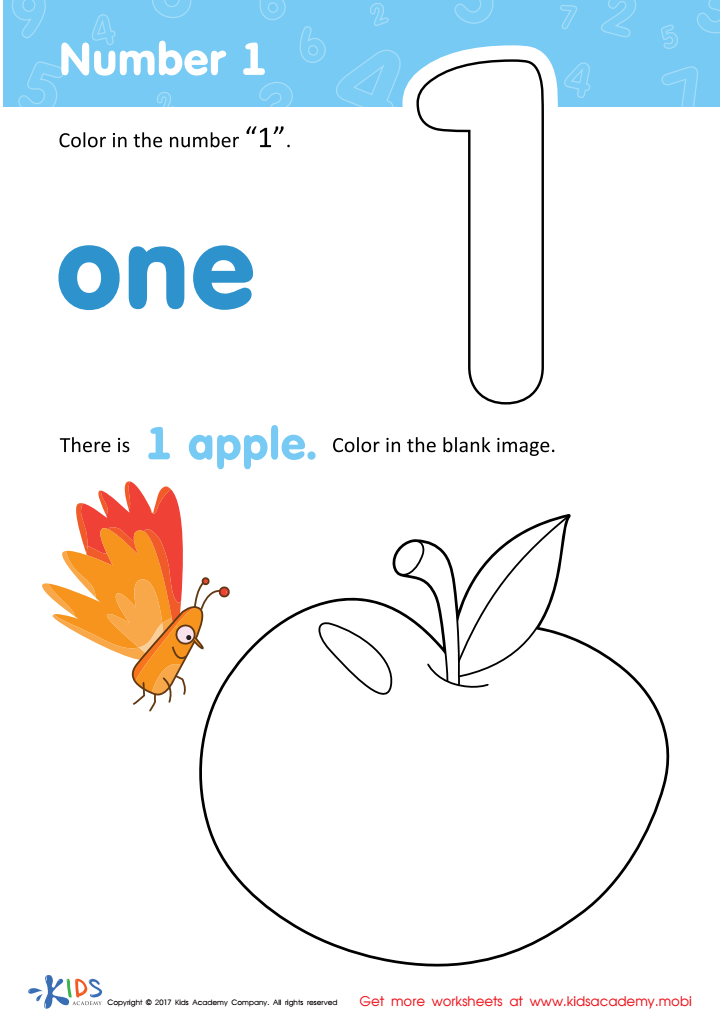
Number 1 Printable
 Assign to My Students
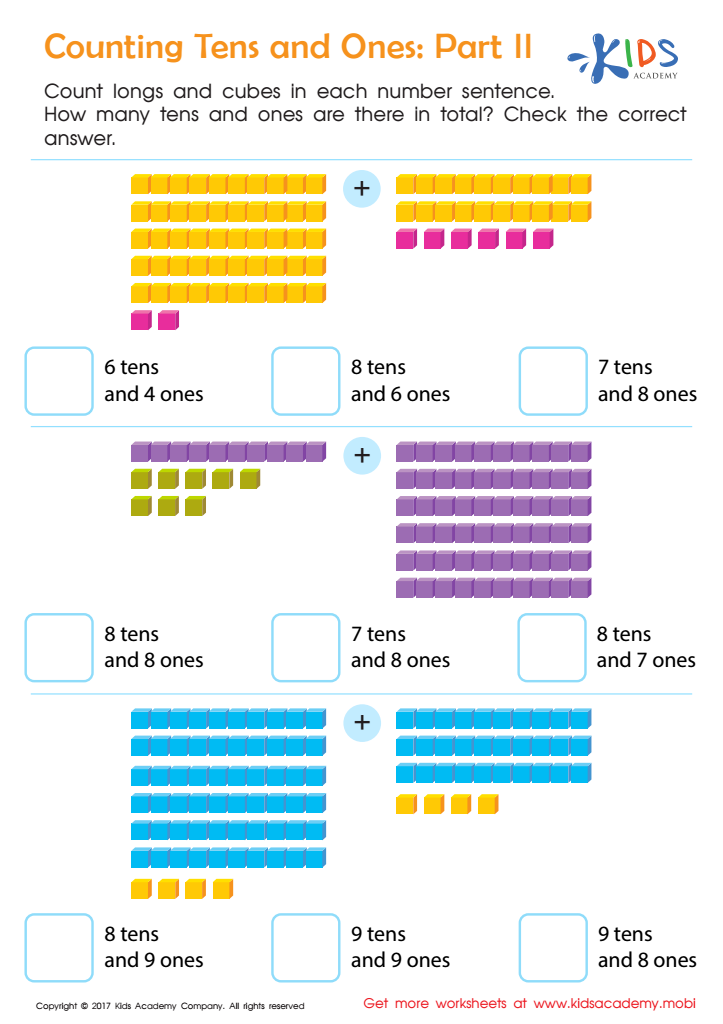
Counting Tens and Ones: Part 2 Worksheet
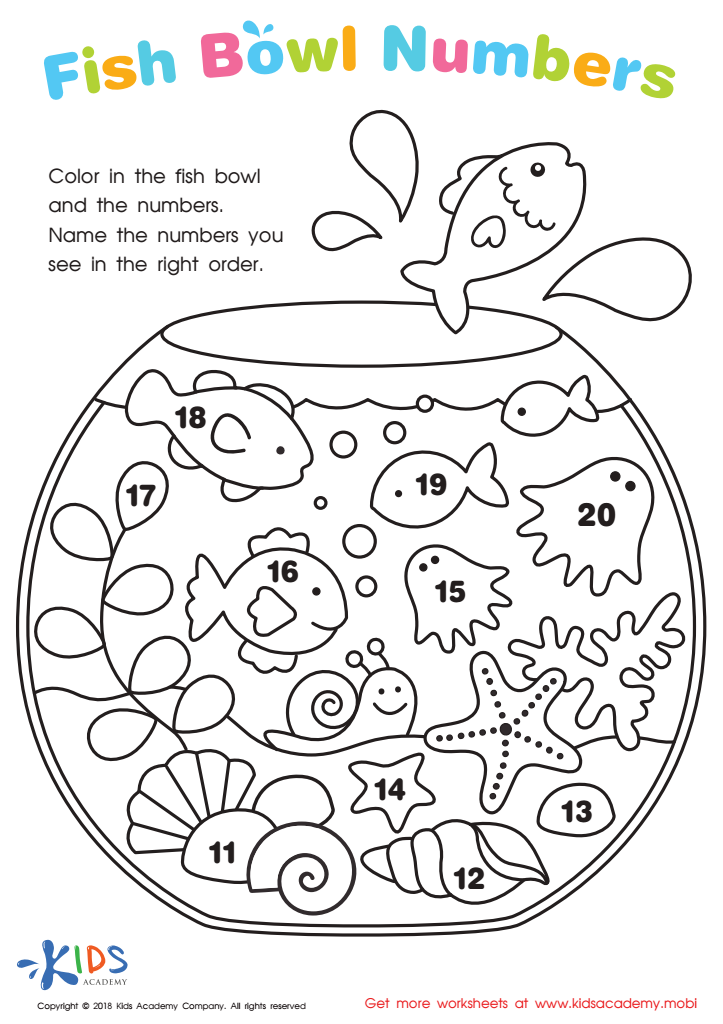
Fish Bowl Numbers Worksheet
Assign to My Students








Counting skills form a foundational element of early mathematics education, setting the stage for more complex mathematical concepts. By the age of 7, children should not only be comfortable with basic counting but also ready to face additional challenges that can develop their numeracy and problem-solving abilities. Parents and teachers should care about fostering these skills for several reasons.
First, enhancing counting skills helps improve number sense, an essential ability enabling children to understand and work with numbers flexibly. This prepares them for future math topics such as addition, subtraction, and eventually multiplication and division. Extra challenges, such as counting by twos, fives, or tens, encourage pattern recognition and help in making mathematical reasoning more robust.
Second, advanced counting exercises promote critical thinking and cognitive development. Tasks that go beyond simple counting can improve children’s focus, memory, and ability to process information sequentially.
Third, building confidence in math at an early age cultivates a positive attitude towards the subject. Children who are comfortable with numbers and feel challenged without being overwhelmed are more likely to persist in their learning journey.
In summary, extra challenges in counting are not mere academic exercises but integral tools in nurturing a child's overall cognitive development and long-term success in mathematics.








