Cognitive Development Extra Challenge Geometry Worksheets for 7-Year-Olds
5 filtered results
-
From - To
Improve your 7-year-old's cognitive development with our exciting Geometry Worksheets! These extra challenge resources are designed to enhance critical thinking and problem-solving skills while helping young learners explore shapes, patterns, and spatial awareness. Our worksheets engage kids with age-appropriate, interactive activities that stimulate their imaginations and reinforce essential geometric concepts. As students complete each task, they develop confidence and curiosity about mathematics. Perfect for homeschooling or supplementary learning, these fun and educational worksheets make geometry enjoyable! Encourage your child's academic growth with our thoughtfully crafted materials aimed at fostering cognitive skills essential for future success in math and beyond.
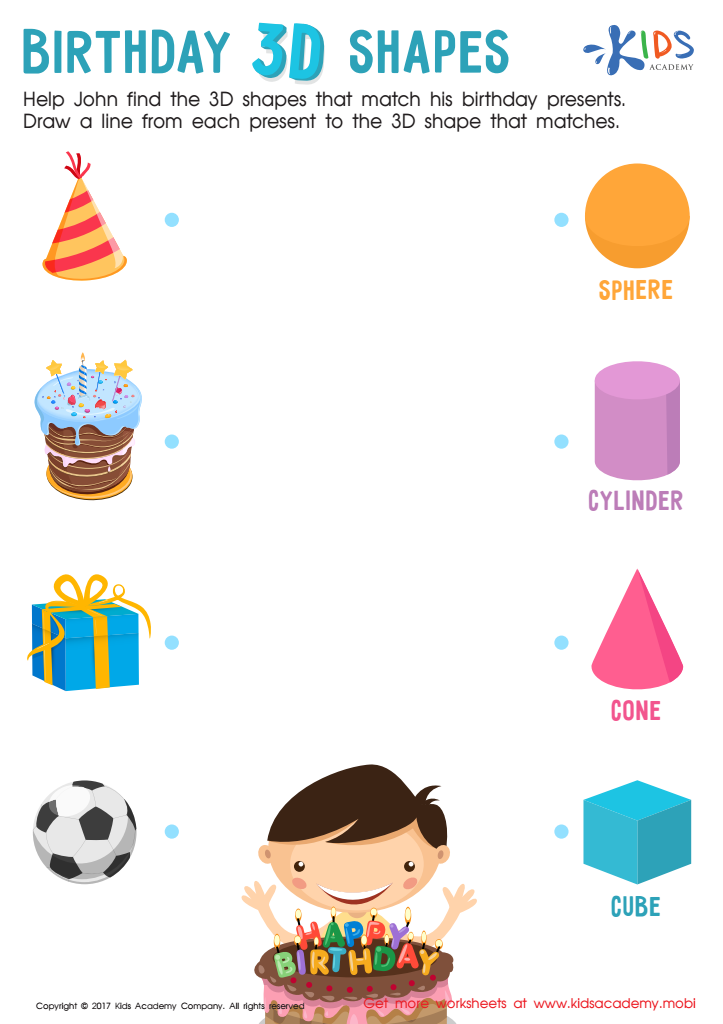
Birthday 3D Shapes Worksheet
 Assign to My Students











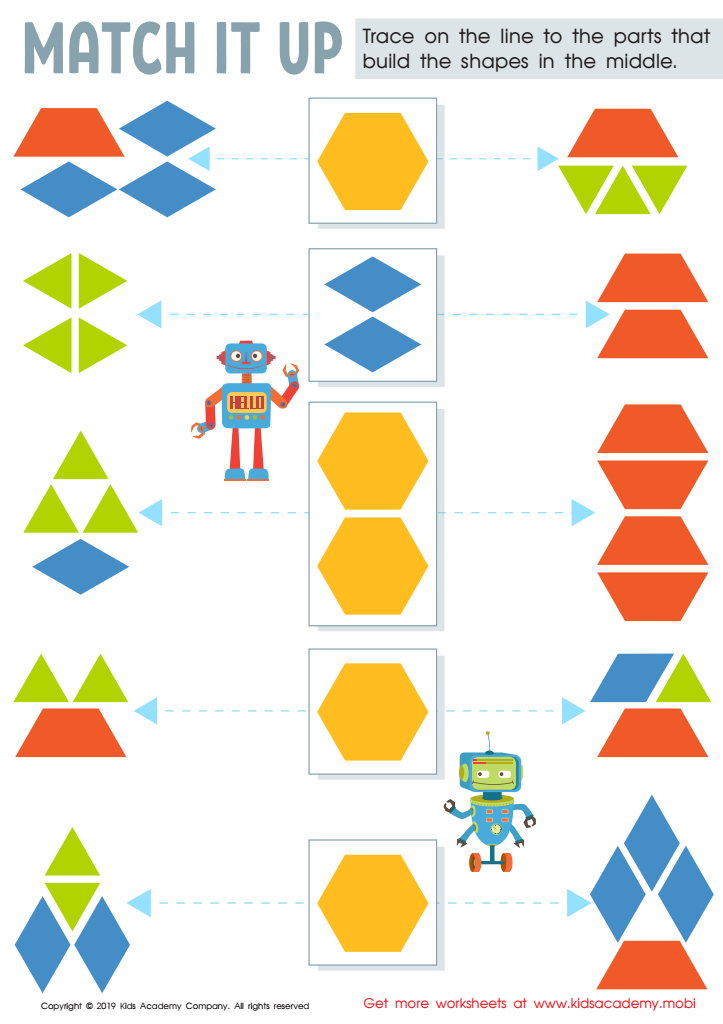
Match It up Worksheet
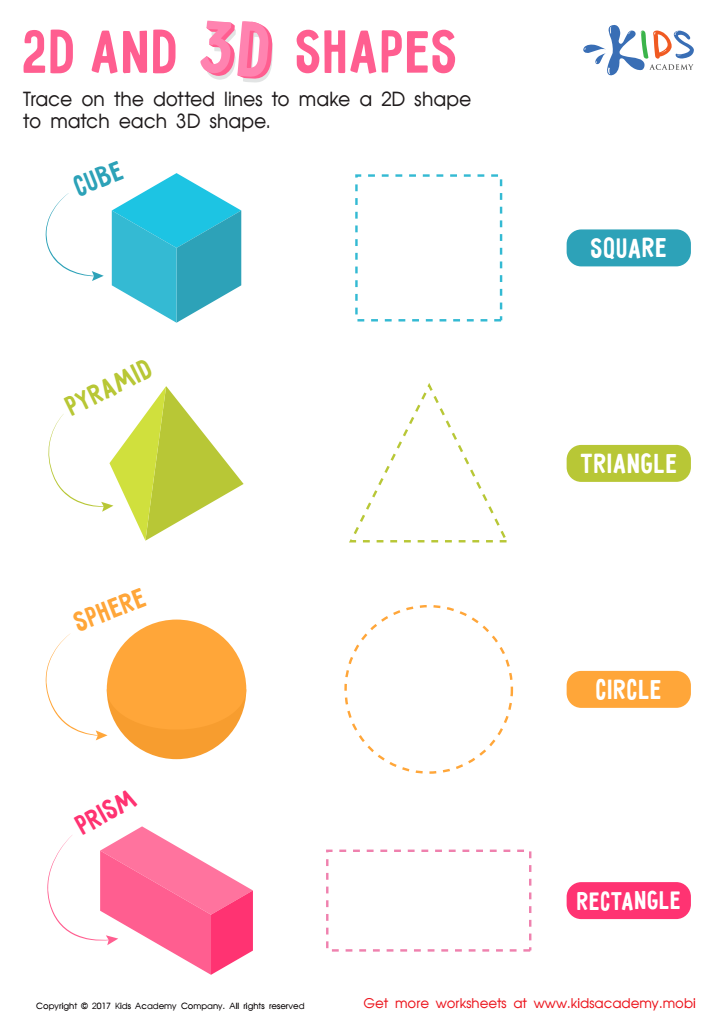
2D and 3D Shapes Worksheet
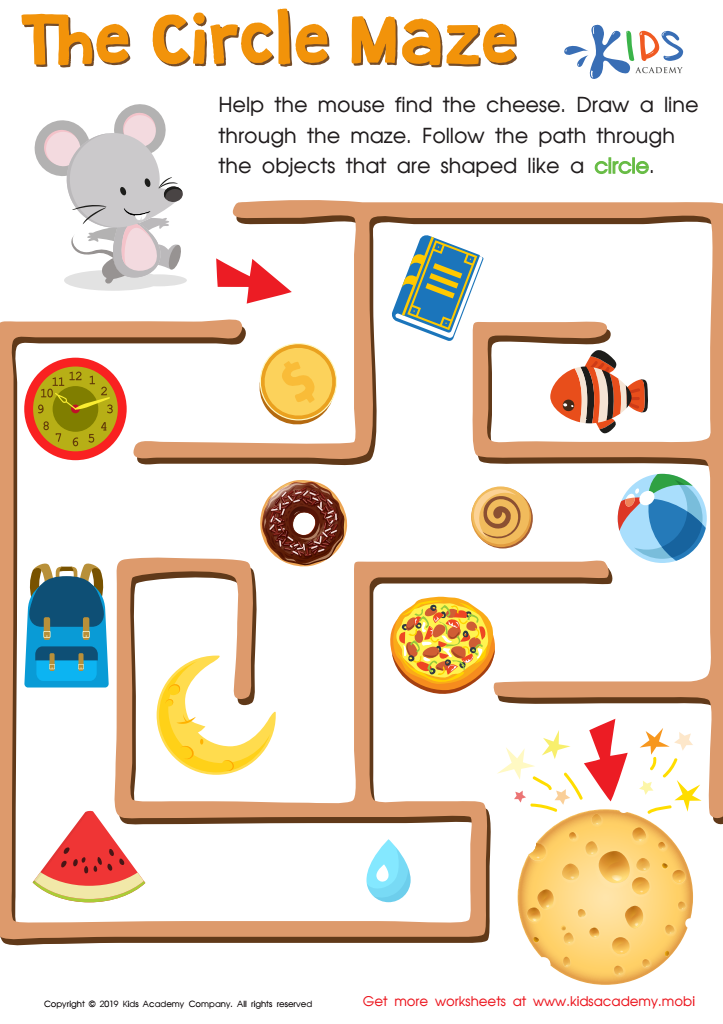
The Circle Maze Worksheet
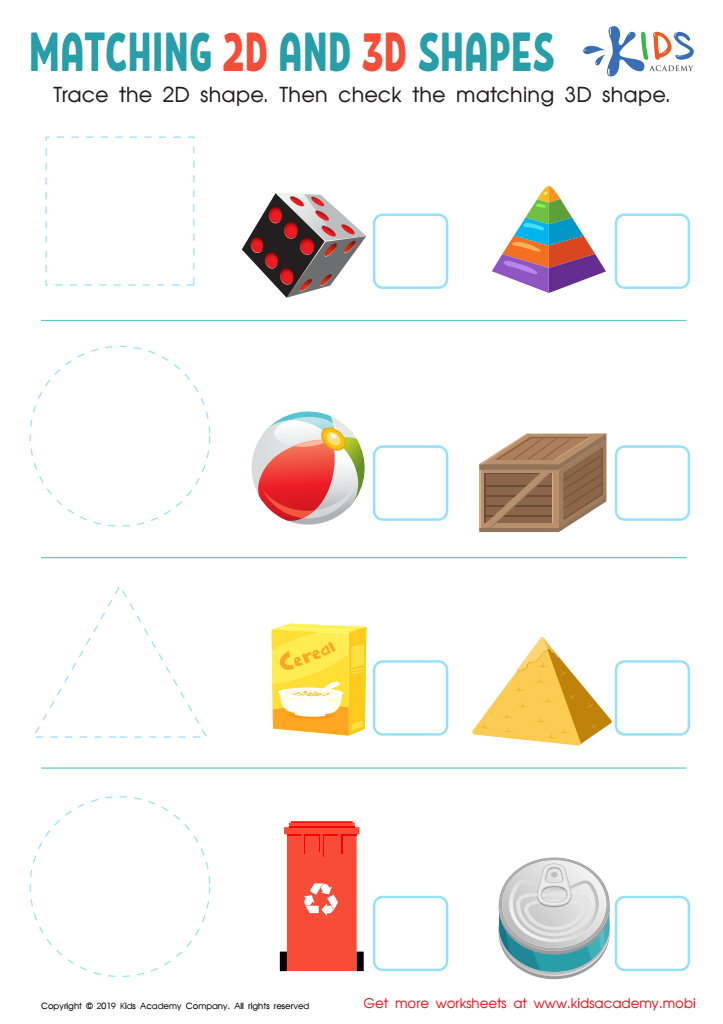
Matching 2D and 3D Shapes Worksheet








Cognitive development in children, especially around the age of seven, plays a crucial role in laying the groundwork for future learning. Extra challenge activities, particularly in areas like geometry, allow children to engage with mathematical concepts in a deeper way. These activities stimulate critical thinking and problem-solving skills, fostering a growth mindset that encourages them to embrace challenges.
Geometry isn't just about memorizing shapes; it encompasses spatial reasoning, patterns, and logical thinking. By participating in extra challenge tasks, children can explore these concepts through play and discovery, making learning far more enjoyable and impactful. Moreover, engaging in such challenging activities nurtures perseverance as they learn to navigate difficulties.
For parents and teachers, supporting cognitive development through additional challenges highlights the importance of enhancing children's understanding and interest in mathematics. Encouraging them to tackle complex problems promotes independence, decision-making, and creativity.
Ultimately, investing in cognitive development via extra challenges prepares young learners for academic success and lifelong skills. By prioritizing geometry challenges, parents and teachers can help children develop a robust foundation that will serve them well throughout their educational journey and beyond.








