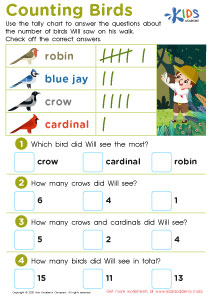
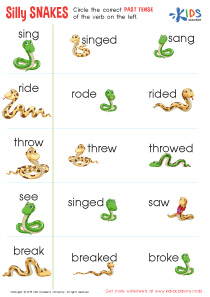
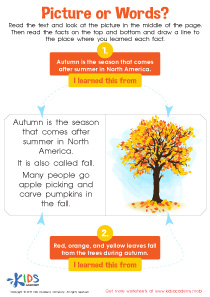
Spatial awareness Extra Challenge Grade 1 Worksheets
4 filtered results
-
From - To
Boost your first grader’s spatial awareness skills with our "Spatial Awareness Extra Challenge Grade 1 Worksheets." Designed for young learners, these engaging worksheets help children master concepts like shapes, positions, and directions through fun puzzles and activities. Perfect for enhancing spatial reasoning and critical thinking, our expertly crafted worksheets provide an additional challenge for advanced students, ensuring they stay motivated and eager to learn. Ideal for use at home or in the classroom, these worksheets are a valuable resource for any parent or teacher looking to support their child's cognitive development in an enjoyable and interactive way.
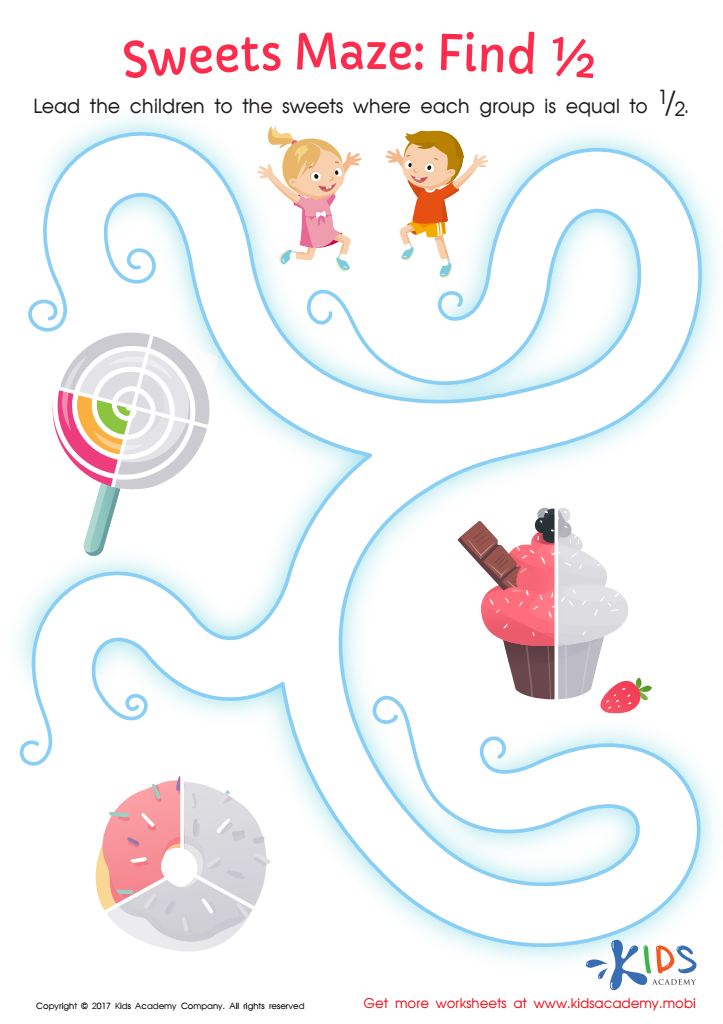
Fractions: Sweets Maze Worksheet
 Assign to My Students
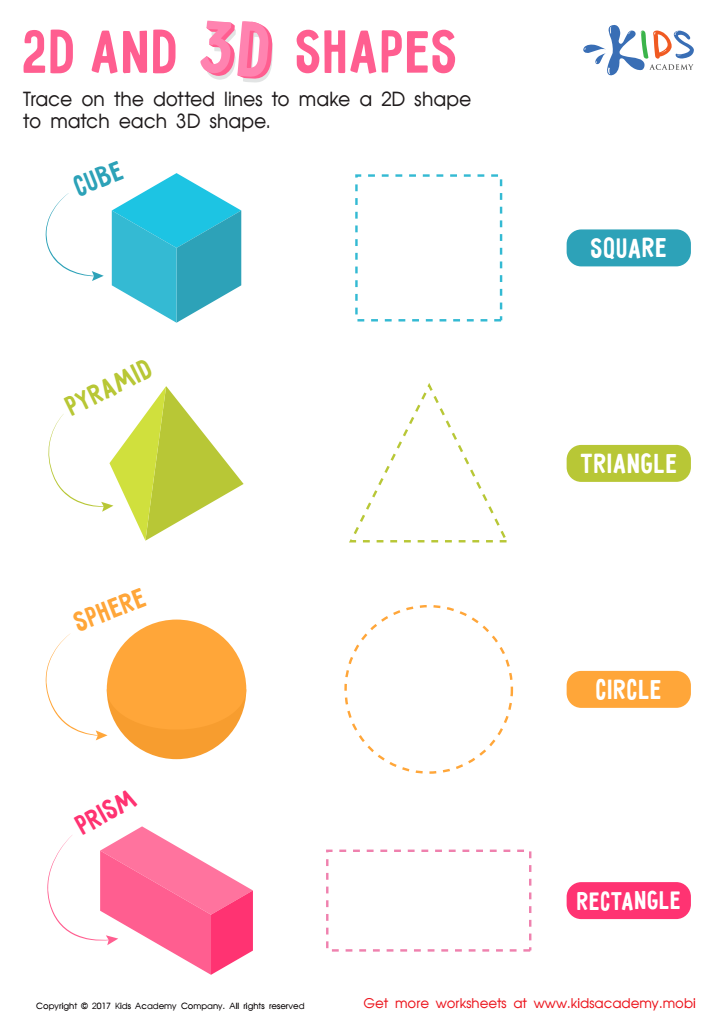
2D and 3D Shapes Worksheet
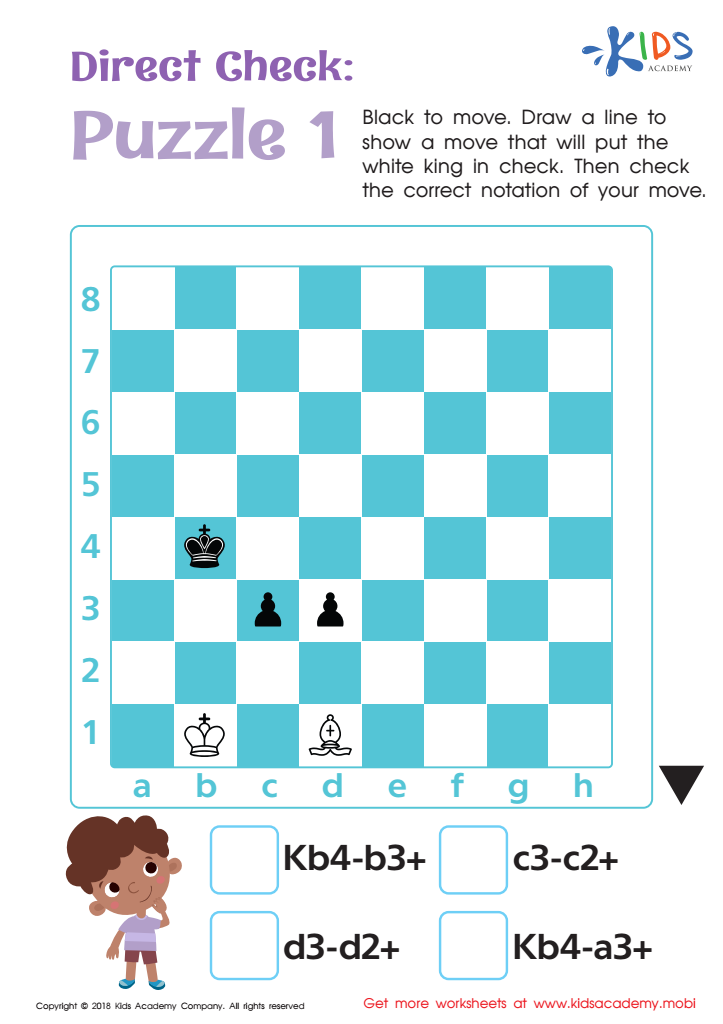
Direct Check: Puzzle 1 Worksheet
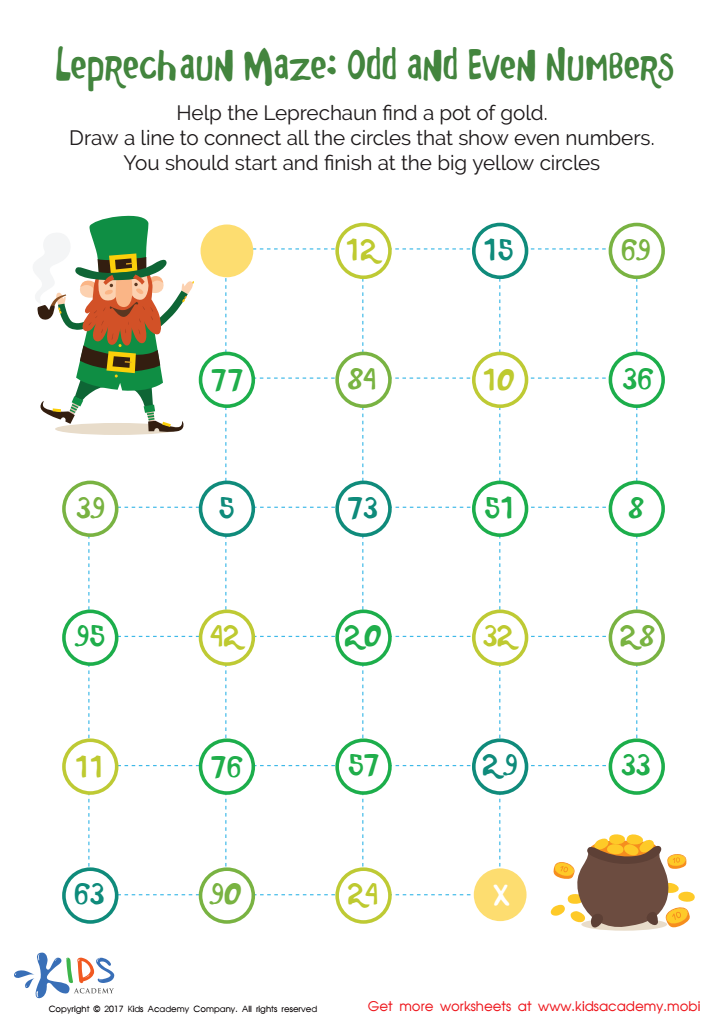
Leprechaun Maze Printable




.jpg)


Spatial awareness is a crucial skill for first graders as it lays the foundation for many essential aspects of their cognitive, academic, and social development. When parents and teachers prioritize spatial awareness as an extra challenge for grade 1 students, they help build skills that are vital for success in more advanced learning and everyday life.
Developing spatial awareness enhances a child's ability to understand and interact with their physical environment. This includes recognizing shapes, sizes, distances, and directions, which are fundamental concepts in mathematics, particularly geometry. Improved spatial skills can lead to better problem-solving abilities and stronger performance in STEM (Science, Technology, Engineering, Math) subjects as children progress through school.
Moreover, spatial awareness is important for various practical everyday activities such as navigating spaces, playing sports, and understanding spatial relationships in reading and writing (like how letters and words are organized on a page).
For social development, spatial awareness also plays a role in physical coordination and self-confidence, as children learn how to move their bodies effectively in different environments, reducing accidents and enhancing participation in group activities.
Incorporating spatial awareness challenges ensures that children develop these critical skills early on, setting a strong foundation for future academic success and well-rounded growth.