Problem-Solving Skills Extra Challenge Grade 1 Math Worksheets - Page 2
32 filtered results
-
From - To
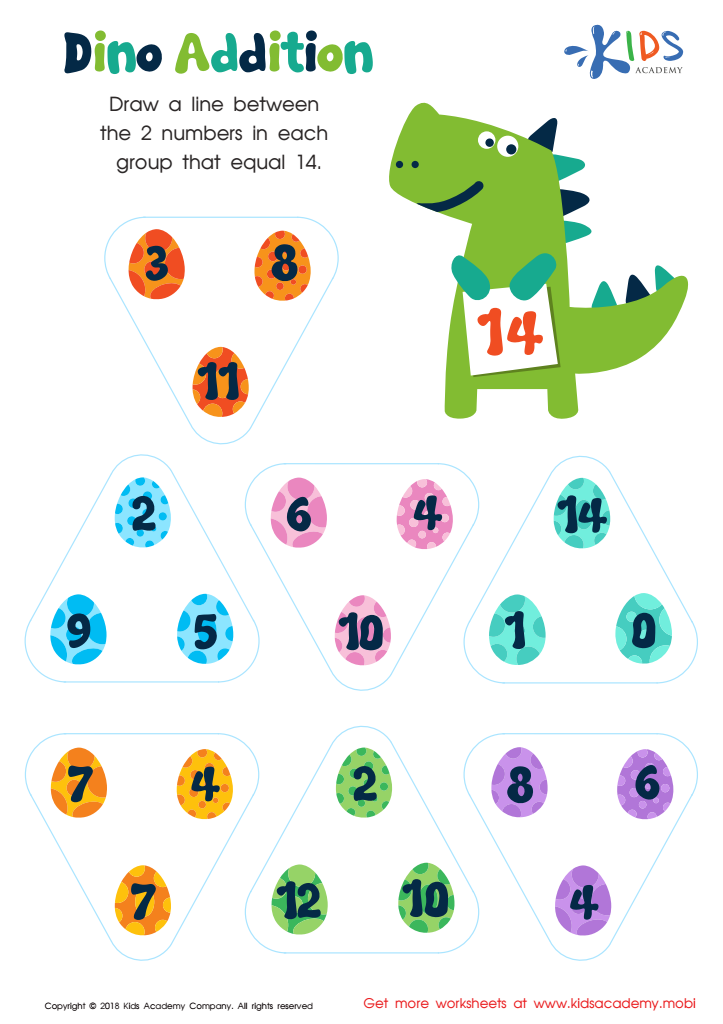
Dino Addition Worksheet
 Assign to My Students
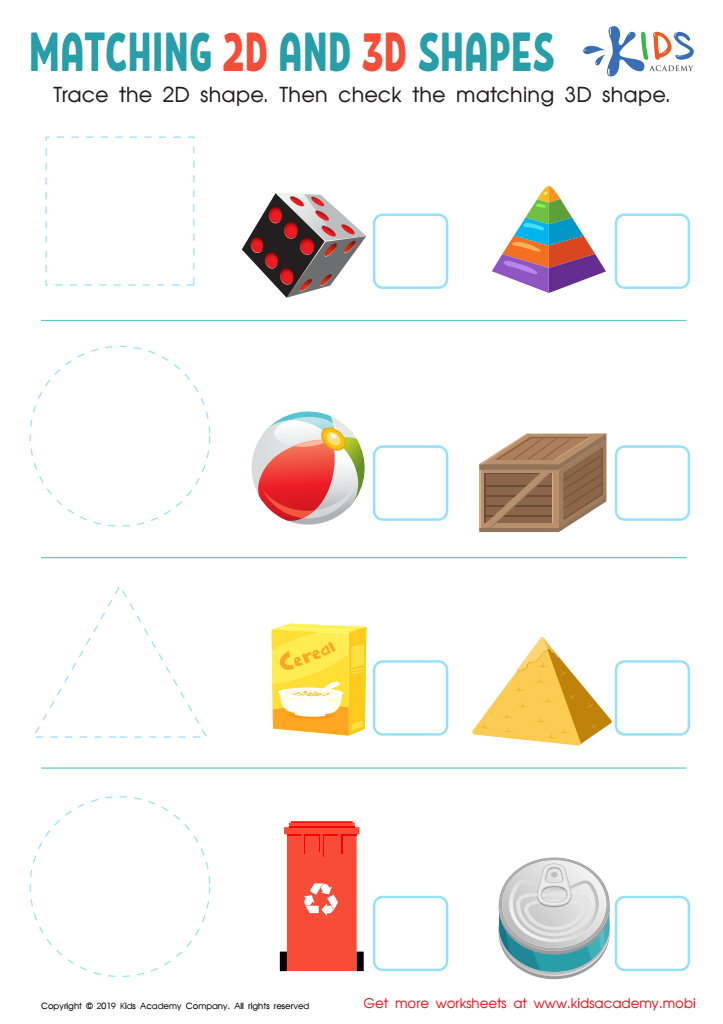
Matching 2D and 3D Shapes Worksheet
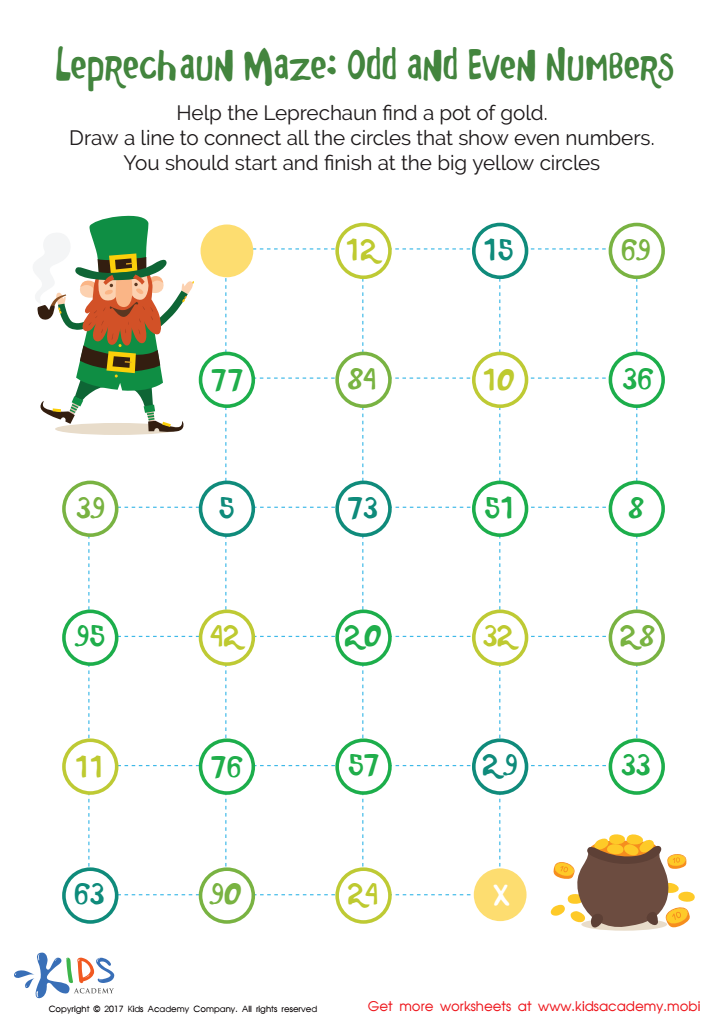
Leprechaun Maze Printable
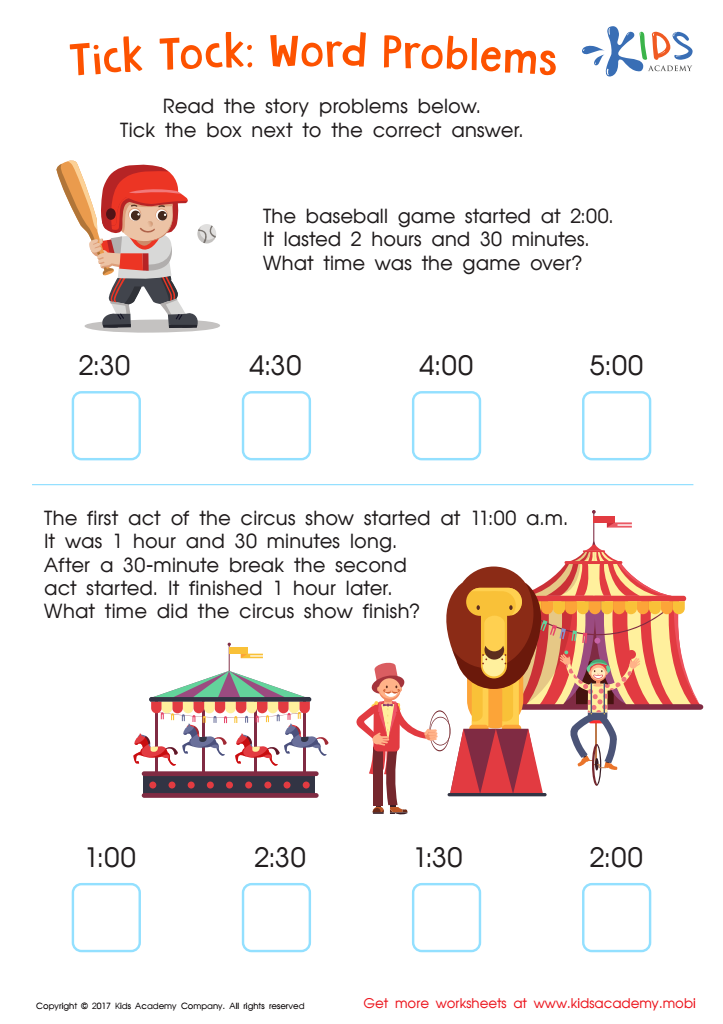
Tick Tock Word Problems Time Worksheet
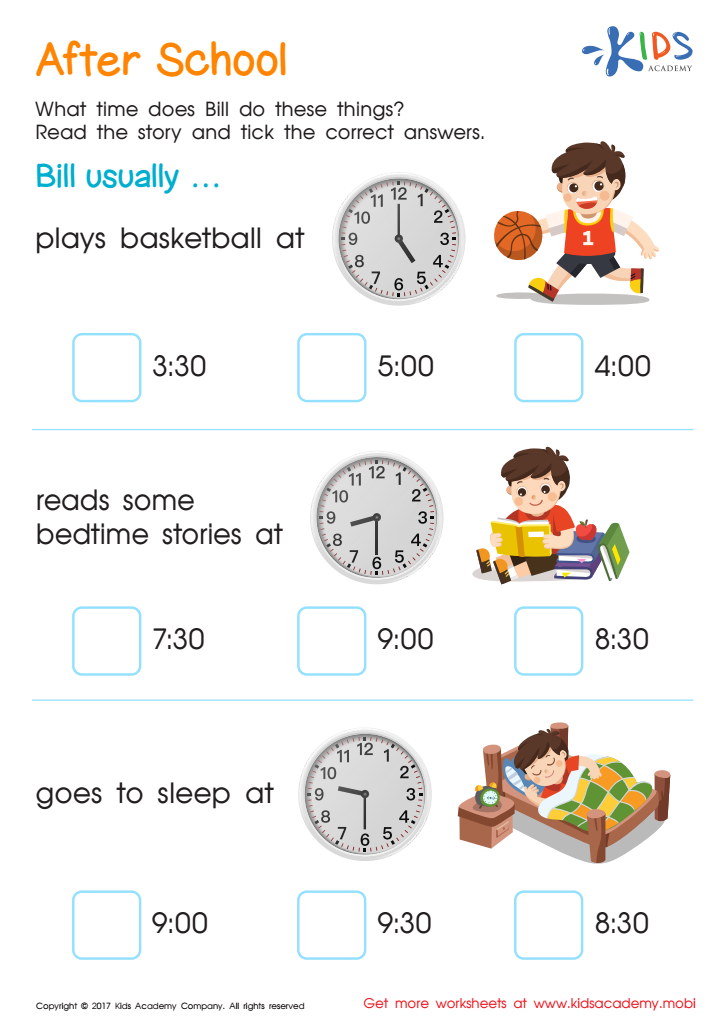
After School Time Printable
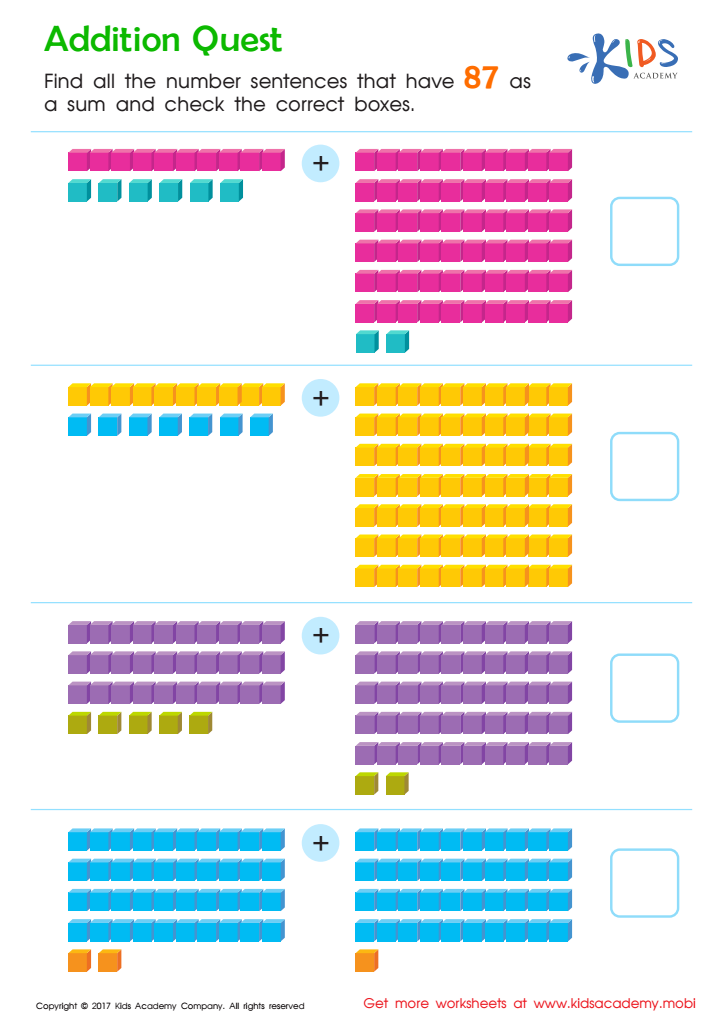
Addition Quest Worksheet: Part 1
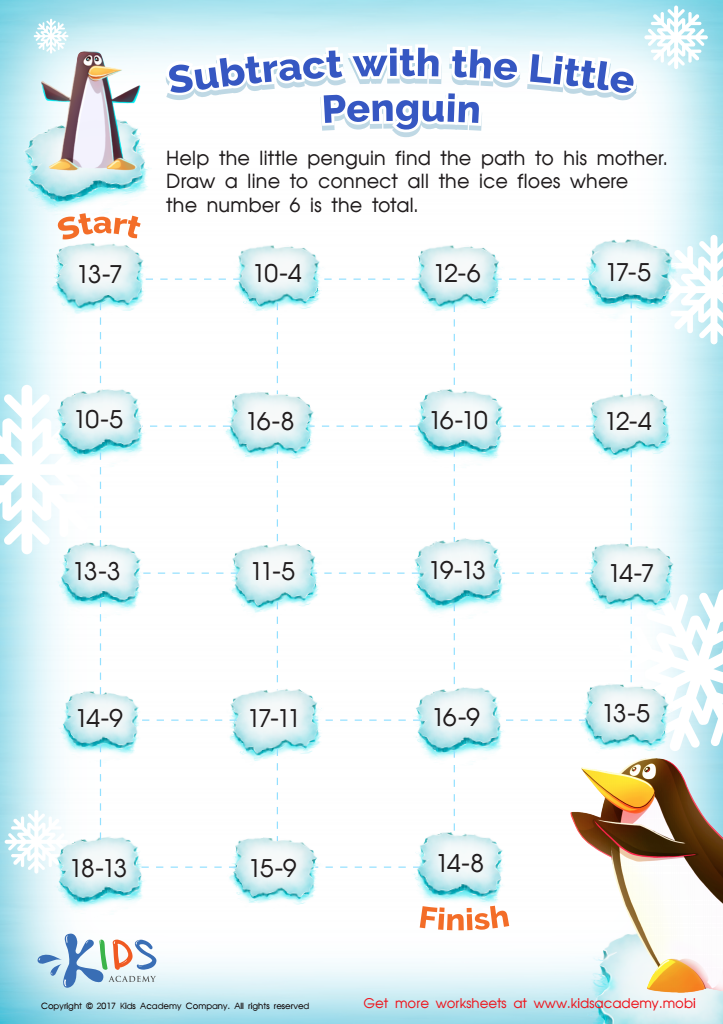
Subtract With The Little Penguin Substraction Worksheet
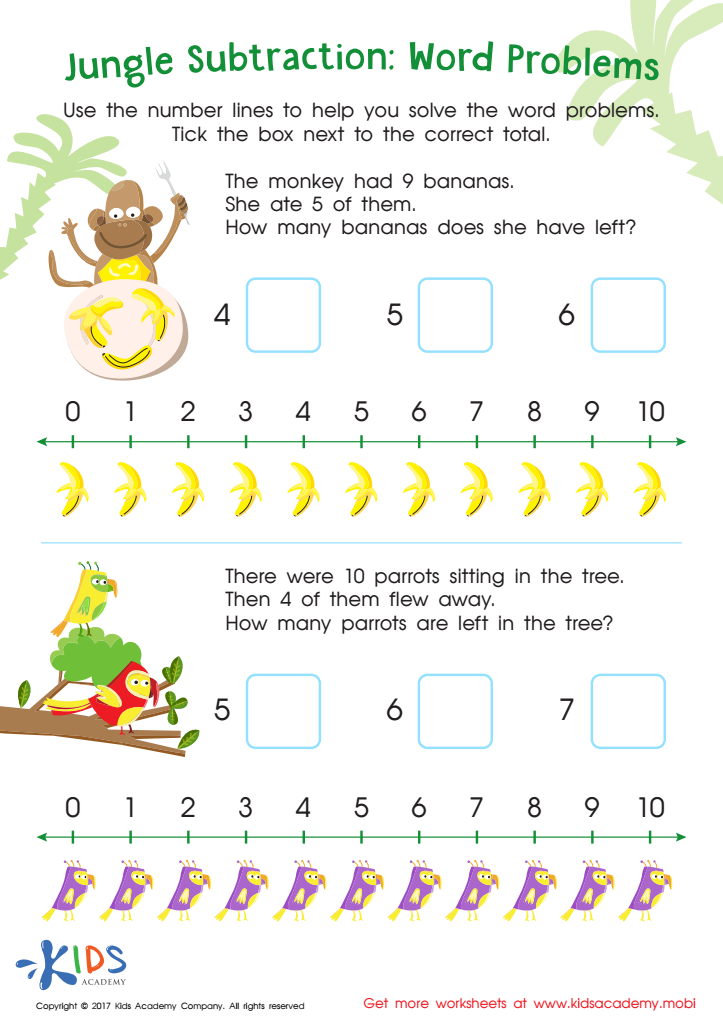
Jungle Subtraction Word Problems Substraction Worksheet





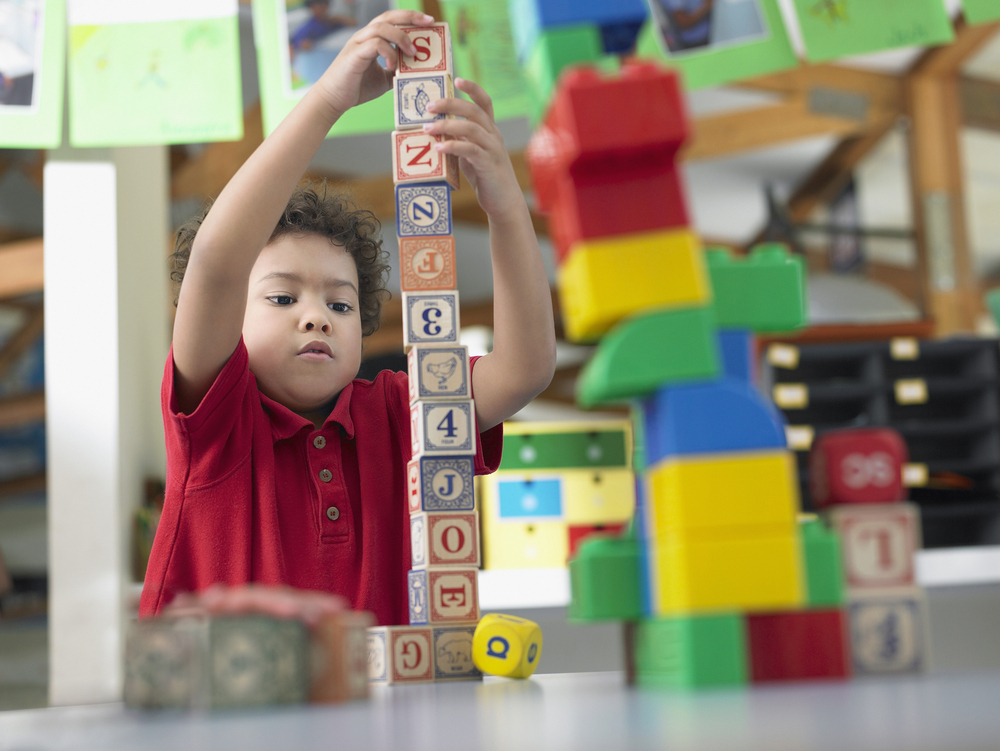


Developing problem-solving skills in early childhood is essential for a child’s overall cognitive development. In Grade 1, children are beginning to build foundational math skills that will influence their future learning. Problem-solving challenges help them learn to think critically and logically, fostering a growth mindset where they learn that struggle and persistence lead to mastery.
For parents and teachers, nurturing these skills means more than just improving math proficiency; it sets the stage for broader life skills, such as resilience and creativity. When children engage with math challenges, they learn to analyze situations, identify patterns, and think abstractly. These skills transfer beyond math into reading, science, and everyday experiences.
Additionally, encouraging young children to tackle problems creatively helps instill confidence. When they decipher challenging problems, they realize their potential, leading to increased motivation and enthusiasm for learning. Parents and teachers who prioritize problem-solving in math promote a love for inquiry and exploration, which is crucial for successful lifelong learners. Investing time in these skills now pays off in the future, equipping children with the tools they need to navigate both academic challenges and real-world situations with a positive and proactive mindset.