Counting skills Extra Challenge Kindergarten Worksheets - Page 2
40 filtered results
-
From - To
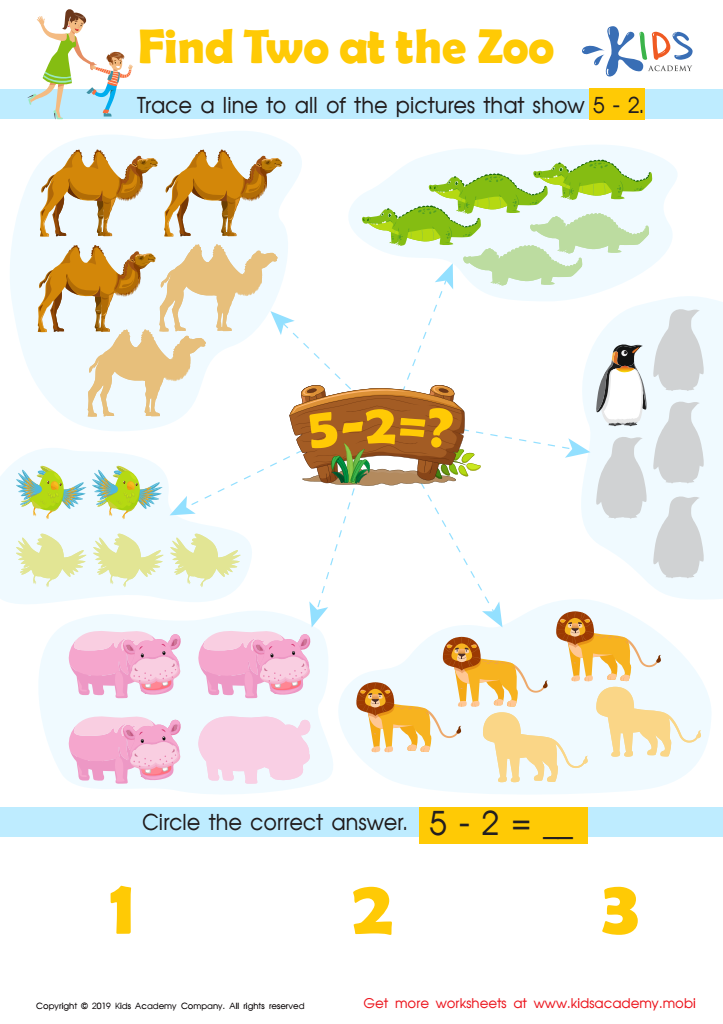
Find Two at the Zoo Worksheet
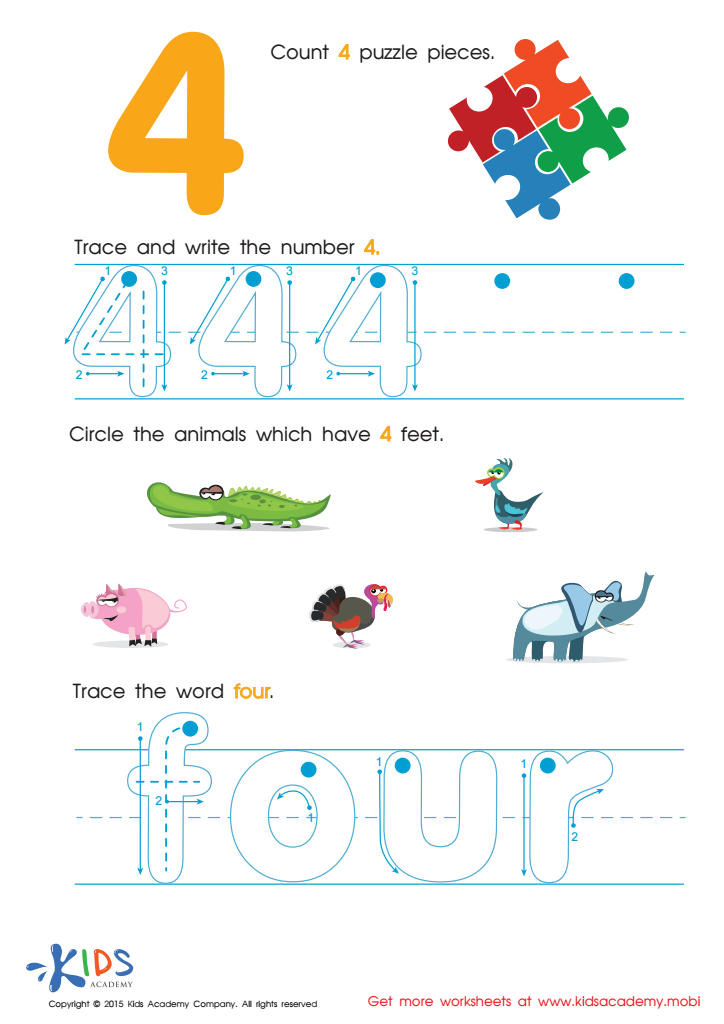
Teaching Children to Write Number 4 Worksheet
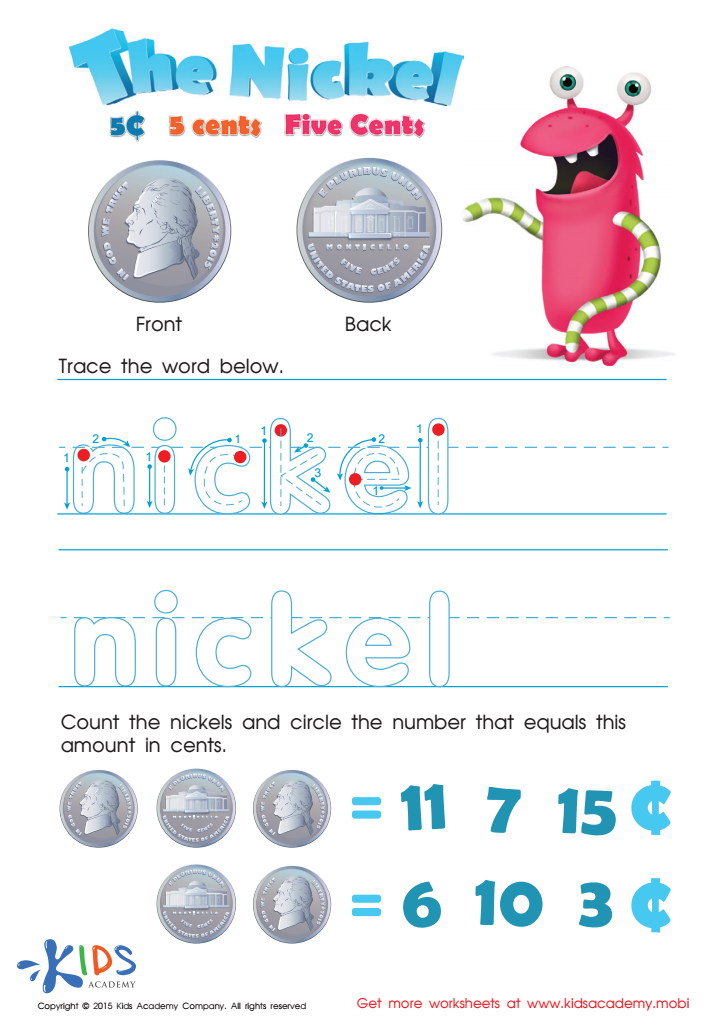
Five Cents or the Nickel Money Worksheet
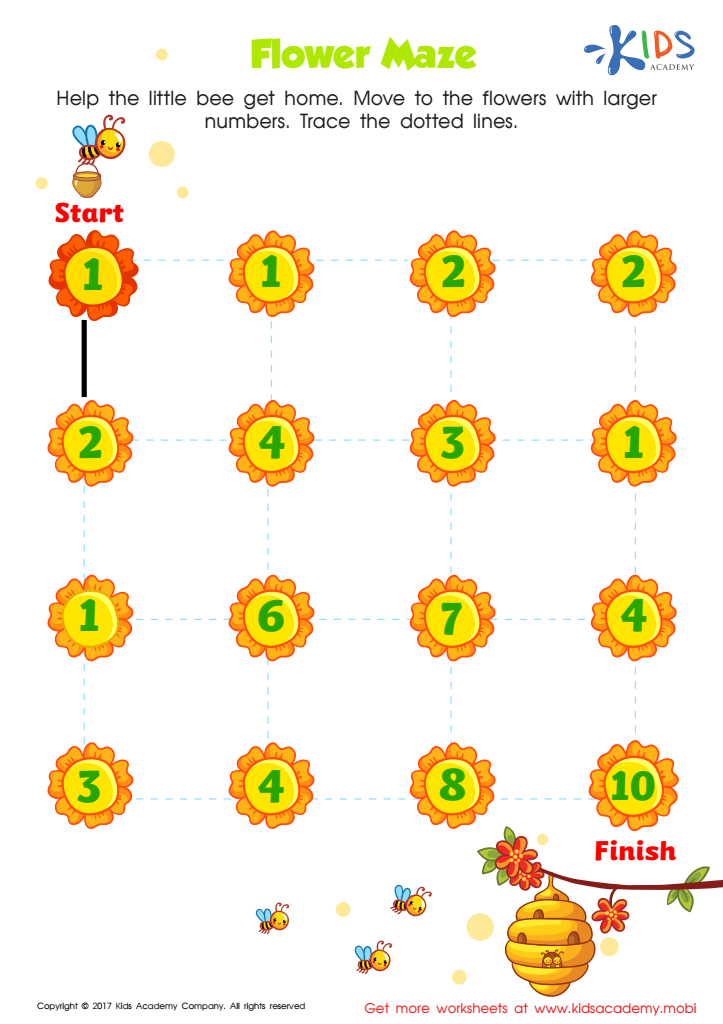
Number Maze For Kindergarten Printable
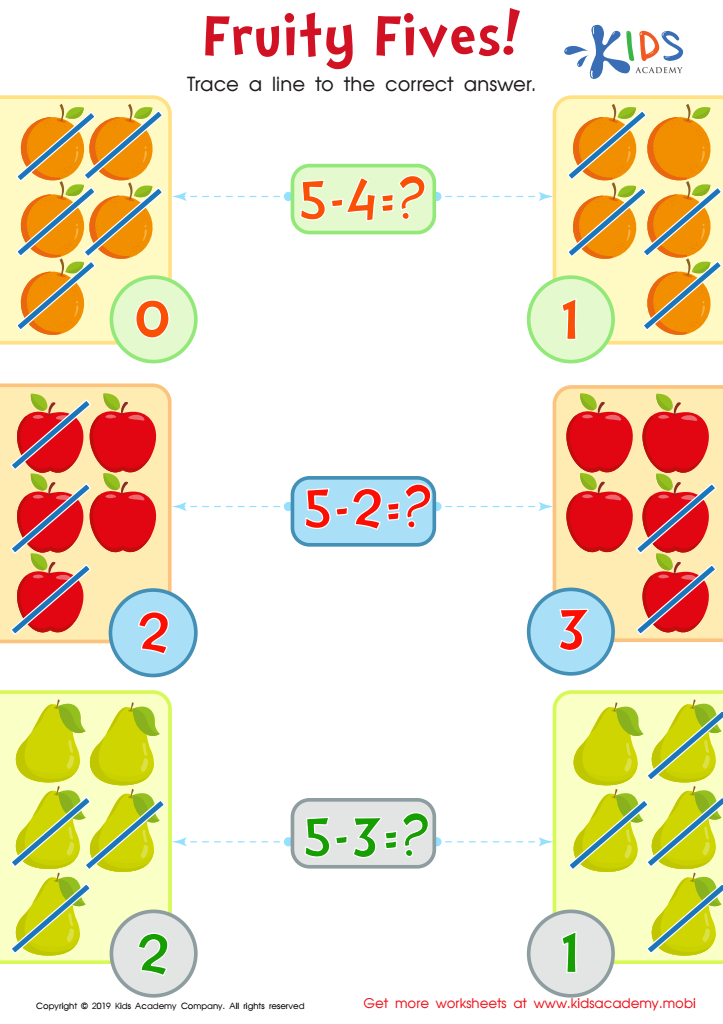
Fruity Fives! Worksheet
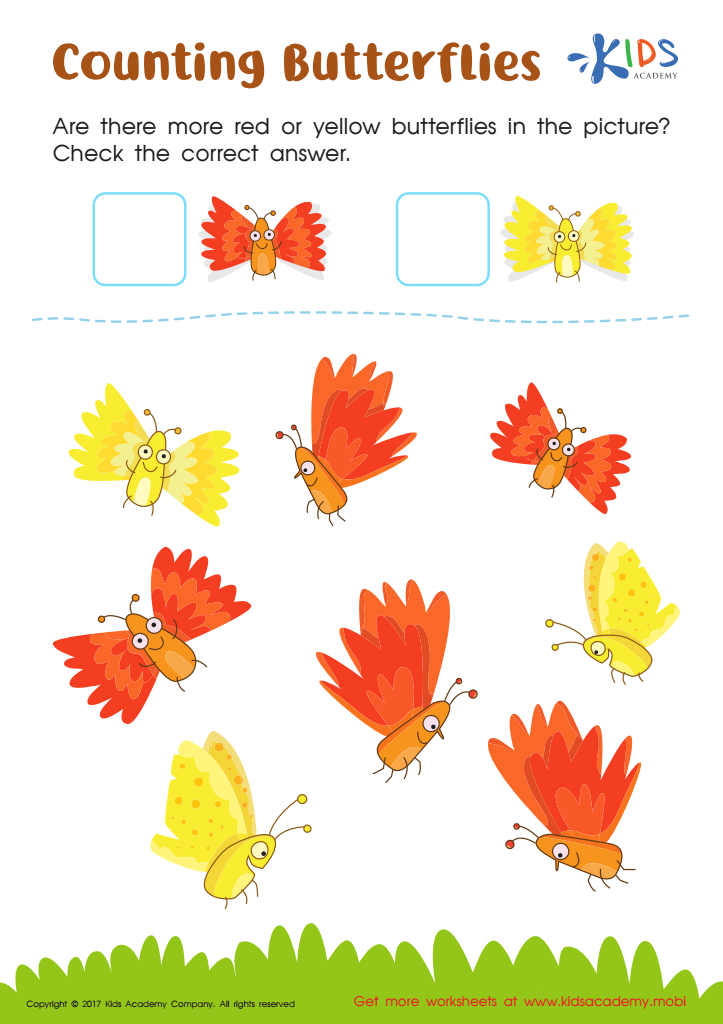
Counting Butterflies Worksheet
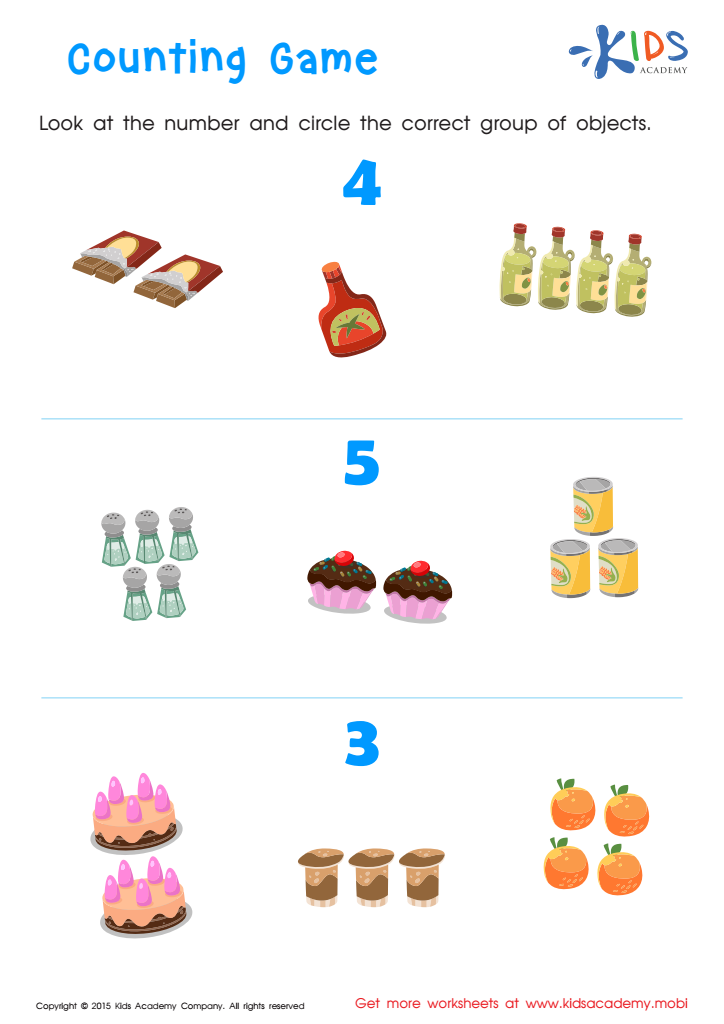
Counting Worksheet
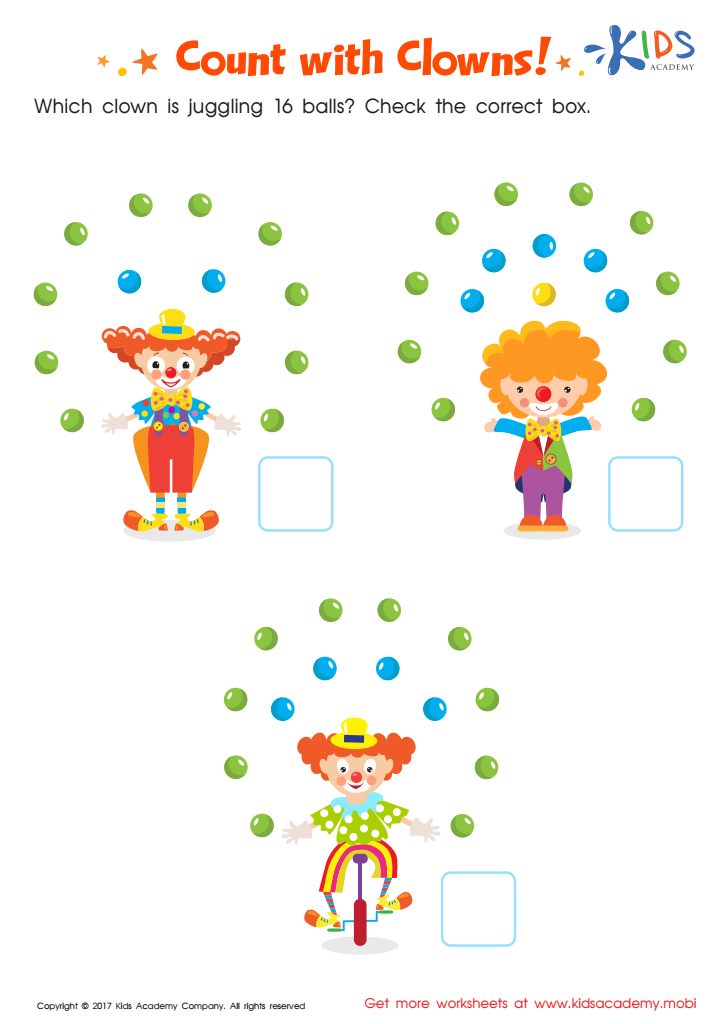
Count with Clowns Worksheet
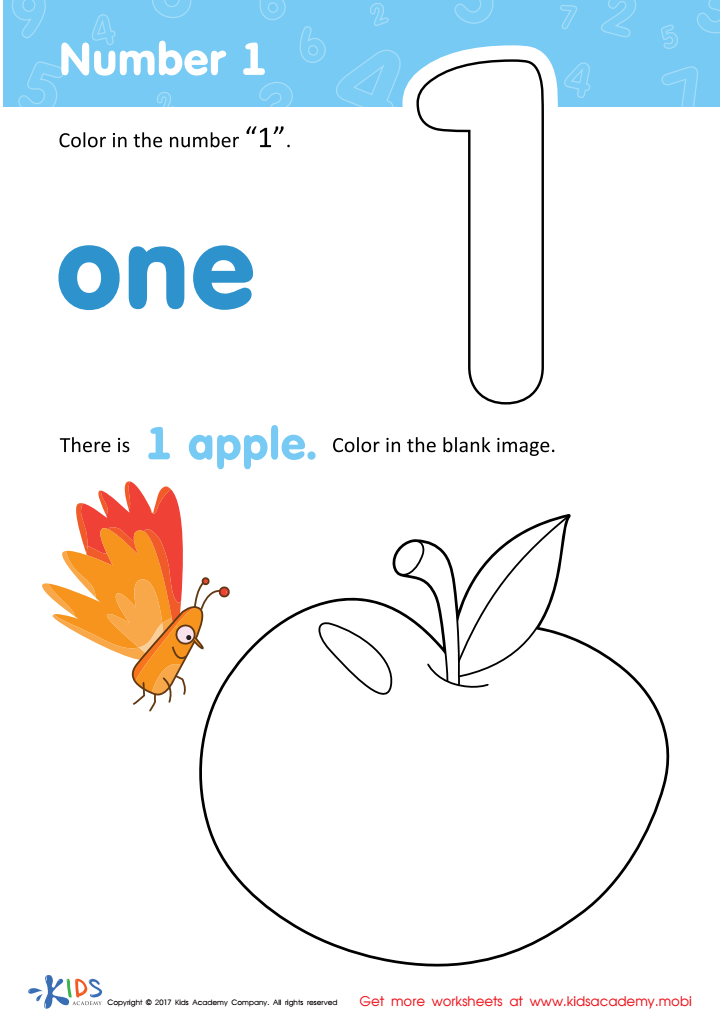
Number 1 Printable
 Assign to My Students
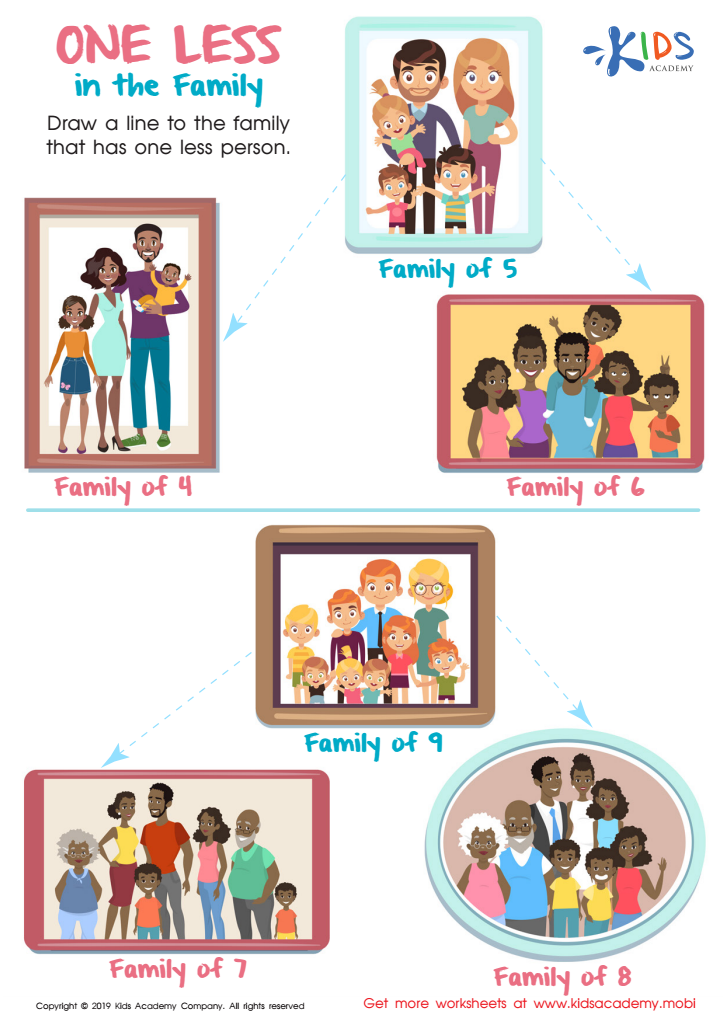
One Less in the Family Worksheet
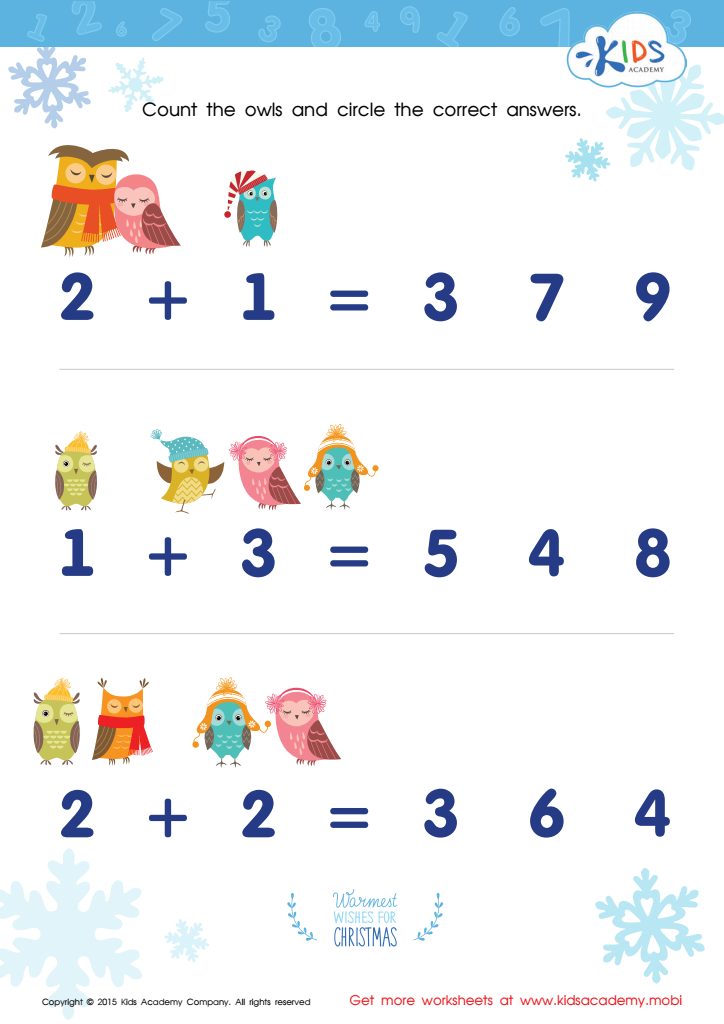
Count Little Owls Worksheet
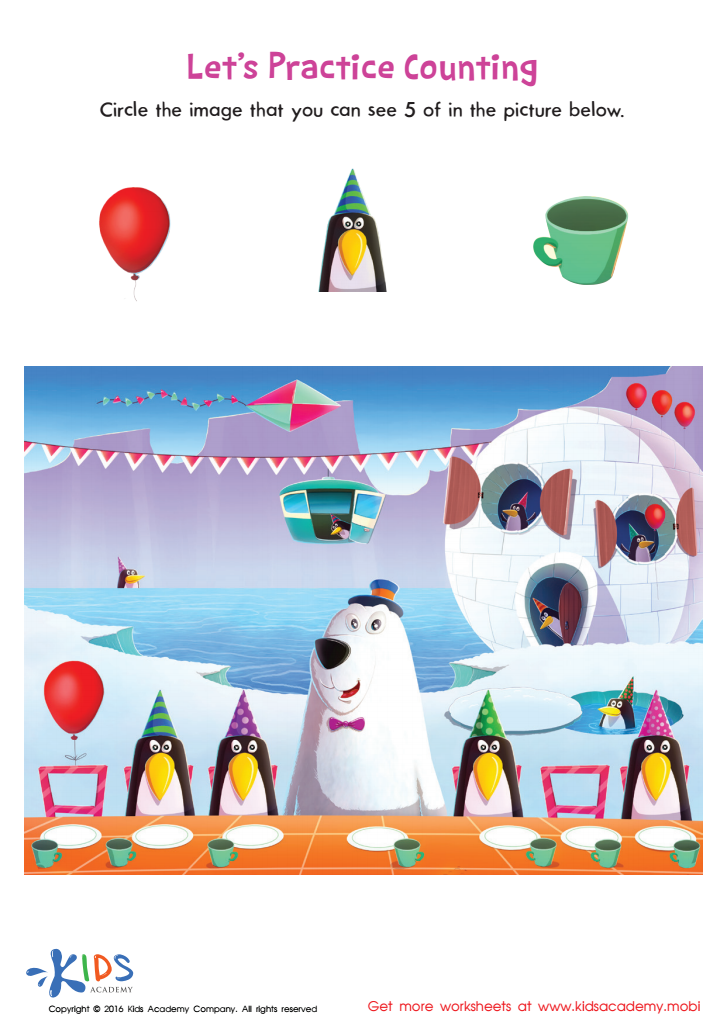
Counting Worksheet: Let's Practice Counting
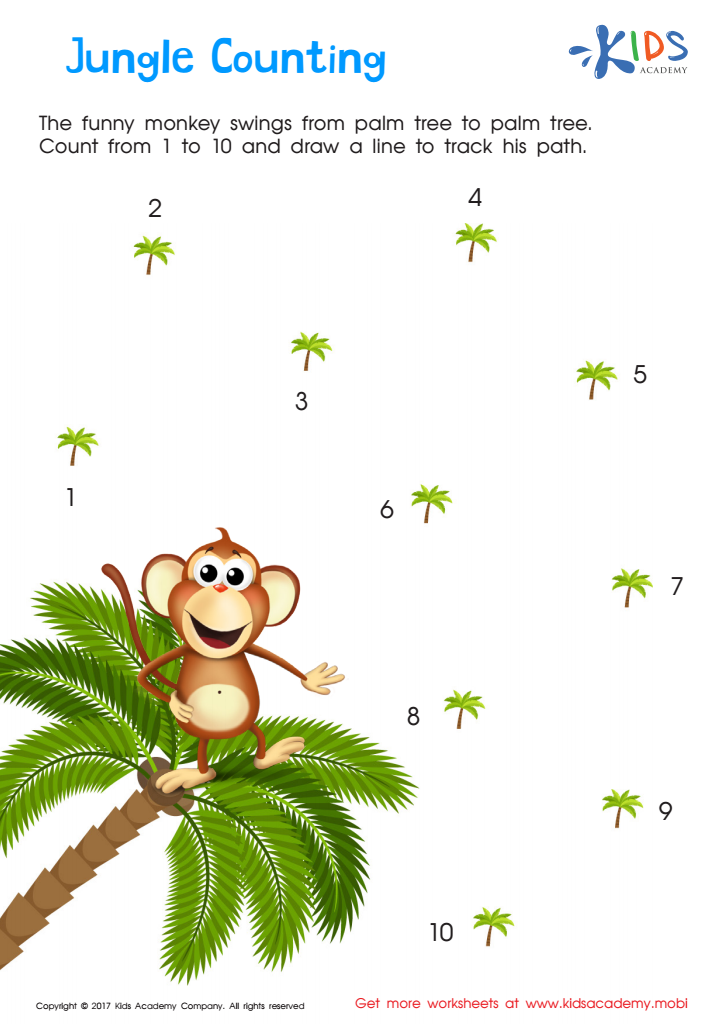
Jungle Counting Connect Dots Worksheet
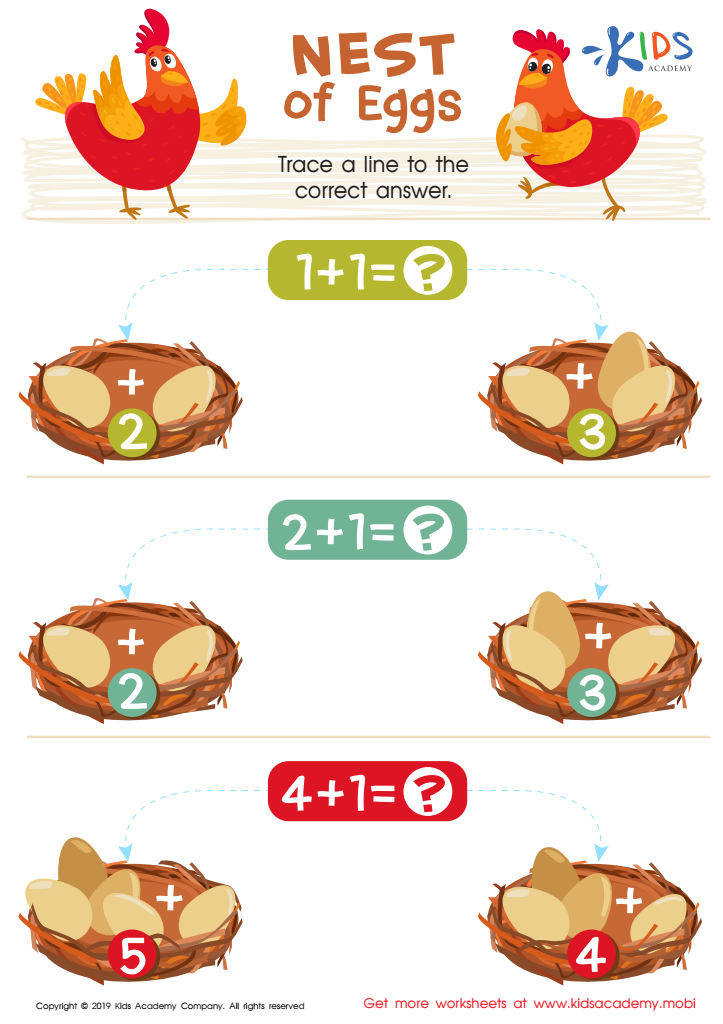
Nest of Eggs Worksheet
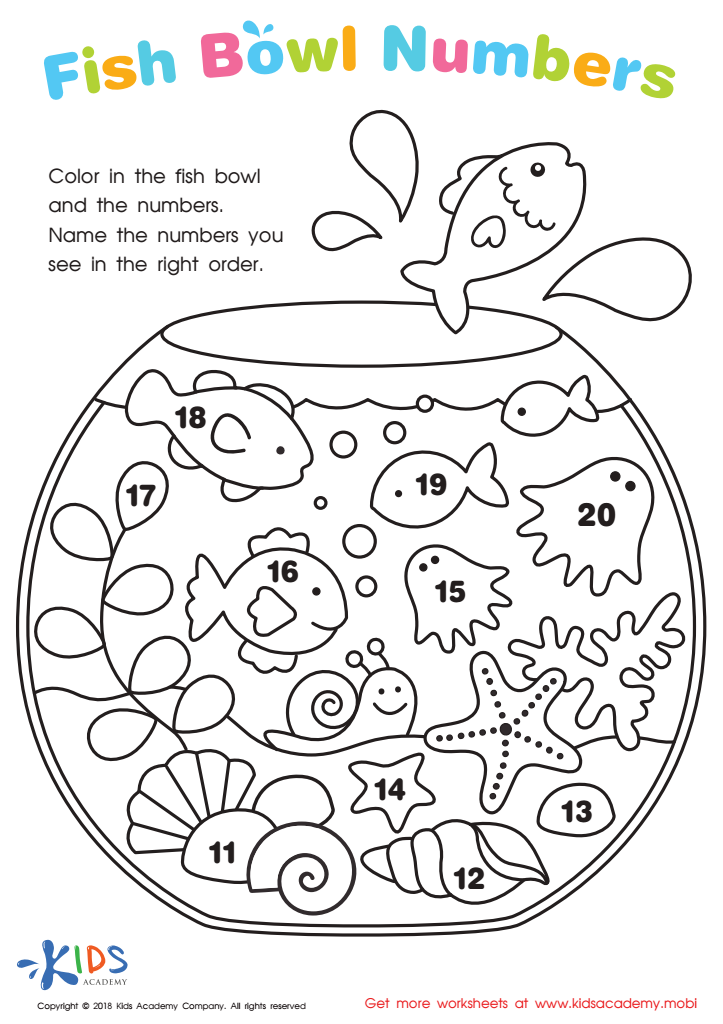
Fish Bowl Numbers Worksheet
Assign to My Students
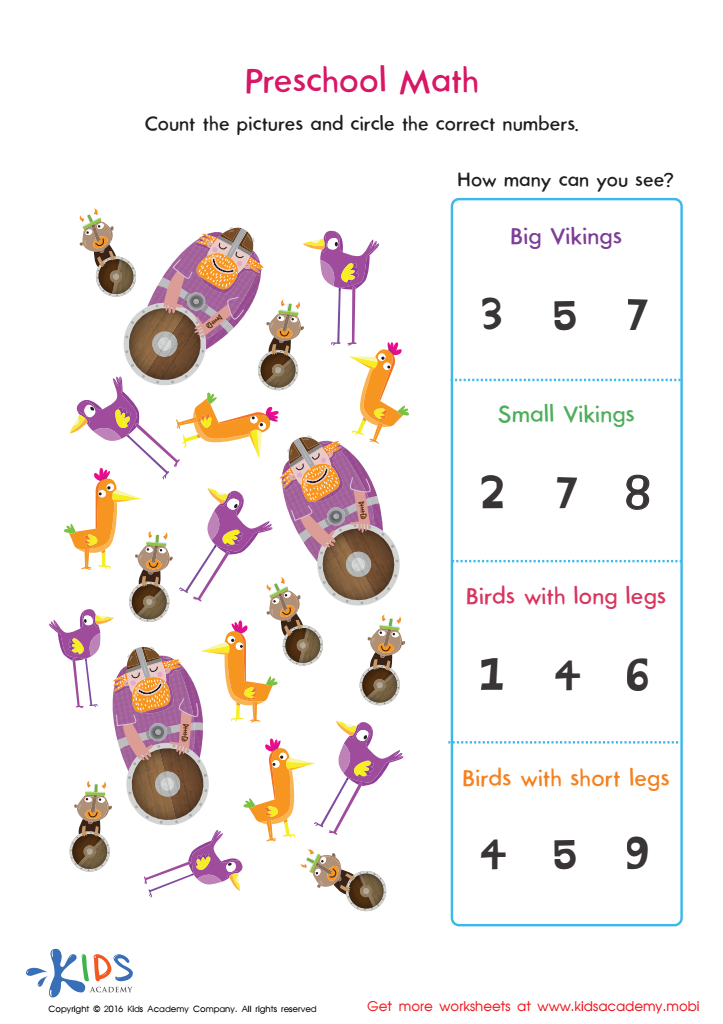



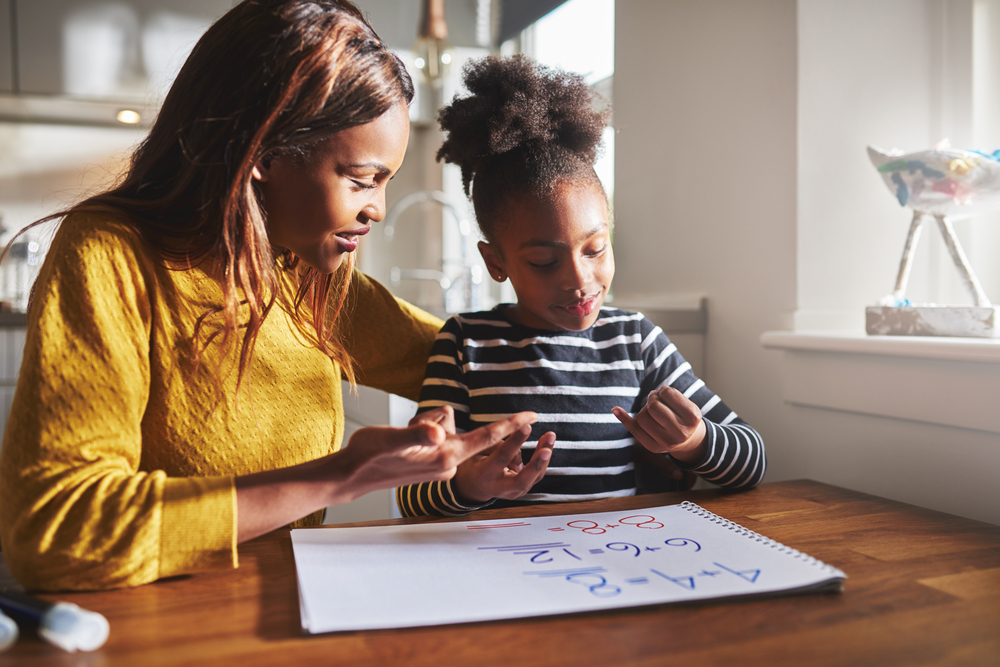



Counting skills are a fundamental component of early childhood mathematics education, and focusing on them in kindergarten is crucial for several reasons. First, counting lays the foundation for all future mathematical learning. It develops number sense, which is essential for understanding quantities, comparisons, and patterns. By engaging students with extra challenges, teachers can enhance their counting capabilities beyond rote learning, fostering critical thinking and problem-solving skills.
Moreover, strong counting skills bolster a child's confidence and enthusiasm for math. When students tackle extra challenges, they learn to persevere and celebrate incremental successes, which can lead to a positive attitude toward learning. This is particularly significant as children often carry their feelings about math throughout their academic careers.
Parents should also be involved, as their encouragement can reinforce the skills learned at school. Practicing counting in everyday situations, like counting objects or taking turns, helps solidify these skills in real-world contexts, enhancing their relevance.
In summary, prioritizing counting skills with additional challenges in kindergarten not only equips students with essential mathematical tools but also fosters positive learning attitudes, critical thinking, and real-life application of skills—all vital for their future academic success.