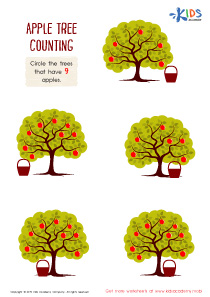
Cognitive Development Extra Challenge Kindergarten Geometry Worksheets
5 filtered results
Difficulty Level
Grade
Age
-
From - To
Subject
Activity
Standards
Boost your child's cognitive development with our Extra Challenge Kindergarten Geometry Worksheets! Designed for young learners, these engaging worksheets help reinforce essential geometric concepts such as shapes, spatial awareness, and problem-solving skills. Our resources provide children with stimulating activities that encourage critical thinking and enhance their understanding of geometry. Whether your child is learning about circles or triangles, these extra challenge worksheets offer a fun and interactive way to deepen their knowledge. Perfect for at-home learning or classroom use, our geometry worksheets are a valuable tool for fostering creativity and cognitive skills. Download now and watch your little one excel in geometry!
Favorites
With answer key
Interactive
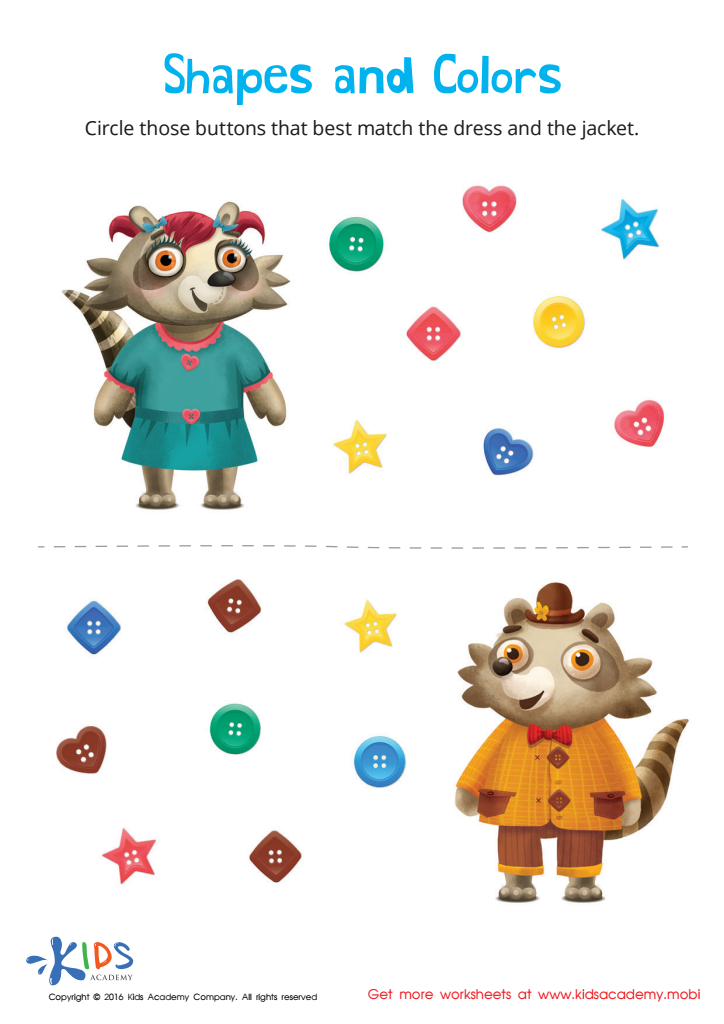
Matching: Shapes and Colors Worksheet
Help Mr. and Mrs. Raccoon find the right buttons to match their shirts! Kids will identify shapes and colors and learn to match them correctly.
 Assign to My Students
Matching: Shapes and Colors Worksheet
Worksheet





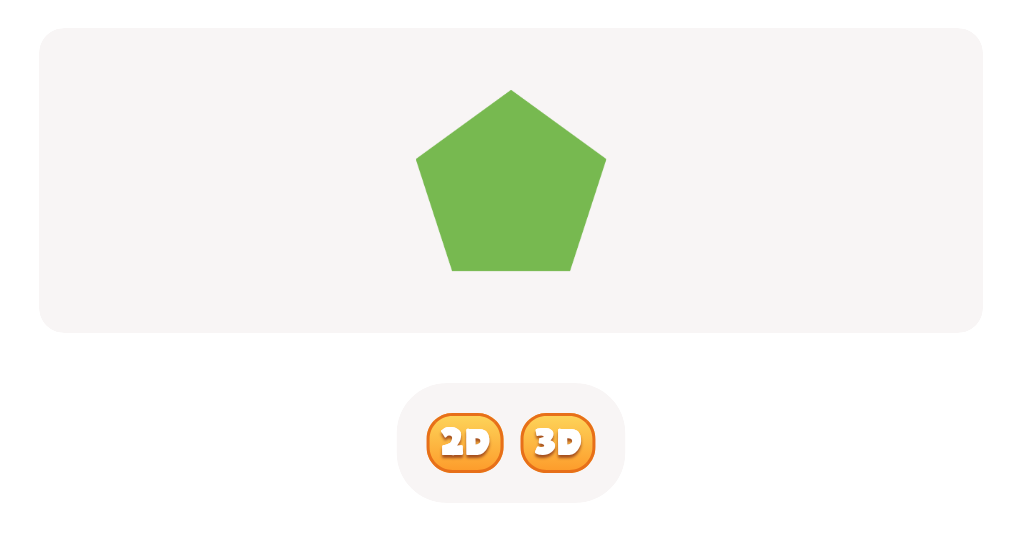

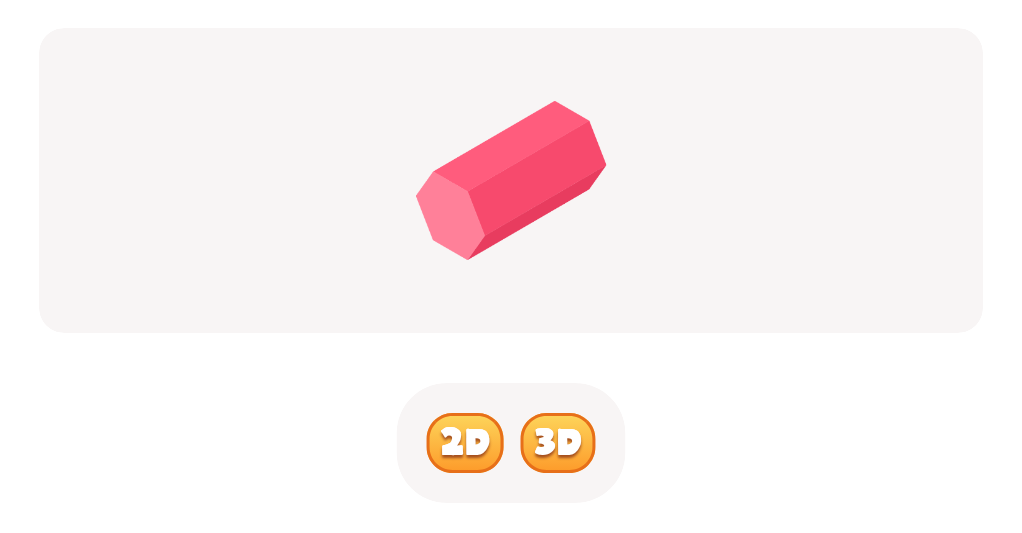

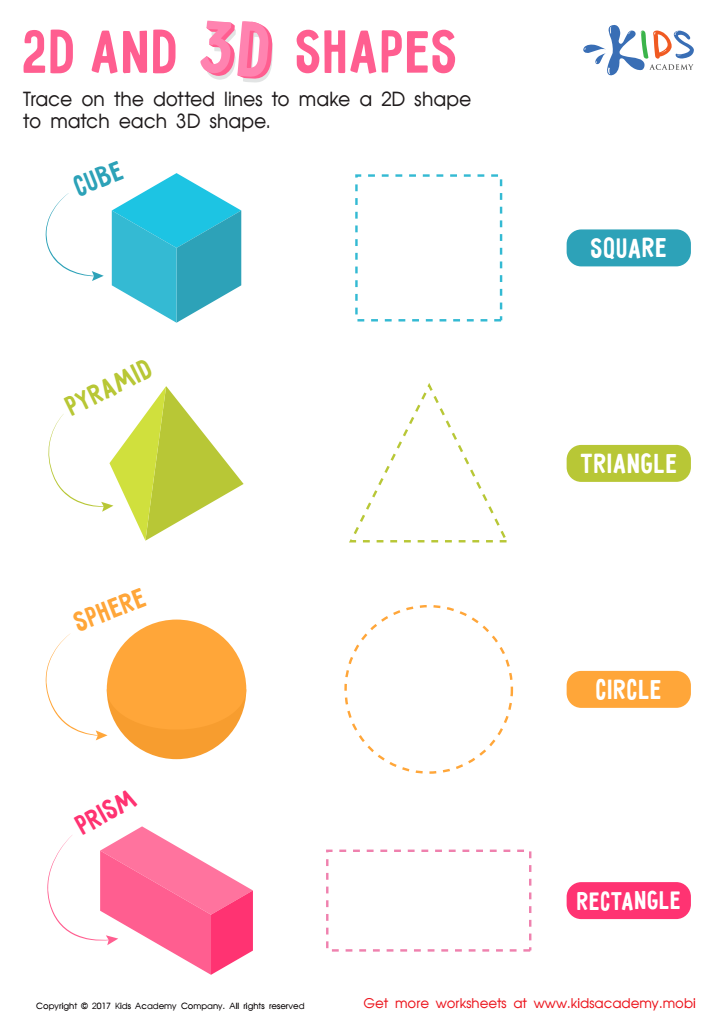
2D and 3D Shapes Worksheet
Introduce your child to 3D and 2D with this traceable worksheet. With dotted lines, help them trace and make a 2D shape for each 3D shape: square, triangle, rectangle, and circle. Show them there's more than one way to draw! You may have taken them to a 3D movie, or they've seen some fantastic 3D art. Now they can wonder no more.
2D and 3D Shapes Worksheet
Worksheet
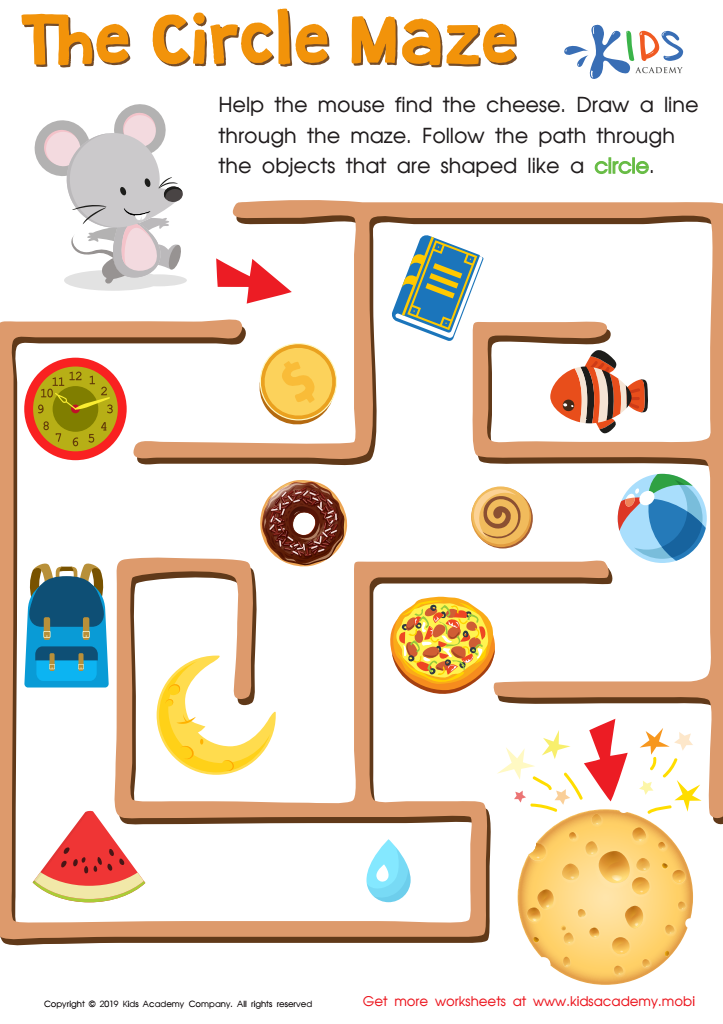
The Circle Maze Worksheet
Kids can have fun learning shapes with this maze worksheet. They can help the mouse find its cheese by tracing the path of a circle through the maze. This printable is great for classroom learning or as an activity at home.
The Circle Maze Worksheet
Worksheet
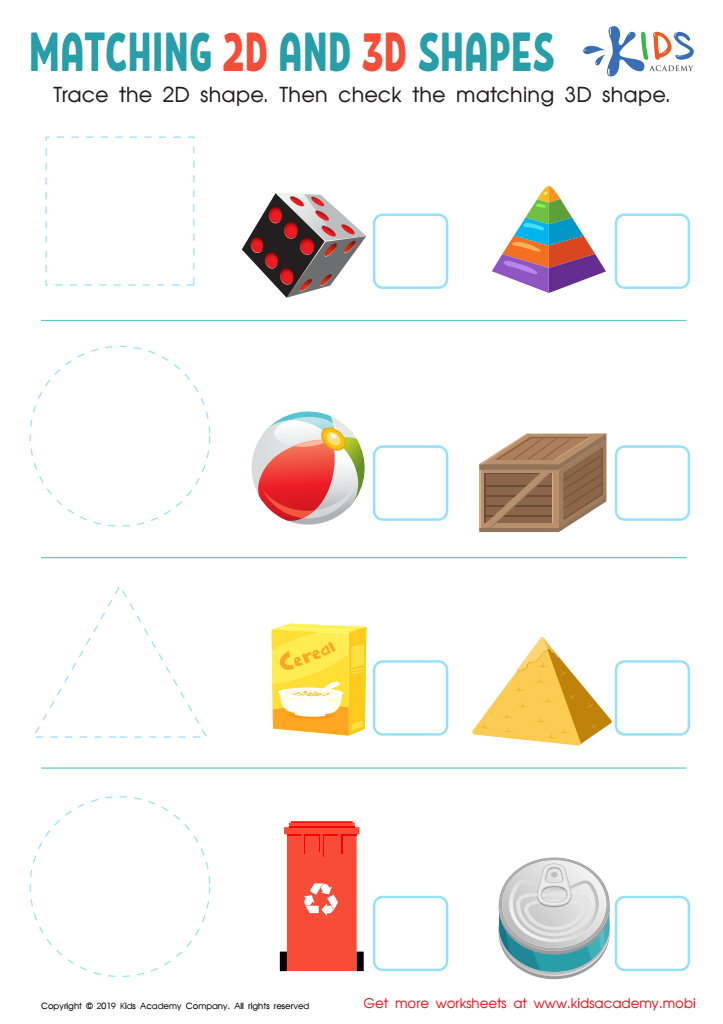
Matching 2D and 3D Shapes Worksheet
Before starting this worksheet, ask your kids what shapes they know and point out the 2D and 3D shapes on it. Help your kids trace the 2D shapes and then match them to the 3D versions. It'll be a fun new world for your kids to explore!
Matching 2D and 3D Shapes Worksheet
Worksheet
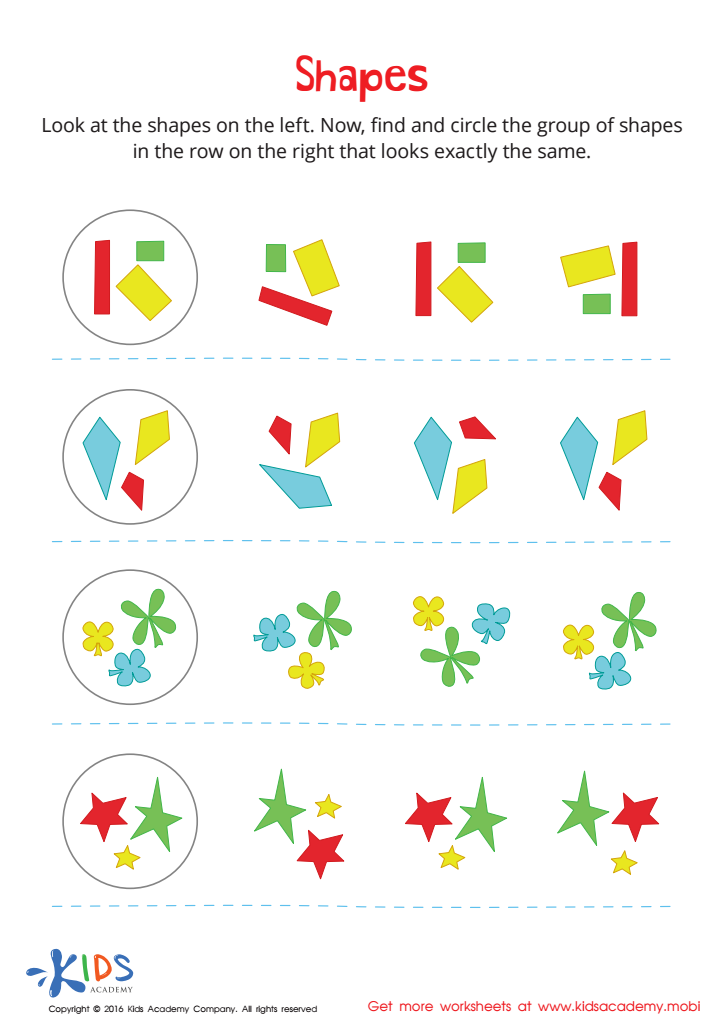
Shapes Worksheet
This fun worksheet will challenge your child to recognize tricky patterns, sort through similar ones, and create strategies to get the right answer. It'll also help them to strengthen problem-solving skills and build confidence. With more challenging tasks, your child will be ready to tackle higher level math and sequencing skills.
Shapes Worksheet
Worksheet
Join Kids Academy for Free
Who is primarily going to use this learning content?








Cognitive development is a crucial aspect of early childhood education, particularly in subjects like geometry. For parents and teachers of kindergarteners, it is vital to care about this developmental area because it lays the foundation for critical thinking, problem-solving skills, and a deeper understanding of the world around them.
Geometry introduces children to shapes, sizes, directions, and spatial relationships. Engaging with geometry challenges young learners to observe, compare, and categorize, enhancing their analytical skills. It fosters mathematical understanding, which is essential for later academic success. Moreover, these skills are linked to everyday tasks, such as navigating space, understanding measurements, and engaging in activities like art and building.
Incorporating extra challenges in geometry helps stimulate cognitive growth. It encourages curiosity and a willingness to explore, making learning more dynamic. Parents and teachers can nurture a child's confidence and love for learning by providing rich geometric experiences. Engaging students in hands-on activities, puzzles, or interactive games helps develop fine motor skills while reinforcing critical cognitive concepts.
Ultimately, supporting children’s cognitive development through geometry not only prepares them for future education but also equips them with essential life skills that promote overall growth and learning versatility.