Shape Recognition Extra Challenge Kindergarten Geometry Worksheets
6 filtered results
Difficulty Level
Grade
Age
-
From - To
Subject
Activity
Standards
Enhance your kindergarteners' geometry skills with our Shape Recognition Extra Challenge worksheets! Designed for inquisitive young minds, these engaging activities foster a deeper understanding of shapes and their properties. Children will enjoy identifying, comparing, and classifying various geometric figures through fun exercises tailored for their learning level. These worksheets promote critical thinking and problem-solving skills, providing an enriching experience beyond basic shape recognition. Perfect for classroom or home use, they encourage exploration and creativity while aligning with early learning standards. Give your students an exciting opportunity to advance their geometry knowledge and develop a strong foundation for future mathematical learning!
Favorites
With answer key
Interactive
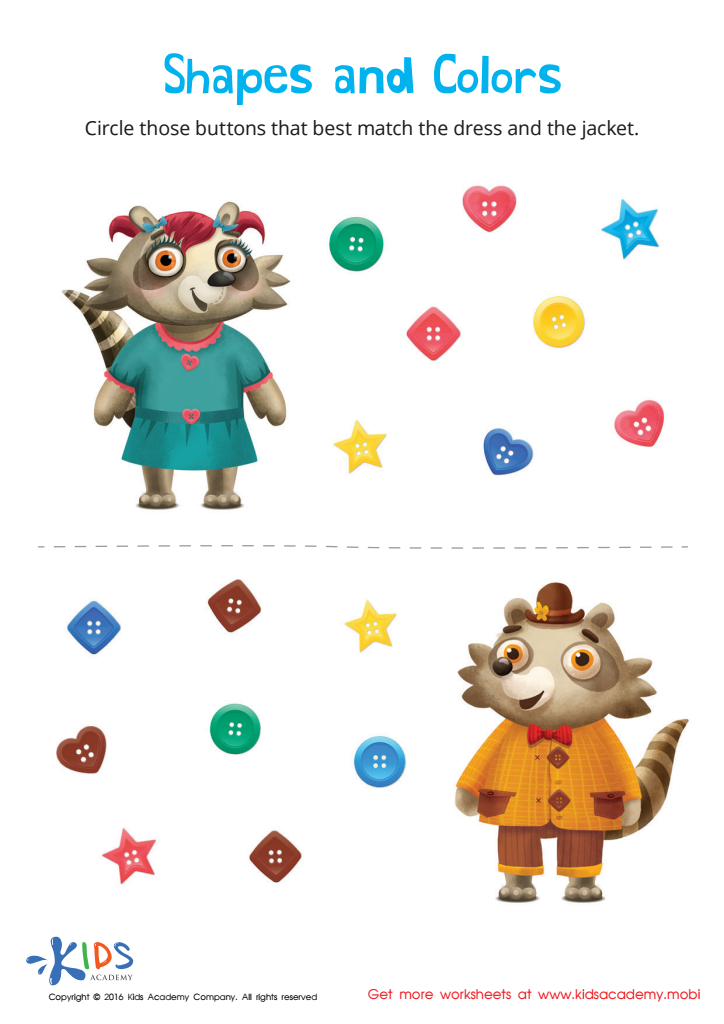
Matching: Shapes and Colors Worksheet
Help Mr. and Mrs. Raccoon find the right buttons to match their shirts! Kids will identify shapes and colors and learn to match them correctly.
 Assign to My Students
Matching: Shapes and Colors Worksheet
Worksheet





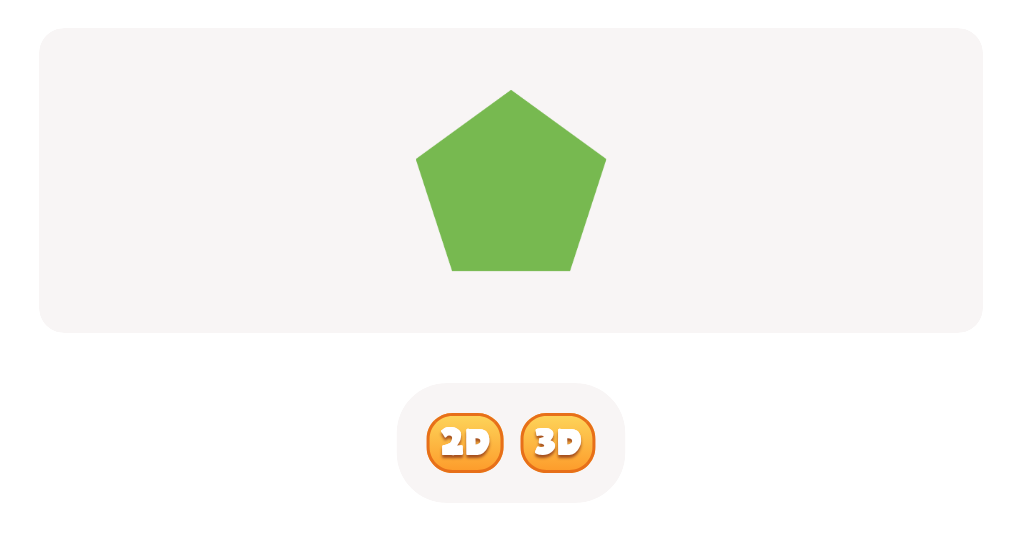

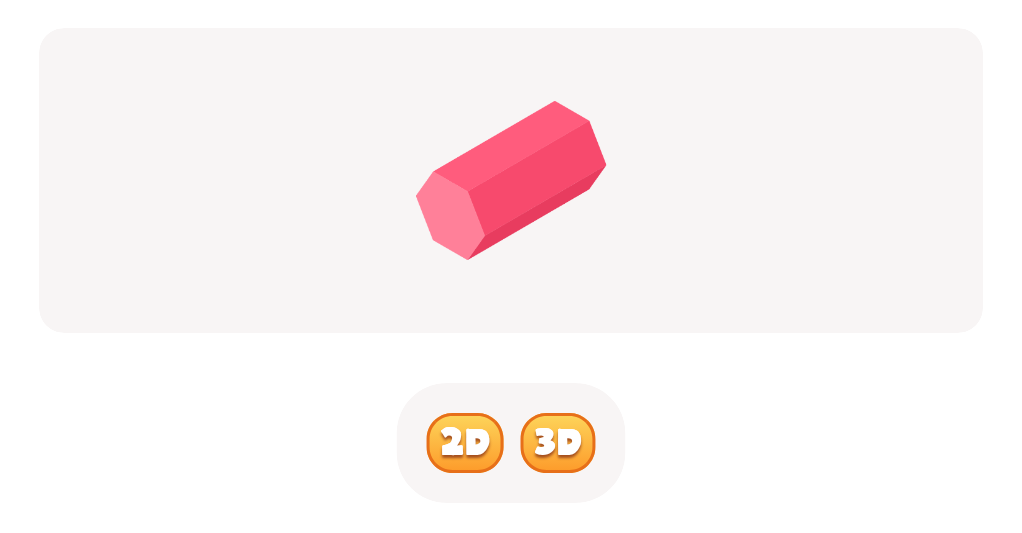

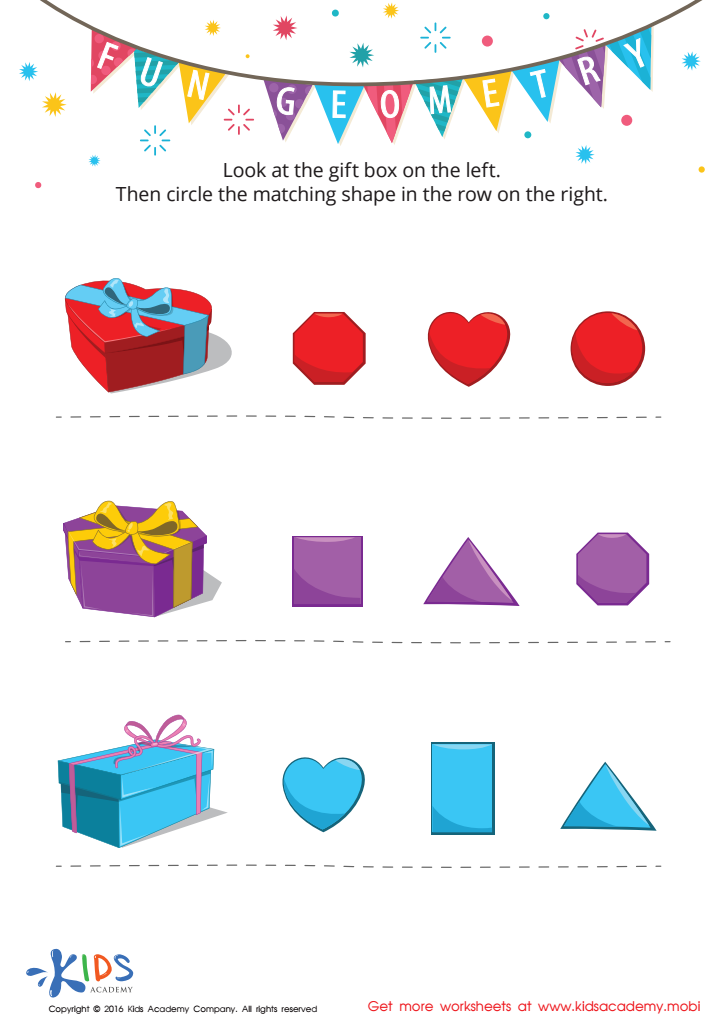
Fun Geometry Worksheet
Give your child the gift of learning with this fun and educational geometry matching worksheet! It'll help them develop essential matching and problem-solving skills while having fun. Vibrant pictures will excite them to complete it and get a better grasp of the world around them.
Fun Geometry Worksheet
Worksheet
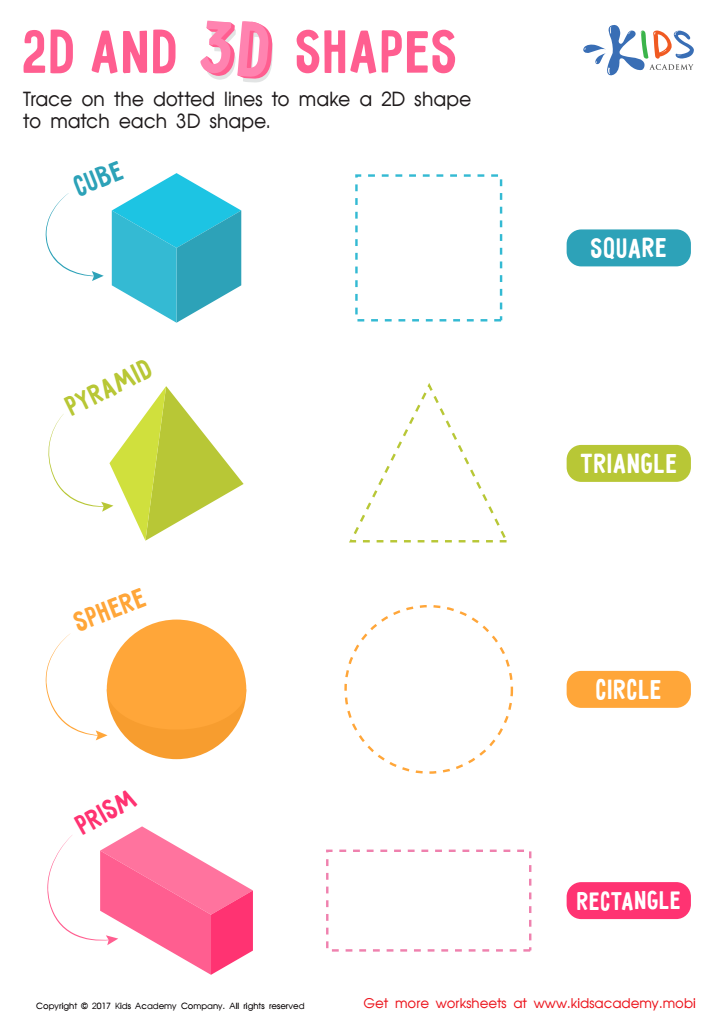
2D and 3D Shapes Worksheet
Introduce your child to 3D and 2D with this traceable worksheet. With dotted lines, help them trace and make a 2D shape for each 3D shape: square, triangle, rectangle, and circle. Show them there's more than one way to draw! You may have taken them to a 3D movie, or they've seen some fantastic 3D art. Now they can wonder no more.
2D and 3D Shapes Worksheet
Worksheet
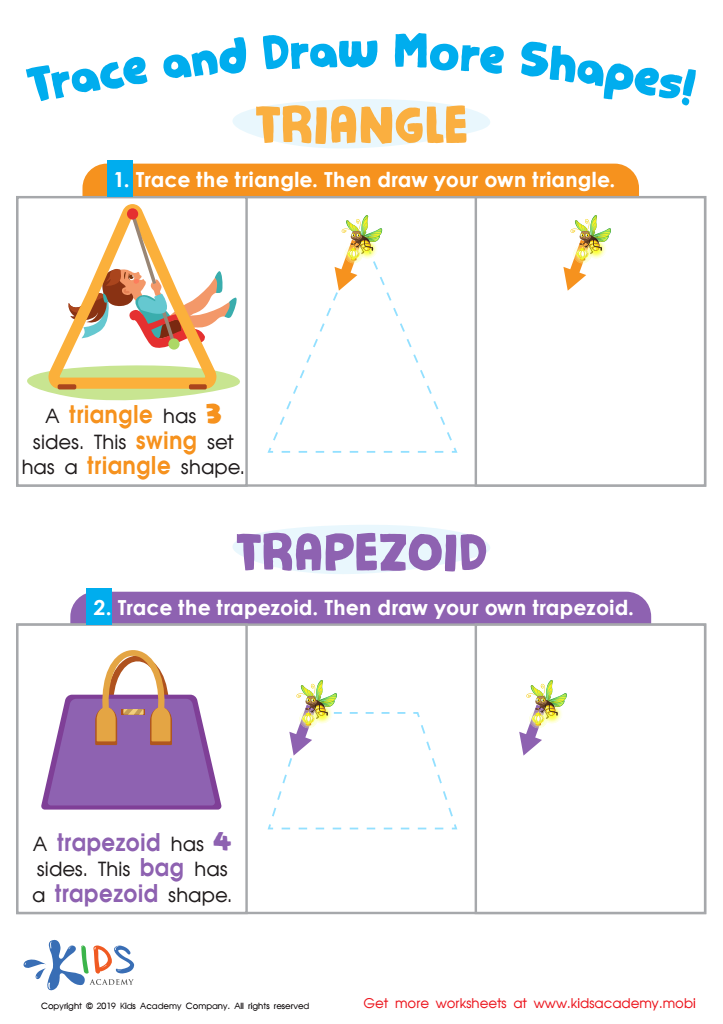
Trace and Draw More Shapes Worksheet
Help your kids with more learning! Look at images in the worksheet, read facts about the shapes, then help your kids trace and draw. This reinforces that learning is never done; use this simple worksheet to help your kids with school homework and more!
Trace and Draw More Shapes Worksheet
Worksheet
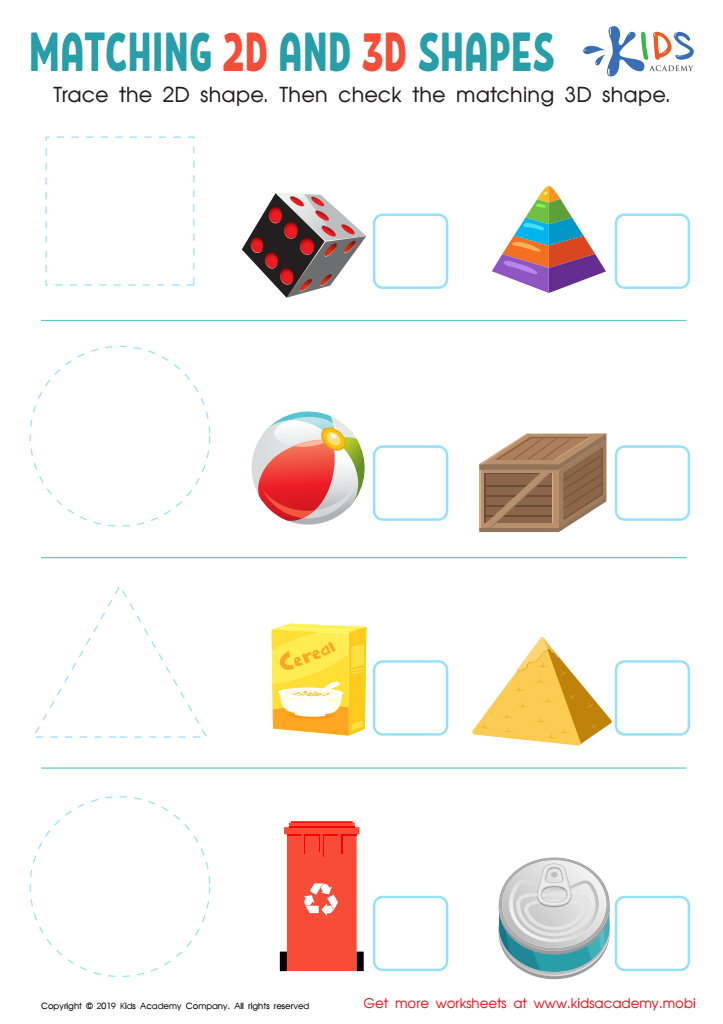
Matching 2D and 3D Shapes Worksheet
Before starting this worksheet, ask your kids what shapes they know and point out the 2D and 3D shapes on it. Help your kids trace the 2D shapes and then match them to the 3D versions. It'll be a fun new world for your kids to explore!
Matching 2D and 3D Shapes Worksheet
Worksheet
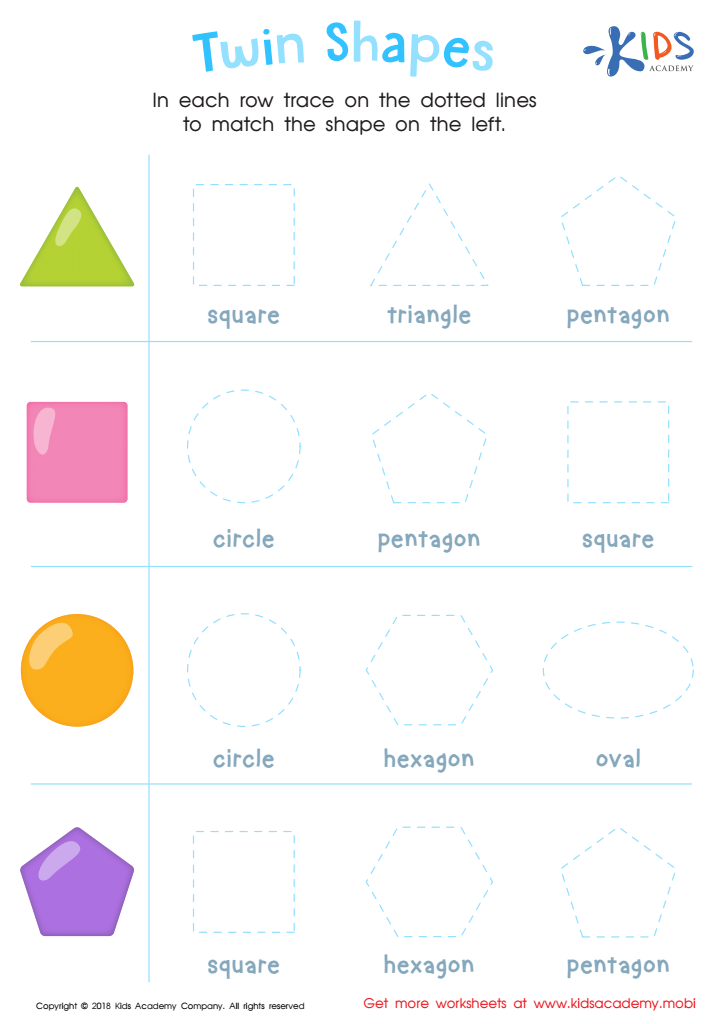
Twin Shapes Dot-to-Dot Worksheet
Test your child's ability to copy with this worksheet. Ask them to find and name the four shapes on the left. Then, they must match each with the dotted lines on the right. Help your child with all four shapes in this fun exercise.
Twin Shapes Dot-to-Dot Worksheet
Worksheet
Join Kids Academy for Free
Who is primarily going to use this learning content?








Shape recognition is a foundational skill in early childhood education, specifically in kindergarten geometry, making it essential for both parents and teachers to prioritize. Understanding shapes helps children develop critical cognitive skills and enhances their ability to recognize patterns and solve problems. When children can identify and categorize different shapes, they begin to build a strong mathematical foundation that will serve them well in more advanced concepts later on.
Furthermore, engaging in shape recognition activities allows children to explore their environment more effectively, increasing their spatial awareness. This not only aids in geometry but also supports skills in areas such as art and engineering, providing a holistic approach to learning. The Extra Challenge aspect of these activities can cater to diverse learning paces, ensuring that advanced students are engaged while also offering extra support for those who might struggle.
Incorporating shape recognition challenges into lessons creates a stimulating learning atmosphere. For parents, reinforcing shape recognition at home through play and practical experiences strengthens family bonding while fostering a love for math and exploration. This partnership between educators and families ultimately cultivates well-rounded and confident learners who are better prepared for future academic success.