Shape Recognition Extra Challenge Worksheets
14 filtered results
-
From - To
Unlock advanced learning potential with our "Shape Recognition Extra Challenge Worksheets"! Specifically designed for early learners ready to take the next step, these worksheets consolidate foundational shape recognition skills while introducing complex shapes and patterns. Perfect for preschoolers and kindergartners, this collection enhances spatial awareness, boosts critical thinking, and fosters fine motor skills. Engaging activities, vibrant illustrations, and progressive levels of difficulty provide an exciting way for children to master shapes. Help your child achieve new heights in their educational journey with Shape Recognition Extra Challenge Worksheets—where fun meets advanced learning! Sign up today and ignite your child's passion for learning.
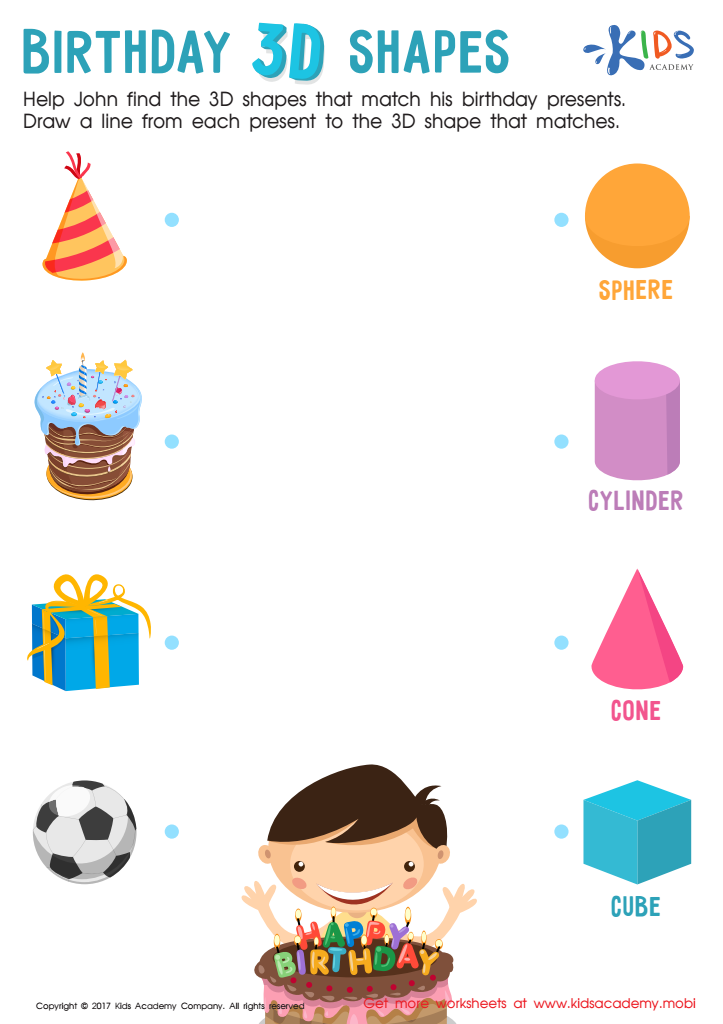
Birthday 3D Shapes Worksheet
 Assign to My Students
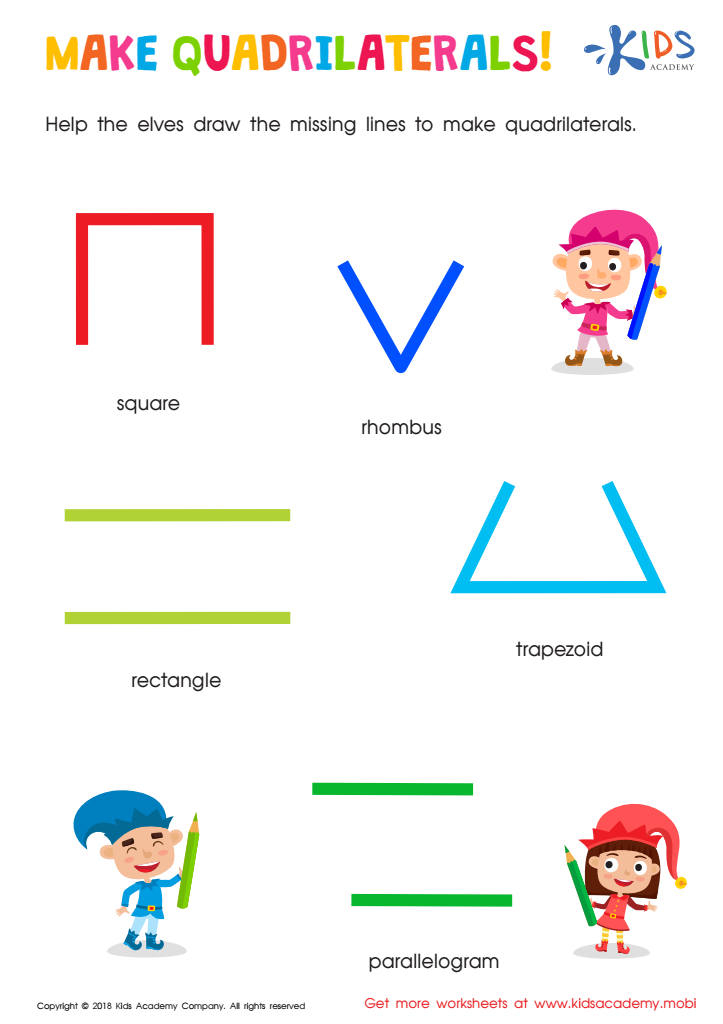
Make Quadrilaterals Worksheet
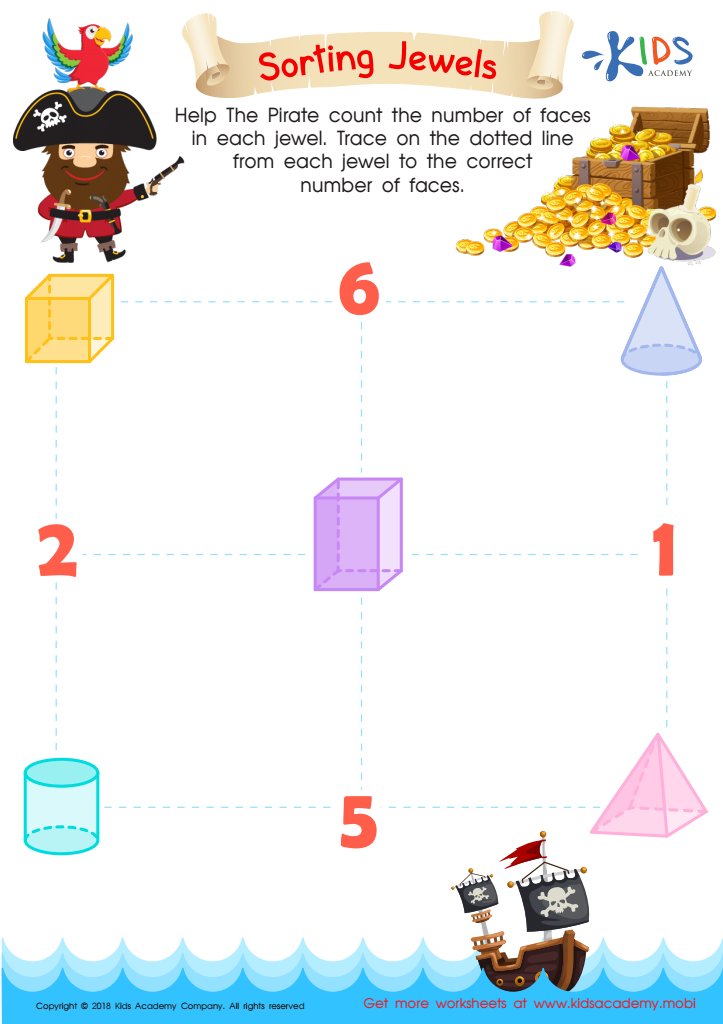
Sorting Jewels Worksheet
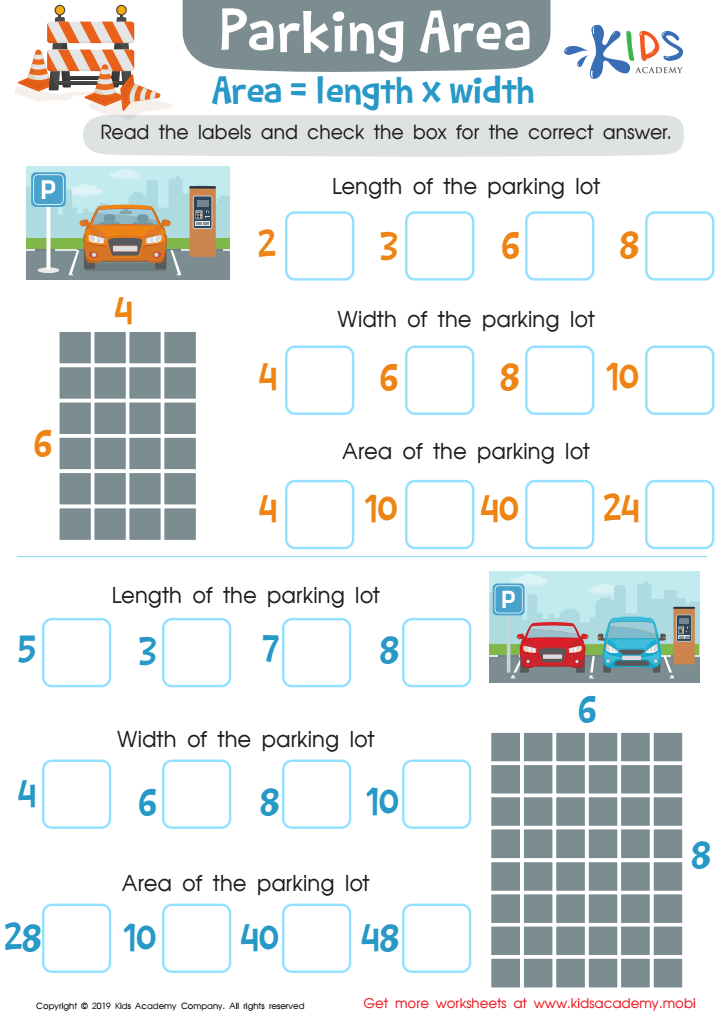
Parking Area Worksheet
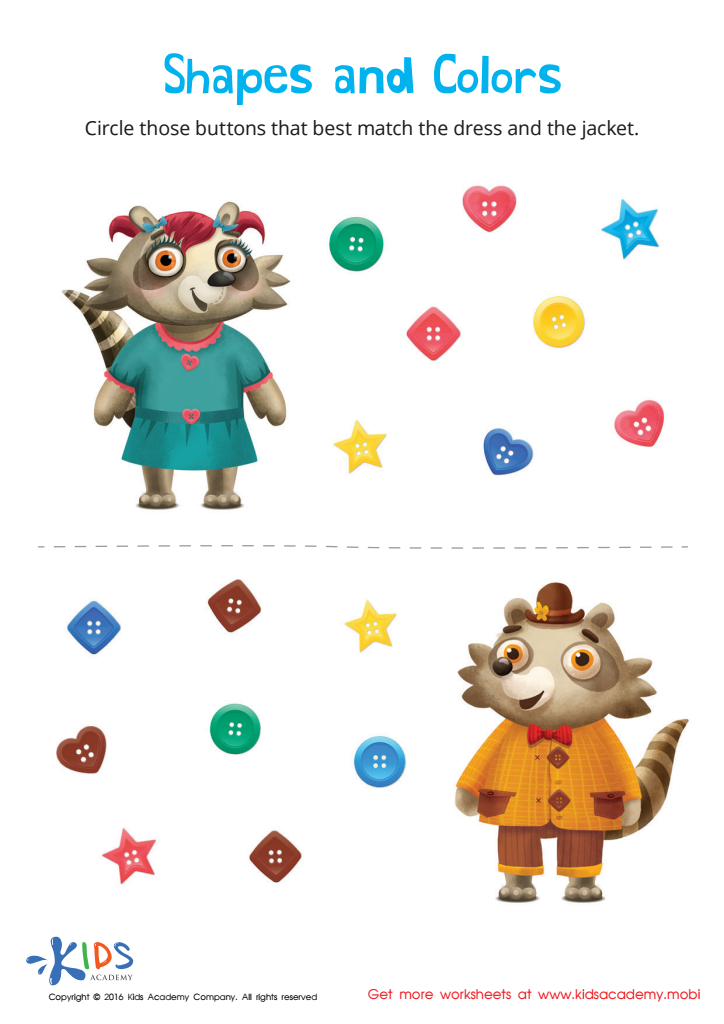
Matching: Shapes and Colors Worksheet
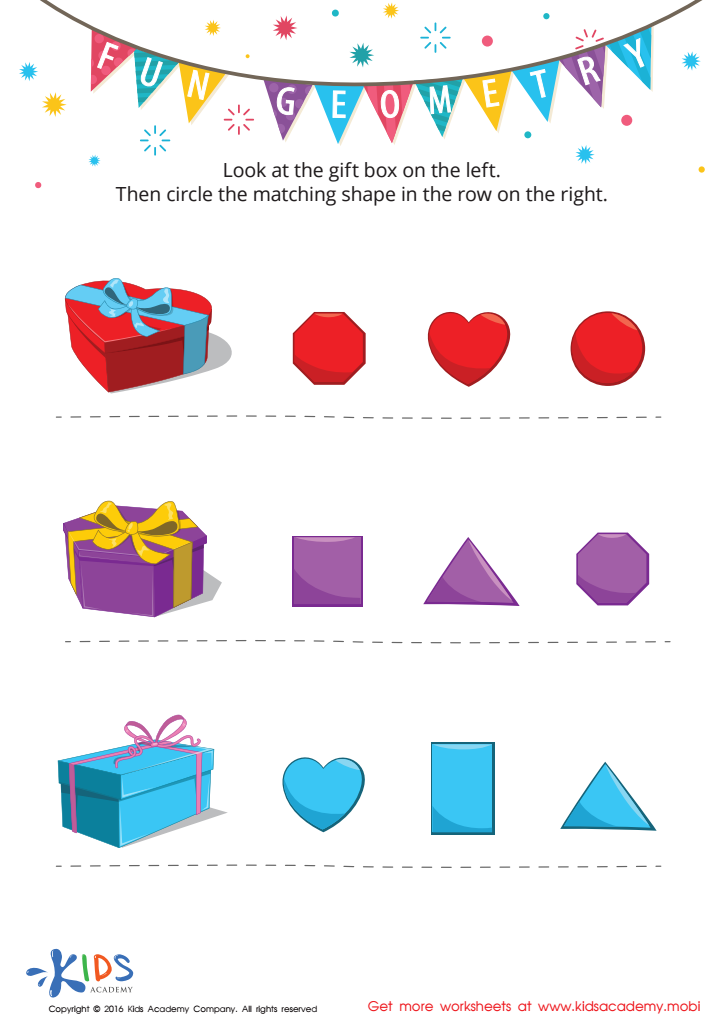
Fun Geometry Worksheet
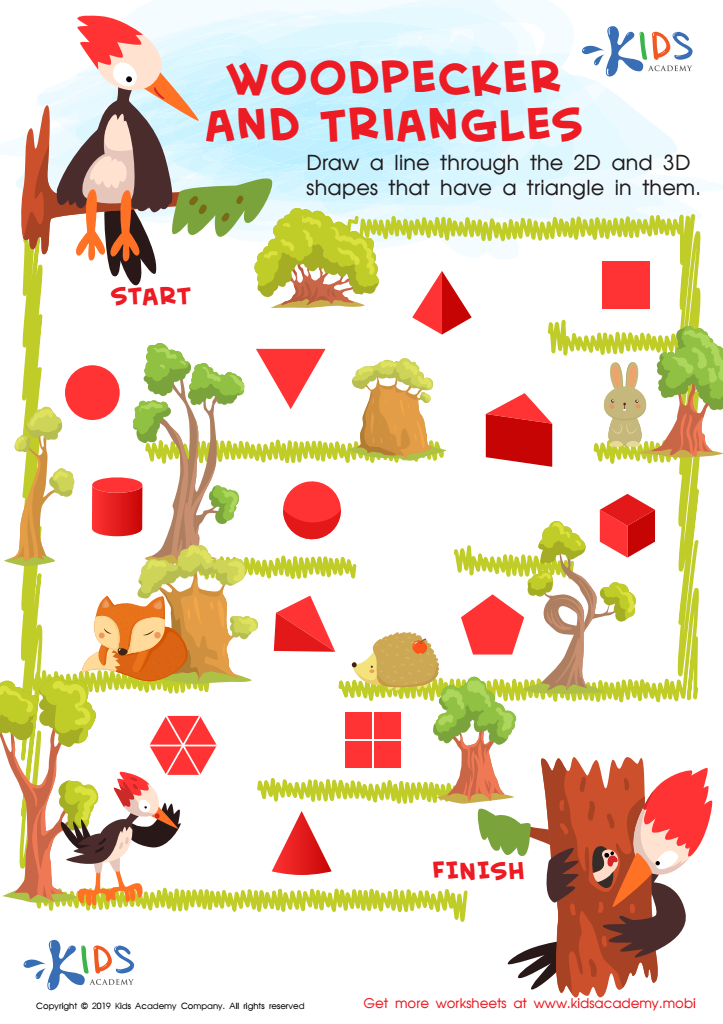
Woodpecker and Triangles Worksheet
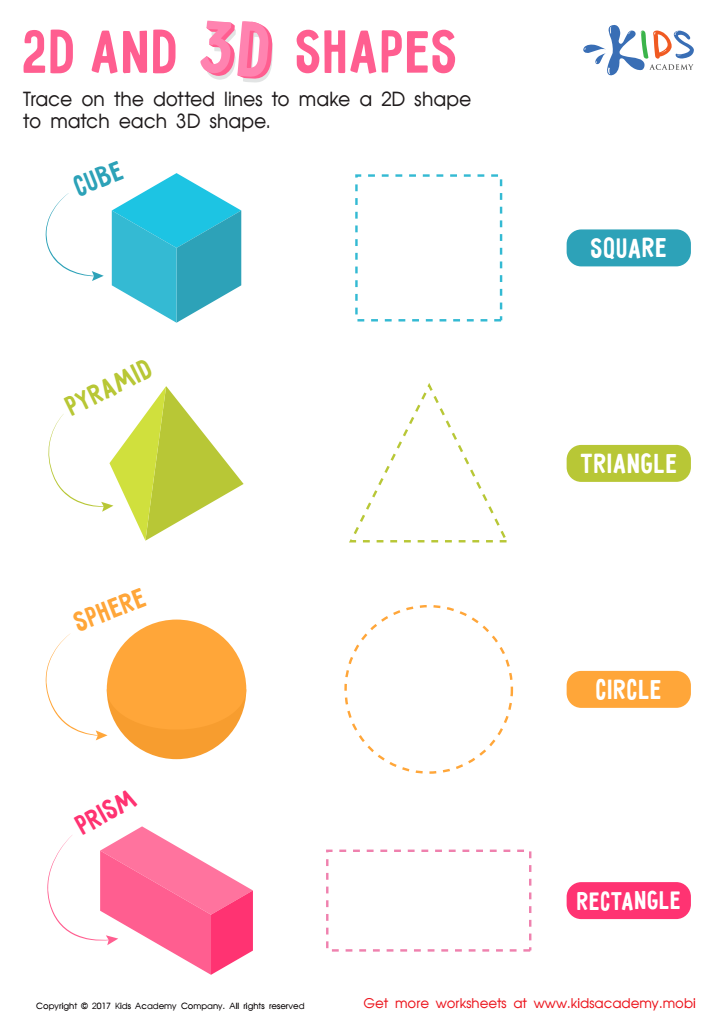
2D and 3D Shapes Worksheet
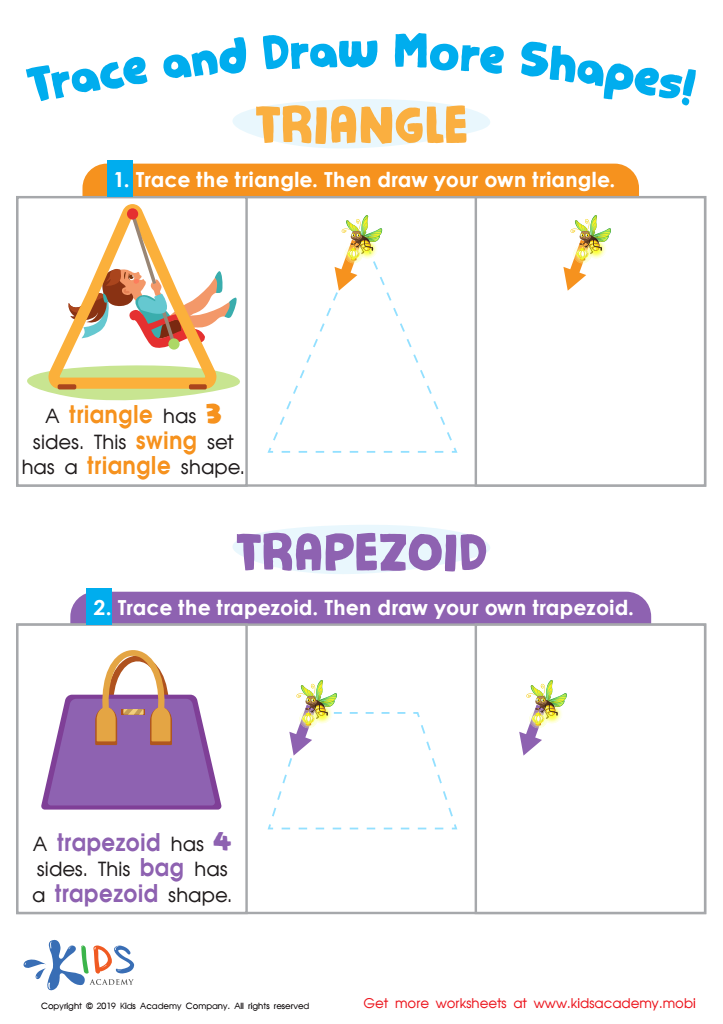
Trace and Draw More Shapes Worksheet
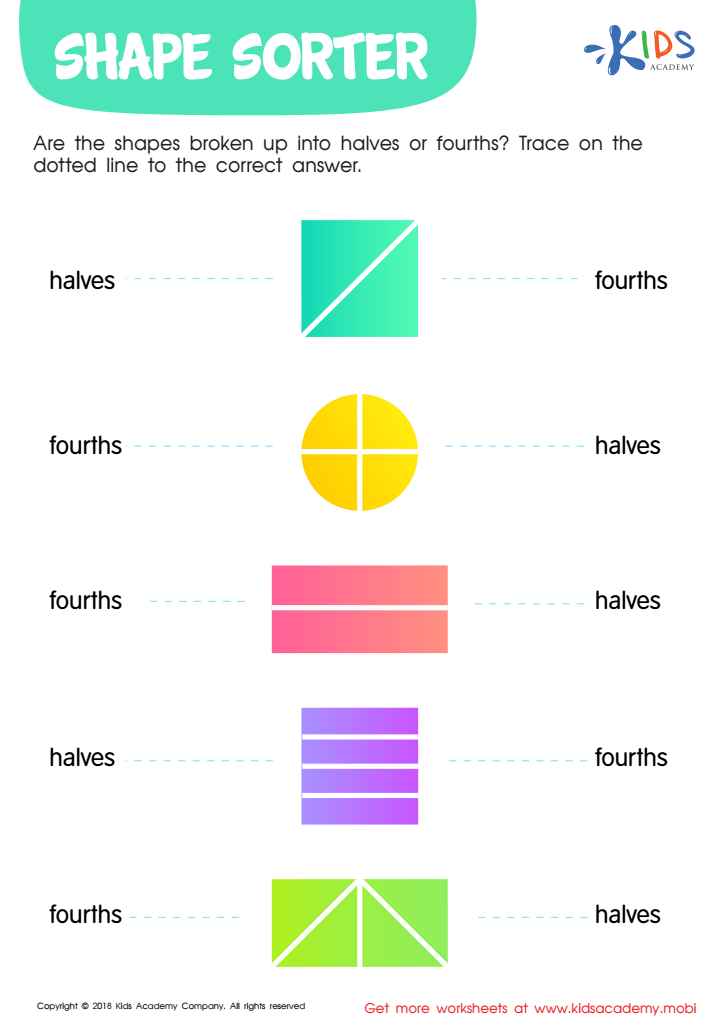
Shape Sorter Worksheet
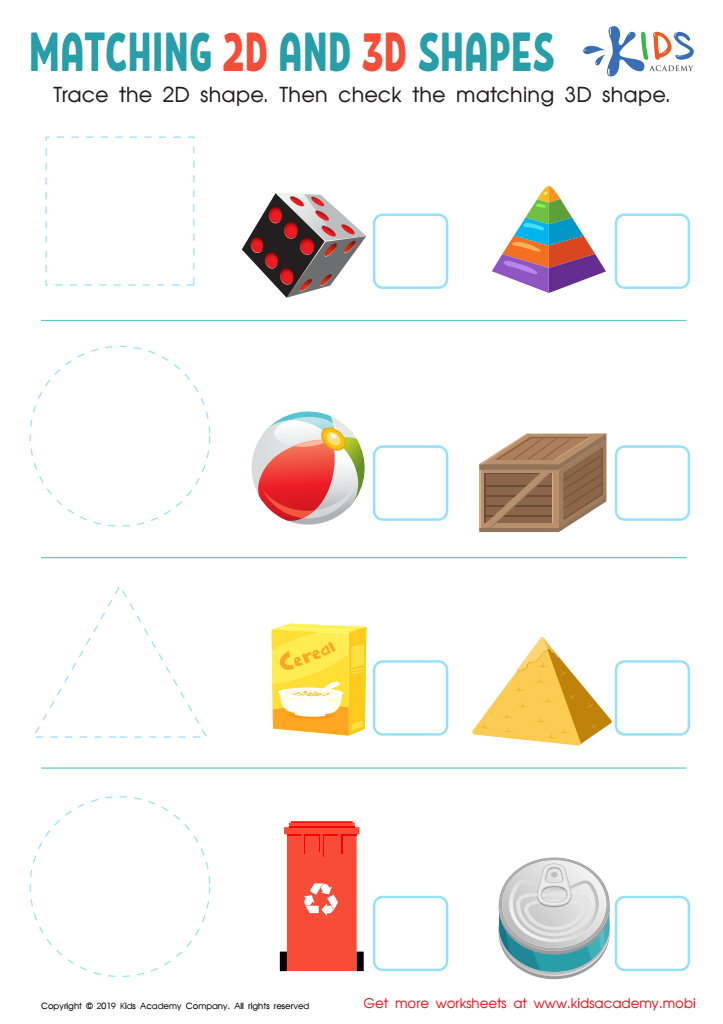
Matching 2D and 3D Shapes Worksheet
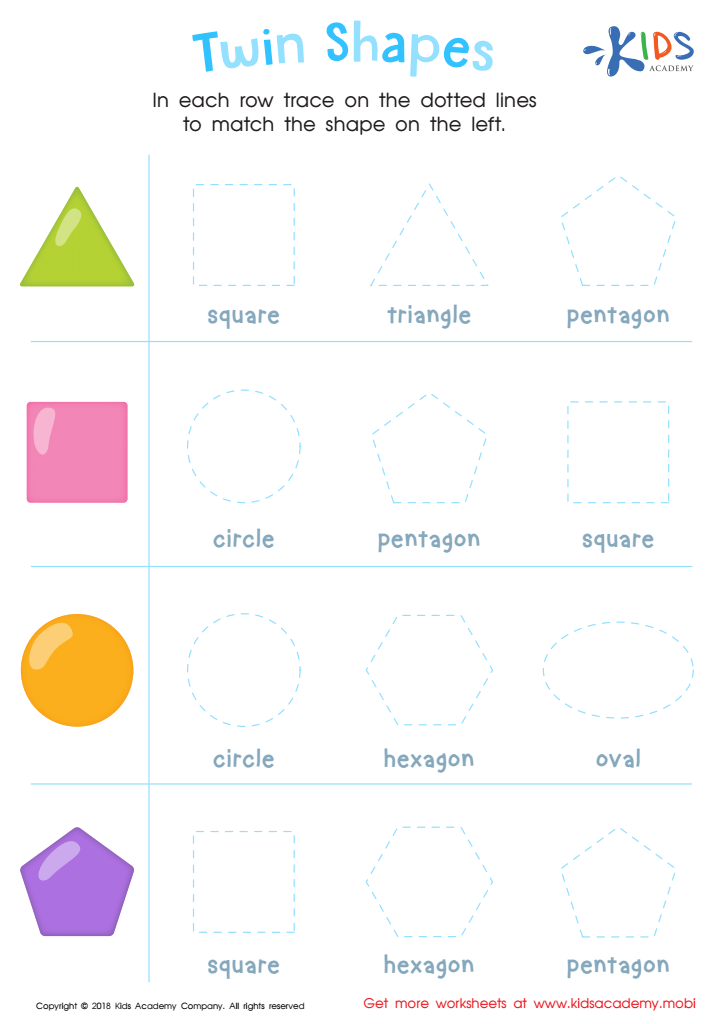
Twin Shapes Dot-to-Dot Worksheet
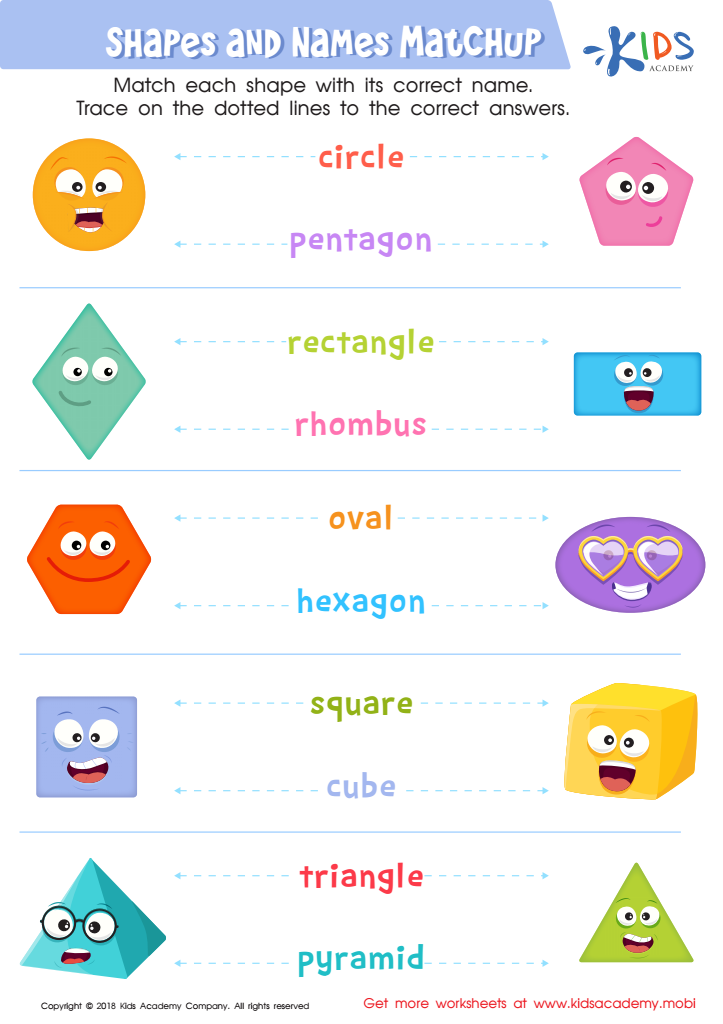
Shapes and Names Matchup Worksheet
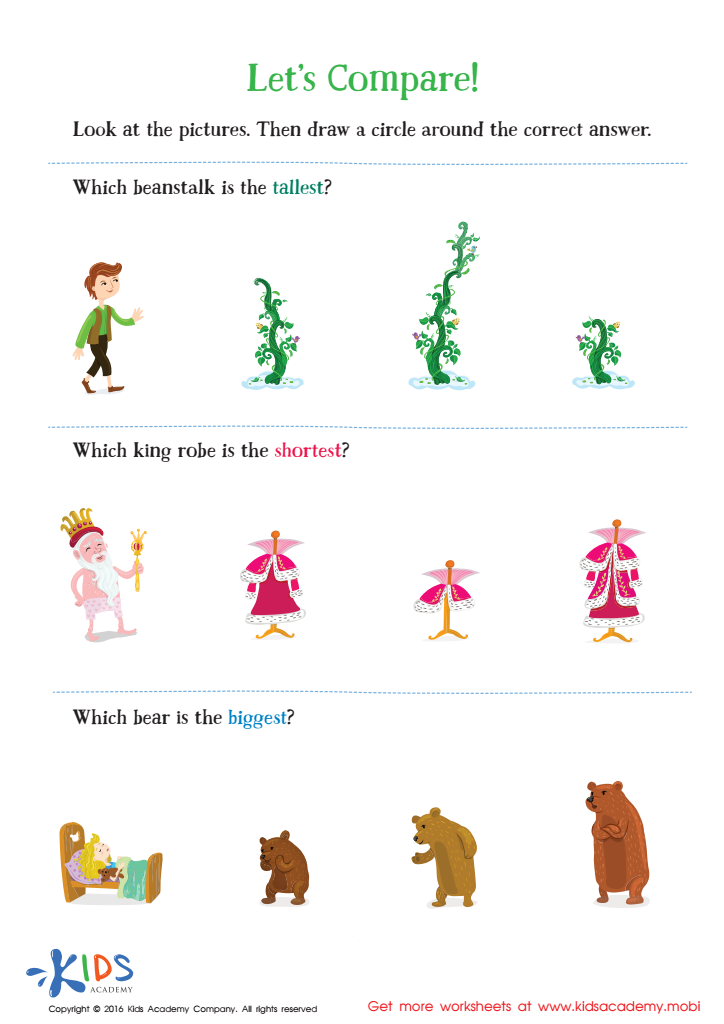
Fairy Tale Worksheet: Let's Compare








Shape recognition is a foundational skill that plays a crucial role in a child's cognitive and educational development. For parents and teachers, nurturing this ability through Extra Challenges is essential for several reasons. Firstly, shape recognition develops spatial awareness and geometry skills, laying the groundwork for more advanced math concepts like patterns, symmetry, and spatial relationships. Engaging in Extra Challenges broadens these experiences, helping children think more critically and creatively about shapes.
Secondly, shape recognition is linked to literacy. Recognizing shapes enhances visual discrimination, an ability crucial for distinguishing between different letters and numbers. This early practice supports reading and writing skills, as children become better at noticing details in written language.
Furthermore, engaging in shape-based activities bolsters problem-solving and fine motor skills. Extra Challenges often require children to manipulate and arrange shapes, thus refining their hand-eye coordination and dexterity. It also enhances their ability to solve puzzles, encouraging perseverance and boosting confidence.
Finally, addressing Shape Recognition Extra Challenges cultivates a love for learning. When children see progress and enjoy interactive and diverse activities, their enthusiasm for exploring math and other STEM subjects increases. Prioritizing these challenges means instilling a strong, enthusiastic foundation for lifelong learning and success.








