Shape Recognition Extra Challenge Math Worksheets
14 filtered results
-
From - To
Discover our "Shape Recognition Extra Challenge Math Worksheets," designed to elevate students' understanding of geometric shapes while enhancing critical thinking skills. These engaging worksheets are perfect for early learners ready to tackle advanced shape identification and classification problems. Featuring a variety of creative activities—from shape sorting and matching to complex patterns—our resources encourage independence and problem-solving. Tailored for young learners, these extra challenges not only reinforce key mathematical concepts but also cultivate a love for learning through interactive play. Give your students the tools they need to confidently recognize, describe, and work with various shapes, all while having fun!
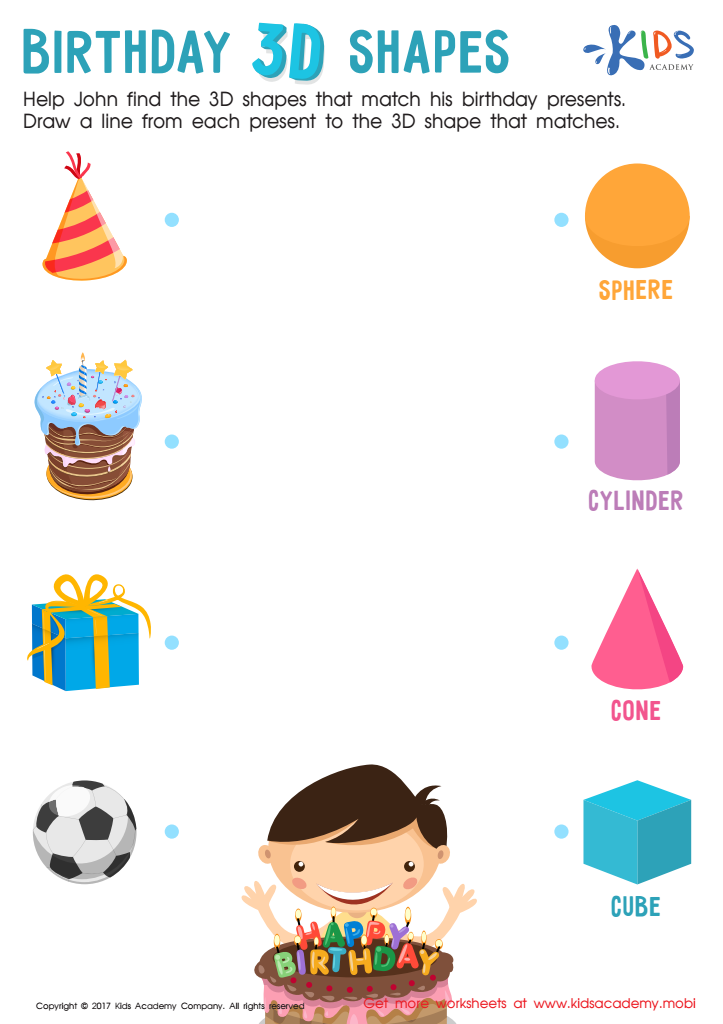
Birthday 3D Shapes Worksheet
 Assign to My Students
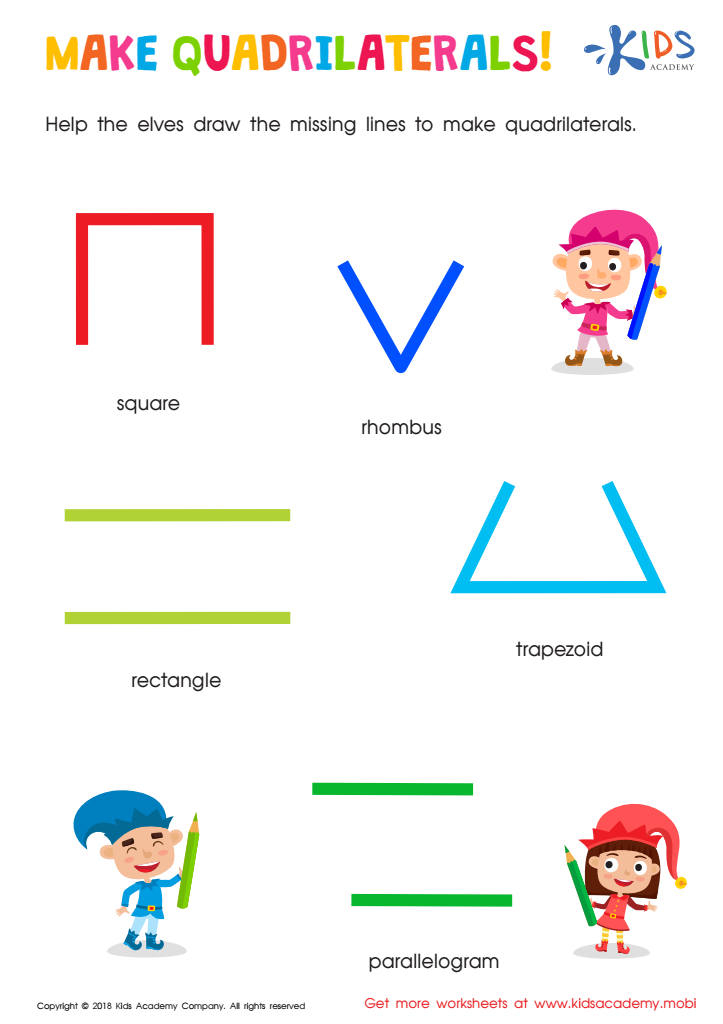
Make Quadrilaterals Worksheet
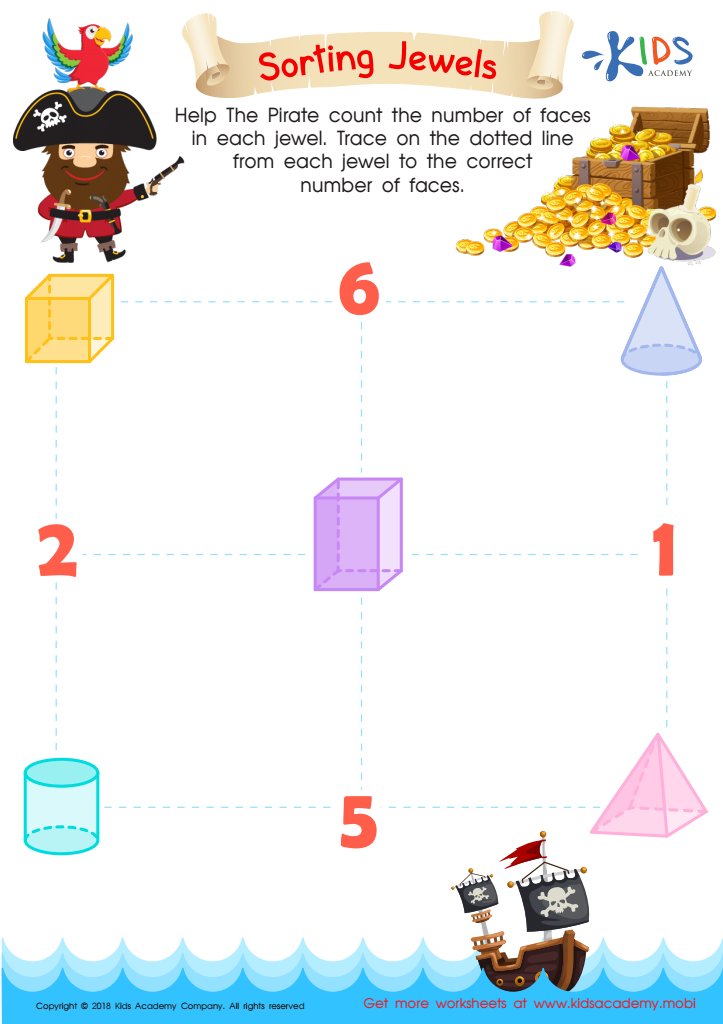
Sorting Jewels Worksheet
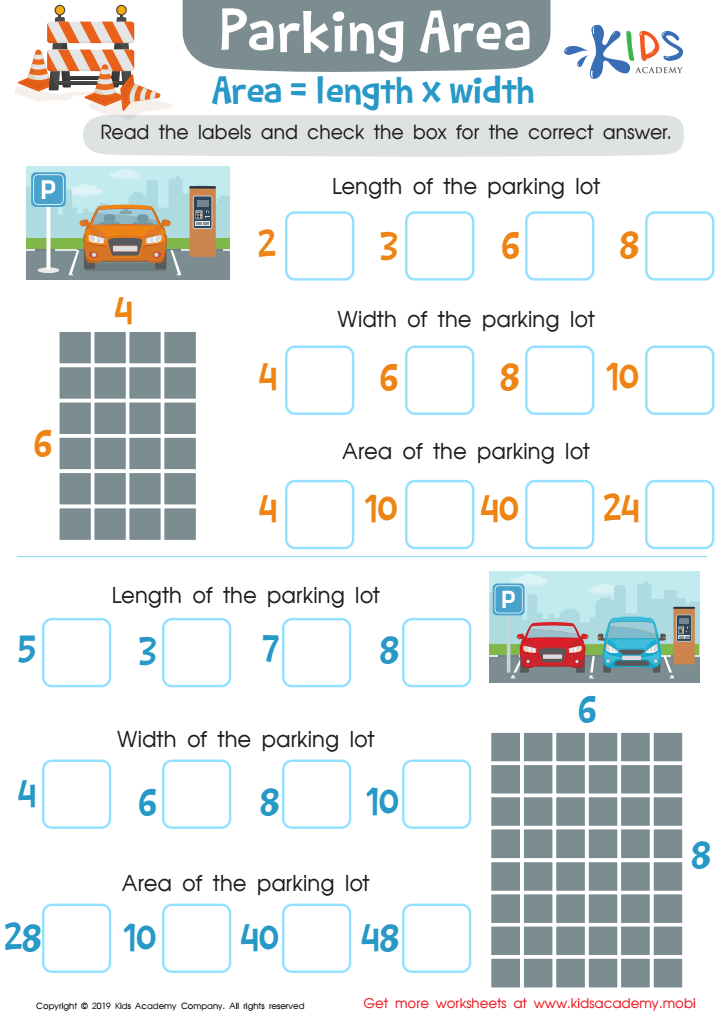
Parking Area Worksheet
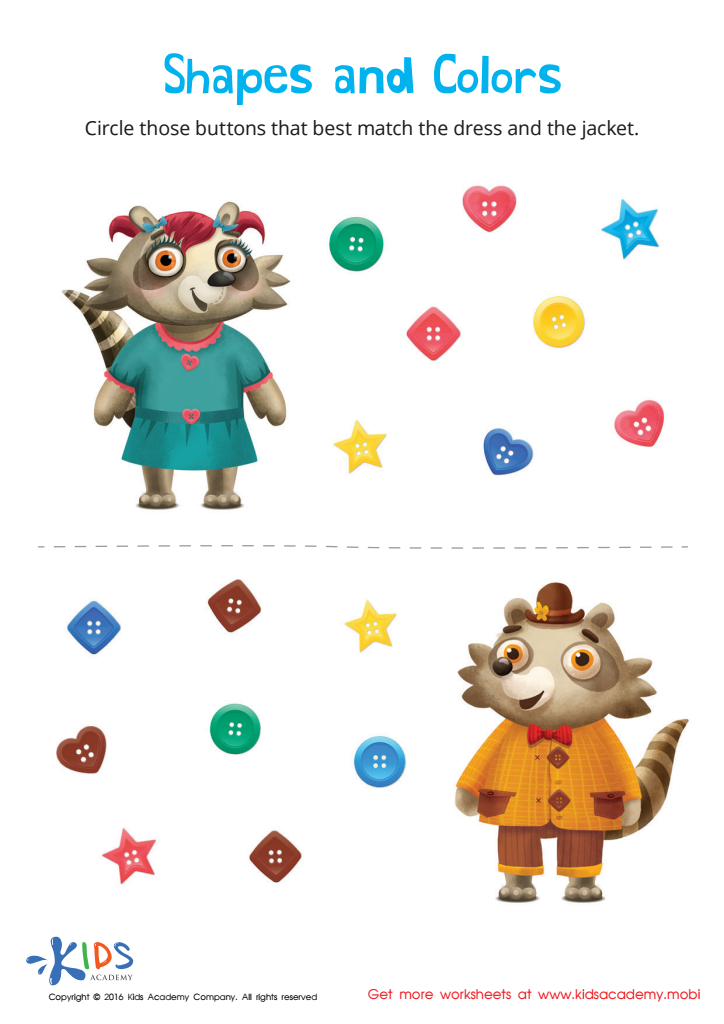
Matching: Shapes and Colors Worksheet
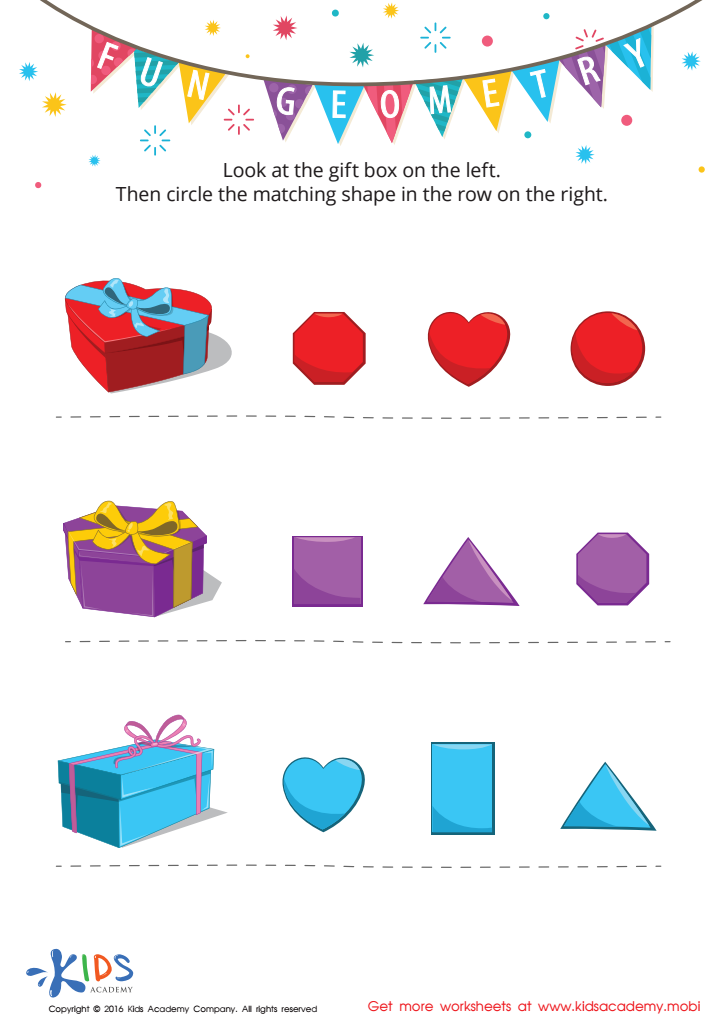
Fun Geometry Worksheet
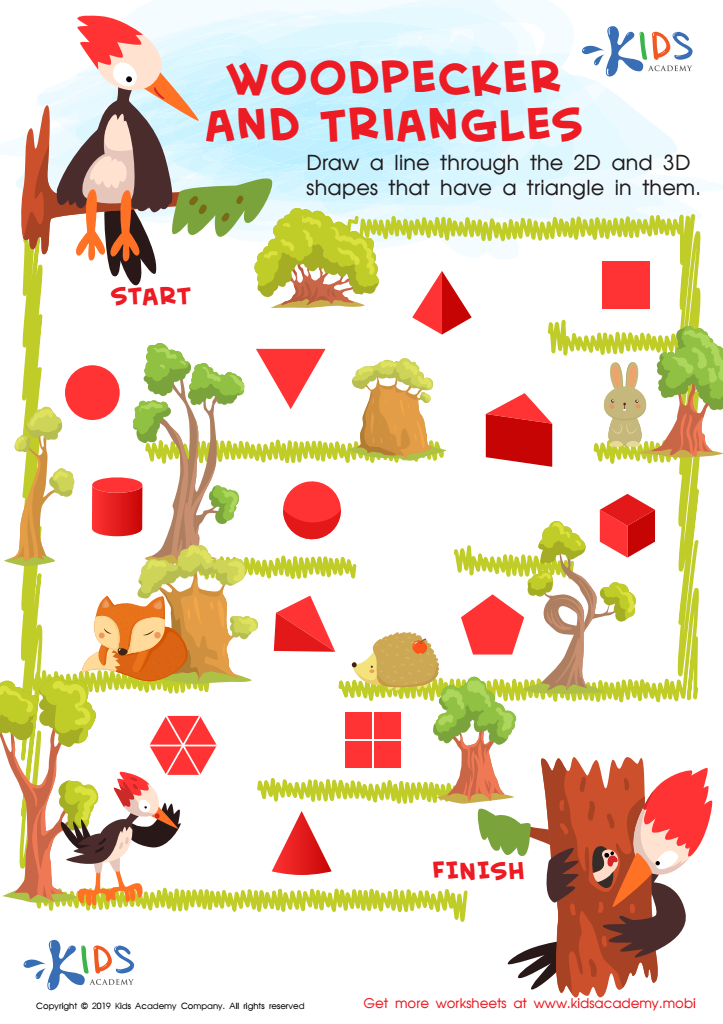
Woodpecker and Triangles Worksheet
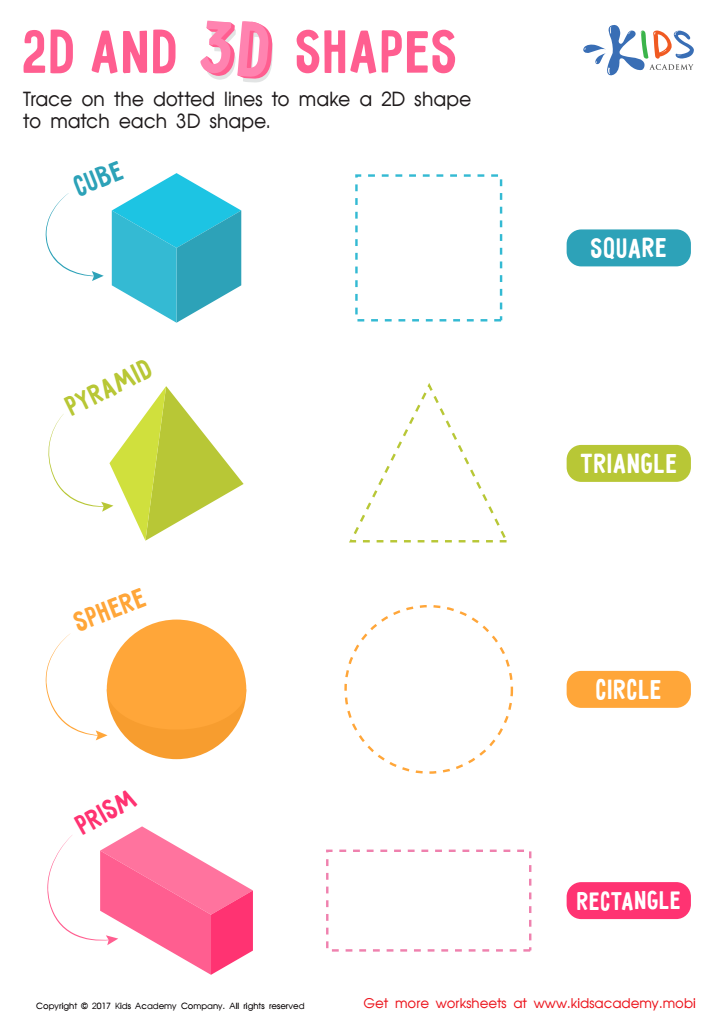
2D and 3D Shapes Worksheet
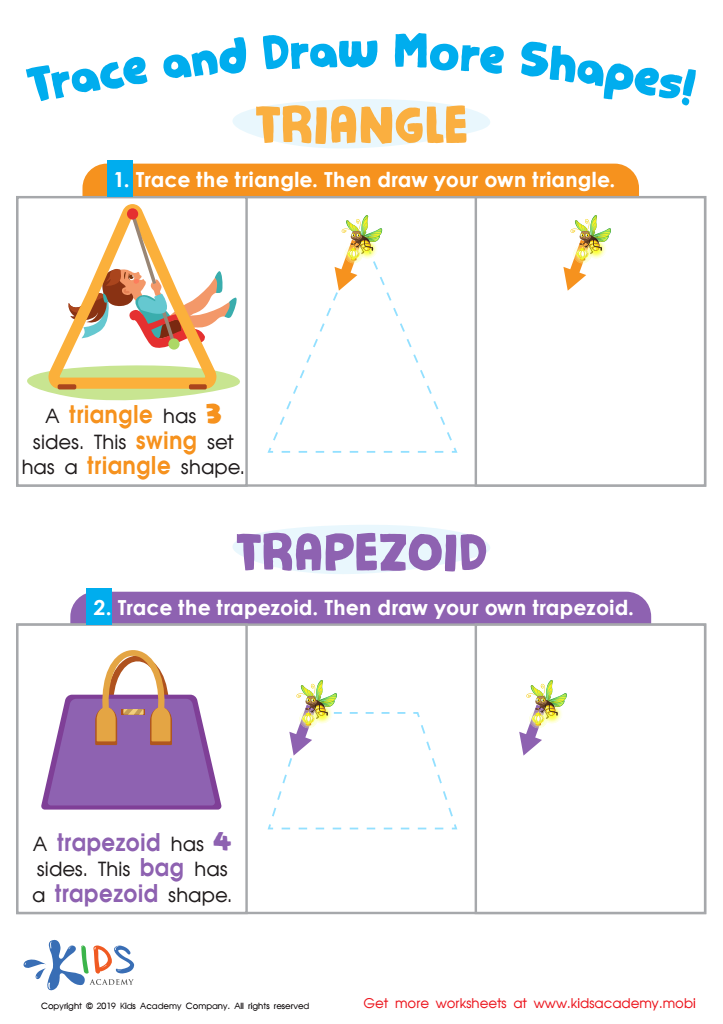
Trace and Draw More Shapes Worksheet
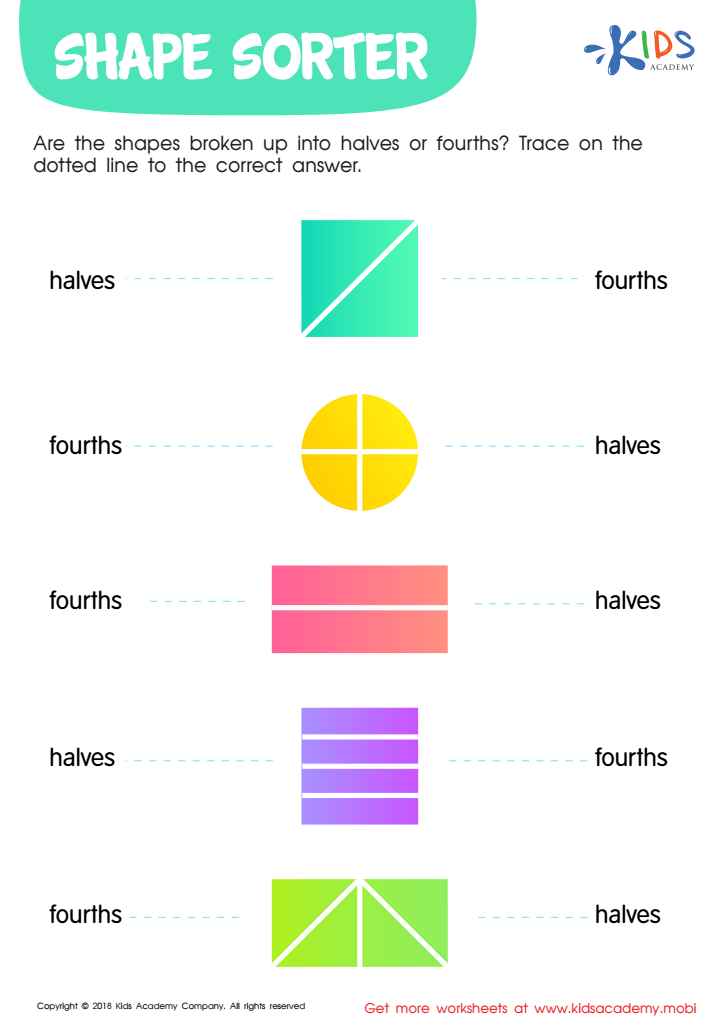
Shape Sorter Worksheet
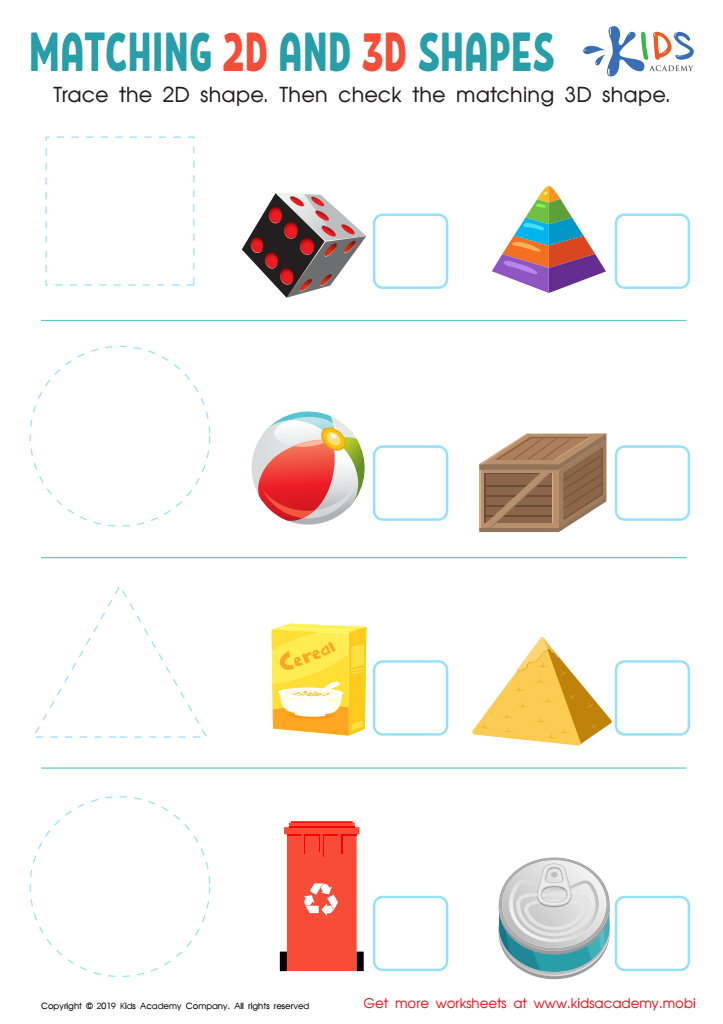
Matching 2D and 3D Shapes Worksheet
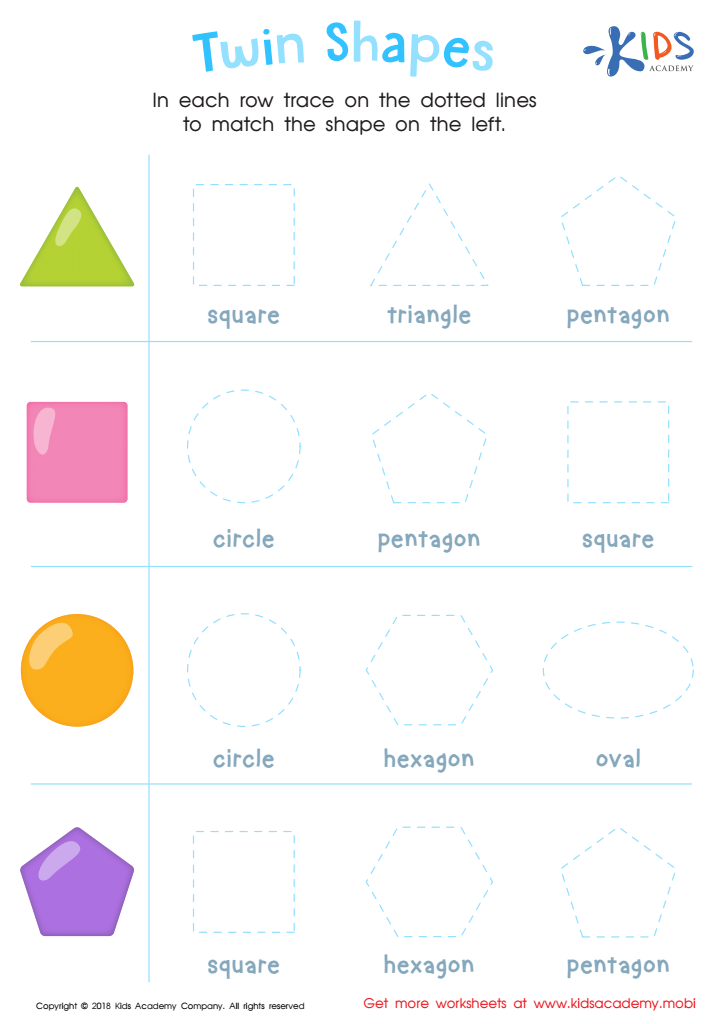
Twin Shapes Dot-to-Dot Worksheet
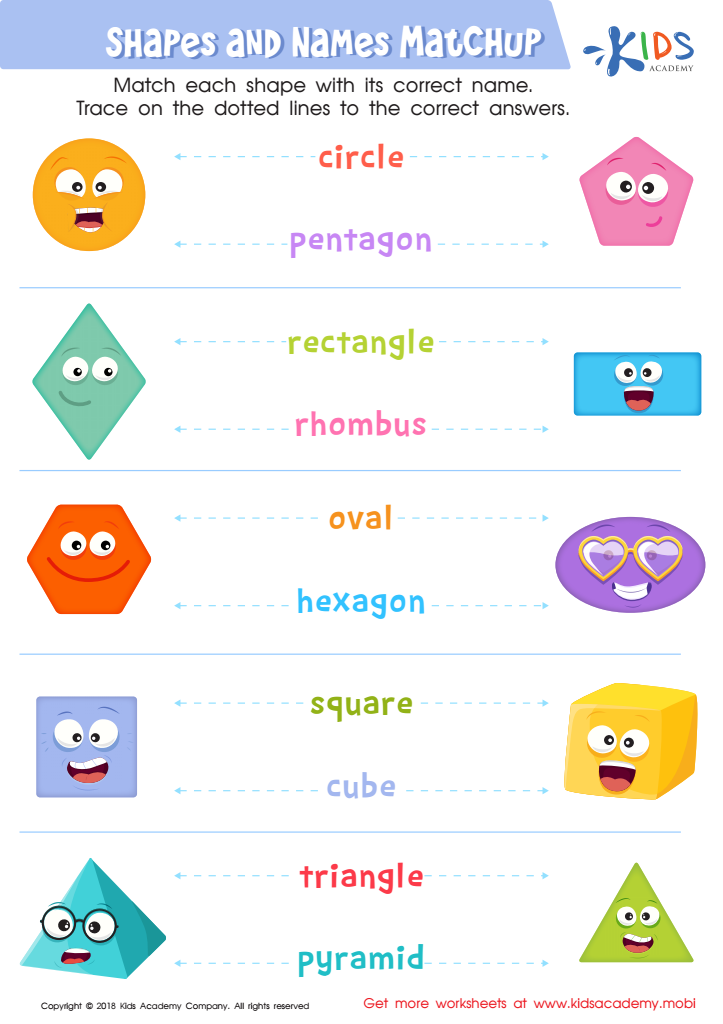
Shapes and Names Matchup Worksheet
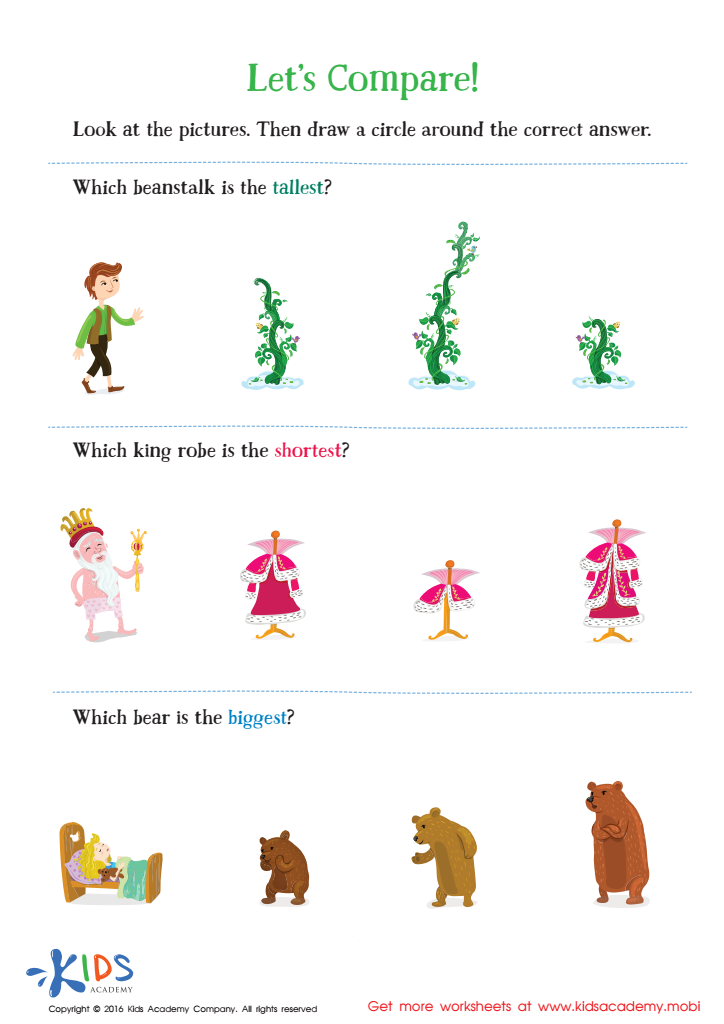
Fairy Tale Worksheet: Let's Compare







.jpg)
Shape recognition is a foundational skill in early math education that has far-reaching implications for children's cognitive development and everyday problem-solving abilities. The "Shape Recognition Extra Challenge Math" program specifically aids in enhancing children's understanding of geometric shapes and their properties through engaging activities.
Parents and teachers should care about this program because shape recognition fosters critical thinking and spatial awareness. These skills are essential not only in mathematics but also in subjects like science and art, where understanding dimensions and perspectives play a crucial role. Additionally, mastering shape recognition prepares children for more complex math concepts such as measurement, symmetry, and geometry.
Moreover, developing shape recognition skills helps improve children's fine motor skills as they engage in hands-on activities, contributing to overall school readiness. Learning shapes also supports language development when children describe, compare, and contrast shapes, enhancing their vocabulary and communication skills.
In conclusion, incorporating "Shape Recognition Extra Challenge Math" into early education offers significant benefits that extend well beyond the classroom, empowering children with critical life skills while making learning joyful and interactive. Therefore, parents and teachers should prioritize this type of playful yet educational approach in facilitating children's growth and learning.








