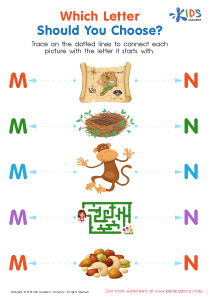
Fine Motor Skills Kindergarten Lowercase/Small Letters Worksheets
14 filtered results
-
From - To
Enhance your child's fine motor skills with our engaging Kindergarten Lowercase/Small Letters Worksheets! Designed specifically for young learners, these worksheets provide a fun and educational way for children to practice writing and recognizing lowercase letters. Each activity promotes hand-eye coordination and grip strength, essential components of fine motor development. From tracing to coloring, our worksheets offer diverse exercises that cater to various learning styles. Perfect for classroom use or at-home learning, our resources ensure that children build a solid foundation in literacy while improving their dexterity. Empower your little ones in their learning journey with these delightful and interactive worksheets!
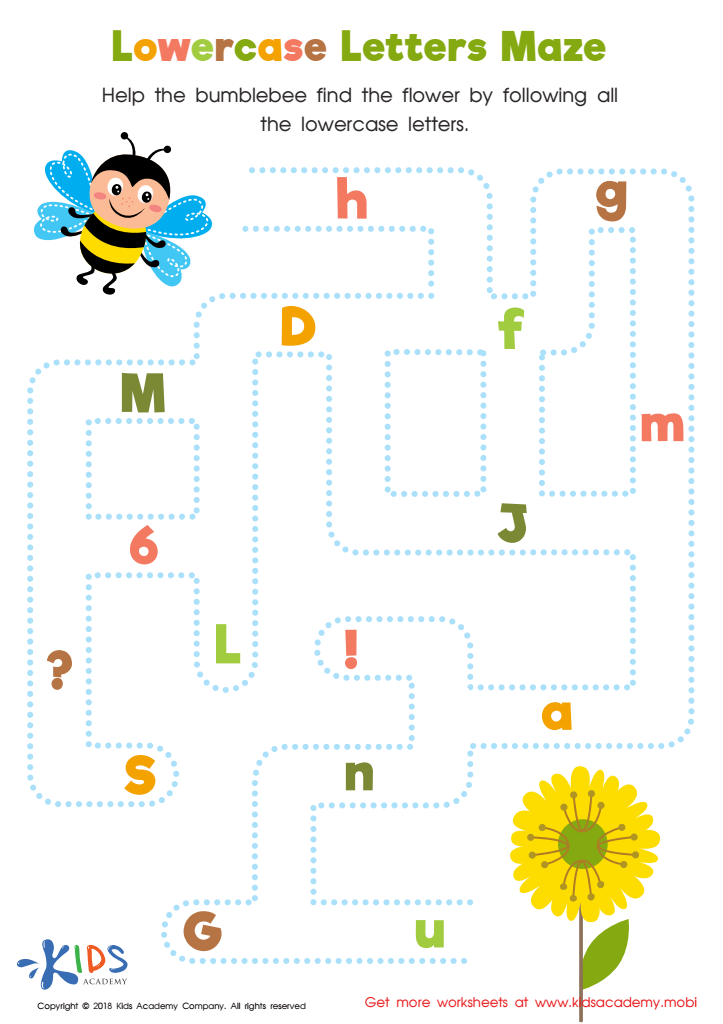
Lowercase Letters Maze Worksheet
 Assign to My Students
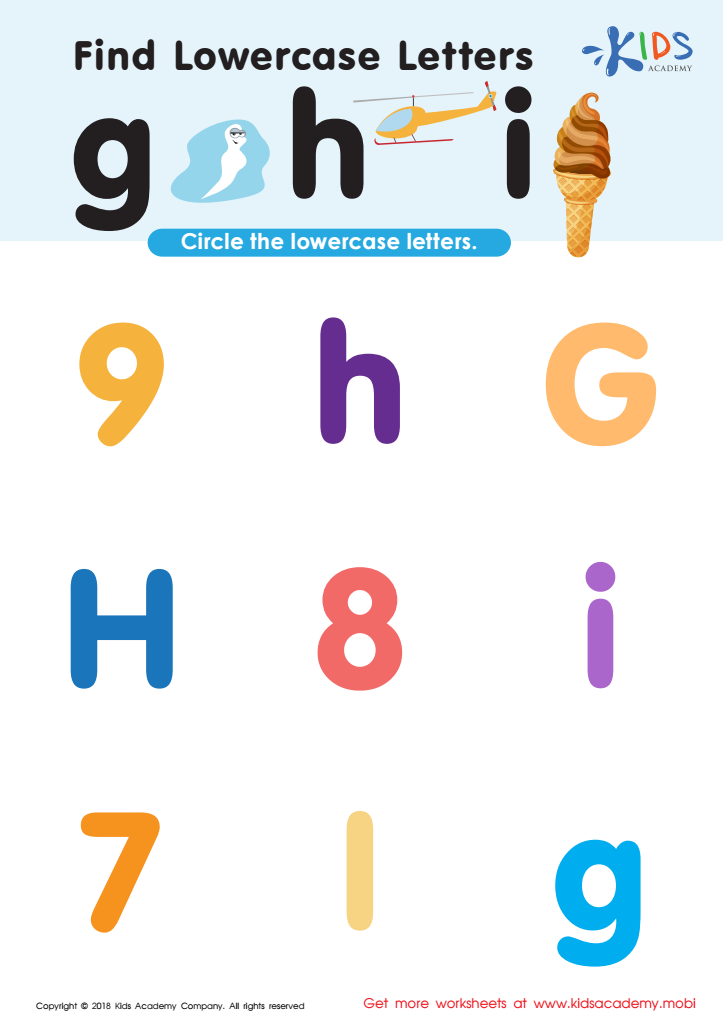
Find Lowercase Letters g h i Worksheet
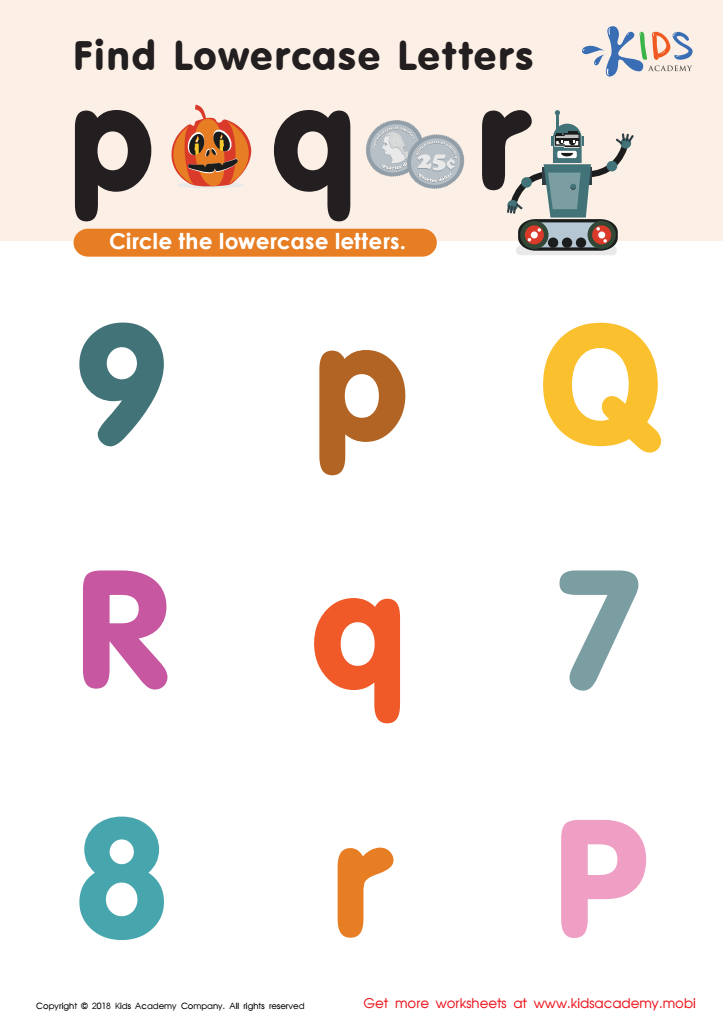
Find lowercase Letters p q r Worksheet
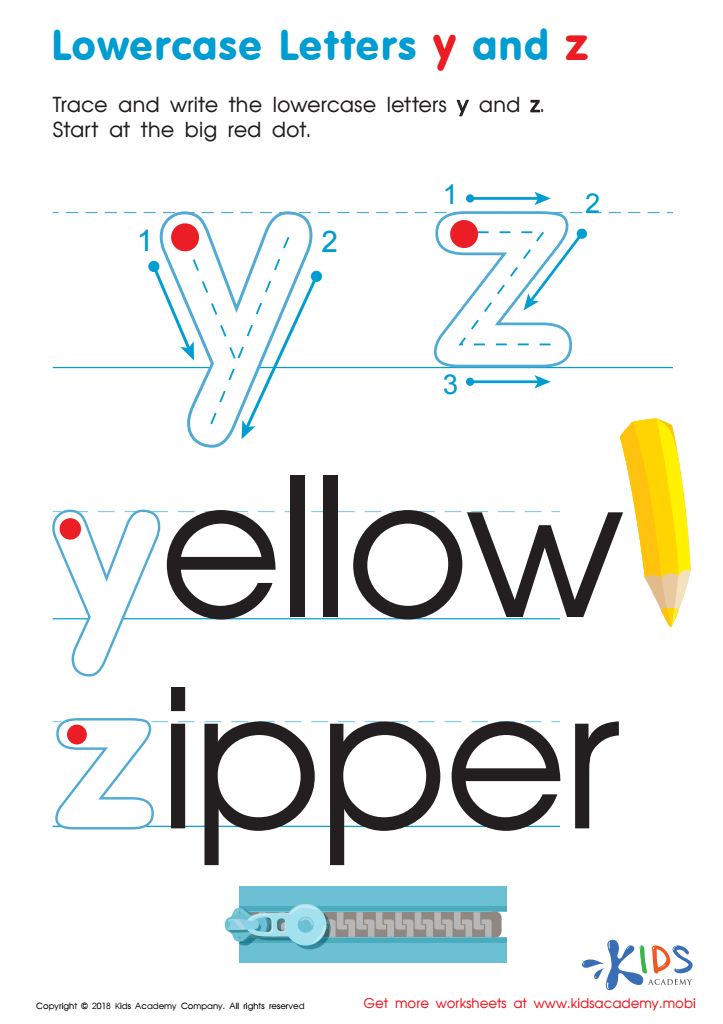
Lowercase Letters y z Worksheet
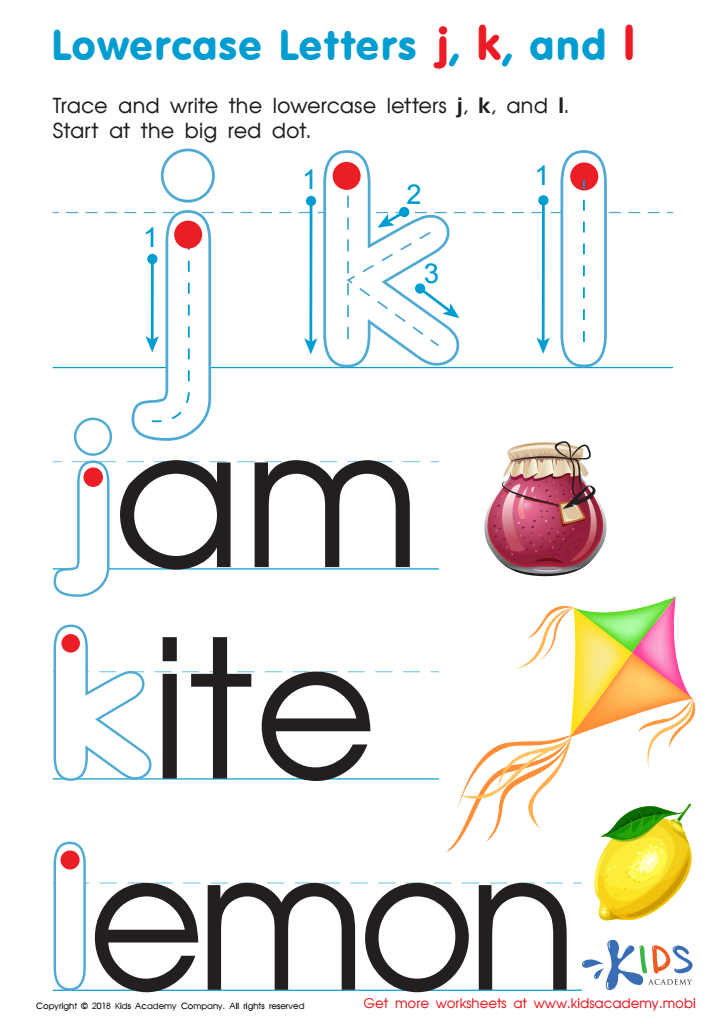
Lowercase Letters j k l Worksheet
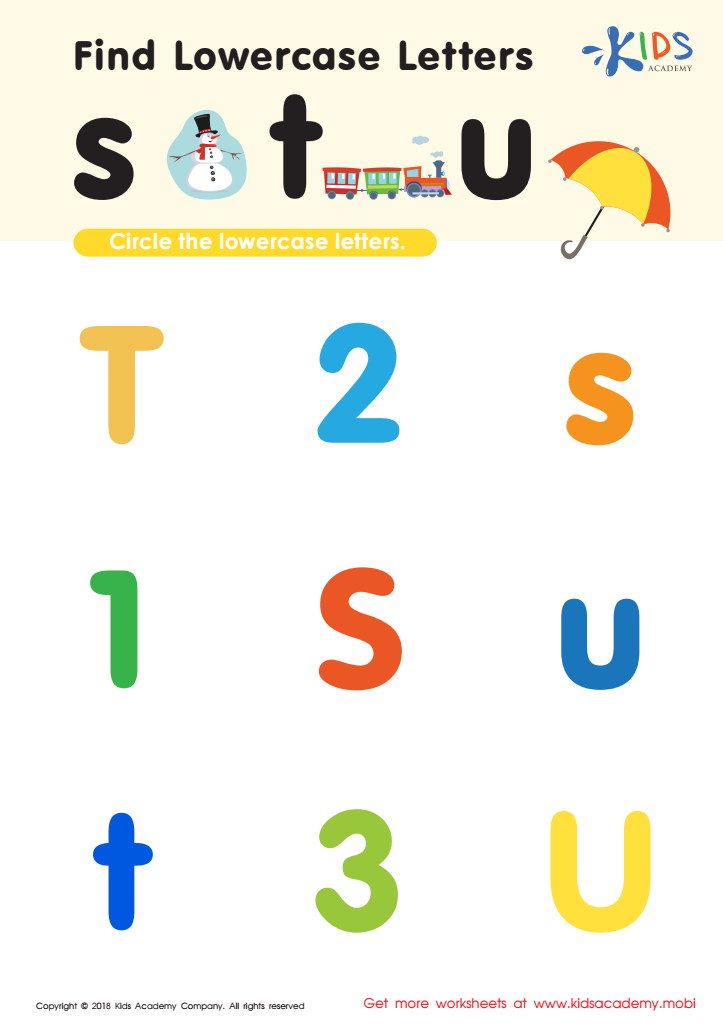
Find lowercase Letters s t u Worksheet
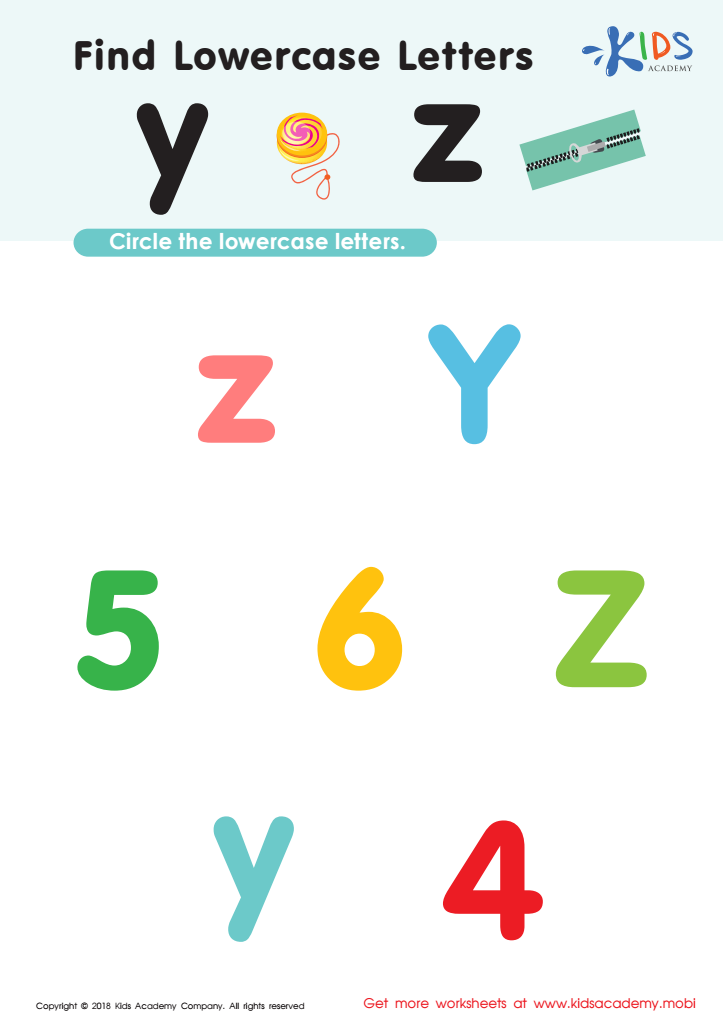
Find Lowercase Letters y z Worksheet

Lowercase Letters m n o Worksheet

Lowercase Letters d e f Worksheet
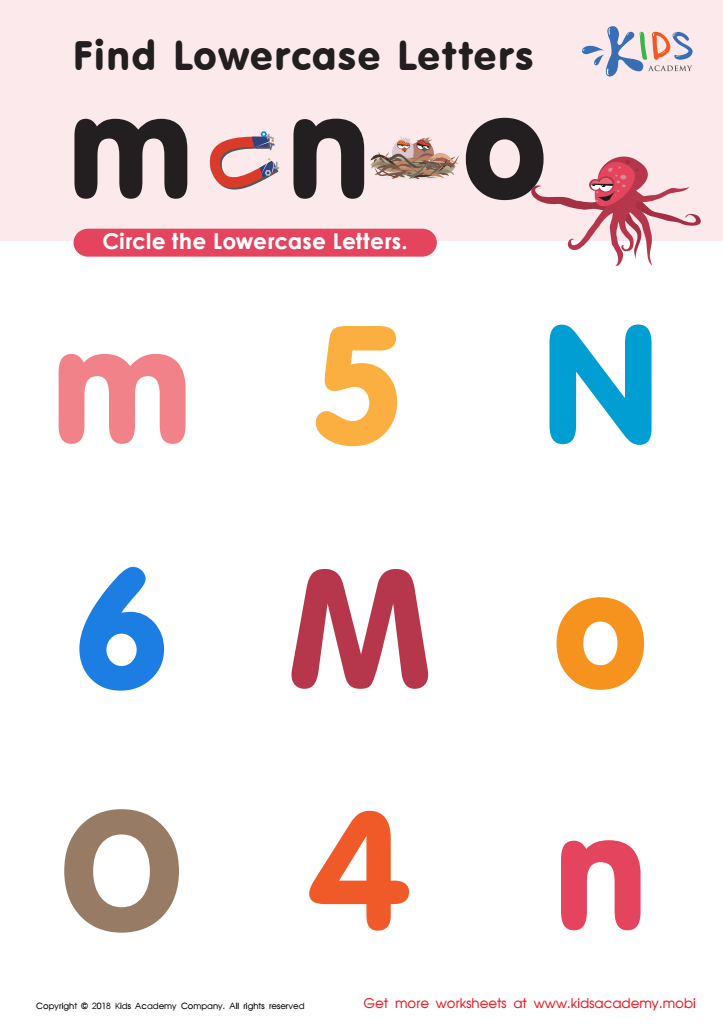
Find Lowercase Letters m n o Worksheet
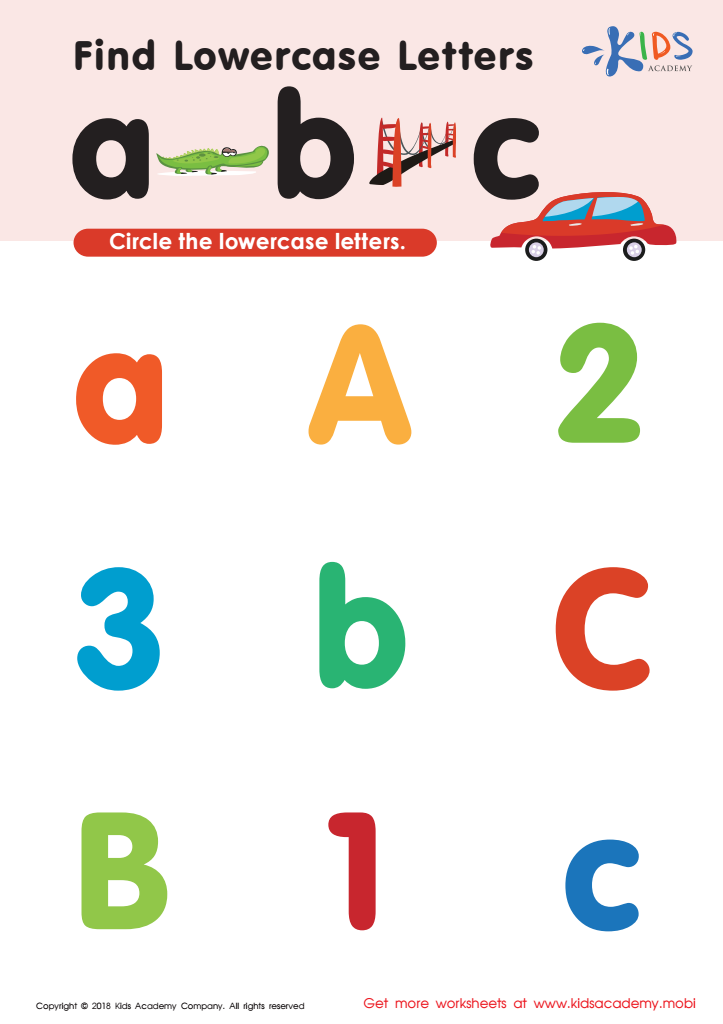
Find lowercase letters a b c Worksheet
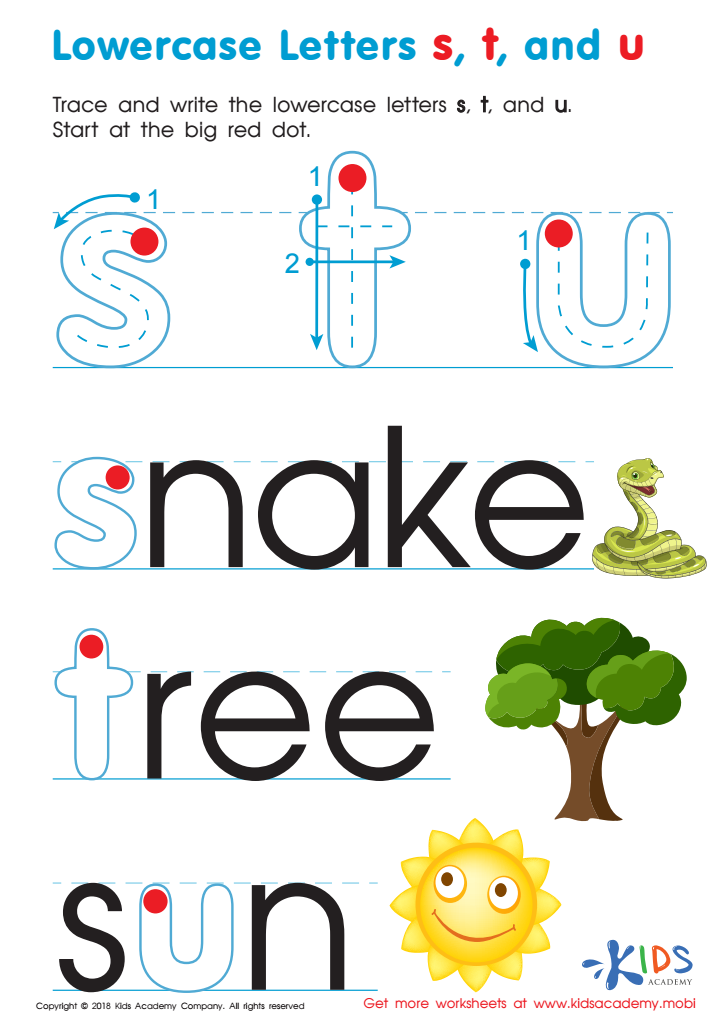
Lowercase Letters s t u Worksheet
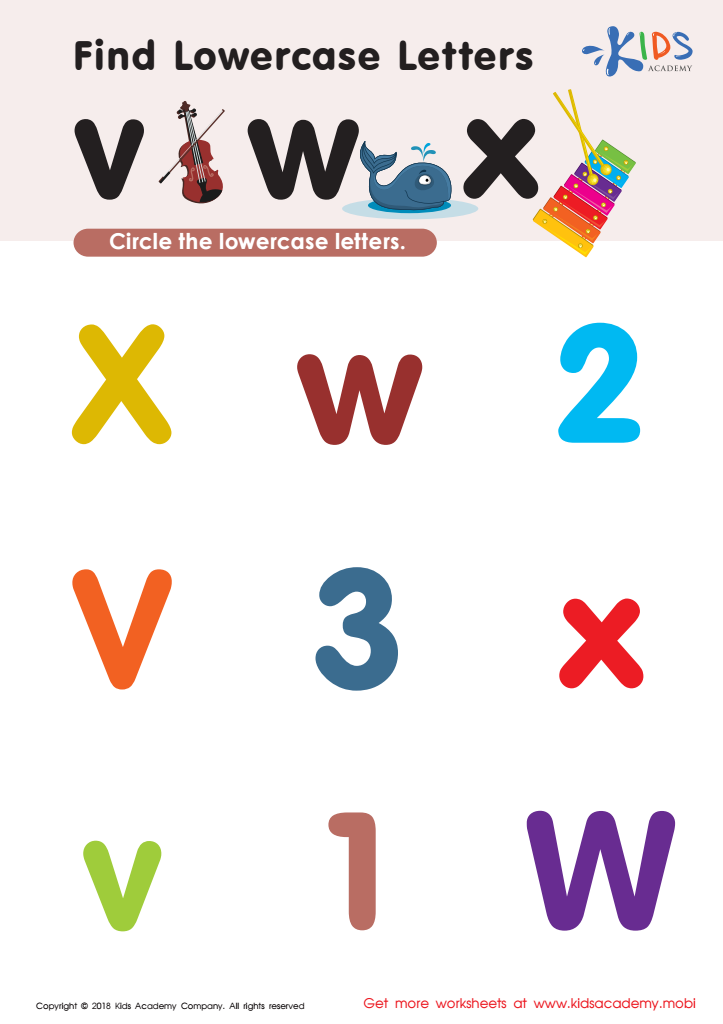
Find Lowercase Letters v w x Worksheet
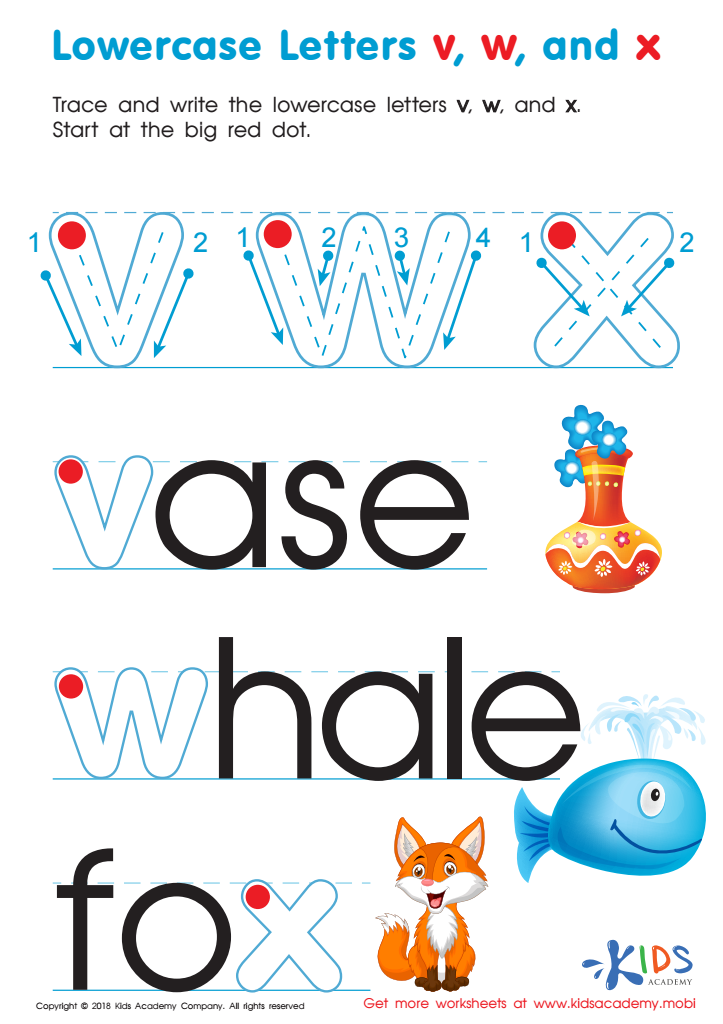
Lowercase Letters v w x Worksheet


Fine motor skills are essential for young children, especially as they prepare to write lowercase or small letters. These skills involve the coordination of small muscle movements, primarily in the hands and fingers. Parents and teachers should prioritize the development of fine motor skills because they play a crucial role in a child's overall learning and development.
Firstly, strong fine motor skills enhance a child's ability to manipulate writing tools, which is fundamental for forming letters correctly. As children learn to write lowercase letters, proper grip and control are necessary to avoid frustration and foster confidence in their writing ability.
Moreover, the development of fine motor skills supports broader learning experiences. Skills like cutting with scissors, buttoning shirts, and zipping jackets rely on the same coordination required for writing. When children practice fine motor tasks, they improve their concentration, hand-eye coordination, and dexterity, all of which contribute to later academic success in literacy and beyond.
Finally, fine motor skill practice can be enjoyable, incorporating fun activities like coloring, drawing, and crafting, which foster creativity while building essential skills. By prioritizing fine motor development, parents and teachers lay the groundwork for lifelong learning and confidence in children's abilities.