Alphabetical understanding Kindergarten Worksheets
3 filtered results
-
From - To
Discover a fun and engaging way for your little ones to master their ABCs with our Alphabetical Understanding Kindergarten Worksheets! Specially designed for young learners, these worksheets combine vibrant visuals and interactive activities to make learning the alphabet enjoyable. From tracing letters to matching and sorting, each worksheet focuses on key skills that help kids recognize and comprehend letter structures, sounds, and sequences. Perfect for classroom and home use, our printable worksheets lay a solid foundation for literacy and prepare children for reading and writing success. Unlock your child's potential with Kids Academy's expertly crafted resources!
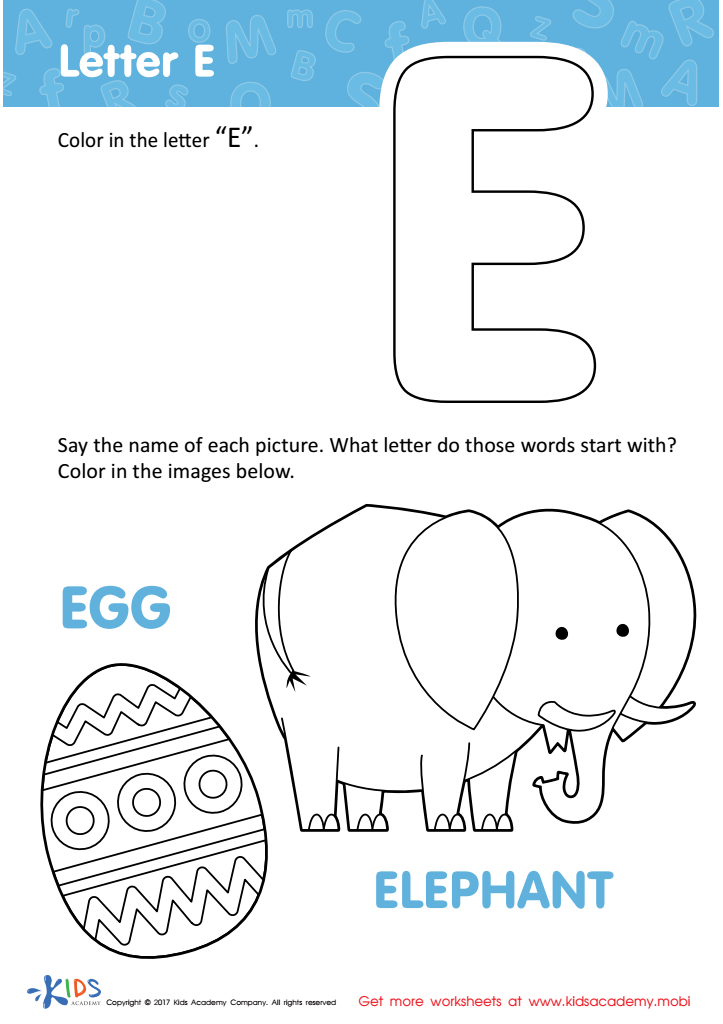
Letter E Coloring Sheet
 Assign to My Students
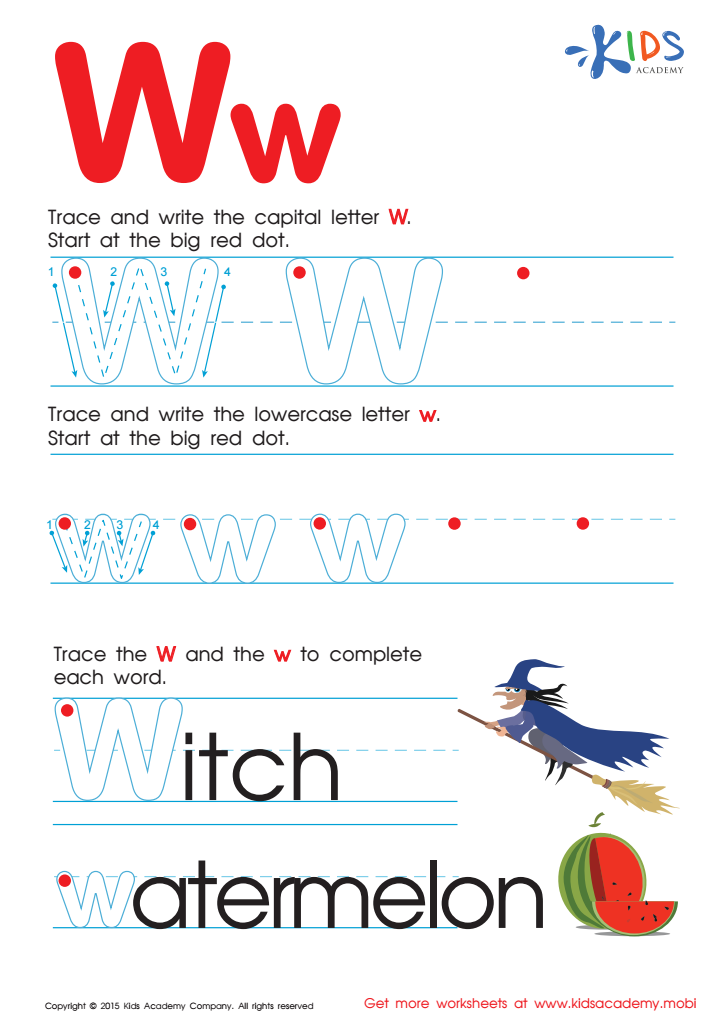
Letter W Tracing Page
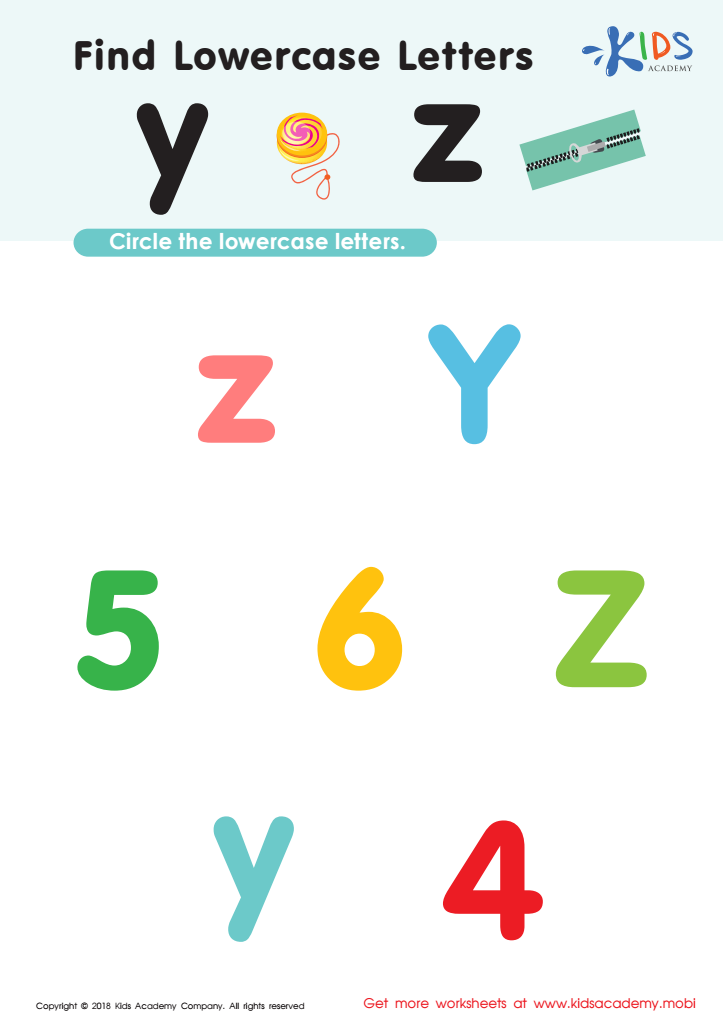
Find Lowercase Letters y z Worksheet







Alphabetical understanding in Kindergarten is crucial for young learners as it lays down the foundation for future literacy skills. When parents and teachers focus on teaching the alphabet, they are not simply introducing letters and sounds, but opening the door to reading and writing proficiency. Knowing the alphabet helps children recognize letter shapes, correlate them with specific sounds, and eventually blend those sounds to form words. Fluency in these basic skills fosters confidence and joy in learning, creating a positive trajectory for educational success.
Moreover, alphabetical understanding aids in developing critical cognitive skills, such as memory, attention, and sequencing, which are necessary for overall academic achievement. It also bolsters vocabulary acquisition and oral language development, essential for effective communication. Engaging activities around the alphabet, like singing the ABC song, playing alphabet games, and doing letter crafts, make learning enjoyable and meaningful.
Early mastery of the alphabet prepares children to tackle more advanced literacy tasks, like reading comprehension and written expression, with greater ease. Therefore, parents and teachers who prioritize and support alphabetical learning are taking a vital step towards ensuring children’s academic growth and lifelong learning enthusiasm.








