Develop critical thinking Kindergarten Worksheets
4 filtered results
Difficulty Level
Grade
Age
-
From - To
Subject
Activity
Standards
Unlock your child's potential with our "Develop Critical Thinking Kindergarten Worksheets," designed to stimulate young minds and enhance problem-solving skills. Our engaging, interactive activities promote critical thinking through puzzles, classification tasks, and logic games, tailored specifically for kindergarten-aged children. These worksheets encourage kids to analyze information, make connections, and develop their reasoning abilities in a fun and supportive learning environment. Ideal for both home and classroom use, our resources will empower your little learners to explore concepts creatively, paving the way for lifelong learning. Equip your child with essential skills today—download our thoughtfully crafted worksheets for an enriching educational experience!
Favorites
With answer key
Interactive
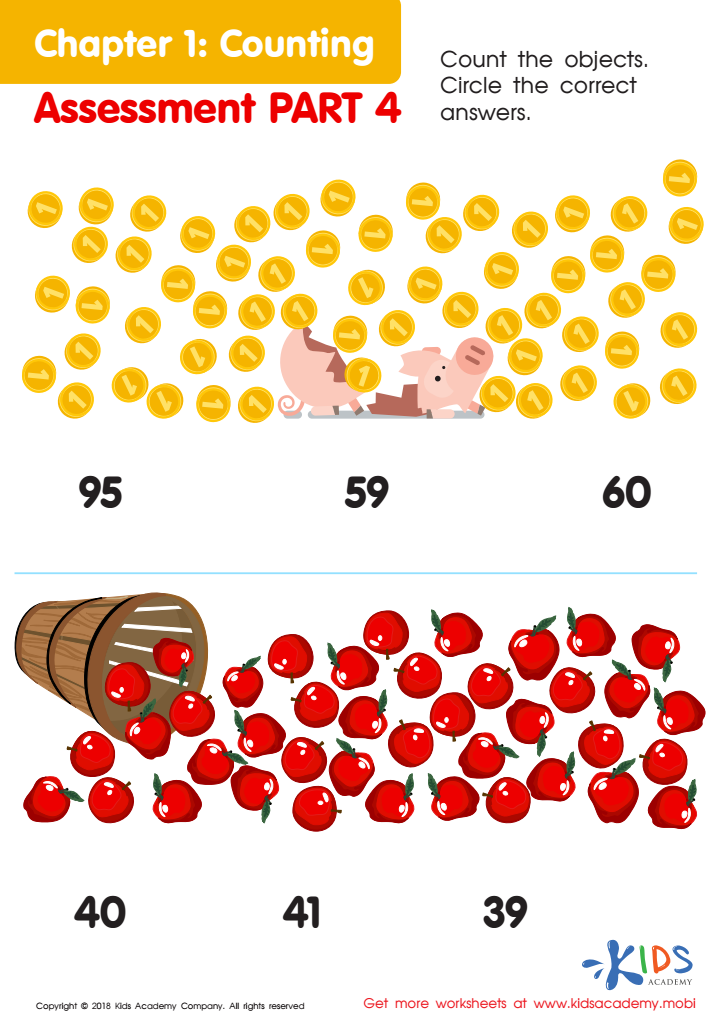
Counting: Assessment 4 Worksheet
Encourage your students to count objects in this colorful worksheet. Ask them to circle the correct answers from the options given. See how much their counting skills have improved with your guidance. Have fun!
 Assign to My Students
Counting: Assessment 4 Worksheet
Worksheet
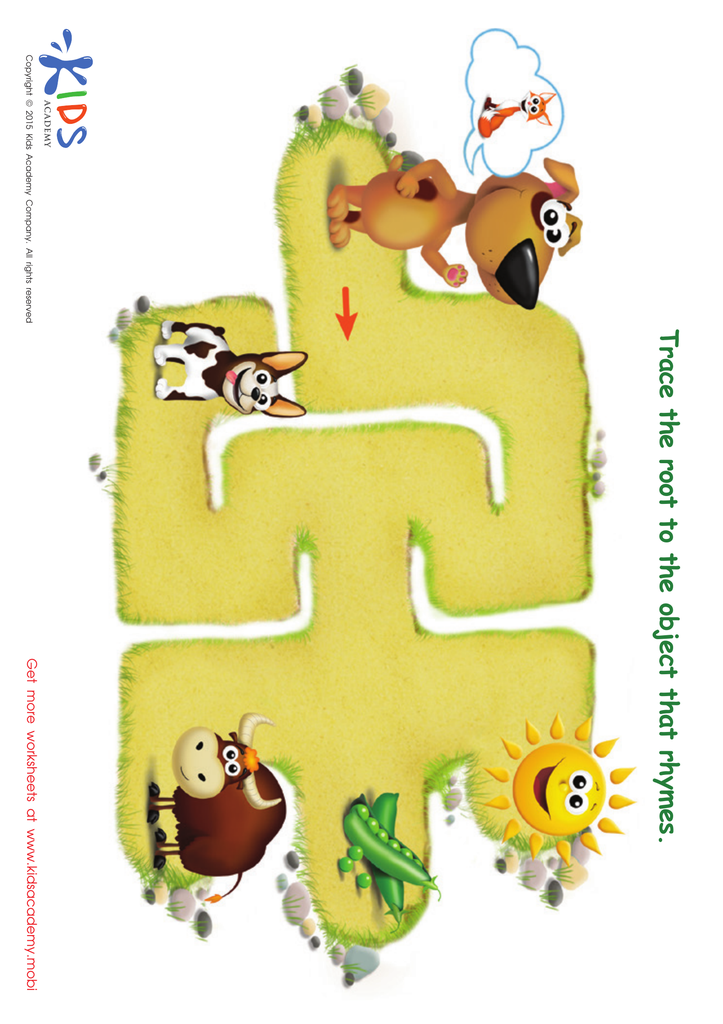
Fox Rhyming Words Worksheet
Can your child rhyme a fox? Listen carefully and see if it's sun, beans, or ox! Help your child recognize rhymes with a pencil or crayon maze. Travel from the dog to the picture that rhymes. This worksheet builds pre-reading skills - a great way to learn!
Fox Rhyming Words Worksheet
Worksheet
Join Kids Academy for Free
Who is primarily going to use this learning content?






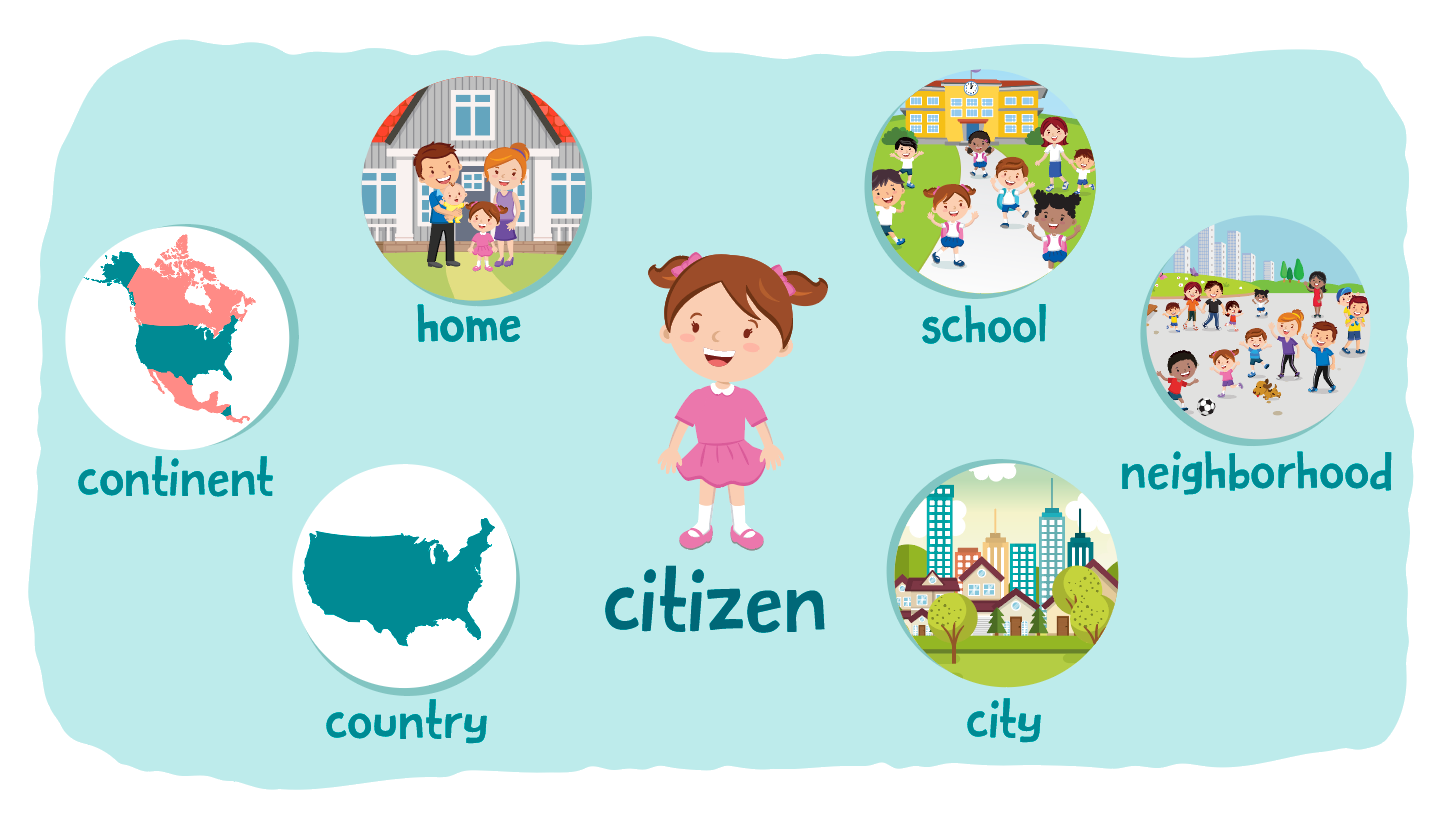

Developing critical thinking skills in kindergarten is crucial for fostering a child's overall cognitive development and lifelong learning. At this early stage, children are naturally curious and eager to explore their environment. By encouraging critical thinking, teachers and parents cultivate this curiosity, helping children learn how to analyze situations, solve problems, and make informed decisions.
Critical thinking also enhances a child's ability to ask questions, evaluate information, and understand different perspectives. This skill is essential not only in academic settings but also in daily interactions and real-life situations, including social relationships and personal choices. When children engage in critical thinking exercises, they learn the foundations of reasoning, logic, and social skills, which contribute to their confidence and independence.
Furthermore, as our world becomes increasingly complex, the capacity to think critically will serve children well in adapting to future challenges—both in education and in their later careers. Schools that prioritize critical thinking develop engaged learners who can think creatively and innovatively. Parents and teachers should collaborate to implement activities—like problem-solving games and discussions—that nurture these skills, ensuring young children are prepared for a successful educational journey and life beyond their formative years.