Reading skills improvement Kindergarten Worksheets
9 filtered results
-
From - To
Enhance your child's literacy with our engaging Kindergarten worksheets focused on improving reading skills! Our carefully designed worksheets cater to young learners, making reading fun and interactive. These resources include activities that promote letter recognition, vocabulary building, phonemic awareness, and comprehension. Each worksheet is tailored to encourage exploration and learning at an appropriate level, ensuring kids develop a strong foundation in reading. Perfect for both classroom and home use, these worksheets provide a great way to support your child’s educational journey. Dive into our collection and watch your child's reading skills flourish as they gain confidence and enthusiasm for books!
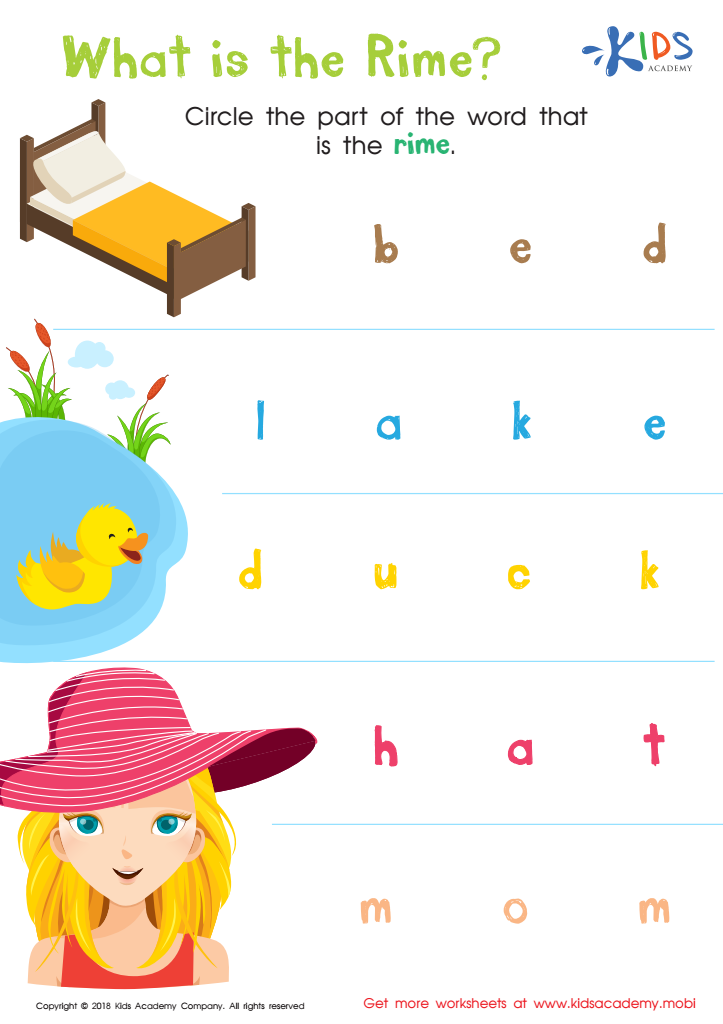
What Is the Rime? Worksheet
 Assign to My Students
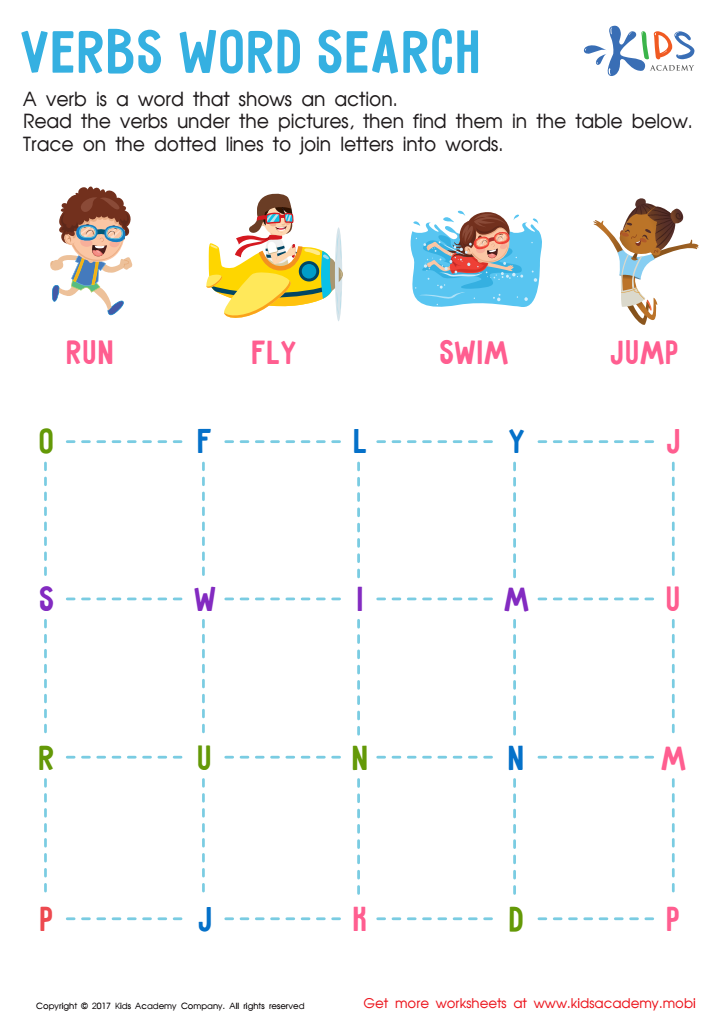
Verbs Word Search Worksheet
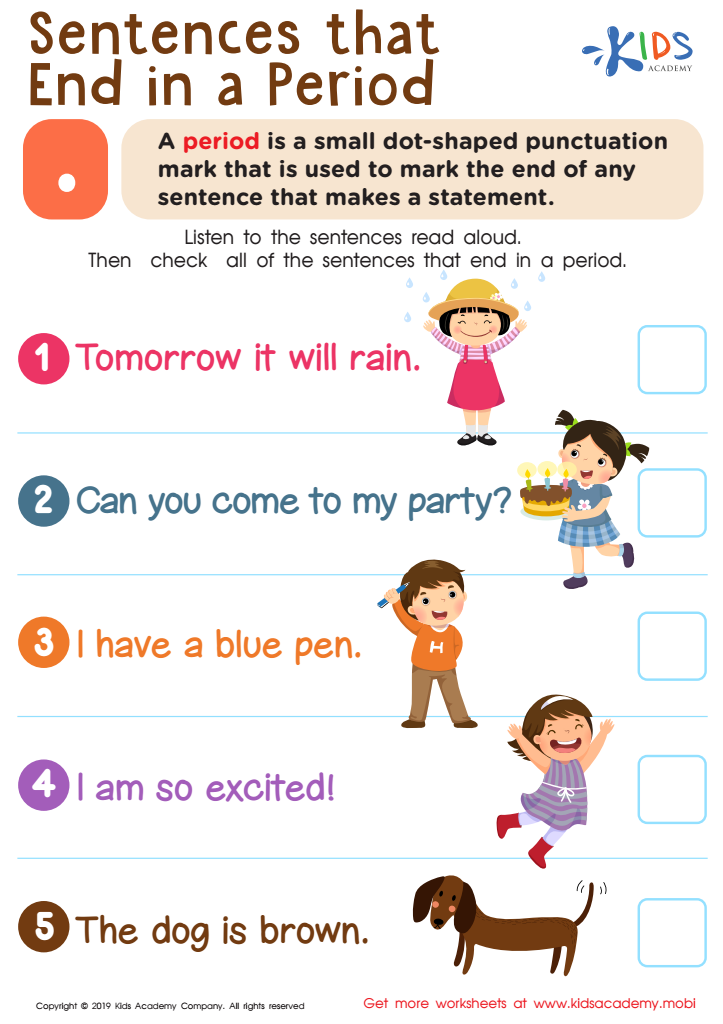
Sentences That End in a Period Worksheet
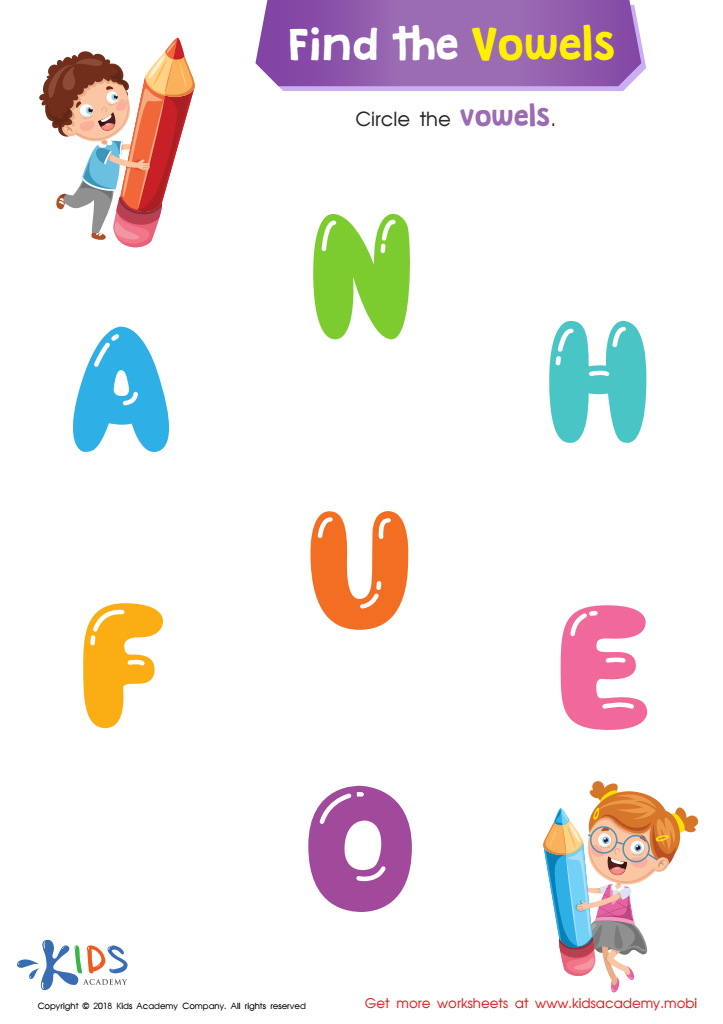
Find the Vowels Reading Worksheet
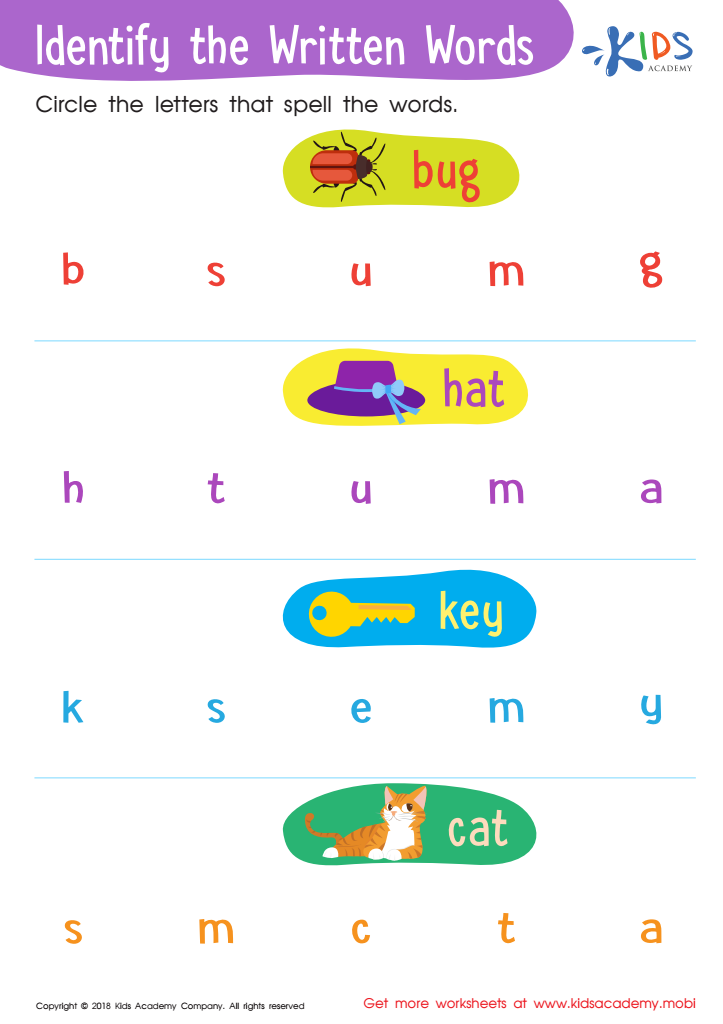
Identify the Written Words Worksheet
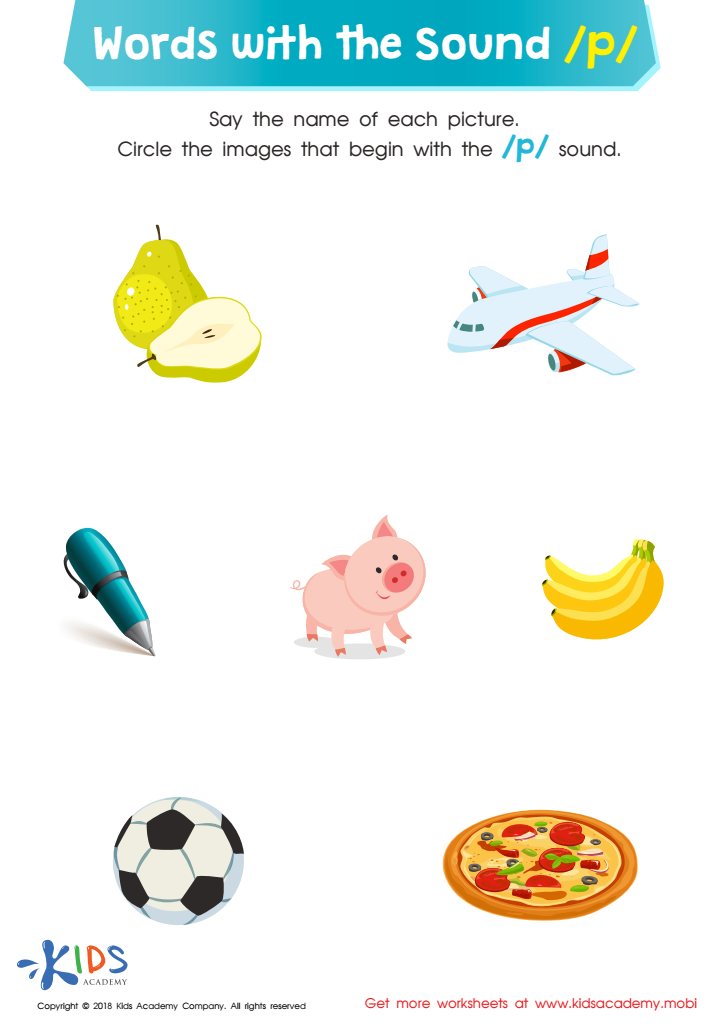
Words with sound p Reading Worksheet
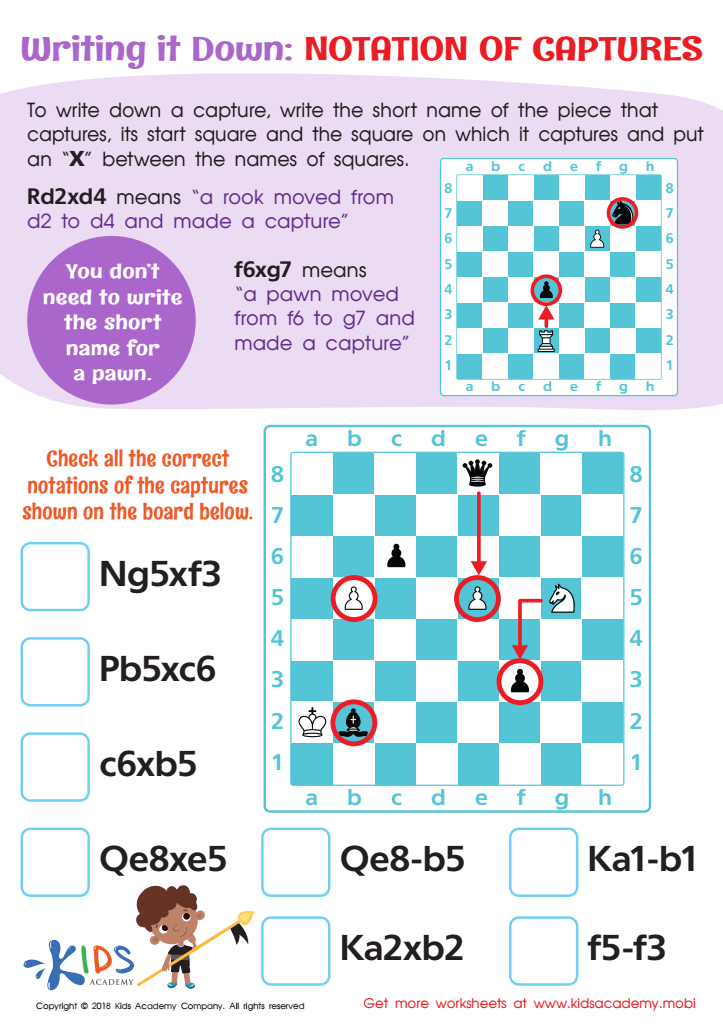
Notation of Captures Writing it Down Worksheet
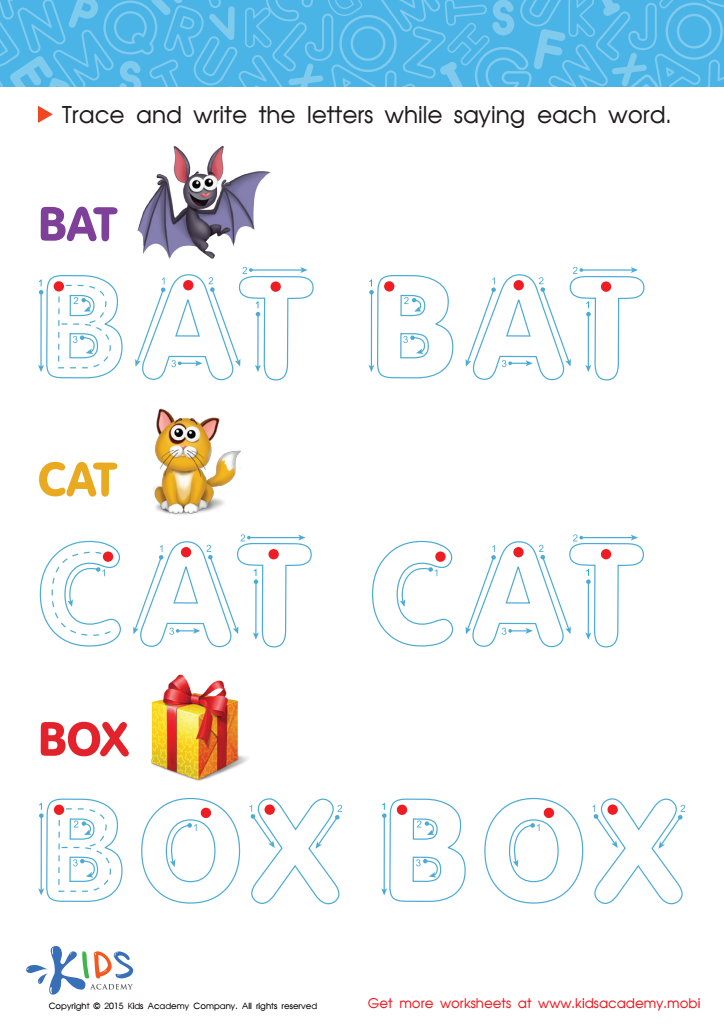
A Bat, a Cat and a Box Spelling Worksheet
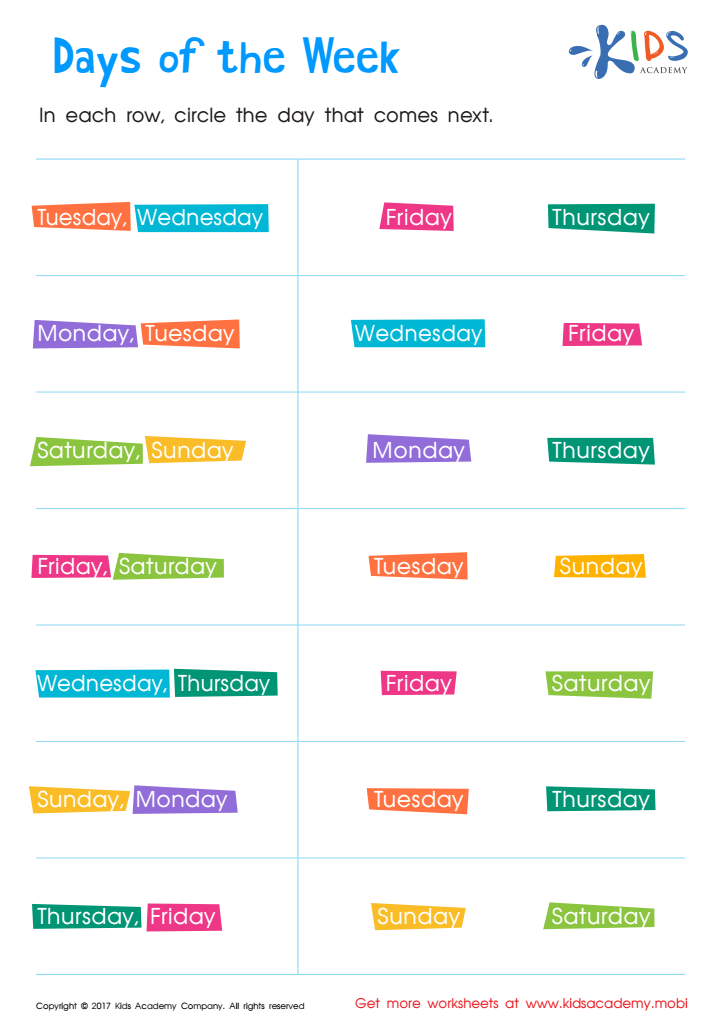
Days of the Week Worksheet








Reading skills development in kindergarten is crucial for a child’s overall academic success and lifelong learning. During these formative years, children are not only building foundational literacy skills but also developing essential cognitive and social-emotional abilities. When children improve their reading skills, they gain confidence, learn to express themselves, and become critical thinkers.
Parents and teachers play a vital role in nurturing these skills. Effective reading instruction in early childhood not only fosters a love for books but also equips children with essential phonemic awareness, vocabulary, and comprehension strategies. Moreover, strong reading skills correlate directly with success in other subjects, setting the stage for positive educational outcomes.
Kindergarten environments, under the right guidance, can make reading enjoyable through engaging activities and interactive storytelling. When parents actively participate in their child’s reading journey, by reading at home or discussing stories, it reinforces learning and enhances bonding.
Investing in reading skill improvement at this stage helps prevent future learning challenges, reducing the risk of struggling later on. Ultimately, when children become skilled readers, they open doors to knowledge, creativity, and lifelong engagement with literature, benefitting not just themselves but society as a whole. Therefore, supporting literacy at this age is a collective responsibility and investment.








