Shape Recognition Kindergarten Worksheets - Page 3
50 filtered results
-
From - To
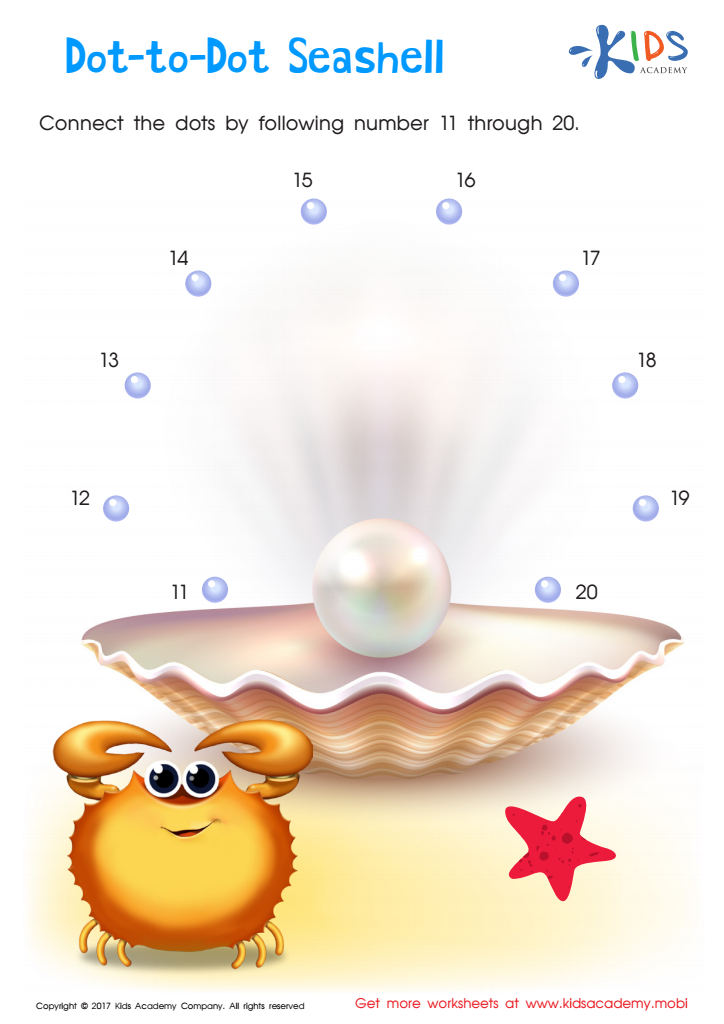
Ordering 11–20: Dot–to–dot Seashell Printable
 Assign to My Students
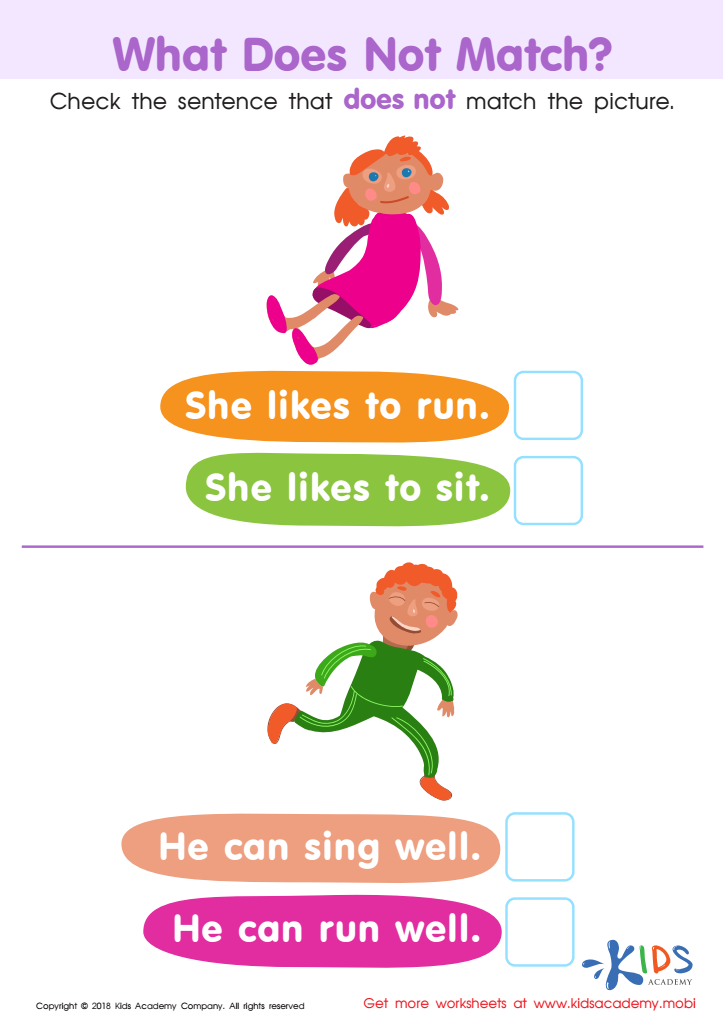
What Does Not Match? Worksheet








Shape recognition is a foundational skill in early childhood education. For both parents and teachers, emphasizing this aspect of learning in kindergarten offers numerous benefits crucial for a child's development. Recognizing shapes helps children strengthen their spatial awareness, a cognitive skill that greatly influences their ability to understand and navigate the physical world. This ability is pivotal not only in everyday tasks but also in grasping more complex mathematical concepts as they progress through school.
Shapes also lay the groundwork for categorization and classification skills. When children learn to identify and differentiate between shapes, they enhance their visual perceptual abilities. This aids in problem-solving and logical thinking, competencies that are beneficial in academic subjects and real-world activities. Moreover, shape recognition serves as a precursor to early literacy, as understanding shapes contributes to letter recognition, helping children distinguish between different characters and symbols.
In addition, engaging children in activities that involve identifying, comparing, and drawing shapes can improve their fine motor skills. Encouraging these practices at home and in the classroom fosters an interactive and hands-on learning environment, making education enjoyable and effective. By caring about shape recognition, parents and teachers ensure that children build a strong, versatile foundation for future learning and development.








