Understanding patterns Kindergarten Worksheets
9 filtered results
-
From - To
Our "Understanding Patterns" Kindergarten Worksheets are designed to develop critical early learning skills. These engaging, interactive worksheets help young learners recognize and create patterns through colorful images and fun activities. By practicing these patterns, children sharpen their problem-solving abilities, enhance their fine motor skills, and build a strong foundation for mathematical concepts. Ideal for both classroom and homeschool environments, our worksheets make learning about patterns enjoyable and accessible. With step-by-step instructions and creative exercises, kids stay motivated and eager to learn. Boost your child’s learning journey with our expertly crafted pattern recognition worksheets!
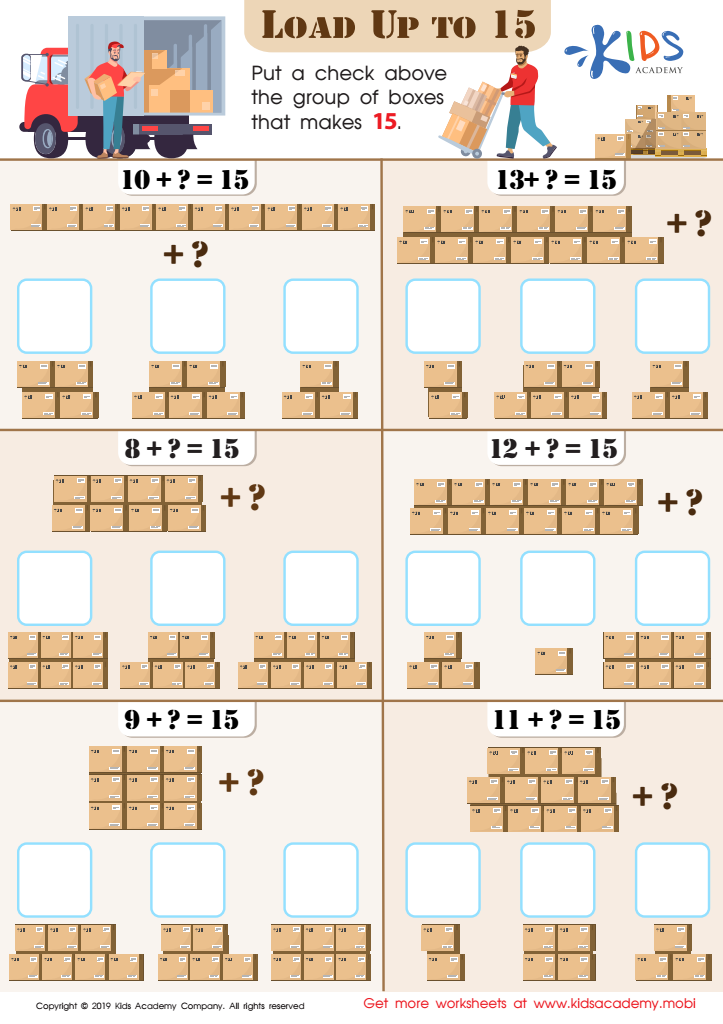
Load up to 15 Worksheet
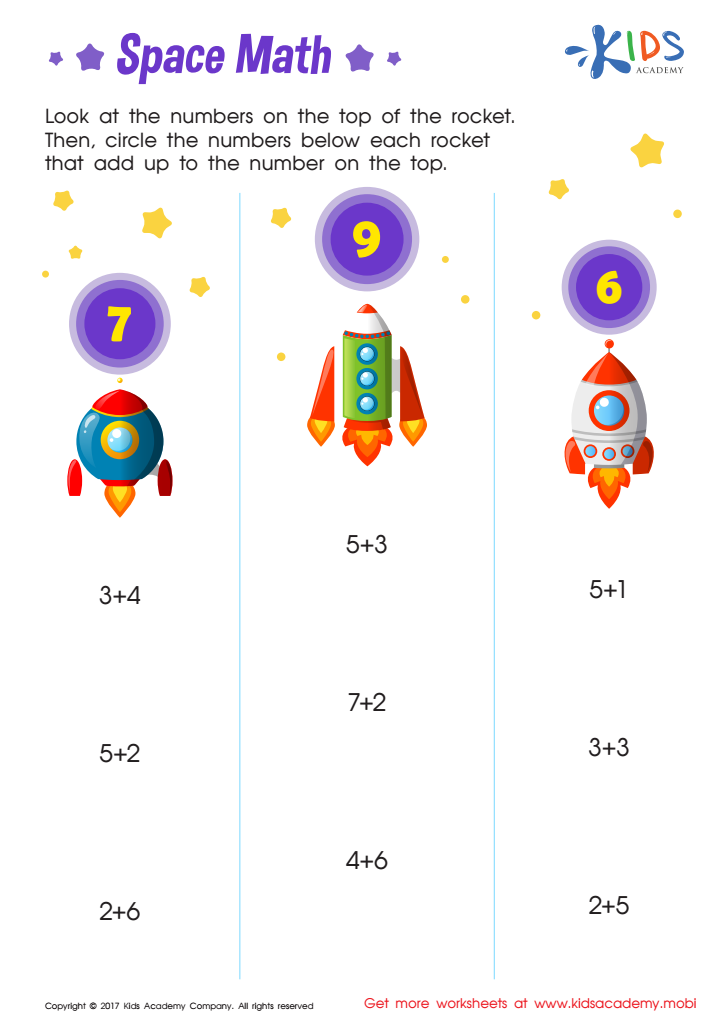
Addition: Space Math Worksheet
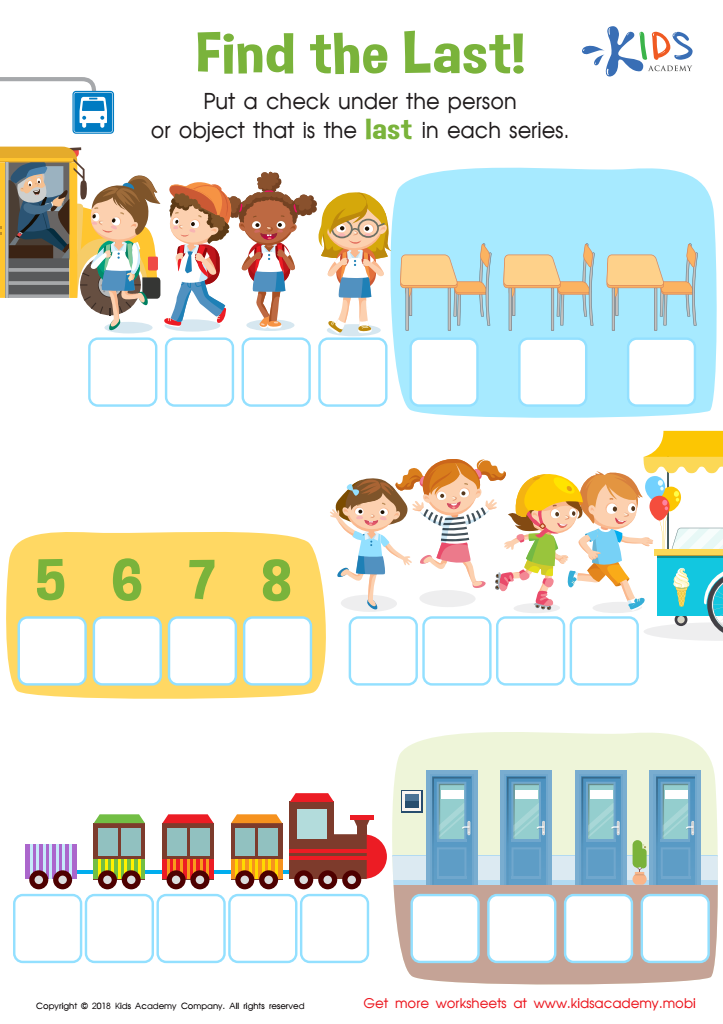
Find the Last! Worksheet
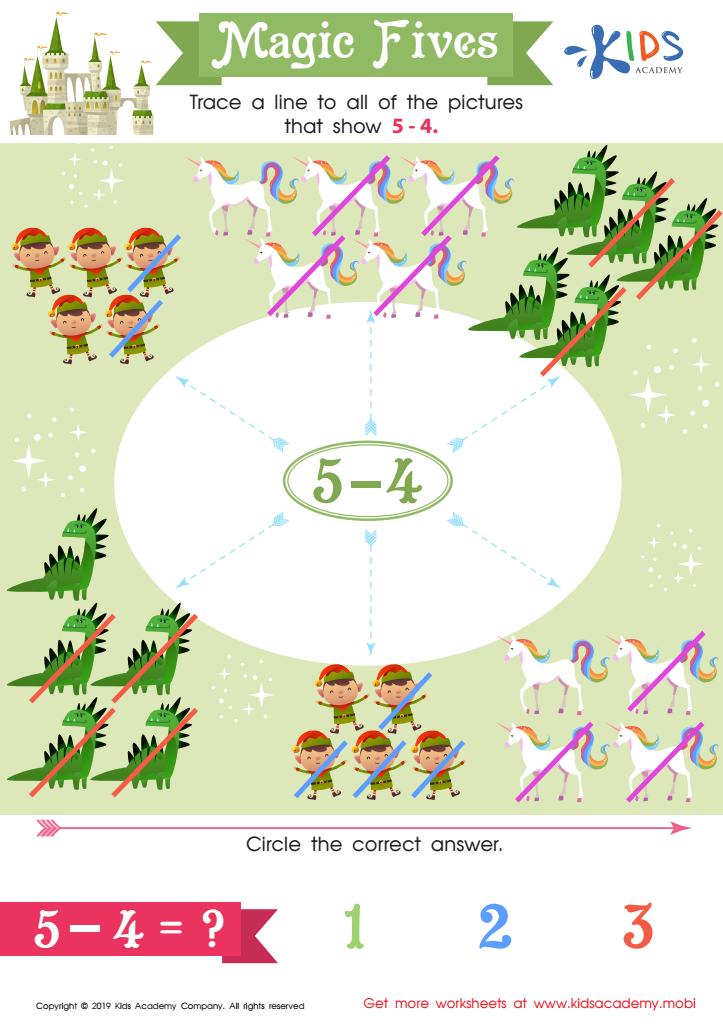
Magic Fives Worksheet
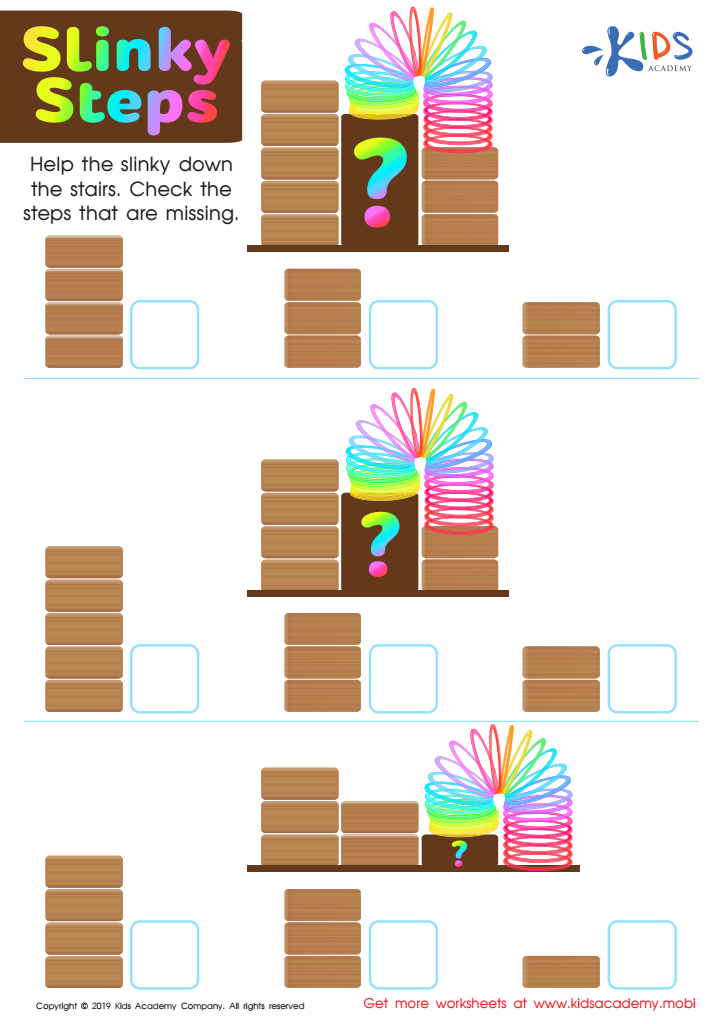
Slinky Steps Worksheet
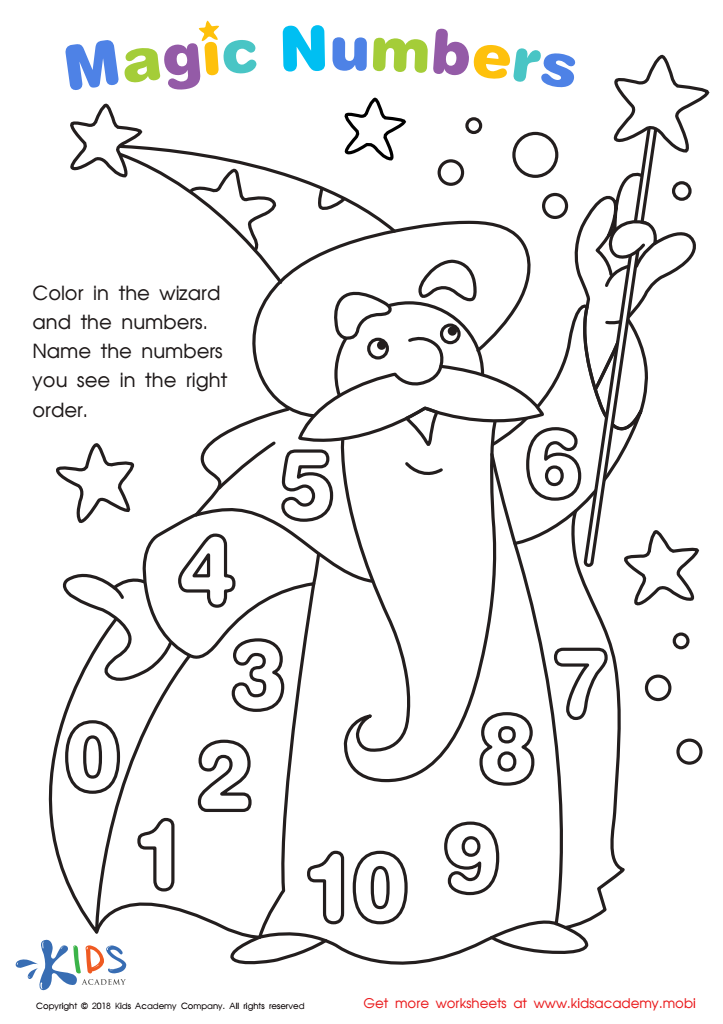
Magic Numbers Worksheet
 Assign to My Students
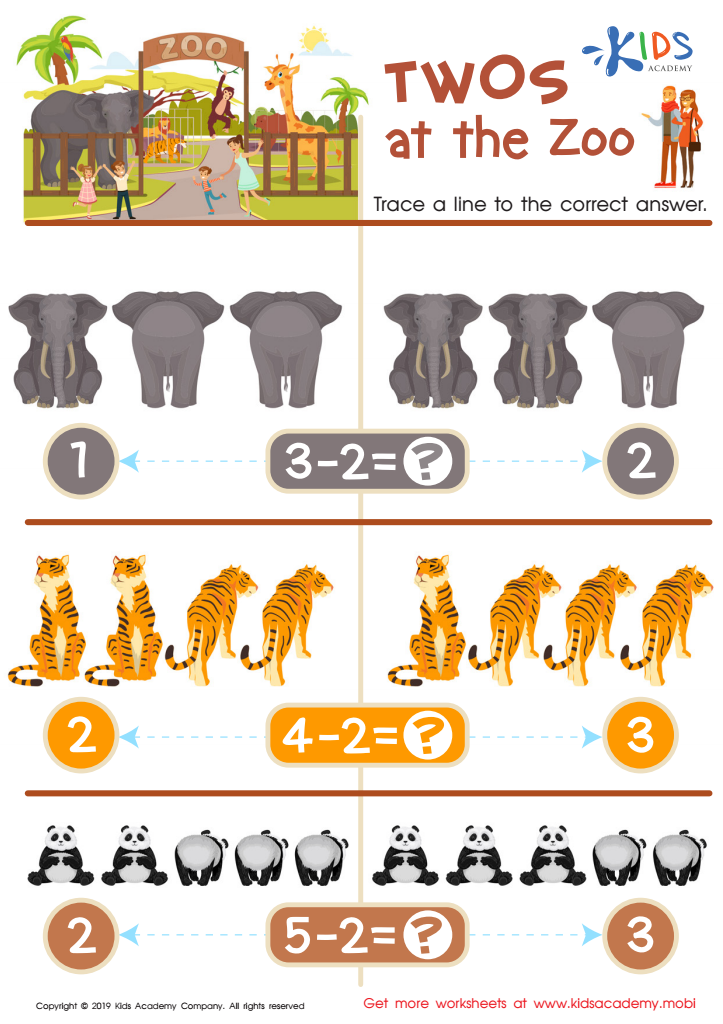
Twos at the Zoo Worksheet








Understanding patterns in kindergarten is crucial as it lays the foundation for essential cognitive and academic skills. Patterns help children to understand order and predictability, which are fundamental concepts in early math and reading literacy. When children recognize and create patterns, they are developing critical problem-solving and reasoning skills, which are vital for higher-level math subjects such as algebra later in life.
Moreover, patterns support language development by helping children predict what comes next in stories and sentence structures, thus improving their comprehension and fluency. The ability to discern patterns also enhances children's abilities to make connections and observe relationships in their everyday environment, which can improve scientific thinking.
For teachers and parents, fostering pattern recognition supports early learning and brightens children's academic journeys. Activities involving patterns can be simple yet immensely impactful, involving sorting objects, clapping rhythms, or arranging colors. Moreover, an early focus on patterns may also aid in identifying and supporting children with learning difficulties early on.
In summary, understanding patterns is an integral part of early childhood education. It nurtures crucial skills that support holistic intellectual development, thus setting a child up for future academic success and helping them understand and interact with the world in a structured way.








