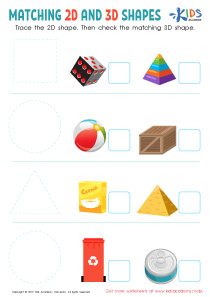
Problem-Solving Skills Kindergarten 2D Shapes Worksheets
4 filtered results
-
From - To
Enhance your child's problem-solving skills with our engaging Kindergarten 2D Shapes worksheets! Designed to make learning fun, these activities will help young students identify, classify, and manipulate basic shapes like circles, squares, and triangles. Through interactive exercises, children will not only learn the properties of 2D shapes but also develop critical thinking and reasoning abilities. Our worksheets provide a balanced mix of challenges that encourage exploration and creativity, ensuring a solid foundation in math concepts. Perfect for classroom use or at-home learning, these resources are ideal for nurturing young minds and promoting a lifelong love of learning. Start your child's math journey today!
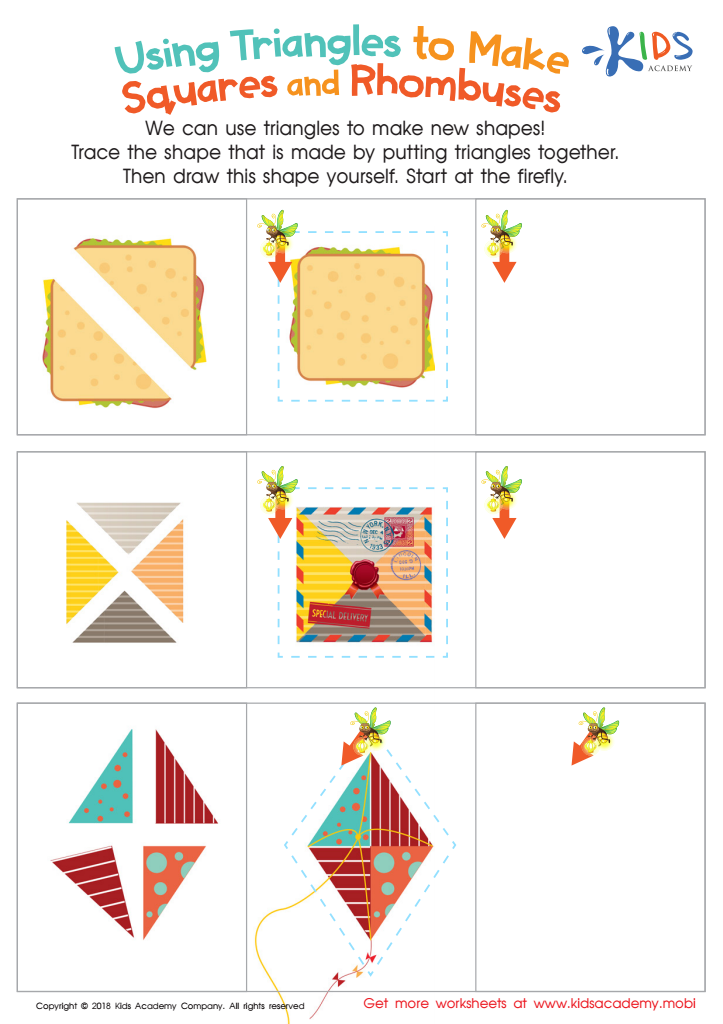
Using Triangles to Make Squares and Rhombuses Worksheet
 Assign to My Students
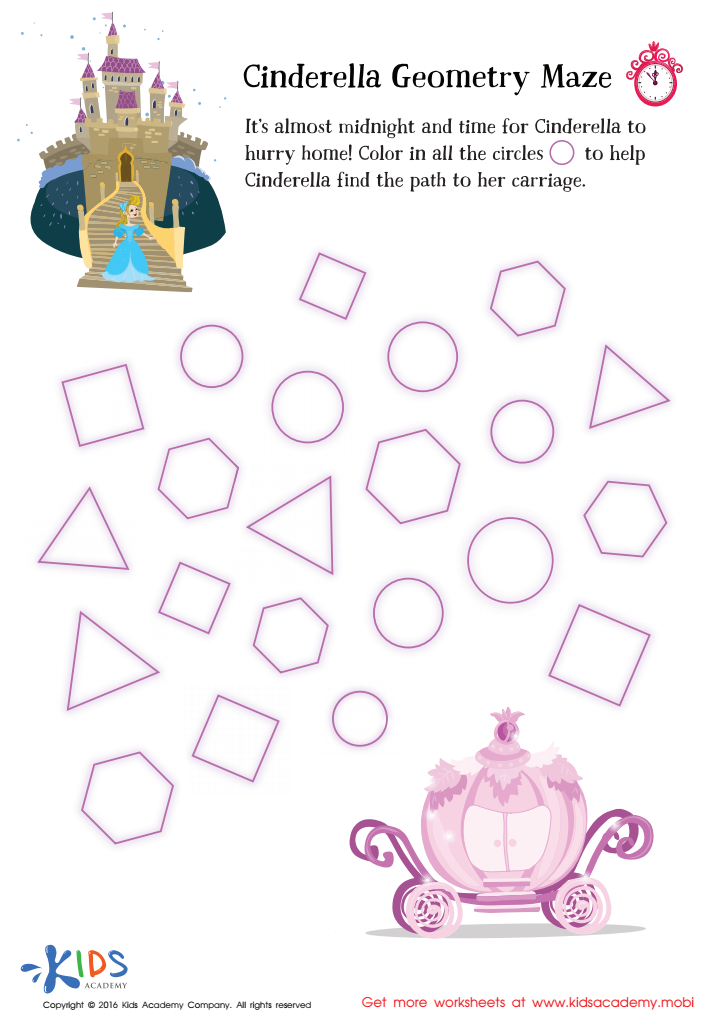
Cinderella Geometry Maze Worksheet
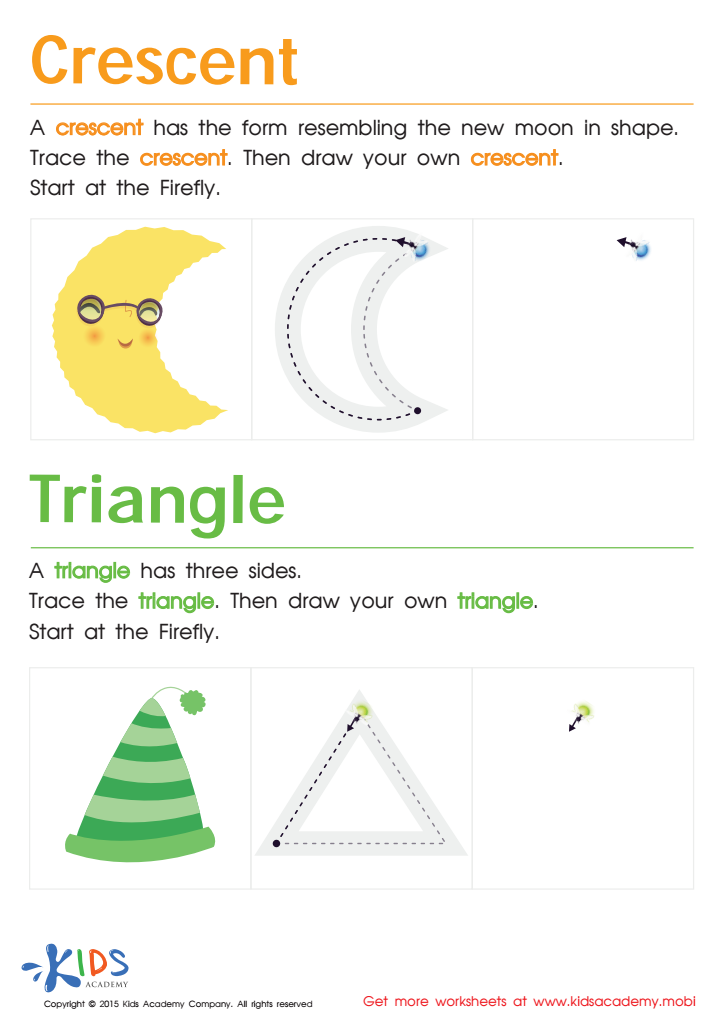
Learning to Draw Crescents And Triangles Worksheet
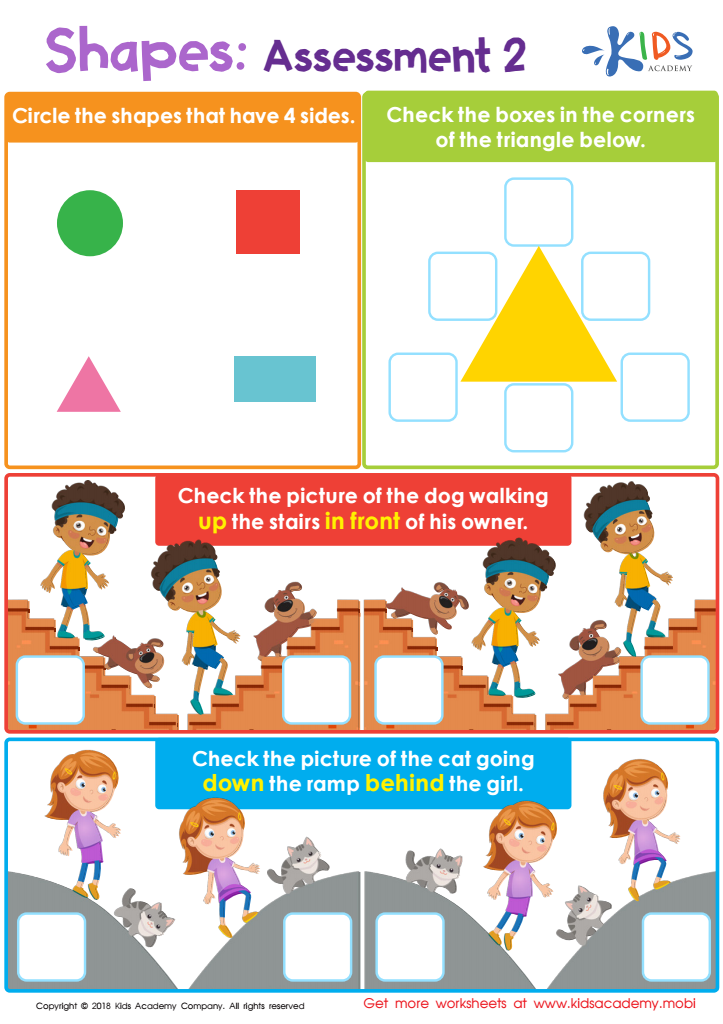
Shapes: Assessment 2 Worksheet






Parents and teachers should prioritize problem-solving skills related to Kindergarten 2D shapes for several compelling reasons. Firstly, these skills lay the foundation for critical thinking and cognitive development, essential for children's overall academic success. Recognizing and manipulating 2D shapes encourages children to engage in logical reasoning and abstract thinking, forming a basis for later mathematical concepts.
Additionally, problem-solving in the context of 2D shapes fosters creativity and spatial awareness. As children learn to identify, categorize, and use shapes to solve puzzles or create structures, they develop their imagination and visual-spatial skills. These abilities are crucial for various real-life applications, including geometry, art, engineering, and even everyday activities like cooking or navigating spaces.
Moreover, engaging in shape-related problem-solving promotes persistence and resilience. Children learn to approach challenges, test solutions, and understand that mistakes are part of the learning process. This grit is valuable throughout their education and life.
Finally, these early learning experiences strengthen the home-school connection, as parents and teachers collaborate to support children's learning. By valuing problem-solving skills in relation to 2D shapes, they contribute to well-rounded development and prepare children for future academic and life challenges.