Hand-eye Coordination Kindergarten Numbers Worksheets
21 filtered results
-
From - To
Enhance your child's hand-eye coordination with our engaging Kindergarten Numbers Worksheets! Designed for young learners, these worksheets provide a fun way to combine number recognition with essential motor skills. Through interactive activities, children will practice tracing, counting, and identifying numbers while improving their dexterity and precision. Our expertly crafted printables offer vibrant illustrations and simple instructions, ensuring a captivating learning experience. Perfect for home or classroom use, these worksheets are not just educational but also exciting, making math a joyful adventure. Download our Hand-eye Coordination Kindergarten Numbers Worksheets today and watch your child's confidence and skills flourish!
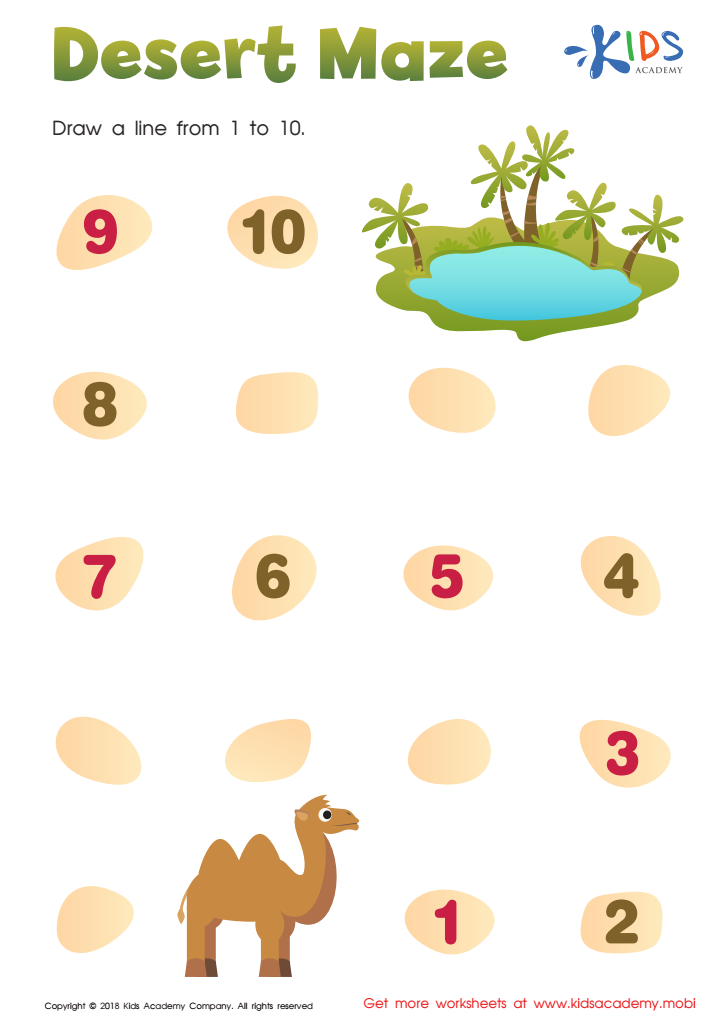
Desert Maze Worksheet
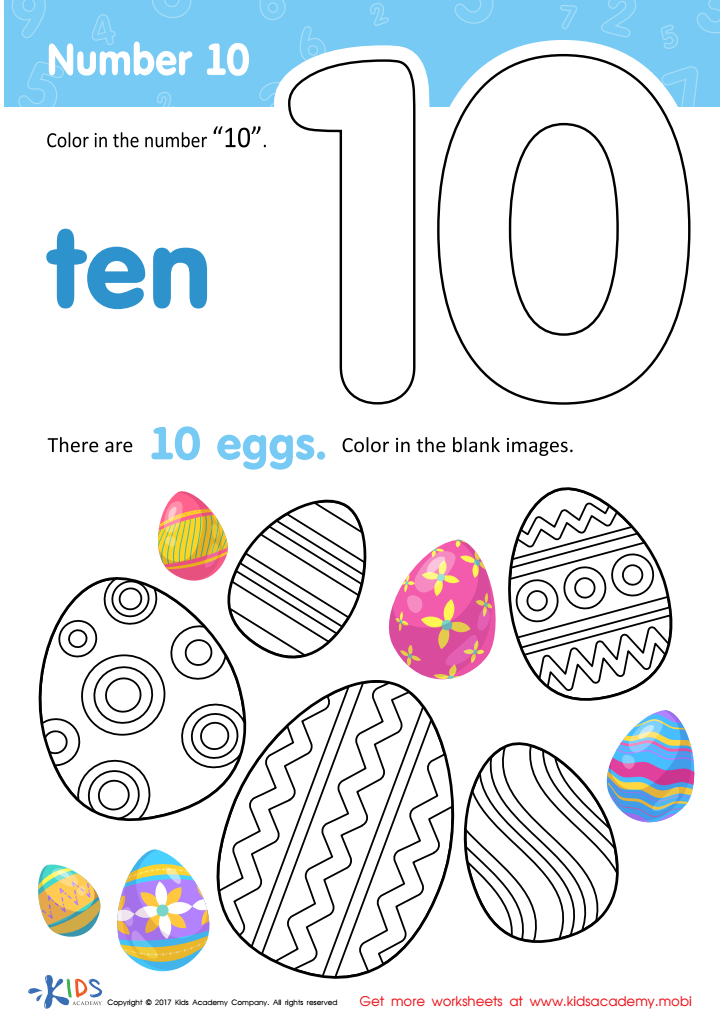
Number 10 Printable
 Assign to My Students
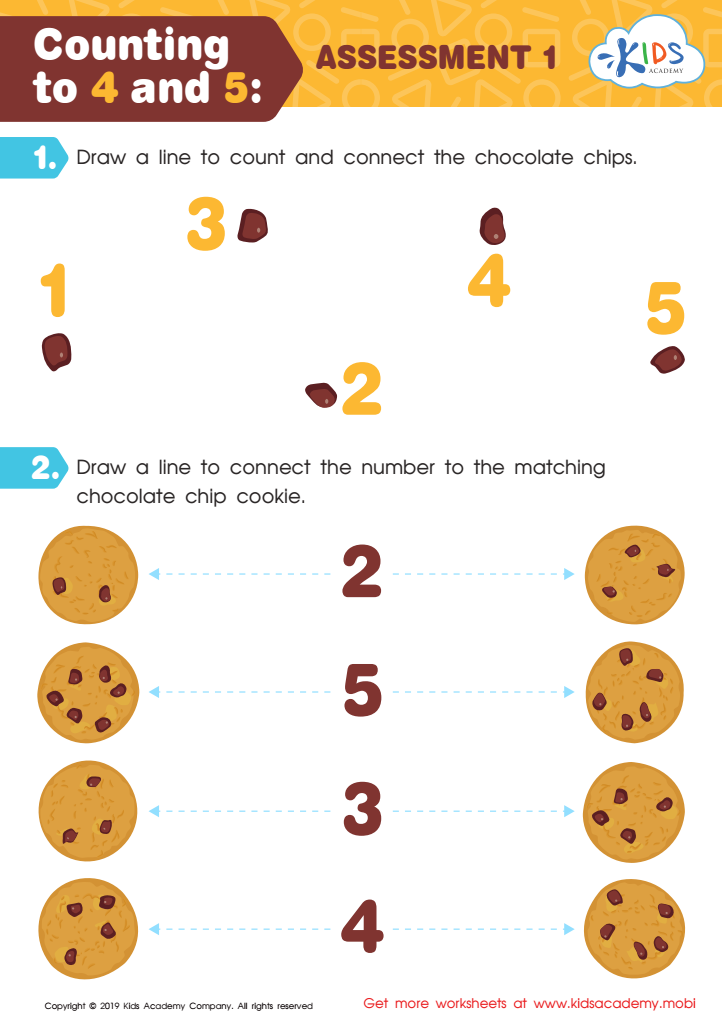
Counting to 4 and 5: Assessment 1 Worksheet
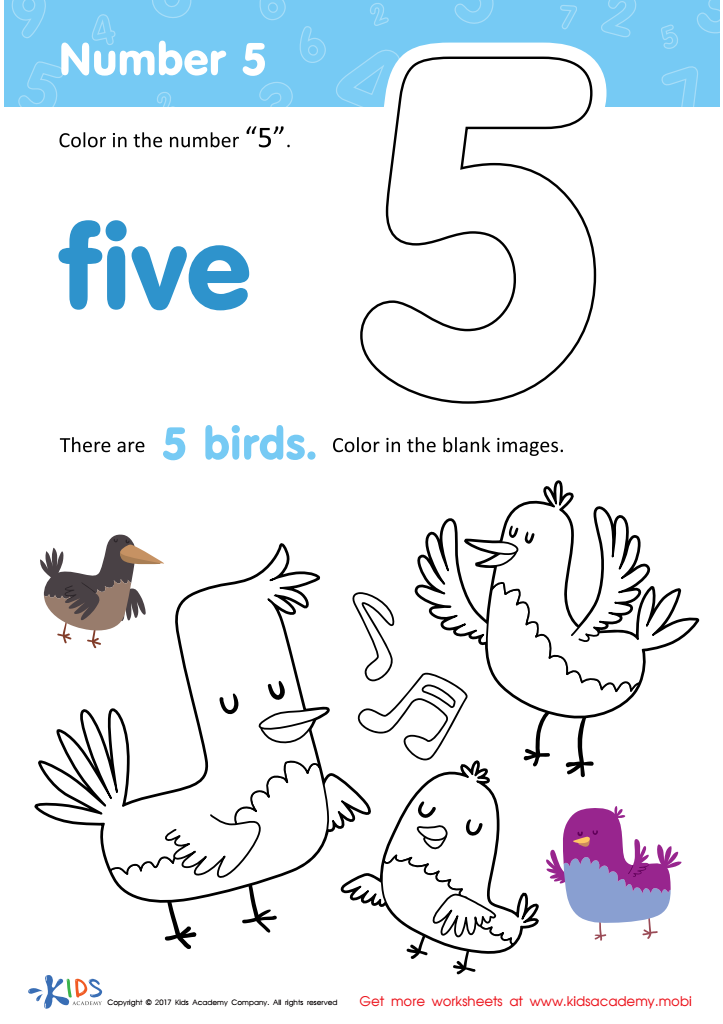
Number 5 Printable
Assign to My Students
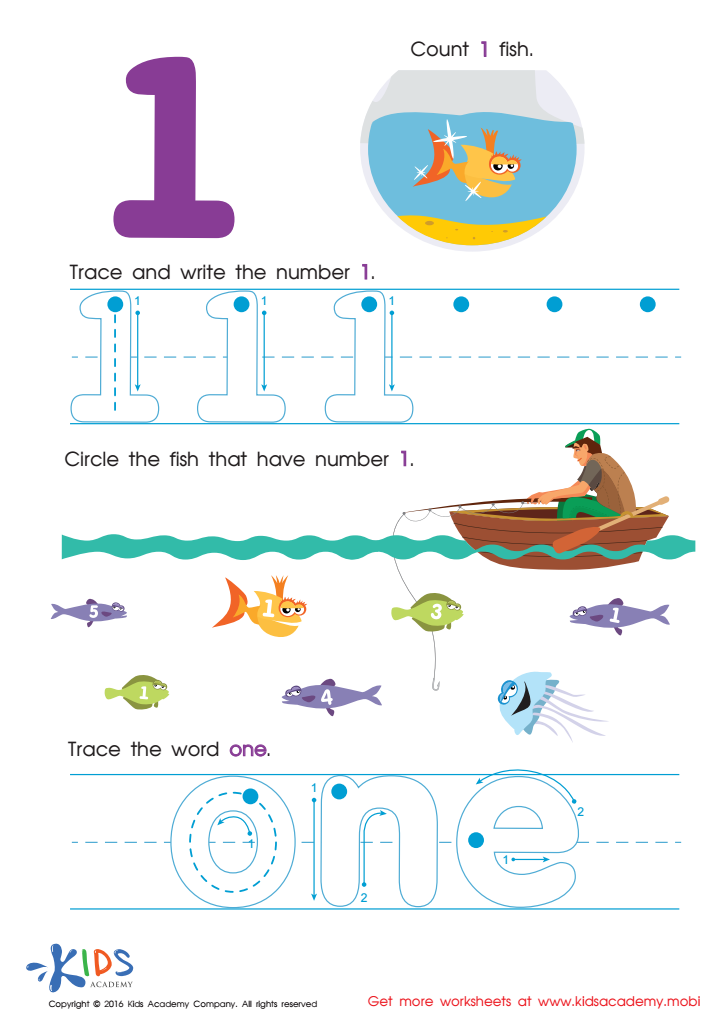
Learning to Write 1 Worksheet
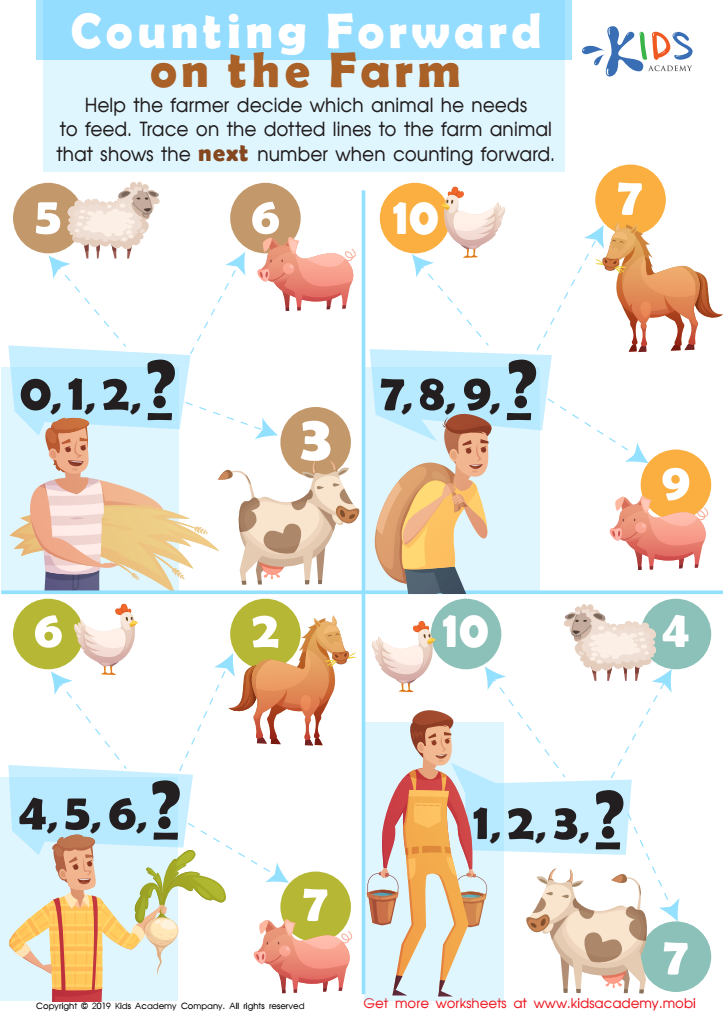
Counting Forward On the Farm Worksheet
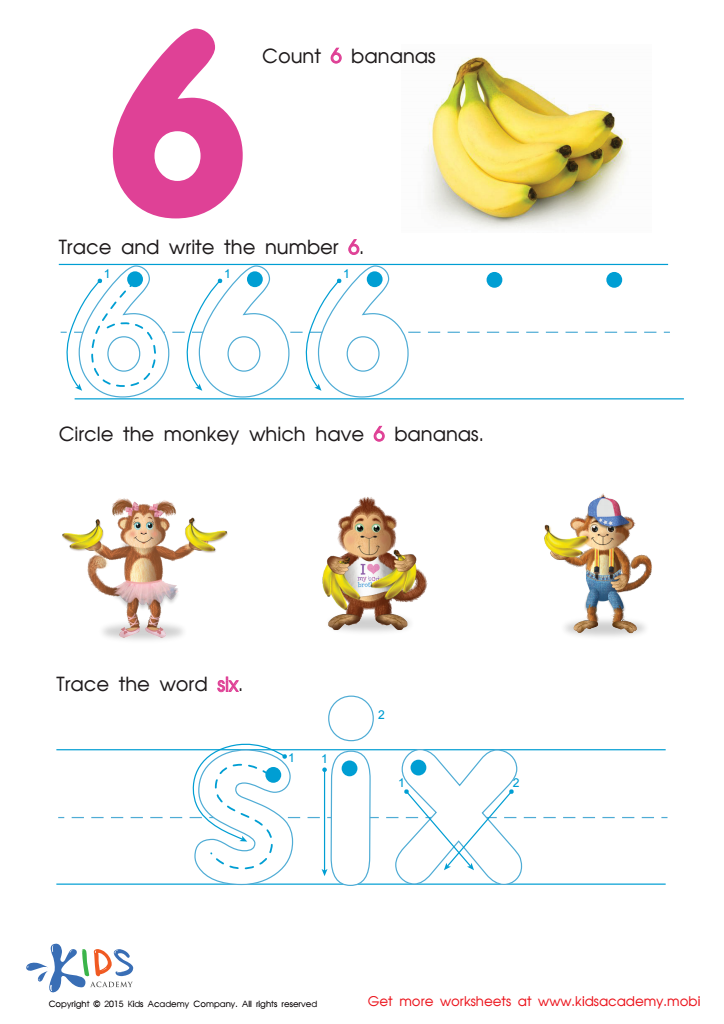
Tracing And Writing Number 6 Worksheet
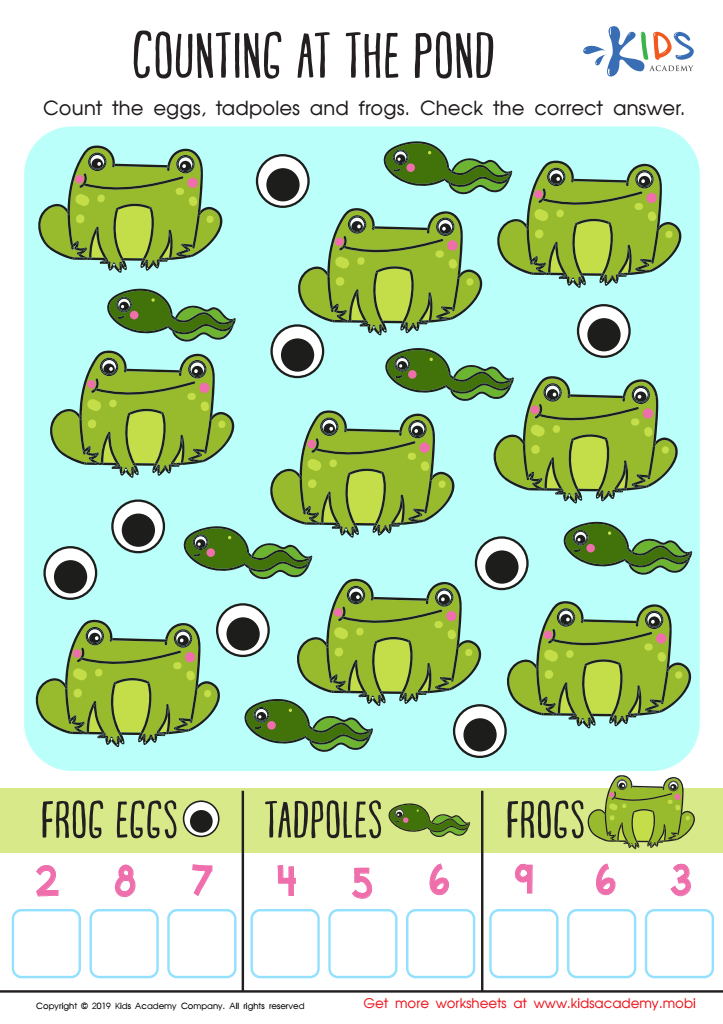
Counting at the Pond Worksheet
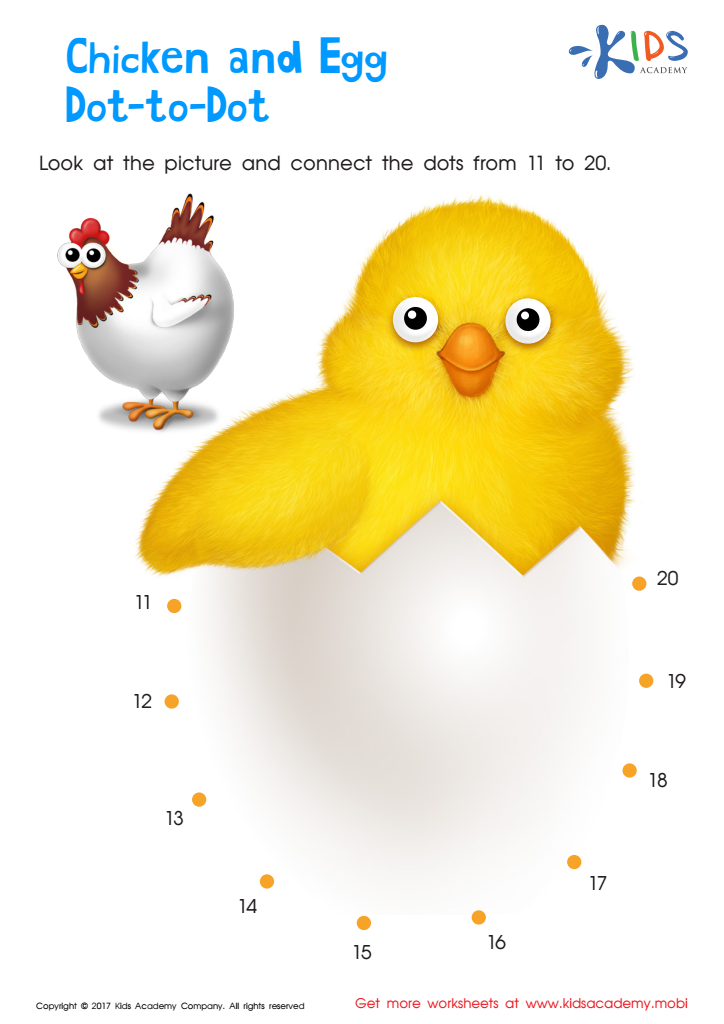
Ordering 11–20: Chicken & Egg Dot–to–dot Worksheet
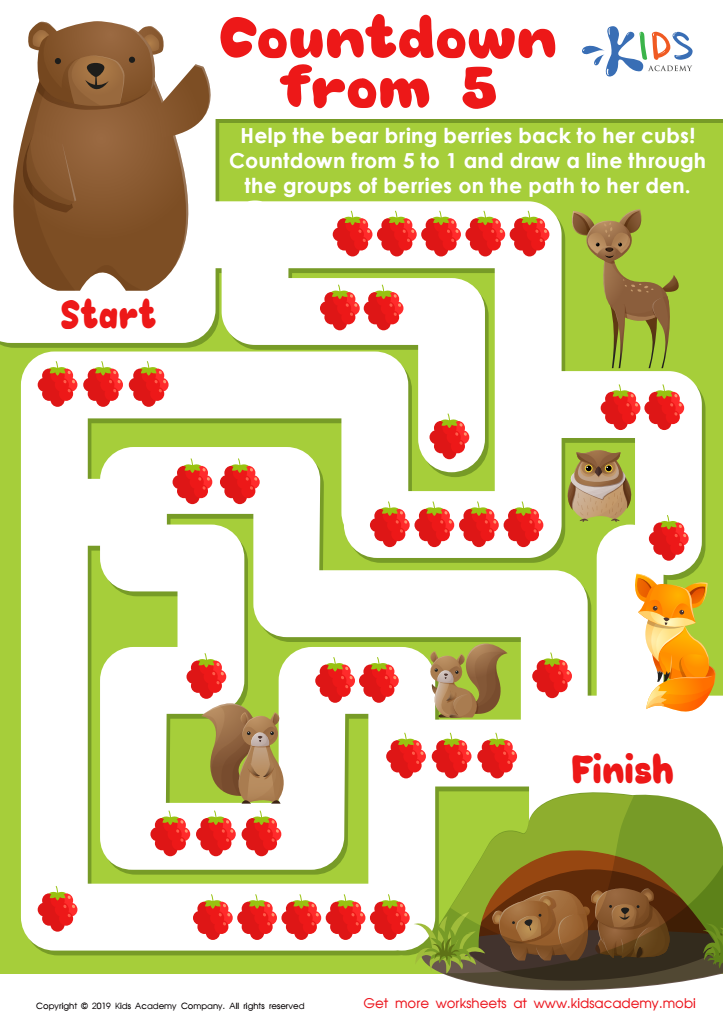
Countdown from 5 Worksheet
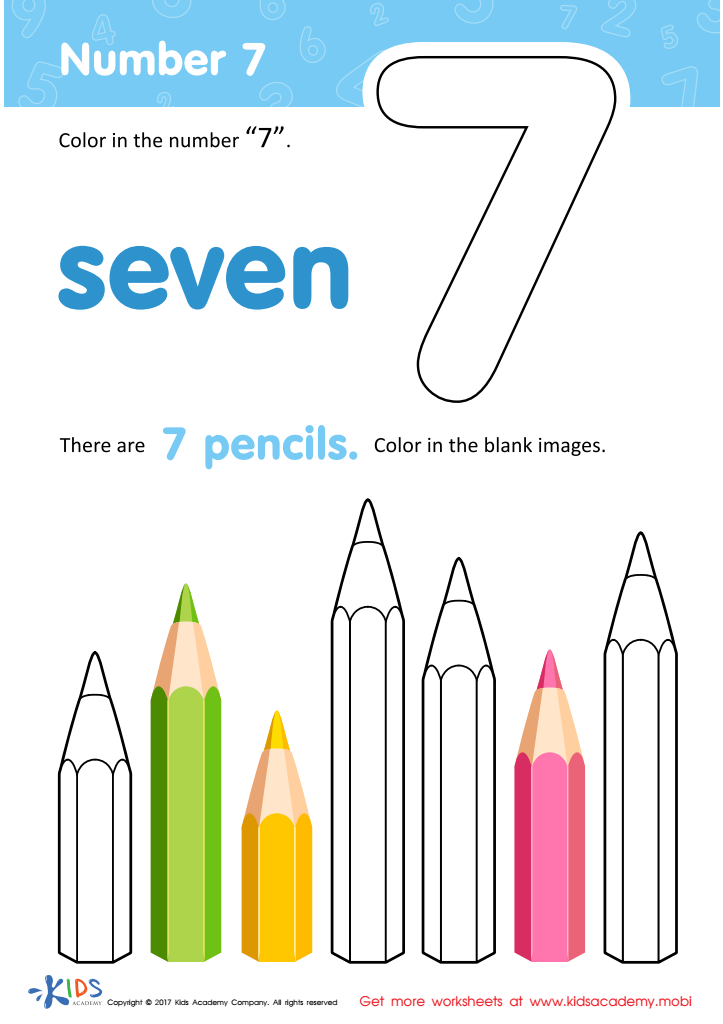
Number 7 Worksheet
Assign to My Students
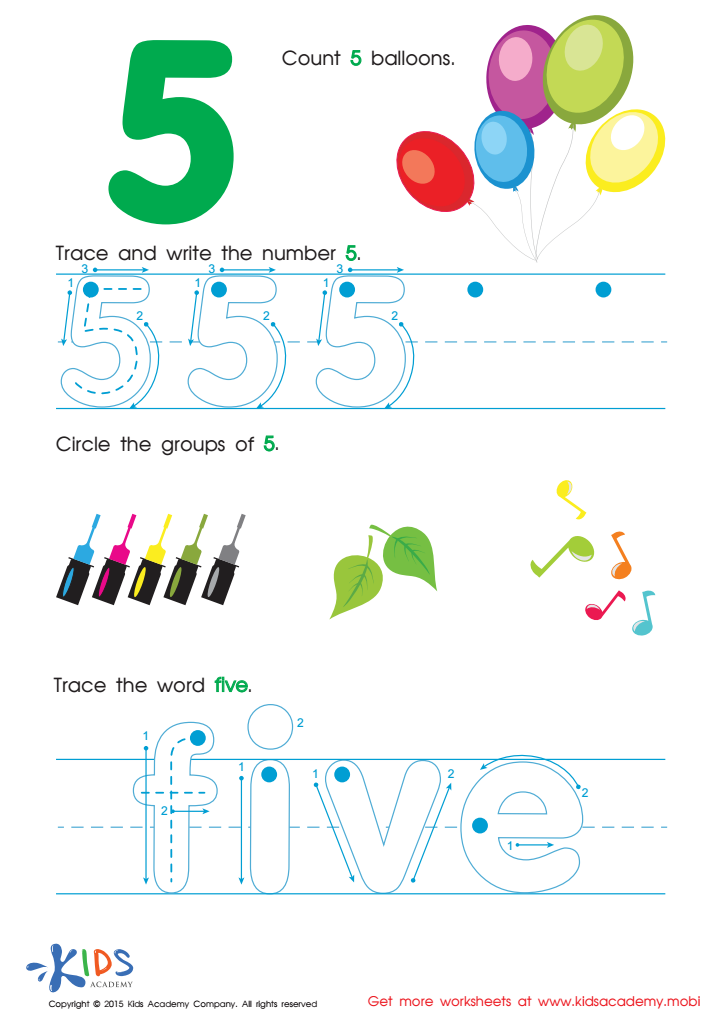
Practice Writing Number 5 Worksheet
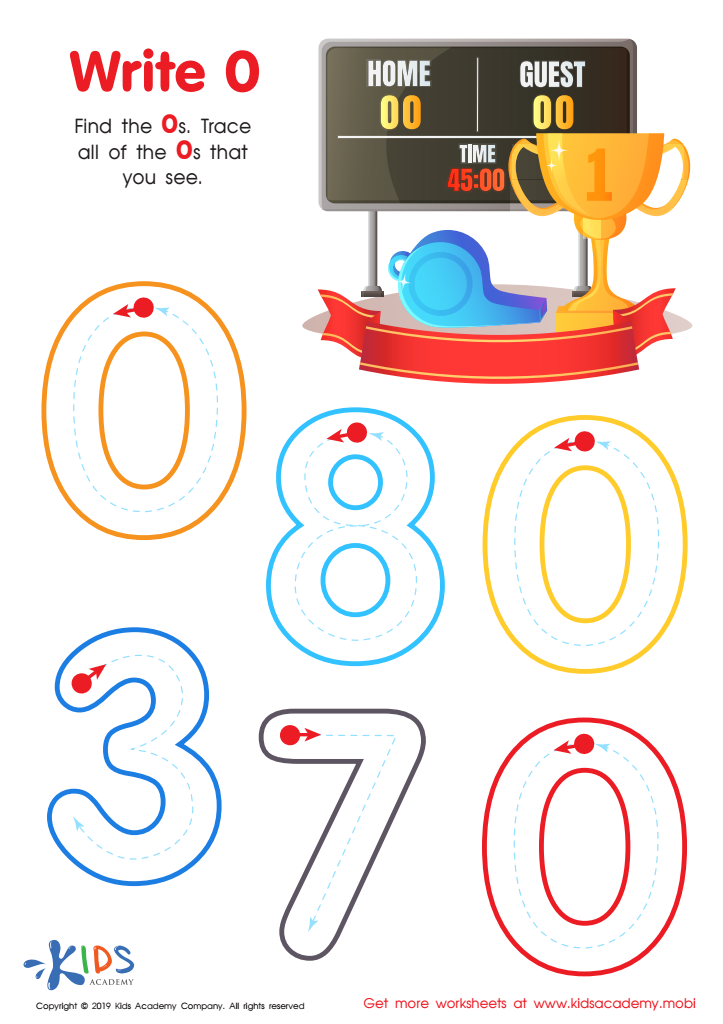
Write 0 Worksheet
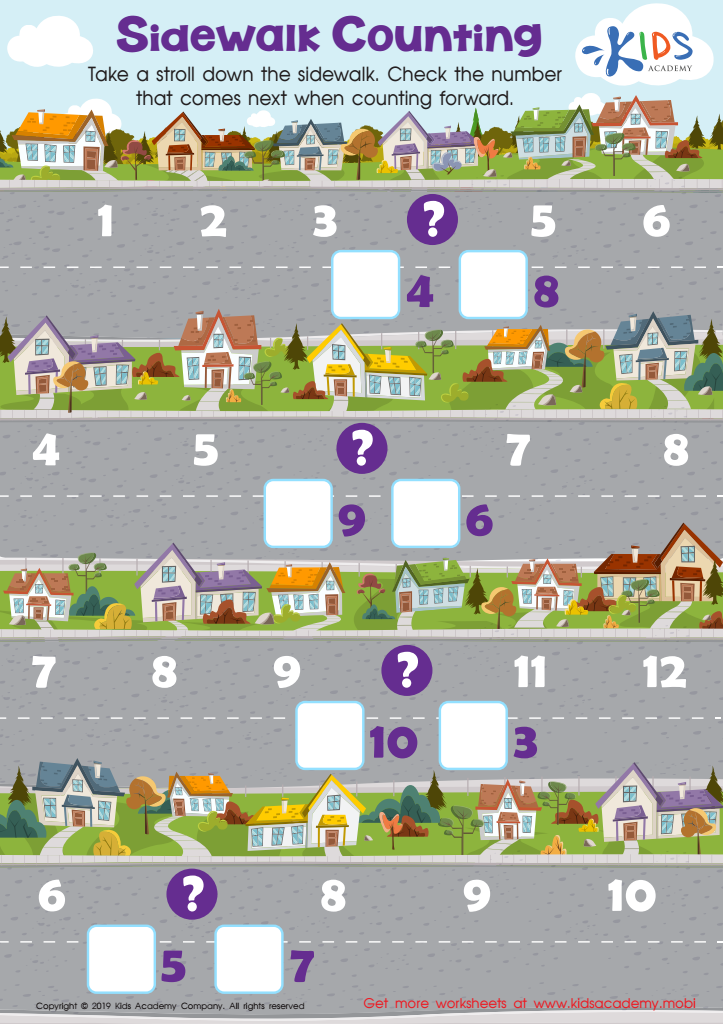
Sidewalk Counting Worksheet
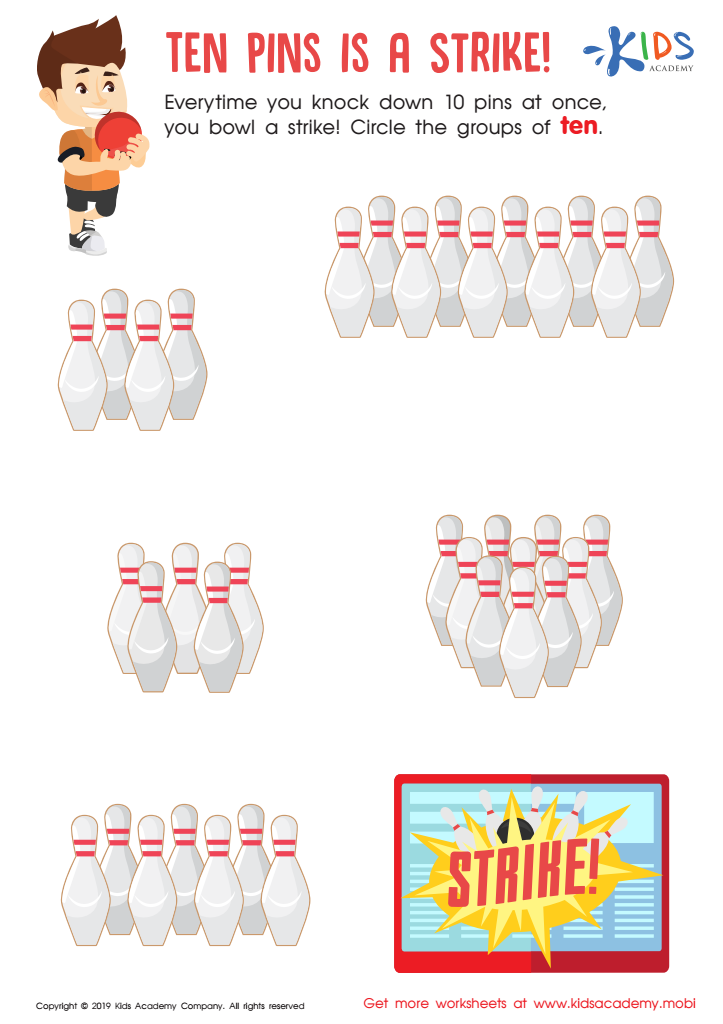
Ten Pins is a Strike Worksheet
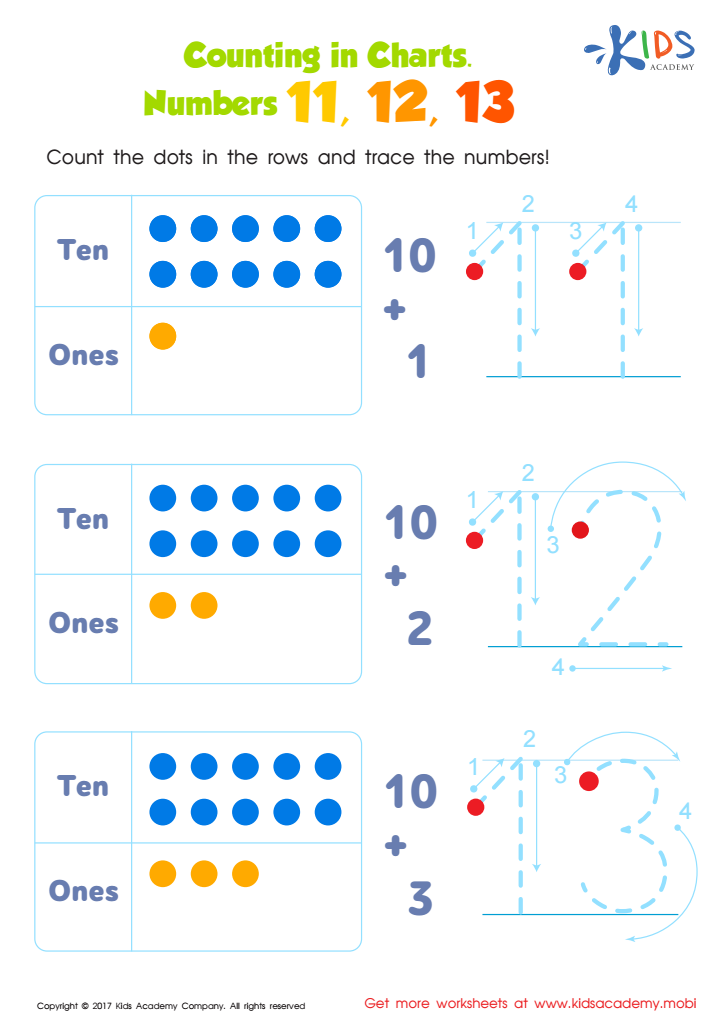
Number Tracing Worksheet For Kindergarten
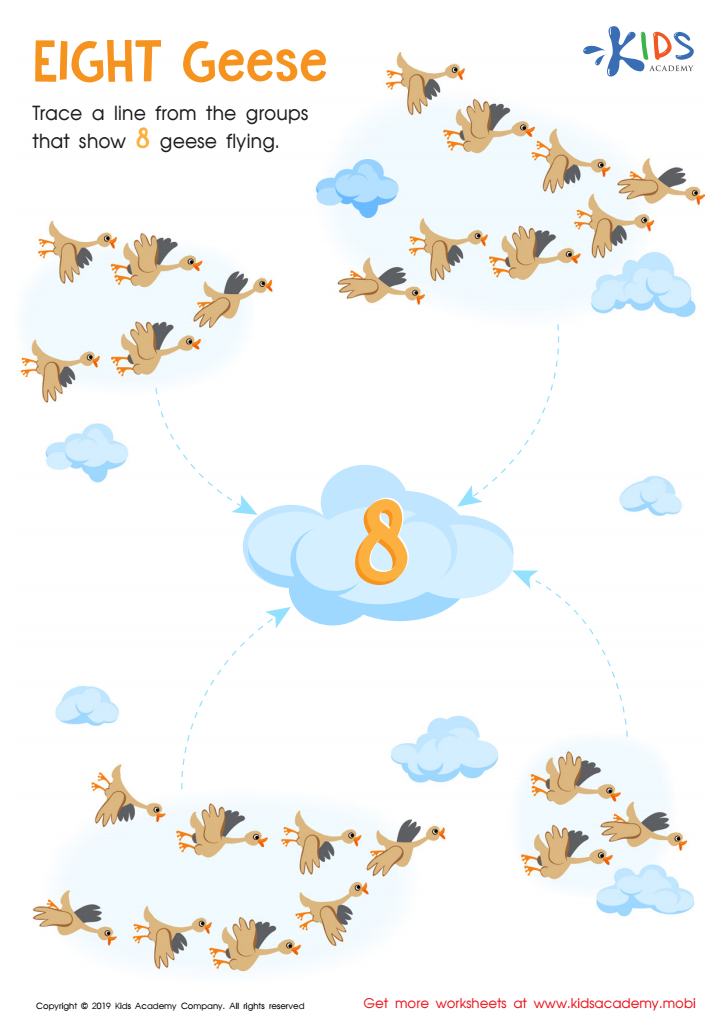
Eight Geese Worksheet
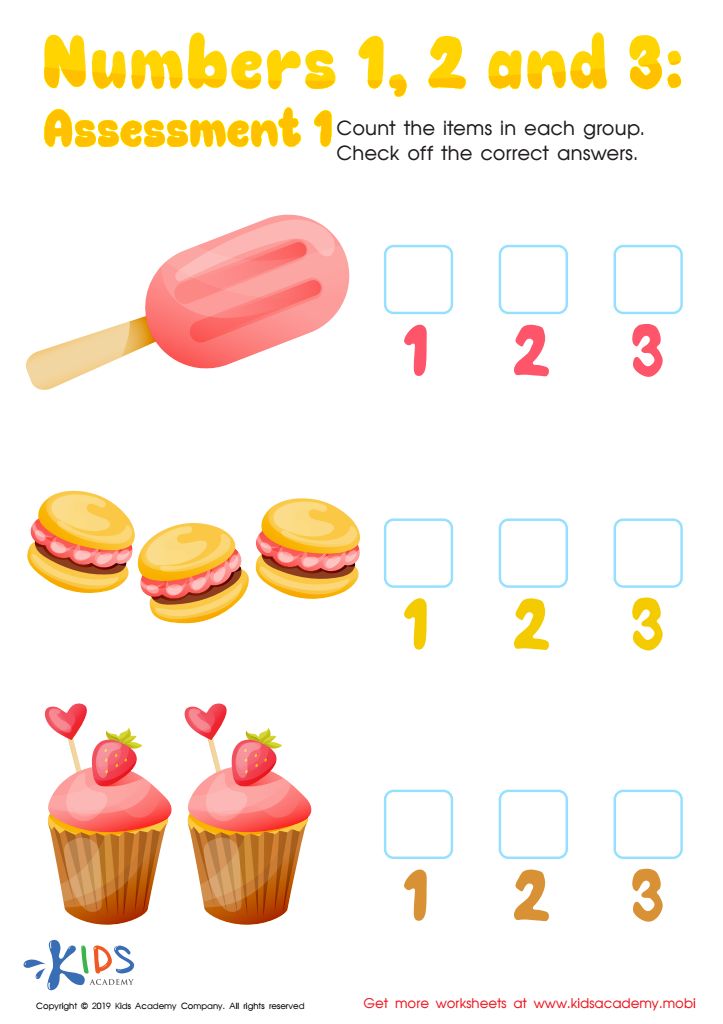
Numbers 1, 2 and 3: Assessment 1 Worksheet
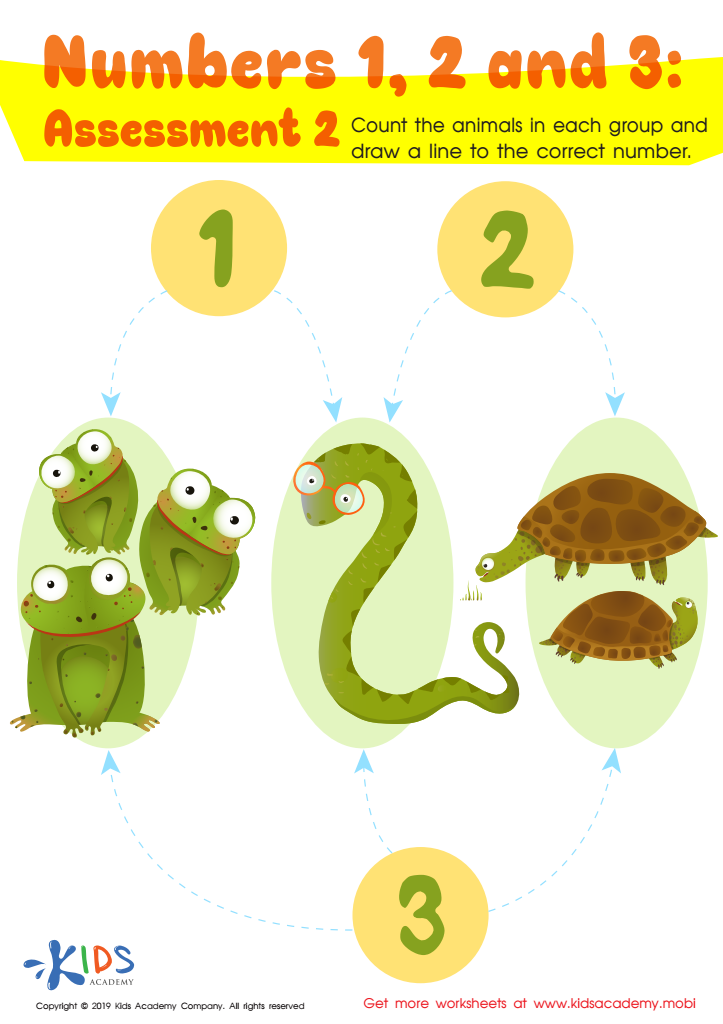
Numbers 1, 2 and 3: Assessment 2 Worksheet
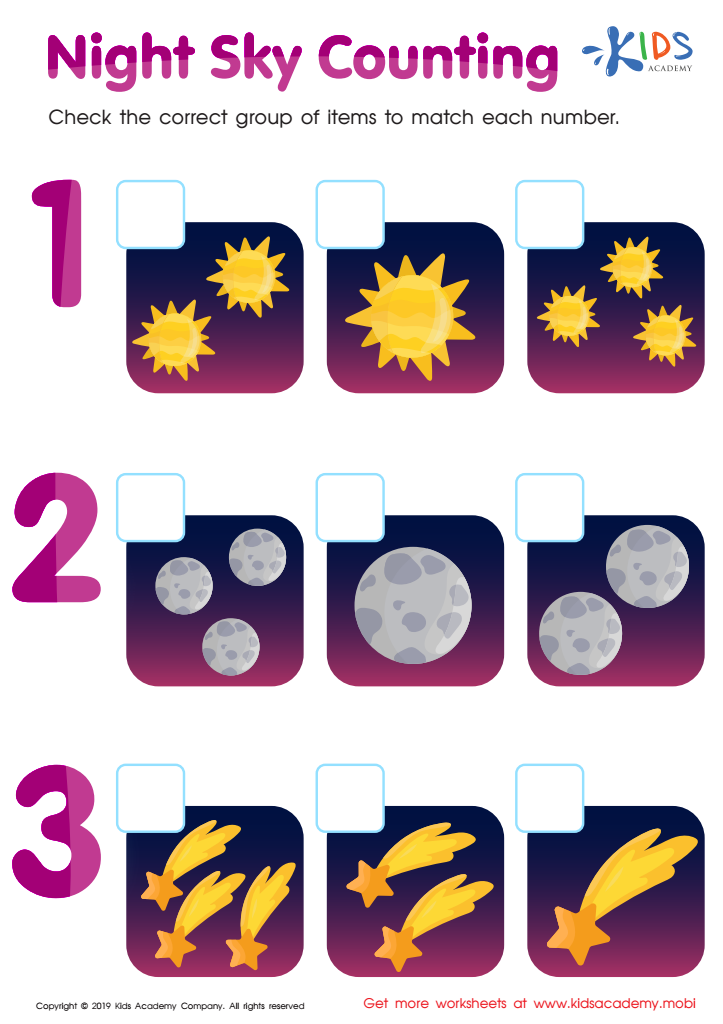
Night Sky Counting Worksheet
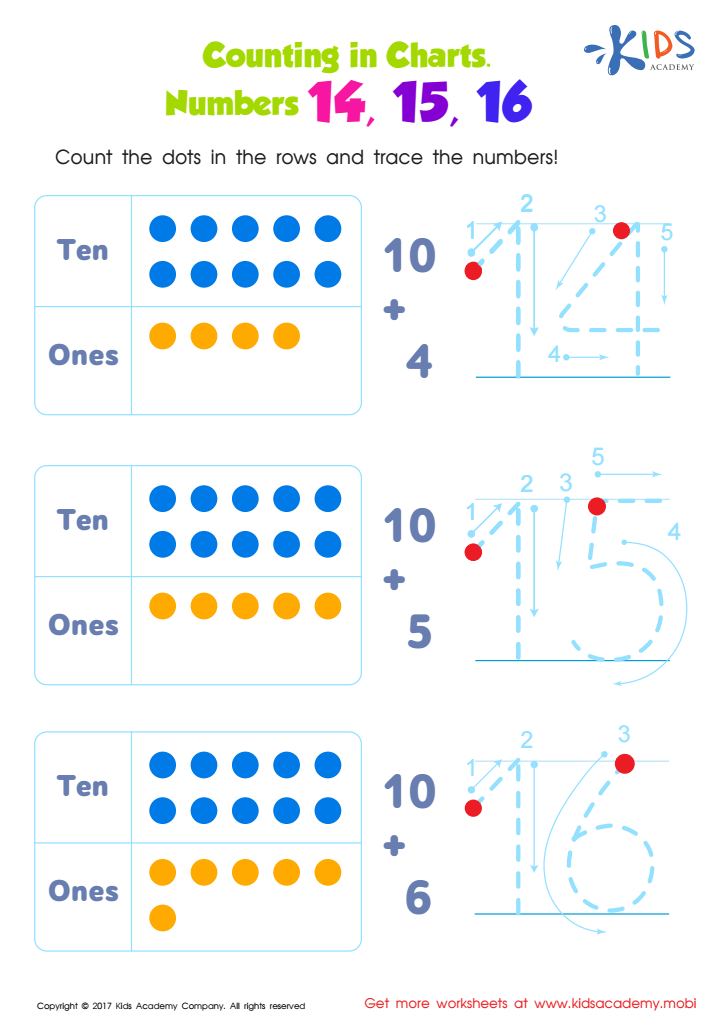
Number Tracing Worksheet


%20(1).jpg)

.jpg)



Hand-eye coordination is a crucial skill for young children, impacting their overall development, including their ability to learn numbers and engage in math-related activities. In kindergarten, children are introduced to fundamental math concepts, such as counting, recognizing numbers, and basic arithmetic. Good hand-eye coordination aids in their ability to manipulate objects, such as counting blocks, using scissors, or participating in writing activities, all of which enhance their learning experience.
Teachers and parents should care about developing hand-eye coordination because it serves as a foundation for more complex skills later on. Activities that promote this coordination—such as coloring, tracing numbers, or interacting with educational games—can facilitate better focus, precision, and spatial awareness. Additionally, enhanced coordination can build a child's confidence in their abilities, reducing frustration in learning environments where numbers play a significant role.
Moreover, fine motor skills developed through hand-eye coordination are not solely beneficial for mathematical tasks but extend to reading and writing as well. This holistic development fosters a growth mindset, encouraging children to take risks and seek challenges in their learning journey. By supporting the development of these essential skills, educators and parents cultivate a well-rounded and enthusiastic learner.








