Shape Recognition Kindergarten Math Worksheets - Page 2
37 filtered results
-
From - To
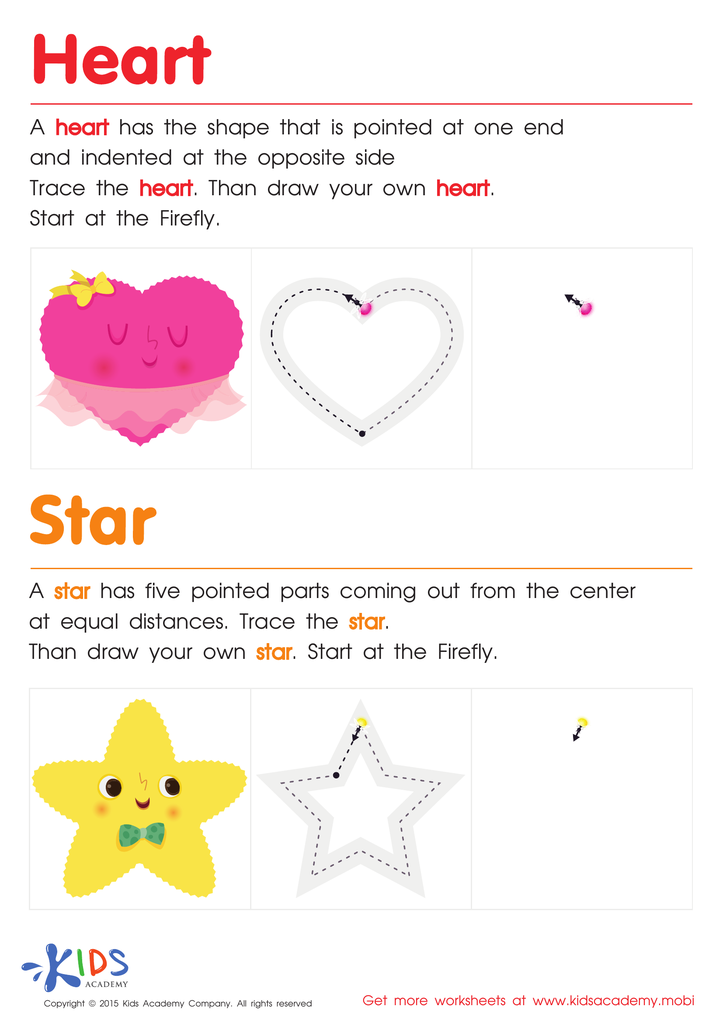
Let's Learn to Draw Hearts And Stars Printable
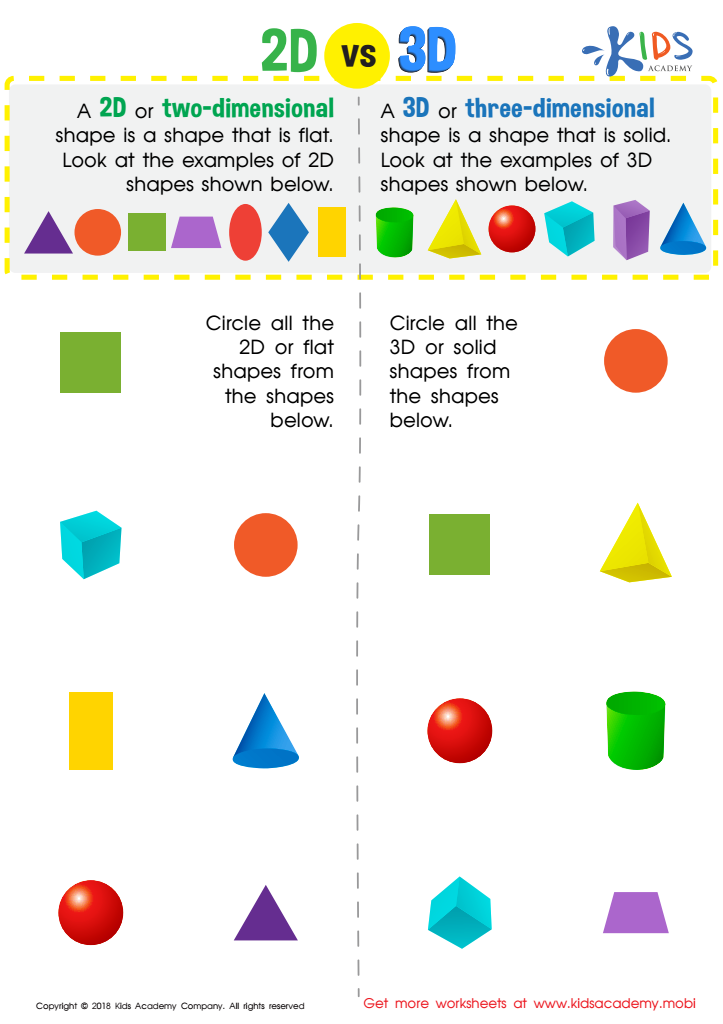
2D vs 3D Shapes Worksheet
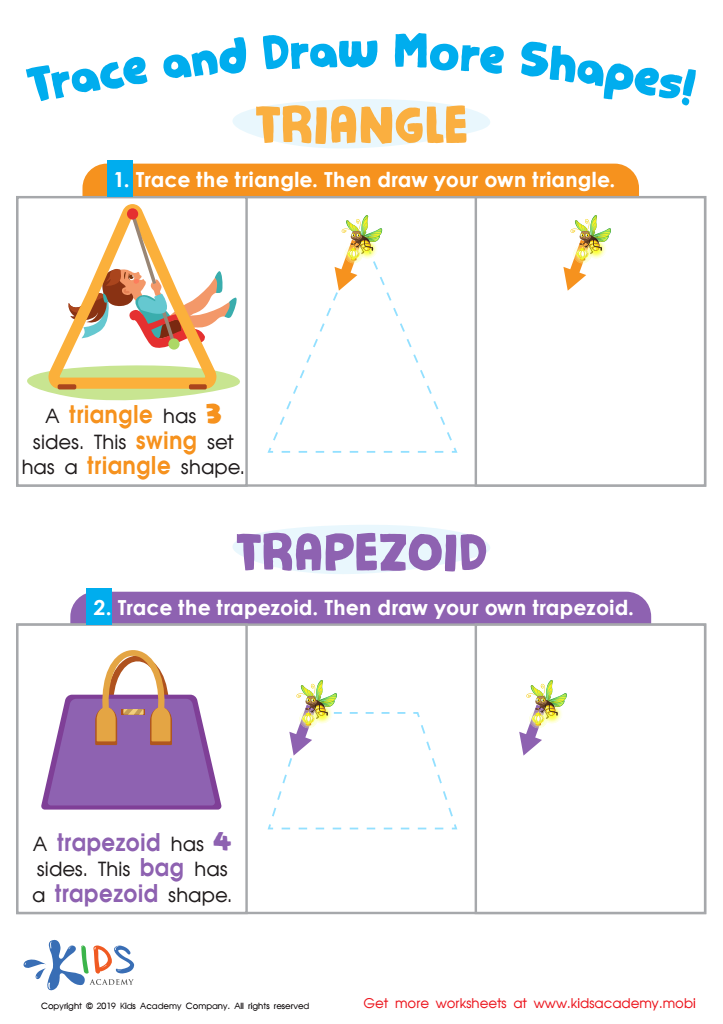
Trace and Draw More Shapes Worksheet
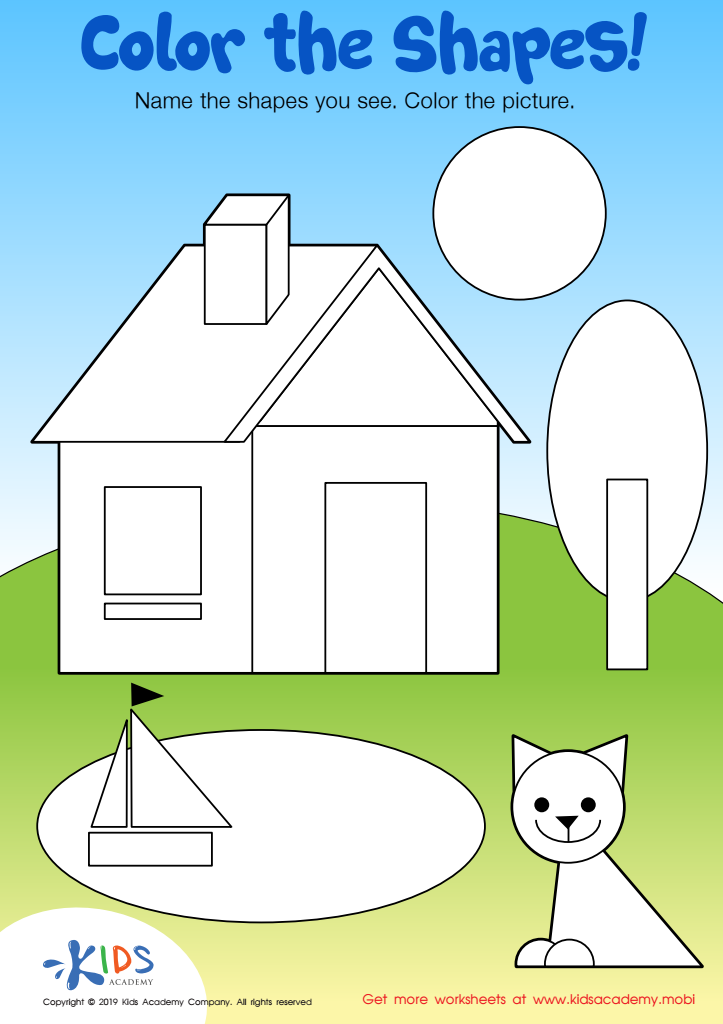
Color the Shapes Worksheet
 Assign to My Students
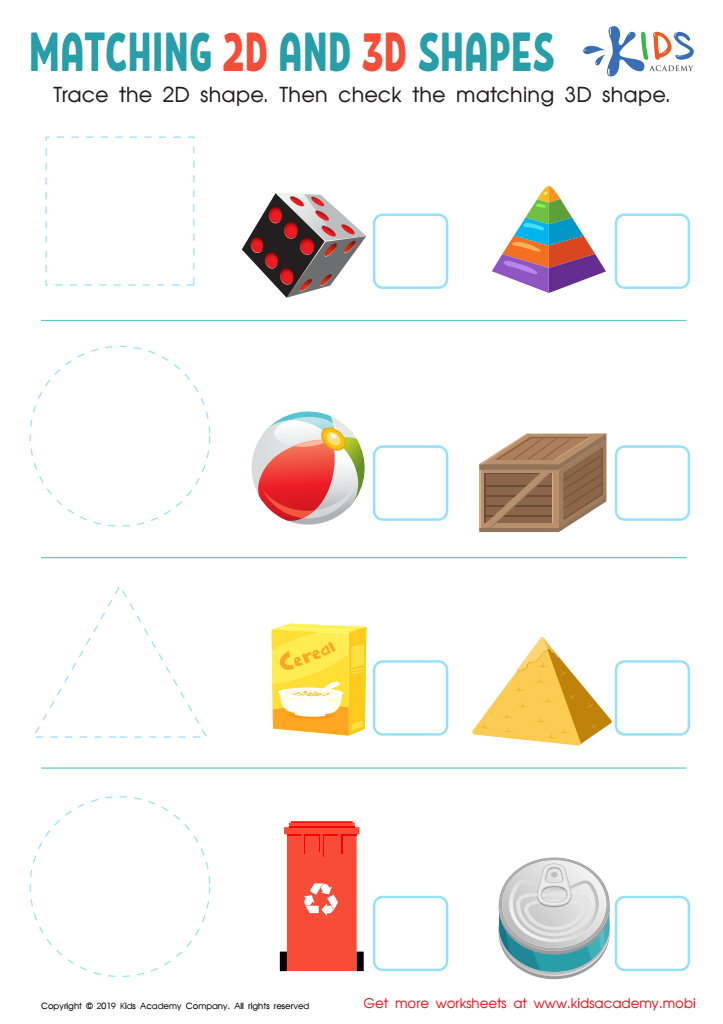
Matching 2D and 3D Shapes Worksheet
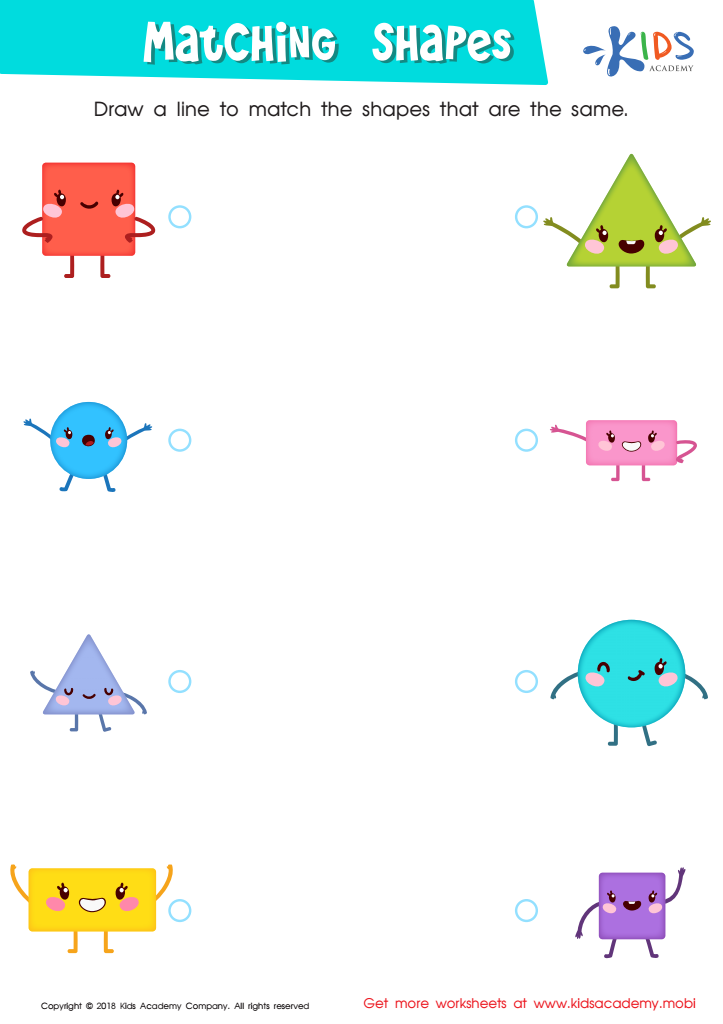
Matching Shapes Worksheet
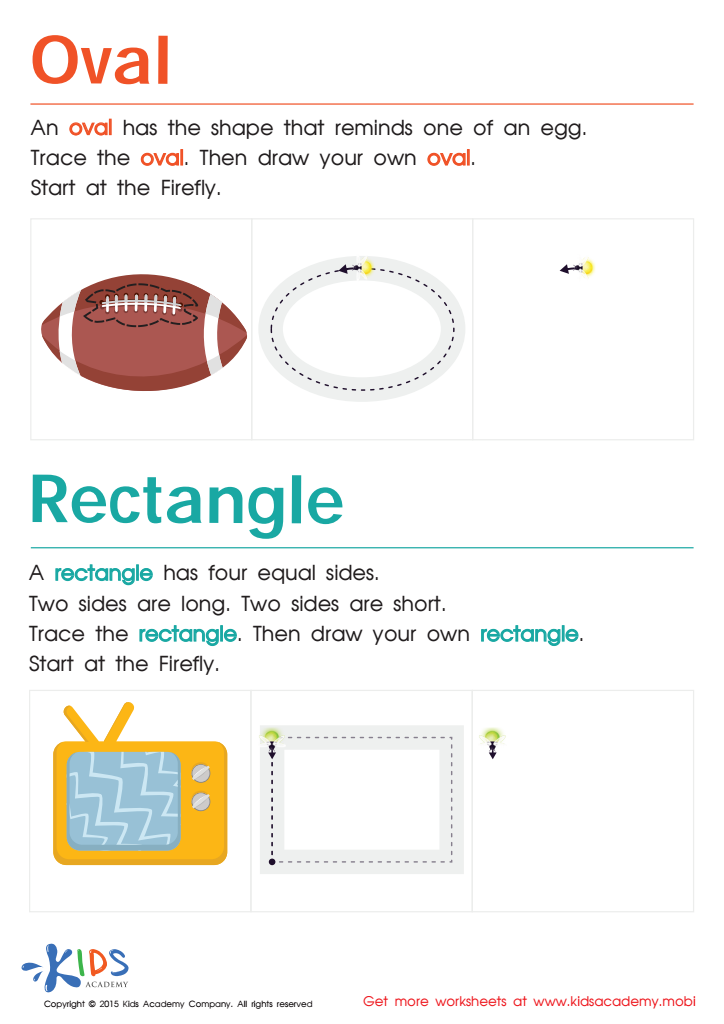
Easy Drawing of Ovals And Rectangles Worksheet
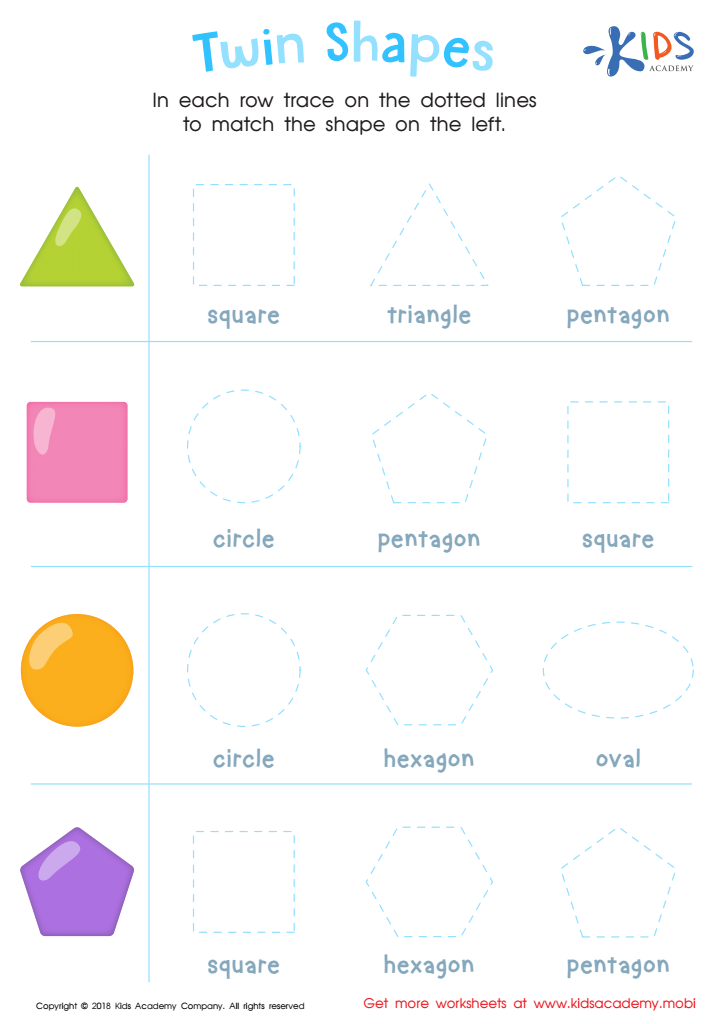
Twin Shapes Dot-to-Dot Worksheet
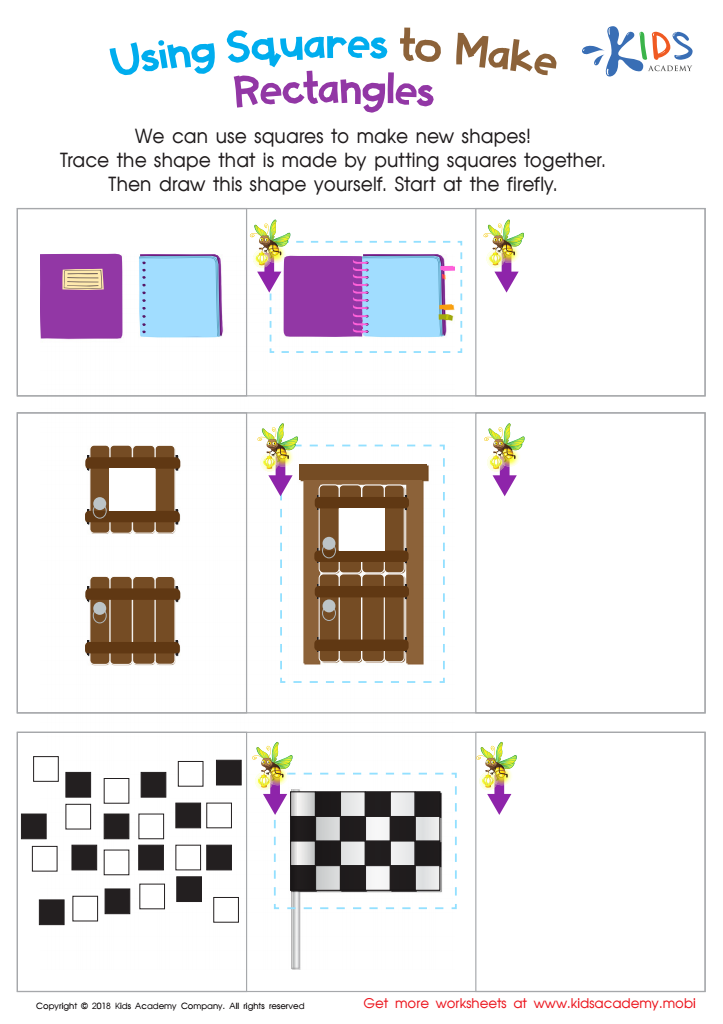
Using Squares to Make Rectangles Worksheet
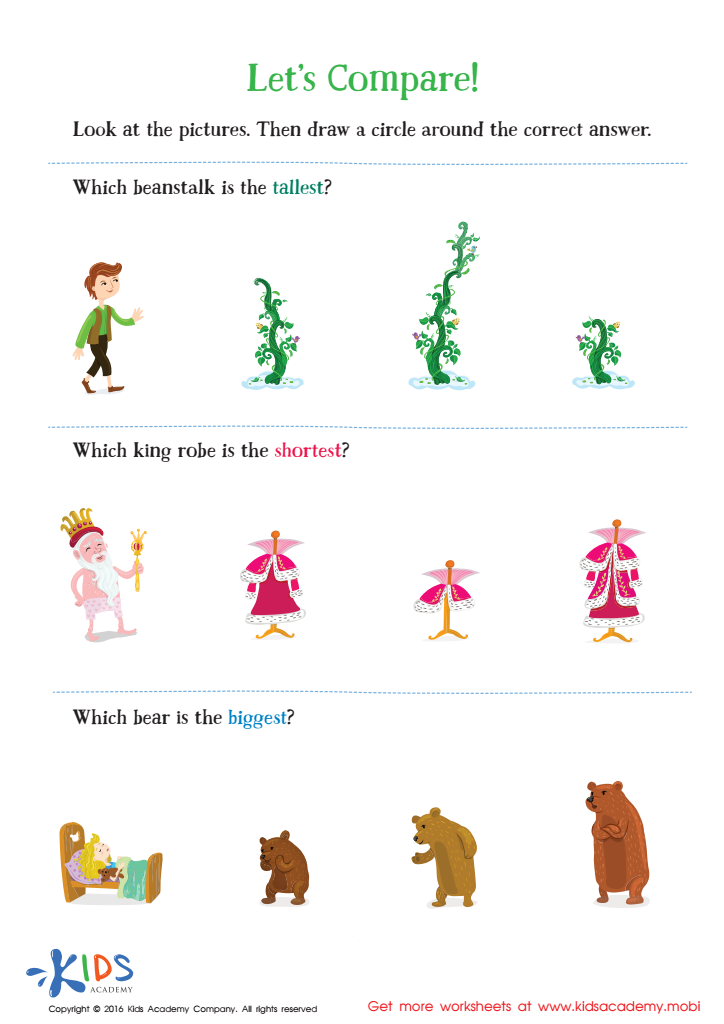
Fairy Tale Worksheet: Let's Compare
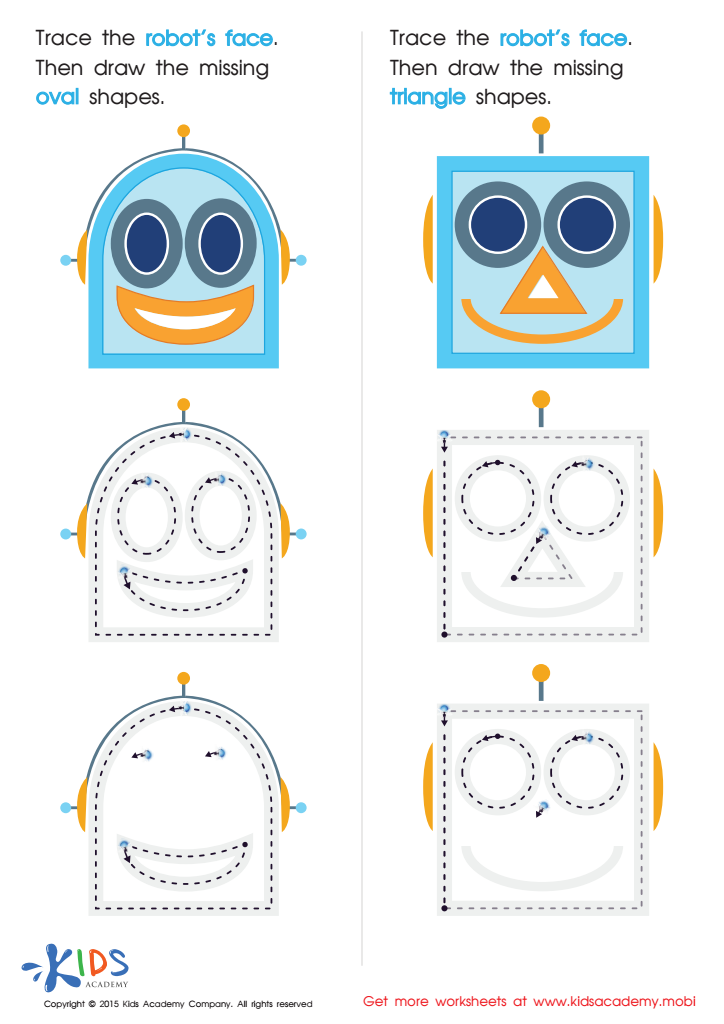
Drawing Ovals And Triangles with Fun Printable
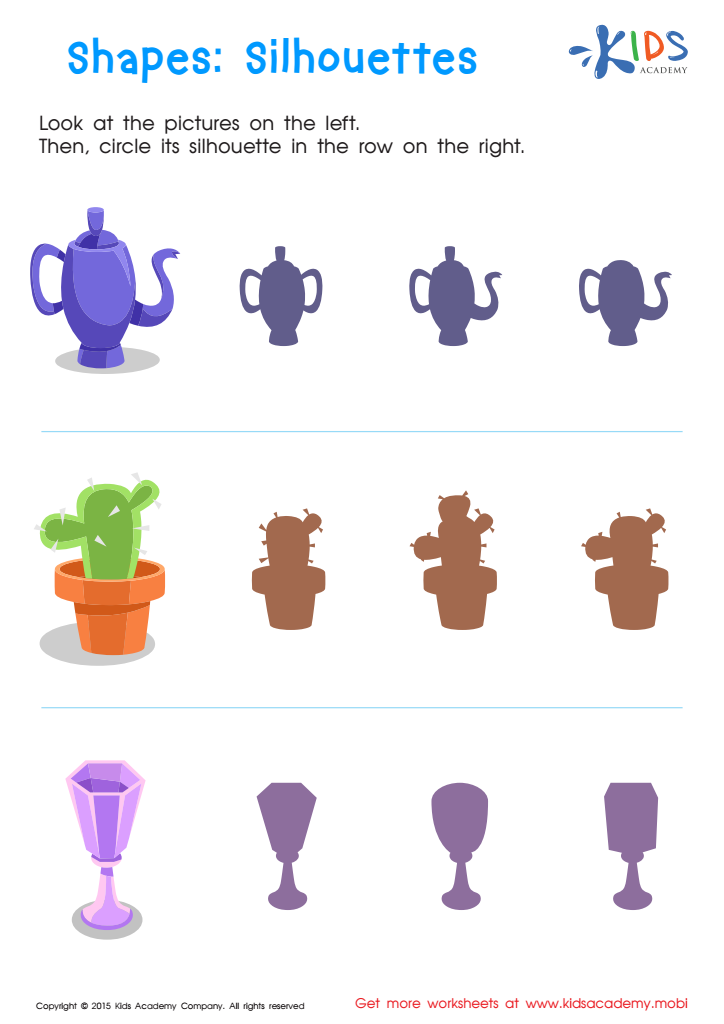
Silhouettes – Shapes Worksheet
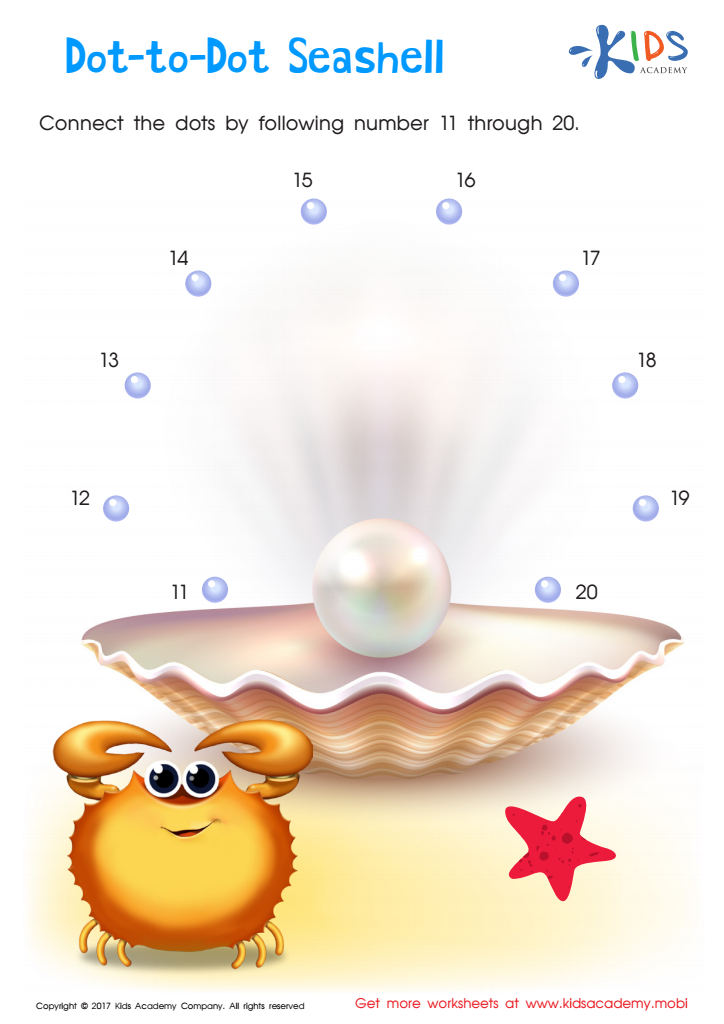
Ordering 11–20: Dot–to–dot Seashell Printable




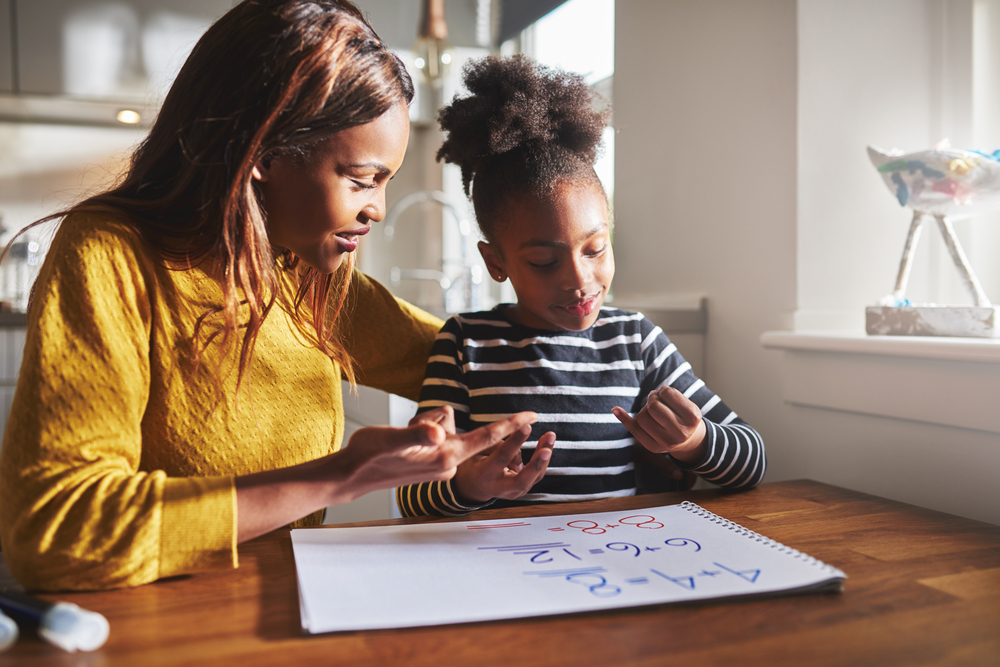
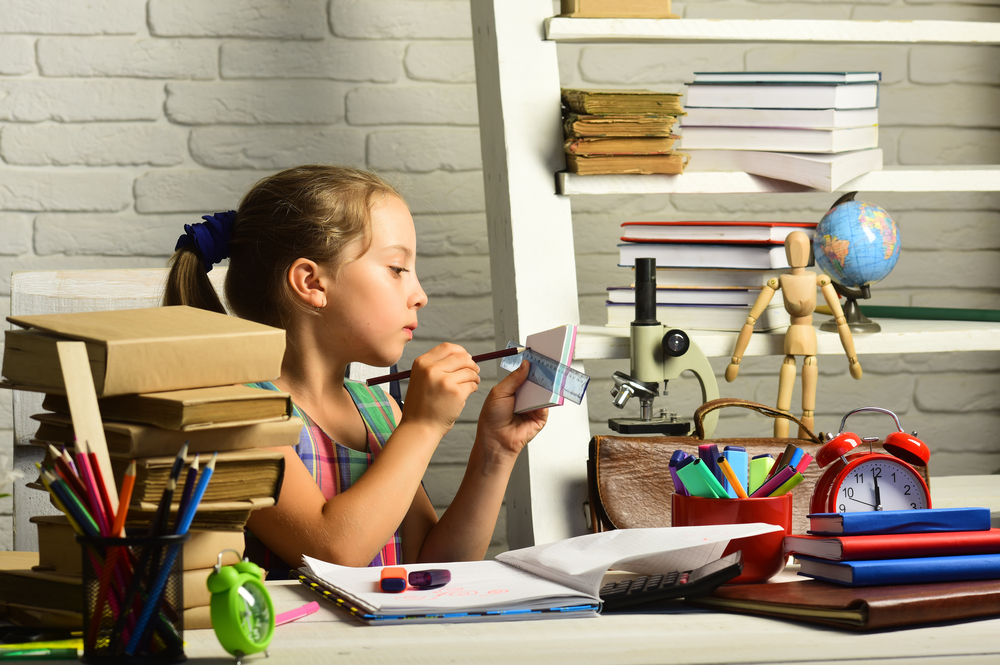


Shape recognition is a foundational aspect of early childhood mathematics that plays a crucial role in a child’s cognitive, social, and physical development. Parents and teachers should pay close attention to this skill for several reasons. Firstly, recognizing shapes helps children understand and organize their visual world, laying the groundwork for more advanced concepts in geometry and spatial reasoning, which are essential in everyday problem-solving.
Moreover, shape recognition is closely linked to language development, as children learn to identify, describe, and categorize shapes, enriching their vocabulary and communication skills. Engaging with shapes can also promote fine motor skills, as activities often involve drawing, cutting, or manipulating objects.
Additionally, shape recognition fosters critical thinking and analytical skills. Children learn to compare and contrast shapes, reinforcing logical reasoning. This skillset is invaluable as it directly supports development in STEM subjects later in their education.
Lastly, shape recognition can be a collaborative and fun experience, encouraging social interaction among peers. Introducing shapes in engaging ways can strengthen parent-child relationships through shared learning activities. Overall, emphasizing shape recognition in kindergarten can prepare children for lifelong learning and serve as a building block for future mathematical understanding.








