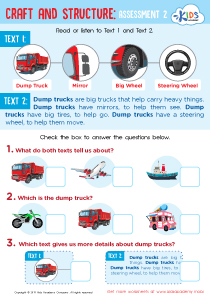
Understanding context Kindergarten Reading Fiction Worksheets
4 filtered results
-
From - To
Unlock the joy of reading with our "Understanding Context Kindergarten Reading Fiction Worksheets." Designed for young learners, these engaging worksheets cultivate critical thinking and comprehension skills by helping children decipher meaning from text. Featuring age-appropriate fiction stories, kids will practice identifying context clues, enhancing their ability to understand character motivations, plot developments, and themes. Our activities encourage creativity and imagination, making reading a fun and interactive experience. Perfect for teachers and parents alike, these worksheets are an excellent resource to support developing literacy skills in kindergarteners, setting a strong foundation for their future educational journey. Dive into reading comprehension today!
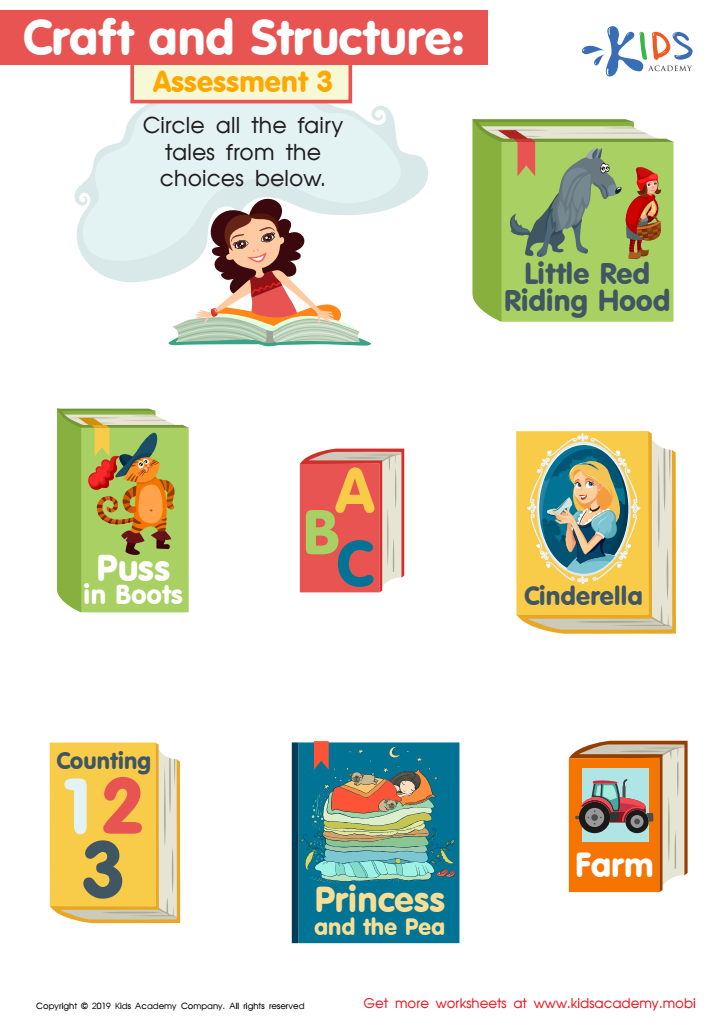
Craft and Structure: Assessment 3 Worksheet
 Assign to My Students
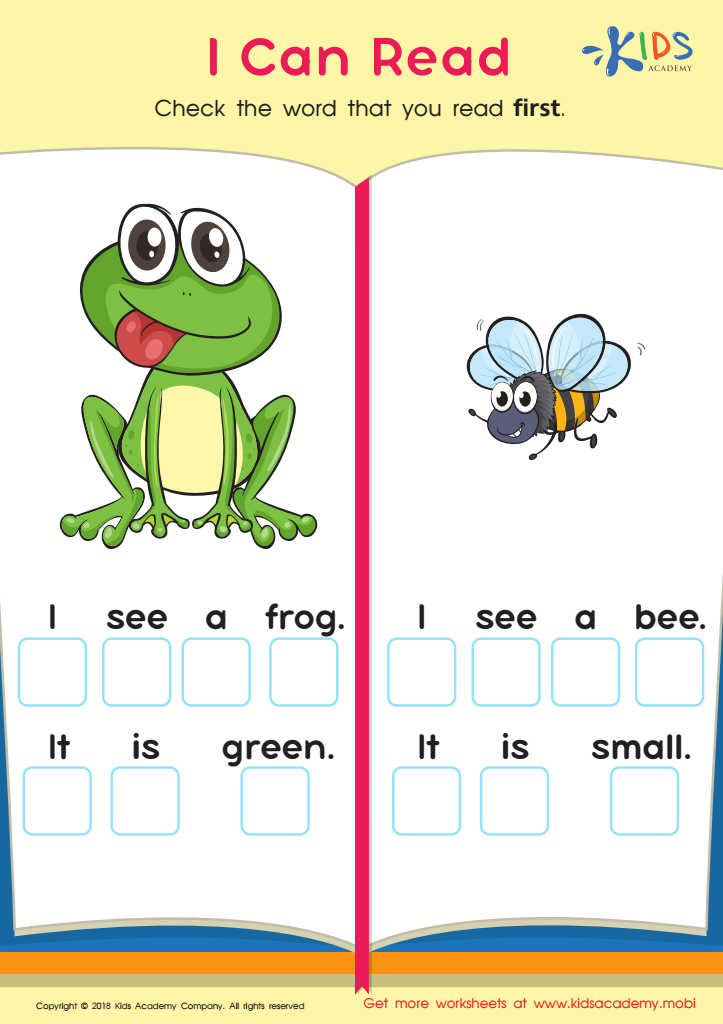
I Can Read Worksheet
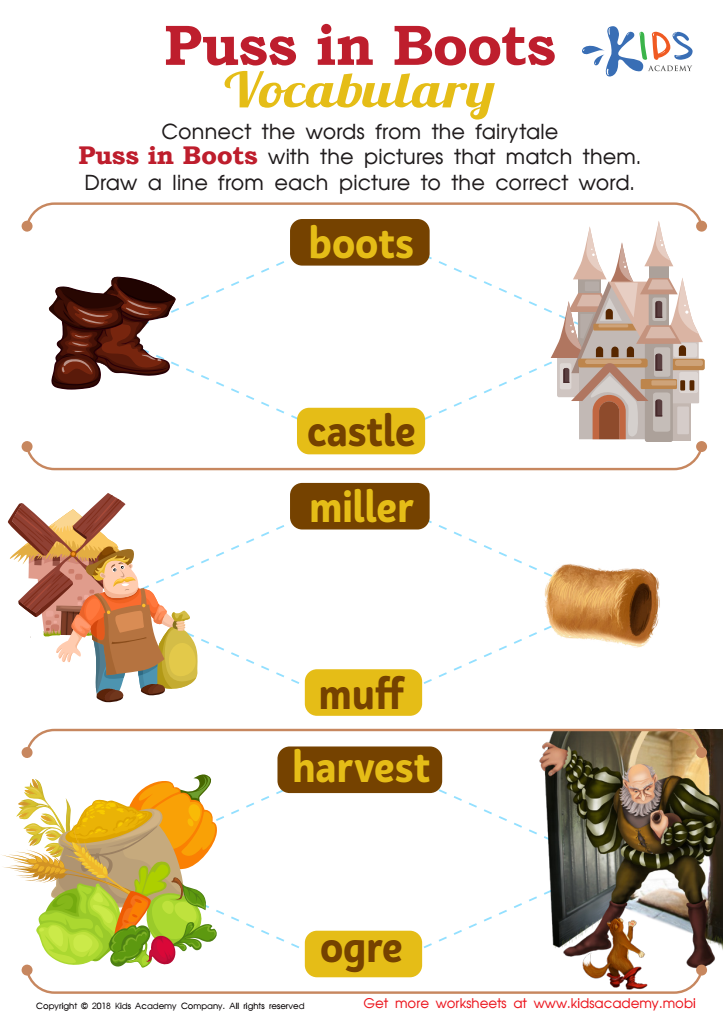
Puss in Boots Vocabulary Worksheet
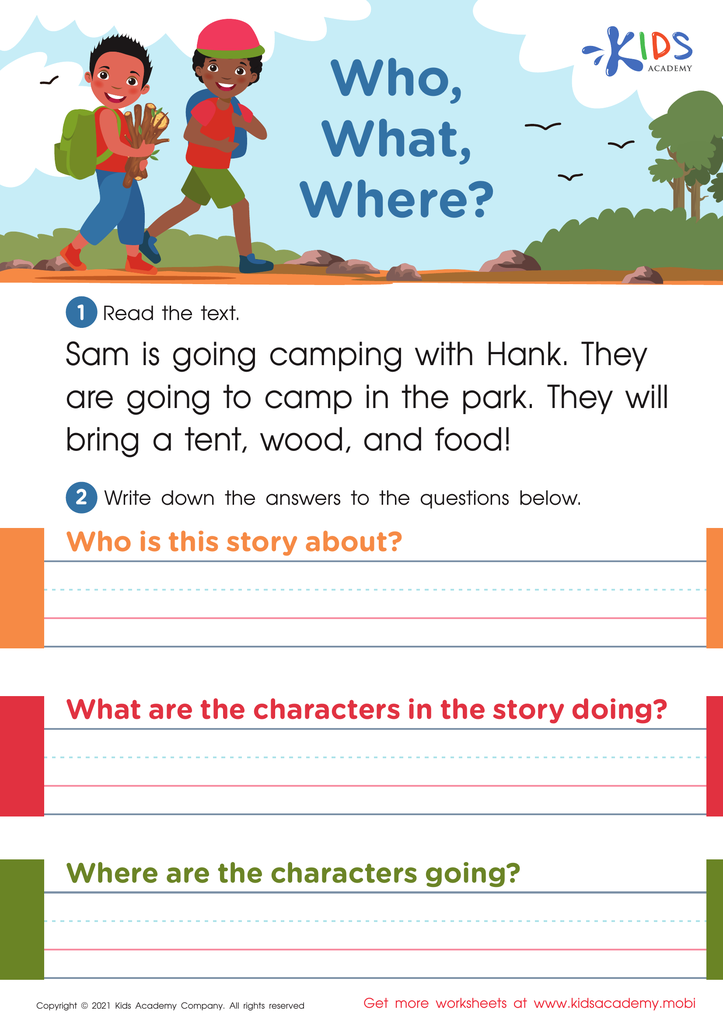
Who, What, Where? Worksheet



.jpg)



Understanding the context in kindergarten reading fiction is crucial for both parents and teachers, as it lays a strong foundation for children’s literacy development. Context involves the circumstances, settings, and backgrounds within which a story occurs; it helps young readers make sense of the narrative and enhances their comprehension.
When children grasp context, they can better relate to characters and situations, which fosters empathy and critical thinking. Teachers can utilize contextual clues to teach vocabulary and inferential skills, enabling kids to decode meanings beyond the text. By discussing the relevance of various settings, such as a school, home, or mythical world, educators can expand young learners' imaginations and engage them more deeply with the story.
For parents, encouraging children to think about context during reading sessions reinforces a love for stories and empowers their comprehension skills. It nurtures dialogue, where children express thoughts and questions, making sharing stories a richer experience. Engaging with context cultivates a lifelong love for reading and analytical thinking, essential skills for academic success. In essence, understanding context is not just about enjoying stories; it’s about building essential cognitive and linguistic skills that shape a child’s learning journey.