Basic geometry understanding 2D Shapes Worksheets
4 filtered results
-
From - To
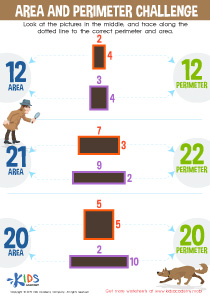
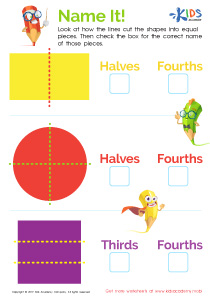
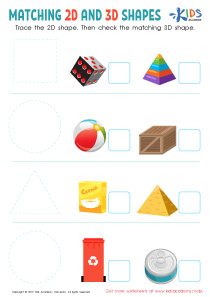
Enhance your child's math skills with our "Basic Geometry Understanding 2D Shapes Worksheets." Designed for early learners, these worksheets provide engaging activities to help children identify and understand various 2D shapes, such as circles, squares, triangles, and rectangles. Each worksheet encourages hands-on learning through fun exercises like tracing, coloring, and shape sorting. By practicing with our resources, kids will develop essential skills in shape recognition and spatial awareness. These worksheets are perfect for classroom settings or at-home learning, making geometry accessible and enjoyable for young learners. Start building a solid foundation in geometry with our interactive and educational worksheets today!
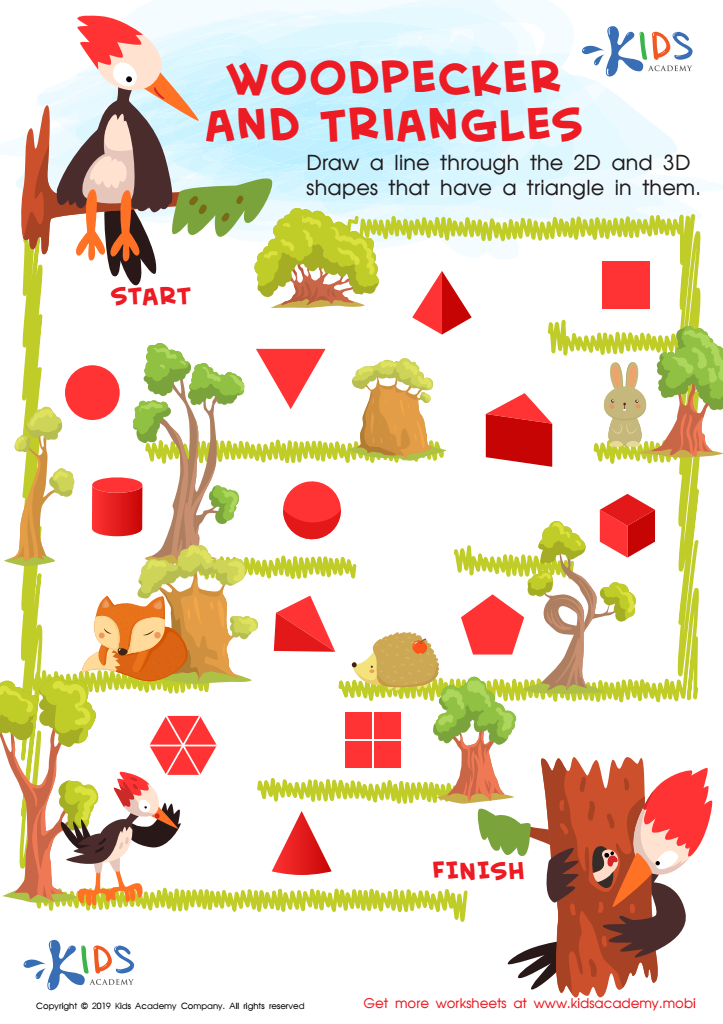
Woodpecker and Triangles Worksheet
 Assign to My Students


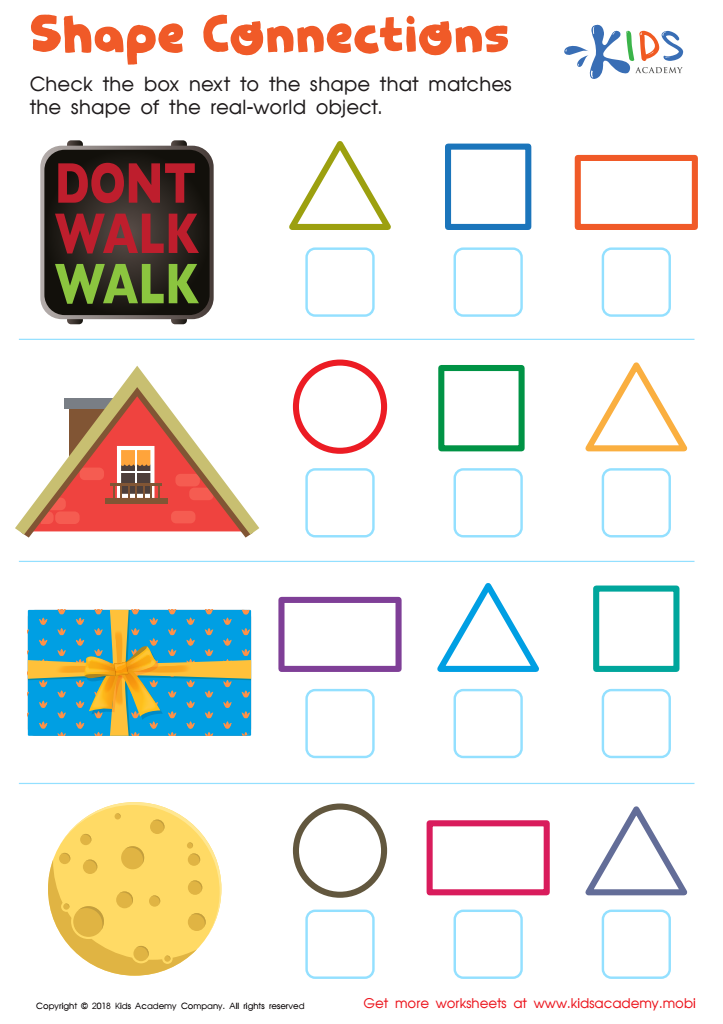
Shape Connections Worksheet
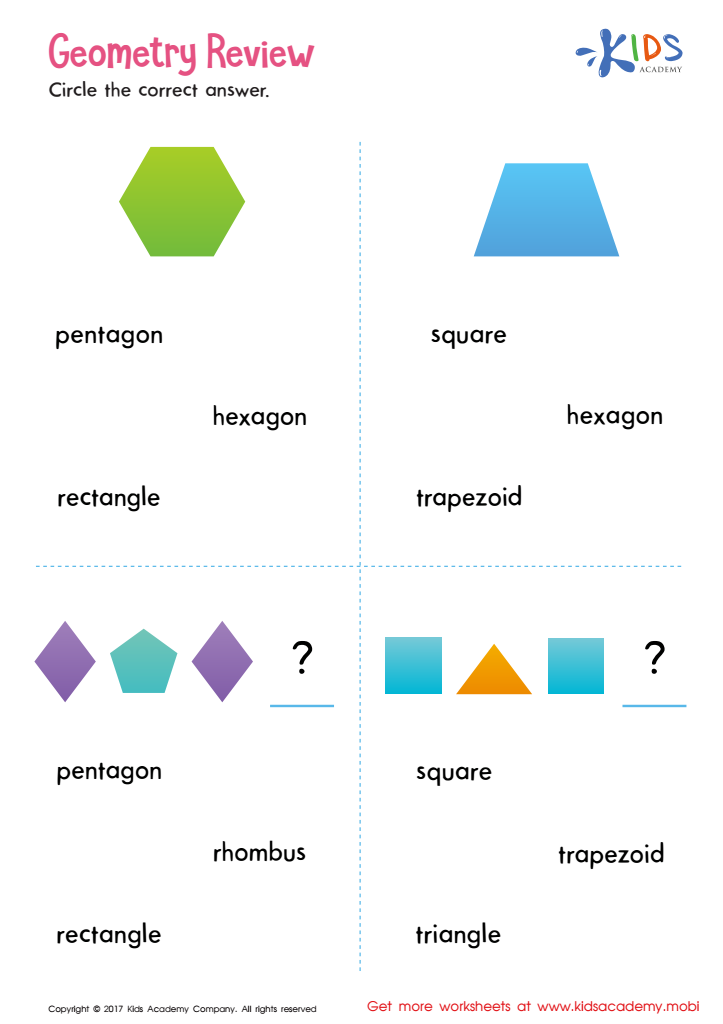
Geometry Review Printable
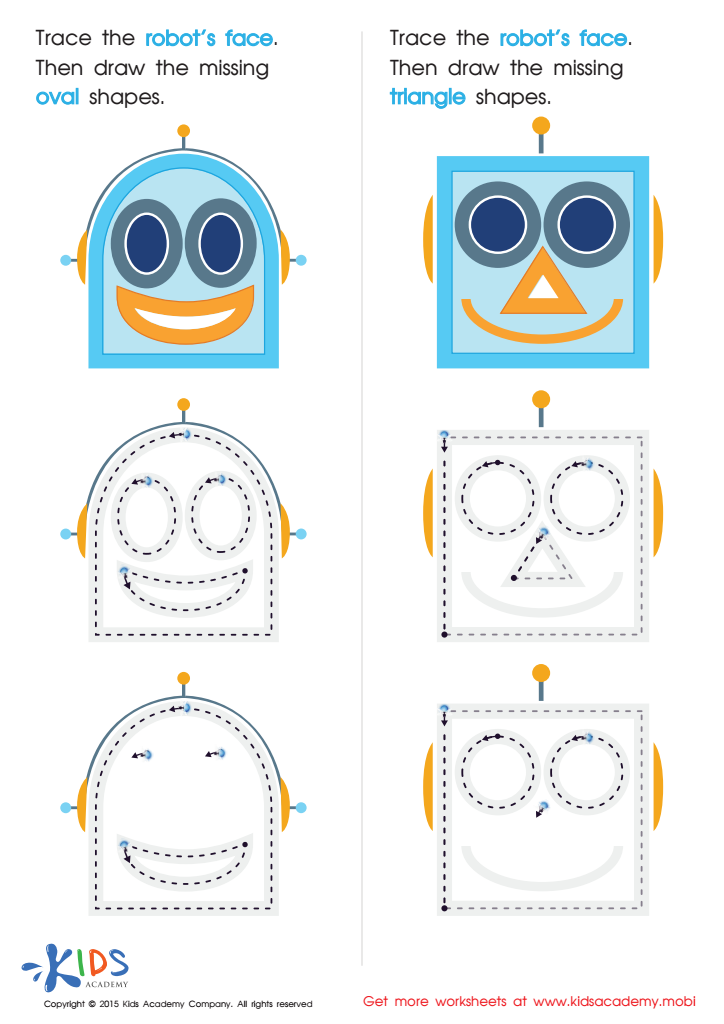
Drawing Ovals And Triangles with Fun Printable








Understanding basic geometry and 2D shapes is crucial for early learners as it lays the foundation for essential math skills and spatial awareness. Parents and teachers should care about this concept because it directly impacts cognitive development and problem-solving abilities. Recognizing shapes such as circles, squares, and triangles helps children categorize their surroundings, enhancing their ability to make connections and understand the world around them.
Moreover, a solid grasp of 2D shapes supports future learning in more complex mathematical concepts, including area, perimeter, and geometry in general. Engaging with shapes promotes critical thinking and encourages creativity, allowing students to explore patterns and relationships.
Incorporating 2D shapes into daily activities also fosters a child's communication skills, as they learn to describe, compare, and express ideas related to geometry. It enhances their observational skills, as they begin to see patterns and relationships in their environment.
Ultimately, an early grasp of geometry not only cultivates confidence in math but also stems curiosity in STEM subjects, setting the stage for lifelong learning. Therefore, it's vital for both parents and teachers to prioritize shape recognition and understanding in their educational practices.