







Understanding shapes, addition, and subtraction are fundamental building blocks in early childhood education that significantly impact a child's cognitive development. Recognizing shapes equips children with the ability to categorize and differentiate objects around them. This skill lays the foundation for geometry, aiding spatial awareness and problem-solving abilities. When kids identify circles, squares, and triangles, they enhance their visual processing and critical thinking skills, which are crucial for more complex tasks later on, such as reading and writing.
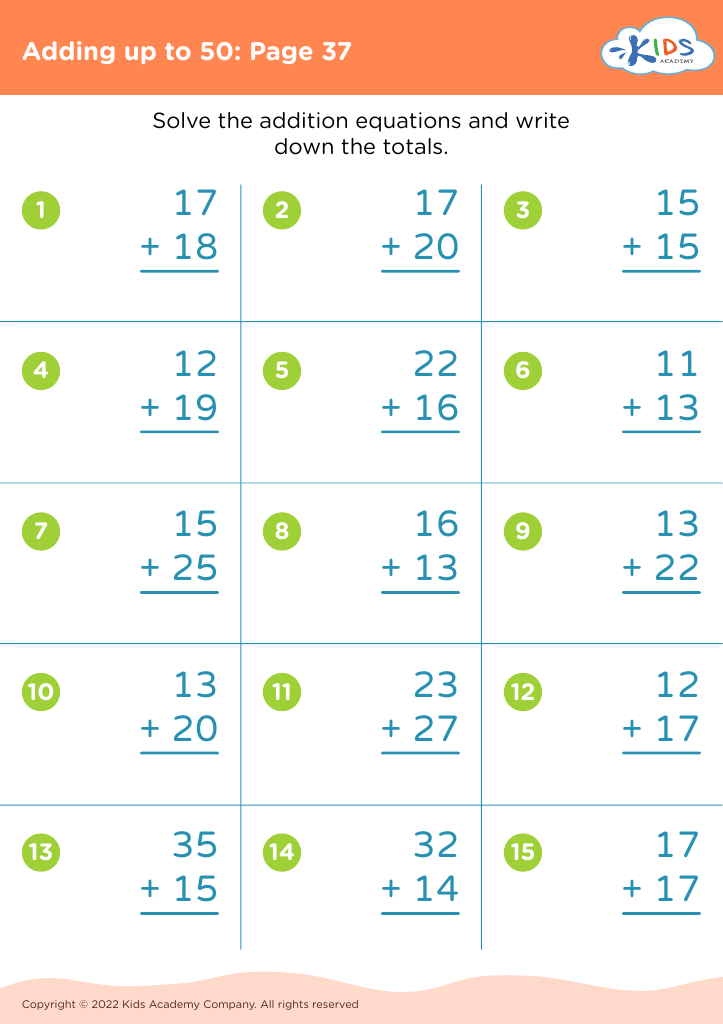
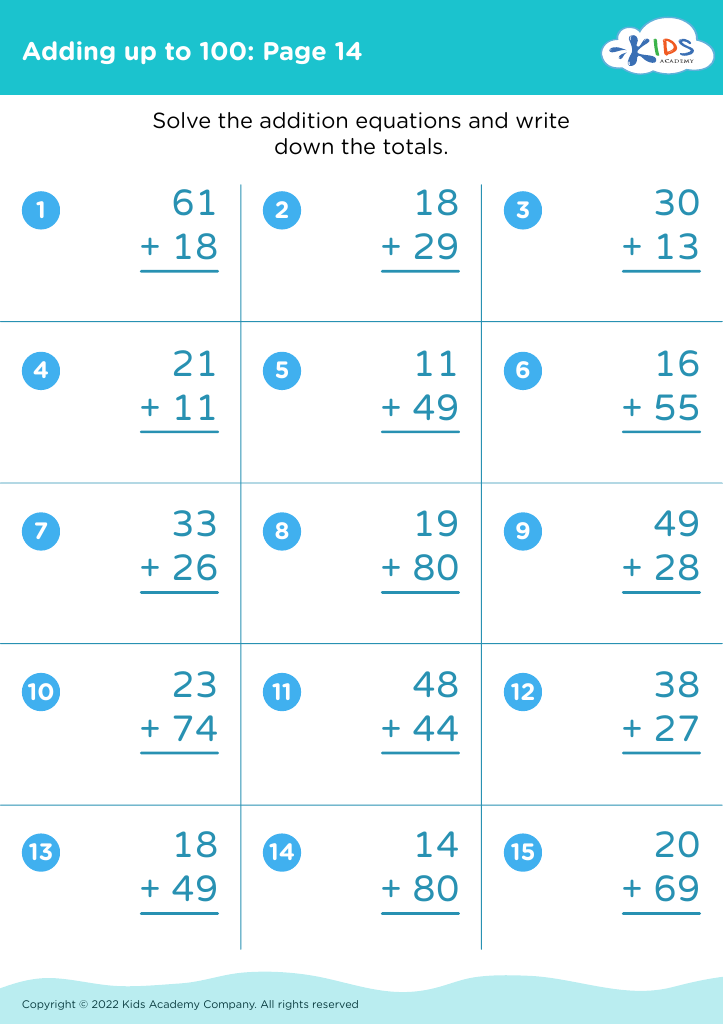
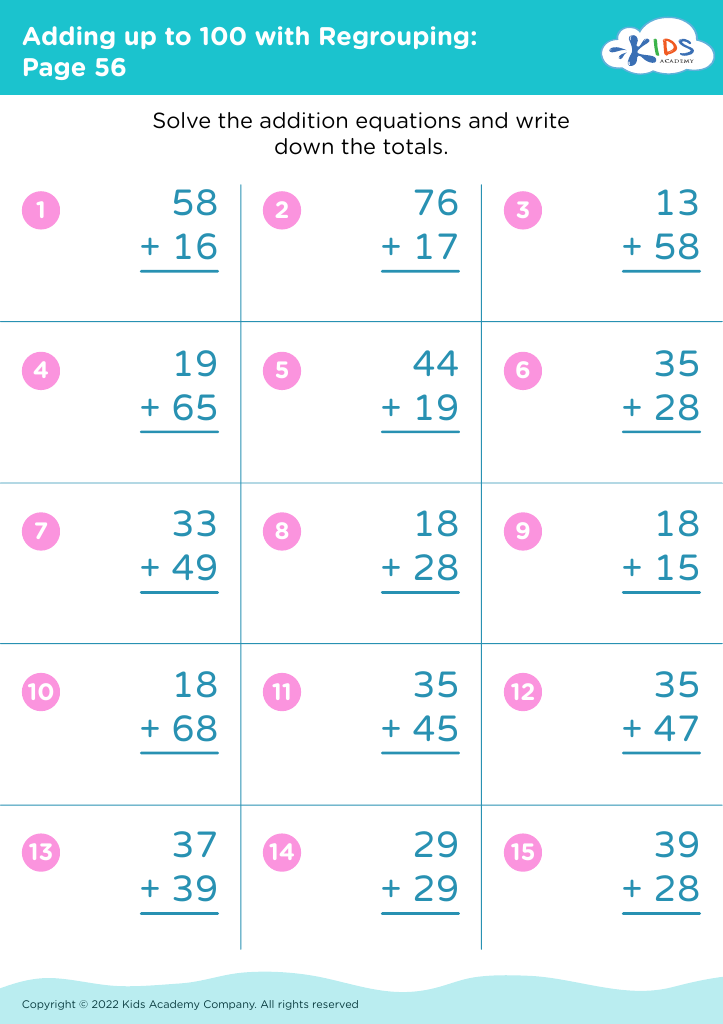
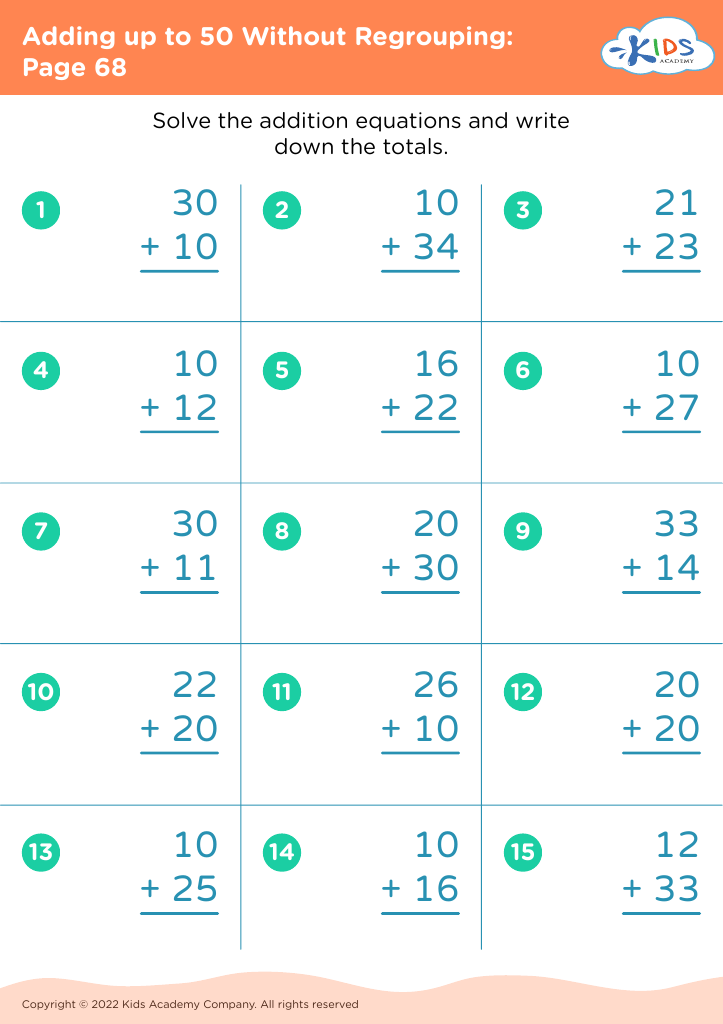
Addition and subtraction, on the other hand, introduce children to basic arithmetic essential for day-to-day activities and academic achievement. Mastering these operations allows children to develop numerical literacy, understanding how numbers relate to each other and how they can be manipulated to solve concrete problems. Moreover, these skills encourage logical thinking and boost confidence as children learn to arrive at correct answers through practice and mental strategies.
For parents and teachers, fostering these skills ensures a robust educational foundation, enabling children to progress confidently in more advanced mathematics and other subjects. Additionally, recognizing these abilities early on allows for timely interventions if a child struggles, ensuring they receive the support necessary to thrive academically and in life. Overall, focusing on shapes, addition, and subtraction sets the stage for a child's future success.








