Shape Recognition Addition & Subtraction Worksheets - Page 2
34 filtered results
-
From - To
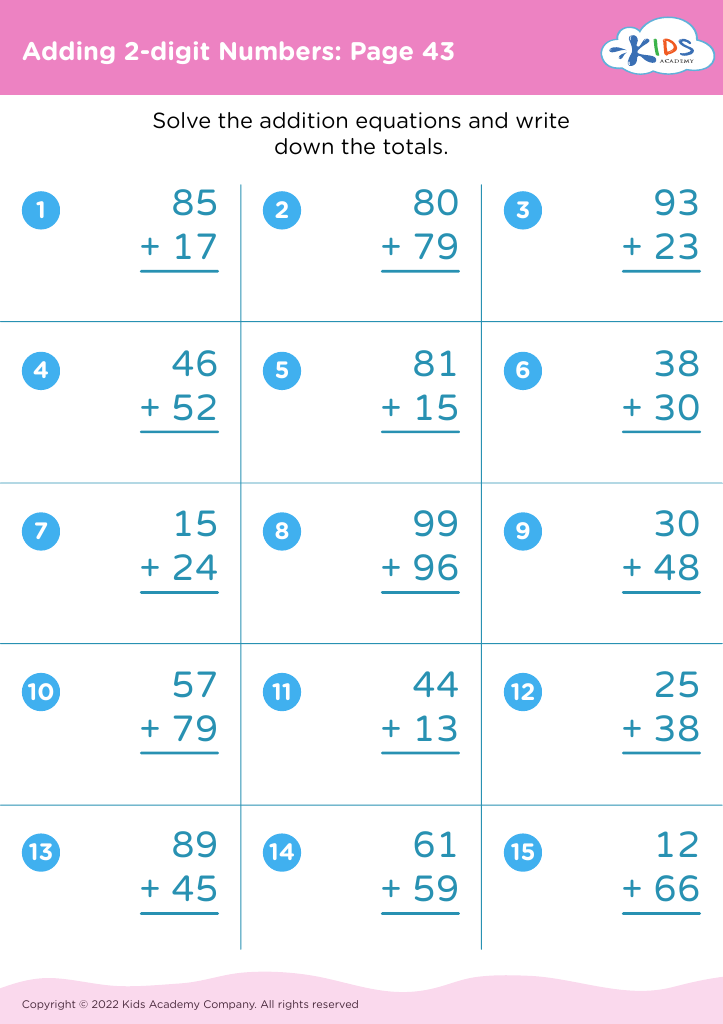
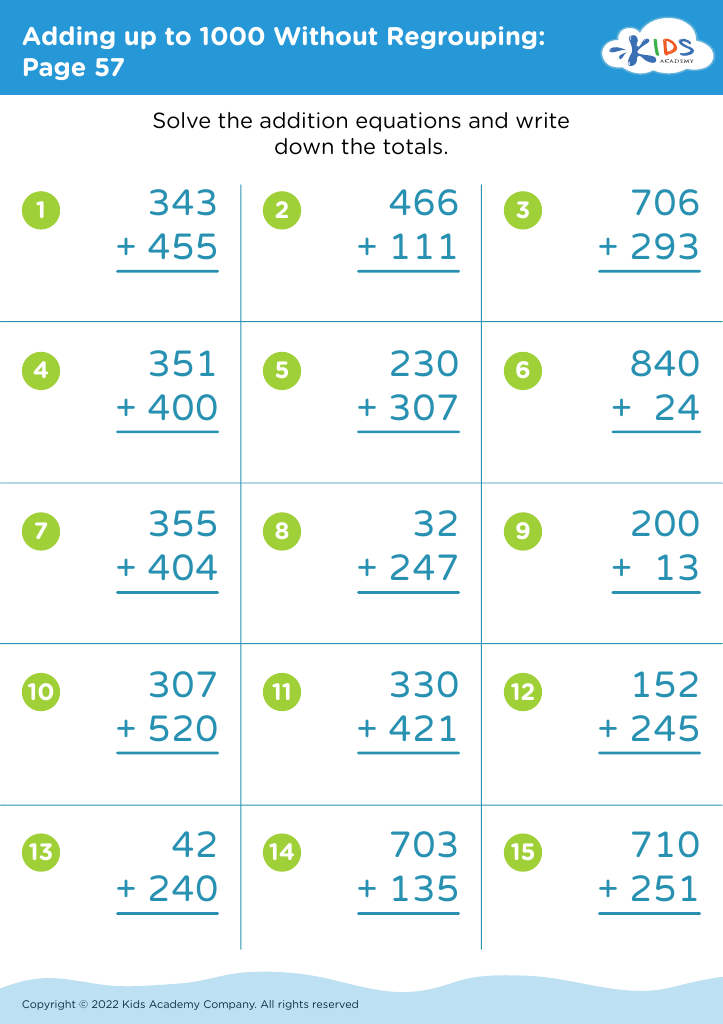
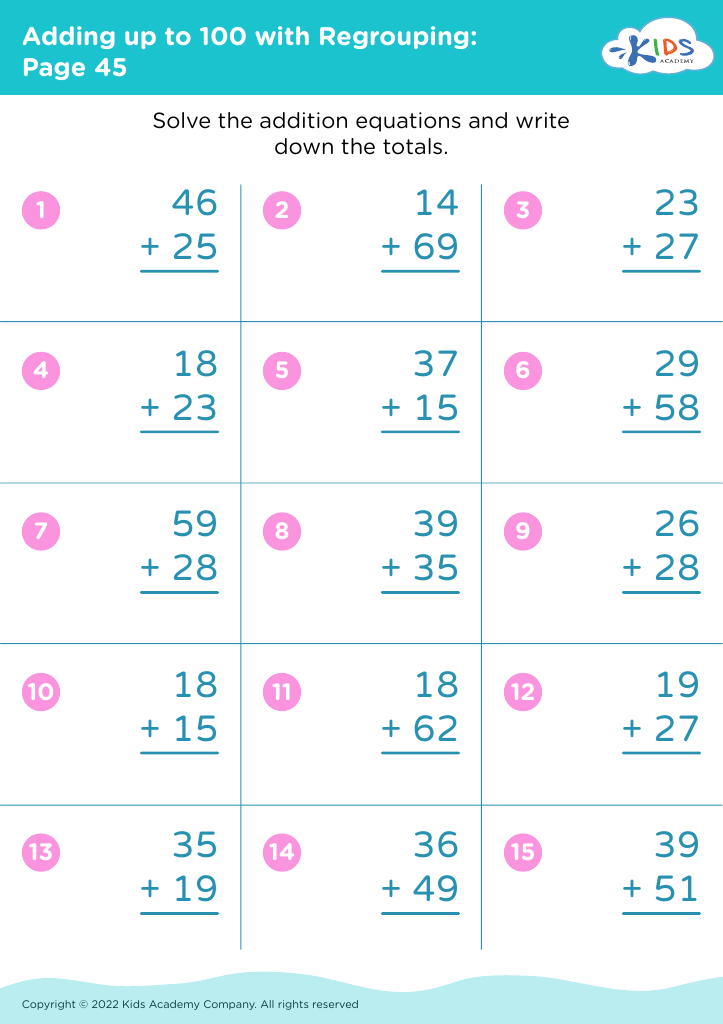
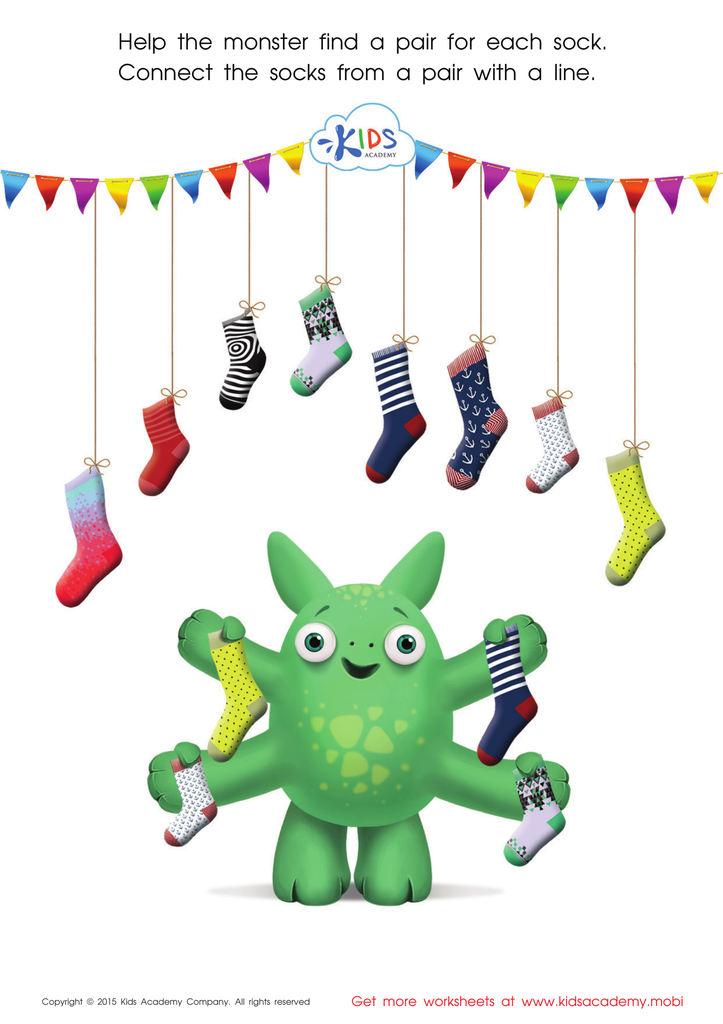
Math Matching Pairs Game: Monsterв's Socks Worksheet
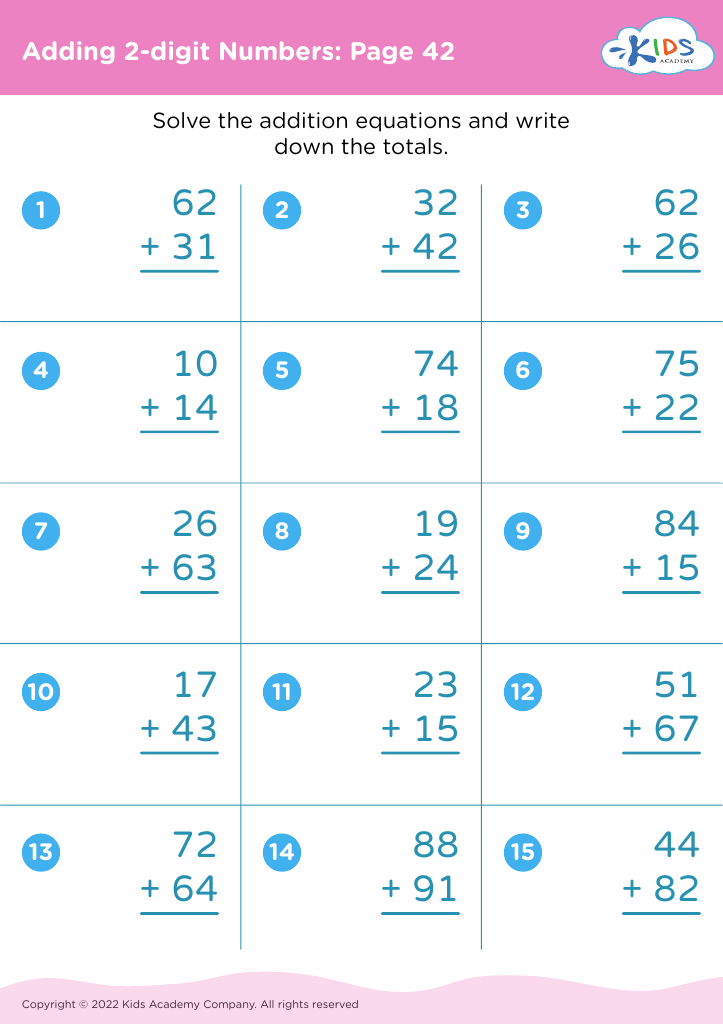
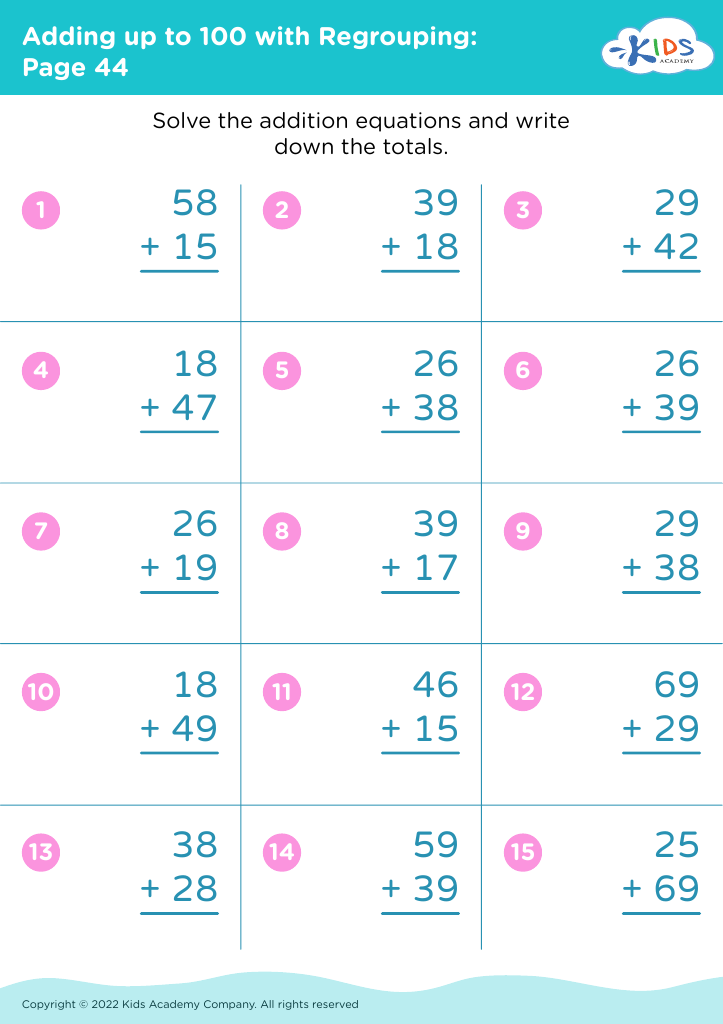








Parents and teachers should deeply care about Shape Recognition and Addition & Subtraction for early learners because these skills form foundational blocks in a child's cognitive and mathematical development. Recognizing shapes goes beyond identifying circles, squares, and triangles—it helps children understand and categorize the world around them. This ability to see patterns and organize information fundamentally aids problem-solving skills, which is crucial for mathematical concepts and beyond.
Addition and subtraction, on the other hand, introduce children to basic arithmetic, establishing a necessary groundwork for more advanced math skills. Early exposure ensures that children grasp the concepts of quantity, balance, and basic operations, which are ubiquitous in both academic contexts and daily life situations.
Integrating these skills promotes holistic learning. Shape recognition can be paired with counting exercises where children count the sides of shapes, leading seamlessly into adding and subtracting exercises involving those figures. This interdisciplinary approach helps children see the relevance and application of what they learn, making them more engaged and retaining the information longer.
Moreover, mastery in these areas boosts confidence and encourages a positive attitude towards more complex mathematical problems later in their academic journey. Therefore, reinforcing these fundamental skills helps set children up for a lifetime of learning and problem-solving success.








