Understanding patterns Addition & Subtraction Worksheets
34 filtered results
-
From - To
Unlock your child's potential with our "Understanding Patterns Addition & Subtraction Worksheets"! These engaging worksheets are designed to help young learners identify and comprehend mathematical patterns, enhancing their foundational addition and subtraction skills. By focusing on sequencing and repetitive patterns, children can discover relationships between numbers, making math more enjoyable and intuitive. Our resources cater to various learning styles, providing colorful visuals and interactive exercises to maintain interest and promote active participation. Perfect for home-schooling, classroom settings, or extra practice, these worksheets foster critical thinking and problem-solving abilities essential for future math success. Dive into learning today and empower your child's math journey!
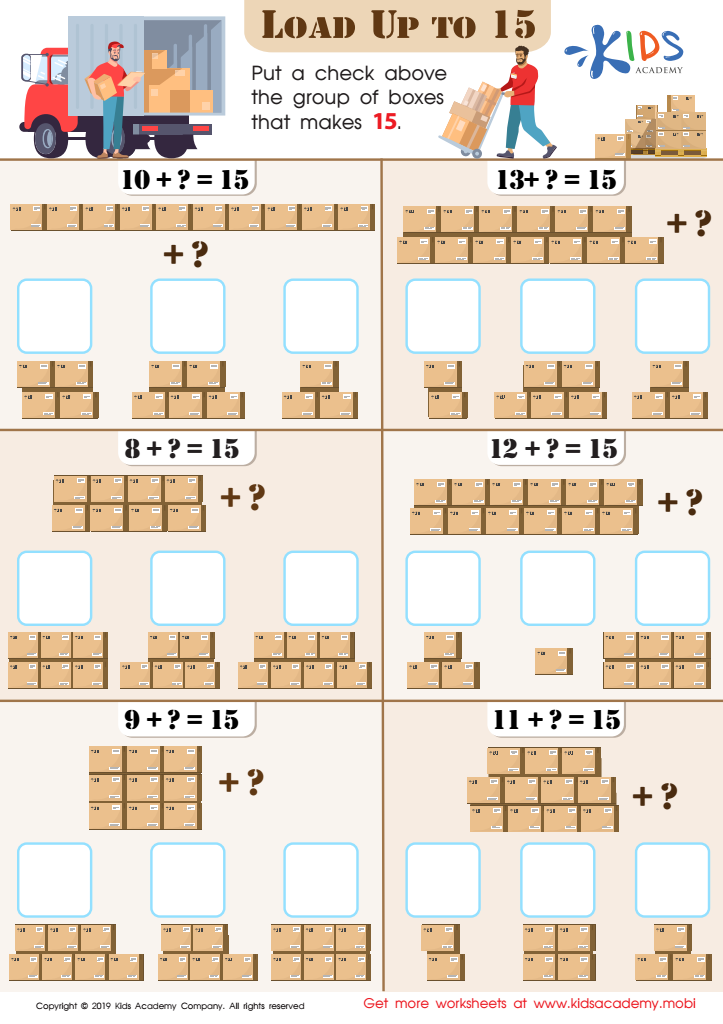
Load up to 15 Worksheet
 Assign to My Students
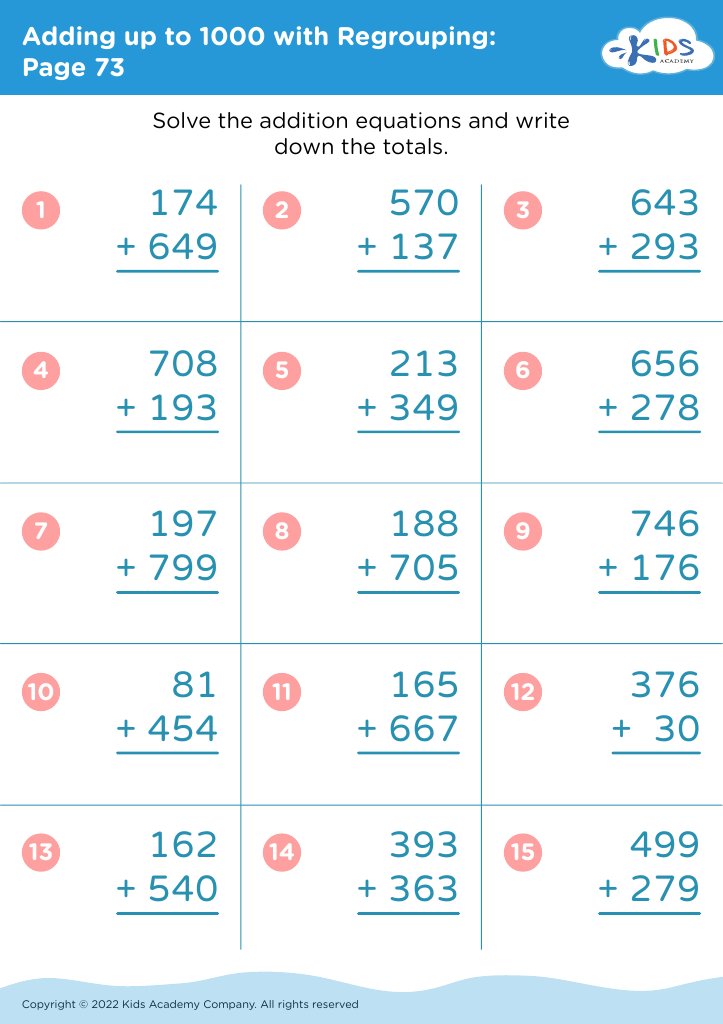
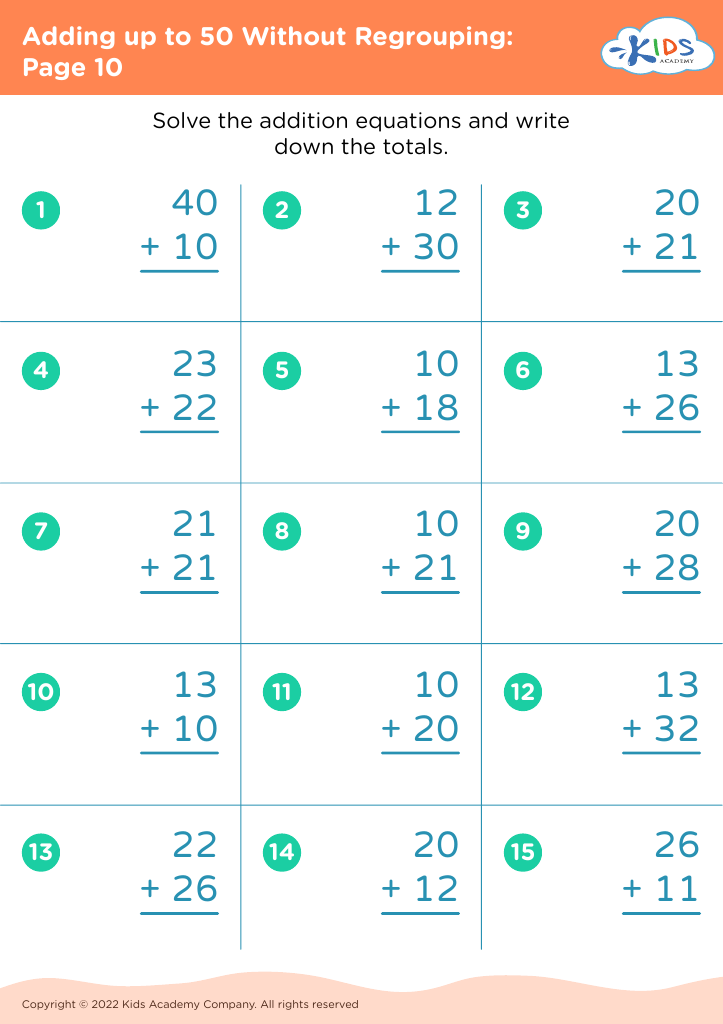
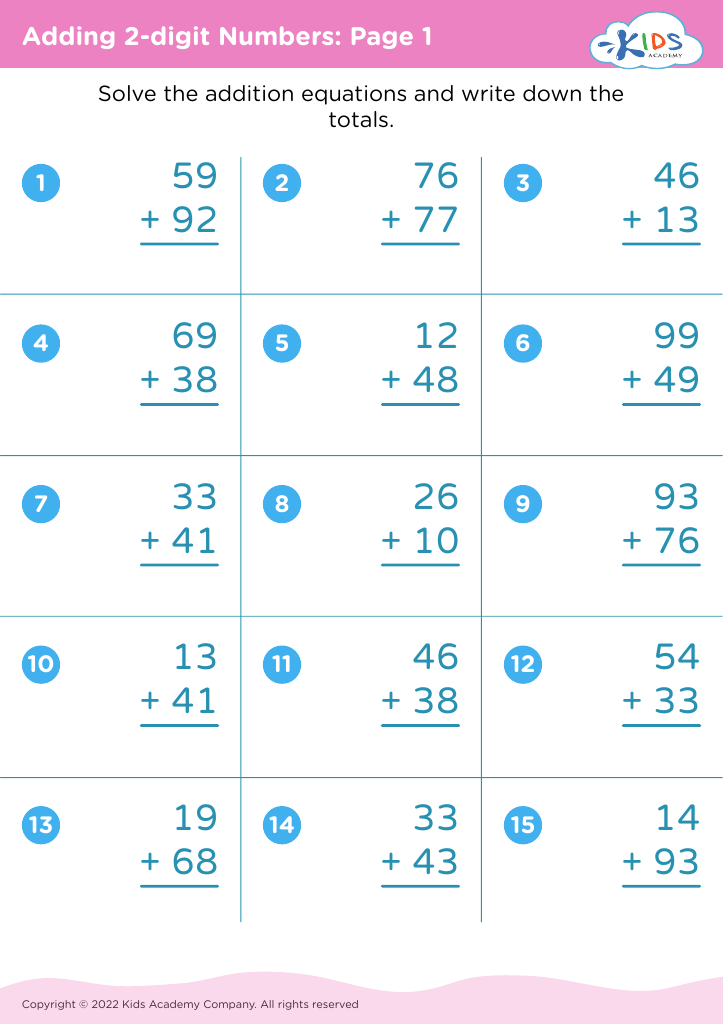
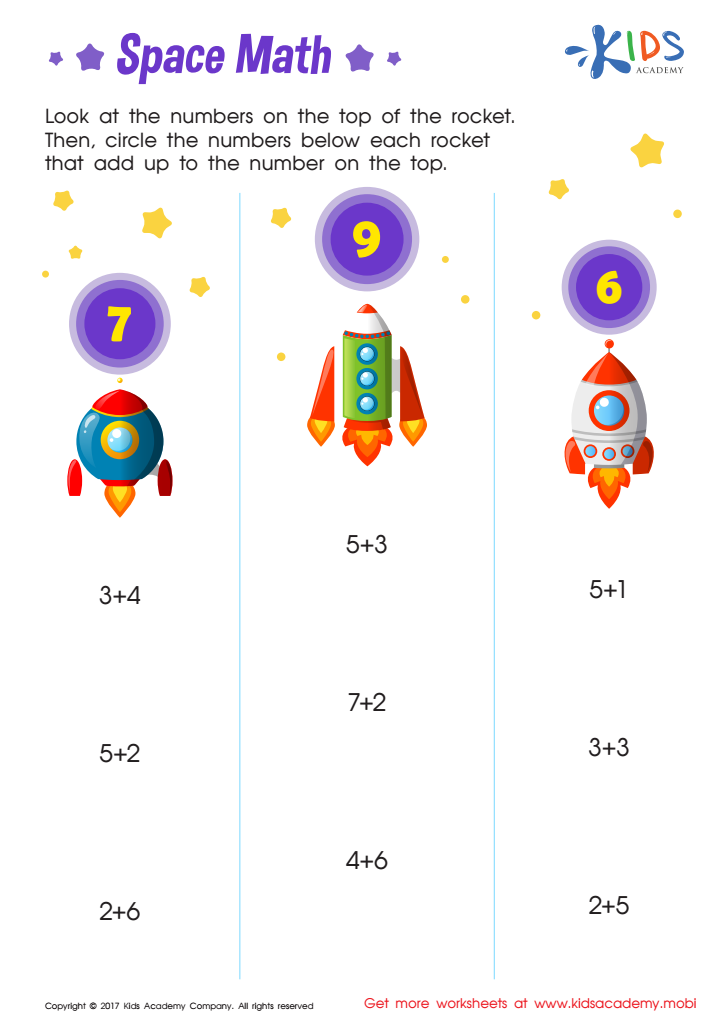
Addition: Space Math Worksheet
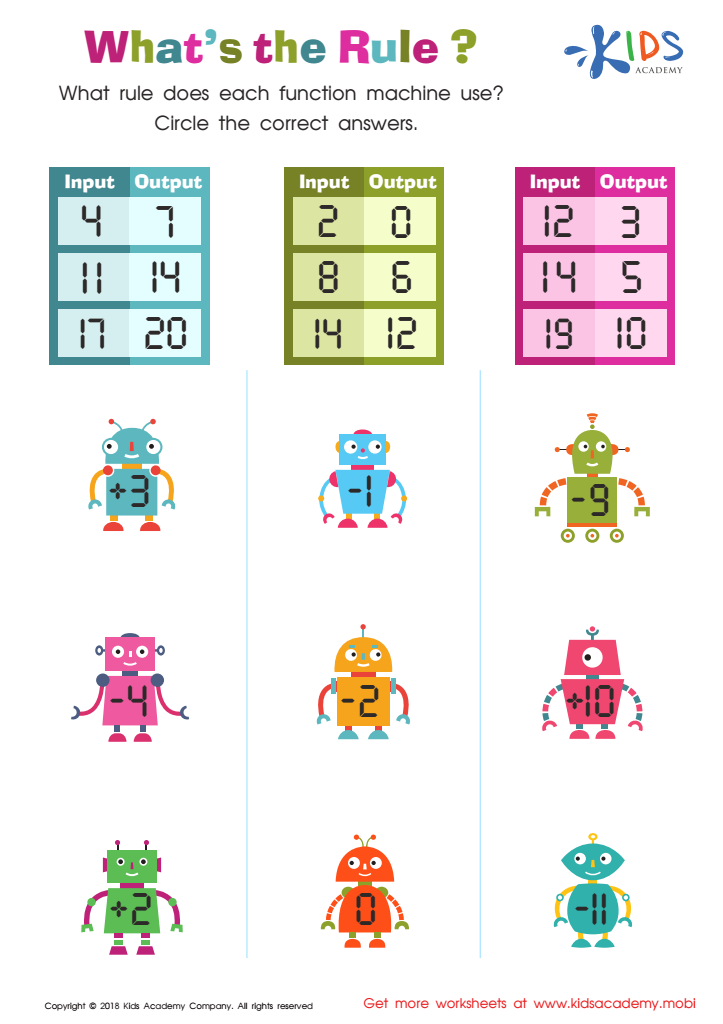
What's the Rule Worksheet
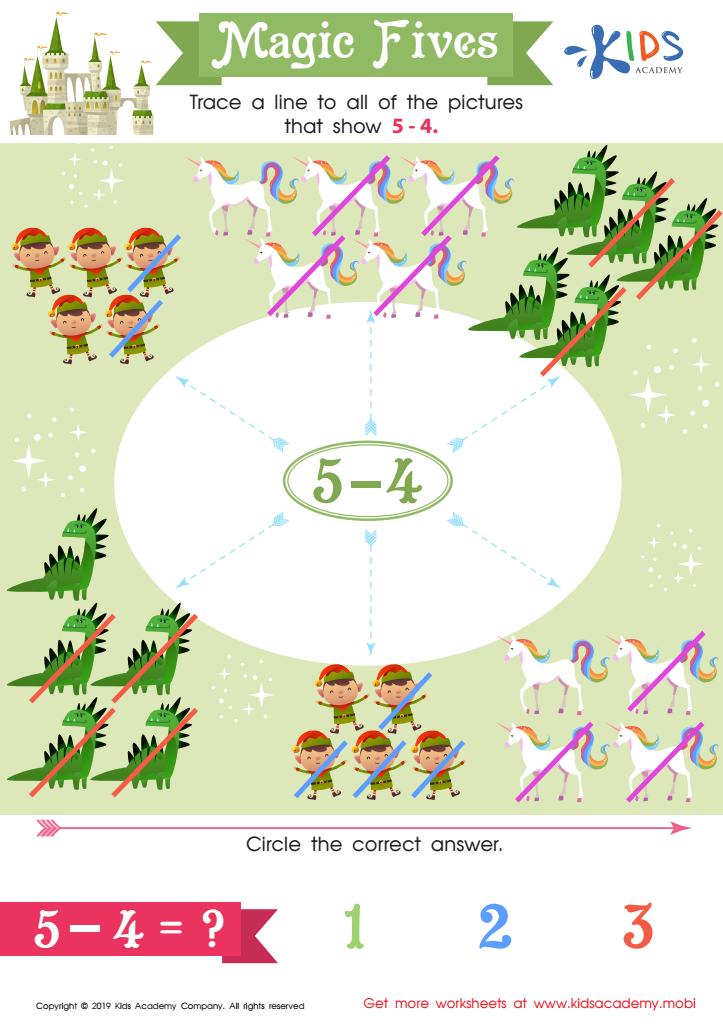
Magic Fives Worksheet
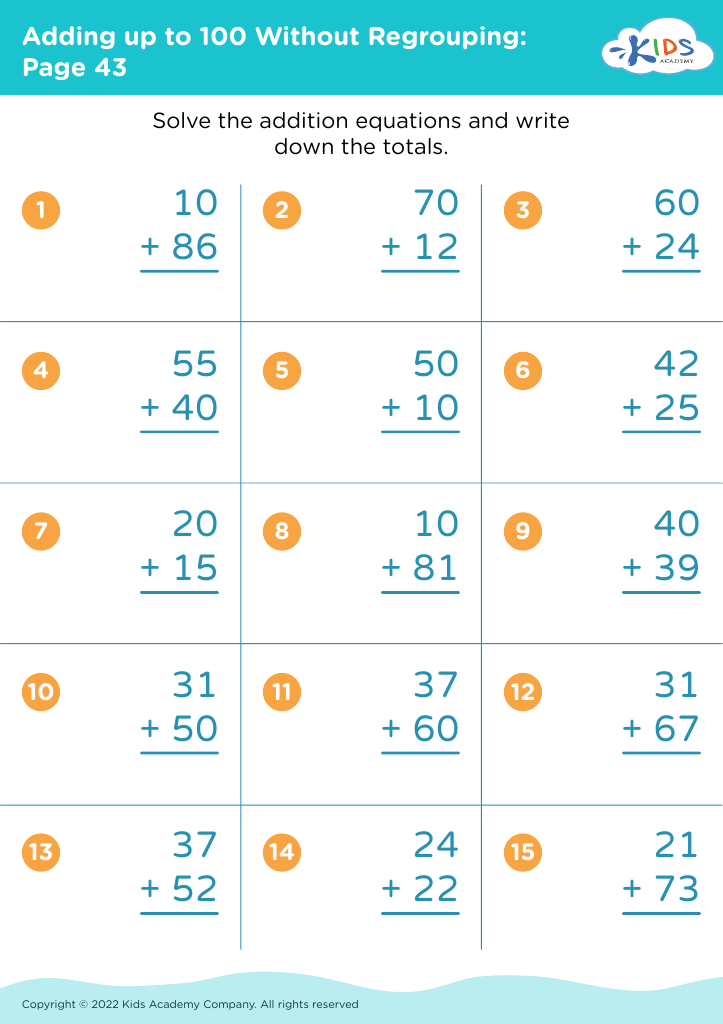
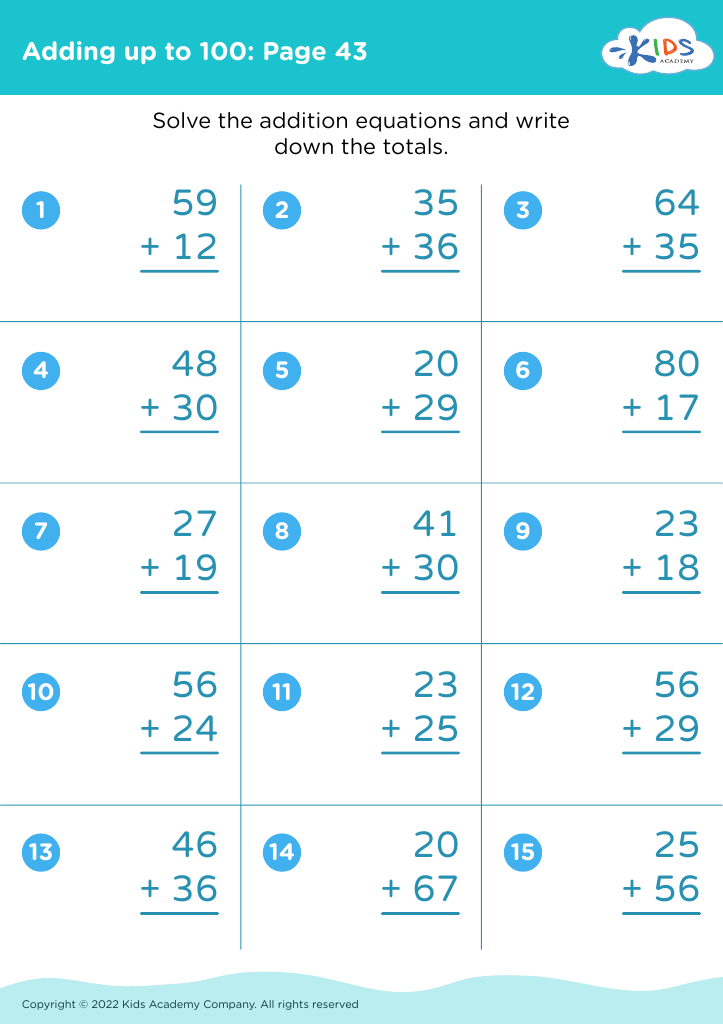
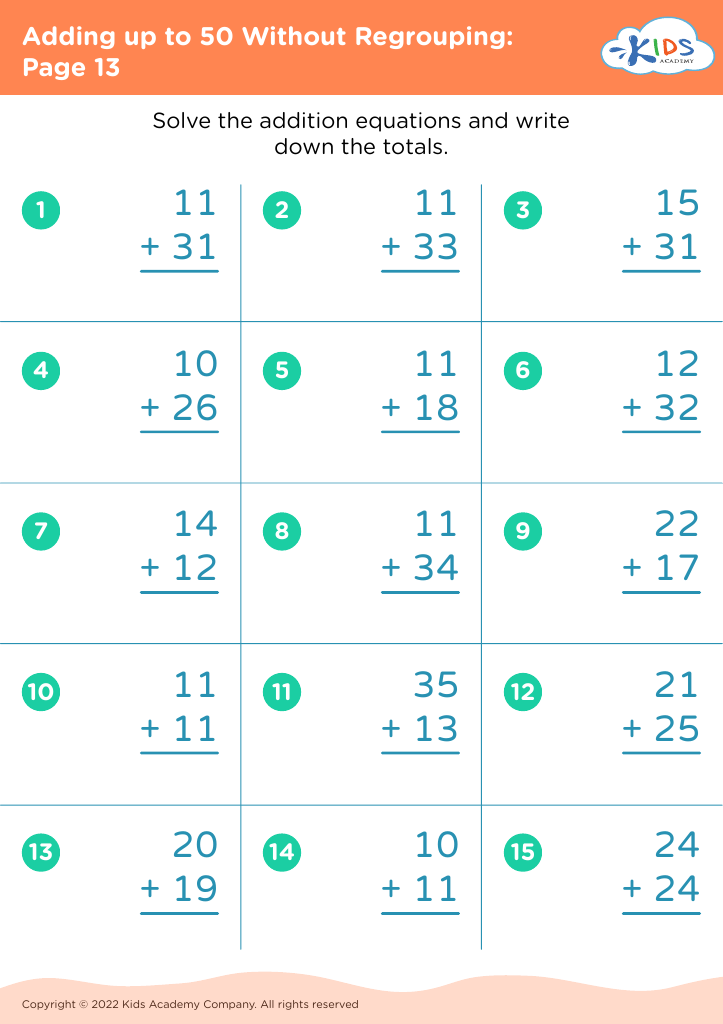
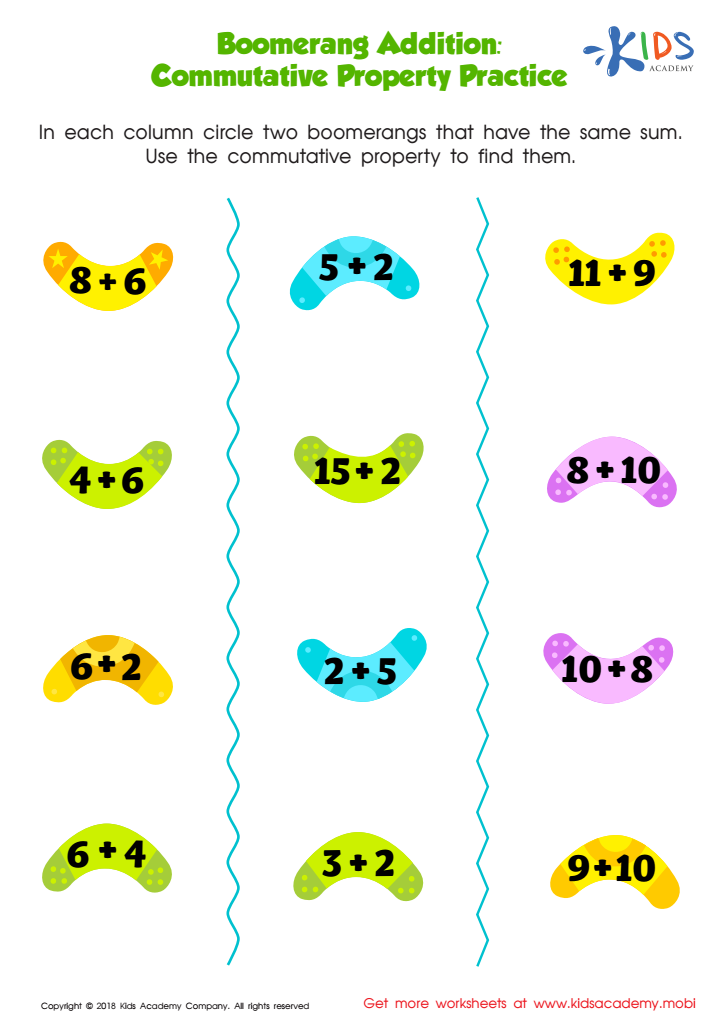
Boomerang Addition Worksheet








Understanding patterns in addition and subtraction is crucial for young learners, as it lays the foundation for later mathematical concepts. When parents and teachers focus on helping children recognize patterns, they encourage logical thinking and problem-solving skills, which are vital for academic success.
Patterns enable students to make connections between different numbers and operations, simplifying complex tasks. For instance, recognizing that adding 10 to 10 gives 20 helps students quickly solve similar problems, aiding their fluency in math. This understanding also promotes confidence, as learners feel more capable tackling challenges when they're aware of relationships among numbers.
Moreover, comprehending addition and subtraction patterns is linked to broader areas of math, like multiplication and division. For example, knowing that addition is fundamentally connected to subtraction assists children in grasping the concepts of inverse operations, enhancing their overall numerical sense.
Teaching pattern recognition engages children actively in learning, fostering a classroom and home environment where questioning and exploration are encouraged. Ultimately, when parents and teachers emphasize understanding patterns in basic operations, they equip children with essential skills that form the backbone of their mathematical journey, cultivating lifelong learners who approach mathematics with curiosity and resilience.








