Identifying shapes Addition Worksheets
24 filtered results
-
From - To
Welcome to our Identifying Shapes Addition Worksheets page! These engaging and educational resources are designed to help young learners develop their math skills while exploring geometric shapes. Our worksheets combine the identification of shapes with fun addition problems, making math enjoyable and interactive. Ideal for preschool and early grade students, these activities encourage children to recognize shapes and enhance their arithmetic abilities simultaneously. With colorful visuals and age-appropriate tasks, learners will build a strong foundation in both shape recognition and basic addition, setting them up for future academic success. Download your worksheets today and watch your child's confidence soar!
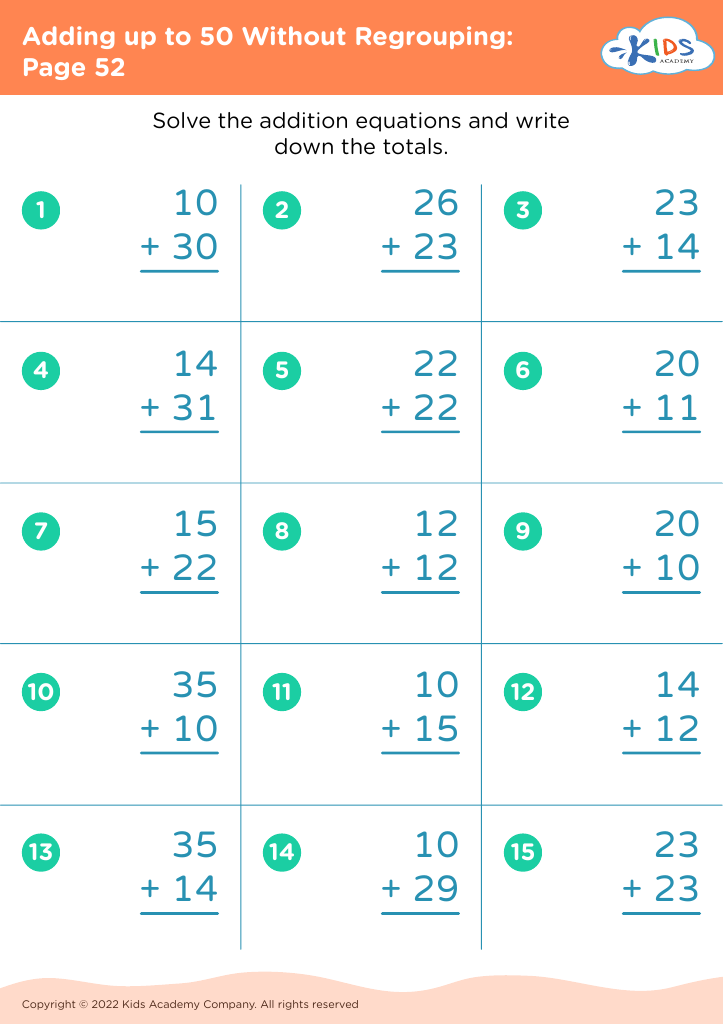
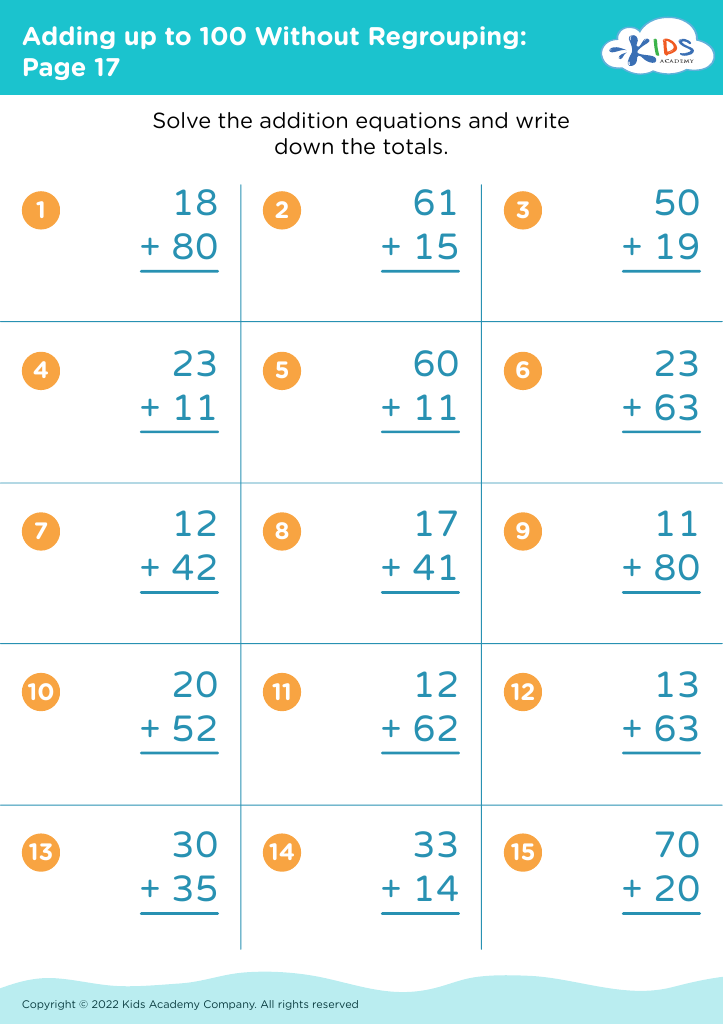
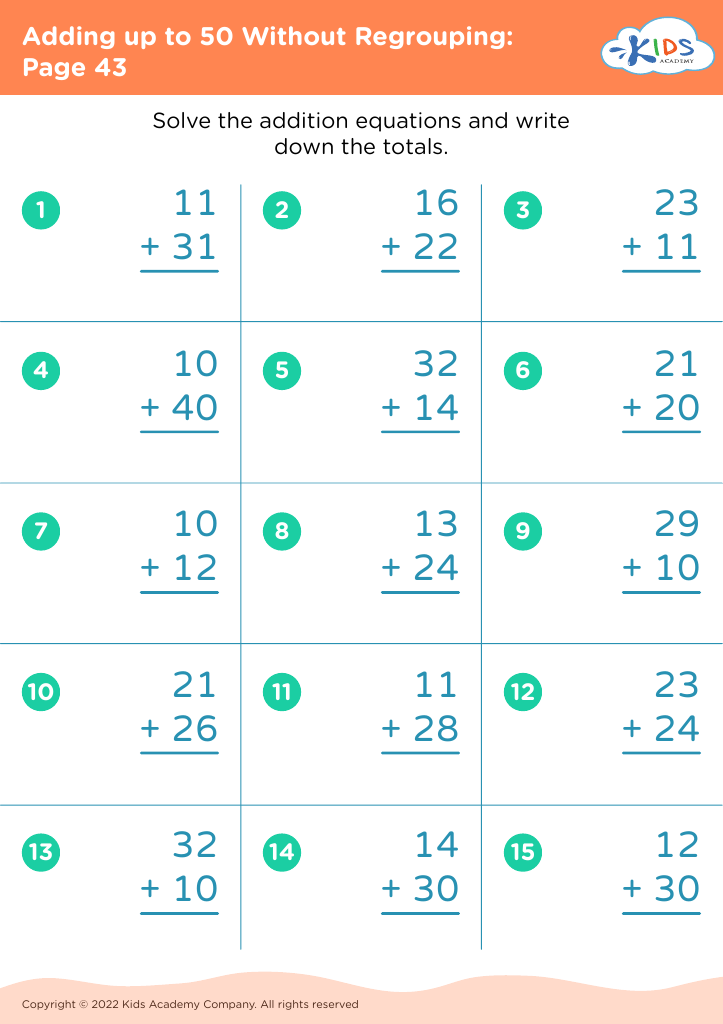
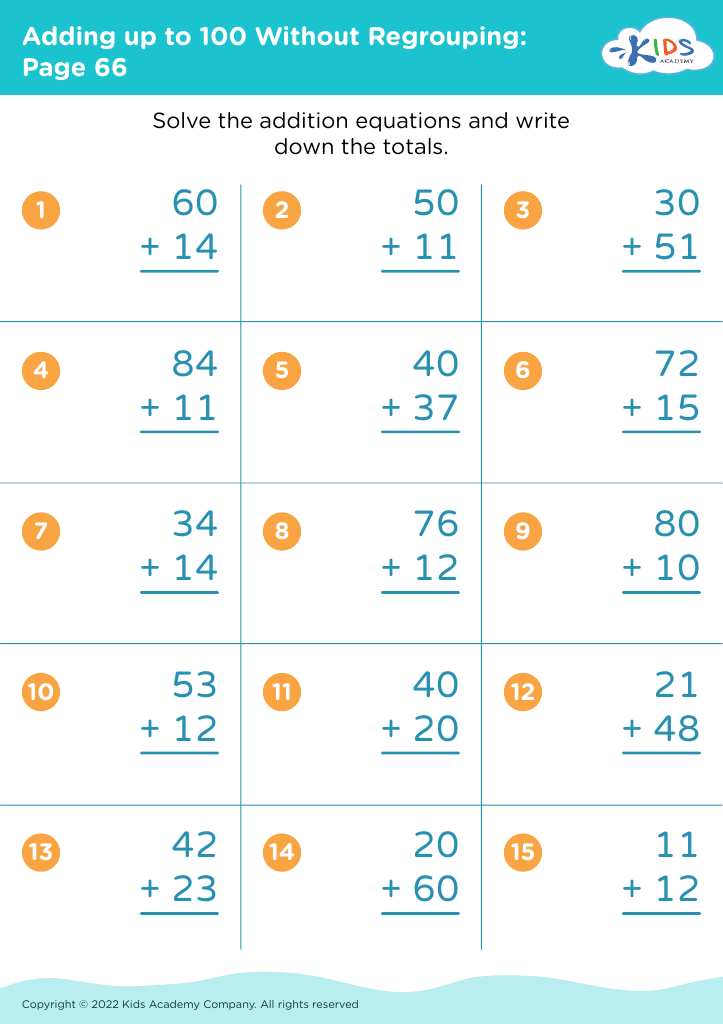
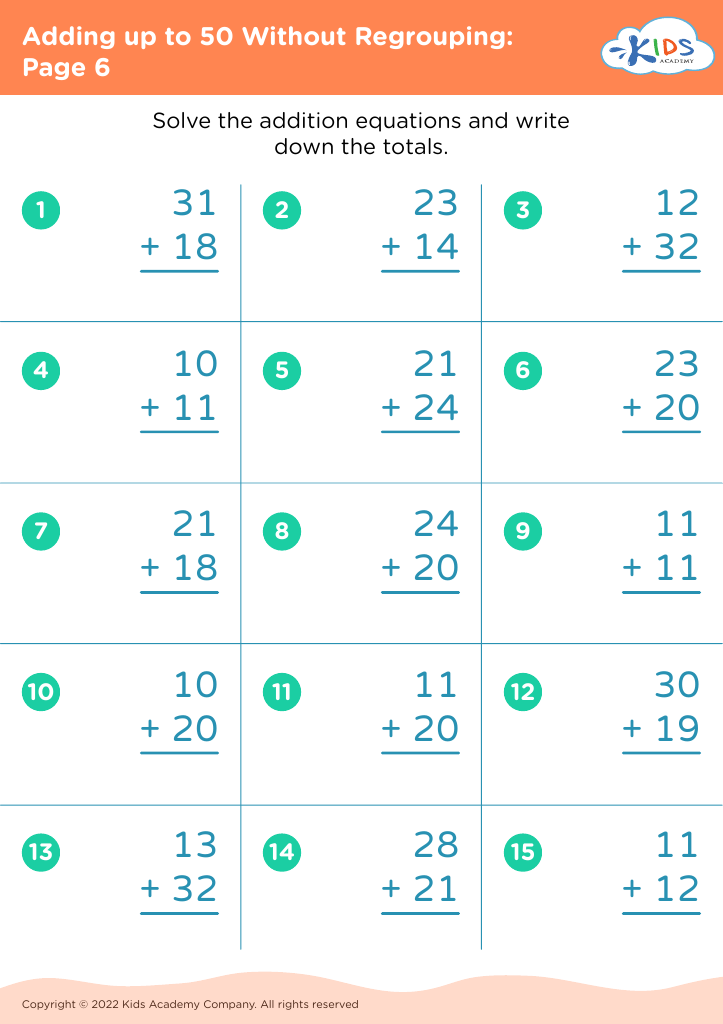
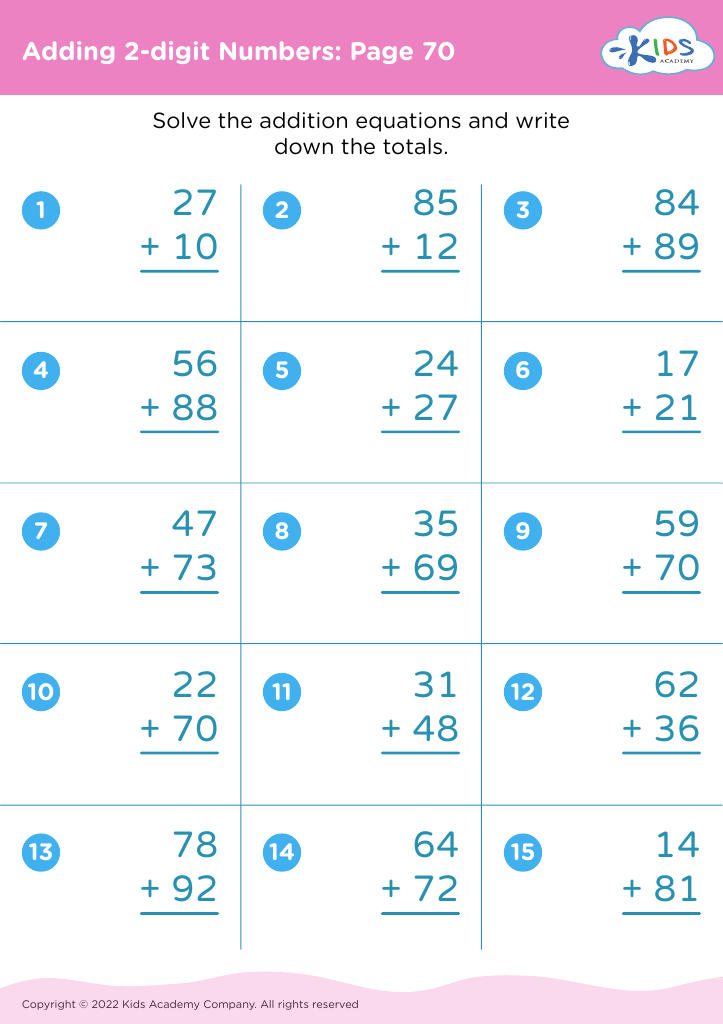
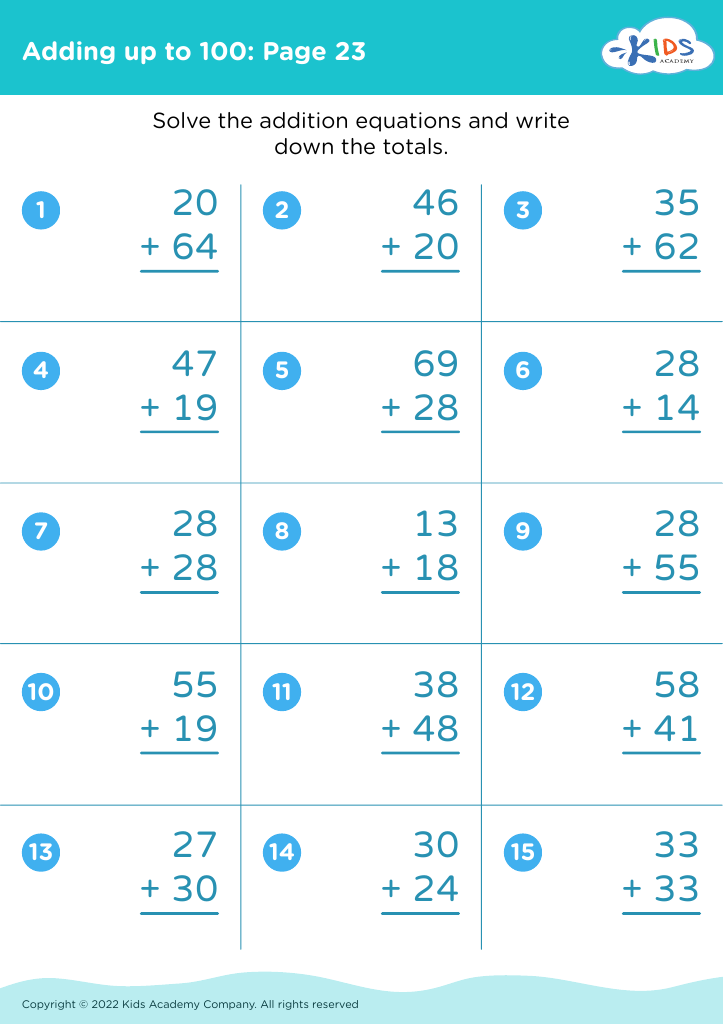
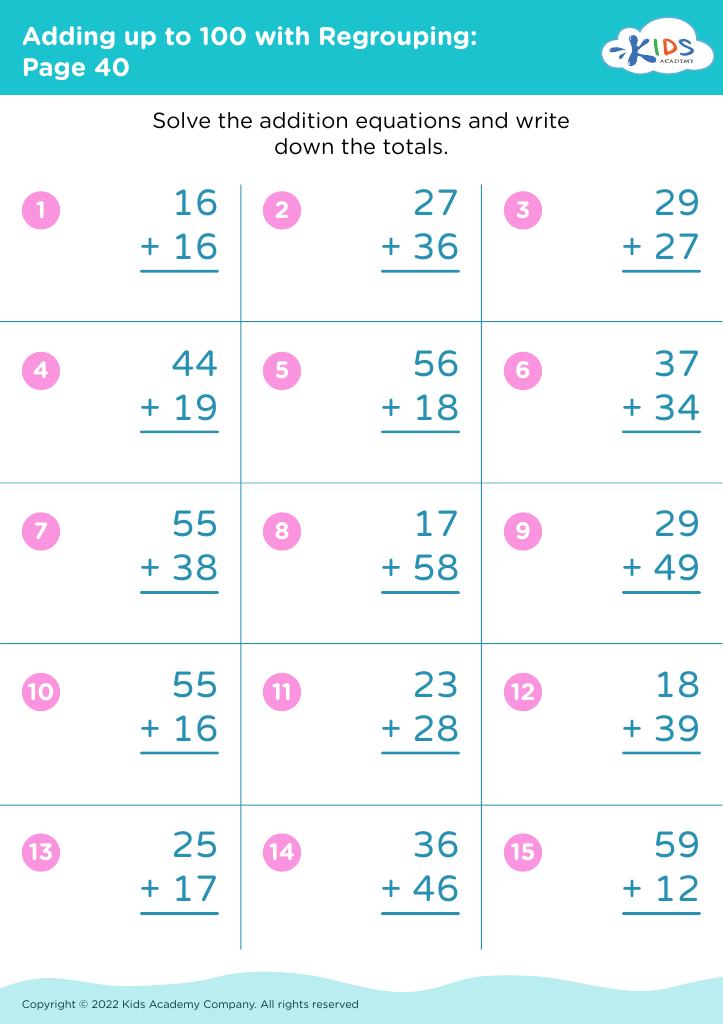
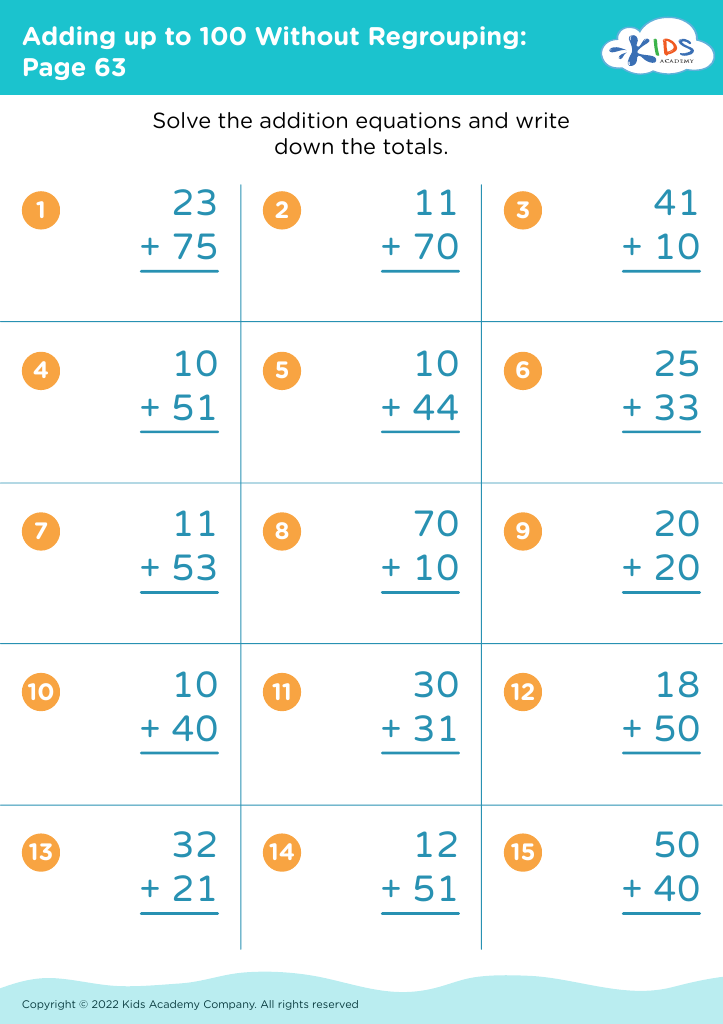
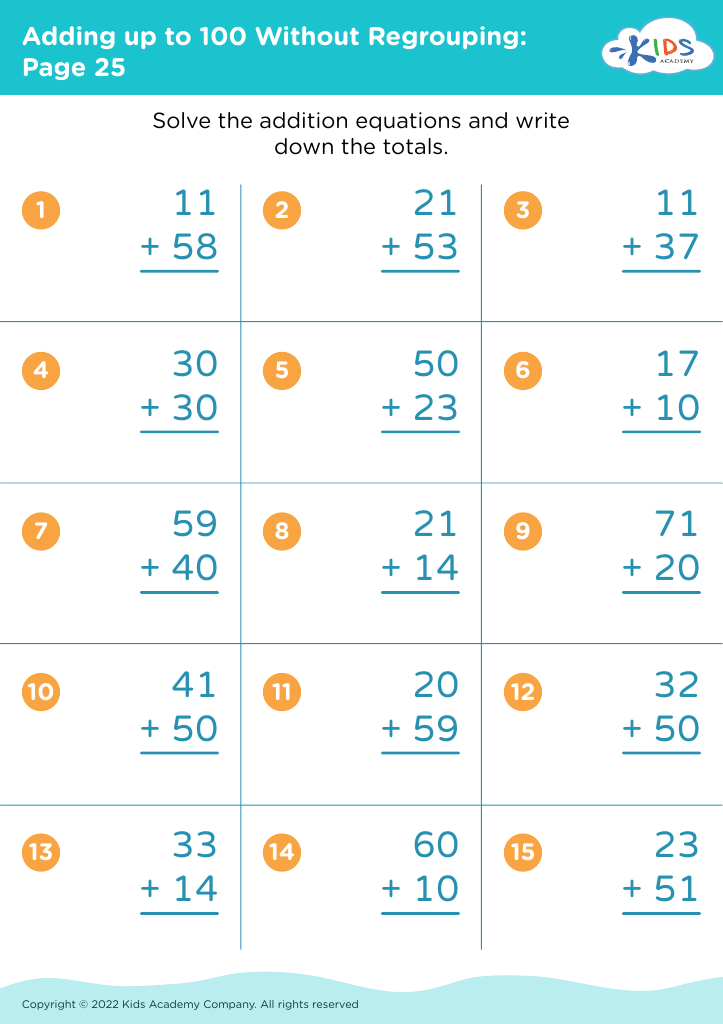
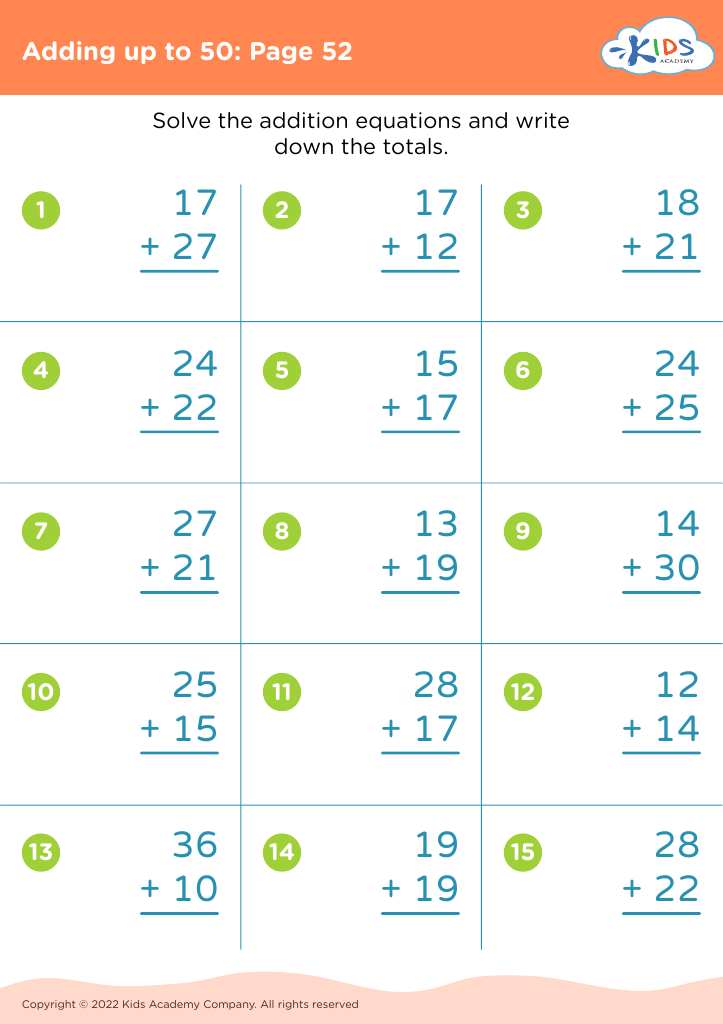
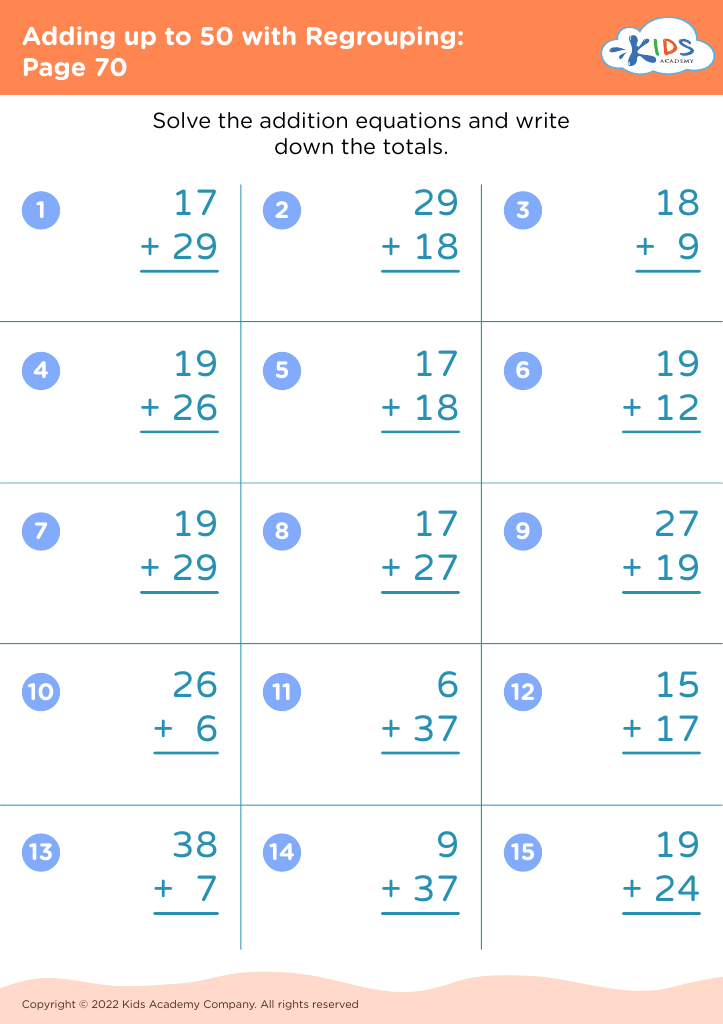
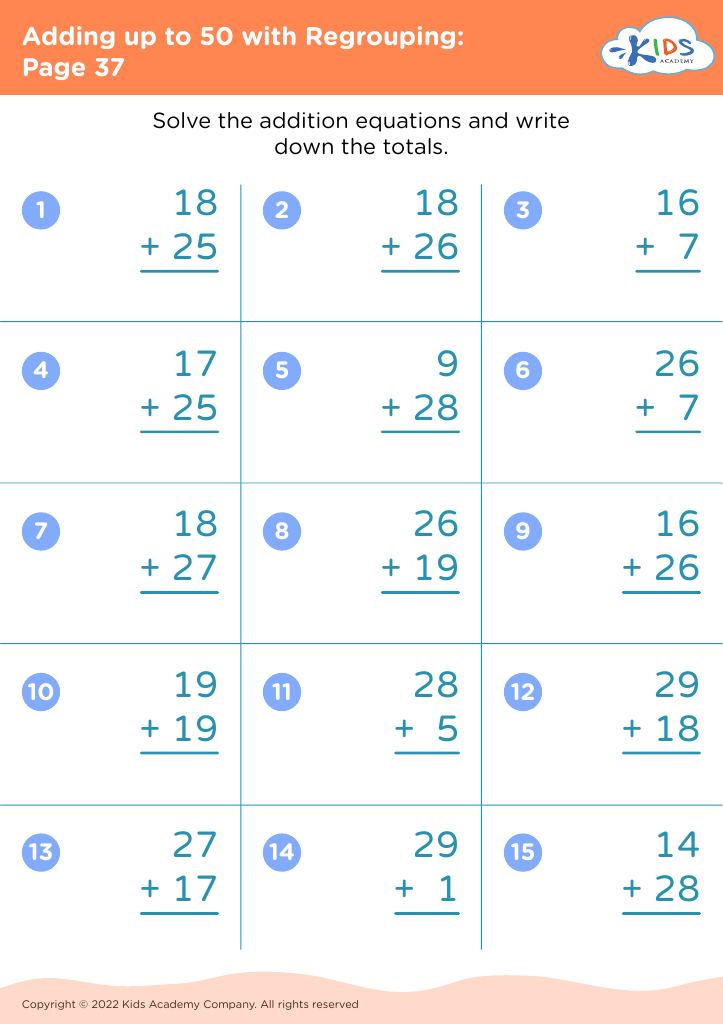
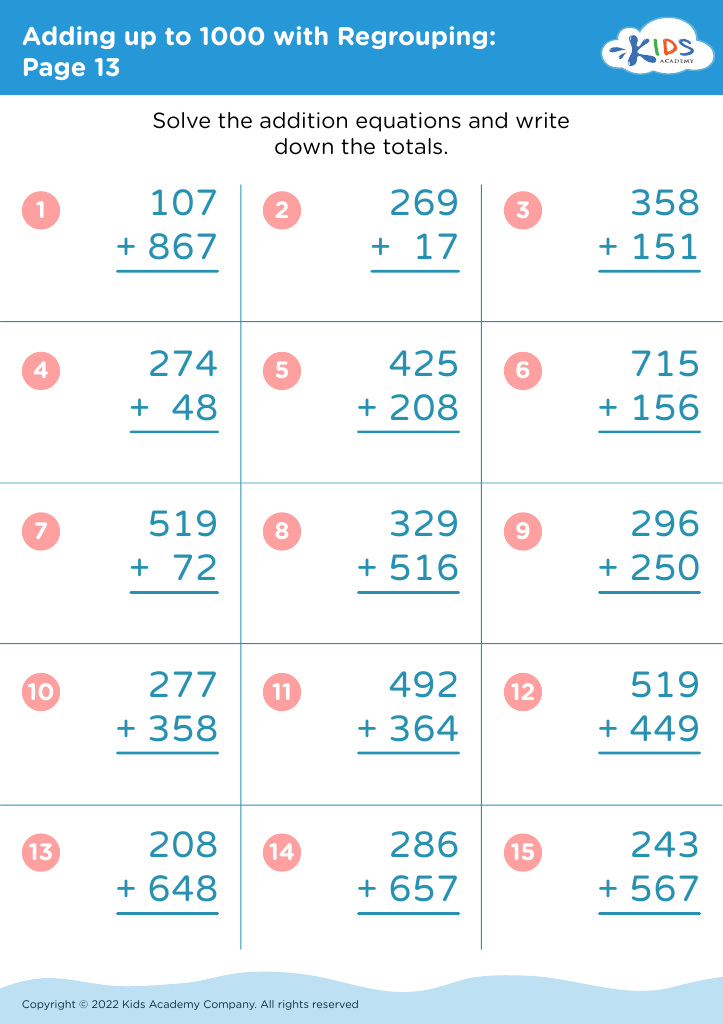
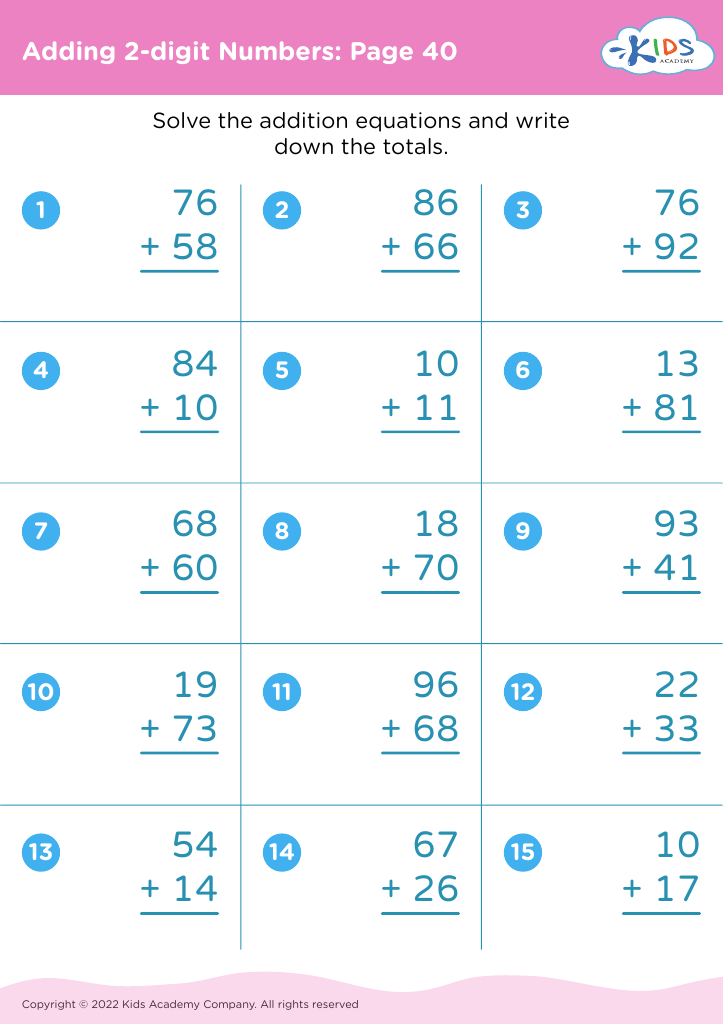
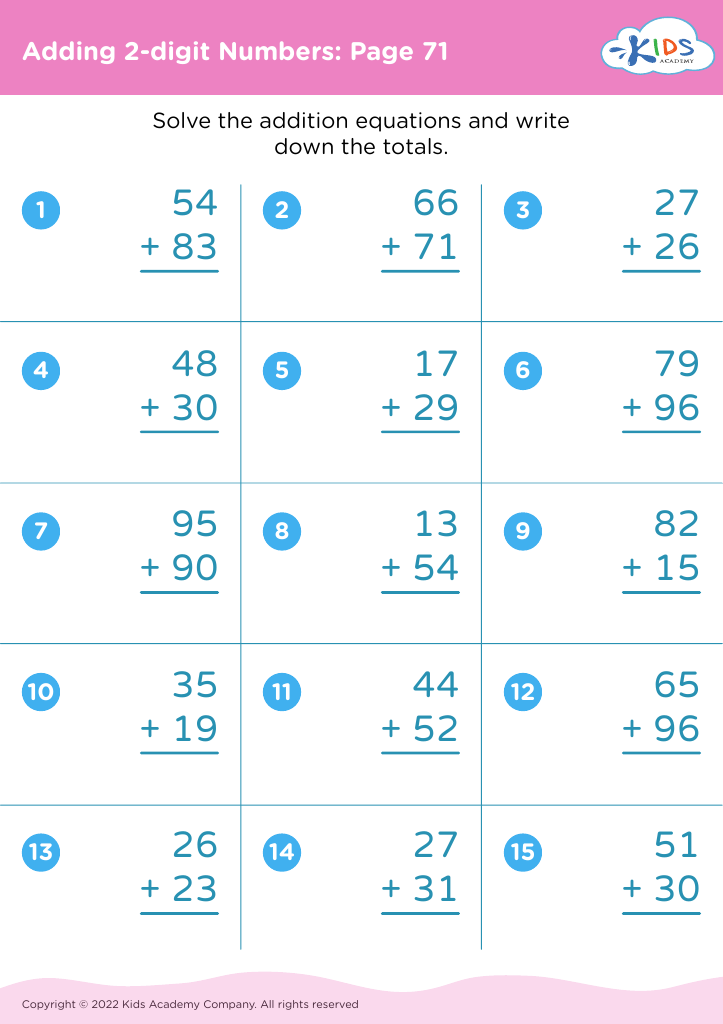
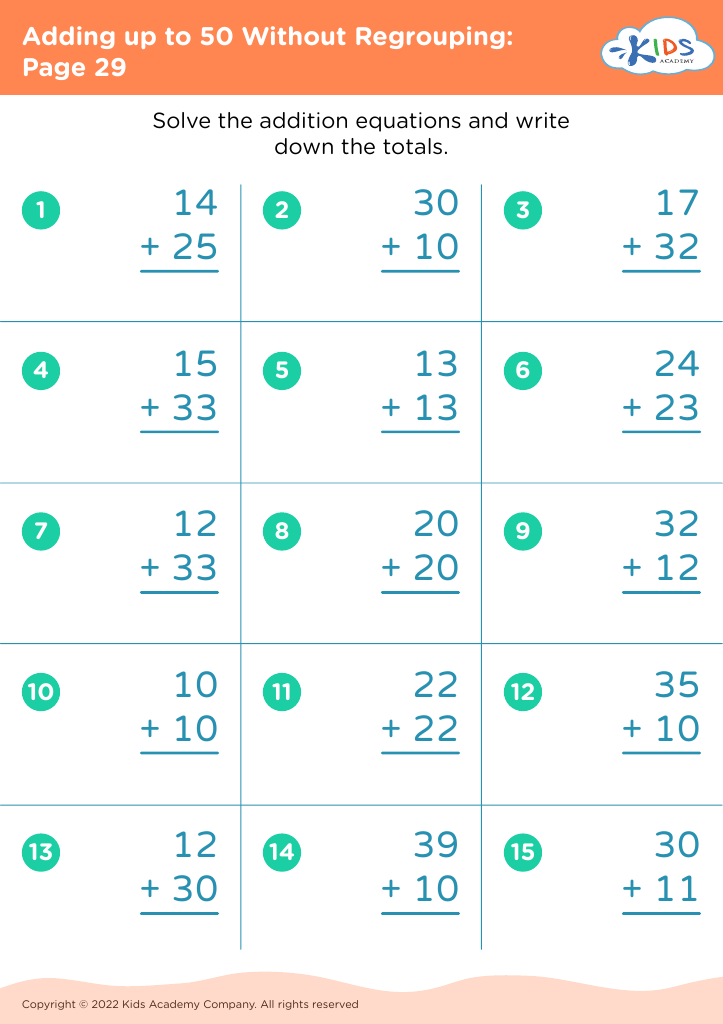
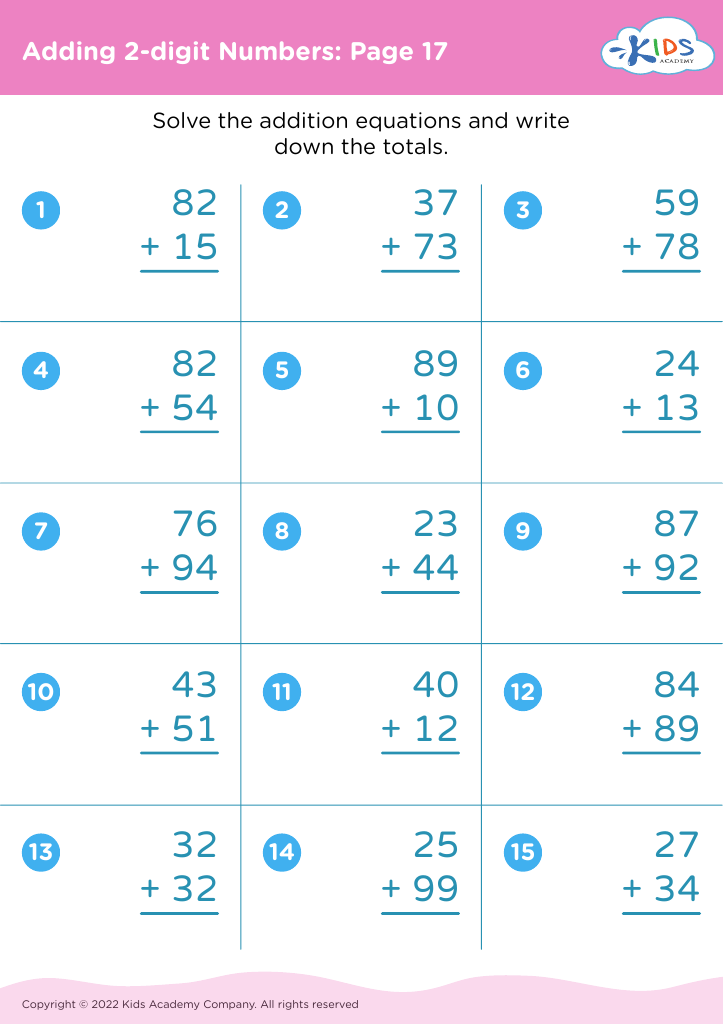
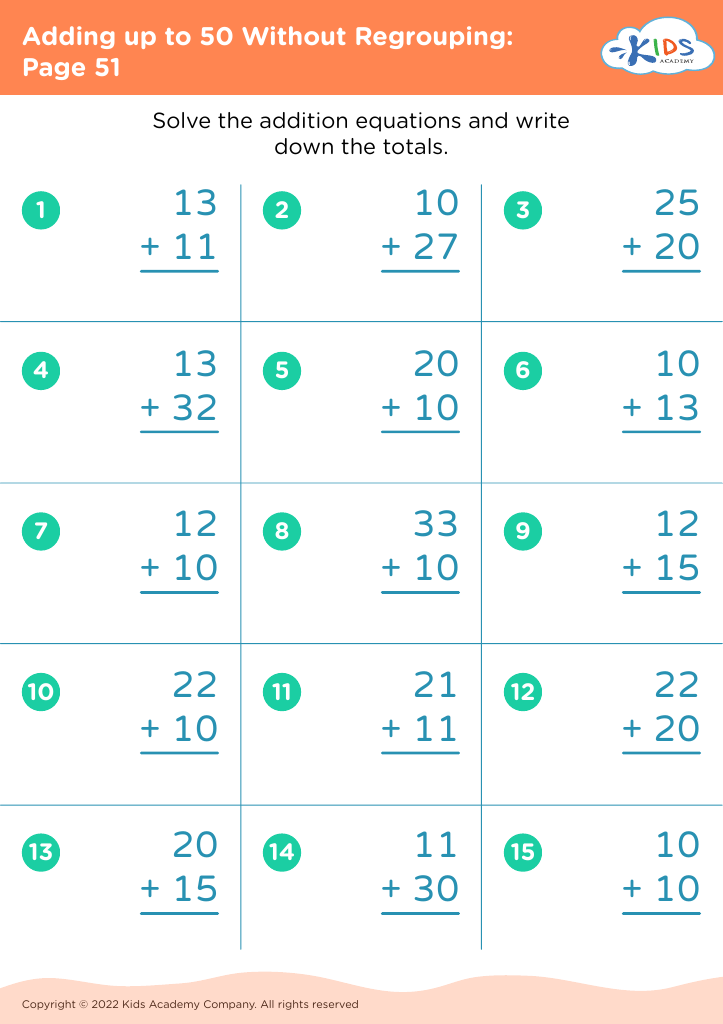
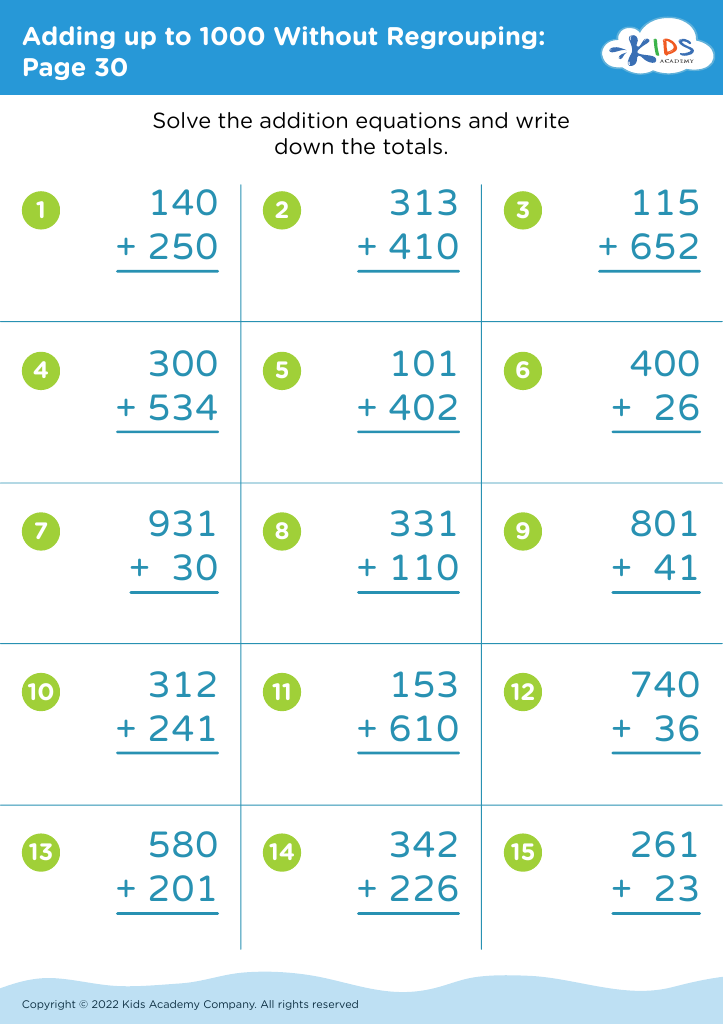








Identifying shapes and understanding the concept of addition are fundamental skills in early childhood education that provide a solid foundation for future learning. Parents and teachers should care about these concepts because they play a crucial role in children's cognitive development and problem-solving abilities.
Recognizing shapes helps children understand the world around them. It enhances spatial awareness, which is critical for everyday tasks and advanced subjects like geometry. By engaging with shapes, children develop observational skills and learn to categorize objects, leading to improved critical thinking.
On the other hand, addition lays the groundwork for mathematics. Grasping addition fosters a love for numbers and promotes mathematical fluency, necessary for more complex math in later grades. When children grasp addition, they also develop logical reasoning and the ability to collaborate with peers on problem-solving tasks.
Integrating both concepts in educational activities can make learning enjoyable and relevant. Parents and teachers can create engaging experiences that merge shape recognition with simple addition problems, which helps sustain children's interest. Ultimately, mastering these foundational concepts enables children to navigate the academic world with confidence, promoting lifelong learning skills that extend beyond the classroom.








