Math problem-solving Addition Worksheets
11 filtered results
-
From - To
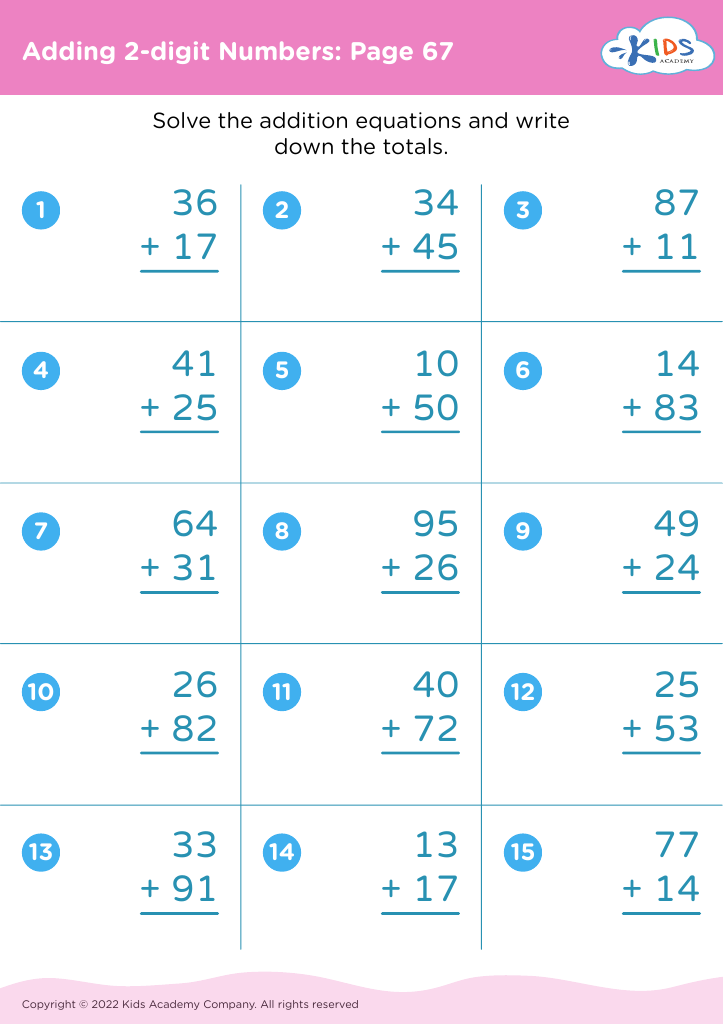
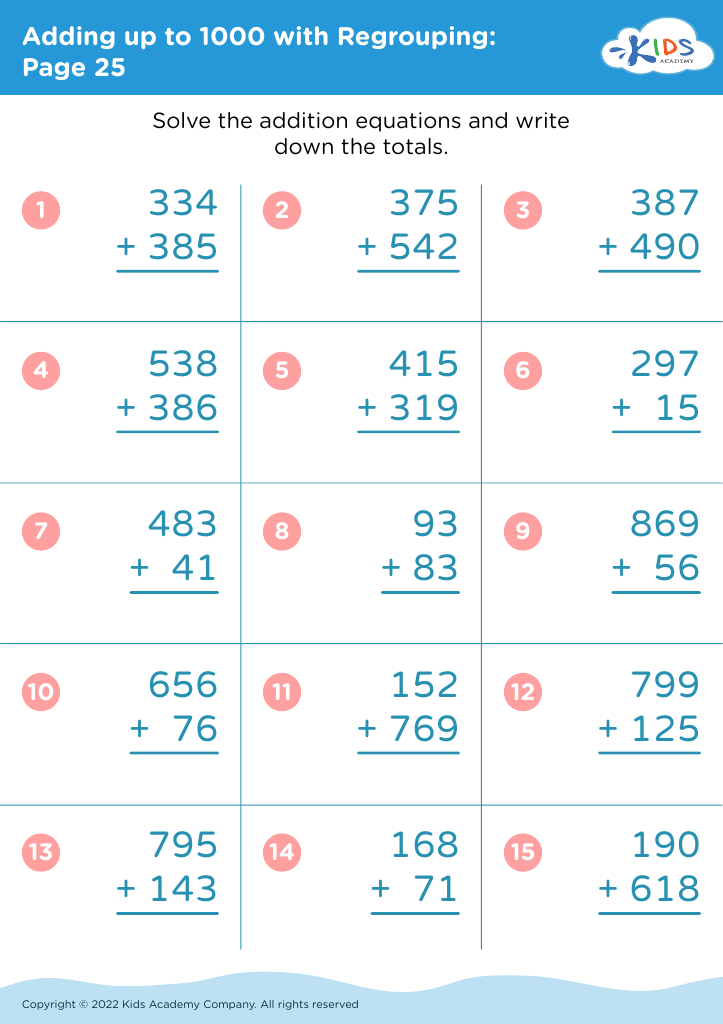
Unlock the power of math problem-solving with our engaging Addition Worksheets! Specifically designed for early learners, these worksheets enhance students' addition skills while fostering critical thinking. Featuring a variety of fun and interactive exercises, our resources help children practice solving real-world problems using addition. Each worksheet encourages exploration and mastery of key concepts, ensuring a deeper understanding of mathematics. Perfect for classroom activities, homework, or extra practice at home, these worksheets promote analytical thinking and confidence in problem-solving. Start your child’s journey to math proficiency today and watch them thrive in their learning! Explore our collection now!
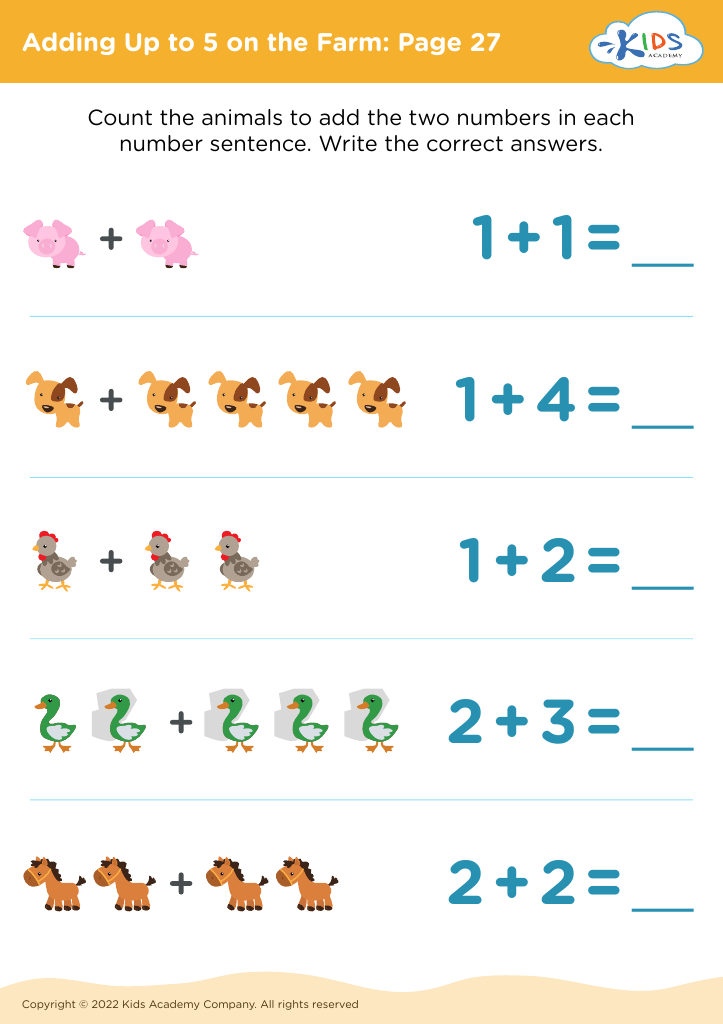
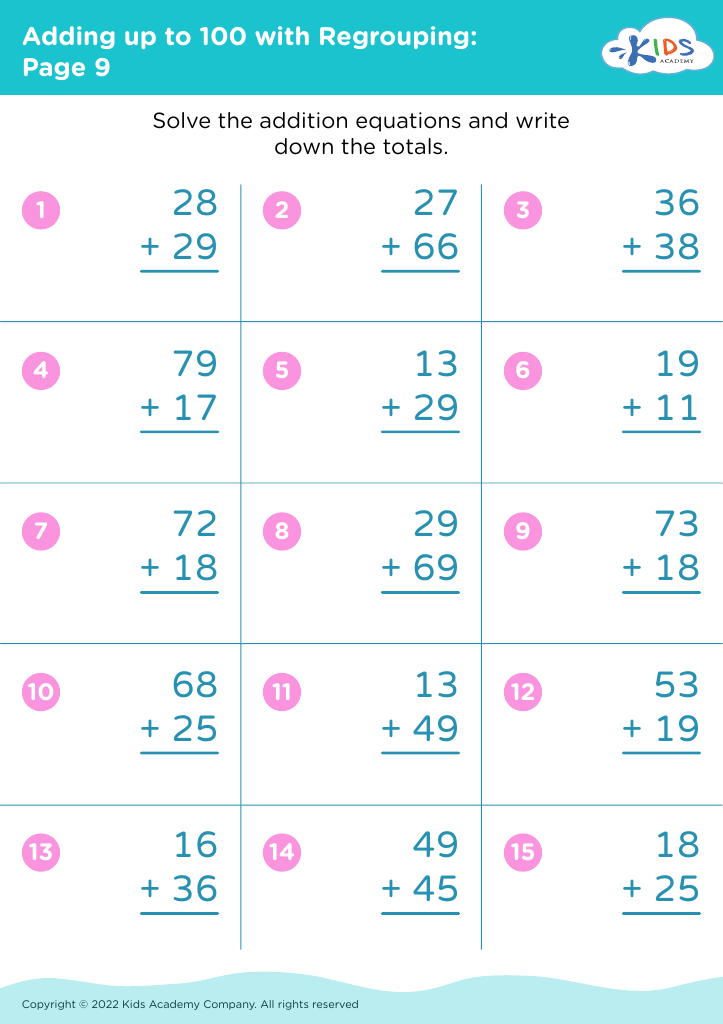
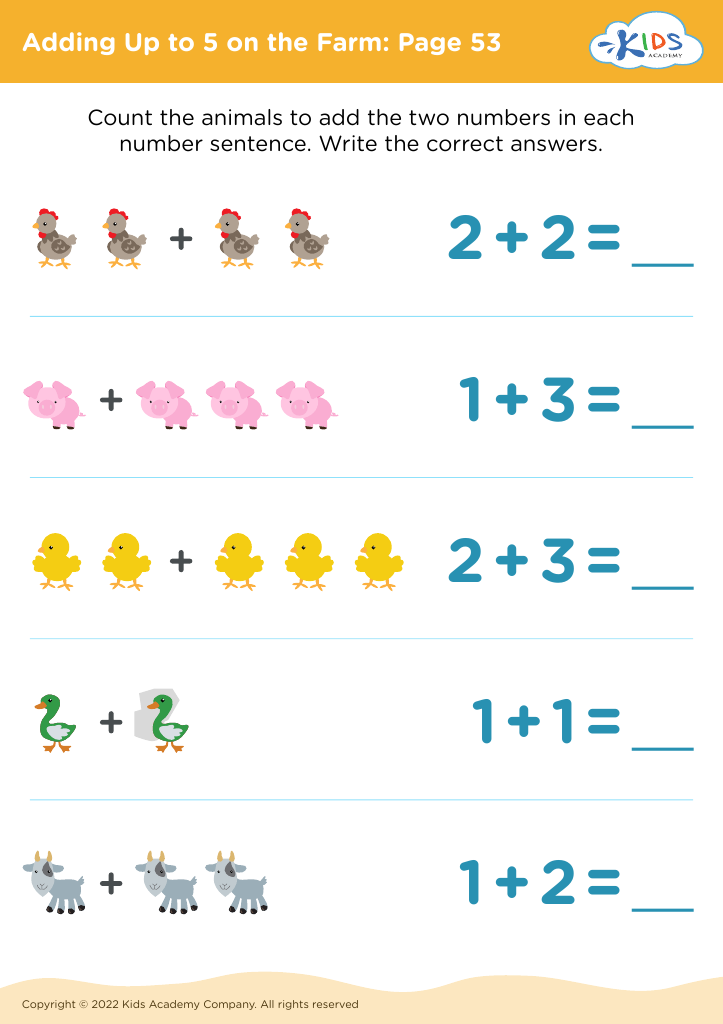
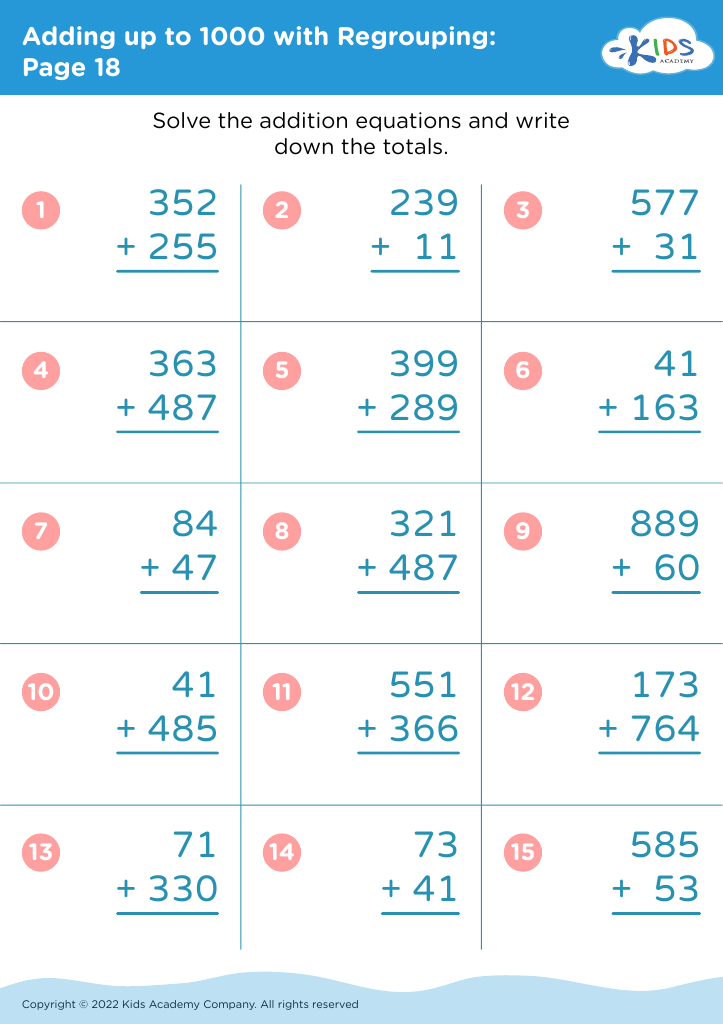

Add it Up Worksheet
 Assign to My Students
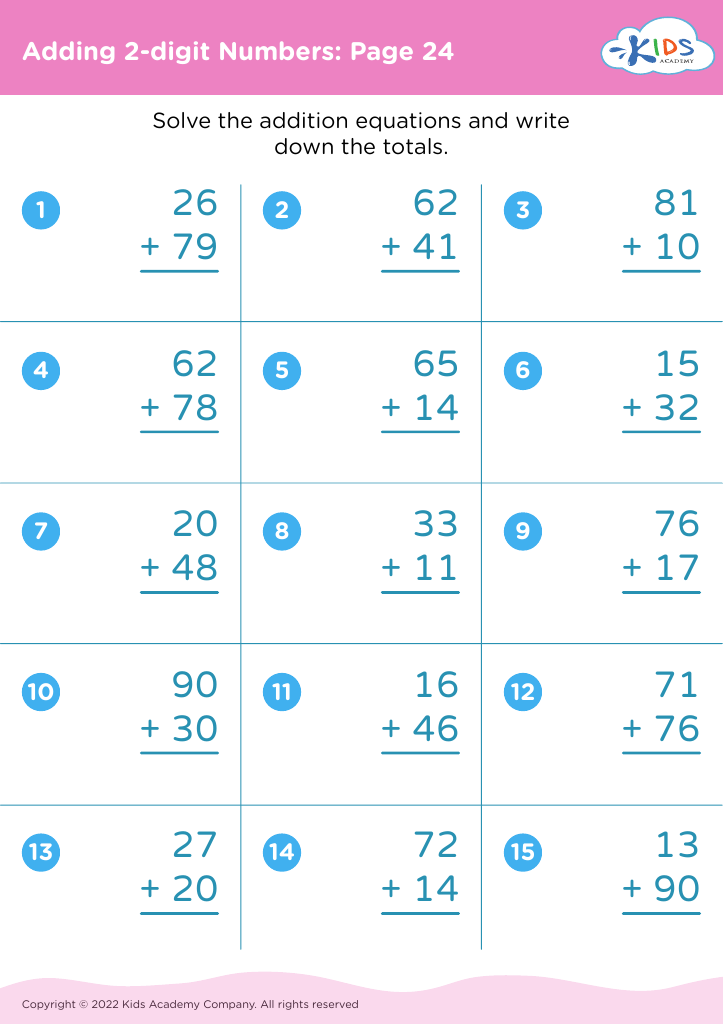
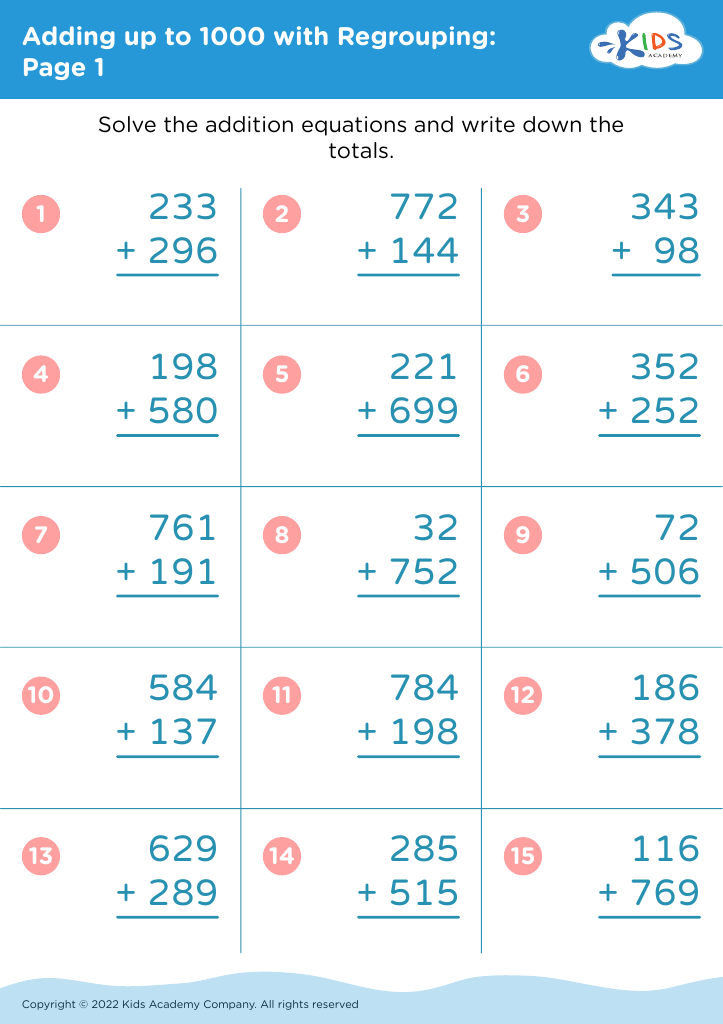
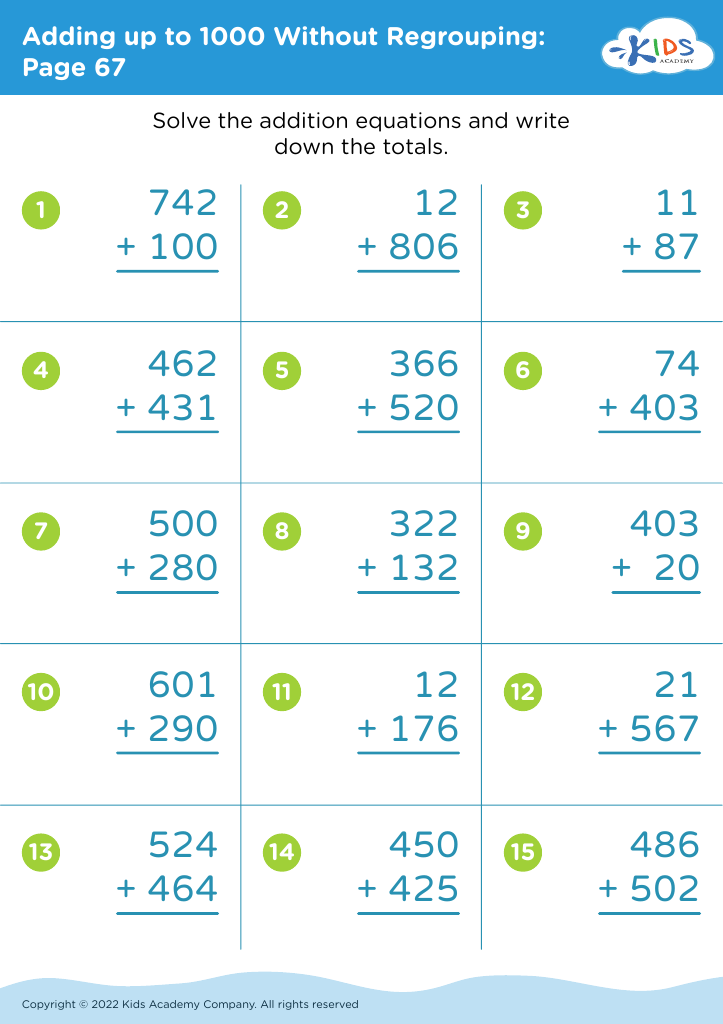
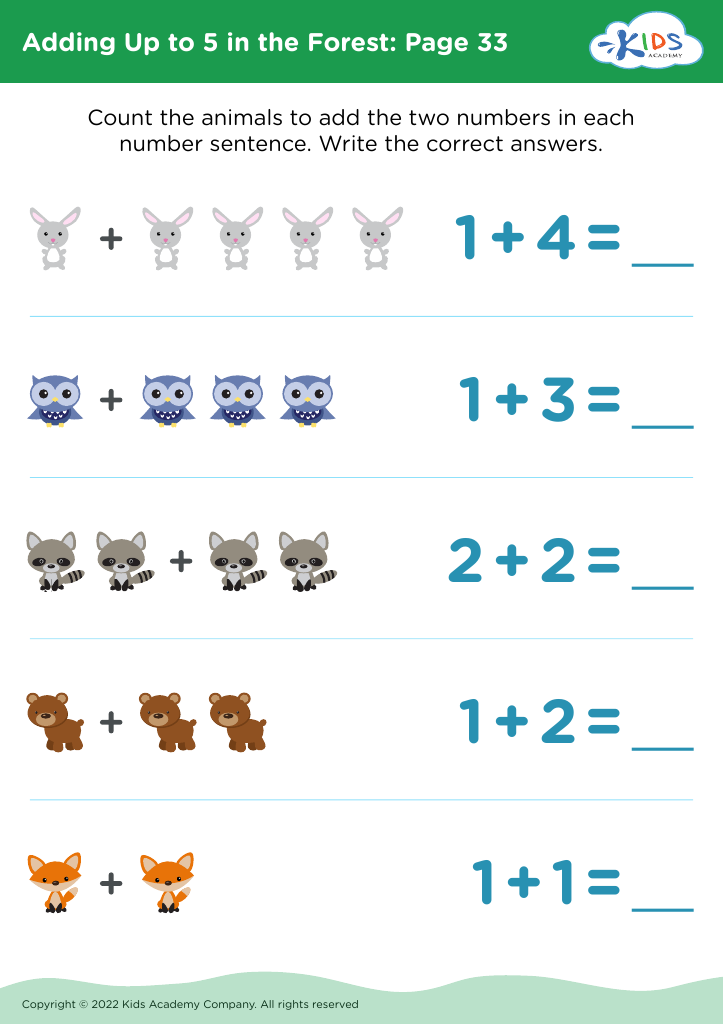




.jpg)



Parents and teachers should prioritize math problem-solving skills, particularly in addition, because they lay the foundation for essential mathematical understanding and cognitive development. Mastering addition not only helps children perform basic calculations but also encourages logical thinking and perseverance.
Addition skills are essential in various real-life contexts, such as budgeting, shopping, and cooking, helping children see the relevance of math in everyday situations. Promoting problem-solving abilities through addition challenges students to think critically, analyze different methods to find solutions, and build a growth mindset that values effort and progress.
Additionally, strong addition skills enhance children's confidence in math, reducing anxiety surrounding this essential subject. Early mastery also facilitates learning more complex concepts, such as subtraction, multiplication, and even fractions, making it crucial for long-term academic success.
Moreover, engaging parents and teachers in a child's math problem-solving journey fosters a supportive learning environment. Celebrating achievements in addition helps children develop a positive attitude toward mathematics, promoting lifelong learning and curiosity.
Ultimately, prioritizing math problem-solving through addition is an investment in a child’s overall development, ensuring they possess the necessary skills to navigate mathematical challenges both in school and in everyday life.








