Word Recognition Addition Worksheets
5 filtered results
-
From - To
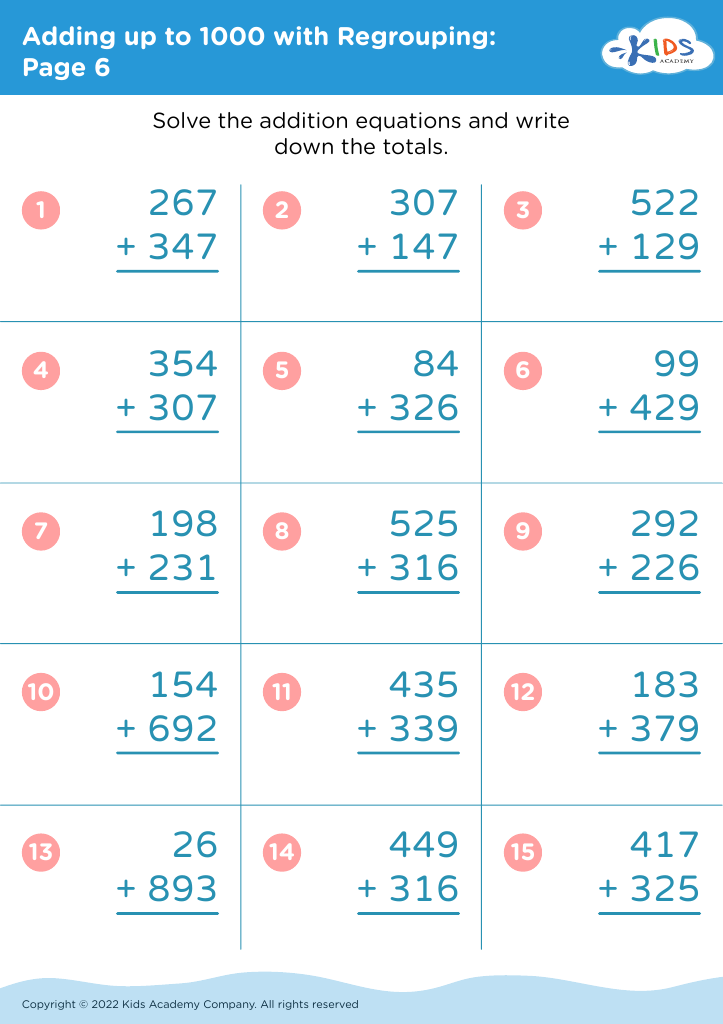
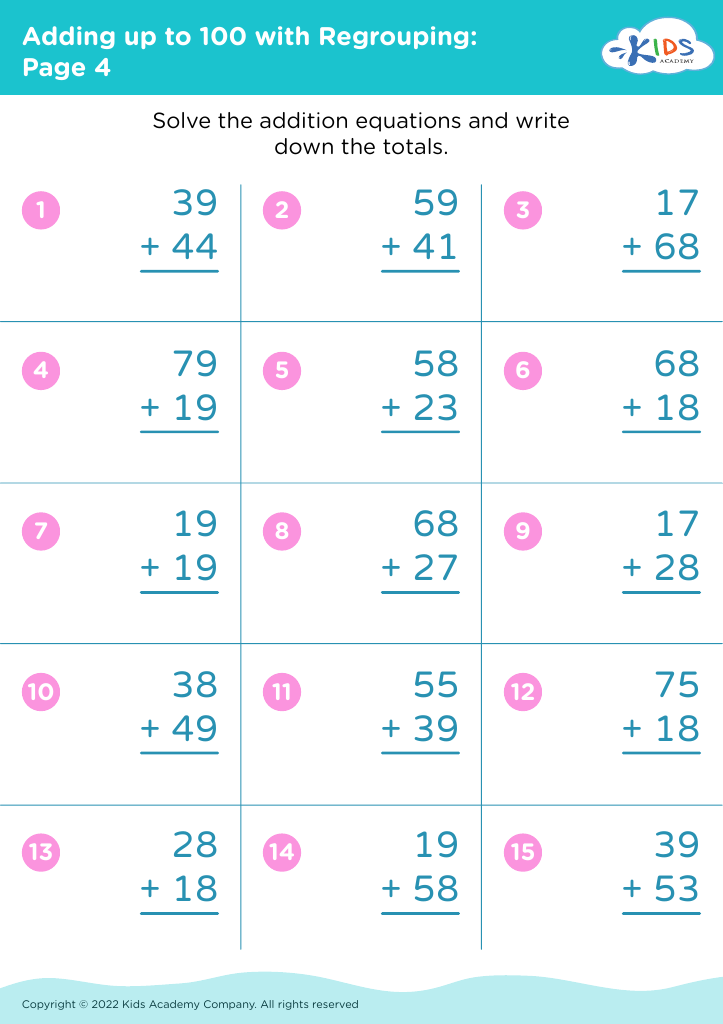
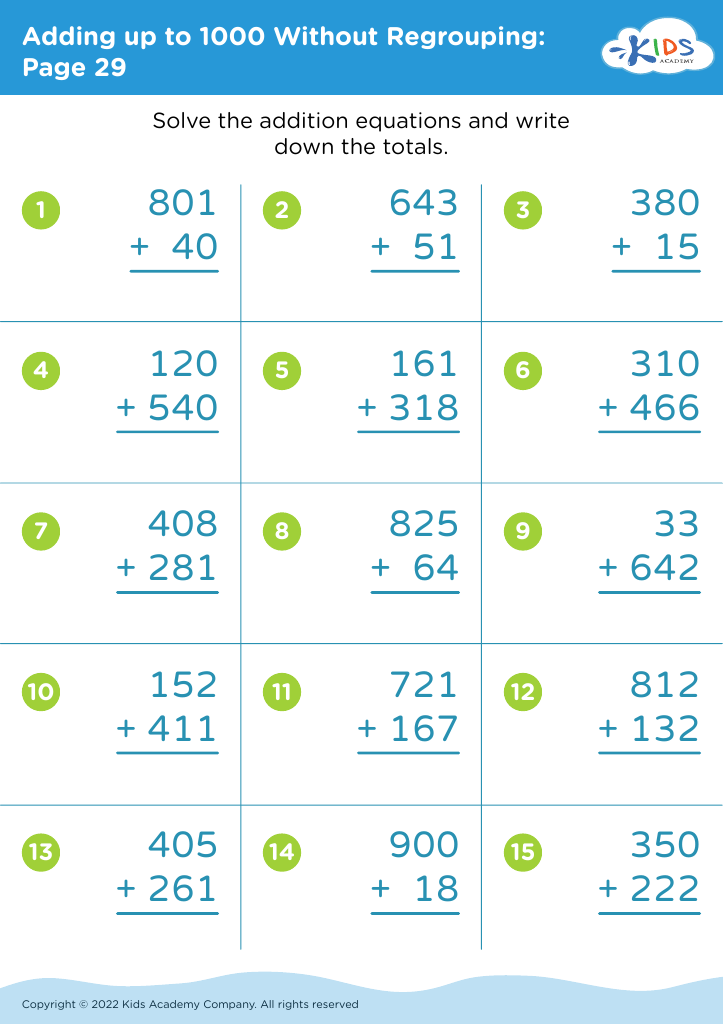
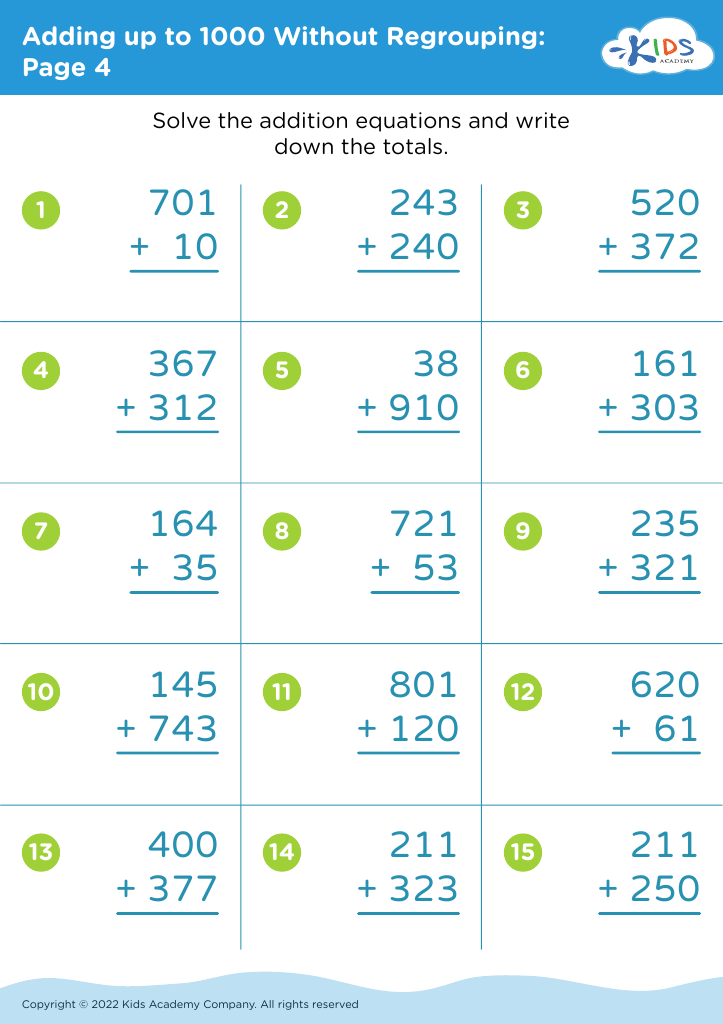
Boost your child's math and reading skills with our Word Recognition Addition Worksheets! Tailored for early learners, these worksheets seamlessly blend essential word recognition practice with foundational addition exercises. Children will enjoy engaging, easy-to-follow activities that develop their ability to recognize numbers and words simultaneously. Perfect for classroom use or at-home learning, these worksheets provide a fun, interactive way to build important cognitive skills while reinforcing basic arithmetic concepts. Empower your young learner to achieve academic success with our expertly designed, kid-friendly worksheets. Start today and watch their confidence soar!
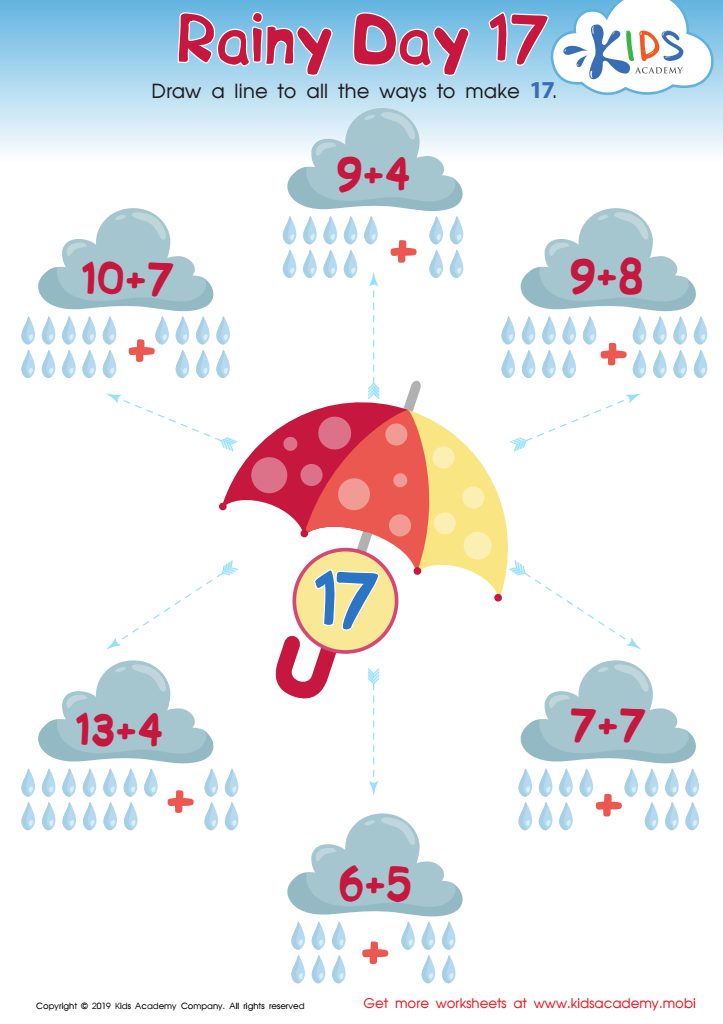
Rainy Day 17 Worksheet
 Assign to My Students








Word Recognition Addition is a fundamental component in early literacy development, crucial for both reading fluency and comprehension. For parents and teachers, understanding and nurturing this skill is pivotal to setting up children for academic success. Word recognition enables students to decode and understand words quickly and effortlessly, facilitating smoother, more fluent reading. This not only makes reading more enjoyable but also allows young readers to focus on comprehending the text instead of struggling with word identification.
Rapid word recognition contributes directly to a child's ability to absorb and synthesize information, which is essential for overall learning. Consistent practice through engaging methods like phonics games, flashcards, and reading aloud can significantly bolster a child’s confidence and enhance their reading proficiency. Improving these skills early on mitigates the risk of future literacy struggles, fostering a lifelong love of reading and learning.
Moreover, proficient word recognition supports vocabulary expansion and enhances spelling accuracy. When children recognize words quickly, they can allocate cognitive resources towards higher-order thinking and understanding nuanced meanings. By prioritizing word recognition addition, parents and teachers invest in a child's educational foundation, empowering them to tackle more complex texts with ease and confidence, ultimately leading to better academic performance across disciplines.








